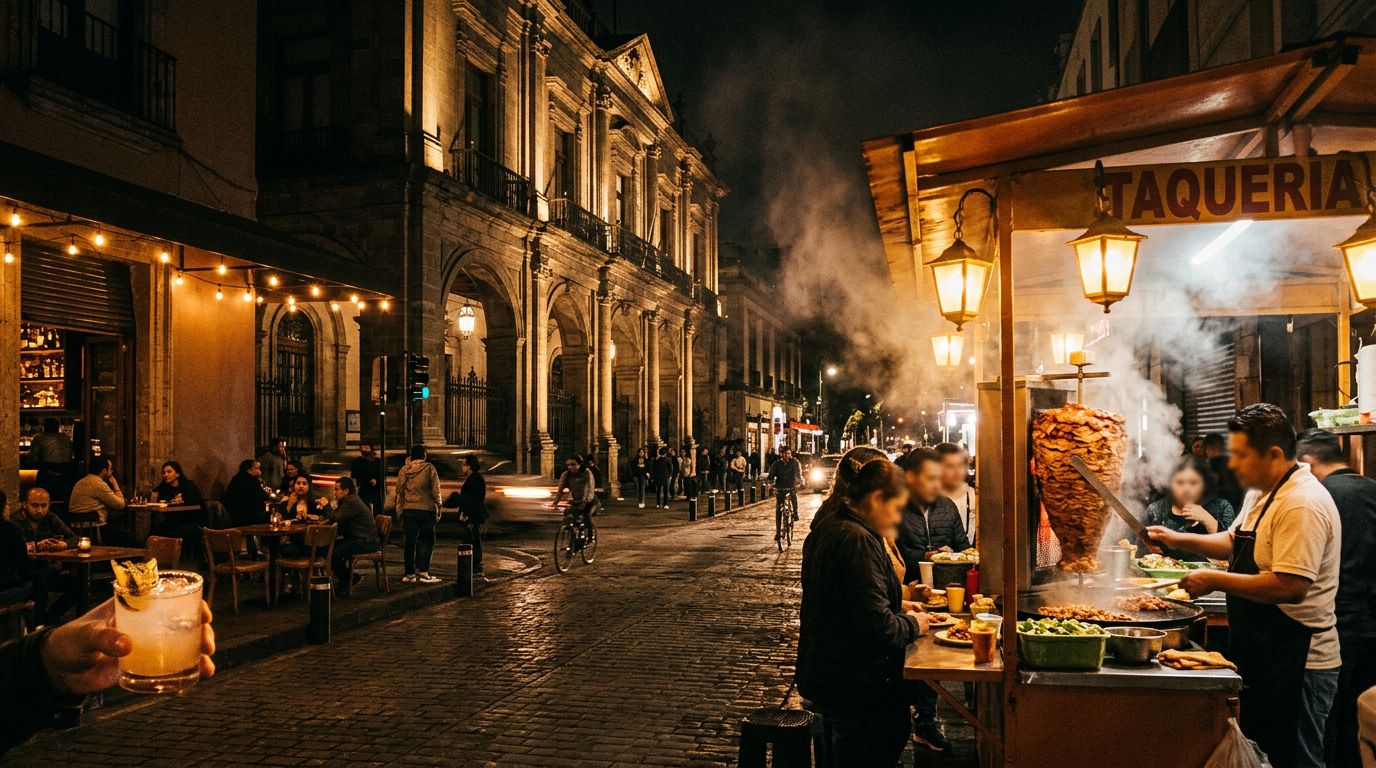
This Mexico City itinerary does not reward rigid sightseeing. It rewards appetite.
Whether you are looking for the best time to visit or simply planning your first trip, remember that this city rewards those who seek out authentic experiences. If your ideal getaway includes street food and late night street tacos, a museum that resets your brain by noon, and a bar scene that keeps going long after dinner, this city is built for you. The trick is not trying to see everything. It is putting the right neighborhoods in the right order.
This guide is made for three full days, with enough structure to keep the logistics clean and enough room for the moments you cannot schedule.
Key Takeaways
- Stay in the right neighborhood: Roma Norte and Condesa are the top choices for their walkability and high concentration of food and nightlife, while Polanco is best for luxury-focused travelers.
- Cluster your activities: Group your daily plans by neighborhood—Centro, Chapultepec/Polanco, and Coyoacán—to minimize time spent in traffic and maximize your enjoyment.
- Respect the pace of the city: Do not overbook your days; allow time for long, indulgent lunches and spontaneous moments, as the city is best experienced when you aren’t rushing.
- Master the night: Plan your evenings around a late-night rhythm, ending with a quality street taco stop rather than trying to hit too many bars in one session.
Start with the right neighborhood, or the whole trip gets harder
A good Mexico City trip starts with geography. Traffic is real, distances are deceptive, and one bad hotel location can turn a great dinner into a 45-minute headache. If tacos, museums, and nightlife are the priority, don’t overthink it. Stay where your nights will end, not where your mornings might begin.
For most travelers, Roma Norte is the sweet spot. It offers the best mix of restaurants, bars, and cafes, often centered around a stylish boutique hotel. Condesa is close behind, a little greener, a little calmer, and still strong at night. Polanco works if you want polished luxury and high-end dining. Zona Rosa is central and lively, though it feels busier and less curated. Juárez is a smart wildcard if you want easy access to several areas without paying Polanco prices.
Here is the quick read:
| Neighborhood | Best for | Why it works | Tradeoff |
|---|---|---|---|
| Roma Norte | Food + nightlife | Walkable, stylish, packed with great bars and restaurants | Can be noisy on weekends |
| Condesa | Relaxed nights | Parks, cafes, good bar scene, easy pace | Slightly quieter if you want all-night energy |
| Polanco | Upscale trips | Luxury hotels, refined dining, polished nightlife | Pricier, less spontaneous |
| Zona Rosa | Busy nightlife | Central, energetic, lots of late-night options | Less charm, more chaos |
| Juárez | Balanced access | Great food nearby, easy to branch out | Not as neighborhood-pretty block to block |
If this is a first visit, book Roma Norte or Condesa and call it. That decision alone makes a taco-heavy, museum-filled, and late-night Mexico City itinerary much easier to pull off.
For a broader neighborhood and food snapshot, Bon Traveler’s Mexico City guide is a useful companion before you book.
Day 1: Start in Centro, then let tacos take over the night
The first day should give you scale. Mexico City is huge, but Centro Histórico makes it feel legible. Start there, and the rest of the city clicks faster.
Go early. Get coffee and a real breakfast, not a protein bar and false confidence. Whether you opt for hearty chilaquiles, eggs, or a visit to Churrería El Moro for churros and hot chocolate, eat something that buys you a few hours. Then head into the historic center to see the Zócalo, the Metropolitan Cathedral, and the streets that still feel like the city is waking up in layers. Walk to the outside of Templo Mayor, drift toward Alameda Central, and make time for the Palacio de Bellas Artes. Even if you do not go deep inside every stop, the architecture alone earns the morning.
By lunch, switch gears and eat something that tastes like the city itself. Los Cocuyos is a classic move in Centro if you want late-night energy in broad daylight. Suadero, cabeza, or tripa if that is your lane. This is not the hour for restraint. It is the hour for one plate too many.

Photo by Lex Reyes
After lunch, do not stack too much. Grab a rooftop drink, head back to the hotel, reset, and save your energy for the night. Mexico City punishes people who burn all their calories before sunset.
Dinner should not be a long, formal production on night one. Night one should move. Start in Roma Norte with a mezcal, then build a street food crawl around a few smart stops instead of chasing ten places for the story. El Huequito is one of the classic names for Al pastor. If you want the full late-night move, finish at El Vilsito, the famous mechanic shop that turns into a street tacos spot after dark. It is one of those places that sounds too neat to be real, until the trompo starts spinning.
Don’t try to win the taco crawl. Three good stops beat seven forgettable ones. One pastor specialist, one suadero stop, one late closer, that is the right rhythm.
Day 2: Build the middle of the trip around museums that are worth your time
This is the day to go big on culture, and not in the dry, school-trip way. Mexico City’s best museums are the kind that change the pace of the whole trip. Adding these cultural highlights is a essential part of any well-rounded Mexico City itinerary.
Start with Bosque de Chapultepec and give the Anthropology Museum the respect it deserves. It is not a quick stop. It is one of the best museums in the Americas, and it can easily take three hours without feeling long. If you only do one museum on the trip, make it this one. The collection is massive, but the building is part of the experience too, especially the central courtyard and that iconic concrete umbrella. If you have extra time in the park, a walk up to Chapultepec Castle is a fantastic way to see the city from above.
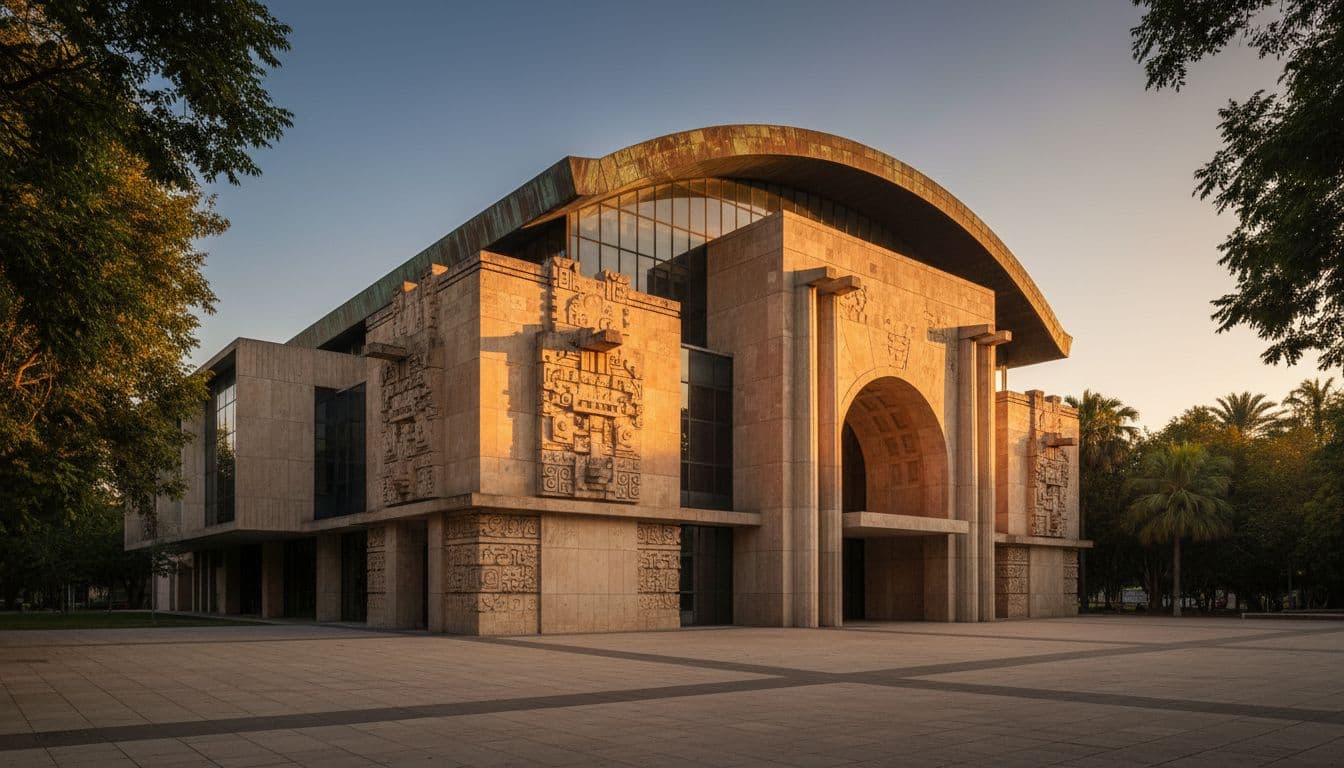
The mistake here is trying to cram in every major museum because the map makes them look close. Museum fatigue is real. Pick one anchor museum and one shorter second stop. If you still have energy after your morning visit, Museo Tamayo or the Museo de Arte Moderno are strong add-ons nearby. If your taste runs more contemporary and polished, move over to Polanco later for Museo Jumex and Museo Soumaya, but do not force all of that into the same sprint.
If you want a wider short list before choosing, this roundup of top Mexico City museums is a helpful skim.
Lunch in Polanco makes sense after a museum morning. The neighborhood is sharper around the edges, cleaner, more dressed-up, and good for a slower meal. This is where you pivot from street-food mode to a proper fine dining experience. If day one was smoke, salsa, and standing on a sidewalk, day two can be linen napkins and something cold in a glass.
By evening, don’t feel locked into staying in Polanco. You can, and it works well if you want rooftops or a more refined dinner. But many travelers will have more fun heading back toward Roma or Condesa, where the night feels looser and less staged.
If a museum day starts to feel crowded, cut one stop and keep the dinner. Mexico City is better when there is room to wander.
Day 3: Go south for Frida, markets, and a slower pace
After two big days, the trip needs contrast. That is what Coyoacan is for.
The neighborhood feels different on purpose. You will find slower streets, older houses, leafy plazas, and a little more breathing room. If the first two days are all velocity, Coyoacan is the exhale. This is the right day for the Frida Kahlo Museum, but only if you have booked ahead. Waiting until the week of is gambling for no reason.
Book Casa Azul as soon as your dates are set. Same-day luck is not a plan.
Once you are in the area, do not rush back out. Walk the squares, get coffee, browse a market, and eat something casual. Coyoacan Market is a strong stop for snacks and a low-key lunch. If you want another museum that feels more personal and less checkbox-heavy, pair your visit with Museo Anahuacalli. It has a darker, more volcanic mood, and it often leaves a bigger impression than people expect.
If you are looking for a true day trip, head slightly further south to explore the Xochimilco canals. Riding on a traditional trajinera boat through these ancient waterways is a highlight of the city, and the area is rightfully recognized as a UNESCO World Heritage Site. It provides a colorful, vibrant contrast to the museum-heavy morning and serves as a unique way to experience local culture.
This part of a Mexico City itinerary matters because it changes the tempo. Great city trips need one day that does not feel engineered down to the minute. Coyoacan and the surrounding south side give you that without losing substance.
By late afternoon, you have options. Stay south and keep it easy with dinner nearby, or head back toward neighborhoods like Juarez for one more big night. If you missed El Vilsito earlier, this is a good recovery slot. If you want a more polished meal before drinks, Juárez is a smart bridge neighborhood, as it is central, stylish, and well placed for the rest of your evening.
The point of day three is not to squeeze in one last checklist. It is to leave room for whatever part of the city you want one more hour with.
Where to go out at night, and how to do it without burning out
Nightlife in Mexico City is not one thing. That is the good news. The harder part is choosing your lane before midnight.
Right now, Roma Norte and Condesa still offer the best overall mix of food and nightlife in the city. If you want bars you can walk between, a crowd that feels energetic without being messy, and an easy transition from dinner to drinks, start here. Roma Norte leans a little trendier, while Condesa feels a bit more relaxed. Both neighborhoods work perfectly for a night out.
If your trip has a dress-up night, go to Polanco. The cocktails are tighter, the rooms are prettier, and the whole scene is more polished. If you want a louder, more central, and more open-ended night, Zona Rosa has the volume. It is not the most charming area in the city, but it is lively and easy to plug into.
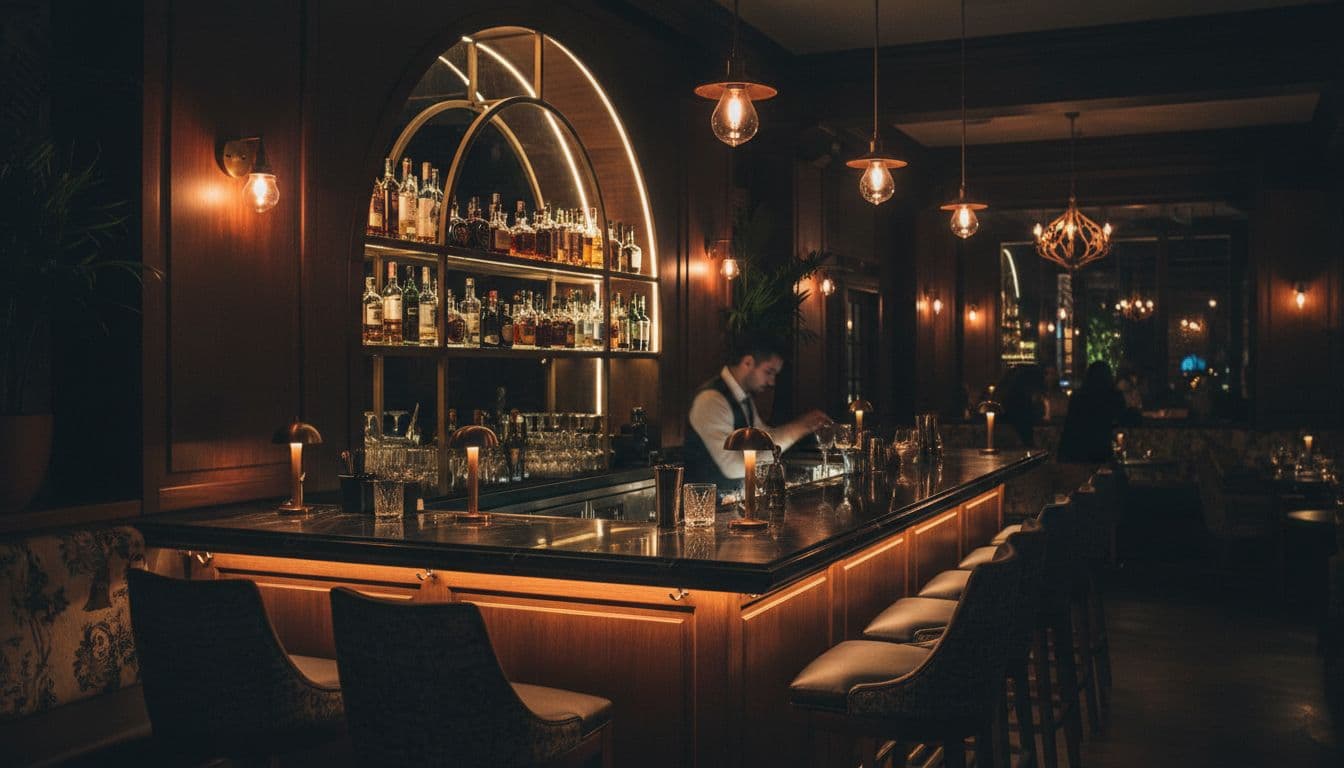
The best nights usually follow a simple sequence. Have a late dinner around 9:00 or 9:30. Head to your first bar around 11:00. From there, decide if you are in the mood for mezcal, traditional pulque, or a high-energy evening of dancing. That is the rhythm. Start too early and the city feels sleepy. Push too hard too soon and you will hit the wall before it gets good.
If music or entertainment matters, Mexico City gives you range. Zinco Jazz Club is a reliable pick for live jazz, but if you want something truly unique, catch a Lucha Libre match for high-flying energy that acts as a perfect alternative to the typical club scene. Salon Tenampa at Plaza Garibaldi also offers old-school mariachi energy that is big, loud, and classic. Smaller bars in Roma and Juarez frequently run live sets, but calendars move, so check before building the whole night around one room.
The other move, maybe the smartest one, is keeping your post-bar taco plan close to the final stop. That sounds obvious, but it is not. A great night can go sideways because the last food decision got lazy. In this city, finding the right spot for street tacos after midnight is not an afterthought. It is the essential closer.
The practical moves that keep this itinerary clean
A lot of travel pain in Mexico City is self-inflicted. The city is generous, but it does not love sloppy planning.
First, know the museum schedule. Many museums close on Monday, so do not build your culture-heavy day there unless you have checked each stop. Also, some of the most popular places, especially Casa Azul, need advance booking. Good restaurants can too, especially on weekends. Pro tip: stop by Panadería Rosetta for a pastry before your departure to keep your energy up.
Second, cluster your days by area. Centro on one day. Chapultepec and Polanco on another. Coyoacan on its own. That single choice saves time, energy, and patience. A trip falls apart when every meal and museum lives in a different zip code.
Third, use Uber at night. The Metro is useful during the day, but late-night hops between dinner, bars, and taco spots are easier by car. Build that into your budget. So is cash. Cards are common, but smaller taquerias and market stalls still make cash the cleaner move.
If you have extra time in your schedule, consider an out-of-town excursion. A day trip to the Teotihuacán pyramids is a classic move for history buffs, while the turquoise waters of Grutas de Tolantongo offer a stunning natural escape for those looking to venture further afield.
Altitude catches people off guard, even on short trips. Walk a little slower on day one. Hydrate more than you think you need to. Do not make your first full day a marathon and then act surprised when the second round of mezcal hits like a truck.
If you are traveling with friends, keep one anchor reservation per half-day. That is enough structure. Anything more and the trip becomes a chore, so keep these practical tips in mind to ensure your Mexico City itinerary stays flexible, fun, and manageable.
Frequently Asked Questions
Do I need to book my museum tickets in advance?
Yes, especially for popular spots like the Frida Kahlo Museum (Casa Azul), which often sells out weeks in advance. It is highly recommended to book your tickets online as soon as your travel dates are finalized to avoid disappointment.
Is it safe to use public transportation at night?
While the Metro is efficient and useful during the day, it is generally recommended to use Uber for travel late at night. Ridesharing is affordable, reliable, and provides a safer, more direct door-to-door experience for getting between dinner, bars, and late-night taco stands.
How much cash should I carry?
While credit cards are widely accepted at hotels and higher-end restaurants, smaller taquerias, markets, and street food vendors often operate on a cash-only basis. Carrying a reasonable amount of pesos in small denominations will ensure you don’t miss out on the best local food experiences.
What is the best time of year to visit Mexico City?
Mexico City is a year-round destination, but the spring months (March to May) offer beautiful weather as the jacaranda trees bloom. The dry season, from October to April, is also a popular time to visit because you can avoid the heavier rainfall that typically occurs during the summer months.
Leave a Reply