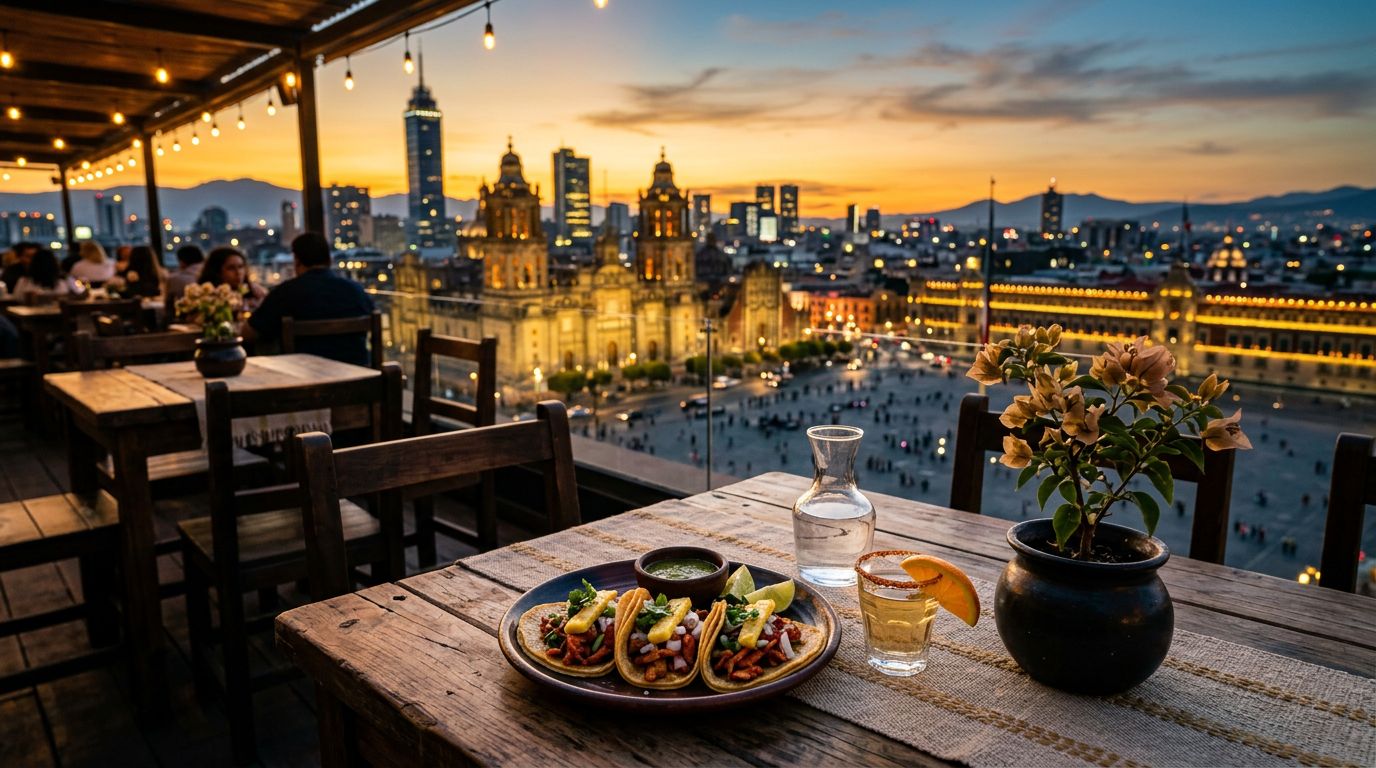
Mexico City can hand you museum mornings, market lunches, rooftop cocktails, and a live set after midnight, all in the same trip. Whether you are considering the best time to visit or just starting your travel research, the trap is thinking you can do all of it by brute force.
This city is huge, traffic is real, and the best moments usually happen when the day has a shape. A smart Mexico City itinerary is less about checking off landmarks like the Zócalo just to say you have been there, and more about pairing neighborhoods, meals, and nights that actually fit together. That is where the trip starts to feel good.
Key Takeaways
- Plan by neighborhood: Avoid travel fatigue by staying in one or two areas per day, such as Roma Norte, Condesa, or Juárez, rather than zig-zagging across the city.
- Prioritize the rhythm: Limit your schedule to one major cultural activity per half-day to allow for spontaneous discoveries, coffee breaks, and leisurely meals.
- Mix your dining experiences: Balance your trip between polished fine-dining reservations and casual, authentic market food or late-night street tacos.
- Book non-negotiables early: Secure tickets for popular attractions like the Frida Kahlo Museum (Casa Azul) and major fine-dining spots well in advance, but keep the rest of your itinerary flexible.
Build your trip around neighborhoods, not a giant checklist
The fastest way to ruin a first visit is simple: too much crossing the city. On paper, Centro Histórico in the morning, Coyoacán at lunch, Polanco at sunset, and Roma after dinner can look efficient. In real life, it is a long day of sitting in traffic and arriving everywhere a little tired.
Mexico City rewards a neighborhood-first plan. Think of it like building a setlist. You want flow, not random highlights jammed together.
For most first-timers, staying at a boutique hotel in Roma Norte, Condesa, or Juárez offers the best experience. These areas put you close to great food, strong coffee, cocktail bars, and enough tree-lined streets to keep the city from feeling overwhelming. If museums and high-end dining matter most to you, Polanco is a fantastic alternative. While Coyoacán is beautiful, it is usually better to visit it as a day trip rather than making it your home base for a short stay.
If you want a feel for how different the neighborhoods are before you book, this neighborhood guide to Mexico City gives a useful read on the city’s character without flattening everything into best area talk.
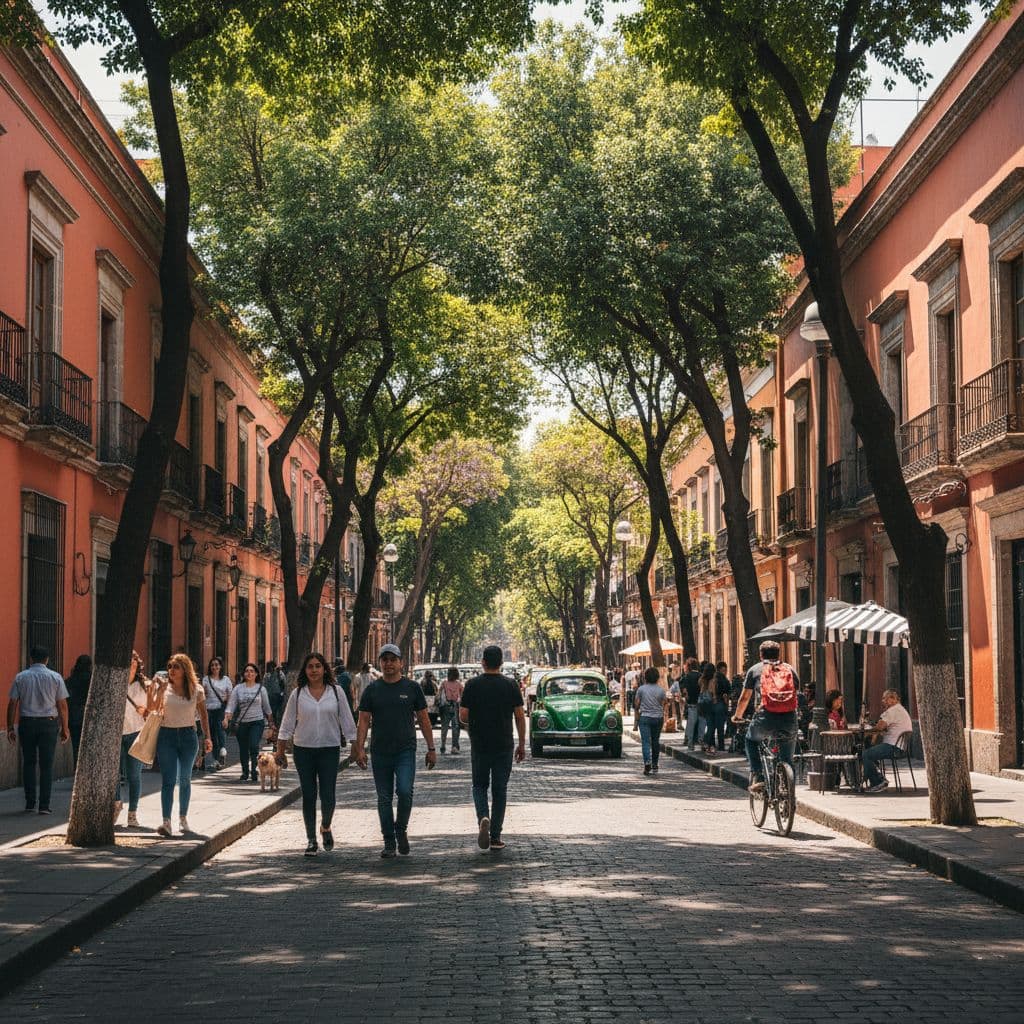
A good rule is to pick one main zone per half-day, then let meals and drinks happen nearby. That does not sound flashy, but it works. You spend less time commuting and more time catching the things that make the city memorable, such as the coffee stop you did not plan, the taco stand that saves the night, or the bar you would never have found if you were racing to the next pin on your map.
If a day asks you to zigzag across the city at rush hour, it is not a good day.
A 3-day Mexico City itinerary that doesn’t feel rushed
Here is a recommended structure that works well for a first trip. It hits the city highlights, leaves room to eat properly, and ensures you do not burn half the weekend in transit. If you prefer a change of pace, remember that a day trip to the Teotihuacán pyramids or the Xochimilco canals can easily be swapped into this schedule.
| Day | Morning | Afternoon | Evening |
|---|---|---|---|
| 1 | Zócalo, Metropolitan Cathedral, and Palacio de Bellas Artes | Reforma or Juarez, coffee and a slower walk | Roma Norte dinner, cocktails, late street tacos |
| 2 | Coyoacan and the Frida Kahlo Museum area | Market lunch and neighborhood wandering | Longer dinner, low-key Mezcal drinks |
| 3 | Bosque de Chapultepec, Chapultepec Castle, and the Anthropology Museum | Polanco lunch or gallery stop | Juarez, Condesa, or Zona Rosa night out |
Treat this Mexico City itinerary like a framework, not handcuffs. If you are landing that morning, keep day one lighter. The city altitude can sneak up on you, especially if you are arriving from sea level. A heavy lunch, a museum marathon, and strong spirits upon arrival is a bold move, but it is not always a smart one.
What matters most is the rhythm. One culture-heavy morning, one long meal, and one evening that has a clear plan is how a short trip feels full without feeling packed.
You also do not need every meal to be a major reservation. In a city like this, the trip gets better when you mix it up. One polished dinner, one local market meal, and plenty of street food or street tacos late at night provide the perfect balance.
Day 1: Start with history, then let the city loosen up
Open in Centro Histórico. Even if you are not a typical landmarks traveler, the area provides essential context for your trip. The Zócalo, the Metropolitan Cathedral, and the layers of colonial and pre-Hispanic history hit harder in person than they do on a list. If you want a museum stop, keep it focused. The Palacio de Bellas Artes is a strong pick, while Templo Mayor is the right choice if archaeology pulls you in. Before moving on, make a quick stop at the iconic Churrería El Moro to grab a chocolate and churro break.
By lunch, do not overcomplicate it. This is a good time for something traditional and filling, either in a bustling market or a classic dining room. Save the experimental tasting menu for another night. Day one should ground you in the city rather than turning into a scavenger hunt for a single best place.
In the afternoon, move west toward Reforma or Juárez. That shift in atmosphere matters. Centro is intense and grand, whereas Juárez feels looser, more modern, and more lived-in. It is a perfect place to reset with coffee, a pastry, or a slow hour on a shaded street before dinner.
Dinner belongs in Roma Norte. This is where many visitors truly fall for the city. The streets are easy to walk, the restaurant density is incredible, and the night can go in whatever direction you want. Whether you want a fancy dinner, a small wine bar, or a cocktail bar with a bit of edge, you will find it here. To cap off your evening, wandering the neighborhood for a late-night snack of street tacos is an essential part of the experience.
If you want an extra perspective on how Roma fits into the bigger city picture, this look at six trendy neighborhoods to explore is useful, especially for first-timers deciding how much time to spend in Roma, Condesa, and nearby areas.
The main goal for day one is simple: do not peak too early. End the night with room for spontaneity. Mexico City is at its best when the plan still has a little air in it.
Day 2: Coyoacan, markets, and the meal you’ll remember
Day two is where you slow the pace and let the city show a softer side. Head south to Coyoacan in the morning. The plazas, old houses, and tree cover shift the energy right away. If seeing the Frida Kahlo Museum, also known as Casa Azul, matters to you, book it early and build the morning around that reservation. Do not assume you can walk up. Since you are already in the southern part of the city, consider that the Xochimilco canals and a traditional ride on a colorful trajinera boat are nearby UNESCO World Heritage Site experiences if you have the extra time.
Even without the museum stop, Coyoacan works. Grab coffee, sit in the square, and give yourself permission not to optimize every hour. That is part of the point here.
Lunch is the anchor. This is where you go casual and local. Markets are perfect for it. You can eat more adventurously without turning the day into a formal event. Seek out the best street food, like tostadas, tlacoyos, quesadillas, and barbacoa. When it comes to street tacos, Al pastor is a must-try that defines the local flavor. Whatever looks hot and busy is usually a safe bet. If you want a preview of the city’s food depth, this street food guide is a good reminder that some of the best bites won’t come with tablecloths.
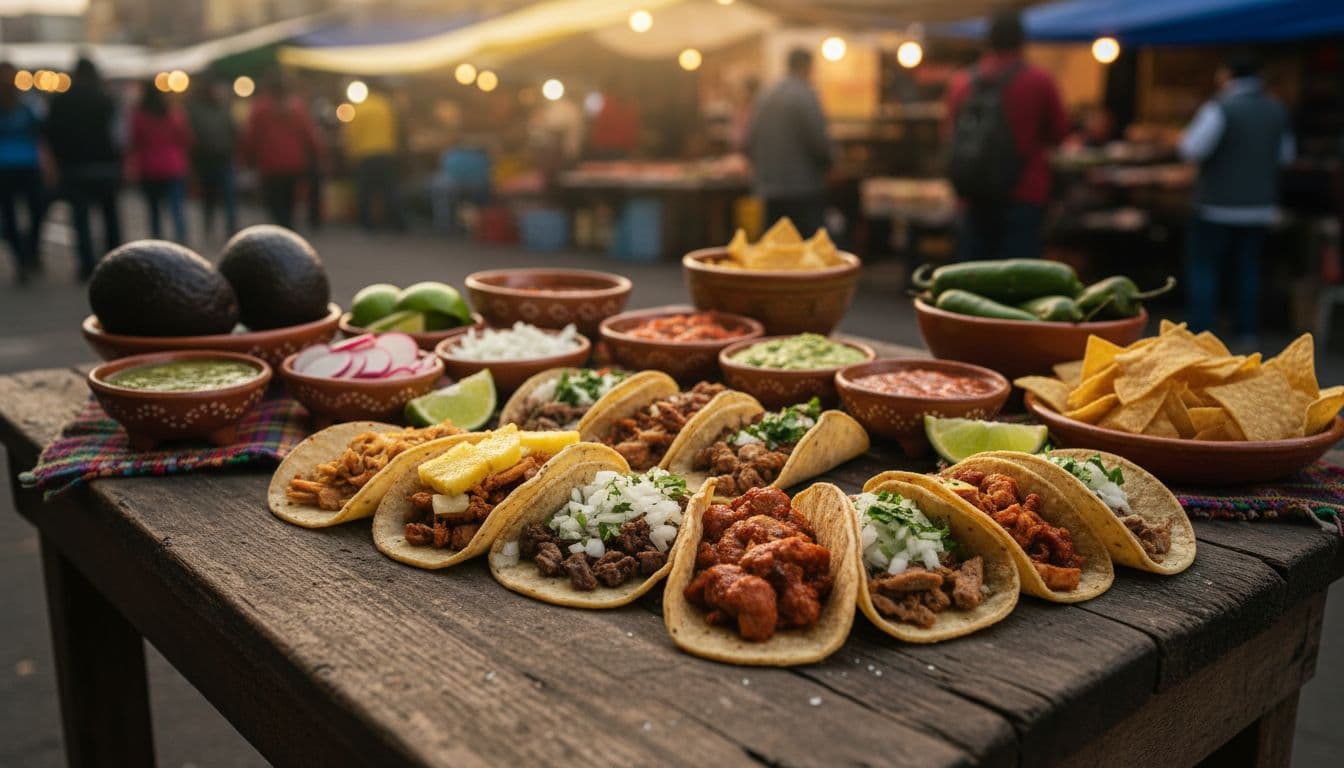
The mistake here is doubling down too hard. Do not do a giant market lunch and then try to crush a huge tasting menu at 8 p.m. Give yourself a window. Walk. Browse. Find a mezcal, a coffee, or a quiet hour back at the hotel.
For dinner, you can go two ways. Stay relaxed and keep it neighborhood-driven, or make this your one more polished reservation of the trip. If you want ideas that range beyond the usual greatest hits, this roundup on where to eat in Mexico City is a handy starting point.
This is also a strong night to keep drinks mellow. Not every evening needs to end at 2 a.m. A city this big is better when at least one night ends early enough for breakfast the next day.
Day 3: Chapultepec, Polanco, and a sharper finish
By day three, you are ready for the city’s more polished side. Start in Bosque de Chapultepec. The park alone can fill time, but the smarter move is to choose one major cultural stop and do it well. For most visitors, that is the Anthropology Museum. It is enormous, and it deserves real time. Two hours is the floor, not the ceiling. Alternatively, you can head up the hill to explore Chapultepec Castle for a look at both the history and the incredible city views.
If these museums are not your primary interest, choose one alternative and commit to it. Museo Tamayo or the Museum of Modern Art both fit nicely here. What you do not want is the museum sampler approach where you spend more time entering and exiting buildings than actually seeing anything.
Lunch in Polanco makes sense after that. This is a perfect place for a longer, more composed meal. Polanco is synonymous with the city’s elite fine dining scene, but you can also find excellent casual spots like a satellite location of Panadería Rosetta if you prefer a lighter, pastry-focused break. It is a great area for a midday reset because it offers professional service, elegant dining rooms, and plenty of space to stretch the afternoon a little.
If you would rather keep spending in check, grab a coffee and a quick bite, then save the bigger budget for your final dinner. Mexico City gives you options at every level, which is part of why it works so well for a customized trip.
The evening should finish in Juárez, Condesa, or Zona Rosa, depending on the kind of night you want. Juárez has a genuine city at night pulse. Condesa is more low-key and date-night friendly, while Zona Rosa is louder, scrappier, and usually easier on the wallet.
This is your flex night. If you found a neighborhood you loved on day one, go back. The best itineraries are not rigid. They pay attention to what the trip is telling you.
Where to stay, how to get around, and what to book early
For a first trip, staying in a boutique hotel in Roma Norte, Condesa, Juárez, or Polanco makes the whole plan easier. These neighborhoods let you move between food, culture, and nightlife without rebuilding your day around transportation. If your trip is food-first, traveler recommendations for the best neighborhoods to stay in Mexico City usually circle back to these core areas because they offer easy access to world-class restaurants and vibrant street food. While you should always be mindful of food hygiene, these bustling areas are generally safe for trying local vendors. If late nights and cocktail bars drive your hotel choice, this Roma Norte nightlife stay guide is the place to start.
Getting around is straightforward, but you need to be realistic. Walking is perfect for exploring your home neighborhood, but for longer jumps, Uber is the safest and most convenient option. Using Uber ensures you can navigate the city without worrying about language barriers or fixed routes. If you are heading into the Centro Histórico, public transit or walking is often more efficient given the density of the area. The Metro is useful and cheap, but it might not match your comfort level when you are dressed for a nice dinner or moving on a tight schedule.

Photo by Diana Reyes
What should you reserve ahead? Start with the non-negotiables: Casa Azul, any high-demand fine-dining dinner, and concert tickets if live music is part of the trip. If you have an extra day in your schedule, a day trip to the Teotihuacán pyramids, the Xochimilco canals, or the Grutas de Tolantongo is well worth the effort. For any such day trip, try to book your transport or guided tour in advance to save time. Beyond those big items, leave some room. Overbooking a city like this is like over-mixing a song, as you can really feel the effort.
Also, pay attention to meal timing. A late lunch can easily become the main meal of the day in Mexico City. That is not a problem unless you have stacked a hard-to-move dinner reservation right on top of it. Build space between your anchors.
The sweet spot is structure without overcontrol. A boutique hotel in the right place, one major plan per half-day, and two or three reservations total that really matter will keep your trip sharp without sanding off the fun.
After dark: the best nights are built in layers
Right now, in 2026, the city’s strongest nightlife zones are Roma Norte, Condesa, Juárez, and Zona Rosa. The pattern is pretty clear: people want nights that flow. Dinner, then drinks, then one more stop for music or dancing, all in the same area.
Roma Norte still owns the polished version of that formula. Expect rooftops, cocktail bars, and places where dinner can slide into a full night out. Condesa is softer around the edges, good for smaller bars and more mixed music. Juárez has energy and density, making it a perfect place to start your evening with a smoky mezcal or a traditional glass of pulque. Zona Rosa stays louder, more local, and more budget-friendly.
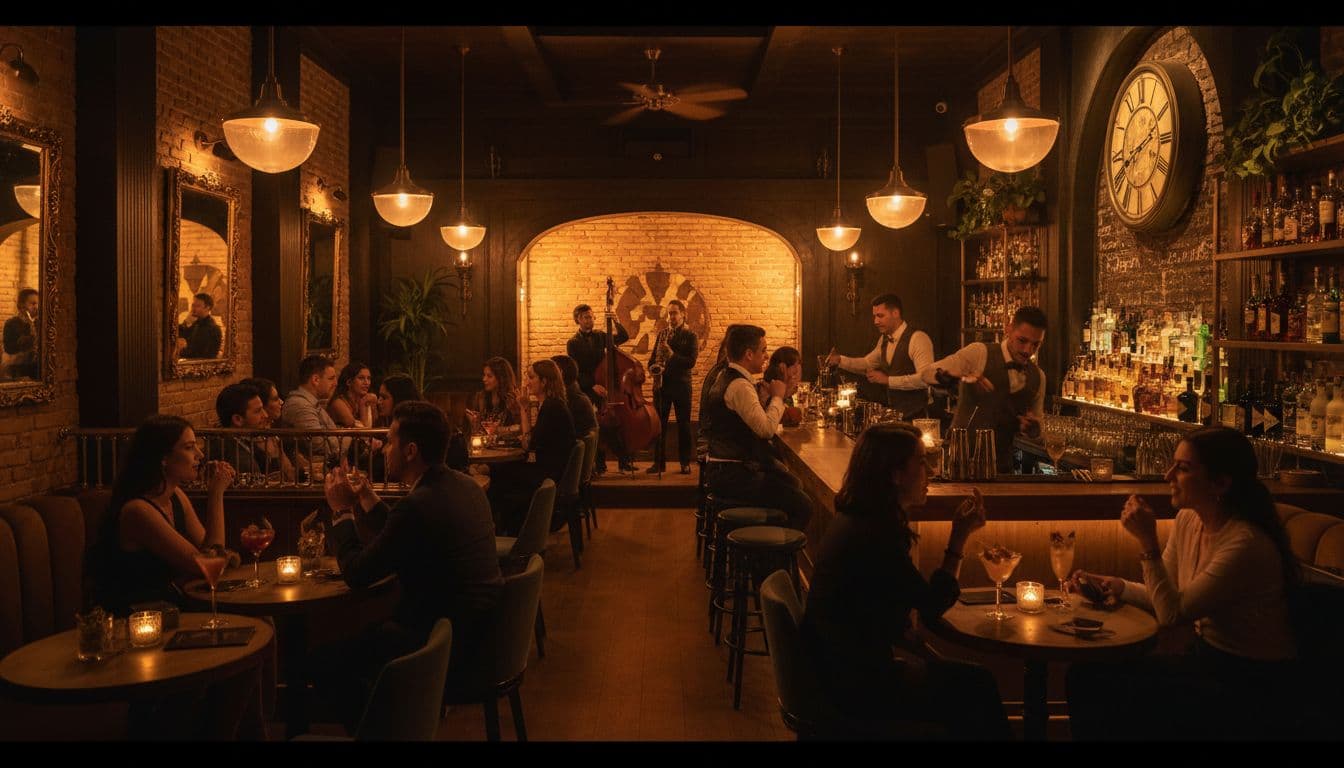
Music matters here. Techno and house are still big, but so are salsa, reggaeton, funk, jazz, and one-off live sets depending on the venue and neighborhood. If music is part of how you travel, build one night around that on purpose. Alternatively, for a high-energy start to your night, head to a Lucha Libre match. The spectacle of the masked wrestlers is a quintessential Mexico City experience that brings a different kind of intensity than your typical bar crawl. A good show or an exciting match can shape the whole trip more than one more cocktail bar ever will.
One more thing: don’t start too late. Mexico City rewards a staged night. Dinner at 8, first drinks at 10, music after that. You don’t need to sprint to midnight. The nights that hit hardest usually have some build.
Frequently Asked Questions
Which neighborhoods are best for first-time visitors?
For a first-time trip, staying in Roma Norte, Condesa, or Juárez provides the best balance of walkability, dining options, and access to city culture. These neighborhoods are central and offer a high density of boutique hotels and vibrant street life that make exploring the city convenient.
How should I get around Mexico City?
Uber is the most reliable, safe, and convenient way to navigate longer distances between neighborhoods. For short trips within your home neighborhood, walking is often faster and lets you experience the local atmosphere, while the Metro is budget-friendly but can be crowded.
Do I need to make dinner reservations for every meal?
No, you do not need formal reservations for every meal. It is better to have one or two “anchor” reservations for nice dinners and leave your lunch and casual evening plans open to discover local markets, street food stalls, or neighborhood bars.
Is a day trip to the pyramids or Xochimilco worth it?
Yes, these are excellent additions if you have more than three days in the city. If you plan to go, make sure to book your tours in advance and dedicate a full morning or afternoon to these excursions to ensure you don’t feel rushed.
Final thoughts
The best Mexico City itinerary is not the one with the most pins on a map. Instead, it is the one with the best rhythm. By prioritizing neighborhood immersion over a checklist of tourist sites, you allow yourself the space to truly experience the local culture.
Stay close to the neighborhoods that match your style, let food guide the middle of the day, and give each night a clear identity. When you follow a well-planned Mexico City itinerary that balances exploration with downtime, the city stops feeling overwhelming and starts feeling perfectly dialed in. That is when Mexico City becomes an unforgettable destination, and for travelers who want more Mexican food and culture, an Oaxaca itinerary is a natural next trip.