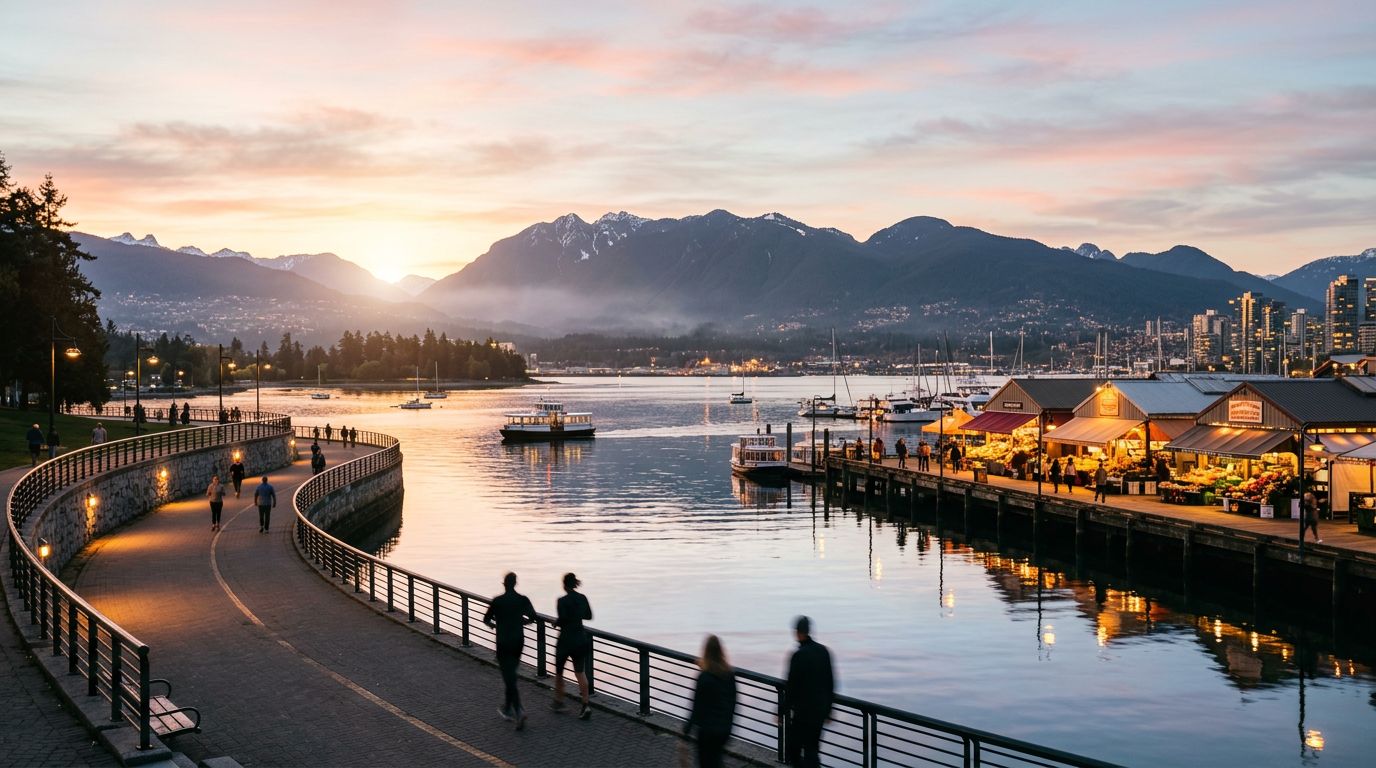
Vancouver can fool you. It looks easy on a map, but you may quickly find your day spent navigating bridges, checking weather patterns, or wondering how you ended up across town.
The best version of this city is much more enjoyable than the rushed one. A smart Vancouver travel itinerary keeps neighborhoods together, builds your schedule around the water, and leaves enough space for a memorable meal and a great night out.
If you are coming for a trip that feels a little more dialed in, this is the plan.
Key Takeaways
- Prioritize Neighborhoods over Landmarks: Vancouver is a city of distinct pockets; group your activities by geographic area to minimize transit time and maximize your experience.
- Embrace a Balanced Pace: Combine one morning anchor, such as Stanley Park, with flexible afternoon wandering and a single evening reservation to ensure your trip feels relaxed rather than rushed.
- Leverage the Water: Use the Aquabus and Seawall to traverse the city, as Vancouver’s geography and beauty are best understood from the perspective of the water.
- Stay Strategic with Reservations: Book major concerts, festivals, and key dinner reservations in advance, but leave ample flexibility for neighborhood exploring, markets, and spontaneous weather-dependent activities.
How to build a Vancouver trip that actually feels relaxed
The first mistake most people make is treating Vancouver like a city of landmarks. It is not. It is a city of pockets.
You do not come here to sprint from one attraction to the next. You come here for the mix: ocean air in the morning, a sharp lunch in a market or on a side street, mountains in the distance all day, and a night that can go polished, loud, intimate, or all three.

Photo by Ben Jackson
A strong plan starts with geography. Downtown Vancouver, the West End, Coal Harbour, Gastown, Chinatown, Mount Pleasant, Main Street, Kitsilano, North Vancouver, and Richmond all have their own rhythm. Trying to hit all of them in one day is like ordering the whole menu and tasting none of it.
The city rewards restraint. Pick one anchor in the morning, one in the afternoon, and build dinner around where you want the night to end.
If you want the classic tourist checklist, this roundup of Vancouver attractions is useful. But the better move is to use those headline spots as a frame, then fill the rest with neighborhoods, meals, and one or two experiences that feel personal.
For a first trip, three days is enough to get the texture of Vancouver. You will not see everything, and that is the point. You are not trying to win the city. You are trying to catch its mood.
Day 1: Downtown, Stanley Park, and a first night with some atmosphere
Start slow. Vancouver is one of the few cities where a calm first morning feels like part of the experience, not wasted time.
If you are staying in the West End near English Bay or Coal Harbour, grab coffee early and head straight for the Vancouver Seawall. Walk it or rent bikes if you want to cover more ground. Stanley Park is the obvious choice for your first morning, but it is obvious for a reason. The combination of dense forest, sparkling water, the distant skyline, and towering mountains lands hard, especially if it is your first hour in the city. If you have the time, you can even duck inside Stanley Park to visit the Vancouver Aquarium for a closer look at local marine life.
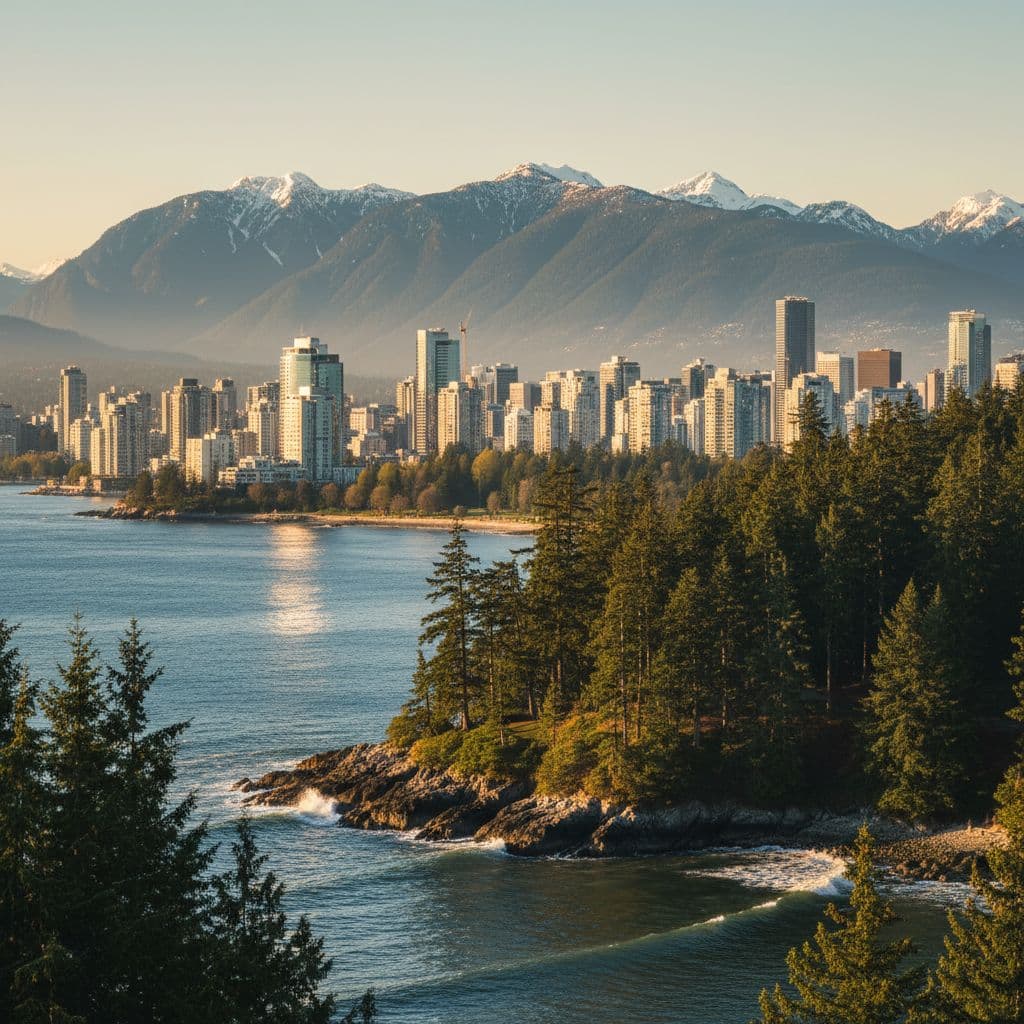
Don’t race the full Stanley Park loop unless you want to. A partial ride plus time to stop at viewpoints is usually better. Prospect Point, the totem poles, and stretches facing Burrard Inlet all earn their keep. If the weather is clear, you will get that rare city scene where everything shows up at once, including glass towers, freighters, cedar trees, and snow on the peaks.
Late morning, work your way toward the waterfront and Gastown. This is one of the big reasons Downtown Vancouver stays practical for first-time visitors: you can do a lot on foot without feeling trapped in a tourist bubble. If you want another take on how compact the core feels, this 3 days in Vancouver guide lays it out well.
For lunch, keep it unfussy. Gastown is good for a long lunch if you want brick walls, polished interiors, and something a little more styled. Chinatown can be a stronger choice if authentic food is the priority. Either way, don’t overbook the afternoon. Walk the side streets, peek into design shops, let the famous Steam Clock have its moment, then move on.
Dinner is where the city starts to separate itself. Vancouver does seafood, Asian food, and produce-driven menus better than cities twice its size. First night, go with somewhere that feels rooted here, not generic. Pacific Northwest flavors, a smart raw bar, Japanese tasting plates, modern Chinese, or a sharp wine list all work.
After dinner, choose your lane. If you want a classic room, check what is on at the Commodore Ballroom or Vogue Theatre. If you want drinks first, Gastown is built for that kind of handoff from dinner into night. Keep it simple: one reservation, one bar, one music plan. That is enough.
Day 2: Granville Island, water time, and one big nature move
Day two is for contrast. You experienced the city postcard yesterday, so now give yourself something more tactile.
Start your morning at the Granville Island Public Market before the thickest crowds roll in. Yes, the Granville Island Public Market gets all the attention for a reason, so go early to beat the rush. Once you have explored the main hall, stay longer than most visitors do. The better version of the Granville Island Public Market includes the smaller art studios, local makers, and theatre spaces tucked around the edges of the peninsula.
Breakfast can be pieced together here with fresh coffee, baked goods, and fruit. Lunch can happen here too if you prefer grazing over committing to a formal reservation. When you are ready to head back to the city center, hop on the Aquabus for a scenic ride across the water. It offers a unique vantage point of the skyline as you traverse the waters of False Creek.
From there, pick one bigger play for the day.
If you want active and scenic, head to Deep Cove for kayaking. Its calm water and mountain walls provide a slower pace that acts as a perfect counterweight to the downtown bustle. If you want something more iconic, visit Capilano Suspension Bridge Park and pair it with a trip through North Vancouver. For a local alternative that feels wilder and is free to enter, consider visiting Lynn Canyon Park instead. If wildlife viewing beats both, book a boat excursion and let the ocean take over the afternoon.
This is also a prime opportunity for an Indigenous-led experience if you can line one up. Vancouver becomes much more vibrant when you understand the history of the land beneath the views. A tour with First Nations guides adds context most visitors miss, and that perspective changes how the city reads for the rest of your trip.
One warning, do not cram Whistler into this itinerary unless you have a fourth day. It looks close on paper, but it does not behave like a quick add-on. If you are looking at extending your trip, this guide to day trips from Vancouver is a good place to sort through what deserves your extra time.
Come back into the city for sunset. Olympic Village, Kitsilano Beach, or even a relaxed patio near the water all work well. If you are visiting in late spring and the weather is pleasant, you do not need anything more complicated than a drink with a view.
If it is a weekend and you are still hungry, the Richmond Night Market is the move. It is loud, neon-lit, and built for people who want to try six different things instead of just one. Not every city has a place where late-night snacking feels like such a major event. Vancouver certainly does.
Day 3: Neighborhood food crawl, local energy, and music after dark
By day three, stop thinking like a visitor and start moving like you live here. That means less waterfront posing and more time spent exploring the neighborhoods that define the city.
Mount Pleasant and Main Street are perfect for this transition. Start with breakfast in a cafe that takes its coffee seriously, then walk the strip. With independent shops, record stores, and bakeries, Main Street is where Vancouver feels young without trying too hard. You will also find that the area is home to some of the city’s best craft breweries, which are ideal for a casual afternoon stop. If you need a break from the urban bustle, a short walk to Queen Elizabeth Park offers stunning views of the skyline and mountains.
From there, you can slide east or west depending on your appetite. While the craft breweries in Mount Pleasant anchor the area, Commercial Drive has its own personality, a little looser and more old-school. Chinatown can bring you back toward dinner with more edge, including a peaceful stroll through the Dr. Sun Yat-Sen Classical Chinese Garden before your meal.
This is the day to build a food-led itinerary. Not a formal crawl with ten reservations, which gets exhausting fast, but rather a series of chapters. Great breakfast. One walk. One lunch worth lingering over. A reset in the afternoon. Then dinner somewhere that sets up the night.
If you are in town in May 2026, the late month is busy. The Vancouver International Children’s Festival runs on Granville Island from May 25 to 31, and Art Vancouver is at Canada Place from May 28 to 31. This is not the month to assume you will figure it out later if live music or cultural events matter to you.
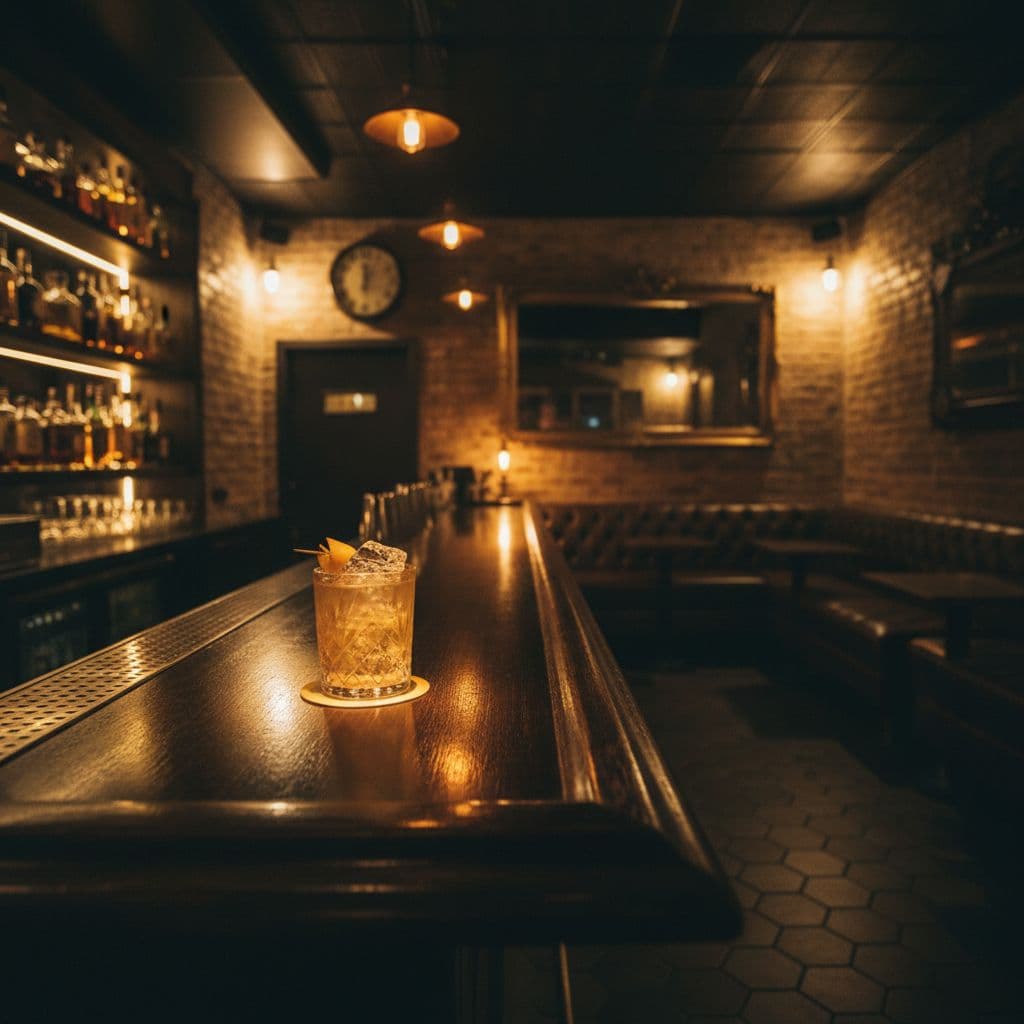
If music is part of the trip, anchor the night around the venue first. Dinner should support the show, not compete with it.
Vancouver’s live music scene is sneaky good. The Commodore Ballroom is still a staple, while the Fox Cabaret, Biltmore, Vogue Theatre, and the Orpheum offer diverse nights out.
When it comes to late-night drinks, you have options. Gastown remains the most polished choice for after-dinner cocktails, and you can easily spend an entire evening exploring the hidden bars in Gastown. If you prefer a refined, upscale atmosphere, Yaletown is a polished alternative for a sophisticated drink. Finally, Chinatown continues to feel sharper and more current if you know where to look. If you want a quick pulse check on what is resonating with people right now, this local thread on must-go spots is a useful read.
The real goal for day three is simple: leave with one night you will still be talking about six months later.
Where to stay so your itinerary works without friction
Where you sleep shapes your entire experience. In Vancouver, choosing the right hotel or rental can save you hours of travel time and help you get the most out of your trip.
Here is the breakdown of the best areas for your stay:
| Area | Best for | What it feels like |
|---|---|---|
| West End or Coal Harbour | First-time visitors, access to Stanley Park, easier mornings | Scenic, polished, and convenient |
| Downtown Vancouver | Short stays, central transit access, doing a lot on foot | Practical, urban, and busy |
| Gastown or Chinatown | Food-forward trips, nightlife, and design hotels | Stylish, historic, and full of character |
| Mount Pleasant or Main Street | Repeat visitors, cafe culture, and a local feel | Creative, relaxed, and neighborhood-heavy |
| Yaletown | Upscale dining, marina views, and trendy nightlife | Sophisticated, polished, and walkable |
| Richmond | Airport access, Asian food focus, and night market plans | Functional, food-driven, and less scenic |
For most first trips, the West End is the clear winner. You get immediate access to the water and trees, making it the perfect launch point for morning walks through Stanley Park. Staying here allows you to enjoy the best of Downtown Vancouver while keeping a lush, natural escape like Stanley Park right outside your front door.
If your trip is focused on food and nightlife, booking a stay in Gastown or near the edge of Chinatown can be an excellent choice. These areas offer some of the most unique architecture and dining in the city, though you should keep your own comfort level in mind as the surroundings can shift block by block.
Mount Pleasant is the strongest pick for travelers who prefer local cafes, craft breweries, and authentic neighborhood energy over standard tourist attractions. Alternatively, if your primary goal is to spend your vacation immersed in nature, North Vancouver serves as a great base that provides quick access to hiking trails and mountains.
Richmond remains the best option if you are prioritizing world-class Asian cuisine, airport convenience, or an itinerary centered around the night market. However, for a standard three-day trip, it usually functions better as a destination to visit rather than a primary base for your entire stay.
What to book early, and what to leave flexible
A good itinerary has structure, but it also has breathing room. Vancouver weather can change the mood of a day quickly, so keeping your plans adaptable is essential.
Book these ahead if they are high priorities:
- Concerts, festivals, and special events in May.
- Whale watching tours and tickets for the Capilano Suspension Bridge Park if you are visiting during the peak season.
- A reservation for a standout dinner in Downtown Vancouver on a Friday or Saturday night.
- Popular experiences like the Capilano Suspension Bridge Park or guided tours of the city’s best hiking trails.
Leave these flexible when possible:
- The timing for your Stanley Park bike ride, as Stanley Park is best enjoyed when the sun is shining. If you arrive at Stanley Park and find the weather uncooperative, you can easily pivot.
- Your meal timing at the Granville Island Public Market. Because the Granville Island Public Market is best explored at your own pace, avoid rigid schedules there.
- Neighborhood wandering through the historic streets of Gastown or the vibrant markets of Chinatown.
- Your second bar of the night or your evening plans after taking the ferry across False Creek.
- The exact order of indoor and outdoor stops, keeping in mind that the Museum of Anthropology is a perfect indoor backup.
You do not need a car for this version of the city. Walking, rideshares, ferries across False Creek, and public transit cover a lot of ground. Public transit is excellent, and a Compass Card helps if you plan to use buses and SkyTrain several times. Save the rental car for day trips from Vancouver, not for the city core. Downtown Vancouver is highly walkable, and staying in Downtown Vancouver allows you to reach major attractions without the stress of parking.
If you are visiting in colder months, build more indoor pivots into your schedule. The city still works in winter, but you want cozier plans and less commitment to being outside all day. During these months, focus on indoor highlights rather than long days on hiking trails. If the weather clears, you might consider visiting Queen Elizabeth Park or taking a trip up to Grouse Mountain. For those who prefer free outdoor adventures, Lynn Canyon Park is a great alternative for those who love hiking trails that remain accessible year-round.
One more thing, do not over-reserve meals. The local food scene is strong enough that some of your best stops will come from staying curious. Lock in one major dinner reservation, maybe one brunch if that is your thing, then let the rest happen in real time. That is usually how the trip gets better.
Frequently Asked Questions
Do I need to rent a car to explore Vancouver?
No, a car is generally unnecessary for staying within the city core. The city is highly walkable, and public transit, rideshares, and the False Creek ferries are more than sufficient to reach major attractions without the stress of parking.
How many days are ideal for a first visit?
Three days is the perfect amount of time to get a true sense of Vancouver’s texture. This timeframe allows you to explore the major neighborhoods, enjoy the natural scenery, and sample the local food scene without feeling the pressure to see every single attraction.
Should I stay in Richmond if I want to visit the city center?
While Richmond offers excellent Asian cuisine and airport proximity, it is generally better as a day-trip destination rather than a primary base. For a first-time visitor, staying in the West End or near Downtown provides much easier access to the landmarks and lifestyle experiences described in this itinerary.
How much should I plan for the weather?
Vancouver’s weather can be unpredictable, so it is wise to keep your itinerary adaptable. Plan outdoor activities like bike rides or hikes when the sun is out, and keep indoor backups—such as museums or cozy cafes in Gastown—ready for when the weather shifts.
Conclusion
The best Vancouver trips do not try to cover everything. They move with the city, focusing on water in the morning, neighborhood exploration in the afternoon, and one memorable night that ties the whole experience together.
If there is one takeaway, it is this: build your days by area and energy, not by attraction count. That is how your Vancouver travel itinerary stops feeling like a chore and starts feeling like a place you genuinely get to know.
When the plan is right, the city does the rest.