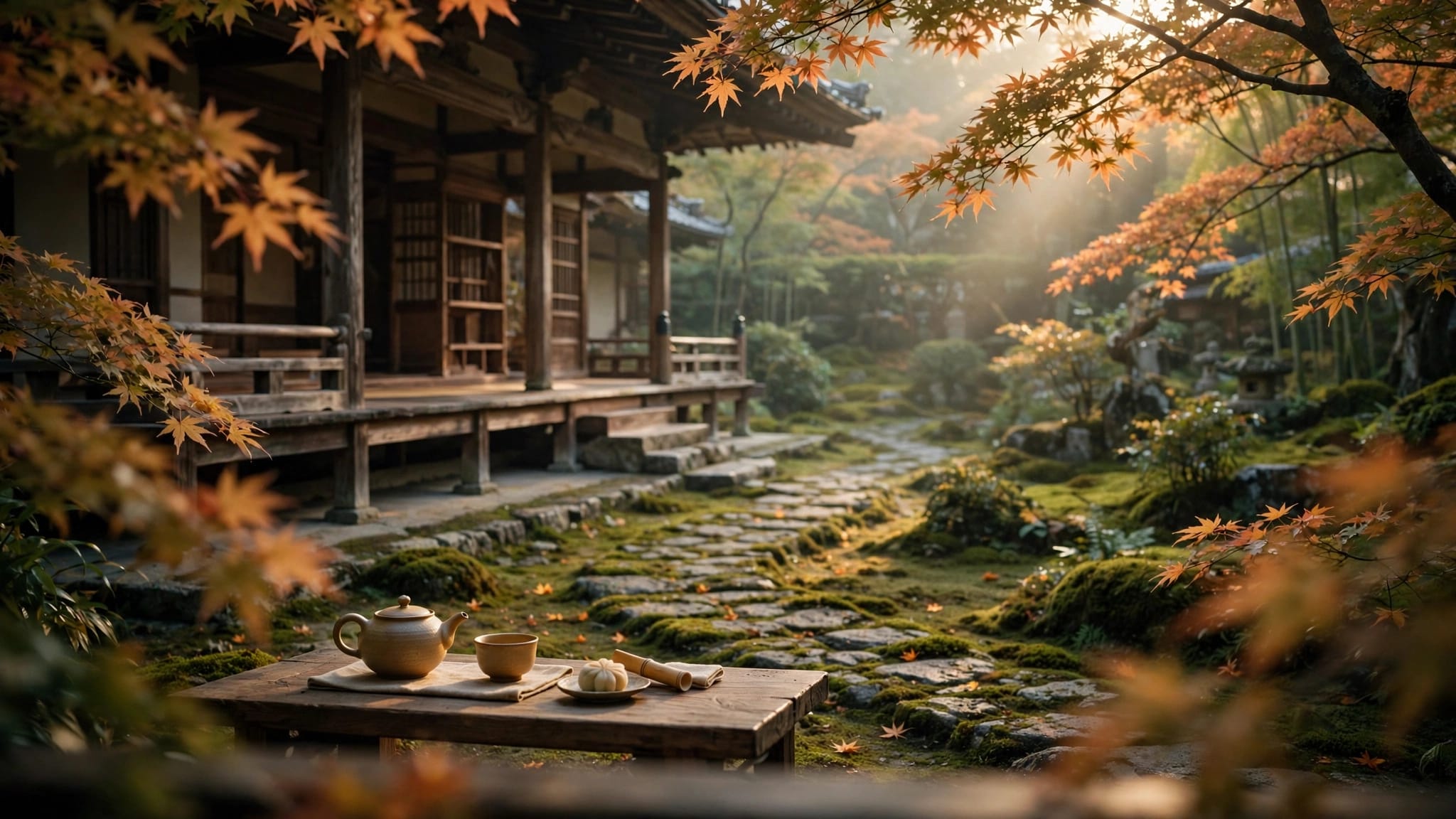
A private temple morning loses its appeal if you’re racing across Kyoto for dinner. I build a luxury Kyoto itinerary around geography, confirmed access to places like Kiyomizu-dera Temple, and meals worth protecting.
You should have time for a garden, a conversation over tea, and an evening that doesn’t depend on another transfer. Breathing room belongs in the plan.
For first-time visitors, I’d give Kyoto five days and four nights, starting with a hotel that supports the experiences you want, such as Hotel the Celestine.
Key Takeaways
- Keep one hotel base, with each day’s experiences grouped by district.
- Confirm what private temple access includes before paying, along with cancellation terms.
- Secure your priority kaiseki reservation early, then keep that afternoon light.
Build a Luxury Kyoto Itinerary Around One Base
The hotel decision shapes your mornings, evenings, and time in transit. I’d choose between a city-centered stay and an Arashiyama retreat before comparing suites.
Stay Central for Food and Better Nights
The Ritz-Carlton Kyoto suits travelers seeking a riverside setting with access to central Kyoto. Hotel the Celestine Kyoto Gion leans into eastern Kyoto’s atmosphere and Gion evenings.
For a food-first trip, I’d favor a central base that keeps dinner and the ride back straightforward. Hotel the Celestine can work well, but compare the exact room category, breakfast, occupancy, transfers, and cancellation deadline. A larger suite doesn’t automatically deliver the view, privacy, or layout you’re imagining.
Ask for those details in writing before committing.
Choose Arashiyama for a Property-Led Escape
Hoshinoya Kyoto belongs on the shortlist when a riverside retreat is part of the reason you’re traveling. Treat it as a luxury ryokan-style stay, and give the property substantial time rather than scheduling repeated trips into central Kyoto.
Confirm arrival arrangements, dining availability, luggage handling, and the journey back after an evening elsewhere. The full reservation matters more than the headline room rate.
For this five-day plan, my default is one central base. Choose Arashiyama instead if slow mornings and the hotel experience outweigh frequent downtown dinners.
Days 1 and 2: Gion, Then a Private Temple Morning
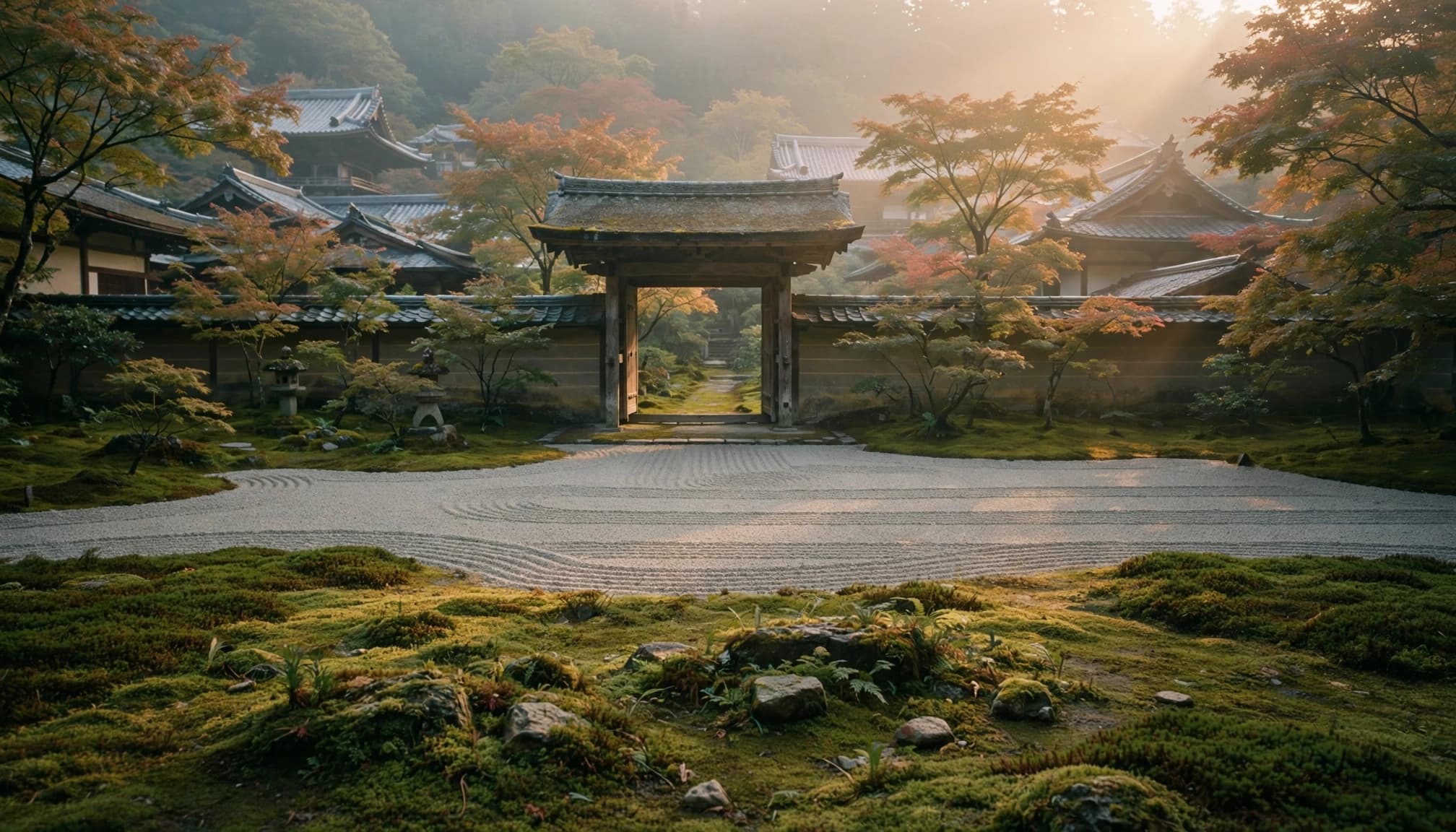
Day 1: Arrive With an Evening You Can Enjoy
Arrange a hotel transfer, or consider private transfers and drivers, then settle in and leave the first afternoon lightly scheduled. A walk through the Gion district offers wooden facades, narrow streets, and an introduction to the city’s scale.
Keep dinner flexible if you’re arriving after a long international journey. If energy holds, cross toward the Kamo River for an unhurried evening in the Gion district.
My approach to Pontocho sake bars and ramen keeps dinner and drinks in Pontocho Alley, with the final walk close to the Gion district. Check current closing times before extending the night, and use a taxi when the return starts feeling like work.
Day 2: Book Access, Then Protect Dinner
Hotel The Mitsui Kyoto lists a private Kiyomizu-dera temple visit from 6:30 to 8:30 a.m. The Kiyomizu-dera Temple listing is for one group per day, with up to four participants.
The published price is ¥400,000 per group, including tax and excluding accommodation. The listed cancellation penalty for Kiyomizu-dera Temple is 100% within seven days.
Before payment, confirm current availability and terms for Kiyomizu-dera Temple, including eligibility, transport, and the spaces included.
A private guide and private access at Kiyomizu-dera Temple are different bookings. Ask which areas are reserved for your group and where other visitors may be present.
After your Kiyomizu-dera Temple visit, stay in Higashiyama for a gentle walk and a modest lunch. Return to the hotel before dinner.
Reserve Gion Fukushi’s kaiseki dinner as the evening anchor. Its listed Sunday closure makes the weekday sequence worth checking before you lock in the itinerary.
Days 3 and 4: Arashiyama and a Private Cultural Experience
These days give the trip range: a landscape-led morning, then an intimate introduction to Kyoto’s performing traditions. Keep the order flexible until reservations are confirmed.
Day 3: Give Arashiyama a Clear Morning Plan
Arrange an early transfer with a guide who can check current access conditions and choose the least congested permitted route through the Arashiyama Bamboo Grove.
An early start improves your chances of a calmer visit, but it doesn’t guarantee an empty path through the Arashiyama Bamboo Grove. I wouldn’t build the day around that promise.
After the Arashiyama Bamboo Grove, follow with riverside time rather than another cross-city temple run. If crowds surge, shorten the bamboo stop and let the guide redirect the morning.
Keep lunch lighter if you have a tasting menu booked that evening. Leave the afternoon for a treatment, rest, or time at your hotel.
If you’d prefer a different visit on another day, Fushimi Inari Taisha is a separate alternative, not an addition to this Arashiyama morning.
Day 4: Tea, Dance, and Conversation
Kyoto’s UNESCO World Heritage sites and other historic sights offer options for a separate visit. Kinkaku-ji Golden Pavilion and Nijo Castle are examples to consider, not scheduled stops on this itinerary.
For one of Kyoto’s private cultural experiences with transparent published pricing, Kyoto Maiko Precious’s tea program lists a 60-minute booking for two at ¥80,000 total. Tea, sweets, dance, and commemorative photographs are included.
The listing describes a tea program, so confirm whether the tea portion is a Japanese tea ceremony. Its 120-minute dinner program with kaiseki is listed at ¥150,000 for two. Choose that version if you want the performance and meal to share one evening.
Geiko are professional entertainers; maiko are apprentices. Confirm the performer arrangement, interpretation, venue, and photography rules rather than assume every program has the same format.
I’d keep the rest of this day open for browsing, a coffee stop, and a slow return to the hotel. The cultural appointment deserves your attention, without another reservation pressing against its finish.
Day 5: A Thoughtful Lunch and an Easy Departure
Keep the final morning close to your hotel. This is the time for the ceramic piece you kept thinking about, a proper breakfast, or another walk beside the river. If you’re staying centrally and have time, you could make a brief stop at Nishiki Market. Skip it if it would crowd lunch, luggage collection, or your departure margin.
If your onward train leaves later, consider Kokyu’s intimate kaiseki lunch. The restaurant has nine seats and lists Monday as its closing day.
Confirm the meal’s expected duration before booking the train. I want enough margin for the restaurant to finish naturally, luggage collection, and the station transfer.
If departure is early, skip the ambitious lunch. Have breakfast, collect your bags, and leave cleanly. A rushed final meal is a poor use of a carefully planned trip.
Kaiseki Dining Worth Building an Evening Around
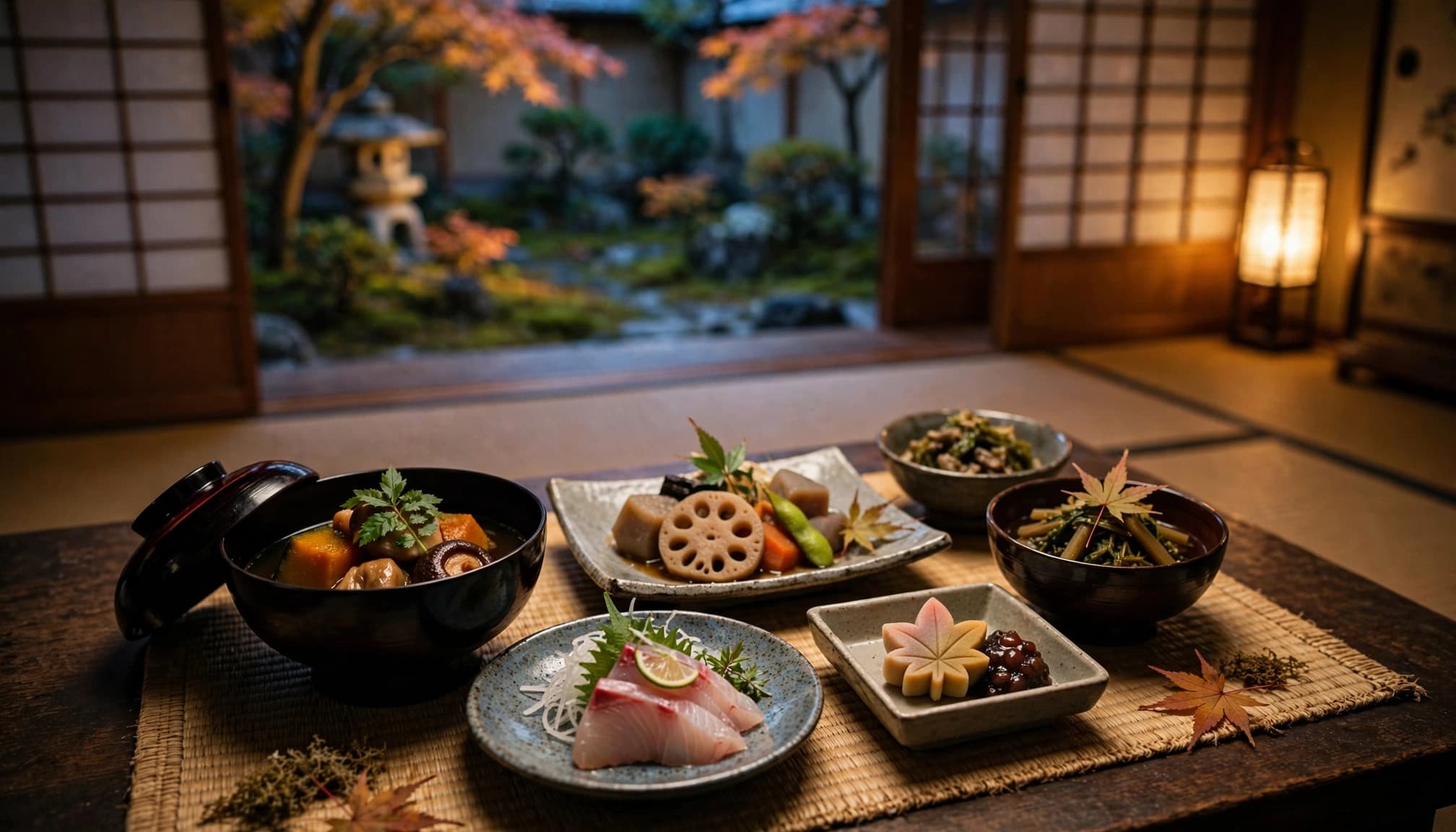
Choose the Meal for Your Taste
Kaiseki is a seasonal, multi-course meal with deliberate pacing, presentation, and cooking techniques. Menus change with the ingredients, so arrive curious rather than attached to a particular dish.
For another dinner option, Tominokoji Yamagishi’s seasonal cuisine belongs on the shortlist. It emphasizes local Kyoto produce and lists Tuesday as its closing day. When comparing Michelin-starred restaurants, check current guide listings, since recognition can change.
I wouldn’t schedule formal tasting menus every night. Give the trip contrast: a kaiseki evening, a lighter lunch, breakfast without urgency, and room for tea. You’ll appreciate the long meal more when you arrive rested and hungry.
Secure the Reservation Before Filling the Day
For kaiseki dining, ask the restaurant or hotel concierge when reservations open and which booking channel it accepts. A concierge can help with communication, but can’t guarantee a table.
Share allergies, dietary restrictions, party size, and seating needs with your first inquiry. Confirm whether substitutions are possible before paying a deposit.
Request the full amount, including tax, service charges, drinks, and any booking fee. Also establish the cancellation deadline and late-arrival policy.
My preference is to confirm one priority dinner early, then build that day’s transfers and sightseeing around it. Dinner should have your full attention when you sit down.
Rail and Luggage: Keep the Moving Parts Off Your Day
Compare Tickets Before Buying a Rail Pass
For a Tokyo, Hakone, and Kyoto trip, compare your actual rail journeys with the official Japan Rail Pass prices.
For purchases from October 1, 2026, the seven-day ordinary pass is listed at ¥50,000 for purchase in Japan and ¥53,000 through an overseas exchange order. Purchase channel matters.
A seven-day pass won’t span an entire ten-day trip. Compare actual rail costs for the travel-heavy portion and individual tickets before choosing a pass or adding day trips from Kyoto.
If you’re continuing from Hakone, arrange the transfer to Odawara and confirm your onward service on the bullet train Shinkansen. Check connections and reserved seats before adding an arrival-day activity.
Forward the Large Bags and Keep Essentials
Yamato’s Kyoto baggage delivery guidance is the starting point for luggage forwarding services. Confirm collection cutoffs, delivery timing, and acceptance with both hotels, including Hoshinoya Kyoto if it’s on your route.
When routing through Hakone, ask whether your larger bags can go directly to Kyoto. Keep medication, valuables, chargers, and enough clothing for the delivery interval with you.
If a luxury ryokan stay is part of the trip, use the same care with Hakone room and bath choices. If you’re seeking a traditional hot spring onsen, confirm the exact bath category, meals, and final transfer. Then arrive with time to enjoy them rather than spend the afternoon completing another sightseeing circuit.
Rain Plans and Etiquette That Keep the Trip Comfortable
Rain needs a workable alternative. Keep an indoor cultural appointment, hotel treatment, or slower lunch available for a flexible afternoon. Nijo Castle is another possible indoor option, but it isn’t part of this itinerary. Move outdoor sightseeing only when reservation conditions allow it.
The private temple booking deserves special attention because its cancellation penalty can remain substantial. If Kiyomizu-dera Temple is involved, confirm weather procedures and cancellation terms before paying. Private access may be limited.
Carry cash for smaller purchases and temple expenses. For historic temples and shrines, follow temple and shrine etiquette: wear comfortable shoes that are easy to remove, obey posted photography rules, avoid touching garden features, and respect worshippers’ space. First-time visitors should check venue rules before arrival, including access guidance for Kiyomizu-dera Temple and Fushimi Inari Taisha.
In Gion, don’t pursue geiko or maiko for street photographs, or photograph residents and private property around historic machiya townhouses. Book a cultural program if you want that interaction.
The Kyoto City Official Guide provides current visitor guidance. Check access notices before departure, especially during cherry blossom season and fall foliage season, when demand is heavier.
Frequently Asked Questions
How many days should I spend in Kyoto for a luxury itinerary?
For a first visit, five days and four nights gives you time for a private temple morning, Arashiyama, a cultural experience, and a relaxed final day. It also leaves room to enjoy your hotel and meals without rushing between districts.
Where should I stay in Kyoto?
A central base is the most practical choice if you want easy access to dinner and several districts. Choose an Arashiyama retreat instead if slow mornings and the hotel experience matter more than frequent trips into central Kyoto.
How far in advance should I book private temple access and kaiseki?
Confirm availability and cancellation terms for private temple access before paying, then secure your priority kaiseki dinner early. Ask about dietary needs, the full price, and the restaurant’s cancellation and late-arrival policies.
What should I do if it rains during my Kyoto trip?
Keep an indoor cultural appointment, hotel treatment, or slower lunch available as a flexible alternative. Check venue access notices and the weather and cancellation procedures for any private temple booking before you go.
A Kyoto Trip With Time to Enjoy It
The strongest luxury Kyoto itinerary protects the moments you’re paying to experience: a temple morning, a seasonal meal, and an evening that unfolds at your pace.
Start with confirmed access, including details for Kiyomizu-dera Temple, and the right hotel location, such as Hotel the Celestine.
When I plan Kyoto for first-time visitors, I want the logistics settled before you arrive. A thoughtful luxury travel guide still leaves room for conversation, a garden, or the second cup of tea that becomes your favorite memory.