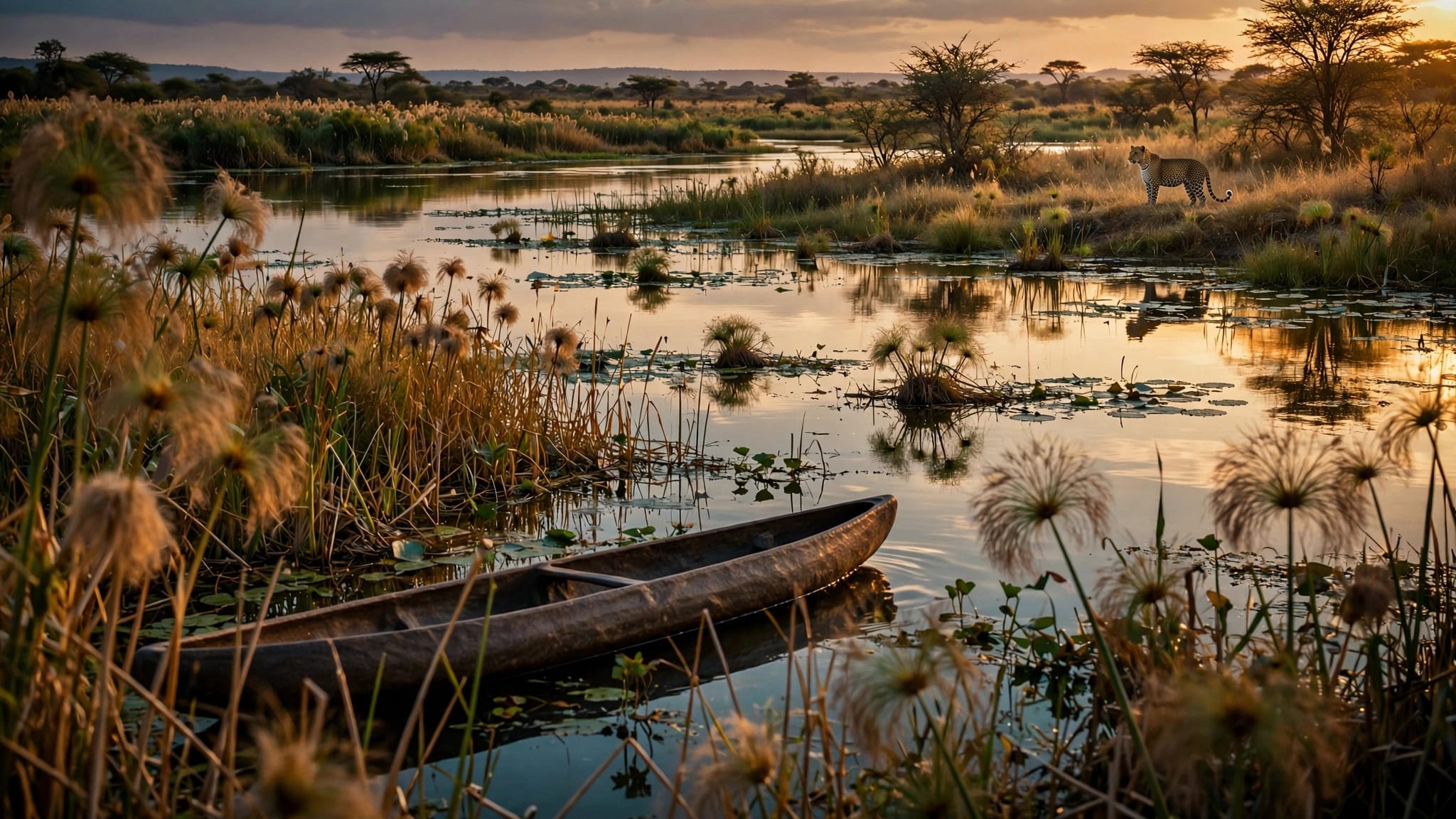
A mokoro drifting through reeds and a leopard sighting at dusk can belong to the same trip. They need different planning.
For a Botswana luxury safari, I start with the wildlife, water conditions, and pace you want, then choose the camps. A beautiful suite matters, but its location determines what your days can include.
The strongest Okavango Delta itinerary gives you contrasting experiences without turning every other morning into a transfer.
Key Takeaways
- Give the Delta seven nights across two complementary camps, with four nights focused on land-based wildlife viewing.
- Match your dates to the activities you care about, then confirm peak season activity availability and local water conditions rather than relying on a seasonal calendar.
- Compare complete quotes, including flights, concession fees, private vehicles, and optional experiences. A premium room rate doesn’t establish what’s included.
I’d shorten the route before shortening every stay. Time in one well-chosen area gives your guide more opportunities to respond to wildlife.
Choose Your Delta Setting Before Your Suite
The Okavango Delta is a mosaic of channels, islands, seasonal floodplains, and dry woodland. Two exceptional camps can deliver different safaris.
Land-Based Wildlife or Water-Based Exploration?
If big cats are your priority, begin with access to productive habitats for game drives. Ask how flooding affects driving routes during your dates, and how much travel separates camp from the areas you’ll explore.
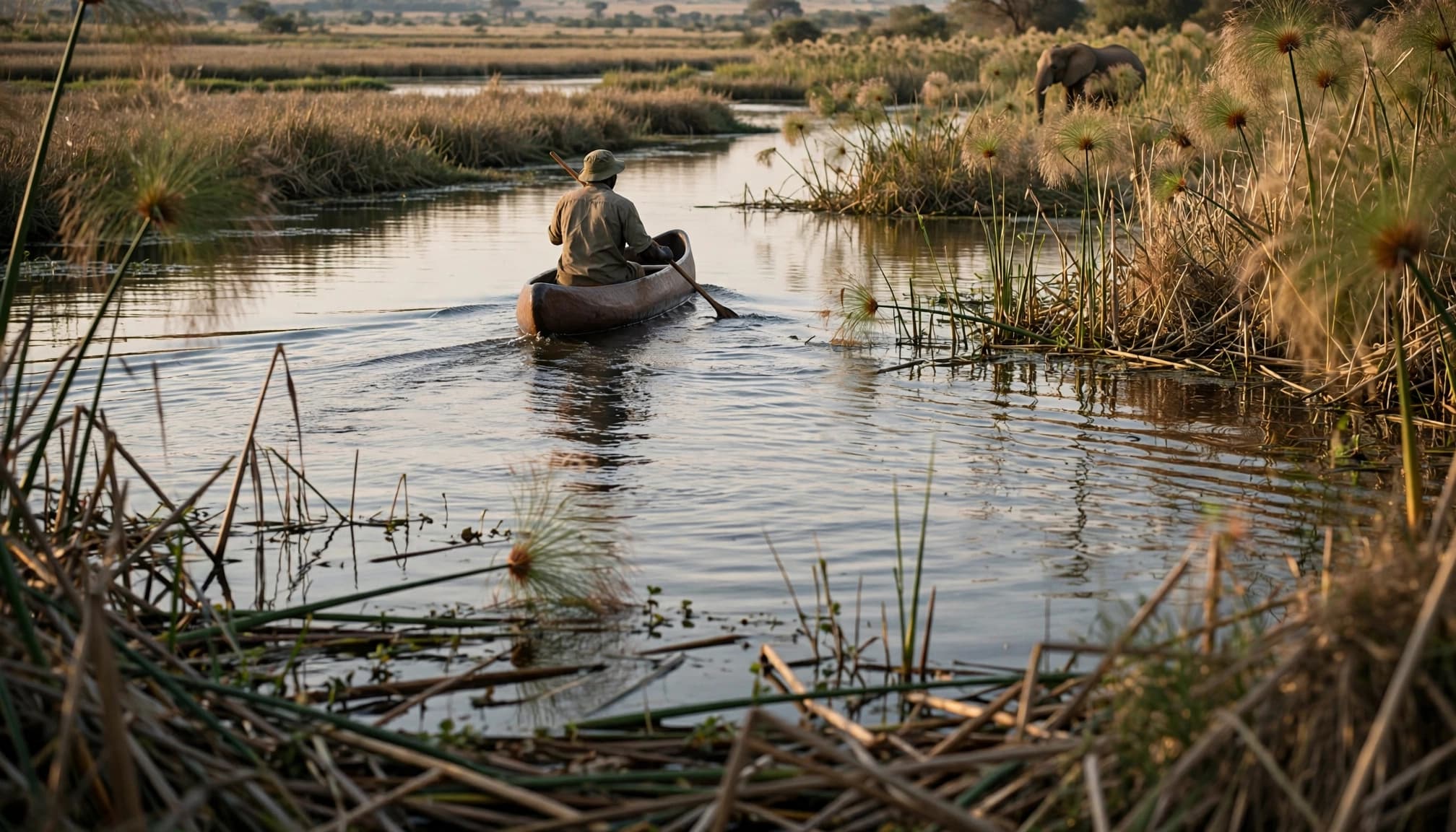
For mokoro safaris and motorboat outings, focus on navigable channels and the camp’s actual activity program. Water access alone doesn’t establish what runs during your stay.
I like pairing these experiences. Several wildlife-focused mornings, then a slower chapter among reeds and waterways. The contrast earns the transfer.
What a Private Concession Changes
A private concession can offer a more controlled visitor environment, but the permissions matter. Check boundaries, vehicle arrangements, and whether walking safaris, night drives, or off-road access are permitted at that property.
Moremi Game Reserve and surrounding concessions shouldn’t be treated as interchangeable. Ask the operator to explain the practical differences for your itinerary.
A private suite doesn’t establish a private safari vehicle. Confirm vehicle exclusivity separately and in writing.
For photographers, families, and couples with different energy levels, that distinction changes the whole day.
When to Plan Your Botswana Luxury Safari
Dry Season and the Arriving Flood
The Okavango Delta’s defining feature is its timing. As UNESCO’s Okavango Delta overview explains, the annual flood arrives during Botswana’s dry season.
Rainfall upstream in Angola feeds this flood pulse. June through August often combines substantial floodwater with increasingly dry surrounding habitats, including exposed floodplains, although timing and reach vary annually.
For a first trip combining wildlife viewing and water activities, I’d investigate June through September. September and October can offer concentrated game viewing as conditions become drier, but October heat deserves consideration.
Ask each camp about its expected channels and driving access. One regional forecast won’t describe every property.
Green Season Has Its Own Appeal
November through March generally brings rain, lush vegetation, dramatic skies, and strong photographic possibilities. Wildlife can be harder to locate in thicker cover, and weather can alter activities.
I’d consider this window for travelers who value atmosphere, birdlife observation, and flexibility alongside mammals. Allow room to adjust outings rather than filling every available hour.
A month-by-month Delta guide helps narrow the travel window. The final decision still belongs at camp level, with current advice on water access and operations.
The Luxury Camp Shortlist
Flagships With Different Priorities
Mombo Camp and Duba Plains belong on a wildlife-led shortlist of luxury safari lodges. Evaluate them by location, guiding, vehicle arrangements, and the habitats accessible during your dates.
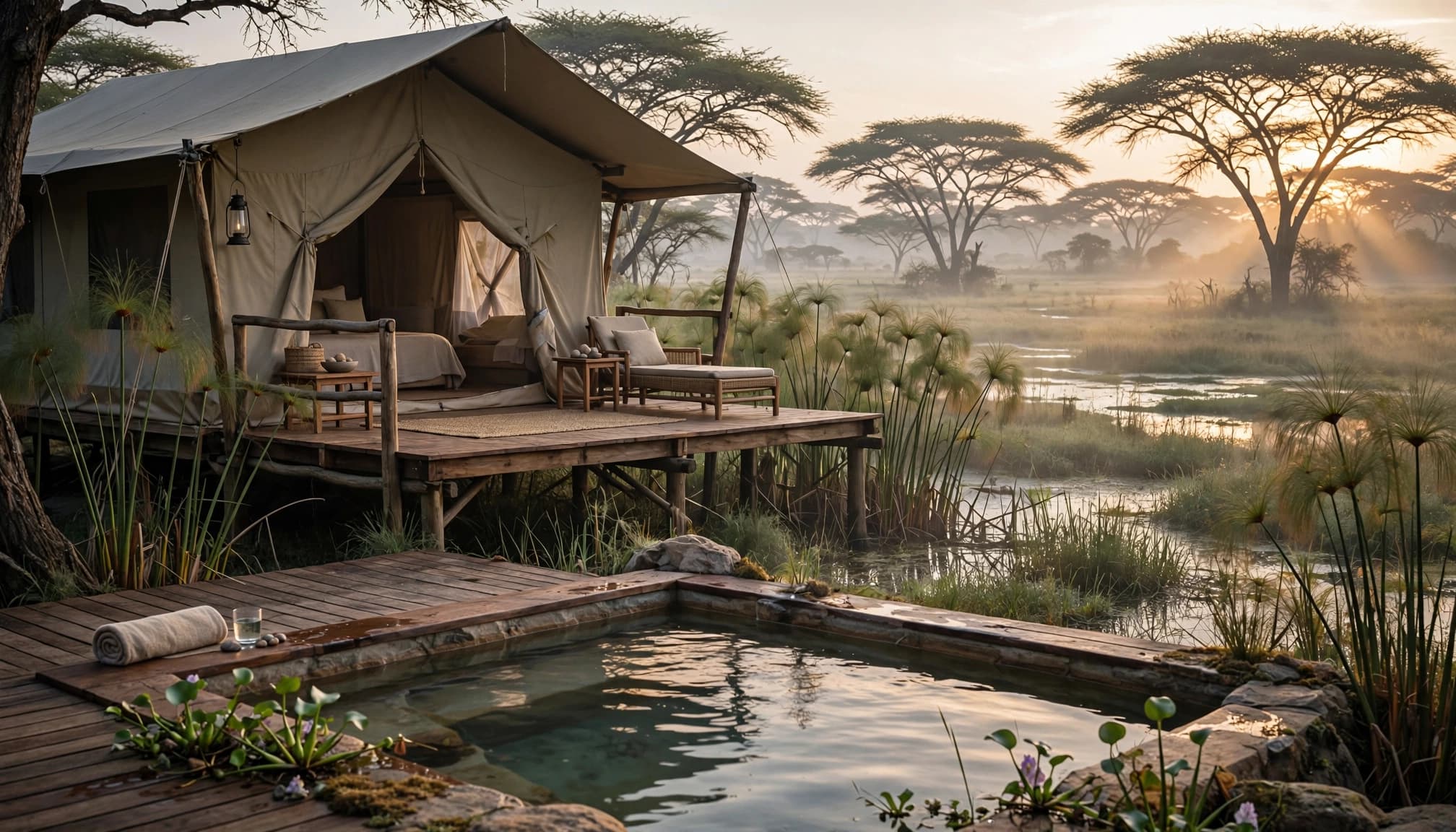
Xigera Safari Lodge deserves consideration when distinctive design and time at the property are major priorities. Give a lodge like this breathing room. Paying for an exceptional setting and leaving before every breakfast can miss part of its appeal.
These properties aren’t interchangeable trophies. Choose the experience you want first, then compare room category, dining arrangements, privacy, activities, and amenities such as a plunge pool.
Premium Camps and Boutique Alternatives
Vumbura Plains and Sandibe also belong in a serious luxury comparison. Request proposals from travel specialists alongside the flagship options rather than assuming a fixed price hierarchy across seasons.
Smaller boutique camps can be compelling when guiding continuity, intimacy, and personal attention matter more than extensive facilities. Their value depends on the actual team and operating model, not simply the number of tents. For sustainable travel, assess each camp’s conservation and community commitments.
For a honeymoon, I’d prioritize suite privacy and unhurried meals. For a photography-focused trip, I’d spend first on guiding and vehicle flexibility. The most expensive room won’t automatically deliver either.
A Seven-Night Route With Room to Breathe
My starting point is four nights at a wildlife-focused base, followed by three nights at a complementary Delta camp. Confirm routing with travel specialists before committing to the pairing.
Nights 1 to 4: Settle Into the Wildlife Rhythm
I’d evaluate Mombo Camp’s wildlife-focused experience for this opening chapter, subject to your dates, budget, and proposed activity arrangements.
Protect arrival day. If your international connection requires an overnight before entering the Delta, build that into the trip rather than compressing the safari.
Use the following days for longer game drives, revisiting promising areas, and one slower afternoon at camp. Four nights give you room for an uneventful drive without making it feel like a missed opportunity.
Arrange private guiding where available and appropriate. Your preferred pace should shape the plan.
Nights 5 to 7: Change the Experience, Not Just the Room
For the second chapter in the Okavango Delta, I’d assess Xigera against your interest in waterways, design, and downtime. Its published Xigera and Duba Plains itinerary also offers another pairing to investigate.
Request written confirmation of mokoro, boating, or walking availability for your dates. Keep weather-dependent activities movable within the stay.
Share dietary needs, favorite cuisines, and wine preferences before arrival. Ask about privately arranged dining, rather than assuming every photographed dinner setup is included.
Both scenic flights and helicopter flights can add another perspective where available. Confirm departure point, duration, price, and cancellation terms before adding a flight.
What a Luxury Botswana Safari Costs
For an Okavango Delta safari, season, camp category, occupancy, and routing all affect the total. Broad guide-based estimates are useful starting points, but they aren’t confirmed 2026 camp quotes.
These indicative sharing rates exclude flights.
| Travel window | Estimated cost per person, per night |
|---|---|
| November through March | US$600 to US$1,200 |
| May and October | US$800 to US$1,600 |
| June and September | US$1,000 to US$2,200 |
| July and August | US$1,200 to US$2,500 |
Ultra-luxury flagships can sit substantially above these bands. Ask travel specialists for dated proposals covering your exact camps and room categories, then compare equivalent inclusions.
Compare the Complete Journey
Ask for accommodation, internal flights, camp transfers, park or concession fees, and optional activities to be shown clearly. Then check taxes, drinks, laundry, gratuities, and cancellation terms.
Also separate shared activities from private guiding. A package can include daily game drives while charging extra for exclusive vehicle use.
The meaningful comparison is the complete trip price, with equivalent inclusions. A lower nightly rate can lose its advantage once transfers and upgrades are added.
Spend Where You’ll Feel It
My first upgrades would usually be the right location, strong guiding, and greater control over the daily schedule. Suite upgrades come after those decisions.
For a couple who values long lunches, a quieter camp and flexible vehicle arrangement may justify more than additional floor space. For a family, room configuration and activity suitability deserve priority.
Protect Your Time Between Camps
A short flight on paper can still interrupt much of a day. The whole chain matters: camp departure, airstrip transfer, flight routing, intermediate stops, and arrival arrangements.
Travel specialists can help coordinate schedules, but confirm the operator’s actual plan before choosing the second camp. Shared bush flights may include stops; a private charter should be priced separately rather than assumed.
Baggage rules also need written confirmation. Ask about total allowance, permitted bag dimensions, soft-sided luggage requirements, and arrangements for anything you won’t take into the bush.
For departure, leave a sensible buffer before an international flight. The right solution depends on routing and the consequences of a missed connection.
My full-service trip planning brings those decisions into one coordinated itinerary, including activity requests and meals that a lodge confirmation alone doesn’t secure.
If you want to add Chobe National Park, the Linyanti region, or the Makgadikgadi salt pans, give the extension a clear purpose. Chobe’s river setting lends itself to river safaris, with opportunities to see elephant herds. These wilderness areas offer a distinct change of setting, while desert-adapted wildlife may justify a separate Central Kalahari extension.
I’d avoid squeezing another region into the same seven nights.
Frequently Asked Questions
Can Families Enjoy a Luxury Okavango Safari?
Yes, families can enjoy the Okavango Delta with a carefully matched camp and realistic activity plan. Check minimum ages, family accommodation, supervision arrangements, and restrictions on walks or water excursions before booking.
A private vehicle can help accommodate different attention spans and rest needs. Confirm availability and cost early.
I’d also ask about distances between rooms, dining areas, and activity departure points. A family-friendly label doesn’t answer those practical questions. The right camp should suit your children’s ages and your preferred pace.
Are Mokoro Excursions Available Throughout the Year?
Don’t assume they are. Availability depends on local water levels, the camp’s location, its activity program, and operating conditions.
If a mokoro outing is central to your trip, make that clear before selecting camps. Ask what happens if the expected channel isn’t navigable.
The same discipline applies to boating, walks, and scenic flights. Confirm availability, qualified staff where relevant, and whether the experience is included or separately charged. Keep nature-dependent plans flexible.
Build the Safari Around Your Priorities
The strongest exclusive safari pairs complementary settings across the Okavango Delta and gives each enough time. Guiding, access, and thoughtful pacing determine how much you enjoy the accommodation you’ve chosen.
I build around those decisions so you can focus on wildlife, a great meal, and the view beyond your deck.
Start planning your bespoke safari with your dates, priorities, and preferred pace. The logistics belong in the background.