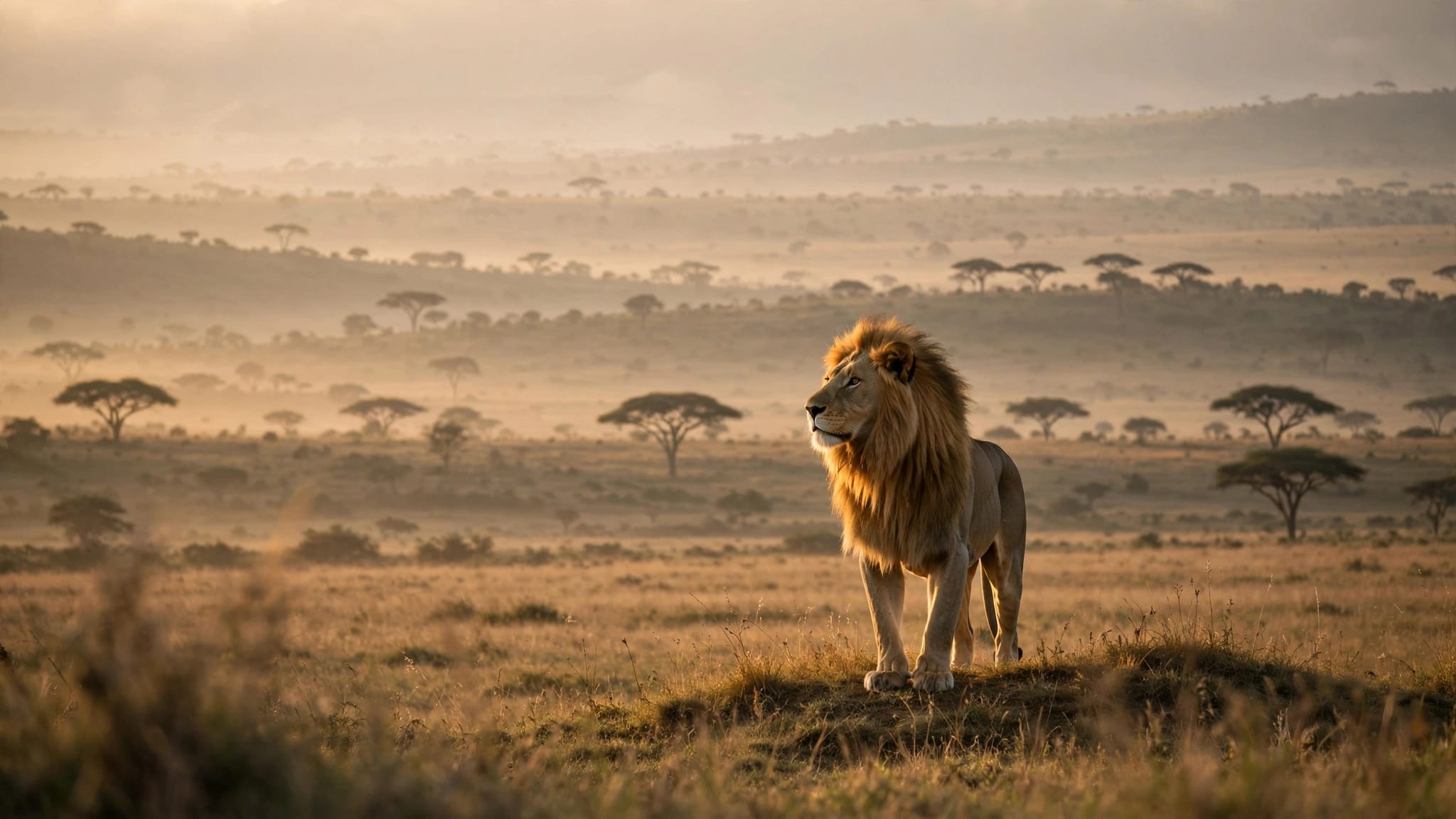
A lion sighting at sunrise deserves more attention than your next airport transfer. For a luxury Kenya safari, I’d pair four nights in the Maasai Mara with three in Laikipia or Lewa, with Nairobi bookending the journey.
You get big-cat country, rhino conservation, and two safari rhythms, with Laikipia adding a contrasting pace. You won’t need to change camps every other morning. Time in each place is the upgrade that makes the rest worthwhile.
Start with the wildlife and pace you want, then choose camps that deliver both on safari.
Key Takeaways
- Give the Mara four nights and Laikipia or Lewa three, rather than adding another region to the same week.
- Choose camps by wildlife access, guiding, privacy, and activity options before comparing suite size.
- Compare complete trip prices, including flights, conservation fees, private vehicles, and optional experiences.
A luxury Kenya safari in ten well-paced days
This nine-night route gives each region enough time while protecting your arrival and international departure.
Days 1 to 5: Nairobi, then four nights in the Mara
Spend your first night in Nairobi. After a long-haul flight, I favor a comfortable room, an easy dinner, and a clear plan for the following morning.
On day two, transfer to Wilson Airport for a bush flight to the Maasai Mara. The flight takes about 45 to 60 minutes in the air, but allow roughly 3 to 5 hours for the full journey to camp. Scheduled flights may include stops or connections, and a private charter is an option if the routing is confirmed. The arrival afternoon is for settling in and an initial game drive, rather than an ambitious schedule.
Days three through five give your guide room to revisit promising areas and respond to animal movements. Keep one afternoon slower: lunch at camp, time on your deck, then an evening drive.
For families and photographers, I’d prioritize a private vehicle. Flexible starts and longer wildlife stops change how these days feel.
Days 6 to 10: Lewa, then an unhurried departure
Use day six for the flight transfer to your northern base. Allow roughly 1.5 to 2.5 hours in the air and 4 to 7 hours camp to camp, depending on stops, connections, and camp transfers. Scheduled flights may route through Nairobi; consider a private charter only if the routing is confirmed. The overland alternative is substantially slower and can take most of a day. Three nights at Lewa give you two full days for rhino-focused drives and activities beyond the vehicle.
The contrast earns the transfer. Open Mara plains give way to a different setting, with opportunities for walking or riding where the property’s program permits.
Return to Nairobi on day nine and spend the final night there before departing on day ten. The flight from Lewa takes about an hour in the air, but allow roughly 2 to 4 hours for the full journey, depending on transfers and the flight schedule. That buffer separates bush-flight schedules from your international connection.
I’d protect these stays before adding another park.
Maasai Mara: choose the camp around your priorities
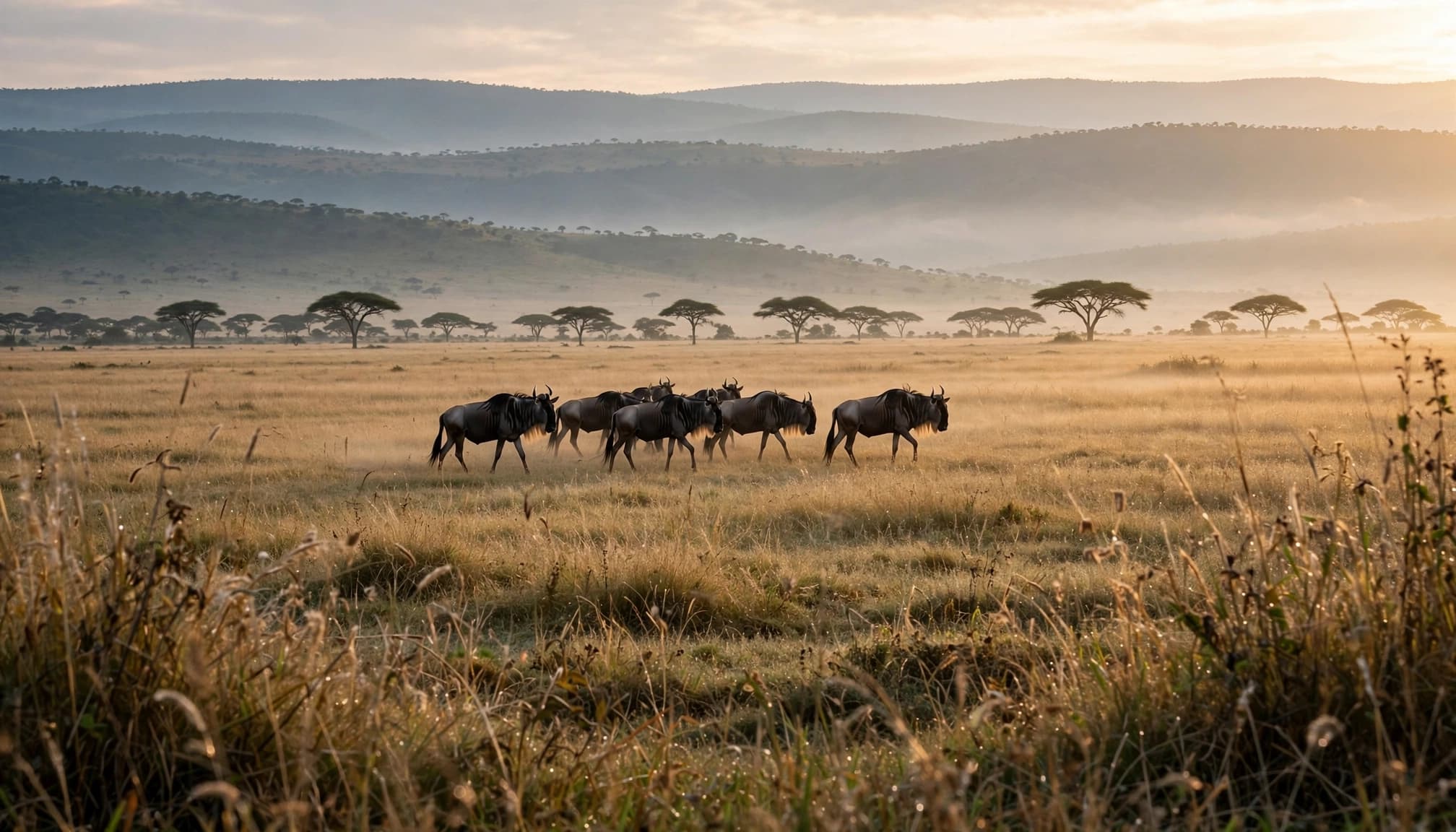
The Mara is the anchor for big cats, open-plains wildlife, and migration-focused travel. These two properties offer different interpretations of luxury.
Cottar’s 1920s Camp: classic atmosphere and tented accommodation
Cottar’s 1920s Camp has eleven tented suites with a vintage safari aesthetic. Its Olderkesi Conservancy setting appeals to travelers who want an intimate camp atmosphere alongside access to the broader Mara ecosystem.
I’d put it on the shortlist for couples drawn to traditional tented accommodation and families who prefer a camp setting. The important distinction is location: this is a conservancy-based stay, rather than accommodation inside the national reserve.
Give the property time beyond game drives. A relaxed breakfast and an afternoon at camp belong in the plan, especially when you’re paying for atmosphere as well as wildlife access.
Angama Mara: expansive views and contemporary design
Angama Mara’s glass-fronted suites sit on the Oloololo Escarpment above the Mara Triangle. Their eleven-metre-wide glass frontage makes the view part of the room itself.
This is my stronger design-led option for travelers who want dramatic scenery and contemporary accommodation. It also deserves consideration for a honeymoon where suite privacy and time together matter.
The escarpment position creates a distinctive stay. It also makes camp-to-wildlife travel time part of the daily planning. I wouldn’t choose it solely from interior photographs.
Laikipia and Lewa: rhinos and a different pace
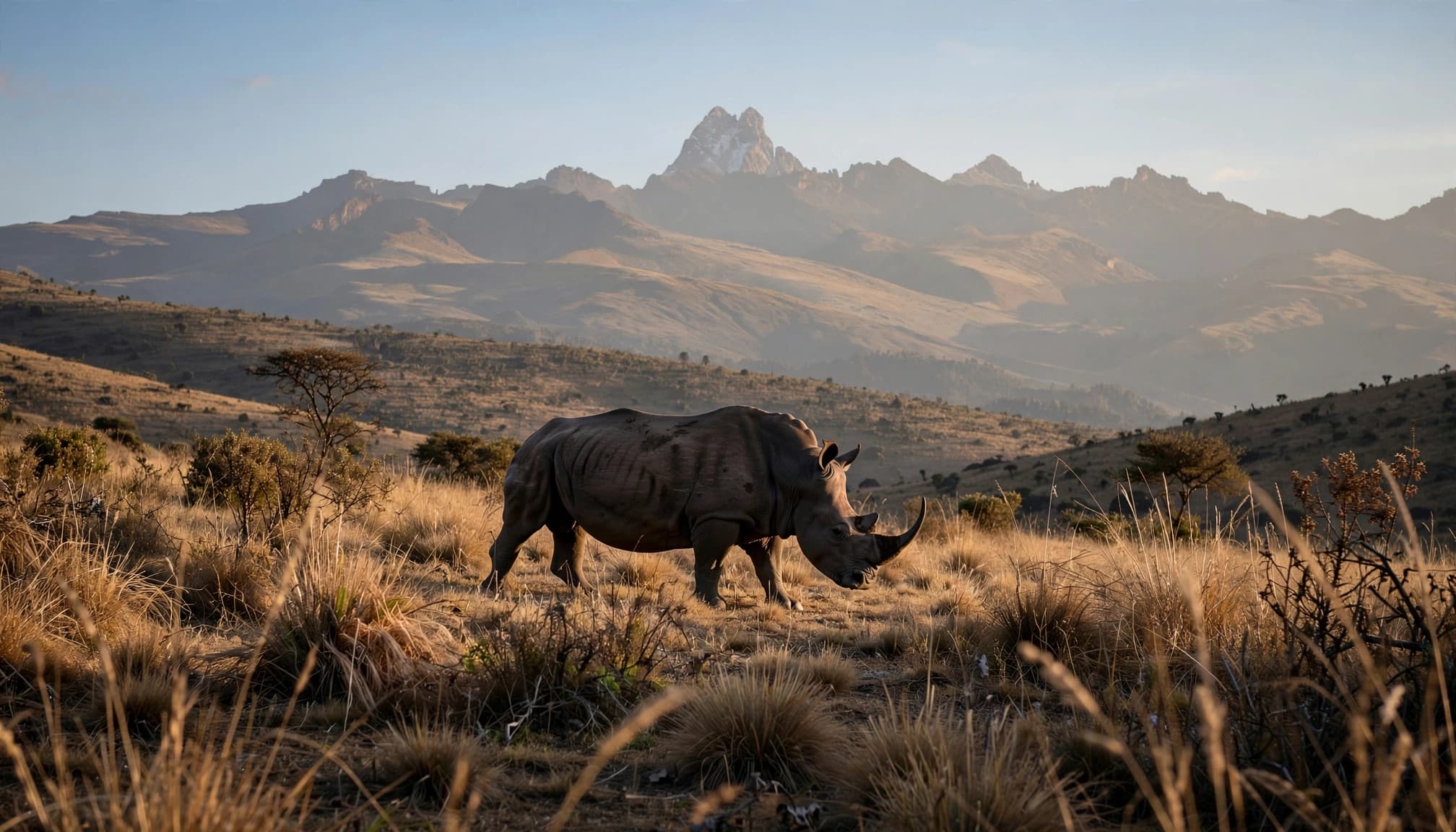
Lewa’s conservancy landscapes, rhino conservation, and varied ways to explore complement the Mara.
Sirikoi Lodge: a rhino-focused northern base
Sirikoi Lodge, within Lewa Wildlife Conservancy, is the northern property I’d evaluate for this itinerary. Its appeal is the combination of wildlife viewing and an intimate lodge atmosphere.
Rhino sightings depend on current conditions, but they give this chapter a clear focus. Rather than repeating the Mara’s daily rhythm, I’d build the safari around different habitats and a broader mix of experiences.
Three nights also leave room to enjoy the property. A long lunch or afternoon watching the surrounding landscape shouldn’t feel like time taken away from the safari.
Walking and riding: make the change of setting count
Sirikoi’s current program lists horseback riding on Lewa and Borana, subject to availability and applicable permissions.
When conditions allow, riding offers a different perspective on plains wildlife. Walking gives more attention to tracks, smaller details, and the terrain beneath your feet.
I’d match these experiences to your riding ability, mobility, and appetite for adventure. For a mixed-interest group, a private vehicle keeps the core experience flexible while individual activities add variety.
Reserve or conservancy: understand the trade-off
A national reserve stay and a private conservancy stay aren’t interchangeable.
The Maasai Mara National Reserve offers access to celebrated wildlife areas, but popular sightings can draw multiple vehicles. A private conservancy generally provides a more controlled visitor environment, with activities governed by its own permissions.
Night drives, walking, and off-road access depend on the location and operating rules. They don’t come automatically with a premium room.
A private suite doesn’t establish private game drives. Vehicle exclusivity is a separate part of the booking.
For a honeymoon, I’d give quieter surroundings more weight. For migration-focused photography, I’d put access to the relevant wildlife areas first. The right choice depends on what you want your days to include.
Where Kenya’s other safari regions fit
This pairing works because the experiences differ. Other regions should earn their place in a Kenya safari for the same reason.
Amboseli is the elephant-and-Mount-Kilimanjaro option. Samburu adds northern species such as Grevy’s zebra, reticulated giraffe, and gerenuk. Tsavo suits travelers seeking broader wilderness landscapes and elephants.
The national park near the capital brings wildlife close, though it shouldn’t replace time in your main safari areas.
If your priority is a longer Serengeti chapter or Ngorongoro, my luxury Tanzania safari itinerary offers a different regional structure. I’d choose between those routes before trying to combine everything.
What the shortlisted luxury camps cost
These are useful nightly references, with differences in dates and pricing certainty.
| Property | Price per person per night | Basis |
|---|---|---|
| Cottar’s 1920s Camp | US$1,491 | Published double-tent sharing rate, September 15 to October 30, 2026 |
| Angama Mara | About US$1,850 to US$2,750 | Third-party 2026 standard-to-peak estimates |
| Sirikoi Lodge | About US$1,200 to US$1,800+ | Indicative third-party estimates |
Treat the estimates as planning ranges, not equivalent package prices. Room category, season, and inclusions affect the comparison.
Compare the complete journey
Four nights at the listed Cottar’s sharing rate total US$5,964 per person. That still doesn’t establish the cost of the complete itinerary.
The trip budget also needs internal flights, transfers, conservation or park fees, private-vehicle arrangements, and optional activities. International flights, insurance, and gratuities belong in the overall financial plan.
I’d separate those components rather than compare two attractive headline totals.
Understand the meal plan
Full board generally covers breakfast, lunch, and dinner. It doesn’t automatically include drinks, laundry, transfers, or safari activities.
“All inclusive” also needs a defined inclusion list. Premium wines, exclusive vehicles, and special experiences may sit outside it.
For this luxury Kenya safari, I’d spend first on location, guiding, and control over the schedule. A larger suite comes after those decisions.
Choose dates and flights that protect the experience
July through October: the migration-focused starting point
July through October is a strong planning window for the Mara’s Great Migration season and its peak travel period. Herd movements depend on rainfall, so a calendar date can’t promise a river crossing.
The Mara remains compelling for big cats beyond migration-focused months. A quieter travel window can suit travelers who value atmosphere and fewer vehicles over large migrating herds.
I choose the season around the primary experience, then position the camp accordingly. Wildlife timing should guide the accommodation decision.
Flights: count the whole transfer
For this route, bush flights usually make better use of limited vacation time than long overland transfers. Scheduled services can include intermediate stops, so airtime alone doesn’t describe the journey.
The full sequence includes camp departure, airstrip access, baggage handling, arrival transfers, and connections. Private charter is a separate upgrade, with its value tied to the actual routing.
A common domestic-flight luggage allowance is 15 kilograms per person, though limits vary. Keep the safari wardrobe compact, with layers for cool mornings and simple clothing for dusty outings. Laundry availability can reduce how much you need to carry.
Handle Kenya’s entry and health arrangements early
Kenya uses electronic travel authorization, or eTA, rather than its former tourist eVisa system. Travelers requiring authorization apply before departure through Kenya’s official eTA process.
Health planning needs more care than a generic packing list. CDC’s Kenya travel guidance identifies malaria transmission below 2,500 metres, including game parks.
Arrange a travel-health consultation well before departure. The right preventive medication and schedule depend on the prescription and your medical history.
Yellow Fever vaccination isn’t a blanket entry requirement for everyone arriving directly from the United States. Arrival from a country with Yellow Fever transmission risk can trigger a certificate requirement.
I also recommend insurance with appropriate medical evacuation coverage and cancellation protection for the financial exposure of a high-value trip. Your health arrangements and routing should be considered together.
Frequently Asked Questions
Is two nights in the Maasai Mara enough?
Two nights can work, but they leave little flexibility after arrival and before departure. I’d choose four for this itinerary. That gives your guide more opportunities and leaves room for an afternoon at camp.
Is a private vehicle worth the premium?
For photographers, families, and travelers with different energy levels, often yes. It gives you more control over departure times, sighting duration, and rest breaks. I’d prioritize it before a room upgrade that adds little to your waking hours.
Build the safari around how you want to travel
The strongest luxury safari gives each region a clear purpose and enough time. Beautiful accommodation matters, but guiding and pacing determine how much you enjoy it.
Through my Signature Concierge travel planning, I coordinate your safari stays, transfers, meals, and activities around your priorities.
You should feel taken care of without feeling scheduled every minute. Spend your best hours with wildlife, a great meal, and the view beyond your deck.