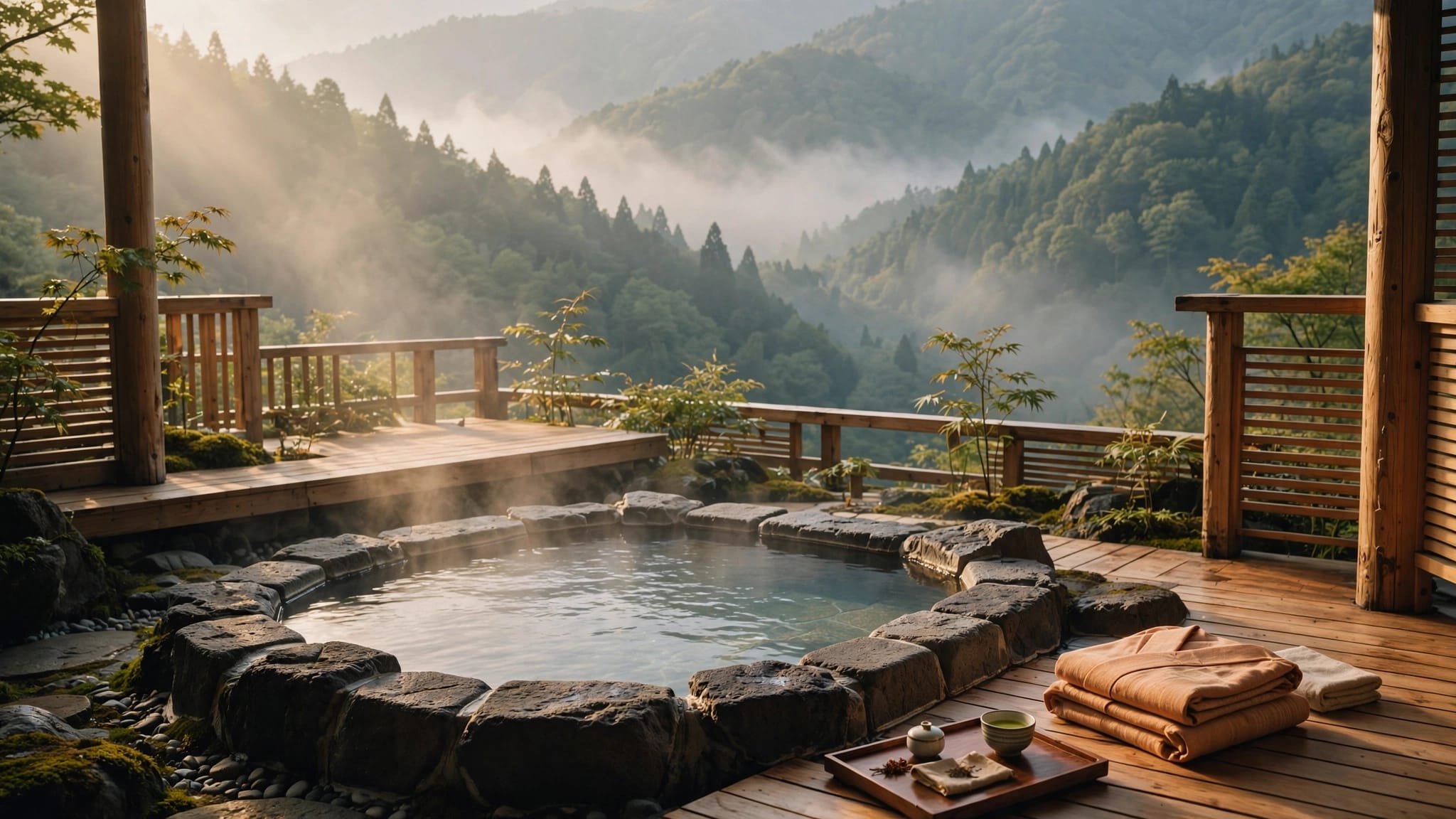
A private open-air bath overlooking the mountains sounds perfect until you discover you’ve booked the wrong room category.
When planning a luxury stay at a Hakone ryokan, I start with the details that shape your experience: privacy, dinner, and the journey to the front door. Hakone’s luxury properties can preserve the feel of a traditional ryokan, a Japanese inn, while offering the comforts of a luxury hot spring resort. The right combination gives you time to settle in, soak, and enjoy the experience you came for.
Start with how you want those hours to feel, then choose the property that supports them.
Key Takeaways
- Choose the exact room category before booking, and verify whether it includes an open-air onsen if a private bath matters.
- Compare the complete reservation, including occupancy, dinner, breakfast, cancellation terms, and transfers.
- For a romantic escape, prioritize privacy and an unhurried arrival. A beautiful ryokan deserves more than the hours left after an ambitious sightseeing day.
Choose Your Hakone Base Around Your Plans
Hakone-Yumoto, Tonosawa, Gora, the Sengokuhara area, and Motohakone are names you’ll encounter while comparing accommodation. Treat them as starting points for checking routes to Lake Ashi and other outings, rather than interchangeable labels for “Hakone.”
I put three things on the map first: Hakone-Yumoto Station, the ryokan, and the outing you most want to make. If you’re arriving by Odakyu Romancecar, I then check the actual transport between them.
A property can look close on a regional map while still requiring a connection, a shuttle reservation, or a taxi. Check Hakone Loop travel times, and ask the ryokan which station it recommends and how it handles the final transfer.
That matters even more with luggage, children, or limited mobility. Confirm steps, steep approaches, and the route between reception and your room.
If the ryokan is the main event, let it lead the schedule. If you’re also planning time around Lake Ashi or elsewhere in Hakone, check that journey before choosing your base.
My preference is one worthwhile outing, such as time at Lake Ashi, with an easy return. Check Hakone Loop timing so you reach the ryokan ready for the afternoon, with enough time to change and settle in.
Compare Luxury Ryokans in Hakone by Room Category
A celebrated property name helps narrow the search. The room description decides whether the stay fits you.
Gora Kadan: Read the Bath Description Closely
Gora Kadan’s official room categories include suites with open-air baths, a jacuzzi and steam sauna, and panoramic wooden baths. Those descriptions refer to different experiences.
If your priority is soaking outdoors, select a category that explicitly names an open-air onsen. A balcony, wooden bath, or larger suite doesn’t establish that feature.
Then compare the layout. Ask where you sleep, where you sit, and how the bath connects to the room. A Japanese style room may suit your preferred bedding and seating. For a celebration, those details deserve more attention than an impressive square-meter total.
Hakone Ginyu: Confirm the Room Beyond the Bath
Hakone Ginyu’s official site states that all rooms have an open-air bath. The property is in Miyanoshita Onsen and overlooks the Hakone mountain range.
That gives you a useful starting point, but it doesn’t finish the comparison. Confirm the selected room’s bath water source, privacy, bedding, and whether bathing is in-room or in communal baths.
I also want to know what the view looks like while seated. A room should work when you’re having breakfast or reading, as well as when you’re taking a photograph.
You can also compare Gora Hanaougi and Hakone Kowakien Tenyu. Verify each property’s exact room category and listed features before booking.
Verify What “Private Onsen” Includes
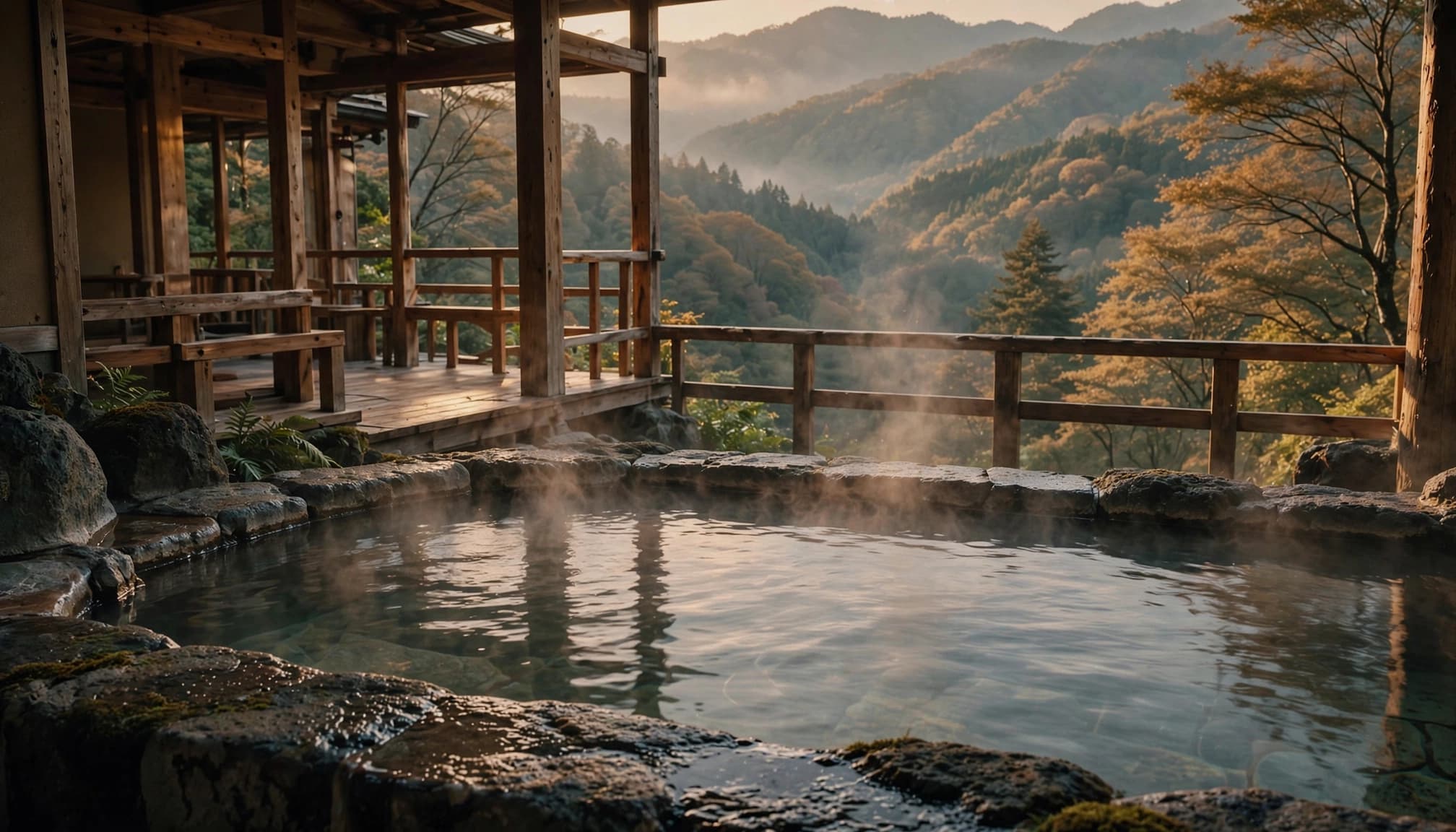
The bath is often the reason for booking. Give it its own set of questions.
In-Room Baths and Reservable Baths Are Different
A private open-air bath attached to your room offers a different routine from shared bathing reserved for private sessions. Both can be enjoyable, but only one lets you return whenever your room’s access rules allow.
Confirm whether the bath is exclusively yours, whether communal baths require reservations, and whether access has time limits. If you’re traveling as a couple, ask whether two adults can sit comfortably together.
An open-air onsen describes the setting, not the water source. Ask whether the exact bath uses water from a natural hot spring and qualifies as a private hot spring.
An open-air bath description doesn’t establish its water source. Ask about the exact room you’re booking.
Check Comfort, Privacy, and Tattoo Rules
Ask whether the open-air onsen is fully outdoors, partly enclosed, or screened from neighboring rooms. Check temperature controls and any operating restrictions, too.
For tattoos, request written confirmation covering communal baths and your specific private bath. Don’t assume permission in one applies to the other.
If anyone has mobility needs, ask for photographs of the bath entrance and information about steps and handrails. A beautiful stone edge can be awkward to cross. Ask about access rules for communal baths, too.
I’d rather settle those questions before paying than discover them while unpacking.
Compare the Full Price, Not the Headline Rate
There isn’t one dependable nightly price for a luxury Hakone ryokan. Dates, occupancy, room category, and meal plans all affect the total.
Kinnotake Tonosawa’s published offers illustrate the range. Undated examples have included ¥84,150 for two people on a prepaid, non-refundable offer booked at least 60 days ahead, and ¥121,000 for two on a seasonal kaiseki plan featuring A5 Japanese wagyu. Both included dinner and breakfast.
These aren’t quotes for your trip. The examples don’t specify a stay date or room category, so they shouldn’t be treated as like-for-like comparisons.
The property’s room information also lists the Hoshi standard room with an open-air bath at 66 square meters. Neither example price is tied to that category, and the bath’s water source isn’t verified.
Include Hakone Kowakien Tenyu in your shortlist, and request the same details from every property: dates, two-person occupancy, exact room, meals, taxes, and cancellation terms. Separate drinks, treatments, and transfers where they’re additional.
Check whether the displayed price is per person or per room. Also confirm whether changing the number of guests affects the meal-inclusive rate.
I pay particular attention to the cancellation deadline. An advance discount can lose its appeal if flights, onward travel, or the room choice remain unsettled.
Let Dinner Shape the Reservation
For a food-first traveler, the meal plan belongs near the top of the decision. A room confirmation alone doesn’t tell you how the evening will work.
Confirm the Kaiseki Experience
Kaiseki cuisine is a multi-course meal built around seasonality, presentation, and a deliberate progression of dishes. Confirm whether your selected plan includes it, where it’s served, and what dinner times are available.
In-room dining, a private dining room, and a restaurant create different evenings. Choose the arrangement you want rather than assuming the property’s photographs describe every booking.
Also ask about the latest arrival time for dinner. I work backward from that deadline when arranging transport, with enough room for a delayed train and an unhurried check-in.
Settle Dietary Needs Before Paying
Send allergies and dietary requirements before making a non-refundable reservation. Ask the property to confirm what it can accommodate, including stocks, sauces, and cross-contact concerns where relevant.
For two nights, ask how the menus change. That makes it easier to decide whether you’d like both dinners included.
A room-only booking deserves a separate dinner plan. Check an outside restaurant’s reservation availability, closing time, and return transport before removing the ryokan meal.
If a treatment is also important, reserve it around dinner. Your hotel booking doesn’t automatically secure the appointment you want.
Plan the Tokyo Journey Around Time at the Ryokan
Getting to Hakone is only part of the journey. Plan for the ride to your property and the hours you’ll have there afterward.
Choose the Rail Route That Fits Your Tokyo Base
The Odakyu Romancecar journey connects Shinjuku and Hakone-Yumoto in about 80 minutes. All seats are reserved, so book ahead.
The Shinkansen bullet train to Odawara is another option. Compare the full journey from your Tokyo hotel, including station access and the onward connection to the ryokan. The Odakyu Romancecar may be simpler if you’re starting near Shinjuku.
You need a regular passenger ticket or eligible pass, plus a limited-express ticket. The limited-express charge alone isn’t the full fare.
I choose the route with the easiest overall arrival. A faster train can offer little advantage if it adds awkward transfers elsewhere.
Arrange the Final Transfer Before Adding Sightseeing
Ask the ryokan about shuttle availability, pickup points, reservation requirements, and taxi arrangements. Get those details settled before booking an arrival-day activity.
The Hakone Freepass coverage includes eight forms of local transport. Whether it suits your stay depends on the journeys you’ll actually make and the version you buy.
For a property-centered escape with arranged transfers, don’t buy a pass automatically. For sightseeing, compare the Hakone Freepass coverage with your planned route.
The Hakone Loop can take much of a day, so check how long it takes to reach Lake Ashi from your ryokan. If you plan to visit Lake Ashi, check the return timing before setting out.
A full Hakone Loop sightseeing day may leave little time at the property. Allow enough time to return from Lake Ashi and enjoy the ryokan afternoon.
If you’re continuing to Kyoto or another destination, ask your hotels about luggage forwarding and delivery timing. Keep overnight essentials with you.
Frequently Asked Questions
Is One Night Enough for a Luxury Hakone Stay?
One night works if you arrive early enough via the Odakyu Romancecar to enjoy the room, bath, and dinner. I’d choose two nights when the ryokan is a major reason for visiting Japan. That gives you a full day without unpacking and checking out again immediately.
Which Ryokan Should I Choose for Mount Fuji Views?
Ask the property to confirm whether the exact room category offers a Mount Fuji view. A mountain view doesn’t automatically mean Fuji. Request representative photographs and remember that weather can obscure the view. Keep the room’s other qualities central to the decision.
What Should Families Check Before Booking?
Confirm the property’s child policy, minimum ages, bedding arrangements, meal options, rules for children using communal baths, and bath safety. Ask about stairs and the distance between rooms if booking more than one. Don’t assume a large room accommodates your family under the property’s occupancy rules.
Choose the Stay You’ll Have Time to Enjoy
The right ryokan puts your priorities in the same reservation: the room you want, a bath you can use comfortably, and an evening that runs at your pace.
My personalized travel planning services bring those choices together with rail bookings, transfers, dining, and the rest of your Japan trip.
Once the important details are confirmed, leave some time unclaimed. Make room for the mountain air, the meal, another soak, and an outing to Lake Ashi if it’s already in your plans.