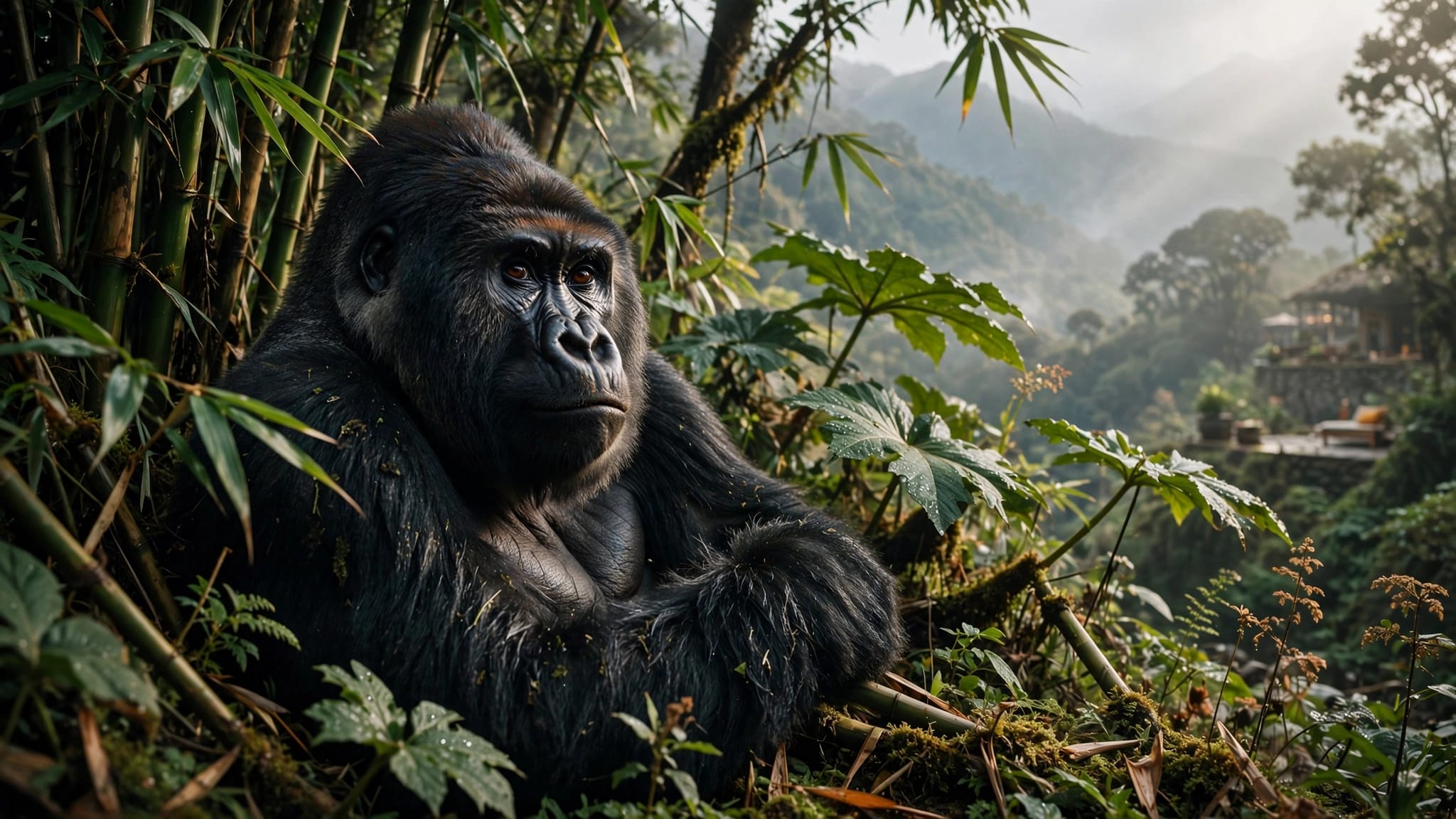
I’d give a luxury Rwanda gorilla trekking trip six days: three nights near Volcanoes National Park, with Kigali bookending the journey. That gives you a protected arrival, an unhurried trek, and time to enjoy the lodge you’ve chosen.
The upgrade is breathing room: a proper dinner, a comfortable transfer, and no international flight hanging over your time with the gorillas. Start with the encounter, then build the rooms, meals, and timing around it.
Key Takeaways
- Reserve the gorilla permit before committing to nonrefundable arrangements. International visitors pay US$1,500 per person.
- Stay near Kinigi before trekking. A same-day Kigali departure adds an early start without improving the experience.
- A private vehicle and luxury suite don’t make the gorilla encounter private. Standard trekking groups include up to eight visitors.
A Six-Day Rwanda Gorilla Trekking Itinerary
This five-night route keeps hotel changes purposeful and gives Volcanoes the largest share of your time.
| Day | Overnight Base | Main Experience |
|---|---|---|
| 1 | Kigali | Arrival, art if timing allows, relaxed dinner |
| 2 | Volcanoes-area lodge | Private transfer and lodge afternoon |
| 3 | Near Kinigi | Gorilla trekking |
| 4 | Volcanoes-area lodge | Lodge time or a separately booked second trek |
| 5 | Kigali | Return, contemporary art, final dinner |
| 6 | Departure | Breakfast and airport transfer |
Day 1: Arrive Without Racing the Clock
For a city base, I’d compare The Pinnacle Kigali with the Kigali Marriott Hotel. Choose around your preferred atmosphere and room category, then protect arrival-day rest.
If you arrive early, visit Inema Arts Centre before dinner at Repub Lounge. After a late arrival, keep dinner at the hotel. You shouldn’t need a second wind to enjoy the opening night.
Day 2: Move Into the Highlands
The drive from Kigali toward Volcanoes National Park passes through Musanze and takes roughly two to three hours. Treat that as an estimate, since published distances vary by endpoints. Keep any stop there optional to make the transfer day efficient.
I’d use a private vehicle and reach the lodge for lunch or an easy afternoon. Compare actual door-to-lodge timing, dining, privacy, and included transfers before suite size. A beautiful lodge deserves time beyond sleeping between excursions.
If you want to visit the Karisoke site or hike associated with Dian Fossey, schedule it for a separate day, not the transfer afternoon. Confirm current arrangements with your lodge or operator.
Trekking Day: Keep the Whole Day Clear
The Briefing and the Walk
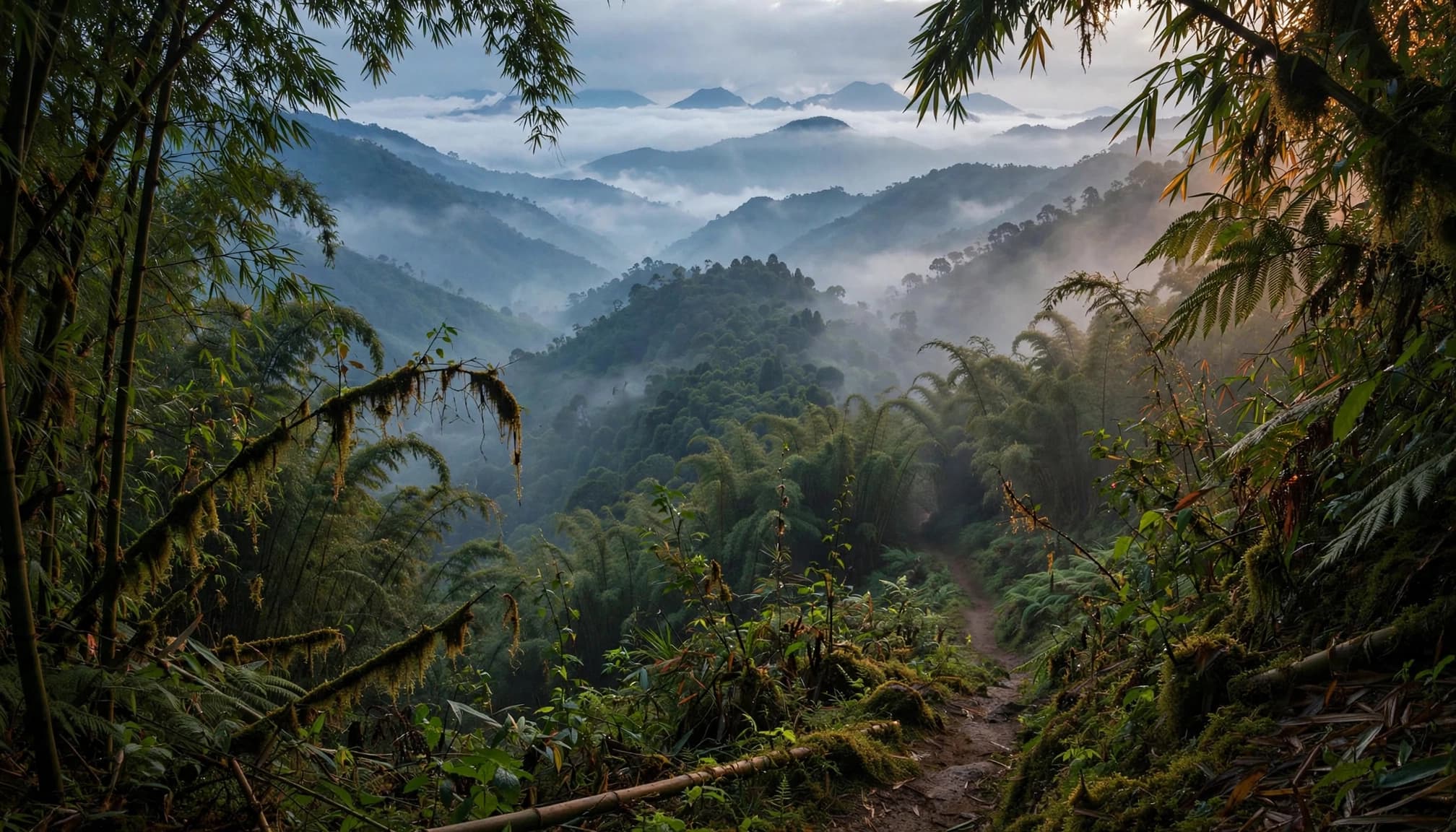
Be at park headquarters in Kinigi at 7:00 AM for mandatory reporting, briefing, and group allocation. Briefing schedules are described differently across published guidance; 7:00 AM is the arrival time to build around.
Rangers lead the trek. Finding the gorilla family can take 30 minutes to four hours or more, depending on where it spent the night. That’s the approach, not a guaranteed total excursion time. The return walk comes afterward.
Tell the team about mobility limitations during allocation. A shorter route can be requested, but gorilla movements prevent guarantees.
Your Hour With the Gorillas
Once your group finds the assigned gorilla family, your one hour with gorillas begins. Keep at least seven metres away, avoid flash, and follow ranger instructions if a gorilla approaches.
Permits are allocated among habituated gorilla families, with up to eight visitors allowed to visit each gorilla family daily. Visit Rwanda publishes around 96 permits per day, although operational availability and published family counts differ.
Expect an unscripted encounter. A silverback may face away. Vegetation may interrupt your view. Let the rangers manage positioning rather than moving closer for a photograph.
A premium lodge improves everything around the trek. It doesn’t buy closer access or extra time with the gorillas.
Days 4 to 6: Enjoy the Lodge, Then Return to Kigali
Day 4: Give the Stay Some Breathing Room
Keep the morning unhurried: breakfast, the mountain setting, and whatever restorative time suits you. Photographers or travelers making gorillas the trip’s central purpose can consider a second trek, which requires another permit and a separate booking. Golden monkey tracking is another option, but arrange it separately and confirm current availability, permits, and timing.
For an active excursion, consider a separate hike in the Karisoke area associated with Dian Fossey. It needs its own time and advance confirmation, and it’s not part of the gorilla trek.
This day isn’t an automatic replacement if illness prevents yesterday’s trek.
In 2018, endangered mountain gorillas were reclassified from Critically Endangered to Endangered. The widely cited estimate of 1,063 combines surveys conducted in 2015, 2016, and 2018, rather than one recent census.
Days 5 and 6: Finish With Kigali
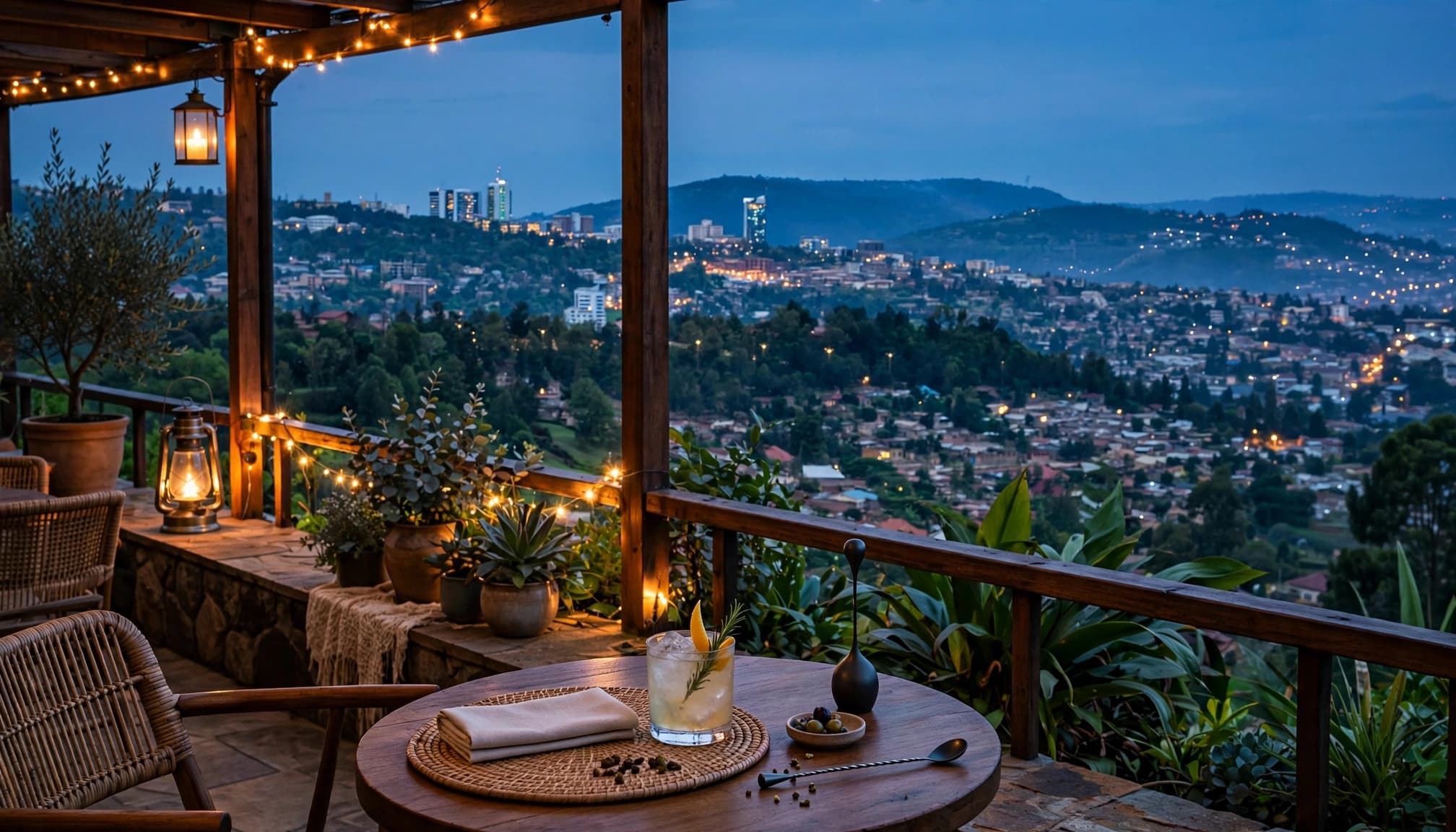
Return after breakfast, then leave room for lunch and Gihanga Institute of Contemporary Art. Its Tuesday-through-Sunday opening pattern makes it a useful option when your dates align.
For the final evening, I’d pair dinner at ruä Kigali with drinks at 12 Degrés. Keep that second stop optional; the latter closes Sundays. I’d build any live-music addition around an actual performance rather than promise a generic “music night.”
Day six stays simple: breakfast, packing, and a private airport transfer. The final Kigali overnight separates an unpredictable mountain excursion from your international departure.
Gorilla Permits and the Complete Luxury Budget
What the Permit Covers
The Rwanda Development Board booking portal lists the international visitor permit at US$1,500 per person. It covers the guided trek and one-hour encounter, not lodging, transport, meals, visas, or insurance.
Buy permits directly through RDB, or ask a gorilla trekking tour operator to coordinate the permit, lodge, and transfers. The encounter isn’t private. Limited daily capacity makes the permit the first reservation, particularly for dry-season travel.
RDB’s published 2026 promotion lists US$200 for Rwandan and East African citizens, and US$500 for other African citizens and foreign residents in Africa. June through October 2026 is excluded from that promotion.
Compare the Entire Five-Night Journey
For two international visitors, the fixed permit calculation is straightforward.
| Trekking Arrangement | Combined Permit Cost |
|---|---|
| One trek per person | US$3,000 |
| Two treks per person | US$6,000 |
Those totals are permit costs, not luxury package prices. Accommodation and inclusions determine much of the remaining spend.
I build the comparison around three lodge nights, two Kigali hotel nights, a private vehicle and driver, meals, activities, and transfers. Taxes, drinks, laundry, porter costs, gratuities, and any planning fees belong beside those items. International flights, visas, and insurance complete the travel budget.
Room category, season, and occupancy change the total too much for one dependable all-in figure. My approach to custom travel planning for complex trips keeps those arrangements together, so a lower room rate doesn’t conceal a less complete journey.
When to Go and How to Prepare
Choose the Season Around Trail Conditions
The dry season usually falls between June to September and December to February. March to May and October to November are wetter.
I’d favor drier months if manageable footing is a priority. Rain and difficult trail conditions can occur year-round, and dry-season dates don’t guarantee an easy walk. Wetter months bring lush scenery but require more tolerance for mud and changing conditions.
Reserve the defining pieces early: permits first, then the right lodge and transfers. Avoid building the route around an assumed permit opening.
Prepare for Uneven Ground, Not Just Distance
The physical challenge often comes from altitude, slippery ground, steep sections, and vegetation. Regular hill walking and stair sessions are more useful preparation than flat walking alone.
Wear broken-in waterproof hiking boots, long trousers, and gloves for vegetation. Carry rain protection, water, and a protected camera. Gaiters help keep mud out of your boots.
Hire a porter to carry your daypack and assist on steep sections. That supports local employment and leaves you with more energy for the encounter. A lighter pack makes a meaningful difference when the route stretches longer than expected.
Rwanda or Uganda for Gorilla Trekking?
For this particular trip, I’d choose Rwanda for its compact routing: Kigali, a comfortable road transfer, and a concentrated highlands stay. It suits travelers protecting limited vacation time.
A standard foreign nonresident permit for Uganda gorilla trekking costs US$800 in Bwindi or Mgahinga. That’s US$700 less per trek than Rwanda, before accommodation and transport.
Choose Uganda when permit value and a broader Uganda journey matter more than this Kigali-based structure. Rwanda’s premium makes the strongest case when efficient access and high-end accommodation are priorities.
If a classic plains safari matters equally, I’d treat it as a separate chapter. Akagera National Park offers plains wildlife, while Nyungwe has chimpanzee trekking; either needs extra time and a separate route. My luxury Tanzania safari itinerary gives that experience its own time rather than squeezing another country into six days.
Frequently Asked Questions
What Is the Minimum Age?
Trekkers must be 15 years of age. Families traveling with younger children need separate care and activities during the excursion. A family booking doesn’t override the park’s age rule.
Can You Trek With a Cold or Flu?
Anyone with a cold, flu, or another contagious illness may be refused entry to protect the gorillas. Report symptoms honestly. A spare itinerary day doesn’t automatically transfer your permit or create a replacement slot.
Is Gorilla Trekking Safe, and What Can Provoke a Gorilla?
Ranger-led trekking has established visitor rules, but wild animals and uneven terrain carry risk. Slips, fatigue, and falls deserve attention alongside animal behavior.
Crowding, sudden movements, and ignoring ranger instructions can create problems. Keep your voice low, don’t touch the animals, and let your ranger direct your response. No responsible itinerary should promise zero risk.
Build the Trip Around Your Best Hour
The strongest Rwanda itinerary protects the encounter without rushing everything around it. Three nights near Volcanoes give the lodge a meaningful place in the journey. Kigali adds meals, art, and a sensible departure buffer.
I’d prioritize timing, access, and comfort before adding another stop.
When you’re ready, start planning your Rwanda trip. I’ll shape the pace, stays, and moving parts around how you want to travel.