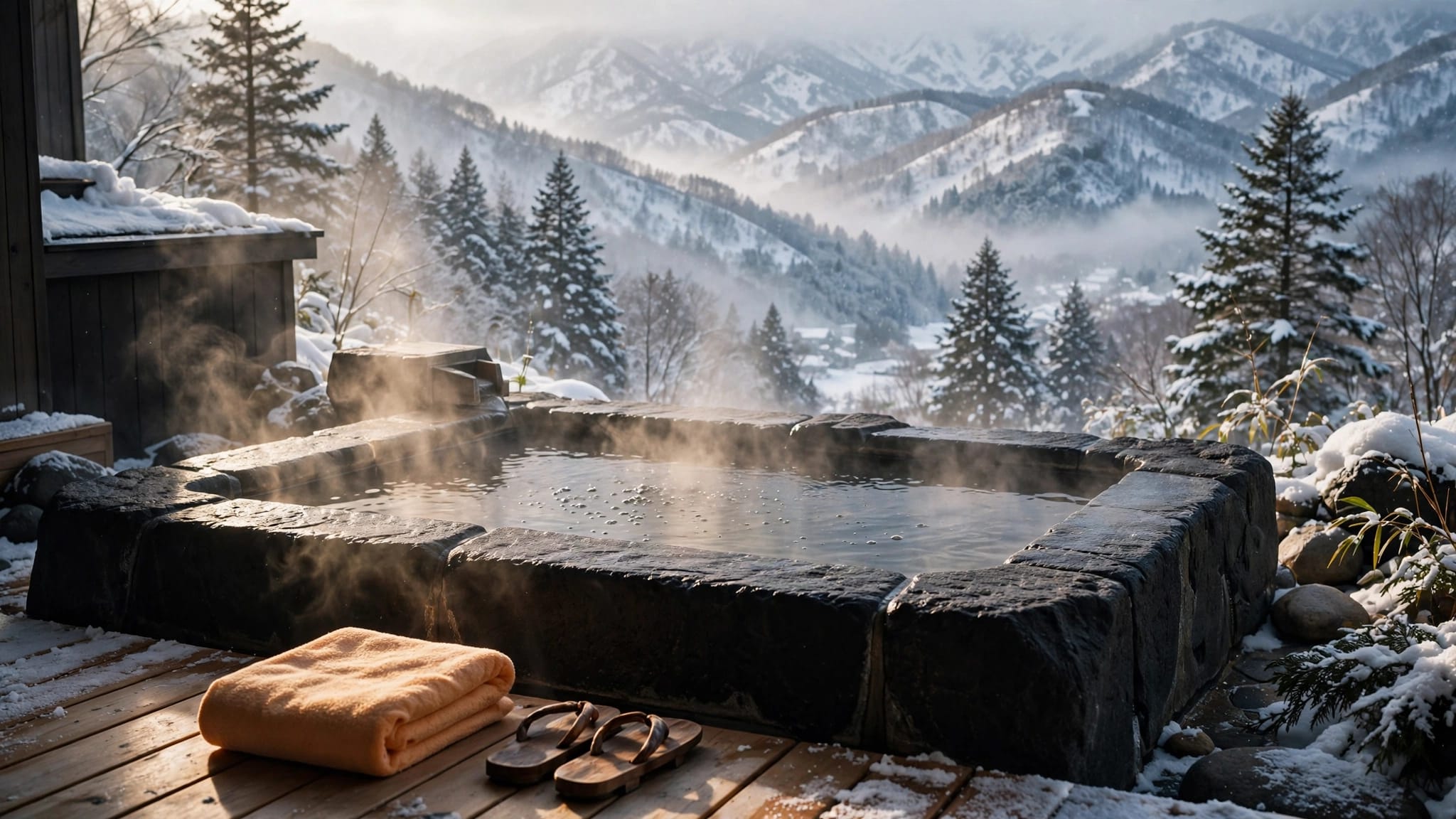
A luxury Hokkaido itinerary works best with seven days, three nights in Niseko, and a private-onsen stay after skiing. I would bookend that route with Sapporo, leaving the best hours in Hokkaido for mountain mornings, thoughtful meals, and time in the bath.
The real upgrade is time protected: fitted equipment, private instruction matched to your ability, and transfers that don’t consume the afternoon. Start with that rhythm, then choose the rooms and reservations that make it yours.
Key Takeaways
- Plan seven days and six nights: two separate Sapporo nights, three nights in Niseko, and one at Lake Toya.
- Prioritize your exact bath category, meal plan, and mountain access before paying for a larger suite.
- Choose January or February for a powder-focused trip, with flexible skiing plans and a final Sapporo night before departure.
Build Your Luxury Hokkaido Itinerary Around the Route
Sapporo is the usual starting base for Hokkaido, but I wouldn’t commute to the ski mountains daily. Put yourself beside the skiing, then move somewhere designed for slowing down.
Here’s how I would scale the trip.
| Trip Length | Suggested Route | What It Supports |
|---|---|---|
| Four days | Three Niseko nights | Two ski days and private-bath downtime |
| Seven days | Sapporo, Niseko, Lake Toya, Sapporo | Powder, food, and a dedicated onsen evening |
| Fourteen days | Add Noboribetsu and Hakodate | More skiing, contrasting hot springs, and southern Hokkaido |
Four days requires discipline. Skip the city sightseeing and make Niseko the whole experience.
A seven-day Sapporo itinerary puts the city at both ends of your ski and onsen stays. That gives you contrast without constant packing. Fourteen days allows two nights at the onsen property instead of fitting its pleasures between checkout times. My approach to planning different travel paces also suits couples where only one person skis.
Days 1 and 2: Sapporo, Otaru, Then Niseko
Day 1: Arrive for a Proper Sapporo Evening
Arrange a transfer from New Chitose Airport and keep the afternoon light. Stay centrally, with an easy return after dinner.
For an atmospheric first meal, I’d choose Robatayaki Utari, rather than commit to a long tasting menu after flying. Its Sunday closure matters when sequencing this evening.
Susukino’s Ramen Alley has 17 shops. Miso ramen with corn makes a satisfying informal option. Soup curry is another relaxed local choice. Jingisukan is lamb or mutton grilled over a dome-shaped skillet.
If you want drinks afterward, Rock Bar Fxxk Up is a music-led option that opens at 9 p.m. Treat it as a rock-bar evening, not a guaranteed live performance.
Day 2: Give Otaru the Morning
Leave around 9 a.m. with your luggage and a private driver for a day trip. Otaru is roughly an hour from Sapporo by car; direct trains can take less.
Walk the canal, browse glass studios, and spend time around the Music Box Museum. The nearby steam clock releases steam and chimes every 15 minutes.
I’d keep this visit focused rather than fill the morning with shopping stops. Have lunch before continuing toward Niseko, aiming to arrive around 3:30 p.m.
That leaves time for equipment fitting, ski-school arrangements, and an unhurried dinner. Otaru earns its place because it adds a different atmosphere without requiring another hotel.
Days 3 and 4: Give the Powder Your Best Hours
Day 3: Start With Private Instruction
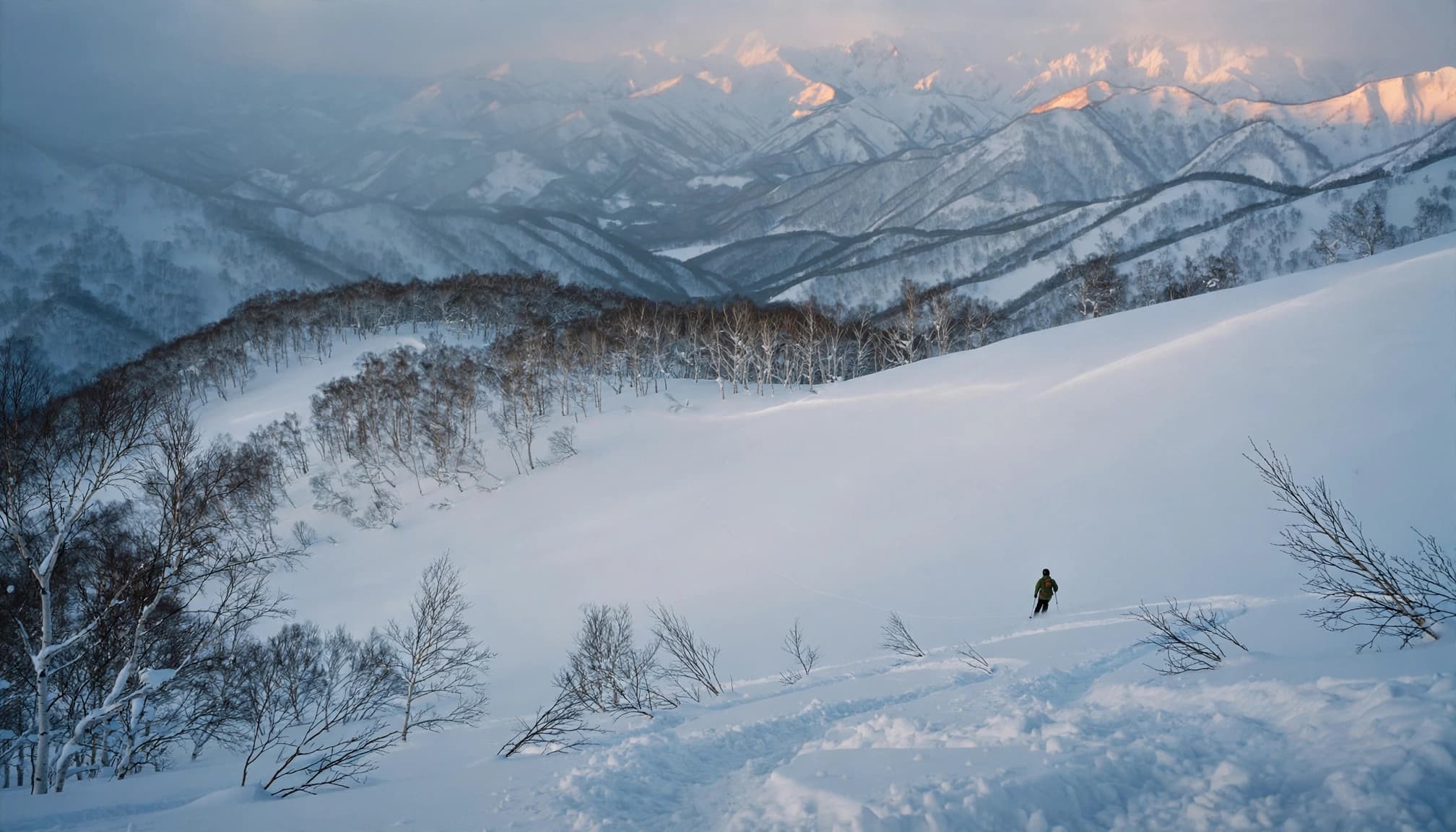
Make your first full mountain day a private lesson or guided resort session through Niseko Hanazono. Match the booking to your actual ability, especially if deep snow is new territory.
Start near lift opening and leave lunch flexible. A rigid restaurant reservation can interrupt the strongest skiing window.
Private instruction adds value through terrain selection, pacing, and fewer wasted decisions. It doesn’t create priority access to every lift.
Backcountry skiing is a separate commitment. Leaving controlled terrain requires appropriate expertise, avalanche equipment, and conditions-based decisions. Resort confidence alone isn’t preparation.
Day 4: Keep the Mountain Plan Flexible
Use the second day for progression, another guided session, or a gentler morning if your legs need it. Wind can close upper lifts even when snowfall looks promising.
I would resist scheduling a distant excursion as the automatic backup. Lower-mountain skiing, a treatment, or a longer lunch can preserve the day without another transfer.
For accommodation, Niseko Kyo belongs on the shortlist for a Hirafu-centered stay. Compare the exact residence, bath description, and access arrangements.
If hotel services and Hanazono access lead your priorities, consider Park Hyatt Niseko Hanazono. Its private spa onsen is a treatment-linked reservation, not an amenity included in every guest room.
Days 5 to 7: Private Onsen, Then an Easy Finish
Day 5: Arrive at Lake Toya With Time to Soak
After breakfast, leave Niseko by private transfer. Aim for a midafternoon ryokan arrival, rather than squeeze in another ski session.
Lake Toya is an onsen resort town with open water, mountain views, and a slower evening rhythm. I’d shortlist The Lake Suite Ko No Sumika for its lake-facing setting and private open-air baths.
Keep the afternoon for bathing, then settle into dinner. Choose a meal-inclusive plan for its kaiseki dinner, and check the dining format and dietary arrangements.
Mount Usu’s ropeway provides access toward the volcanic crater area. Save it for a longer stay when weather allows. Swan boats belong to Lake Toya’s summer experience.
Days 6 and 7: Return Before Departure Day
After breakfast and another soak, return to Sapporo. This final city night creates breathing room before your flight.
Choose one afternoon outing to keep the final-city buffer relaxed. Sapporo TV Tower costs ¥1,200 for adults, and City Hall’s 19th-floor view is free. The Clock Tower museum costs ¥350; Sapporo Beer Museum and Mount Moiwa are other options.
For something sweeter, Shiroi Koibito’s paid factory admission includes a cookie. Its shop and cafe areas can be entered free, with purchases additional.
Make your final dinner mare Hachikyo, then leave day seven for breakfast and the airport transfer. A rural excursion before flying would spend the buffer you’ve protected.
Choose the Bath Before the Room
Private Access Has Different Meanings
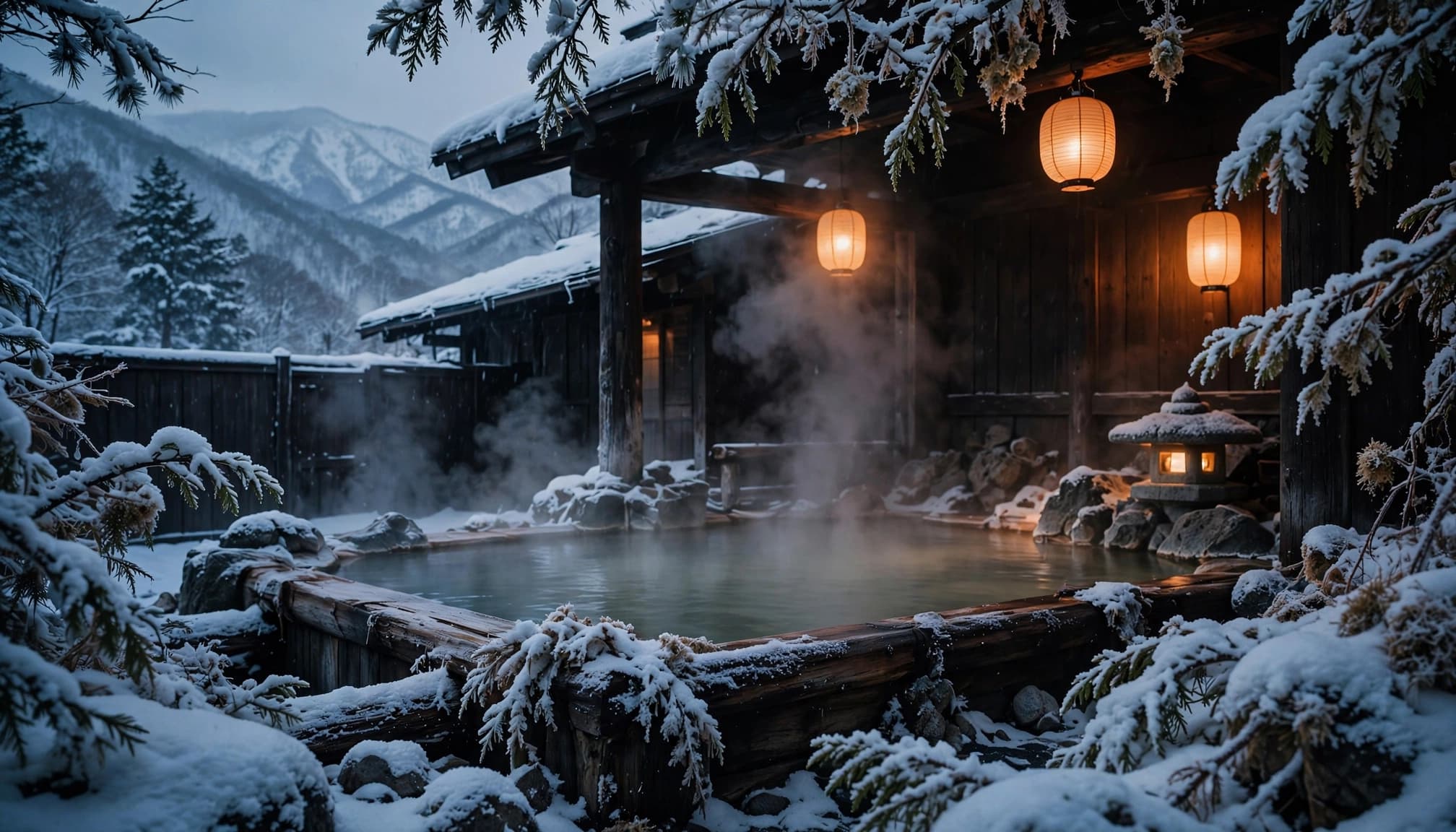
An in-room onsen and a reservable shared bath create different evenings. One is attached to your accommodation; the other usually involves a scheduled session.
An outdoor tub also doesn’t establish that its water comes from a natural hot spring. The reservation needs to identify the bath, water source, privacy, and access rules.
A hotel with an onsen doesn’t automatically give you a private onsen. The exact room or separate bath reservation determines that experience.
My principles for choosing a luxury ryokan apply here too: comfort, dinner, and arrival timing matter as much as photographs.
Compare the Complete Stay Price
Compare identical dates, occupancy, room categories, meals, taxes, and cancellation terms. Separate drinks, treatments, ski services, and transfers.
For a Noboribetsu alternative, Bourou Noguchi Noboribetsu offers a more contemporary ryokan setting. Travelzpro’s 2026 guide estimates roughly ¥40,000 to ¥60,000-plus per person with two meals. That’s an indicative benchmark, not a dated offer for this route.
Kaiseki is a seasonal, carefully paced multi-course meal. A dinner-inclusive rate deserves more attention when that meal is a major reason for choosing the property.
I would also settle tattoo policies, bath-entry steps, and dietary restrictions during booking. Those details shape comfort far more than an impressive room size.
Choose the Season and Transport Together
January and February for Powder
January and February are my starting points for a powder-focused itinerary, although snowfall and lift access remain weather-dependent.
February also brings the Sapporo Snow Festival, with Odori Park as a main venue. Include it intentionally; festival crowds change the feel of a relaxed city stop.
Autumn foliage, food, and onsen make a worthwhile trip, but they don’t deliver this skiing itinerary. Lake Shikotsu is a scenic alternative within Shikotsu-Toya National Park. Furano and Biei’s lavender and flower fields belong mainly to summer. Biei’s Blue Pond gets its color through mineral-related light effects, not blue dye.
Where Extra Days Belong
With fourteen days, add skiing and a second Lake Toya night first. Then consider Noboribetsu and Hakodate as a southbound extension. Lake Akan is in eastern Hokkaido and merits a separate extension, not a quick add-on to the southern route.
Allow roughly three hours for the Noboribetsu-to-Hakodate rail journey, rather than treating it as a quick transfer. Mount Hakodate’s ropeway and nighttime panorama deserve their own evening. Visit Goryokaku Park, then head to Goryokaku Tower for a view of the fort’s star-shaped layout.
For a shorter, bath-focused alternative, Jozankei is about an hour from central Sapporo. Ontamu-no-yu offers the small pleasure of cooking eggs in hot-spring water. It suits a city-and-onsen trip better than another stop inside this ski week.
Private Transfers Earn Their Place
I favor private transfers between ski and onsen bases, where luggage and equipment complicate connections. Rail works well for an independent Otaru visit; JR Hokkaido’s rail options suit longer city-based extensions.
For car rental, carry your physical passport and the driving documents applicable to your nationality. Japan’s rental-car guidance specifies paper-booklet International Driving Permits, not smartphone versions. Add an ETC toll card and winter tires for November through April.
Frequently Asked Questions
Is Seven Days Enough for Hokkaido?
Seven days is enough for this focused route. It isn’t enough to give Niseko, Sapporo, Otaru, Lake Toya, Hakodate, Furano, and Biei meaningful time. I would choose fourteen days for a broader trip.
Do You Need a Rental Car?
No. Private transfers and selected rail journeys cover this itinerary comfortably. A rental car offers flexibility, but winter driving adds responsibility that many travelers would rather leave outside their vacation.
When Would You Avoid Sapporo?
For this particular trip, I would avoid festival dates if crowds outweigh their appeal. December is also a less dependable choice than midwinter when powder is the main reason for traveling.
Make the Best Hours Yours
The strongest luxury Hokkaido itinerary gives skiing its mornings and the ryokan its afternoon. Your room, dinner, and transport should support that balance.
Through my Signature Concierge planning, I bring those decisions into one coordinated trip. The goal is room to enjoy it: another run when conditions cooperate, another soak when they don’t, and an evening with nowhere else to be.