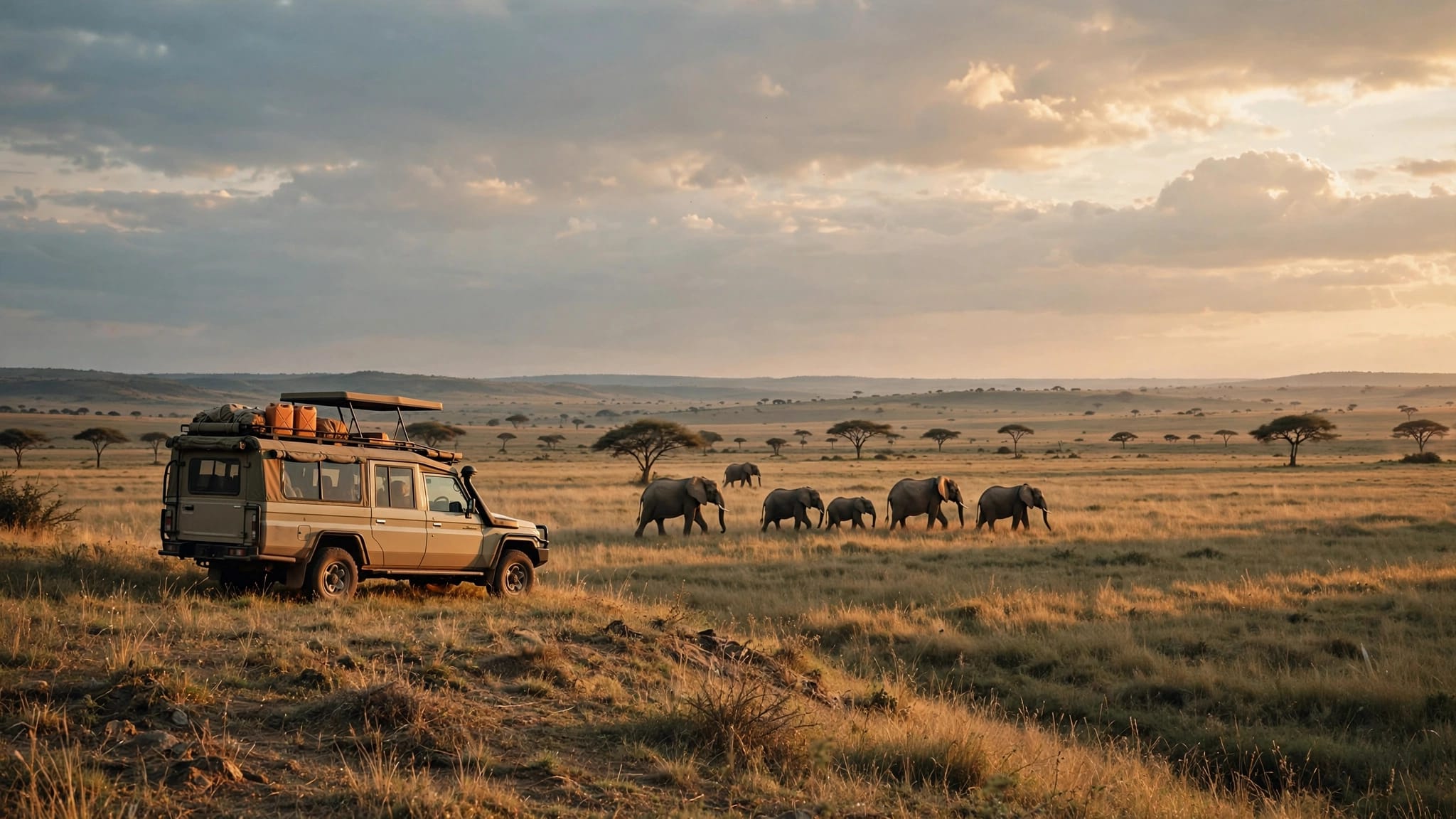
The most expensive mistake on safari is spending your best wildlife hours in transit. A luxury Tanzania safari should give you exceptional guiding, beautiful places to stay, and time to enjoy both.
My starting point is ten days on Tanzania’s Northern Circuit in East Africa. Ease in, spend two nights near Tarangire and two around Ngorongoro, then give the Serengeti ecosystem four nights. The right version depends on your dates, your appetite for adventure, and how much privacy you want.
Start with the wildlife experience, then build the route around it.
Key Takeaways
- Give the Serengeti four nights so wildlife viewing doesn’t depend on one lucky afternoon.
- Match your lodge location to the season, especially if the Great Migration is your priority.
- Compare complete quotes, including private guiding, internal flights, park fees, crater access, and transfers.
This ten-day itinerary is a starting point for couples, families, or friends who want variety without changing hotels every morning. I’d shorten the route before shortening every stay.
Choose Your Serengeti Region Before Your Lodge
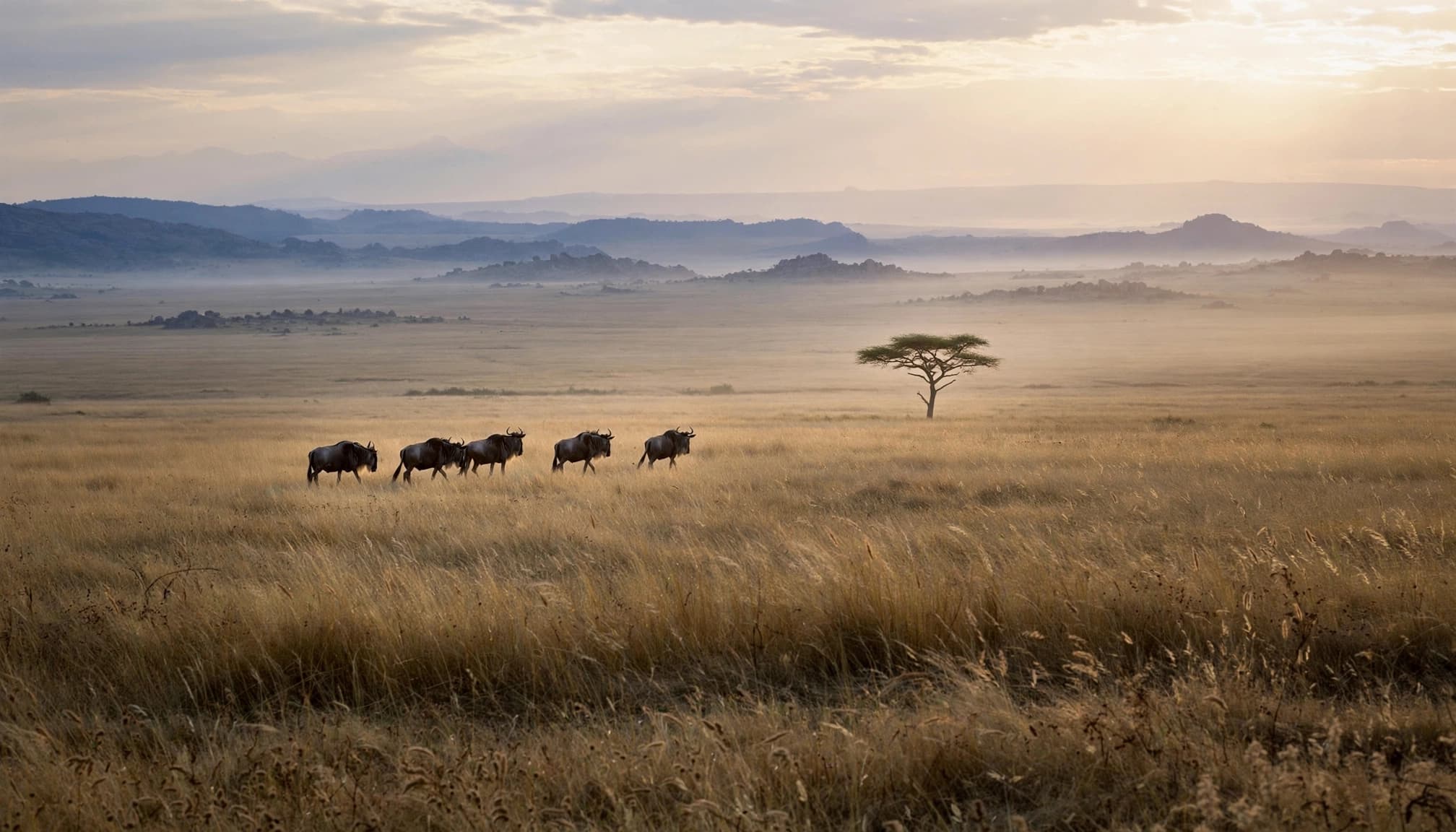
The Great Migration moves through an enormous ecosystem. A gorgeous lodge can still be poorly positioned for the experience you want, including river crossings.
These are approximate planning windows, not reservations with nature. When choosing a seasonally positioned camp, consider mobile tented camps alongside fixed lodges.
| Travel window | Region to prioritize | Main reason to go |
|---|---|---|
| December to March | Southern Serengeti and Ndutu | Calving season and predator activity |
| April to June | Western corridor and Grumeti | Herd movement through western areas |
| July to October | Northern Serengeti | Mara River crossing country |
| November | Route depends on current conditions | Herds moving south |
Calving Season or River Crossings?
For calving, I’d look closely at late January through March. The southern plains and Ndutu offer a different atmosphere: newborn wildebeest, open grasslands, and active predators.
For crossings, late July through October is a stronger planning window, especially August and September. Rainfall changes the timing. Asilia’s Great Migration timing guide explains the regional movement.
A northern Serengeti stay puts you near areas known for river crossings. It can’t guarantee a crossing during your visit.
Dry Season or Green Season?
Dry-season travel generally brings clearer conditions and easier wildlife spotting in thinner vegetation. Popular areas also attract more vehicles.
The green season brings lush scenery, dramatic skies, and excellent photographic opportunities. Rain can affect roads and activities, so I leave more flexibility in the daily plan.
Days 1 to 3: Arrive Gently, Then Explore Tarangire
Day 1: Protect the Arrival Day
Arrive at Kilimanjaro International Airport, the gateway to the region around Mount Kilimanjaro, then transfer to Arusha for one night. Keep dinner easy and the schedule light.
I wouldn’t connect a long-haul arrival straight into an ambitious game drive. A delayed flight shouldn’t unravel the opening of your trip.
Confirm your transfer, room availability, and the following morning’s departure before leaving home. If you arrive early, arrange daytime room access rather than waiting around with luggage.
Days 2 and 3: Tarangire at Your Pace
The drive between Arusha and Tarangire National Park typically takes around two to three hours, depending on traffic and your destination.
Tarangire brings baobabs, elephants, and a different setting before the Serengeti’s open plains. Give it two nights rather than treating it as a roadside stop.
Chem Chem and Tarangire Treetops are properties I’d evaluate for this part of the route. Compare their locations, atmosphere, and included activities before choosing.
Book a private vehicle if you want longer wildlife stops or flexible starts. Return early one afternoon for lunch and downtime. Every day doesn’t need to run sunrise to sunset.
Days 4 and 5: Give Ngorongoro Its Own Chapter
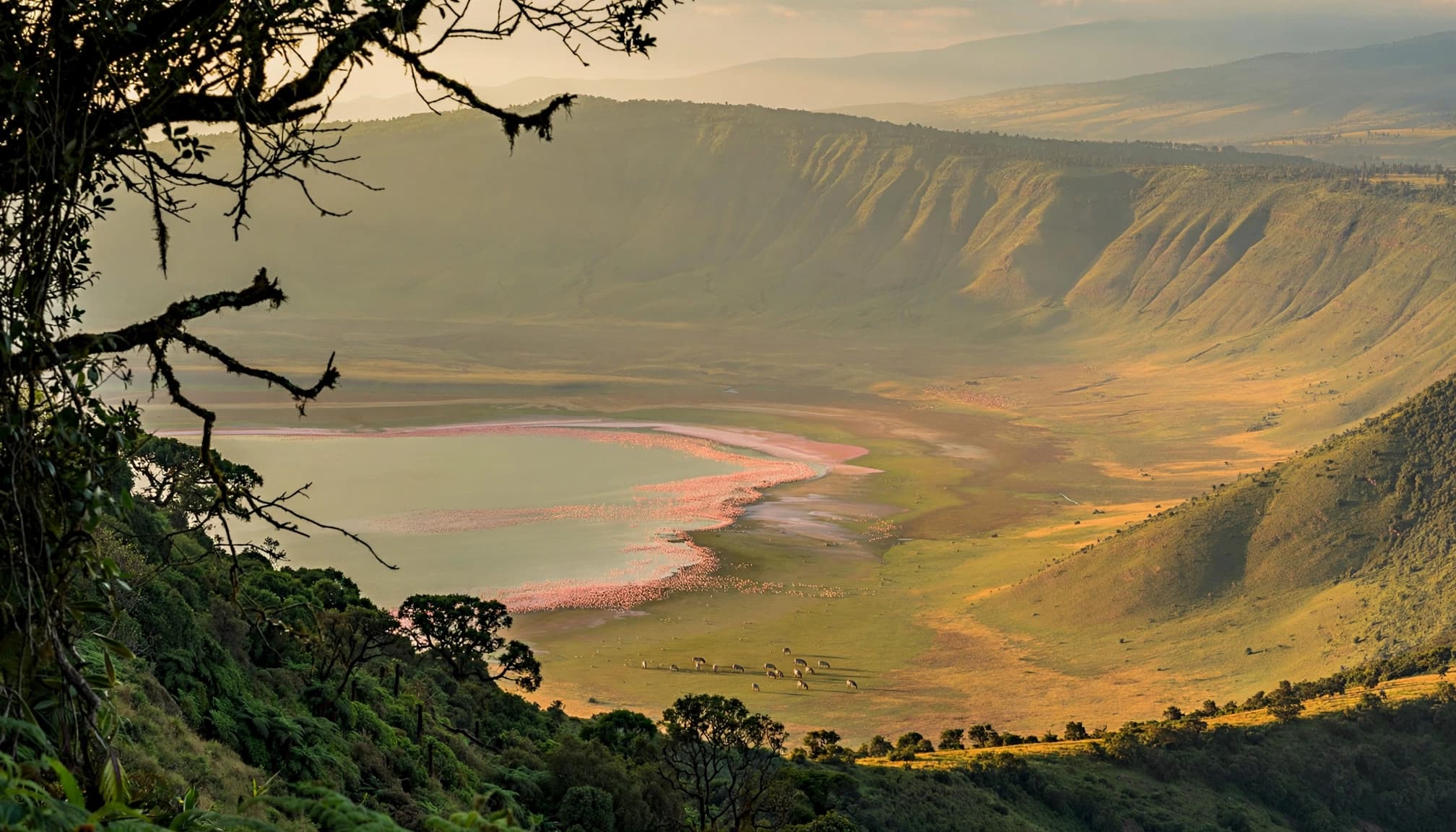
Day 4: Transfer Into the Highlands
Allow roughly two-and-a-half to three-and-a-half hours between Tarangire and the Ngorongoro or Karatu area. Your exact lodge location matters.
A crater-rim property prioritizes views and access. A highlands retreat can offer more space and a stronger sense of seclusion. A Karatu base changes the morning approach and usually adds driving.
I’d compare the actual door-to-crater timing alongside the room category. That detail affects how the next day feels.
Keep the afternoon open for settling in, a late lunch, and the cooler highland air.
Day 5: Descend Into Ngorongoro Crater
Schedule an early departure with your private guide and arrange a packed breakfast or lunch.
Ngorongoro Crater offers concentrated wildlife viewing and a striking change of scenery. Lions, buffalo, elephants, and the possibility of black rhino make it a worthwhile counterpart to the Serengeti. Sightings remain unpredictable.
Confirm the current crater-access rules, permitted visit duration, and vehicle arrangements with your operator.
I also want the crater-service charge shown separately in the quote. Published fee figures differ, so the amount should be confirmed for your travel dates.
Days 6 to 9: Your Luxury Tanzania Safari in the Serengeti
Four Nights, One Well-Chosen Base
Four nights give you time to learn an area’s rhythms. Expert guides can revisit promising sightings, adjust to conditions, and spend longer with animals.
Compare luxury safari lodges by location, access, and the time needed to reach your preferred habitats. Singita Faru Faru is within Singita’s 350,000-acre private reserve in northern Tanzania, on the western side of the broader Serengeti ecosystem.
If a shortlisted camp is in a private concession, confirm that status and what access it provides. Depending on the season, mobile tented camps can offer a better-positioned alternative to a fixed base.
For Mara River crossings or southern calving, I’d change the base to match the season. Faru Faru shouldn’t be chosen as a convenient substitute for a northern or southern camp.
TANAPA’s Serengeti National Park guide is useful for understanding the park’s habitats and wildlife before choosing your game-drive area. Before booking mobile tented camps, confirm their exact location and operating dates.
Great Meals, Better-Paced Days
At Singita Faru Faru Lodge, make dining part of the stay rather than squeezing it between drives. Share dietary needs, favorite cuisines, and wine preferences before arrival.
I’d balance longer wildlife outings with one slower afternoon. Lunch, a rest, then an evening drive feels different from another full day in the vehicle.
A hot-air balloon safari can be a beautiful addition, but confirm the launch area, transfers, weather policy, and pricing first. Since a hot-air balloon safari requires a dawn departure, keep the previous evening relaxed.
Bush walks also depend on location, permissions, and qualified staff. Neither activity should be assumed to come with every luxury booking.
Day 10: Fly Out Without Losing Another Day
For travelers protecting their time, I’d usually favor a bush flight over the long road journey back.
Build the departure around the lodge’s appropriate airstrip and the available schedule. Flights can make intermediate stops, and connections need proper buffers.
Don’t book a tight international departure because the domestic flight looks short on paper. The whole chain matters: camp transfer, flight routing, baggage handling, and airport transfer.
If you want a beach stay in the Zanzibar Archipelago, add three or four nights after the safari. That creates a distinct beach chapter without taking nights away from wildlife viewing. Confirm the flight routing before choosing the island hotel.
Spend Where You’ll Feel the Difference
Prioritize Guiding and Location
My first upgrade would usually be private guiding, followed by the right camp location. Those choices shape your days more directly than an extra-large suite.
A private vehicle is particularly valuable for photographers, families, and travelers with different energy levels. Confirm exclusivity in writing; a private room doesn’t automatically mean private game drives.
For a couple who values long lunches and privacy, I’d prioritize a quieter property. For migration-focused travelers, I’d put proximity to the herds ahead of elaborate architecture. If you’re considering a property in a private concession, verify its location, access rules, and included activities.
Compare the Full Trip Price
There isn’t one dependable price for a luxury Tanzania safari. Season, lodge category, group size, flight routing, and guiding arrangements all change the total.
When comparing luxury accommodations, look beyond the room price and ask for a quote that separates accommodation, flights, road transfers, park or concession fees, crater access, and optional activities. Check taxes, drinks, laundry, gratuities, and cancellation terms.
The distinction between park entry and additional vehicle charges is explained in this Tanzania park-fee breakdown. Your operator should confirm current amounts rather than relying on an old estimate.
Keep a reserve for changes. Weather, an extra night, or a revised flight can affect even a carefully planned trip.
Flights, Baggage, and Entry Requirements
Use Flights Selectively
The Ngorongoro rim to central Serengeti can take roughly five to seven hours by road. Central to northern Serengeti can add another four to six.
Those journeys may suit travelers who enjoy the overland experience. For a shorter premium trip, I look at flying the longest section while retaining useful road transfers elsewhere.
Airstrip access and schedules decide what’s practical. Sometimes an apparently convenient flight creates more waiting than it saves.
A common bush-flight planning allowance is 15 kilograms in soft-sided luggage, but rules vary. Confirm whether your airline counts hand luggage within that total. Hard cases and excess bags need advance approval.
Handle Documents Before Departure
For U.S. citizens, the State Department lists a $100, one-year multiple-entry tourist visa. Applications can be submitted online in advance.
Review the official Tanzania travel requirements for passport validity, entry rules, and current advisories. Other nationalities should check their own requirements rather than assuming the same visa category applies.
Arrange a travel-health consultation well before departure. Medical advice depends on your health history and routing.
I also recommend insurance that covers appropriate medical evacuation and the financial exposure of a high-value itinerary.
Frequently Asked Questions
Do You Need Ten Days?
Ten days works well for this sample route. With less time, I’d drop Tarangire and protect the Ngorongoro and Serengeti stays. With more time, extend wildlife viewing or add Zanzibar.
Should You Include Lake Manyara?
Include Lake Manyara when its scenery, birdlife, or location genuinely suits the trip. I wouldn’t add another park simply to make the itinerary longer on paper.
Are Flights and Park Fees Included?
Sometimes. A premium price doesn’t establish what’s covered. Ask for written confirmation of internal flights, park and concession fees, crater charges, transfers, and private guiding before comparing offers.
Build the Safari Around Your Priorities
The strongest itinerary gives each place enough time and puts you in the right Serengeti region for your dates. Beautiful accommodation matters, but good routing and guiding determine how much you enjoy it.
I create tailor-made itineraries around those decisions, coordinating stays, transfers, meals, and experiences. You should feel taken care of without feeling scheduled every minute.
Spend your best hours watching wildlife, sharing a great meal, and enjoying where you are. The logistics belong in the background.