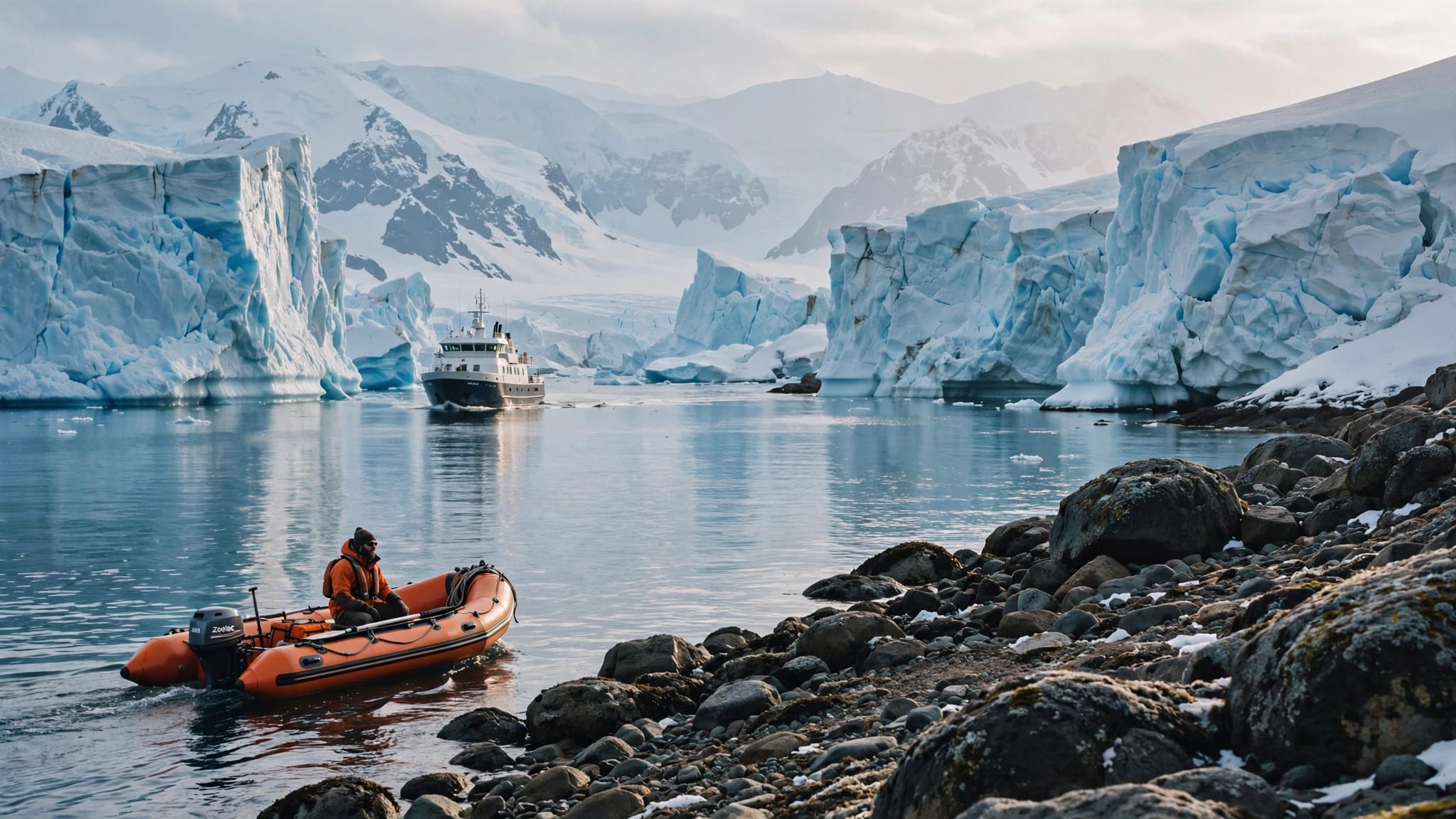
The right ship for Antarctica expedition cruises gives you meaningful time ashore, strong guiding, and a level of comfort that suits you. I’d prioritize those three things before comparing suites, spas, or champagne lists.
On an Antarctica cruise, icebergs outside your balcony are extraordinary. So is stepping into a Zodiac with a naturalist who knows what to look for.
Start with how you want your days to feel, then choose the vessel and route that support that experience.
Key Takeaways
- Smaller passenger numbers can simplify landing rotations, but expedition staffing matters just as much.
- Fly-cruises reduce time crossing the Drake Passage, although weather can delay flights.
- Compare the complete journey cost, including positioning flights, insurance, activities, and contingency nights.
What an Antarctic Expedition Includes
An expedition cruise centers on Zodiac outings, shore landings, wildlife, and onboard talks. The expedition leader adjusts each day for ice, wind, animal activity, and landing access, with landing plans following IAATO guidance.
Many polar expedition vessels carry fewer than 200 passengers, although larger expedition ships also operate. A small passenger count alone doesn’t establish the quality of the experience.
Most voyages depart from Ushuaia, Argentina. Typical itineraries run eight to 25 days; a classic Antarctica cruise to the Antarctic Peninsula usually lasts eight to 12 days. Falkland Islands and South Georgia combinations commonly need around 18 to 22 days. Check how much time each itinerary allocates to both destinations.
Those totals include travel days. An eight-day itinerary doesn’t mean eight days exploring Antarctica.
Lars-Eric Lindblad brought the first tourist expedition to Antarctica in 1966. Today, the distinction still matters: choose a voyage built around exploration rather than scenic cruising alone.
How to Compare Ships Beyond the Brochure
Passenger Numbers and Shore Access
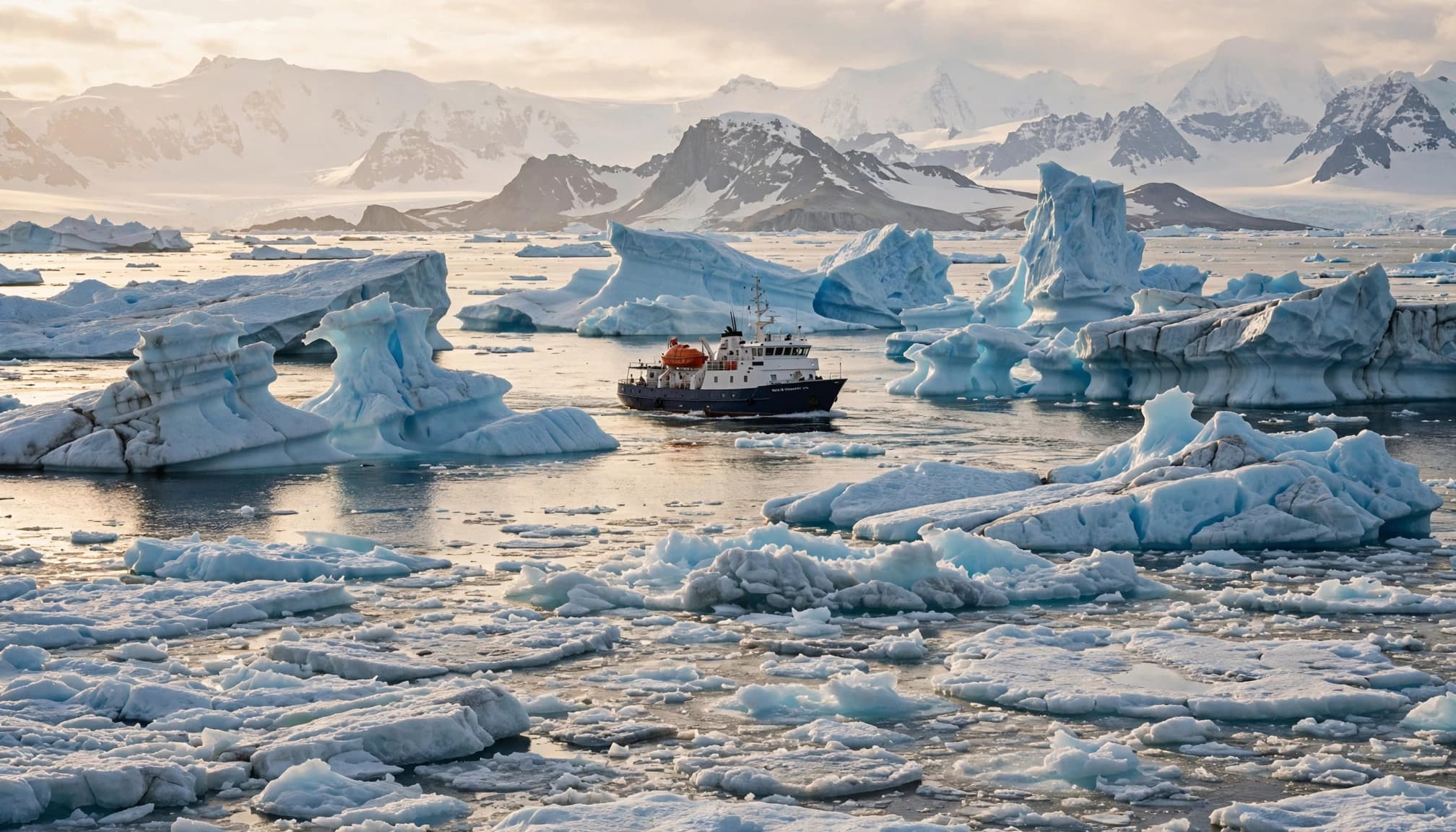
Under the IAATO visitor landing guidelines, vessels carrying more than 500 passengers cannot make landings. Generally, no more than 100 passengers from one vessel may be ashore simultaneously.
A 200-passenger ship therefore needs landing rotations. Those rotations can pair shore time with Zodiac cruising, but execution depends on staffing and conditions.
Compare expedition-team size, operational Zodiac fleet, and time allocated at each site. The landing guideline’s baseline is one guide per 20 passengers; more generous staffing can support smaller groups.
A larger Zodiac fleet only helps when enough qualified staff are available.
Ice Capability and Everyday Comfort
Ice class describes a vessel’s construction standard, not guaranteed access. Polar Class and Baltic ice-class ratings aren’t interchangeable.
I’d put equal attention on the mudroom, boarding arrangements, observation areas, and cabin location. Efficient boot storage and easy Zodiac loading improve every outing.
A lower, midship cabin generally experiences less motion than a high, forward suite. Stabilizers help with rolling, but they don’t eliminate seasickness.
Two outings a day is a useful operating ambition, never a promise.
A Shortlist With Different Strengths
These ships belong on different shortlists because they serve different travel priorities.
| Operator and ship | Strongest fit | Main distinction |
|---|---|---|
| Antarctica21, Magellan Explorer | Travelers prioritizing air access | Boutique air-cruise model |
| Quark Expeditions, Ultramarine | Adventure-focused travelers | Helicopters and expedition activities, subject to conditions |
| National Geographic-Lindblad Expeditions, National Geographic Endurance | Wildlife and photography enthusiasts | National Geographic-led naturalist exploration and photography programming |
| Silversea, Silver Endeavour | Travelers prioritizing luxury hospitality | High-service expedition travel |
Antarctica21’s Magellan Explorer ship overview describes a vessel accommodating up to 88 guests. Actual expedition occupancy can be lower than a ship’s maximum capacity.
My starting shortlist would be Antarctica21 to avoid the full Drake crossing, National Geographic-Lindblad Expeditions for naturalist-led interpretation, Quark for adventure, and Silversea for hospitality.
For itineraries that include the Falkland Islands, check how much time is scheduled ashore.
The deciding factor is the individual departure. Helicopters don’t guarantee flights, photography programming doesn’t create private guiding, and a luxury suite doesn’t change landing rules.
Sail the Drake Passage or Fly Over It?
Sailing From Ushuaia
The Drake Passage typically takes about two days each way. Sailing gives you a continuous expedition, with seabird watching, briefings, and time to settle into shipboard life.
It also commits several days to open water. Conditions range from relatively calm to rough, and no ship can guarantee a comfortable crossing.
I’d favor sailing when the ocean journey appeals to you and your schedule accommodates it. For motion-sensitive travelers, discuss prevention with a medical professional before departure.
Flying From Punta Arenas
An air-cruise uses an approximately two-hour flight from Punta Arenas, Chile, to King George Island. You join the expedition ship there and bypass the scheduled Drake Passage crossing.
Antarctica21’s air-cruise inclusion overview describes charter flights and hotel accommodation among its package components.
This can be an excellent use of limited vacation time. Flights from Punta Arenas depend on weather, and delays can affect the expedition.
Build space around the flight program. A fly-cruise reduces scheduled sea time; it doesn’t remove uncertainty.
When to Go for Penguins, Whales, and Ice
Antarctica expedition cruises operate during the austral summer, October through March. Wildlife timing varies by species, location, and year.
Use this comparison to choose your preferred experience.
| Month | Main appeal | Planning consideration |
|---|---|---|
| October | Fresh snow; early courtship at some colonies | Limited departures; ice can restrict access |
| November | Nesting penguins and dramatic snow cover | Often better value than peak season |
| December | Long daylight; hatching begins at many colonies | Strong demand around the holidays |
| January | Penguin chicks and active colonies | Peak-season pricing |
| February | Strong whale watching; growing chicks | Less pristine snow around busy colonies |
| March | Whale watching and late-season atmosphere | Shorter days; fewer departures |
December and January are strong choices for chicks and long daylight. February is my starting point for travelers focused on whales.
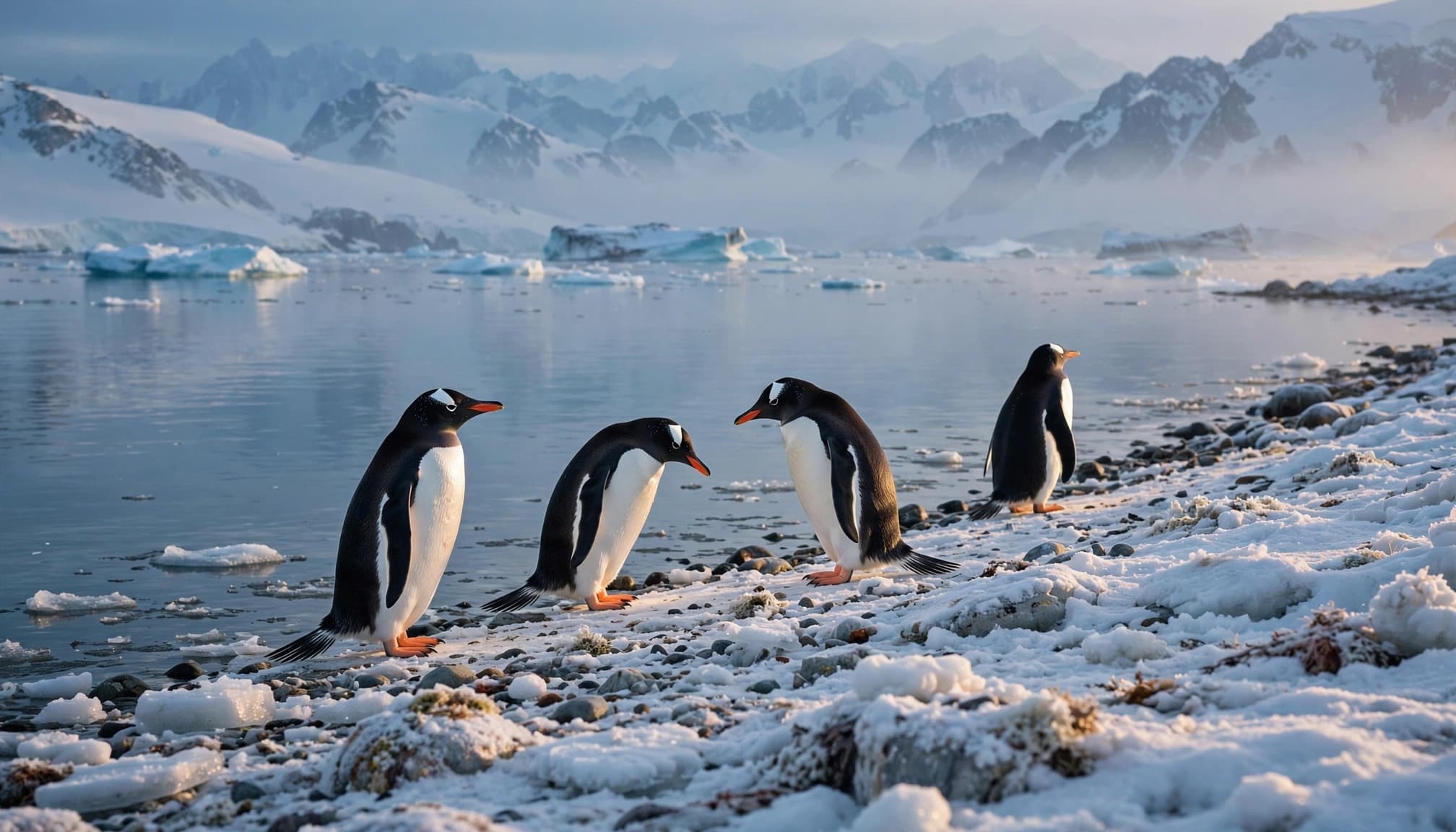
November and March departures can be roughly 20% to 40% cheaper than comparable high-season sailings between mid-December and February. That isn’t a fixed discount across ships or cabins.
One wildlife correction matters: there are 18 penguin species worldwide, not 18 in Antarctica. Polar bears live in the Arctic, and Antarctica has no native terrestrial mammals.
For South Georgia’s king penguins, choose an itinerary that actually includes South Georgia. A Peninsula voyage won’t substitute.
What Antarctica Expedition Cruises Cost
The Fare and Its Inclusions
A broad planning range for classic Antarctica cruises is US$6,000 to US$15,000 per person, usually sharing a cabin. Luxury vessels, premium suites, air-cruise fares, and longer itineraries can exceed US$20,000.
These are market ranges, not equivalent products. Ship class, itinerary length, cabin category, timing, and charter flights all affect the fare.
Antarctica21 has advertised its eight-day Classic Antarctica Air-Cruise from US$13,795 per person. That’s an operator starting fare, not the complete cost of reaching Antarctica.
November or March can improve value. December and January usually require more budget flexibility, especially for preferred categories.
The Complete Journey Budget
Separate international flights, regional flights, hotels, transfers, insurance, gratuities, and gear. Then add adventure activities and a reserve for disruptions.
Kayaking, camping, and paddleboarding commonly cost around US$300 to more than US$1,000, depending on the activity and program length. Some premium fares bundle selected activities; others charge separately.
Parkas may be provided, boots may be loaned, and drinks or gratuities may be included. Those distinctions change the comparison.
Antarctic voyages cost more because remote operations require specialized vessels, self-contained provisions, expert teams, and substantial safety support.
I’d spend first on expedition quality, route, and access. A larger suite comes after those decisions.
Protect the Journey Around the Expedition
Arrive in the departure city at least one night before embarkation; two nights provide more recovery time and disruption protection.
Avoid pairing the expedition’s return with a tight international connection. Air-cruise travelers need particular flexibility because the Antarctic flight can move.
With a few extra days, you can add a luxury Patagonia itinerary on the way home, pairing Torres del Paine with El Calafate before the flight north.
Medical questionnaires are common, and an onboard doctor doesn’t replace a shore hospital. Wet landings involve uneven ground, changing weather, and stepping between moving craft. Medical suitability belongs early in planning.
Insurance needs to address Antarctic travel, emergency evacuation, trip interruption, and booked adventure activities. Standard policies don’t automatically cover every component.
IAATO, the International Association of Antarctica Tour Operators, includes more than 100 travel companies and promotes safe, environmentally responsible private travel. IAATO visitor guidance covers wildlife protection and responsible conduct.
My approach to custom planning for complex trips connects these moving parts before reservations become difficult to change.
Antarctica Cruise FAQs
How Do I Choose an Antarctica Cruise?
There’s no universal winner. Antarctica21 suits air-cruise priorities; National Geographic-Lindblad Expeditions suits naturalist-led exploration; Quark suits adventure; Silversea suits luxury hospitality. Match the ship, route, and expedition program to your preferences.
How Much Does an Antarctic Expedition Cruise Cost?
Classic voyages commonly cost around US$6,000 to US$15,000 per person before the complete travel budget. Luxury and longer itineraries often exceed US$20,000. Solo occupancy and premium cabins can raise the total substantially.
Is an Antarctica Cruise Worth the Money?
It can be exceptional value if wildlife, remote scenery, and guided exploration are your priorities. Landing operations follow IAATO guidance, but weather can cancel landings, alter routes, or disrupt flights. Travelers who need a fixed daily schedule may find that frustrating.
Which Month Is Best for an Antarctica Cruise?
January is a strong choice for penguin chicks and long daylight. February is excellent for whale-focused travel. November offers fresh snow, nesting activity, and often lower fares than peak summer.
Choose the Experience Before the Suite
The right Antarctic ship gives you well-used expedition days, capable guiding, and comfort that matches your needs.
I’d narrow the route and season first, compare shore operations second, then choose the cabin. The complete budget and travel buffers belong in that same decision.
For a tailored journey, my Signature Concierge service brings the flights, accommodations, transfers, and expedition into one coordinated plan.