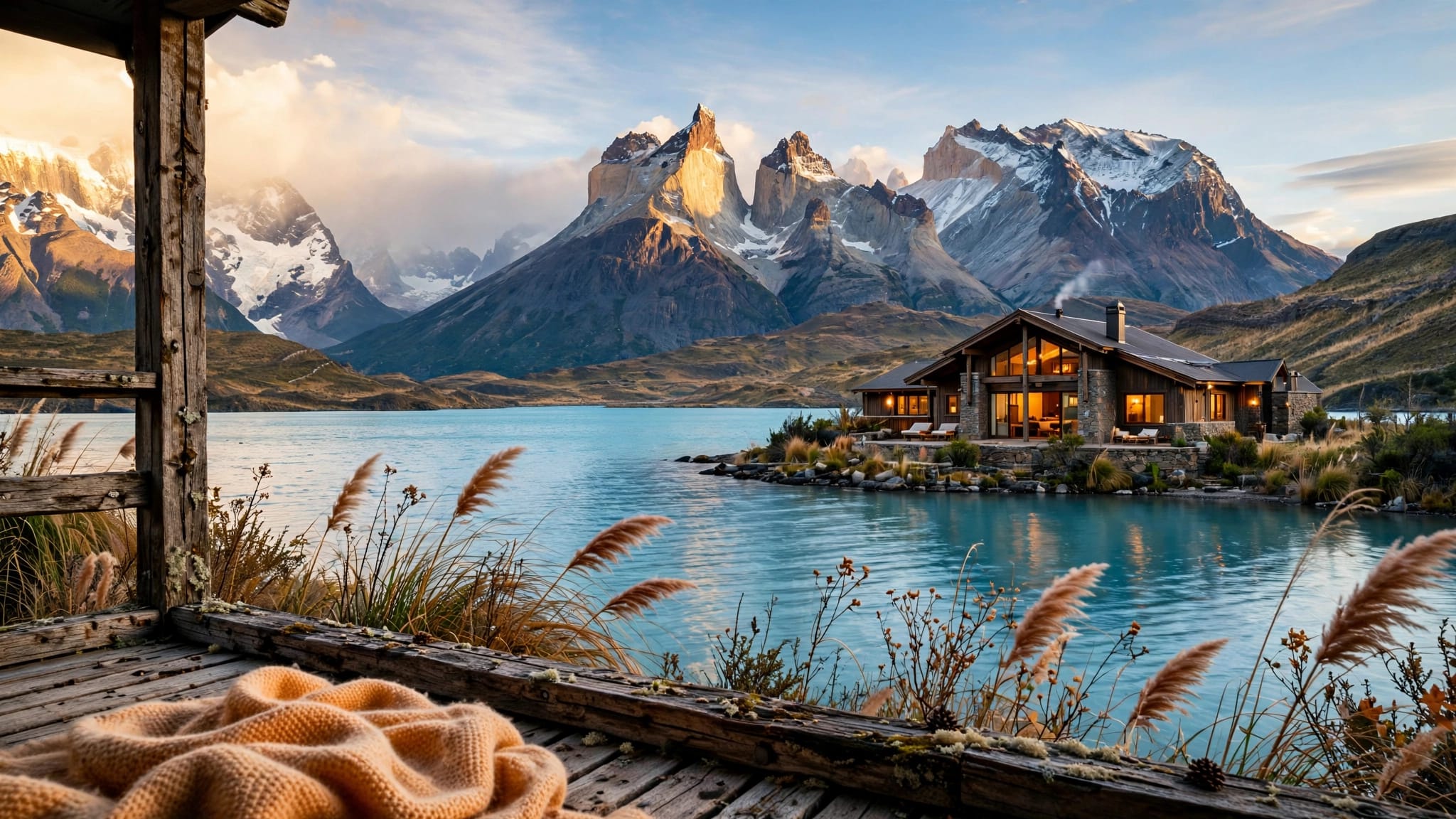
A luxury Patagonia itinerary works best with 12 days, four well-chosen bases, and enough flexibility to follow the weather. I’d pair Torres del Paine with an Argentine estancia-style lodge, bookend the wilderness with Santiago and Buenos Aires, and make time outside the priority.
Glaciers are day experiences on this route; the lodges give you comfort, capable guides, and somewhere worth returning to. Here’s how I’d put the days together.
Key Takeaways
- Allow two nights in Santiago, four in Torres del Paine, three near El Calafate, and two in Buenos Aires.
- Start with November or March for fewer crowds, then choose your lodge around guiding, location, and inclusions.
- Prioritize private transfers and flexible excursion days before spending more on a larger suite.
How I’d Pace Your Luxury Patagonia Itinerary
Twelve Days, Four Bases
Patagonia spans southern Chile and Argentina, with the Andes dividing the region. Its boundaries are approximate, but it covers about a million square kilometers. Distance deserves a place in every decision.
This route connects Santiago, Torres del Paine, El Calafate, and Buenos Aires without retracing your steps. Fly into Chile and home from Argentina.
Four nights in Torres del Paine give you three usable exploration days. Three nights near El Calafate leave room for Perito Moreno and an estancia day. Both matter. Otherwise, the ranch stay becomes little more than an expensive overnight between transfers.
November or March
October through March is the main travel window. December through February brings long daylight and peak demand, especially around the holidays.
I’d start with November or March for travelers who want a calmer atmosphere. October suits those comfortable with colder conditions and more restricted access.
Torres del Paine National Park sits within a UNESCO Biosphere Reserve. Choose dates around the activities you want there, rather than expecting every trail and boat outing to operate identically throughout the season.
Days 1 and 2: Santiago With Room for Wine
Day 1: Arrive and Settle In
Stay at The Singular Santiago in Lastarria for two nights. The neighborhood puts cafes, cultural stops, and an easy evening close together.
Keep arrival day light. Walk toward Plaza de Armas and La Moneda if your flight timing and energy allow. Save Cerro San Cristobal for clear weather rather than fixing it to your first afternoon.
For a steak-focused opening dinner, book Kilú Casa de Carnes and arrange the return car. One reservation is enough after an international flight.
Keep the private airport transfer separate from your sightseeing plans. An arrival delay shouldn’t cost you a prepaid afternoon.
Day 2: Give Maipo Valley Its Own Day
Book a driver for Santa Rita’s winery experiences. Give the visit and lunch room to breathe instead of stacking three estates into a tasting marathon.
This is a two-night Santiago introduction, not a complete city stay. Add another night if markets, museums, and neighborhood dining deserve equal weight.
For a music-focused evening, Thelonious Jazz Club is my pick for an intimate setting. It operates Tuesday through Saturday. Keep the night short if your southbound flight leaves early.
Days 3 Through 6: Torres del Paine From Explora
Day 3: Fly South and Reach the Lodge
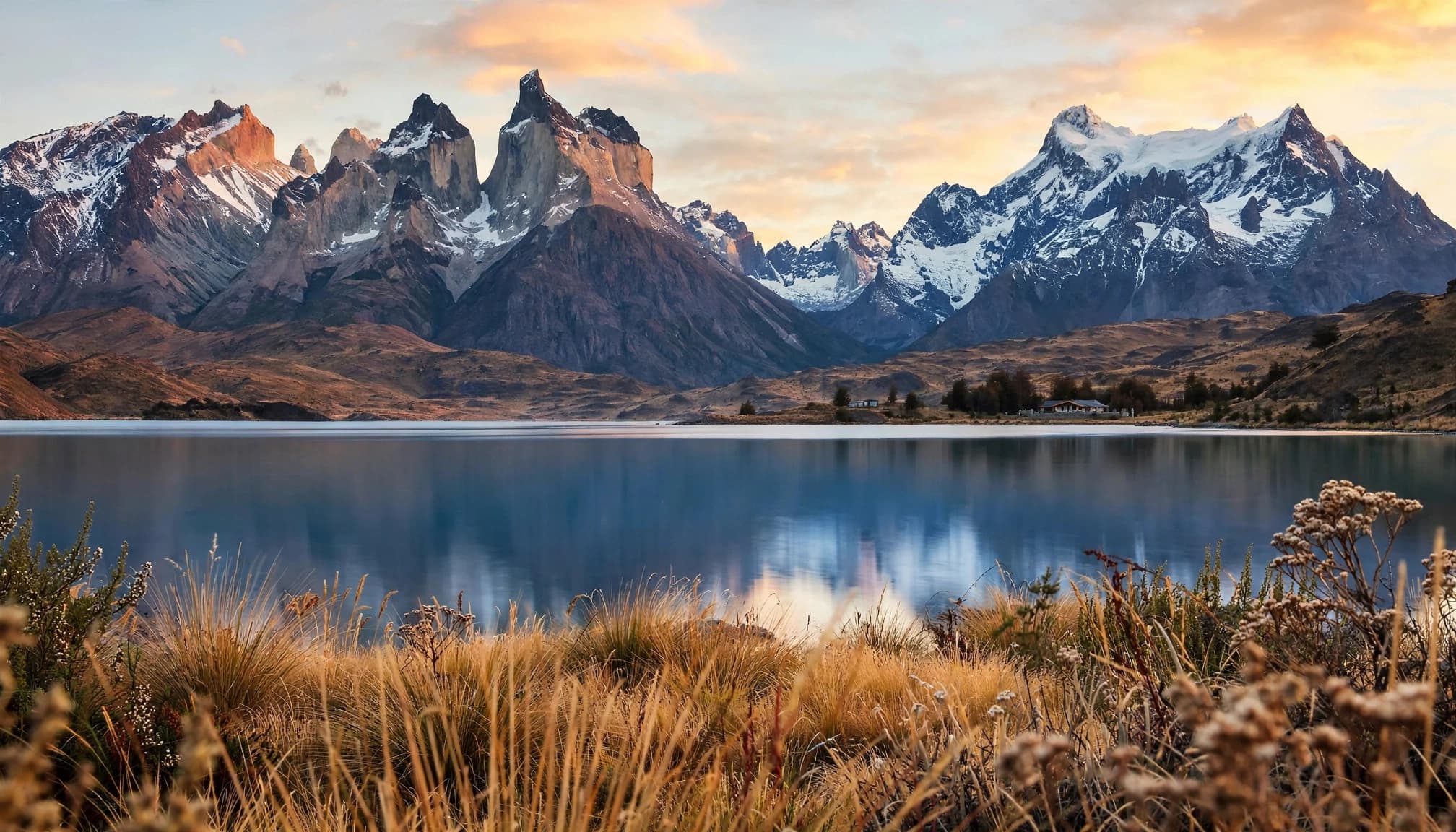
Stay four nights at Explora Torres del Paine, beside Lake Pehoe.
A direct flight to Puerto Natales is the efficient choice when its seasonal schedule fits. Punta Arenas is the alternative, roughly four hours by air from Santiago, followed by a longer road transfer.
Allow around two to three hours between Puerto Natales and the park area, depending on your destination. Protect this as a travel day, with dinner and an excursion briefing as the only commitments.
Days 4 and 5: Choose the Landscape, Then the Effort
Explora offers more than 40 guided explorations, with certified bilingual guides and groups of up to eight guests. That variety matters when travelers have different fitness levels or interests.
Use one day for a substantial walk and another for a different perspective. Salto Grande and Lake Pehoe suit a lighter outing. Grey Glacier adds the ice experience, with navigation dependent on operating conditions.
The Base of the Towers deserves a full trekking day. I wouldn’t choose it simply because it’s famous. Choose it because you want the climb.
Day 6: Keep the Strongest Weather Window Open
Leave the order of your excursions flexible. A clear mountain morning is more valuable than loyalty to a calendar.
Meals and guided activities are central to the lodge model, but shared guiding and private guiding are different purchases. Reserve exclusive guiding separately when controlling departure time and pace matters to your party.
Days 7 Through 9: Estancia Space and Perito Moreno
Day 7: Cross Into Argentina
Stay three nights at EOLO, an estancia-style lodge on the open steppe outside El Calafate.
Arrange a private cross-border transfer and allocate six to eight hours, including border formalities and stops. The vehicle, driver permissions, and luggage arrangements should be settled before departure.
Pack a simple lunch and keep the evening at the lodge. The premium here is arriving with your belongings and your energy intact, rather than fitting sightseeing around an already substantial drive.
Day 8: Give Perito Moreno Glacier a Full Day
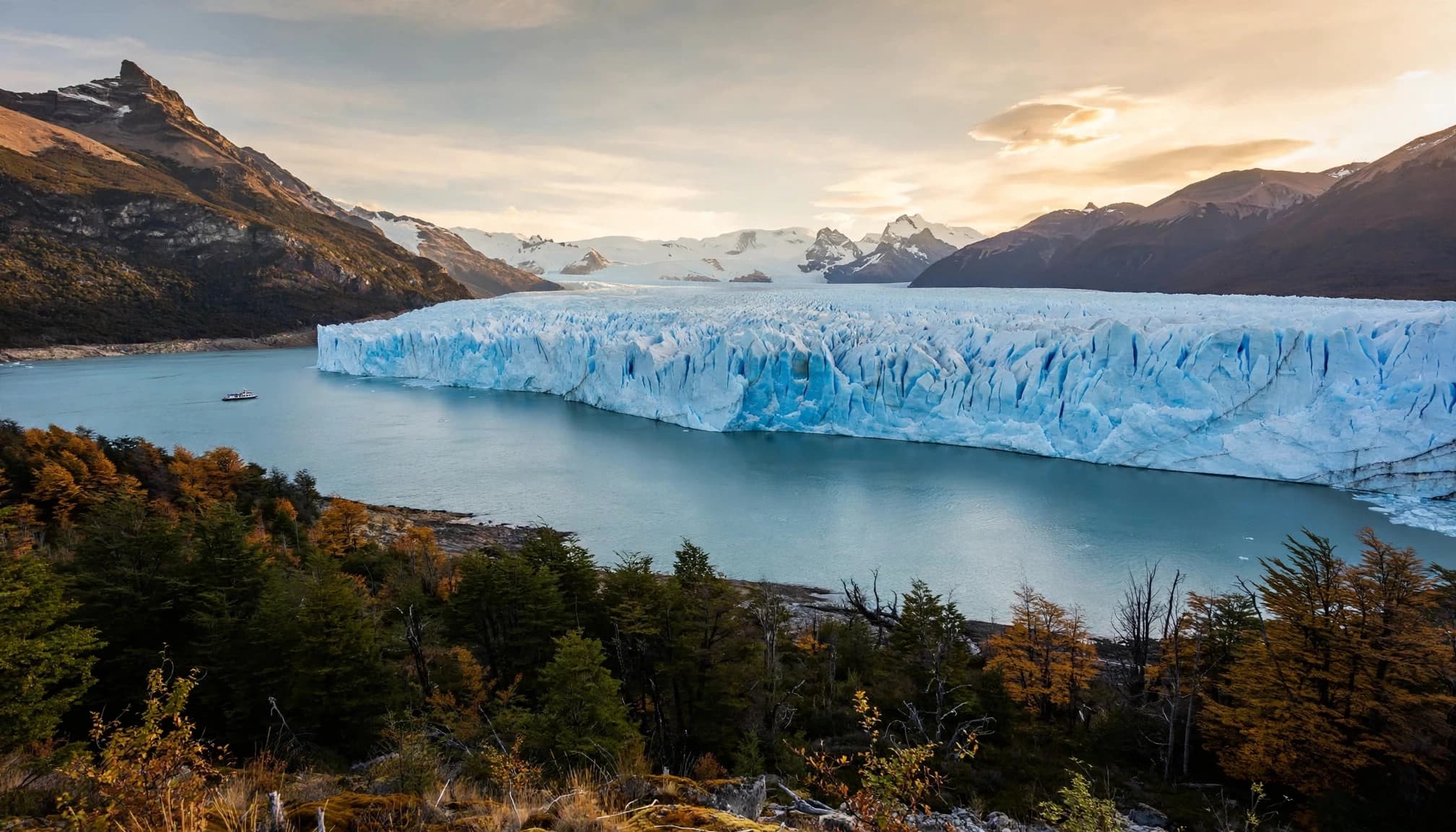
The Perito Moreno Glacier’s ice front stretches roughly five kilometers wide and rises around 60 meters above the lake. The glacier is approximately a 90-minute drive from El Calafate.
Start with the boardwalks. They give you several angles and time to watch the ice without a departure clock.
Add navigation for a lower, water-level perspective. Choose an ice trek only if the physical requirements suit everyone. Boat time, specialist guiding, and park admission belong in the excursion budget unless expressly included.
Day 9: Let the Estancia Stay Be an Experience
Reserve a guided ride matched to your ability, or choose a slower day of walking, photography, and a long lunch. Leave room for the lodge itself.
For a dining change, book Volpi Bistro in El Calafate. Arrange a round-trip car rather than treating a rural lodge like a walkable town hotel.
I’d keep lunch at EOLO and make dinner the day’s single off-property commitment.
Days 10 Through 12: Finish in Buenos Aires
Day 10: Fly North, Then Stop Moving
Fly from El Calafate to Buenos Aires and stay two nights at Palacio Duhau, Park Hyatt Buenos Aires.
Keep arrival afternoon unstructured. A Recoleta walk and an easy hotel dinner are enough after the airport transfer.
Budget the domestic flight separately from the wilderness stays. Buenos Aires has two principal passenger airports, so the arrival airport affects your transfer and any onward connection.
Days 11 and 12: One Good City Day, Then Home
Give day 11 to a privately guided introduction built around your interests. Architecture, food, and neighborhood life create different days; choose a clear focus.
Keep one substantial evening commitment rather than combining a late dinner, show, and separate nightlife circuit.
Day 12 is for breakfast and departure. These two city nights also create useful separation between the Patagonian flight and your international journey. Don’t surrender that protection to another distant excursion.
What to Budget and Reserve First
Start With the Complete Journey
For two people, I’d open planning with a US$25,000 spending target, excluding international flights. That’s an initial allocation for this 12-day luxury Patagonia itinerary, not a published package price.
It gives the conversation a realistic scale for premium lodges, regional flights, private transfers, and selected experiences. Peak-season suites and extensive private guiding can require a larger allocation.
Compare packages by their contents: accommodation, meals, drinks, transfers, guided outings, equipment, admission, and gratuities. An inclusive lodge can offer better overall value than a lower room rate with every excursion added afterward.
At an inclusive lodge, the most useful upgrade may be exclusive guiding rather than a larger room.
Book Around the Hardest Pieces
Secure the remote lodge dates first, then connect flights and cross-border transport. Dining and specialist activities follow those fixed points.
Limited flight schedules and weather disruptions make tight connections poor planning. Flexible tickets and the Buenos Aires buffer earn their place.
My Signature Concierge service brings accommodation, flights, dining, activities, and ground transport into one coordinated itinerary.
Keep some Chilean cash for remote payments. If your plans include the roughly 30-minute Lake Pehoe catamaran crossing, treat its payment arrangements separately from your lodge package.
Patagonia Itinerary FAQs
Is the W Trek Worth Adding?
The W Trek is Torres del Paine’s most famous multi-day hike. It suits travelers who want consecutive walking days and the atmosphere of staying along the trail.
I’d choose it for the trekking experience, rather than as an automatic addition to a luxury lodge trip. Refugio accommodation is shared, and carrying on through variable weather is part of the commitment.
Allow four or five days and redesign the route around it. Lodge-based day hikes offer a more comfortable alternative, but they aren’t the same journey.
Should You Add El Chalten?
Add three nights if hiking beneath Fitz Roy is a defining reason for traveling. Don’t squeeze El Chalten into a day trip from your El Calafate lodge.
Laguna de los Tres is roughly 23 kilometers, with around 1,000 meters of climbing and about nine hours on foot. Route choice and conditions affect the total.
That effort deserves a recovery evening and a second weather opportunity. Extend the trip rather than sacrificing the estancia day or your final flight buffer.
Build the Trip Around Time Well Spent
The strongest Patagonia trip gives each experience enough space: a proper mountain day, an unhurried glacier visit, and an estancia stay you can enjoy.
Spend first on good guiding and well-paced logistics. Those decisions shape more of the journey than another room upgrade.
When you’re ready to plan your Patagonia trip, we’ll build around your walking pace, dining interests, and preferred level of privacy. The details should support the experience, leaving you free to enjoy where you are.