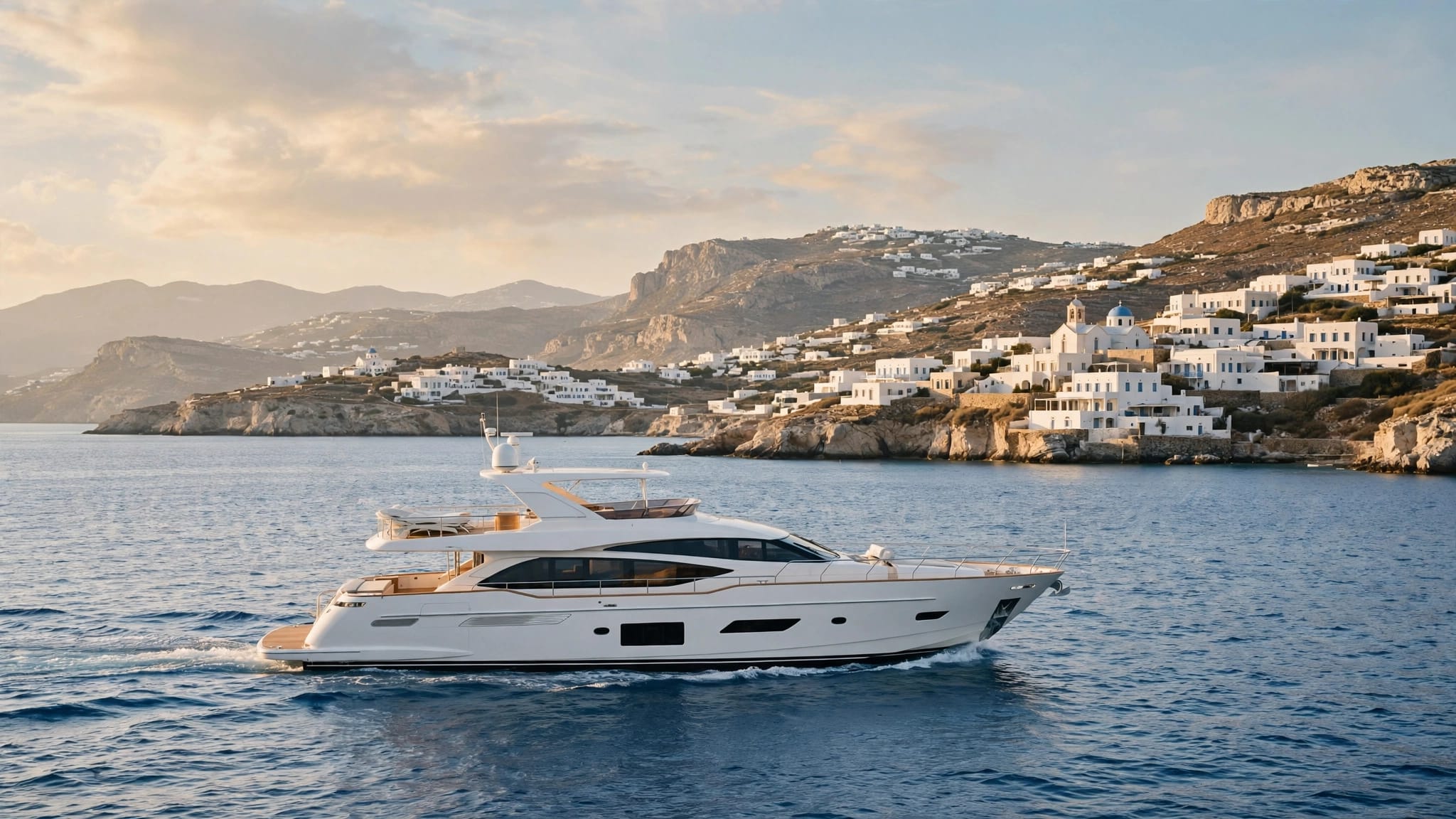
The wrong yacht route can turn a beautiful week into a series of long crossings. A Greek island yacht charter should protect your time ashore, with room for long lunches, good music, and a swim that runs longer than planned.
My travel obsession started at 21, circling the world with Semester at Sea. That perspective still shapes my approach to luxury travel. The shoreline matters, but so does what happens when you step off the boat.
Start with how you want the week to feel, then build custom itineraries around your group’s preferences.
Key Takeaways
- Choose one island group for the week, with a departure port near the experiences you want from your yacht charter.
- Match daily cruising time to your group’s appetite for sailing, swimming, and evenings ashore.
- Compare the complete charter cost, including crew, fuel, taxes, provisioning, and mooring fees.
- Keep weather-sensitive stops flexible and protect your departure with an overnight buffer.
Decide Where You Want to Spend Your Nights
Make the Yacht Your Home
A weeklong charter works beautifully when everyone wants the boat to be the center of the trip. Breakfast onboard, swimming before lunch, dinner beneath the harbor lights. Your luggage stays put, and the crew learns your preferences.
Before committing, look beyond the deck photography. Ask about cabin dimensions, bathroom arrangements, air-conditioning hours, and noise near engines or generators.
Friends splitting a yacht also need an honest conversation about cabin allocation. Similar-looking cabins can feel quite different once luggage, privacy, and sleep enter the picture.
Consider a Hotel-and-Yacht Combination
If particular restaurants, boutique hotels, and late nights matter most, a private day charter may be the stronger choice. You can enjoy the water without organizing every evening around tender transfers.
I’d ask each traveler for two priorities and one firm limitation. That might be exceptional seafood, a music-led evening, and no lengthy passages.
My questions for planning a custom itinerary help turn those preferences into a useful brief. Agree on the trip’s rhythm before anyone falls in love with a boat.
Choose Your Greek Island Yacht Charter Region
Greece offers several distinct sailing experiences. Choose one island group for the week to keep island hopping relaxed, rather than paying for excess repositioning.
Here’s how I’d compare the main options for a private week.
| Region | Best Fit | Route Consideration |
|---|---|---|
| Cyclades | Whitewashed villages, food-led stops, beach venues | More exposed passages and summer Meltemi winds |
| Ionian | Green coastlines, swimming, a gentler island rhythm | Choose a base such as Lefkada or Corfu near your preferred stops |
| Saronic | An Athens-linked trip with attractive harbor towns | Convenient embarkation, with weather and berth planning still essential |
The right region is the one that gives your priorities enough time.
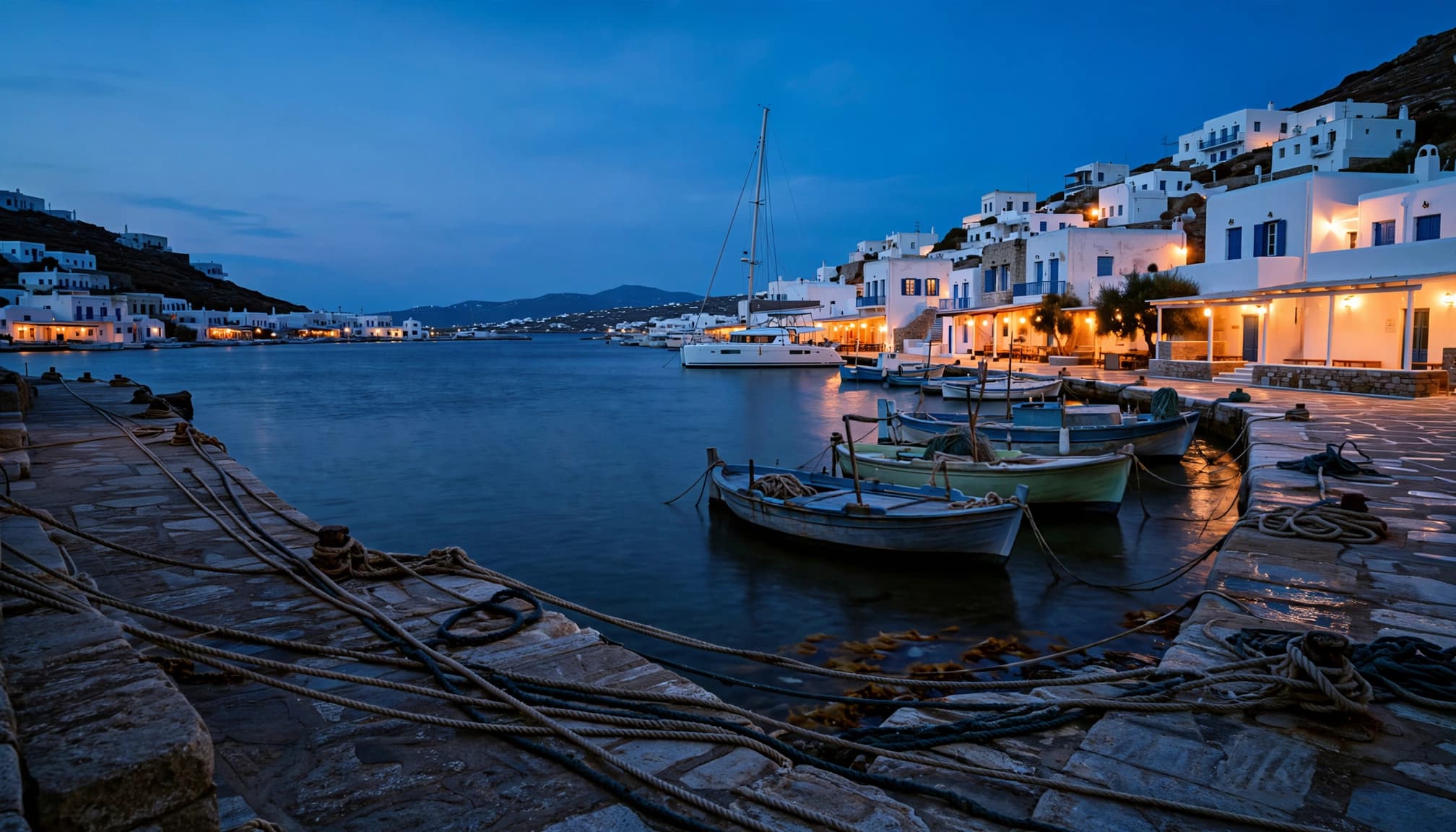
For a food-first Cyclades week, I’d start by comparing Paros, Naxos, and the Small Cyclades. For greener scenery, look at the Ionian. For travelers combining Athens with a shorter charter, consider the Saronic.
If a Mykonos evening is the priority, check the current program at Scorpios Mykonos before choosing dates. Then compare embarking nearby with staying ashore for that part of the trip.
I wouldn’t force Athens, Mykonos, and Santorini into one sailing week simply because they’re familiar names. Those crossings need to earn their place.
Let Wind and Passage Time Shape the Plan
Choose the Season for Your Priorities
The Cyclades’ summer weather deserves serious attention. The Meltemi is a northerly wind that can bring rougher seas and disrupt otherwise attractive routes.
Sailogy’s Meltemi guidance describes its strongest period around mid-July through mid-August. That makes peak summer a different planning exercise from a shoulder-season charter.
June and September are worth considering, but neither guarantees calm conditions. When planning a yacht charter, match your dates to weather exposure, venue openings, and your group’s comfort at sea.
October requires closer checks on restaurant schedules and daylight. A quieter harbor only helps if the experiences you want are operating.
Ask for Hours Underway
A nautical-mile total doesn’t tell you how a day will feel. Ask the captain to translate each proposed leg into expected cruising hours on the actual yacht.
Then add time for anchoring, swimming, getting ashore, and reaching dinner. A two-hour crossing can occupy considerably more of the day once those handoffs are included.
I’d usually plan several shorter legs and leave one day flexible. A second afternoon in a favorite bay can be more valuable than another island arrival.
A route that works only when every crossing goes perfectly leaves too little room for the trip you paid to enjoy.
For every exposed leg, request a sheltered alternative before the charter begins.
Match the Yacht and Crew to the Route
Compare Comfort, Speed, and Access
A catamaran yacht charter generally offers generous shared space and less heel under sail than a monohull. Catamarans appeal to groups who value lounging and separate cabins, although motion and comfort vary by vessel.
A monohull sailing yacht suits travelers who enjoy sailing itself. A motor yacht can cover longer distances faster, but fuel consumption and operating costs deserve close attention.
Compare the tender, too. Boarding access, luggage space, and the ride back after dinner affect daily comfort more than another decorative feature onboard.
Ask whether the anchorages suit the yacht’s draft, including whether its shallow draft provides access to more secluded spots. Check whether popular harbors can accommodate its beam. Discuss these details before booking.
Choose the Right Service Level
A bareboat charter puts the sailing responsibility and active navigation on you. A skippered charter adds a professional captain, but doesn’t automatically include a chef or full hospitality crew.
For travelers who want meals, provisioning, housekeeping, and shore arrangements handled, a crewed yacht charter is a stronger fit. Confirm everyone’s responsibilities, including who coordinates restaurant transfers.
Guests considering a bareboat charter should submit qualifications and experience before paying a deposit. Greek bareboat qualification guidance stresses recognized certificates and practical experience. A sailing license may be required, and operator approval is also necessary.
Get written confirmation of your certificate’s acceptance, any co-skipper or VHF requirements, and yacht insurance conditions. An experienced friend onboard isn’t a substitute for approval.
Build a Paros-Based Week Around Food and Swimming
A compact Cyclades route can deliver variety without chasing every headline island. A published sailing route starting in Paros links several southern islands for island hopping, but I’d adapt the sequence to your yacht and priorities.
For a seven-night Greek island yacht charter, consider Paros, Naxos, and selected Small Cyclades stops, subject to the captain’s assessment.
Give Paros an evening with some energy. Reserve Barbarossa in Naoussa if waterfront dining and a lively setting suit your group. Confirm the transfer plan before choosing a late seating.
Naxos brings a different food rhythm: local cheeses, potatoes, and substantial village cooking. Leave time for a shore excursion rather than treating the island as another overnight anchorage.
Then choose one or two smaller-island stops, such as Koufonissi, Schoinoussa, or Irakleia. Swimming and a slower lunch can carry those days.
If Antiparos is included, Antiparos Cave offers an inland change of scene. Check opening hours, transport, and the stair descent before booking.
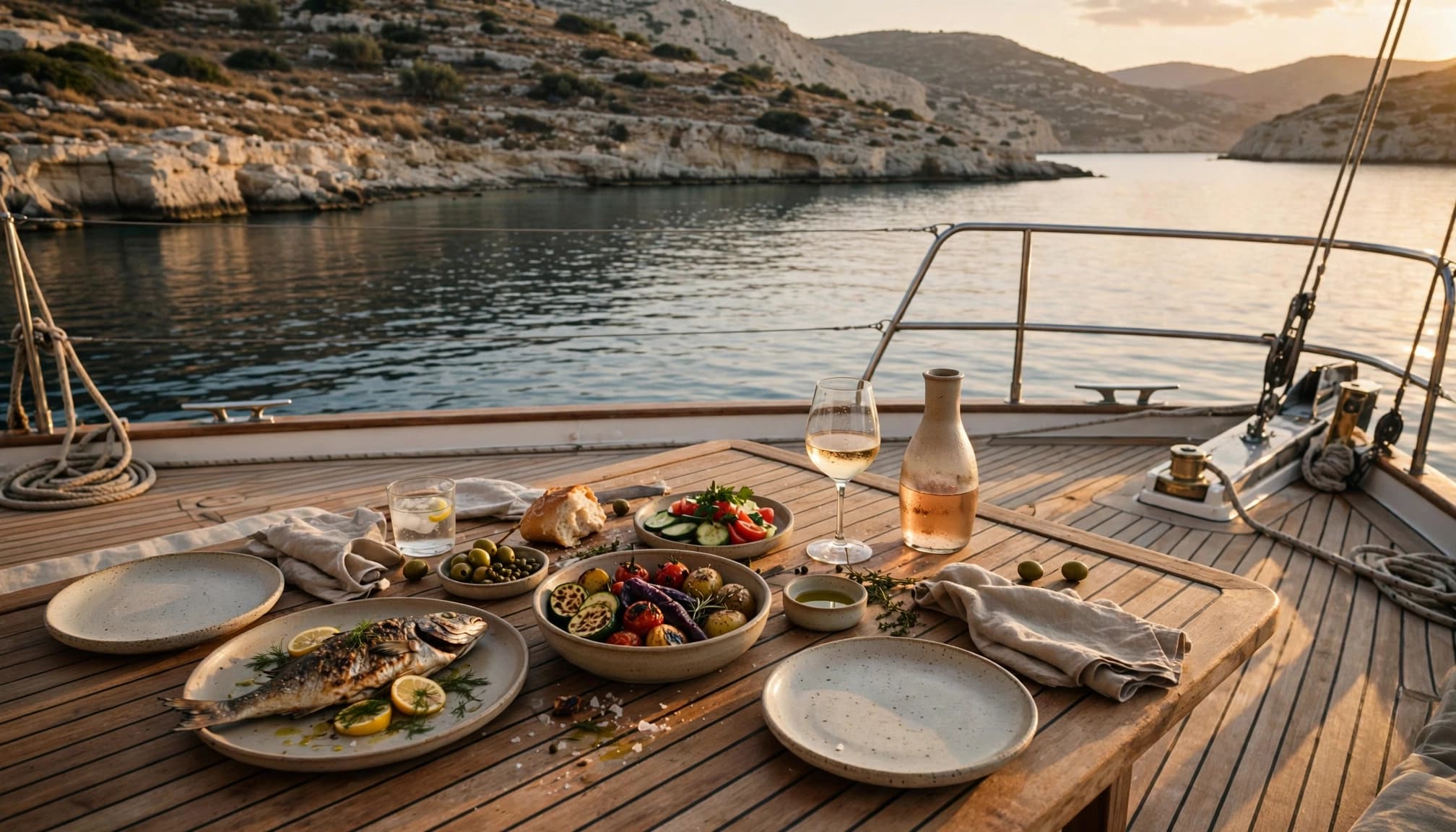
Keep one dinner onboard. If your yacht has a personal chef, let them use your preferences, dietary needs, and available ingredients to make that evening personal.
The exact island order should remain adjustable. Reserve the hardest-to-replace experiences, but avoid nonrefundable commitments at every stop.
Price the Complete Charter, Not the Weekly Rate
Premium pricing for a yacht charter varies with the vessel, season, service level, and itinerary. Compare quotes against the same brief, including embarkation port and expected cruising.
For scale, George Yachts’ Greek Charter Index lists weekly rental pricing for crewed sailing catamarans from approximately €17,000 per week. That’s an indicative provider figure, not a Greece-wide minimum or an all-inclusive holiday price.
The index describes an Advance Provisioning Allowance, or APA, commonly between 20% and 40% of the base rate. This funds agreed operating expenses such as fuel, food, drinks, and port charges.
At a €17,000 base rate, a 30% APA adds €5,100 before VAT and other exclusions. Ask how expenses are recorded and how the balance is settled.
VAT depends on the charter structure and vessel status. Have the broker confirm the applicable rate in writing rather than applying a percentage found online.
Also clarify delivery fees, crew inclusions, airport transfers, shore guides, gratuities, and weather-related changes. A faster motor yacht route can bring a materially different fuel bill.
I compare the cost of the proposed week, including the experiences ashore. That’s the figure that helps you choose intelligently.
Protect the Transfers and Check the Details
My operations background makes me attentive to the handoffs: airport to marina, yacht to restaurant, and the final night to the flight home.
Confirm the exact embarkation point and boarding time before booking flights. A one-way route can save retracing your steps, but delivery charges and yacht availability may offset that advantage.
I’d avoid pairing a weather-sensitive island crossing with a tight same-day international departure. Build in a final overnight near the departure airport when the route warrants it.
Questions about sustainable yachting should be practical, too. FYLY describes solar panels, watermakers, and inverters in its Green Wave fleet. Sail Ionian reports solar panels and electric outboards. These are operator-specific features, not standards across Greek charters.
Ask what equipment the actual yacht carries, including solar panels, and how often its generator runs. Clarify whether electric propulsion applies to the tender or the main vessel.
The captain should check current anchoring and protected-area notices. Request suitable anchoring away from seagrass, responsible waste handling, and refillable drinking water.
My custom travel planning services connect those details with dining, activities, and the evenings you want to remember.
Frequently Asked Questions
How many islands should I visit on a weeklong Greek yacht charter?
Choose one island group and plan a handful of stops rather than trying to cover every headline destination. The right number depends on passage times, weather, and how much time you want ashore.
What is included in a yacht charter price?
Inclusions vary by yacht and agreement, so compare the base rate with crew, fuel, VAT, provisioning, port charges, and other fees. Ask how the Advance Provisioning Allowance is managed and whether any balance is refunded.
When is the best time to charter a yacht in Greece?
June and September are worth considering, but conditions and venue schedules vary. In the Cyclades, plan carefully around the Meltemi, especially during its stronger summer period.
Do I need a sailing license for a bareboat charter in Greece?
A sailing license may be required, and the operator must approve your qualifications and experience. Confirm certificate acceptance, any co-skipper or VHF requirements, and insurance conditions in writing before paying a deposit.
Choose the Route That Protects Your Good Hours
The right Greek island yacht charter route gives each stop a reason to be there. It also leaves enough room to enjoy it.
Choose the region around your priorities, match the yacht to the passages, and confirm the full cost. Protect time ashore with sensible transfers and workable weather alternatives.
Bring me your dates, group size, and the experiences you care about through a personalized trip inquiry. We’ll build the week around those priorities, with every crossing earning its place.