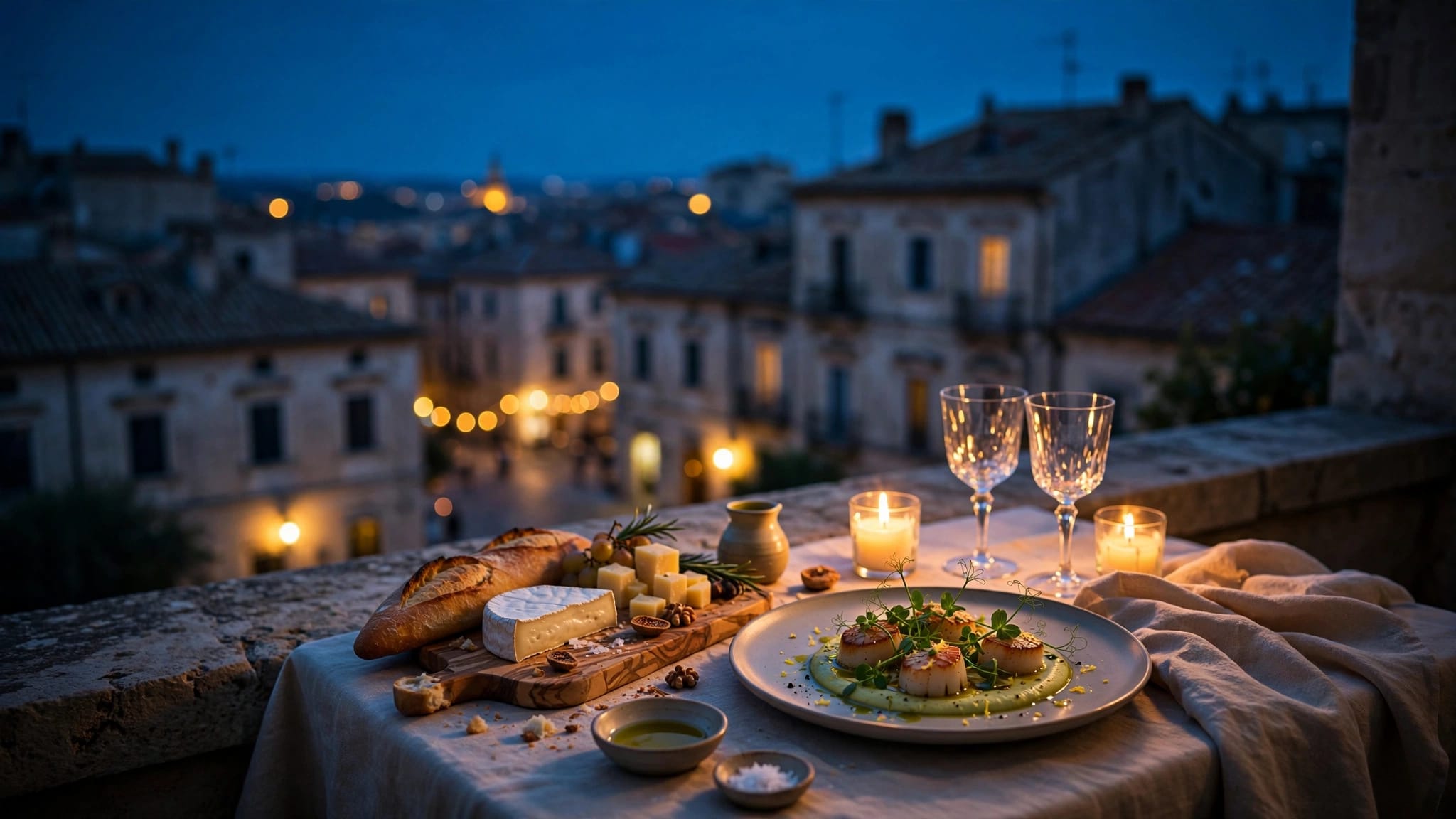
A great food trip isn’t built around collecting reservations. It’s built around a city that gives you a reason to stay out after dinner, take the long way back to the hotel, and order one more glass because the room feels right.
The best luxury food wine weekend has range: coffee worth waking up for, gourmet food worth lingering over, and a market or museum with real character. It also needs wine, one serious dinner, and nightlife that feels natural. I look for places where food is part of the city’s rhythm, not a performance staged for visitors.
Here are the European cities I’d build a two or three-night trip around.
Key Takeaways
- Paris suits travelers seeking formal dining, grand hotels, and serious wine lists. It’s a higher-cost, reservation-led choice for two or three nights, with easy access from Charles de Gaulle or Orly.
- San Sebastian is the best fit for a concentrated culinary escape. Plan two nights for pintxos and destination restaurants, or three for a slower coastal pace. Bilbao Airport is the main gateway, followed by a straightforward transfer.
- Florence works well for travelers who want Tuscan wine, art, beautiful hotels, and dinners that feel like an occasion. Allow two or three nights, arriving through Florence Airport or Pisa for more flight options.
- Porto is a relaxed premium option for Port cellars, river views, seafood, and Douro Valley access. Three nights gives you time for both the city and a wine-country day trip. Francisco Sá Carneiro Airport is close and convenient.
- Copenhagen suits design-minded travelers who value ambitious dining and nightlife. Expect higher prices and advance reservations. Two nights can work well, with Copenhagen Airport offering one of Europe’s easiest city transfers.
- Lisbon offers a more relaxed premium weekend, with strong food, wine, nightlife, and atmospheric neighborhoods. Three nights suits travelers who want variety without rushing. Lisbon Airport is close to the center, though traffic can affect transfers.
- Vienna is ideal for travelers who prefer art, elegant dining, and a polished but unhurried rhythm. Give it two or three nights, with Vienna International Airport providing a simple connection into the city.
- For formal dining, choose Paris or Copenhagen. For wine-country access, choose Porto or Florence. San Sebastian is the most efficient culinary choice, while Lisbon and Vienna offer the easiest balance of food, nightlife, and culture.
How I Choose a Luxury Food Wine Weekend
A food festival can be the reason to book the flight. Several tasting tents can’t carry the entire trip. The right destination has restaurants, markets, neighborhood energy, and a proper night beyond the festival grounds.
For a luxury food wine weekend, I start with the anchor. It might be a chef’s counter, a harvest event, a concert, or a winery visit. Then I build around the hours that matter: arrival night, Saturday dinner, and the final long lunch.
Choose a City That Carries the Hours Between Meals
The best itinerary isn’t packed. It has shape.
Friday should feel like an arrival, not a race. Check in, have an aperitivo close to the hotel, and head to a dinner worth getting dressed for. Saturday can hold a market, museum, tasting, or guided walk, followed by one major meal and a nearby bar.
Sunday needs less ambition. A late breakfast, one cultural stop, and lunch before the airport is enough. You don’t need to force three neighborhoods into a short trip.
Pick the Hotel for Your Evenings
The hotel closest to an event isn’t always the right hotel. I’d rather stay within walking distance of Friday dinner, Saturday-night drinks, and a good breakfast. A well-located hotel bar with skilled mixologists can matter too.
Choose a base near the evening restaurants, premium bars, and airport-transfer route. That neighborhood choice protects the trip. You can return to change, rest, or reset after a long lunch without turning the day into a logistics exercise. For travelers who want every restaurant, transfer, tasting, and backup option lined up, personalized food and wine trips make the moving parts feel easy.
One defining dinner per day is enough. The space around it is where a city starts to feel personal.
Paris: Grand Restaurants and a Real Wine Calendar
Paris has the deepest bench here. You can do a polished breakfast, a museum afternoon, a classic wine bar, and a major dinner without spending half the day in a car.
Two nights cover a major dinner and wine route, while three lets you add a festival or museum afternoon. Prices are high, and arrivals through CDG or ORY can make the first evening feel short.
The city also gives you reasons to time the trip around a food and wine festival. The Publicisdrugstore Food & Wine Festival runs October 13 through 17, 2026. Earlier that month, the 93rd Montmartre Grape Harvest Festival takes place October 7 through 11. Le Grand Tasting Paris follows November 27 and 28, with 300 producers at the Carrousel du Louvre. Check the current festival lineup before booking, including whether tasting tents are part of the program.
Build the Weekend Around One Big Table
Paris rewards restraint. Book one of these exclusive dinners at Le Cinq, Pierre Gagnaire, or Guy Savoy, destinations associated with world-class chefs, if that is your kind of night. Don’t stack another formal lunch before it because you feel obligated to maximize the city.
Spend the earlier part of the day at a pace that gives dinner room. Start with pastries and coffee, walk a neighborhood you actually want to explore, then take a proper hotel break before the evening begins.
Keep the Night Close and Loose
For wine, Paris is at its best when you don’t try to clear a list. Pick a neighborhood and let the night build, asking sommeliers to guide you when the room feels serious. A bottle at Le Barav would normally be an easy recommendation, but official restaurant websites and current hours should always decide the final route.
Saint-Germain, the 2nd, and the 11th all work well depending on the hotel and your dinner. The important part is simple: don’t book a beautiful meal in one arrondissement and make your after-drinks plan an hour away.
San Sebastian: Small Plates, Serious Wine
San Sebastian is the strongest choice when food is the main event. As a culinary destination, it earns a dedicated two- or three-night trip through its culinary excellence.
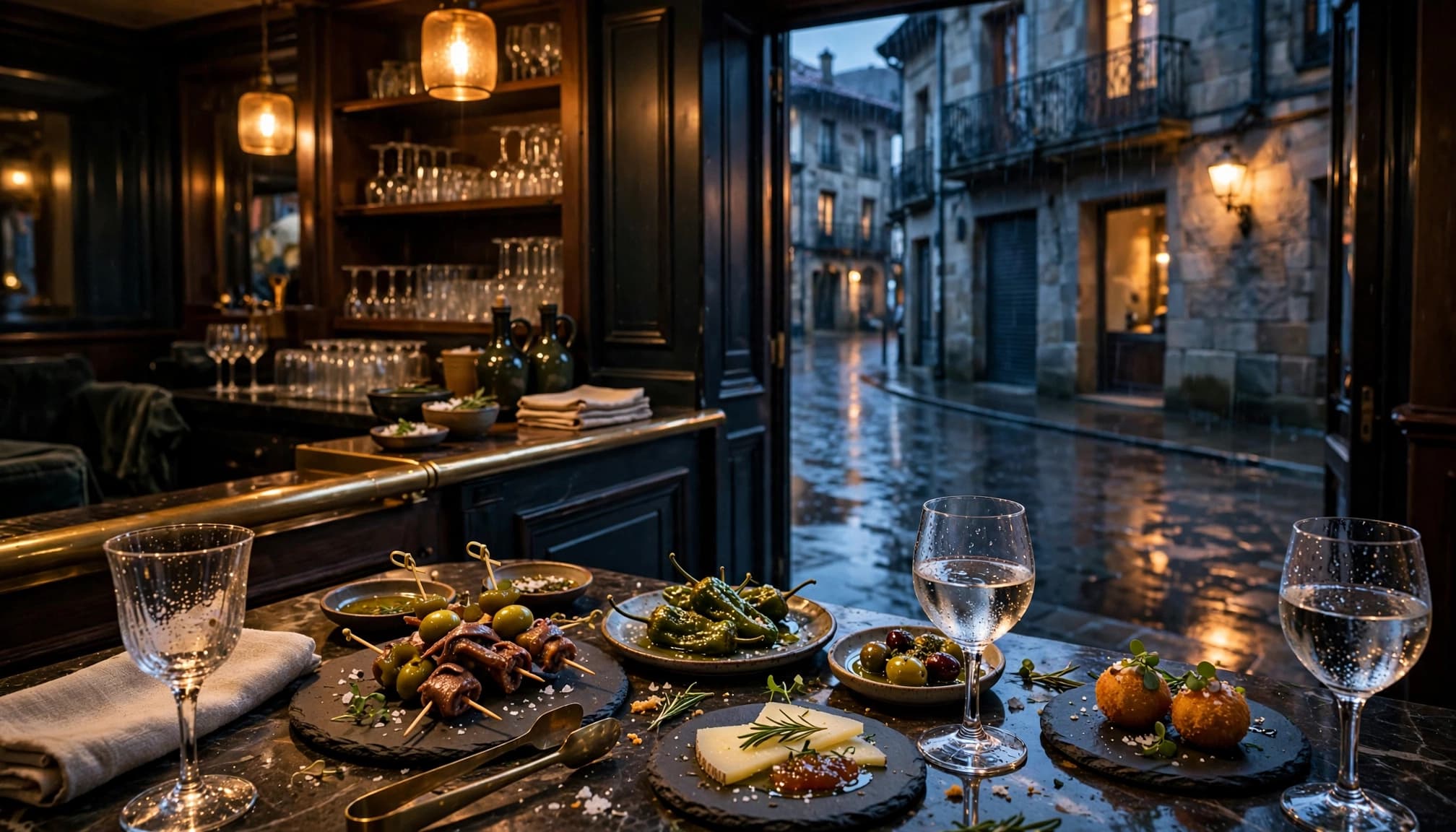
The old town can carry an entire night. Start with pintxos, drink Txakoli, or join guided wine tastings focused on Basque producers. Keep walking until one bar feels like the right place to stay. Then wake up and do it again somewhere else.
The city is easiest to reach through Bilbao Airport, with regional connections offering another option. For a premium stay, look around Parte Vieja, the Centro, Gros, or La Concha. Hotel prices rise quickly around major festival dates, so book early.
Pintxos Are the Warm-Up, Not the Whole Plan
A few stops through Parte Vieja should feel social, not strategic. Go early enough to enjoy the rooms before the late crowd arrives. Bideluze, Berria Wine Bar, Kontxako Vino, and Mendiko Ardoa all fit naturally into a wine-forward night.
Then give the trip one serious reservation. The Michelin Guide’s San Sebastian selection is a useful starting point, and the wider region includes three-star names such as Arzak, Akelarre, and Martin Berasategui. Reserve well before festival dates, especially if you want one of the city’s most sought-after dining rooms.
Time It Around Gastronomika
If you want a culinary festival with real substance, San Sebastian Gastronomika runs October 5 through 7, 2026, at the Kursaal. Its 28th edition marks 50 years of New Basque Cuisine.
Look for cooking demonstrations, conversations with tastemakers, and sessions featuring chefs and winemakers. The festival also matters to the wider restaurant industry, not only to visitors. If the official program confirms tasting tents, they may add an easy way to sample more producers between scheduled events.
The opening dinner at Miramar Palace is limited, and the festival will create real demand for rooms and tables. That means booking the hotel and headline dinner before planning the rest. A food event is better when it adds texture to the city, not stress to the schedule.
Florence and Porto: Wine With a Sense of Place
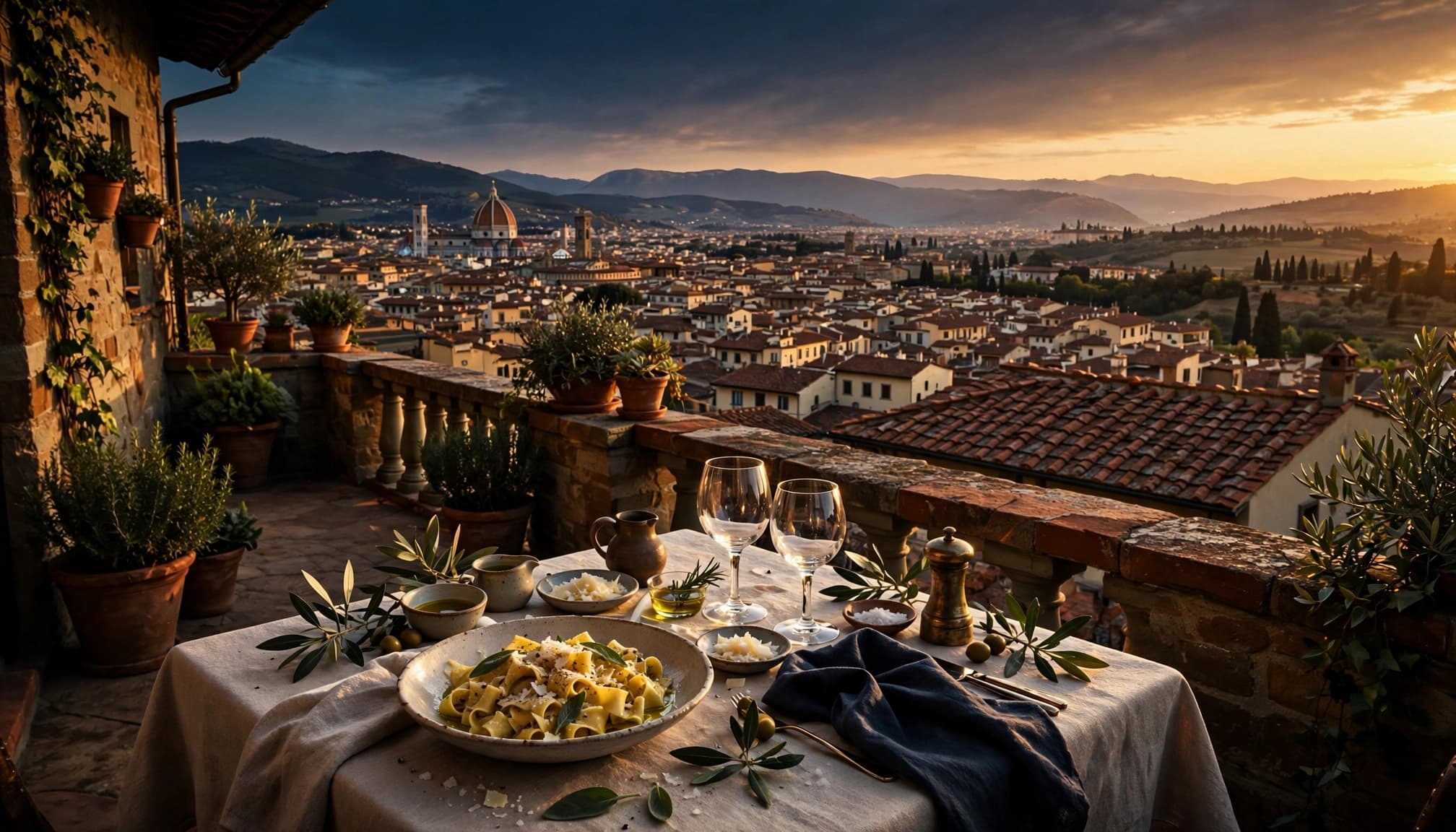
Florence and Porto both make wine feel tied to the city around it. Florence offers Tuscan depth, Renaissance beauty, and polished dining rooms. Porto brings Port lodges, riverfront views, seafood, and the Douro’s dramatic geography.
Choose Florence for a refined, art-filled weekend. Two or three nights work well without a winery excursion into Tuscan wine country. Choose Porto for a more relaxed city-and-wine-country break, especially with three nights for the Douro Valley.
Florence for Tuscan Bottles and Occasion Dining
Florence does not need a packed itinerary. Start near Sant’Ambrogio or the center with coffee and pastry, then leave time for galleries, shopping, and a long lunch. Florence Airport is roughly 20 to 30 minutes from the center by taxi or tram.
Wine lovers should make room for Le Volpi e l’Uva, Procacci, or Enoteca Pitti Gola e Cantina. Their enotecas and sommeliers can guide you toward Tuscan bottles without turning the day into a series of tastings. For the main event, Enoteca Pinchiorri remains listed with three Michelin stars in the 2026 guide.
Expect about €200 to €350 per person for a top-tier tasting menu before wine. Book one defining dinner early and build the rest of the night nearby. A table at that level deserves an unhurried afternoon, not a cross-city sprint after a day trip.
Porto for Port Cellars and Douro Energy
Porto works when you want a luxury weekend that still feels loose. Stay near Ribeira, Cedofeita, or central Baixa, depending on whether river views, nightlife, or walkability matter most. Porto Airport is usually 25 to 35 minutes from central hotels by taxi or metro.
Cross to Vila Nova de Gaia for a reserved cellar visit and guided wine tastings, then return to Porto for dinner and drinks. Availability and formats vary by lodge, with many visits running as scheduled tours rather than casual drop-ins, so check before booking. The official Porto tourism guide is a helpful place to verify cellar visits and current local programming. The Douro & Porto Wine Festival is scheduled for July 3 and 4, 2026, so it is a summer plan, not an autumn anchor.
Luxury dining in Porto often costs about €100 to €200 per person before wine, though acclaimed tasting menus can run higher. For a longer trip, add a Douro Valley day or an extra night. The drive takes roughly 1.5 to 2 hours each way, so don’t try to combine the valley, multiple cellar visits, and a late Porto dinner in one rushed Saturday.
Copenhagen, Lisbon, and Vienna: Three Distinct Moods
These three cities suit travelers who care about food but don’t want every hour to revolve around wine tasting. Each has a different pace, price level, and ideal length, so that should shape the trip.
Copenhagen for Design-Led Dining
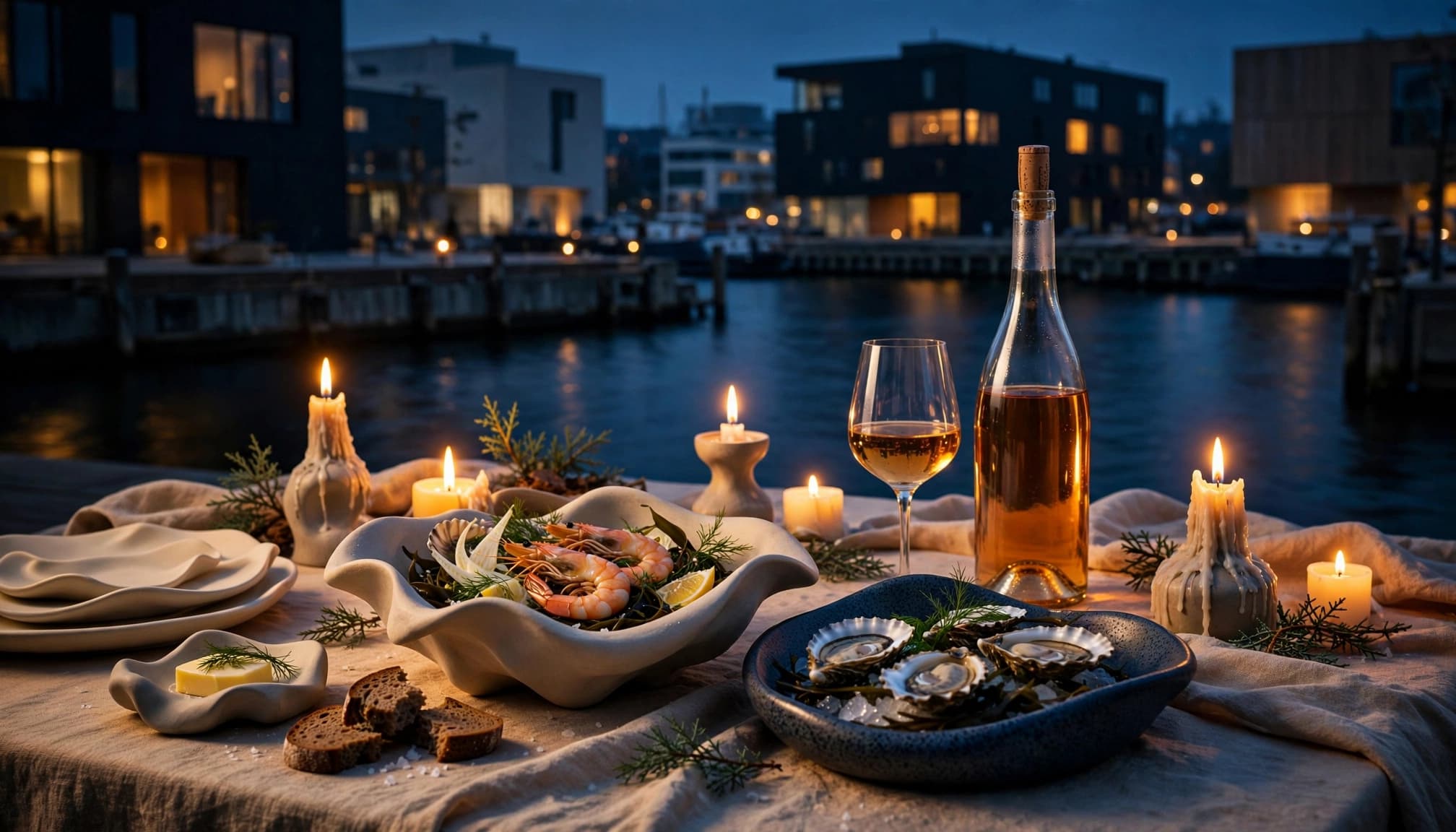
Copenhagen is for travelers who notice the glassware, lighting, bread course, and room itself. Plan three nights for design-led dining, live-fire cooking, and polished bars, with higher prices than Lisbon and similar costs to Vienna. Copenhagen Cooking runs August 21 through 30, 2026, across Copenhagen and Frederiksberg, but verify the program for interactive cooking and tasting tents.
Reservations matter here, especially for tasting menus and popular cocktail rooms. Local mixologists give the city’s bar scene a refined edge, with craft spirits appearing across many premium menus. Copenhagen Airport is easy to reach from the center, but keep the hotel close to where you plan to eat. Don’t try to bounce between Nørrebro, Vesterbro, and Refshaleøen in one evening.
Lisbon for Seafood, Pastries, and Fado
Lisbon is a better choice when you want food woven into street life. Plan three or four nights for seafood, pastries, petiscos, and selective Fado, with generally lower prices than Copenhagen or Vienna. Start with a pastel de nata and coffee, then let the evening move toward a wine bar in Príncipe Real or a Fado room in Alfama.
The city’s hills affect timing more than most visitors expect. A well-located hotel is worth it, especially after dinner, while Lisbon Airport offers straightforward access to central neighborhoods. Choose reservations carefully, and look to the city’s mixologists for a polished evening built around thoughtful beverage selections and regional ingredients. This Lisbon itinerary for first-time visitors is a useful starting point for building a food-first route around neighborhoods, viewpoints, and late-night plans.
Vienna for Wine, Cafes, and a Composed Night
Vienna offers a different kind of luxury. Think coffeehouses, Grüner Veltliner, a serious museum afternoon, and a concert or cocktail bar after dinner. Three nights works well, with prices generally sitting between Lisbon and Copenhagen and strong access from Vienna International Airport.
Stay central or near the MuseumsQuartier if culture is part of the plan. Reservations help for formal dining and popular concerts, though the city feels less pressured than Copenhagen. Evening bars rely on careful service and experienced mixologists, making one excellent drink a natural finish to the day. Vienna works best when you let it be composed. Long coffee, one excellent meal, and an evening performance can carry a full day without unnecessary transit.
Plan the Weekend Like a Great Setlist
The best trips have momentum. They don’t feel like an operations spreadsheet, even when the operations are tight.
Book the Anchors First
Reserve the hotel, defining dinner, and any timed event before flights lock you into a bad schedule. If a concert, festival, or winery appointment matters, treat it as a signature event and book it early. Verify what any vip experiences include, and don’t assume exclusive access comes with a premium booking. For popular Thursday through Saturday tables, two or three months ahead is a smart window. San Sebastian’s top restaurants can also require real lead time.
Confirm official opening hours close to departure. A normal Sunday is different from a holiday Sunday, and a restaurant’s own site matters more than an old listing.
Leave Space for the Second Act
Keep breakfast, coffee, casual lunches, and one evening open for a credible hotel bar, where mixologists can guide you beyond an arbitrary stop. The best bar of the trip might be the place you walk past after dinner. Don’t let festival schedules or tasting tents consume the entire weekend. A sudden live jazz set, a record store, or a late dessert can become the memory that sticks.
If weather turns or a reservation changes, don’t scramble across town for a second-rate replacement. Group dinner, bars, and backup indoor options by neighborhood, with one indoor choice close by. That might be a museum, hotel bar, wine tasting, or long lunch.
Frequently Asked Questions
Is two nights enough for a luxury food trip?
Two nights works if you choose one main neighborhood, one major dinner, and one daytime anchor. Three nights is better for Florence, Porto, or any trip that includes a nearby wine region.
When should I book restaurants and hotels?
Book the defining restaurant as soon as dates are firm, especially in Paris, San Sebastian, Florence, and Copenhagen. Festival weekends compress hotel availability quickly, so reserve the room before building the smaller details.
Should I plan every meal in advance?
No. Reserve the dinners that matter and keep daytime flexible. A market snack, long lunch, or unexpected wine bar is often better when it has room to happen naturally.
The Best Weekend Is the One That Feels Like Yours
Paris is best for formal dining and cultural depth, while San Sebastian suits concentrated food travel. Choose Florence for art and Tuscan wine, or Porto for relaxed access to premium wine. Copenhagen brings design-led dining, Lisbon offers street-level food and music, and Vienna gives you composed cultural evenings.
For world-class dining, start with Paris or San Sebastian. Florence and Porto work best for nearby wine-country access, Lisbon for nightlife, and Copenhagen or Vienna when you want minimal transit. Protect the reservations that matter, then leave room for discovery.