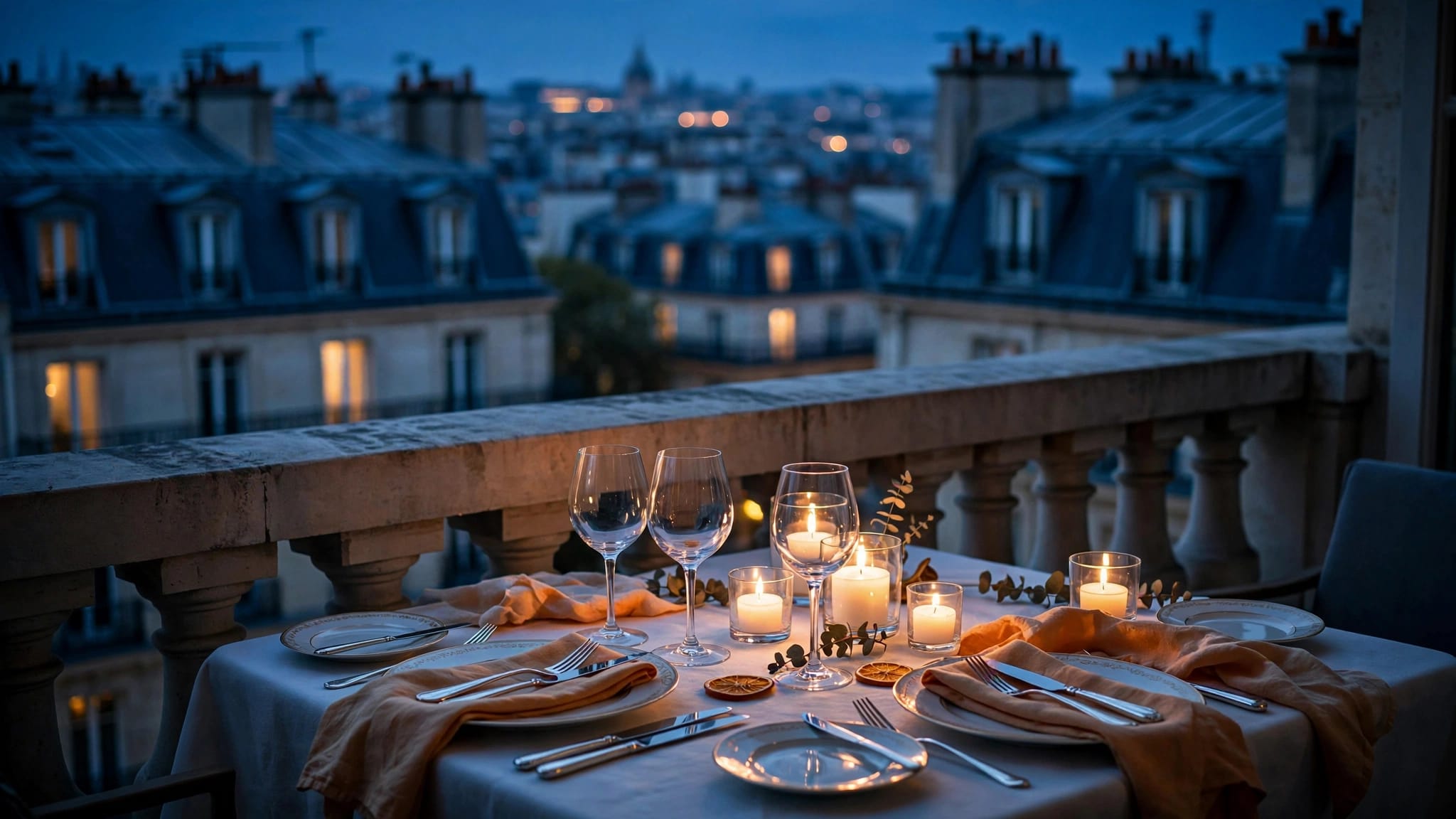
A private dining weekend shouldn’t feel like a series of reservations you have to race between. It should have a center of gravity, one defining fine dining experience, a serious bottle, and a city still worth being in after the final course.
The best private dining experiences in Europe pair a defining dinner with great coffee, a long lunch, and a proper hotel bar. Michelin stars can signal culinary reputation, but they’re only one factor alongside atmosphere, accessibility, and the wider weekend. The table matters, as does everything around it.
Key Takeaways
- Choose the city around the group, occasion, and desired atmosphere, not just the restaurant’s Michelin-star rating.
- Build the weekend around one defining private dining experience, then keep the hotel, bar, and other plans close by.
- Paris suits formal celebrations and serious wine, London works especially well for business dinners, Milan brings design and aperitivo energy, and Amsterdam offers a compact, contemporary format.
- Strasbourg and Burgundy are better for slower food weekends, long lunches, regional character, and unhurried wine experiences.
- Confirm deposits, minimum spends, guest limits, dietary deadlines, cancellation terms, and service charges before booking, while leaving part of the itinerary open.
How to Choose a Private Dining Weekend in Europe
The right city depends on the group, the occasion, and the kind of night you want after dinner. A board-level business meeting has different needs than a 30th birthday or intimate dinner parties.
I build these weekends around one major table, then keep the rest of the itinerary close. Nobody wants to cross a city after a six-course tasting menu because the hotel, bar, and dinner were planned independently.
Match the Room to the Moment
For six to eight guests, a chef’s table can feel personal without becoming performative. You see the pace of the kitchen, the wine service is more focused, and conversation stays easy.
Groups of 12 to 30 need private dining rooms with proper acoustics and a dedicated service team. Prioritize one long table if the purpose is connection. Round tables work better for larger celebrations where people need to move around the room.
The strongest private dinner isn’t always the most formal one. It’s the room where the group can relax the moment the first bottle lands.
Ask the Questions That Protect the Night
Bookings for private dining experiences in Europe often require a pre-payment, menu commitment, or food-and-beverage minimum. Confirm those terms before flights are booked, not after.
Ask about dietary requirements, music volume, last seating, wine-pairing options, and cancellation terms. Then plan one nearby after-dinner option. The dinner is the anchor, not the whole night.
Paris for a Classic Private Dining Weekend
Paris is one of Europe’s strongest private dining experiences for groups seeking ceremony, serious wine, and a sense of occasion. You can land at Charles de Gaulle or Orly, settle into a grand hotel, spend an afternoon in a museum, and walk into a room that feels built for a milestone.
It is expensive and reservation-led. It is also hard to beat for two or three nights when the main event is an exceptional dinner.
Le Meurice for an Eight-Seat Kitchen View
Le Meurice’s Chef’s Table is for the group that wants to be close to the action without giving up polish. The private room overlooks the kitchen and hosts up to eight guests for a Michelin stars tasting menu.
The experience requires a EUR575 per-person pre-payment to secure the table. The kitchen-view format is an exclusive experience, making it a clear choice for a special occasion. I would build the day lightly around it: breakfast, a museum or a long walk, a hotel reset, then dinner. Don’t stack another formal lunch on top.
Le Taillevent for Flexible Group Sizes
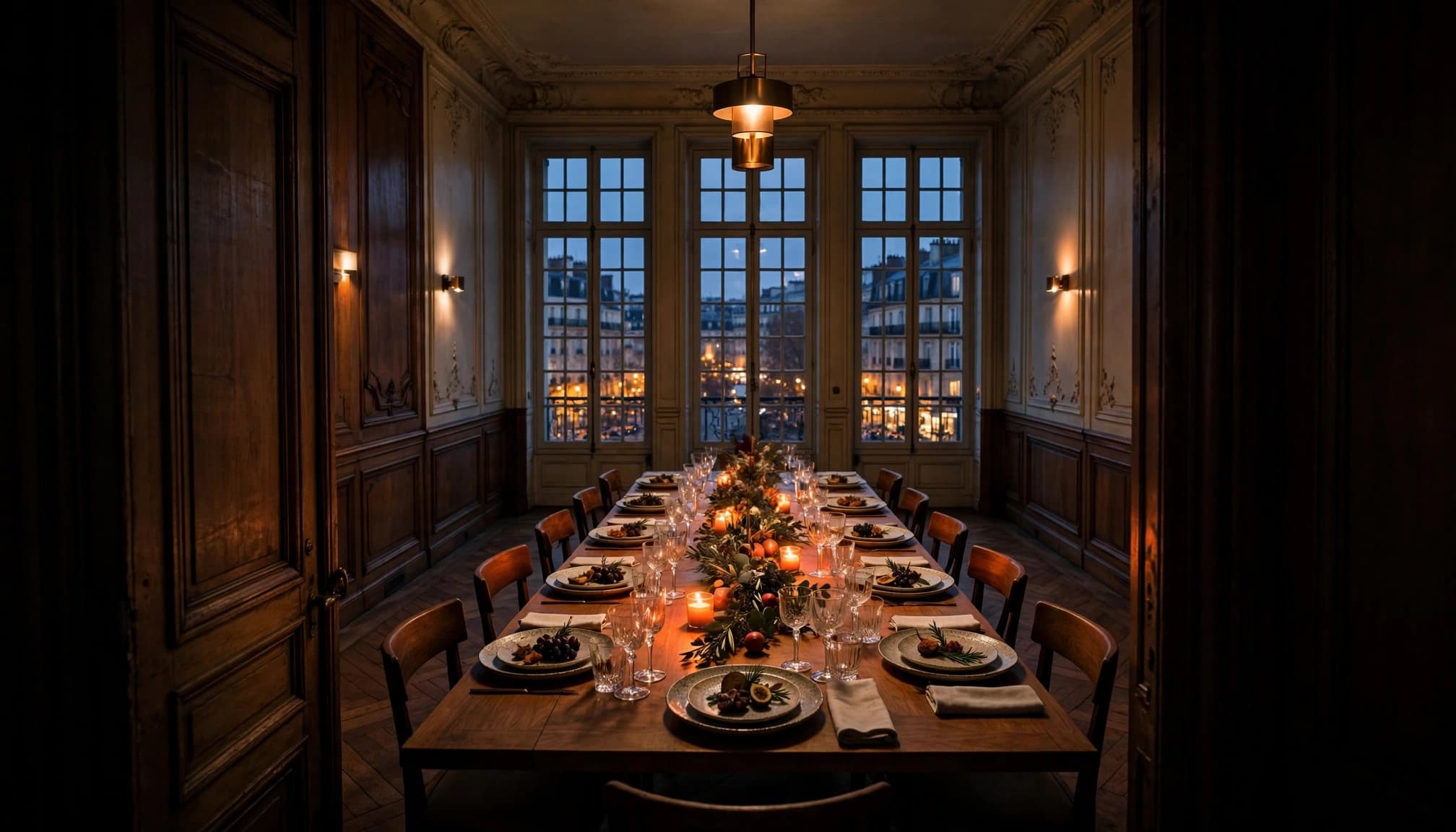
Le Taillevent’s private dining options give Paris more range. Its private salon options include a chef’s table for up to eight guests, one private room for six to 12, and Salon Saturne for 12 to 32. A separate upper-floor room can host up to 36.
Menu pricing changes by format and season. Official materials have listed three-course lunches from EUR150 per person, while other menus show different rates. Treat any posted price as a starting point, then request the current menu and wine list before confirming. This is the place for a group that wants deep cellar access and a classic dining room, not a rushed spectacle.
London for Business Dinners and Chef’s Tables
London handles high-stakes dinners and corporate events well because it has range. Its culinary scene spans Michelin stars, modern tasting menus, and classic dining rooms. You can finish meetings in Mayfair, have a focused dinner, then move to a great hotel bar or a live set without turning the night into a transit project. These private dining experiences keep transfers between meetings, dinner, and drinks to a minimum.
For a business meeting, I look for a room that feels private but not stiff. Exceptional service, reasonable acoustics, and a menu that doesn’t demand a four-hour performance all matter.
Corrigan’s Mayfair Keeps the Format Flexible
Corrigan’s Mayfair Chef’s Table is a smart London choice for groups that want a bespoke menu without a traditional room-hire structure. The restaurant confirms there is no room-hire fee, although a minimum food-and-drink spend applies.
That distinction matters. A minimum spend can work in your favor when the group already plans to order champagne, wine, and a serious menu. Confirm the required spend, service charge, and menu format in writing before you send invitations.
Pick the Right London Scale
For smaller groups, Pied a Terre has private dining rooms for up to 16, Kitchen Table takes up to eight, and Front Room is suited to groups of 10. City Social can host 22 at one long table or 30 on rounds, while its smallest table format fits up to 11.
KOL is worth considering for a different energy. It has seating for 20, with an eight-course menu listed at GBP180 per person. London has no shortage of impressive rooms. The move is choosing one that matches the conversation you came to have.
Milan for Design, Aperitivo, and a Big Entrance
Milan suits private dining experiences for groups who value design, aperitivo, fashion, and an efficient transition into nightlife. The city feels visual and energetic from the moment you arrive.
Keep the schedule tight. Stay near Brera, the Quadrilatero, or the center, then let Friday start with an aperitivo instead of trying to cover half the city after a flight.
Ristorante Cracco Brings Architectural Drama
Ristorante Cracco sits inside the Galleria Vittorio Emanuele II, making arrival part of the exclusive experience. The restaurant has three dining rooms and two private rooms on the first floor, plus a second-floor space for private events with exclusive access.
Capacities and pricing are available by request, which is normal for this tier. Ask early, especially for a Thursday through Saturday booking. I’d pair the dinner with a late drink in the center rather than booking another formal destination across town.
Langosteria for a More Social Format
For seafood, wine, and a livelier group dynamic, Langosteria private dining offers customized menus that can highlight seasonal ingredients, along with curated wine selections.
This is Milan at its best: polished, social, and not overly scripted. It delivers exclusive fine dining with a more relaxed edge than Parisian ceremony.
Amsterdam for a Compact, Contemporary Weekend
Amsterdam is a strong choice when you want high-level dining without the operational weight of London or Paris. The city is compact, easy to move through, and full of good-looking spaces that don’t feel overly formal.
It also gives you breathing room. You can do a canal-side coffee, a museum, a late lunch, and still have time to reset before dinner.
Restaurant Vinkeles for an Intimate Group
At The Dylan Amsterdam, Restaurant Vinkeles private dining uses the Barbou Room for groups of up to 14, subject to current availability and room setup. That size is ideal for a birthday, leadership dinner, or multi-generational family table where you want everyone in one conversation.
The setting has enough polish for a special occasion, while the city keeps the weekend relaxed. Stay nearby and leave room for a walk after dinner. Amsterdam rewards that kind of pace.
The Maurer Room for Twelve Guests
The Maurer Room accommodates up to 12 guests, subject to current availability, which hits a useful sweet spot. It is large enough for a meaningful group and small enough to create an intimate atmosphere.
For private dining experiences, Amsterdam is the efficient choice. Short transfers mean more time at the table, by the canal, or in the next bar that looks worth trying.
Strasbourg and Burgundy for a Slower Food Weekend
Strasbourg offers private dining experiences for travelers who want French technique with Alsatian personality. Its historic city centre is compact and walkable, making a gastronomic lunch as important as Saturday dinner.
Burgundy takes that slower rhythm further. Choose a countryside route, a historic chateau, or luxury barge cruises when wine, stunning views, and unhurried meals matter more than late-night city energy.
Au Crocodile Has Real European History
Au Crocodile sits at 10 rue de l’Outre in central Strasbourg. Its history reaches beyond the dining room: the Crocodile Club was founded there on July 9, 1980, during a European Parliament session, when nine founding members first met at the restaurant.
Lunch is offered Thursday through Saturday, while dinner runs Tuesday through Saturday. That makes it a better fit for a Thursday-to-Sunday or Friday-to-Sunday itinerary than a loose early-week escape.
Burgundy Works When the Dining Room Moves
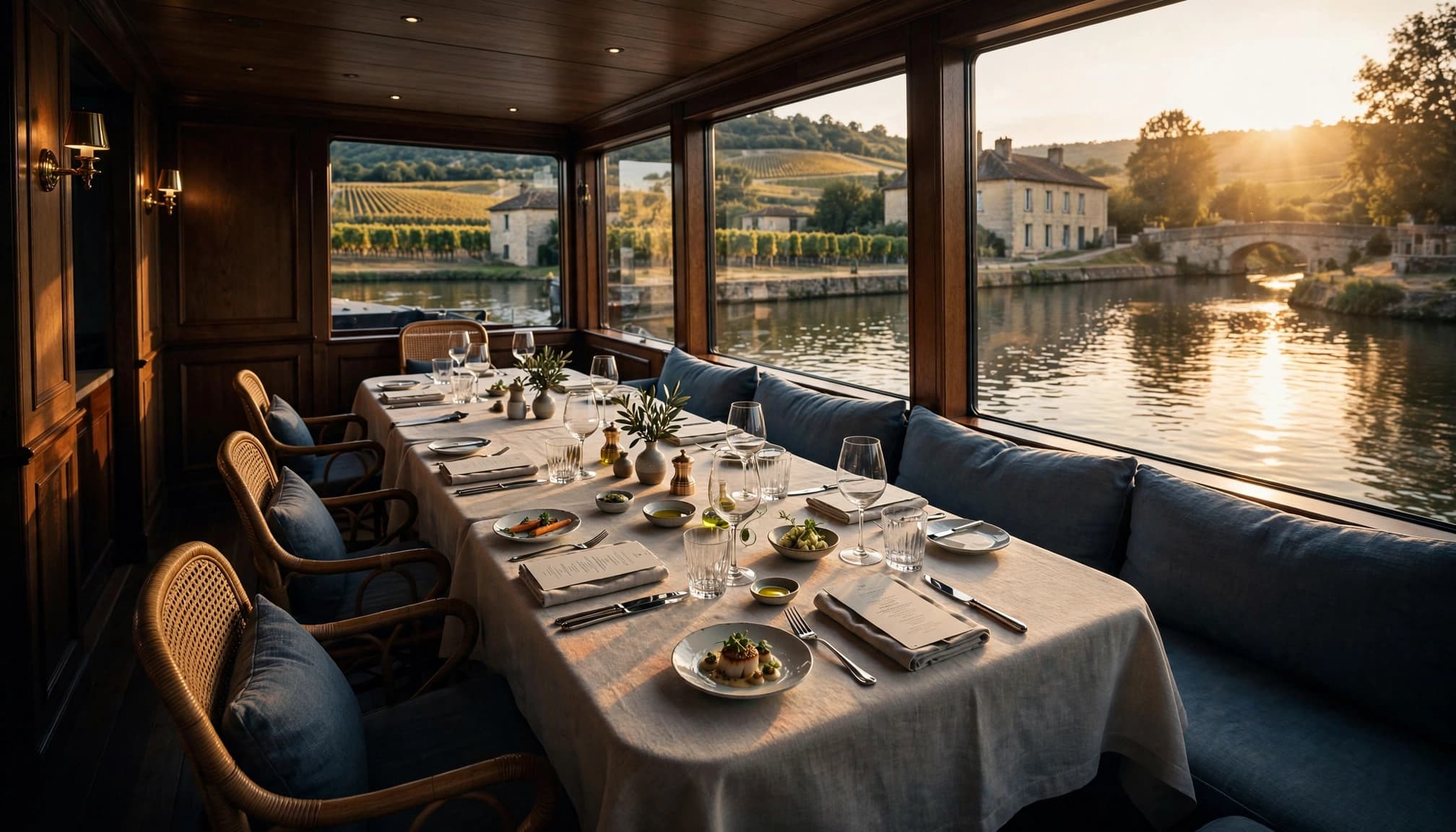
A hotel barge can create a beautiful private dining format for a small group, but the details need scrutiny. Operators vary widely on guest count, wines, chef access, and whether the dining room is truly exclusive.
For a broader river-cruise comparison, AmaWaterways’ European dining program includes an onboard Chef’s Table on select sailings. That broader onboard program doesn’t confirm the inclusions on a specific Burgundy barge. A Burgundy barge is more intimate and place-driven, so confirm the exact vessel, guest count, itinerary, chef access, private-use terms, wine program, and excursion schedule before treating it as a buyout dinner.
The Booking Details That Matter More Than the Menu
A beautiful dining room can’t rescue a weekend built on bad timing. Plan the arrival, hotel, dinner, and return route as one sequence.
Book the defining private dining experience first. Then place the hotel and transport within a tight radius of that night’s neighborhood. The best nights feel relaxed because nobody is checking maps between courses.
Protect the Anchor Reservation
Reserve high-demand Paris and London rooms as soon as dates are firm. For a Friday or Saturday dinner, two to three months ahead is a sensible baseline. Larger groups, peak seasons, and private salons can need more time.
Before paying, confirm the guest-count cutoff, deposit terms, cancellation terms, dietary deadline, menu choice, beverage minimum, and service charge. If the group is flying in, build in an arrival and baggage buffer. Nobody should be rushing from baggage claim to a six-course tasting menu.
Leave One Part of the Weekend Open
Don’t reserve every meal. Protect the major dinner, one excellent lunch, and the hotel. Leave space for the wine bar, cocktail room, cafe, or live music venue that fits the mood once you’re there.
That is how a weekend feels personal instead of pre-programmed. One defining dinner per day is enough. The city should have room to surprise you.
Frequently Asked Questions
Which city is best for a private business meeting?
London is the strongest all-around choice for private dining experiences. It offers flexible room formats, international access, nearby hotels, and efficient options for continuing the conversation after dinner.
Paris works better when the meeting is also a celebration. Its private rooms bring more ceremony and stronger wine-first energy.
How many nights do you need for a private dining weekend?
Two nights works when you arrive early enough to settle in, with one major dinner and one long lunch. Three nights is better for Paris, Milan, or Burgundy, where you want time for culture, wine, and a slower final day.
I would rather add a night than turn a premium weekend into a timetable.
Should every meal be booked in advance?
No. Lock in the dinner that defines the trip and any lunch with limited seating. Keep at least one daytime meal and one evening open.
A great cafe, a long aperitivo, or a bar you find after dinner can become the part everyone remembers.
Choose the City That Carries the Whole Night
The best private dining experiences are never only about the private room. They include what happens before the first course and after the last glass.
Paris brings formality, depth, and a culinary reputation marked by Michelin stars. London is built for business and range, while Milan keeps things social and can suit a celebratory dinner. Amsterdam keeps the format easy, and Strasbourg or Burgundy slows the whole experience down. Pick the city that fits your group and occasion. Consider the atmosphere and your tolerance for transfers, then let the table set the tone.