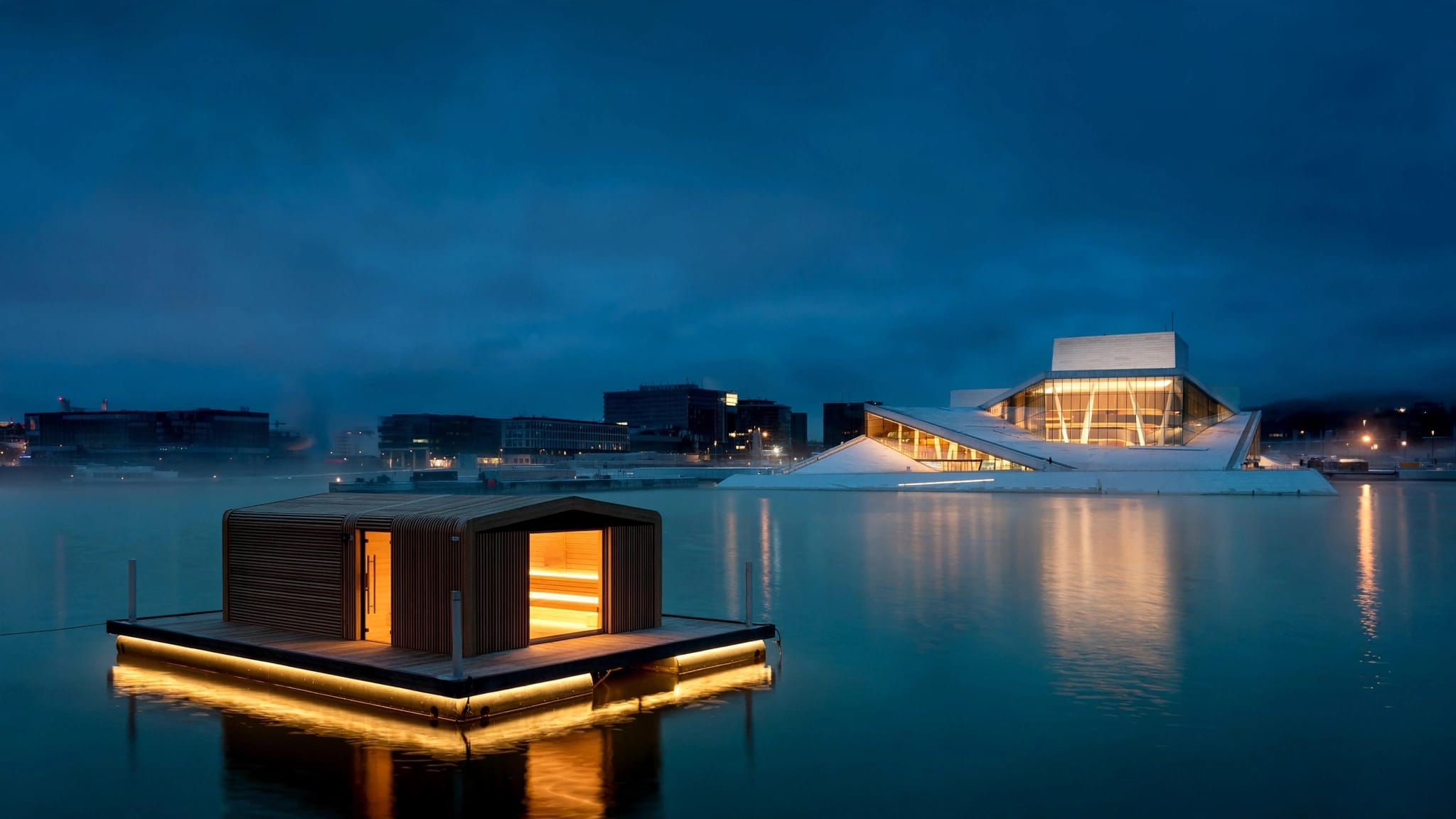
Oslo doesn’t need to be rushed. The city lands best when the waterfront, museums, sauna heat, and dinner reservations move in the same direction.
This Oslo itinerary keeps the pace sharp without turning your trip into a transit challenge. You’ll see the headline sights, eat extremely well, and still have time for a cold-water reset or one more drink when the night has some energy left.
Key Takeaways
- Three days gives you enough space for central Oslo, the Oslofjord, the Munch Museum, and dinners that don’t feel squeezed between attractions.
- Stay near Bjørvika, Aker Brygge, or Grünerløkka, depending on whether waterfront mornings, polished dining, or after-dark energy matters most.
- Book a slot at Oslo’s floating saunas and one important dinner before you lock the rest of the schedule.
- Keep each day tight by neighborhood. Oslo is easy to move through, but a scattered route still wastes a good afternoon.
Set Up Your Oslo Itinerary Before You Land
A good arrival changes the whole trip. Don’t land, drop bags, and sprint toward a museum with your coat still in hand. Let the first evening have a clean shape: hotel, a walk, one strong dinner, then sleep.
Get From Gardermoen Airport Without Losing the Day
The Flytoget airport express runs every 10 minutes and reaches Central Station in about 19 minutes. It’s the cleanest choice when time matters and you want to be in the city fast.
Vy regional trains are usually the lower-cost rail option. Electric scooters work for short daytime connections, but they’re poor backups in rain, cold, or after a late dinner. Avinor’s airport transport guide is the right place to confirm current public transport routes before departure. If you plan to use the city pass, note that it covers Vy-operated airport trains, not Flytoget.
Pick a Hotel Base That Fits Your Nights
Stay in Bjørvika if you want the Opera House, MUNCH, and waterfront architecture outside your door. Choose Karl Johans Gate for classic city access, while Aker Brygge and Tjuvholmen suit travelers who want fjord walks, galleries, and polished dinners close together.
Grünerløkka has more neighborhood texture. It works for coffee, wine, casual lunches, and a later finish without a long ride home. For a live show, build dinner around the venue, not the other way around. That same thinking makes concert trip planning far less stressful in any city.
Day One: Bjørvika, Fjord Air, and Sauna Heat
Start with Oslo’s modern edge. This is the day for clean architecture, harbor views, and a first taste of the fjord.
Walk the Opera House and Bjørvika
Begin at the Oslo Opera House while the marble roof is still quiet. Walk up its angled surface, look across the water, then wander through Bjørvika toward the barcode-style high-rises and waterfront paths.
Coffee and a relaxed breakfast should come before the sightseeing push. Take your time here. Oslo is at its best when you let the water keep appearing between the buildings.
Akershus Fortress and Aker Brygge
Walk west to Akershus Fortress for harbor views and a bit of old Oslo before the day turns more social. The contrast is the point: medieval stone, clean Nordic architecture, and boats moving through the Oslofjord.
From there, follow the waterfront past Oslo City Hall and the Nobel Peace Center toward Aker Brygge. Continue to Tjuvholmen for lunch, and order seafood if it looks good. Don’t force a major meal yet. You have a sauna and dinner ahead.
Book a Floating Sauna Before Dinner
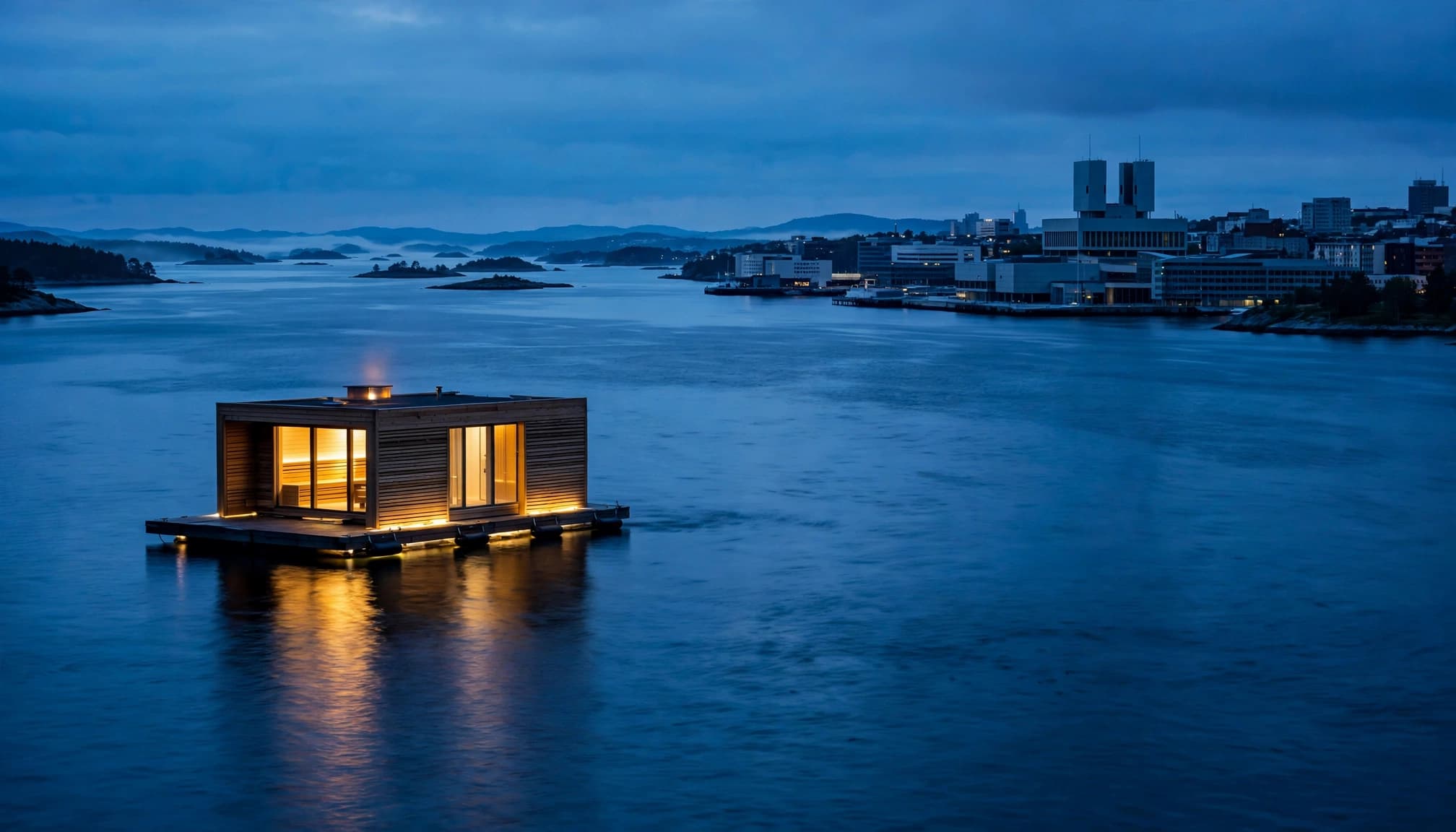
Floating saunas offer the right kind of Oslo experience: warm timber, dark water, a skyline in front of you, and no need to overthink it. KOK and SALT are the names to check, but book directly with the operator and confirm the current session rules, water access, towels, and weather policy before building your afternoon around it.
Cold-water swimming is optional. Take the dip if it feels right. Sit outside and cool down if it doesn’t. There are no points for treating the fjord like a toughness contest.
Make the sauna the day’s anchor. Leave enough time afterward to shower, rest, and arrive at dinner feeling put together.
Day Two: MUNCH, Grünerløkka, and a Serious Table
Day two is where the city gets more personal. Art in the morning, a neighborhood lunch, then dinner with real intention.
See MUNCH Early, Then Keep Moving
Book a morning entry at MUNCH, the Munch Museum, and give it the attention it deserves. The Munch Museum building itself is striking, but Edvard Munch’s work is the reason to go.
Pass holders can use reserved time slots at MUNCH, though free tickets cannot currently be pre-booked. Arrive with a little buffer and confirm the latest process before your visit.
Eat Your Way Through Grünerløkka
Take the tram or walk toward Grünerløkka for lunch around Mathallen Oslo. This is a useful reset point, especially if your group has different appetites. Keep lunch flexible, then wander along the Akerselva river, browse independent shops, and stop for coffee when a room feels right.
Grünerløkka doesn’t need an aggressive plan. The side streets are the plan. A little browsing, one drink, one unexpected bakery, then move on before the afternoon disappears.
Choose the Dinner That Fits the Occasion
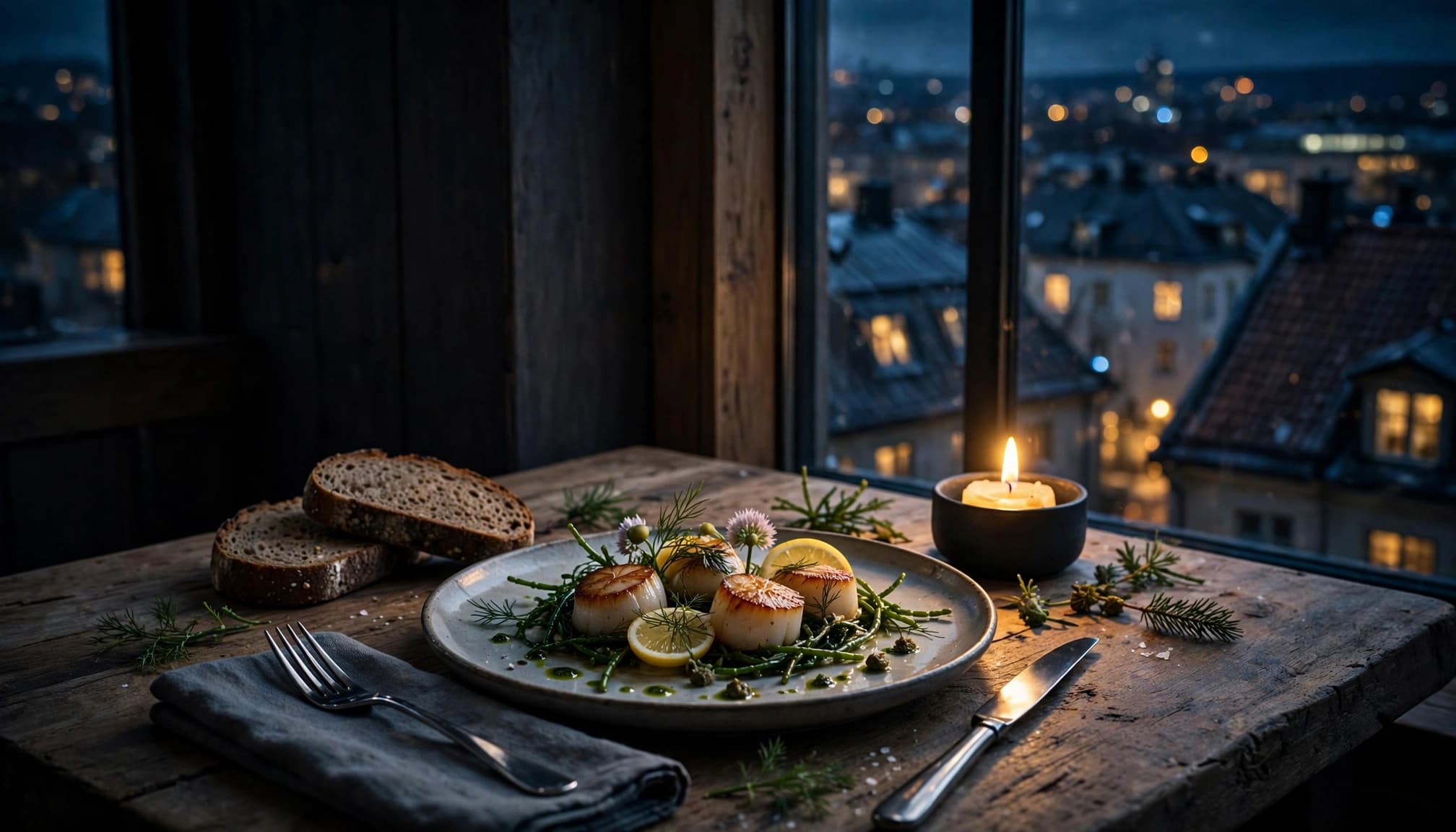
For the full statement dinner, reserve Maaemo well ahead. The three-Michelin-star restaurant is at Dronning Eufemias gate 23 and opens Tuesday through Saturday. This is the table for a milestone, a food-first trip, or a night when the meal is the event.
Kontrast is another serious choice, near Mathallen Oslo and Grünerløkka. Its online reservations open three months ahead, with dinner bookings currently offered Wednesday through Saturday.
After dinner, walk or take a short ride to Himkok. Smaller groups are drop-in only, so don’t make it your only late-night plan. If the room is full, let that be the sign to have one final glass closer to the hotel.
Day Three: Sculpture, Bygdøy, and a Softer Finish
The final day should feel composed, not crowded. You’ve already done the harbor, museums, and a proper night out. Now give Oslo some room.
Start at Vigeland Sculpture Park
Head to Frogner Park in the morning for Vigeland Sculpture Park. The scale is impressive, but the best part is how naturally it fits into a walk. You don’t need a guided speech in your ear to enjoy it.
Afterward, linger around Frogner or return to your hotel for a reset. Treat Frogner Park as a place for a slower coffee or an unhurried walk. A three-day city break needs one pause that isn’t built around a ticket.
If you prefer architecture and royal history to another museum, walk along Karl Johans Gate to the Royal Palace. It’s an easy central-city alternative that keeps the afternoon flexible.
Take the Bygdøy Peninsula at a Realistic Pace
The Bygdøy Peninsula is the right afternoon for maritime history. The Fram Museum is the strongest pick if you want polar exploration and a museum with some weight behind it. Don’t stack every museum on the peninsula into one afternoon.
If clear weather matters more than maritime history, swap this afternoon for the Holmenkollen Ski Jump. It takes extra transit, so choose it only if you’re happy trading museum time for views.
The Viking Ship Museum remains closed for redevelopment, so don’t plan your route around it. Check the official Oslo visitor guide before travel for current museum hours, ferry details, and seasonal changes.
Finish along the water. In suitable weather, the public ferries can support Oslofjord island hopping. If the public ferry timetable works for your timing, take it. If it doesn’t, stay central and walk the harbor from Aker Brygge toward Tjuvholmen. A bad ferry connection isn’t a reason to lose an hour.
Is the Oslo Pass Worth It for This Trip?
The Oslo Pass is useful when your plan includes multiple museums plus frequent rides on trams, buses, metro lines, or ferries. It is less compelling if you’re staying central, walking often, and visiting only one major museum each day.
Run the Numbers Before You Buy
Current adult prices are 550 NOK for 24 hours, 800 NOK for 48 hours, and 945 NOK for 72 hours. The Oslo Pass price page also confirms that the pass includes public transport across several zones and access to more than 30 museums and attractions.
For this route, a 48-hour pass often makes more sense than a 72-hour pass. Activate it on Day Two if you plan MUNCH, trams, Frogner Park, and Bygdøy transport within its window.
Keep Food Spending Intentional
Oslo can get expensive fast when breakfast, lunch, cocktails, and dinner all become special occasions. Choose one significant dinner, then use lunch as an intentional chance to sample Norwegian cuisine through good bread, seafood, soup, open sandwiches, or a market meal.
Look for smoked salmon, shrimp, brown cheese, reindeer when it fits the menu, and seasonal fish. Don’t order a dish because it sounds traditionally Norwegian. Order what looks best in that room, on that day.
Oslo Itinerary FAQ
Are three days enough for Oslo?
Yes. Three days is the sweet spot for first-time visitors who want culture, fjord time, a sauna, and a serious meal without turning every hour into a race. Add a fourth day only if you want a slower museum schedule, a longer Oslofjord outing, or a hike beyond the city.
How does public transport work in Oslo?
Ruter runs Oslo’s trams, buses, metro, and many local ferry connections. Download the app before arrival, buy tickets before boarding when needed, and use transit for longer gaps. Walk when neighborhoods connect naturally.
Trams are particularly useful between Bjørvika, Grünerløkka, Frogner, and Aker Brygge. Late at night, a taxi can be the better call when your dinner shoes and the weather aren’t working together.
What should I pack for an Oslo sauna?
For a session at Oslo’s floating saunas, bring swimwear if required, plus a towel, water, sandals, and dry layers for afterward. Confirm the operator’s current booking rules and weather policy before you go.
Wind, rain, and cold water are part of the atmosphere, but only when you are prepared for them.
The Oslo You Will Remember
The best Oslo itinerary isn’t a race through landmarks. It is a well-timed sequence: harbor air, art that stays with you, heat by the water, one dinner worth dressing for, and a short ride home.
Get the geography right, protect your evenings, and leave a little space for the plan to surprise you.