Amsterdam can give you one of those city breaks that feels effortless, even when the bones of the amsterdam centre are tightly built. It can also waste your time with soggy shoes, crowded trams, and a dinner reservation that looked close until three bridges got involved.
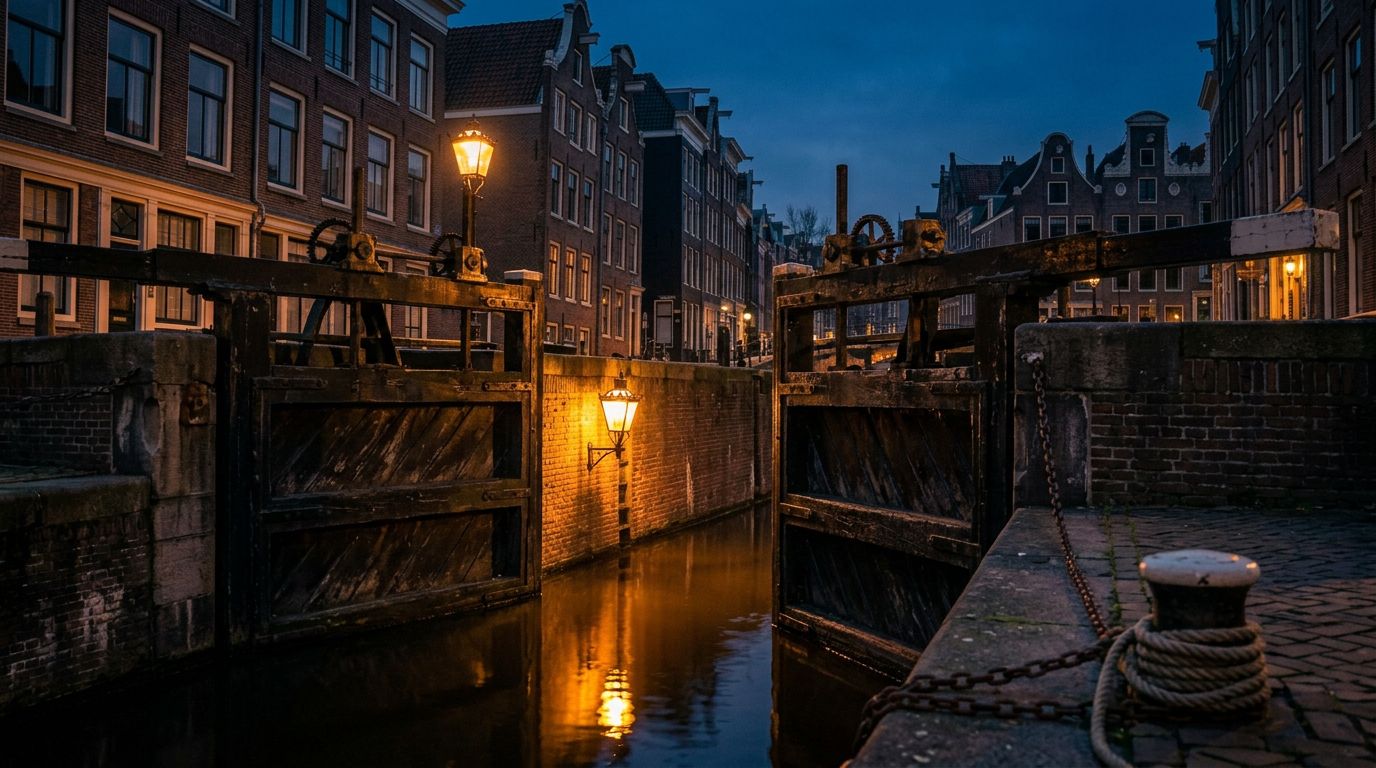
The version that lands is simpler. Keep each day in one tight zone, let the late afternoon belong to Amsterdam’s brown cafes, and save the canals for after dark, when the water starts throwing back the light.
Key Takeaways
- Anchor your itinerary: Avoid the frustration of travel fatigue by choosing one neighborhood and one major activity per day, rather than cramming multiple attractions into a single outing.
- Embrace the brown cafe culture: Traditional Dutch bars are the heartbeat of the city; they are designed for slowing down, enjoying a quality beer, and soaking in the authentic atmosphere of ‘gezelligheid’.
- Optimize your canal experience: Save canal walks or cruises for the evening when the city lights reflect off the water, creating a far more atmospheric experience than midday sightseeing.
- Prioritize proximity: Stay central to minimize transit time, and group your dinner, drinks, and activities within the same neighborhood to ensure your evening stays relaxed and uninterrupted.
What makes this Amsterdam itinerary work
Amsterdam is not huge. The problem is drift.
A coffee stop turns into shopping. A canal photo turns into twenty minutes. One museum line knocks lunch late, and then your whole evening starts chasing itself. The fix is boring on paper and great in practice: build by neighborhood and give each day one anchor.
Brown cafes help because they force the right pace. These venues are a cornerstone of Dutch culture, offering a cozy atmosphere where you can experience true gezelligheid. As a traditional Dutch bar, they are built for sitting down, ordering a quality Dutch beer, and staying longer than planned. If you want a quick primer on the tradition, this brown cafe explainer lays out why these spaces matter so much to the city.
This shape keeps the city from fighting you:
| Day | Area | Main anchor | Night move |
|---|---|---|---|
| 1 | Jordaan and the western canals | First brown bar circuit | Waterside drinks and a canal walk |
| 2 | Spui, Nine Streets, and the canal belt | One culture stop or shopping drift | Longer canal night |
| 3 | De Pijp and the southern canal ring | Market, lunch, and one last brown bar | Easy final dinner |
Stay central if your trip is built around evenings. Jordaan, the Nine Streets, and the canal belt buy back time. De Pijp works if your trip tilts food-first. A cheaper hotel far out usually stops being cheap once late-night rides start piling up.
Walk as much as you can. Take trams for clean jumps. If it is late and you are a couple drinks in, get the easier ride home.
If Anne Frank House, the Rijksmuseum, or the Van Gogh Museum matters to you, book it early and let that become the day’s one big stop.
One museum, one brown cafe, one dinner that matters. That is a city day. Anything more and Amsterdam starts to feel like a transfer.
Day 1: Jordaan, old wood, and your first proper canal night
Start in the Jordaan neighborhood. It is one of those areas that makes instant sense, with narrow streets, beautiful windows, small bridges, and enough quiet corners to keep the city from feeling staged.
Keep the morning loose. Walk the canals, cut through side streets, and if your timing lines up, browse Noordermarkt. This is not the day for a heavy checklist. You are trying to get the city rhythm into your legs.
By late afternoon, make your first stop count. Cafe Chris is a strong opener and a perfect example of a historic bar. Dating back to the 17th century, it features classic dark wood furniture and feels like the sort of room where time slows down without anyone announcing it. As a traditional dutch bar, it carries an authentic atmosphere that requires no extra fanfare.
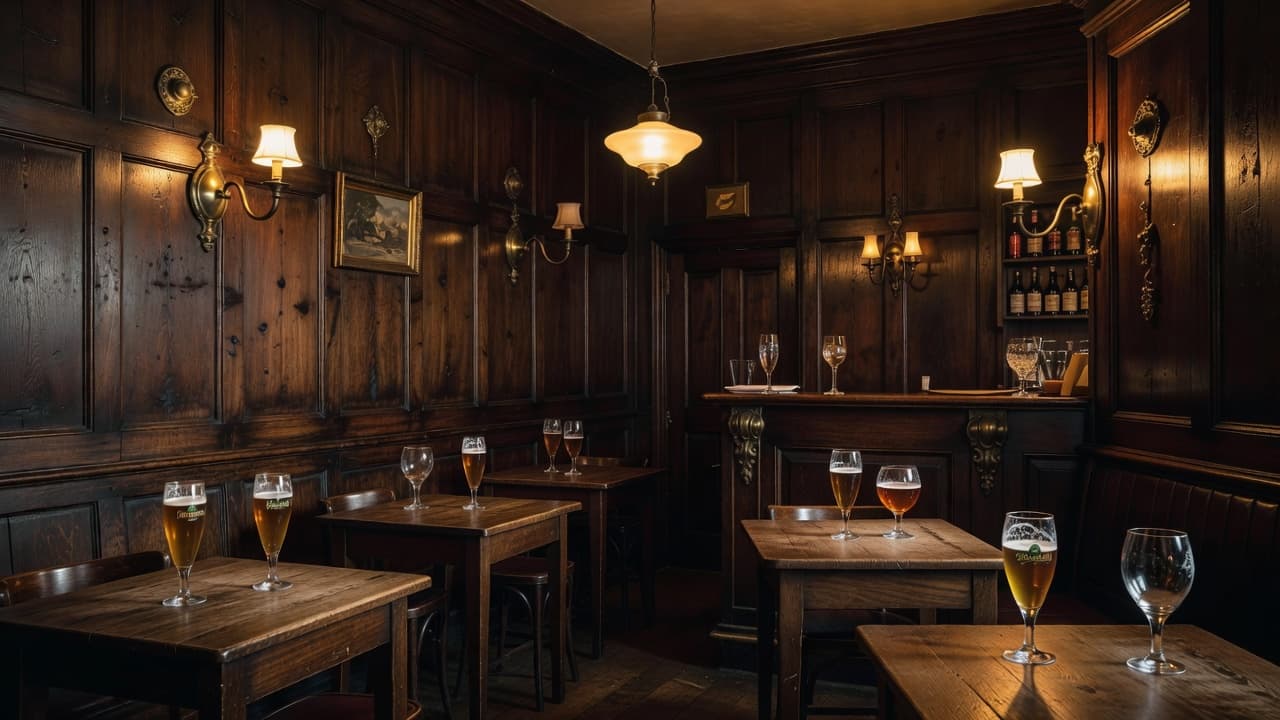
Order a Dutch beer, or try a glass of local jenever if you want the older school move. Be sure to add a plate of bitterballen to the table. Skip the urge to turn every stop into research, as the point is simply to enjoy the room.
If you want two pubs on the first day, keep them close within the Jordaan neighborhood. De Twee Zwaantjes is another great choice; it is small, storied, and feels more like a local hangout than a tourist attraction. If you want a few more options before you go, this roundup of cozy brown bars is a useful skim.
Dinner should stay in the same orbit. That matters more than chasing one hot reservation across town. Good nights usually fall apart before they begin if you deal with long walks, slow service, or constant map checking, as everyone gets tired before the second drink lands.
After dinner, walk toward Cafe ‘t Smalle. It sits right on the water and earns its reputation for a reason. While some brown cafes feel like caves, this one gives you the classic wood interiors and warm light along with beautiful canal views.
Then do the simplest thing Amsterdam offers. Walk.
Prinsengracht at night is enough. House lights hit the water, the bikes thin out, and the city gets softer without losing its edge. That is your first canal night, and it does not need more production than that. A final glass of jenever in this setting is the perfect way to cap off the evening.
Day 2: Spui, a classic brown cafe, and a longer night on the water
This is the day people overcook. Don’t do a major museum, the Red Light District, Hoppe, De Dokter, a canal cruise, and dinner in De Pijp. That is not range. That is bad sequencing.
Pick one daytime anchor. If art matters, do the Rijksmuseum. If history is the move, make Anne Frank House the center of the day. If neither is urgent, skip the heavyweight stop entirely and let the canal belt carry the afternoon.
From there, aim toward Spui. Cafe Hoppe is one of the old names for a reason. It has the no-frills confidence you want from one of the quintessential Amsterdam brown cafes, plus the kind of lived-in warmth that makes a second round easy. If you catch a cold or wet afternoon, this is the sort of room that fixes it. To really understand the local culture, you have to appreciate the classic bruine kroeg, where every wood-paneled corner feels like a living history lesson.
If you want to widen your drinking experience, add one stop at a traditional jenever tasting house. This Amsterdam brown cafe and jenever guide is handy for understanding how the two traditions fit together. You might even wander toward the Zeedijk to find In t Aepjen, which stands among the oldest cafes in the city. Its tobacco-stained walls and centuries of stories provide a hauntingly authentic atmosphere. Whether you visit a polished tasting house or a hidden proeflokaal, you are stepping into a vital part of Dutch heritage.
Spend the middle of the day in the Nine Streets and the canal belt. This is where Amsterdam gives you the version people think they are going to get everywhere else, featuring sharp little shops, bridges every few minutes, and enough beauty that you do not need a constant stream of ticketed stops.
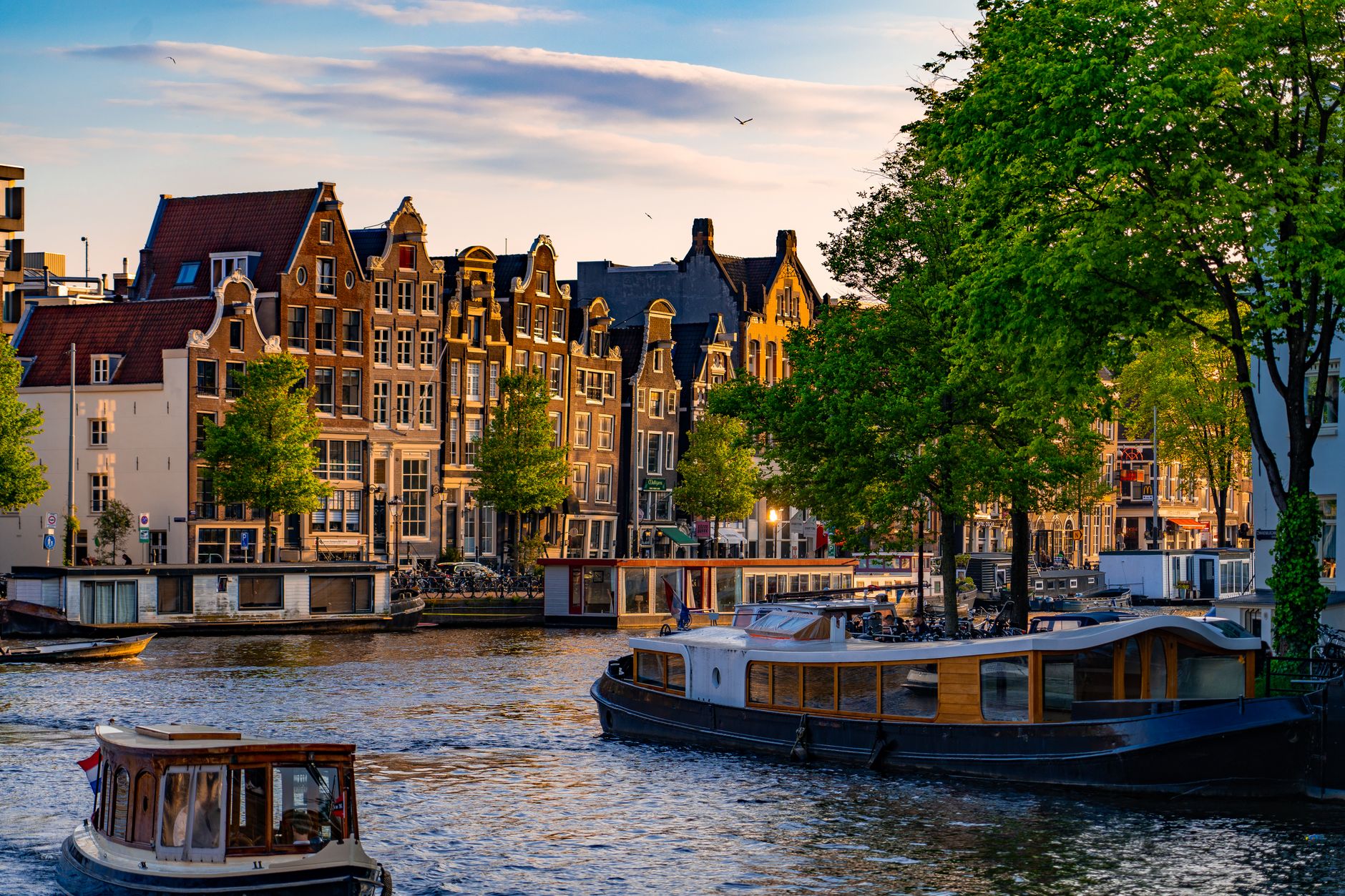
Photo by Paul Scheelen
Tonight is the best time for a canal cruise, if you want one. Not midday. Not in the rush between attractions. Do it after dinner, or right before, when the light starts dropping and the Amsterdam centre begins to glow. Better yet, choose a smaller open boat over one of the bigger glass-roof options to get unobstructed canal views. Amsterdam looks better when it still feels like air.
If boats are not your thing, do the land version. Have dinner near the water, then settle into one more brown bar. Cafe De Dokter is tiny, old, and full of character. It is often described as the smallest brown bar in Amsterdam, and it feels like a secret even when people know about it.
That is the point of the second day. Not more volume, better timing.
Day 3: De Pijp, a slower afternoon, and one last night that feels local
Your final day should not turn into cleanup duty for everything you missed. Amsterdam does not reward desperation.
Go to De Pijp and let the morning start a little later. Grab breakfast, walk Albert Cuyp Market, and let the neighborhood do what it does best: food, movement, and a little more edge than the postcard center. If the first two days leaned classic, this one keeps the trip from feeling too polished.
The smart move here is subtraction. You do not need another major museum unless that is the whole reason you came. One market, one long lunch, one brown cafe, one good dinner. Enough.
For your last pub stop, Cafe de Wetering is a strong closer. As a historic bar, it has the kind of worn-in charm that feels earned rather than arranged. While Dutch beer is the traditional standard here, many old-school pubs throughout the city now offer a rotating selection of local craft beer if you want to sample something contemporary. If the weather turns bad, even better. Some places improve when the windows fog up a little. If you want a few more classics in your back pocket, this shortlist of top brown cafes is worth a glance.
The southern canal ring gives you a great final evening because it is easy to keep everything close. Have dinner nearby and protect the walk after. Amsterdam’s prettiest hour is not the middle of the afternoon. It is the stretch after dinner, when the bridges light up and the city stops performing.
If your trip leans music-first, this is a good night to build around a small jazz room or a concert. Just keep dinner close to the venue. Same rule as every other city: the event is the anchor, not the add-on.
Then take the long way back once. Cross one more bridge than you need to. Stop when the view is right. Cities like Amsterdam are not improved by rushing the last night.
Frequently Asked Questions
What exactly is a ‘brown cafe’?
A brown cafe, or ‘bruine kroeg’, is a traditional Dutch pub known for its cozy, wood-paneled interior and unpretentious atmosphere. They are named for the dark, tobacco-stained walls and wood decor that give them a warm, historic feel, serving as essential local hubs for beer and conversation.
Should I book museums in advance?
Yes, if you plan to visit major sites like the Anne Frank House or the Van Gogh Museum, you should always book tickets in advance. These venues are popular and often sell out, so anchoring your day around a pre-booked entry time helps you avoid long queues and wasted time.
Are brown cafes touristy?
While some historic bars are well-known, most brown cafes maintain an authentic local feel by prioritizing a quiet, slow-paced environment. By visiting neighborhood spots away from the main tourist squares, you can easily find a genuine experience where locals gather for a drink.
Is it better to walk or use public transport in Amsterdam?
Walking is the best way to soak in the canal-side architecture and keep your own rhythm, especially within the compact city center. Use the tram system for longer jumps between neighborhoods or when you are tired after a long day to avoid unnecessary exhaustion.
The version of Amsterdam you want
The best Amsterdam trip is not the one with the most pins on the map. It is the one where the city stops pushing back.
Keep your days tight. Let one neighborhood lead your exploration. Give the late afternoon to Amsterdam brown cafes, and let the canals handle the rest after dark. You will find that the true reward of your visit is the cozy atmosphere found within these local haunts, which serve as the perfect anchor for your time in the city.
That is when Amsterdam gets good, not when you are trying to finish it, but when you finally stop asking one day to do the work of three.
If the Netherlands hooks you, Rotterdam is the easy next step, and this Rotterdam itinerary shows how three days of architecture, food, and late bars fit together.