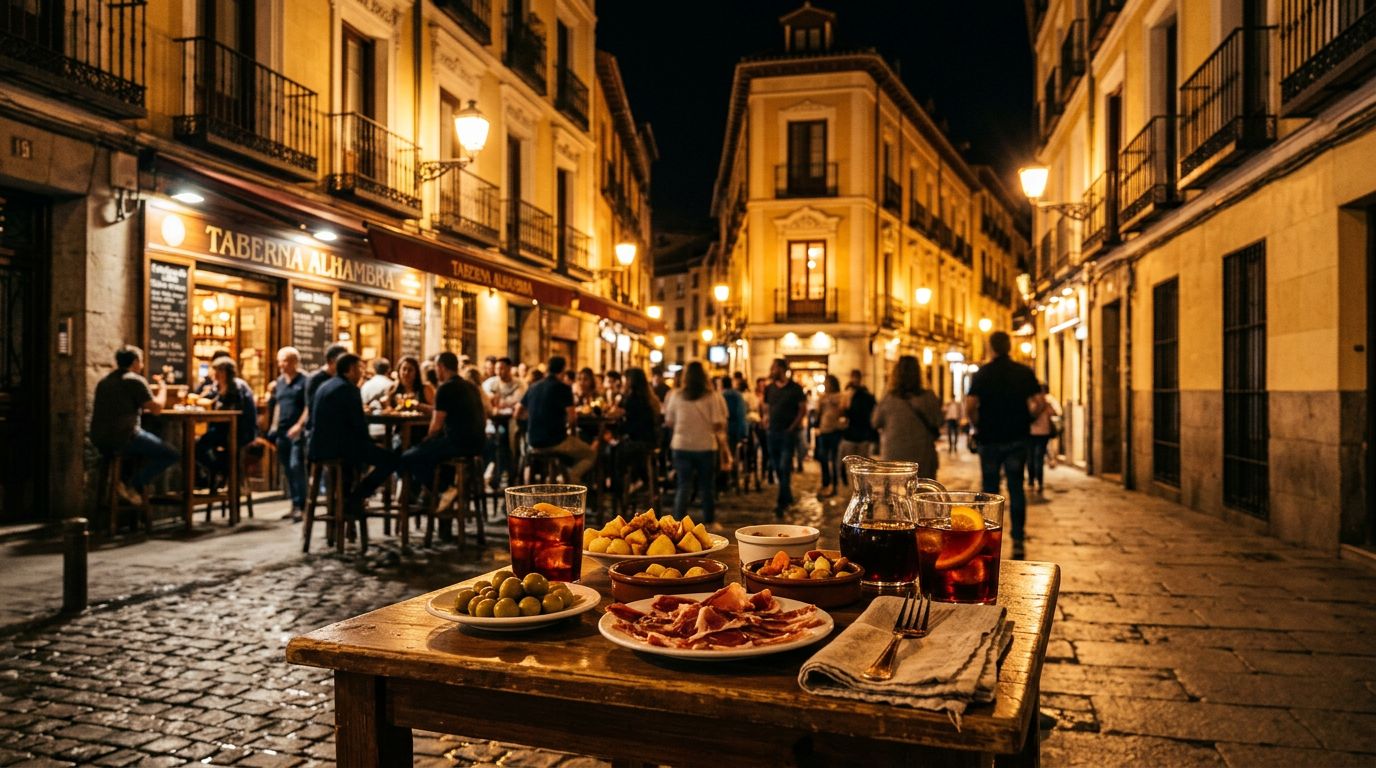
Madrid looks easy on a map. That is the trick.
You can stack vermouth in La Latina, art near the Prado, cocktails in Chueca, and dancing in Malasana on one overstuffed day, then wonder why the city felt like a commute with better lighting. To avoid this, you need a strategy that keeps your movement logical and fluid.
Keep each day in one orbit and give the night some weight. Madrid lands hardest when dinner turns into a crawl, the crawl turns into one more stop, and nobody is checking the time too early. If you want to experience the city like a local, following a structured Madrid tapas itinerary is the best way to ensure your evening flows perfectly.
Key Takeaways
- Prioritize Geographic Flow: Stop trying to cross the city for every meal. Select one neighborhood per night to minimize transit, maximize your time in bars, and avoid logistical burnout.
- Respect the Local Rhythm: Madrid operates on a late schedule. Eating dinner at 6:30 p.m. leads to empty bars and missed atmosphere; aim for tapas and late-night movement to match the city’s actual energy.
- Avoid Cultural Greed: Do not cram multiple major museums into a single day. One anchor activity followed by a relaxed, wandering afternoon sets you up for a much better evening.
- Stay Central: Choosing a hotel within a walkable, vibrant neighborhood saves you the stress of late-night transit surges and ensures you are always close to the action.
Why Madrid works better when you plan for flow
Madrid is not a checklist city. It is a rhythm city.
The mistake is thinking tapas are one meal at one table. They are often a sequence. One bar for vermouth, one for tortilla, one for jamon, one because the room feels right and the wine is cold. To truly appreciate the breadth of Spanish gastronomy, you must understand that the rhythm of the city is built on movement. If you build your day badly, you burn all your energy before the fun part starts.
One neighborhood, one real anchor, one night plan. That is enough.
This matters even more here because Madrid runs late. Prime tapas hours can still feel like warm-up hours if you show up too early. Rick Steves’ note on Madrid tapas timing still tracks, especially for first-timers who try to eat dinner at 6:30 and then wonder where everyone is.
The fix is simple. Build by area. Navigating the central Madrid area effectively is key to a successful tapas tour, so let one thing matter most each day and keep your culinary experience close to it. Walking is the best way to feel the city at street speed. The metro is great for clean jumps across town. It is not there to rescue a bad plan. Late at night, when your feet are done and the last drink was not small, take the cab.
Madrid also punishes cultural greed. One major museum a day is culture. Two major museums back-to-back is calf work with audio guides. If you care about art, pick one. If you care about food and late nights, pick even faster.
That is what makes a Madrid tapas trip work. You are not trying to complete the city. You are arranging it so the good parts hit at the right time.
Where to stay if tapas and nightlife are the point
Your hotel is not only where you sleep. It is how you buy time back.
A cheaper room far outside the city center can look smart at the booking stage. It feels less smart at 1:15 a.m. when you are staring at a long transfer, a closing metro gate, or a ride-share surge. In Madrid, being central usually pays for itself in mood alone.
This quick breakdown keeps the trade-offs honest:
| Area | Best for | What it feels like |
|---|---|---|
| La Latina | Traditional tapas nights, old Madrid charm | Lively, classic, crowded on weekends |
| Barrio de las Letras | First trips, walkable dinners, easy culture | Central, polished, low-friction |
| Chueca | Cocktails, energy, inclusive nightlife | Busy, stylish, social |
| Malasaña | Indie bars, younger late-night crowd, live music | Creative, loose, louder after dark |
| Salamanca | Dressier dinners, upscale bars | Refined, expensive, more composed |
If this is your first trip and food matters as much as sightseeing, Barrio de las Letras is hard to beat. You can walk to museum zones, cut west toward La Latina for a classic experience, or head north into Chueca without turning every night into a transport problem.
If the bars are the whole point, Chueca or Malasaña make more sense. If your version of a great night starts with sharp service and ends with one excellent cocktail instead of four noisy bars, Salamanca is a better fit than people admit.
The main thing is simple. Stay where your nights make sense. Madrid gets better when dinner, drinks, and the walk home belong to the same rough circle.
Day 1, La Latina and the old-school tapas crawl
Start your first day in the old center, but keep the sightseeing modest. Plaza Mayor, the Royal Palace exterior, the streets around Austrias, that is enough to give the day shape without draining it. Save your legs. You are going to use them later.
If you want a market stop, Mercado de San Miguel is fine for a quick look or one snack. It is not the whole plan. Treat it like a sample tray, not the emotional center of the night.
By late afternoon, slide into La Latina and stay there.
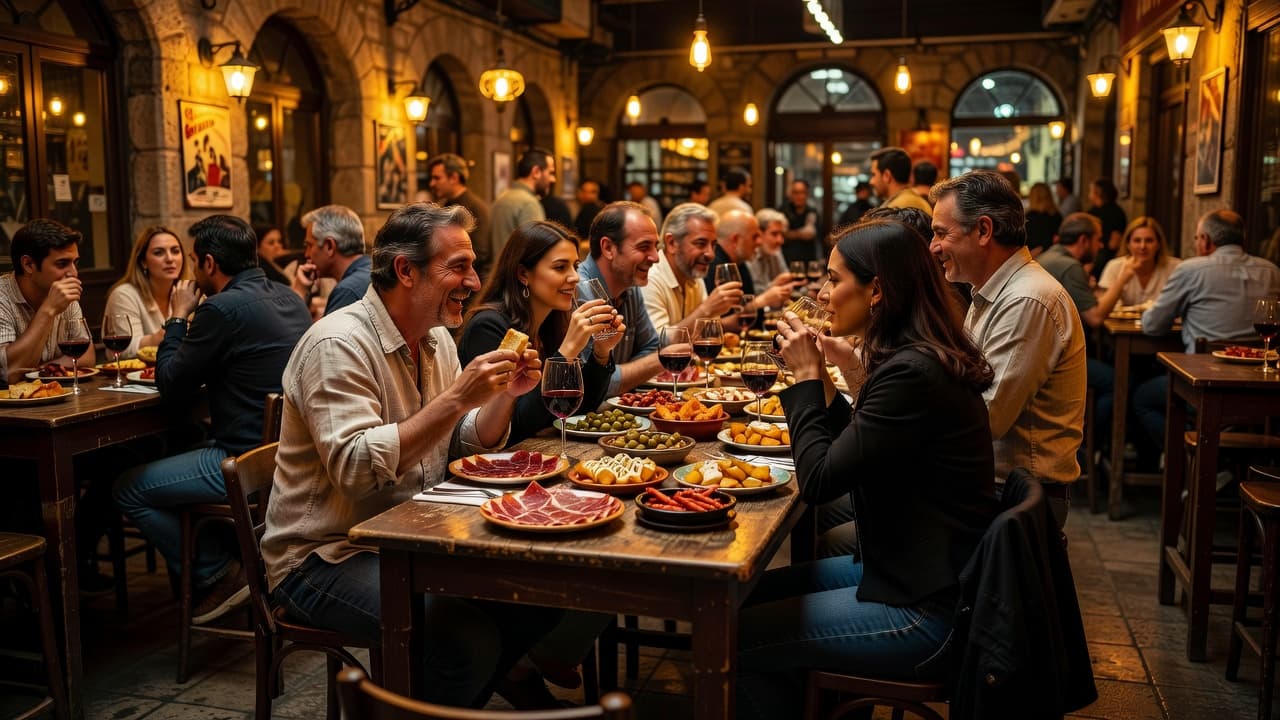
This is where a Madrid tapas itinerary starts to feel like itself. La Latina is home to many traditional tapas bars, and Cava Baja packs more than 50 of them into a short stretch. That sounds useful until people try to do all of it. Don’t. Pick a lane. Old tavern energy, classic pours, and a few well-chosen plates will beat a 12-stop blur every time.
A simple version works best. Start with vermouth or a caña. Order something cold first, such as gildas, boquerones, jamón ibérico, or olives. Then move into the warm plates, like tortilla, creamy croquetas, crispy patatas bravas, maybe mushrooms, maybe morcilla, or the thing the room seems to be ordering more than the menu is selling.
If you want a little homework before you go, Spain Revealed’s Cava Baja roundup is a useful skim. This tapas area cheatsheet is also handy for getting your bearings without handing your night over to somebody else’s exact route.
The best first night is not ambitious. It is confident. Two or three bars done well. One longer stop when you find the room with the right pace. A final drink nearby if you still have gas in the tank.
Do not bounce across the city after this for some famous club you booked out of panic. Good nights in Madrid usually stay in one zone. For many travelers, this classic tapas crawl becomes the absolute highlight of their entire tapas tour.
Day 2, one museum, a slower afternoon, then Chueca
This is the day people overcook.
Do not do the Prado, the Reina Sofia, Retiro, Gran Via, and a 10:30 dinner across town as if those are all one easy sweep. They are not. Pick one anchor. If art matters most, make it the Prado or Reina Sofia, not both. One serious museum a day is enough for almost everyone, and turning your morning into a semi-guided history tour of the local art scene is a great way to stay focused without burning out.
The area around the Prado and Barrio de las Letras makes an easy daytime loop. Coffee first. Museum second. Lunch after, and make it long enough to reset the day. Madrid improves when you stop treating lunch like a refuel stop.
After that, keep the afternoon soft. Walk through Retiro if you want air and space. Browse the streets in Las Letras if you want something lighter. The point is to hold something back for later.
Night two belongs to Chueca.
Chueca is bright, crowded, social, and easy to like. Exploring the neighborhood on your own offers a unique food and wine tour feel, as you can drift from one vibrant storefront to the next. The energy is immediate, but the better move is still dinner first. Start with tapas or small plates, then shift into cocktails or bars around Plaza de Chueca and Pedro Zerolo once the neighborhood is fully awake. The crowd is mixed, the pace is fast, and the whole area feels built for a night that can keep going without getting complicated.
Madrid’s tourism board keeps a good snapshot of the city’s main nightlife zones, and Chueca stays near the top for a reason. If you want more bar ideas to build your own tapas tour before choosing your own lane, TRAVELIFE’s Madrid tapas guide is a useful broader list.
If you have a show on Gran Via, this is also the cleanest night to do it. Eat nearby. Leave margin. Arrive early. Nights with a hard start time go bad fast when dinner is too far away.
Day 3, Malasaña, Conde Duque, and a night with more edge
Malasaña is better if your trip tilts local, creative, and a little messier in the right way. It feels like an authentic escape, serving as a neighborhood off the beaten path when compared to the more tourist-heavy zones of the city.
Do not rush there at 9 a.m. expecting magic. Let this day start later. Coffee, a slow breakfast, some wandering through Conde Duque, maybe a shop or two, maybe no real plan beyond staying north and keeping your energy intact. Malasaña works better when you meet it at its own speed.
By early evening, the neighborhood starts to click. First comes the casual bar energy, where you can find authentic gems hidden in plain sight, accompanied by a glass of excellent Spanish wine, craft beer, and sidewalk spill. Later comes the louder version, live rooms, packed bars, and the sort of momentum that makes one more stop sound smart.
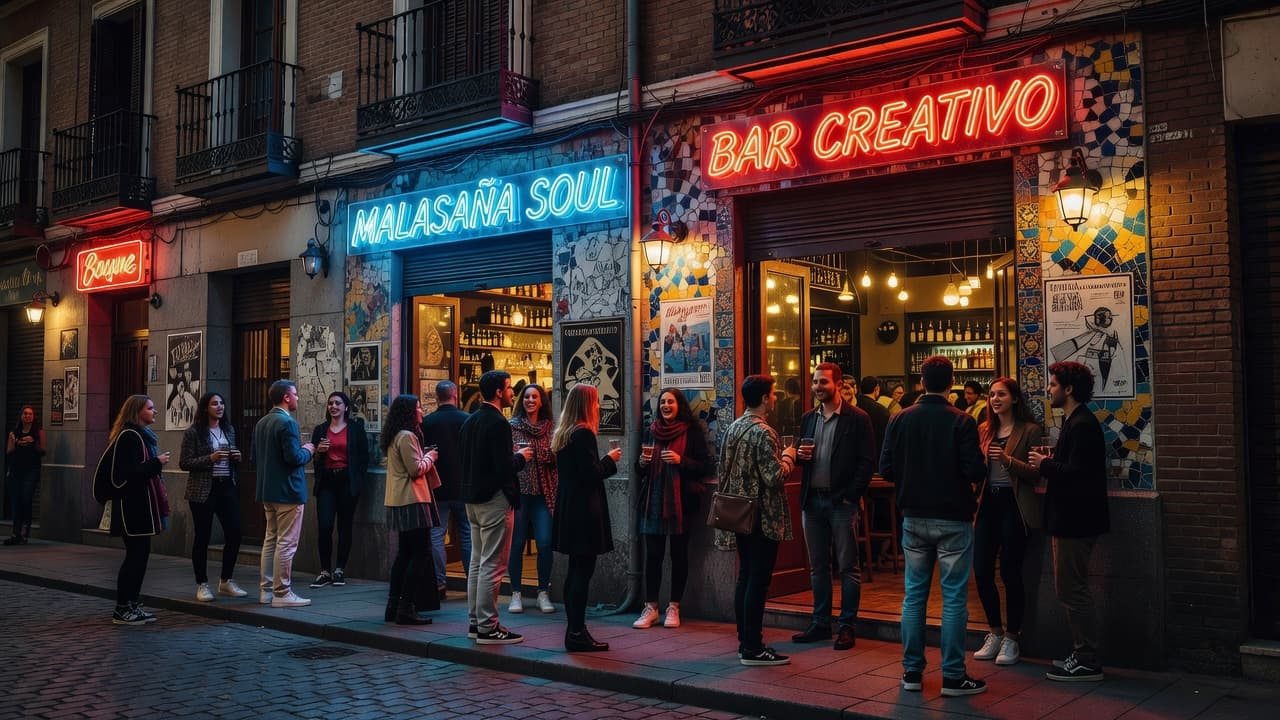
This is a good night to build around music if music is your thing. Book the show first. Then keep dinner close enough that you are not checking maps through the second drink. That one decision changes the whole night. You get to arrive relaxed, not sweaty and annoyed.
Malasaña also pairs well with the edge of Chamberi or Conde Duque if you want a slightly calmer dinner before the night opens up. That is often the better move. Big late dinners in the thick of the action can flatten the part after.
What you want here is not polish. It is texture. Rooms with personality. Streets that feel like they still belong to people who live there. A night that can go louder without turning into a logistics project.
The mistake is trying to combine this with Salamanca on the same night because both look close enough. On the map, maybe. In mood, not at all.
If you have more time, choose your version of Madrid
A fourth day only makes sense if there is a version of the city you have not hit yet.
Lavapies is the move if you want something more mixed, more casual, and less polished. The food scene jumps between cultures fast, and the nightlife can tilt toward smaller music spots, low-key bars, and nights that feel less staged. If your favorite travel memories usually come from the places that are a little rougher around the edges, this is your extra day.
Chamberi works if you want strong food without the same tourist gravity. Mercado de Vallehermoso is a good anchor here, especially if you like the idea of grazing, enjoying a local wine tasting, and letting the evening build slowly instead of sprinting toward it.
Salamanca is the opposite play. This is for dressier dinners, stronger cocktail programs, and a more composed kind of night. You will find that the refined house specialty dishes often elevate the experience, offering a modern twist compared to the city’s traditional tapas bars. While the vibe is upscale, the best way to eat remains communal; ordering a variety of raciones and sharing plates is the perfect way to sample the menu. Even in these sophisticated settings, you can still find authentic flavors that rival the city’s best family-run establishments. If that sounds like your speed, own it. Not every Madrid night has to end on a sticky floor.
There is also a case for doing nothing ambitious at all. Sleep a little later. Go back to the neighborhood that felt best. Have a proper lunch. Order another round instead of another ticket.
That is usually the difference between a trip that looked full on paper and one that still feels good when you think back on it. Madrid is generous when you stop trying to wring every district out in one pass.
Timing, transit, and the mistakes that ruin a good night
The biggest issue in Madrid is not distance. It is friction. If you want to avoid the common pitfalls that stifle your experience, consulting a local guide can help you navigate the city with ease.
A late lunch bleeds into an overlong museum. That pushes dinner back too far, or not far enough. Then somebody gets hungry at 7:30, eats the wrong thing in the wrong place, and the whole night never quite recovers. This city has a tempo. You do not need to copy it perfectly, but you do need to respect it.
Lunch around 2 p.m. makes sense here. Dinner around 9 or later usually makes more sense than fighting the clock. Bars fill differently as the night deepens. What feels dead at 8:15 can be buzzing at 10:30.
A few practical moves make a big difference:
- Use walking for the middle of the day, when the streets are part of the point.
- Use the metro for clean cross-town jumps, not for three unnecessary transfers.
- Take a taxi late if your dinner ran long or your shoes were a bad decision.
- Reserve the places that truly matter, not every meal.
- Let a local guide help you navigate authentic Spanish gastronomy, pointing out the best gambas al ajillo in the neighborhood before the crowds settle in.
- Protect a little downtime before your bigger night out.
That last one matters more than people admit. Madrid nights are long. If you stack a full museum day, a stadium tour, a market stop, and then try to rally for a 1 a.m. bar, you are not building momentum. You are borrowing against tomorrow.
Think of this entire trip like a perfectly paced food and wine tour, designed as a setlist. You open strong, change tempo, and leave enough in the tank for the finish. You do not throw the encore in the middle and then wonder why the room went flat.
Frequently Asked Questions
What is the best time to start a tapas crawl in Madrid?
While many bars open earlier, the true energy of a Madrid tapas crawl typically begins after 9:00 p.m. Starting your evening around this time ensures you experience the local buzz rather than the pre-dinner warm-up period.
Do I need to make reservations for every tapas bar?
For most casual tapas bars, reservations are not expected and often not possible. Reserve only for sit-down dinners at specific restaurants you are committed to, and leave the rest of your night open for moving between standing-room bars.
How should I get around Madrid at night?
Walking is the best way to move within your chosen neighborhood, as it allows you to spot interesting bars spontaneously. For returning to your hotel late at night, a taxi or ride-share is the most reliable and stress-free option, especially when public transport options dwindle.
Can I visit multiple neighborhoods in one night?
It is technically possible, but it usually ruins the flow of your night. Sticking to one district allows you to build momentum and find your favorite spots without wasting your evening on the metro or looking at a map.
Final thoughts
Madrid does not need to be conquered. It needs to be arranged.
The version of the city that works is simple, one neighborhood cluster, one real anchor, one dinner worth showing up for, and a night that stays close enough to stay fun. That is what turns a loose Madrid tapas itinerary into something with shape. While it helps to have a framework, leave enough room for spontaneity so you can truly enjoy the depth of Spanish gastronomy as you discover your own favorite spots.
If the city feels easier than expected, that usually means the plan was right. Madrid should feel like momentum, not maintenance. Let your curiosity lead the way, and you will find that the best tapas tour is the one that lets you experience the soul of the city at your own pace.
If southern Spain is calling next, our Seville tapas itinerary covers a different Andalusian rhythm with its own distinct tapas culture.