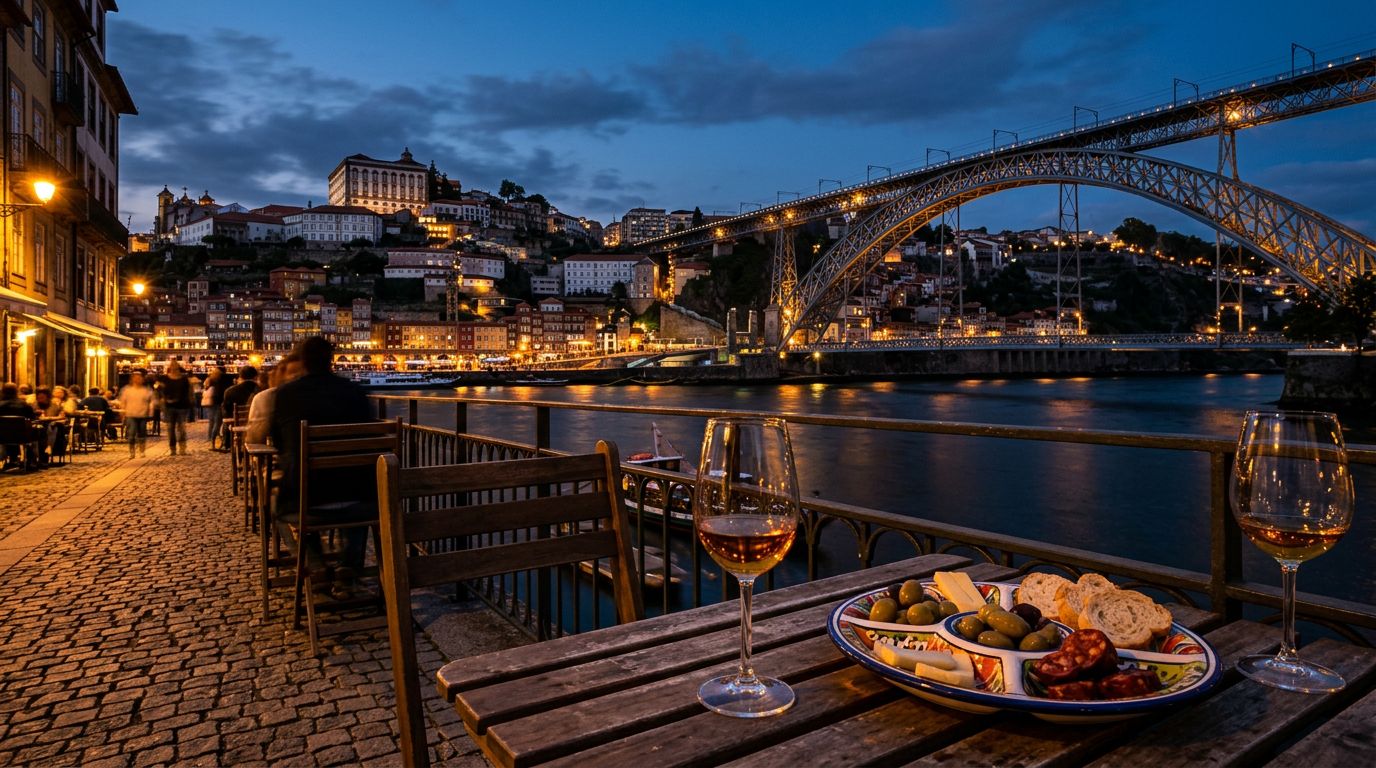
Porto is small enough to look easy, and good enough to get overplanned fast. This is particularly true of the historic center, a beautiful UNESCO World Heritage site that can quickly become overwhelming for visitors trying to see it all at once.
That is how people end up sprinting from a cellar tasting to a church, across the bridge, and back uphill for dinner, only to wonder why the city felt like a endless climb of stairs with a side of wine. A smart Porto itinerary is tighter than that. One anchor, one neighborhood cluster, and one night that has room to breathe.
If you want the version that lands, build around food, river light, and the kind of bars where one glass turns into three for the right reasons.
Key Takeaways
- Prioritize Pace Over Volume: Porto is a hilly, compact city where over-planning leads to exhaustion. Focus on one anchor activity per day and leave room for spontaneous exploration.
- Choose Your Base Wisely: Where you stay dictates your evening experience; pick a neighborhood—like Baixa for balance or Cedofeita for local vibes—to minimize uphill walks after dinner.
- Master the Art of the Petisco: Structure your dining in layers with small plates and wine throughout the afternoon rather than rushing into one singular, heavy meal.
- Optimize for Logistics: Use public transit for clean, efficient jumps across the city, but don’t hesitate to use a ride-share late at night to avoid the city’s steep inclines.
What makes a Porto itinerary actually work
Porto is not the kind of city that needs a heroic schedule. It needs good sequencing.
The mistake is assuming the map tells the truth. It doesn’t. A few blocks can mean a steep climb, a staircase, a bridge crossing, and legs that are done by 9 p.m. The city gets better when you stop asking one afternoon to do the work of three.
Think of the trip like a setlist. You don’t open with the encore, reset the room twice, and then act surprised when the energy drops. Porto works the same way. Start with one main idea for the day, let the streets around it fill in the rest, and keep dinner close enough that the night still feels fun.
Walking is still the right default. This city rewards street-level attention, and a self-guided walking tour is the best way to admire the intricate azulejos that decorate the local architecture. You notice tiny bottle shops, old men outside cafes, and alley views that do more than some paid attraction. Use public transportation for clean jumps, not for rescuing a bad plan. Use a ride-share late, when the hills start feeling personal and one more transfer sounds like a bad joke.
From Porto Airport, the Metro Line E is the clean arrival move if your hotel lines up with the center. If you’re landing late or carrying more than a weekend bag, take the easier ride and start fresh. Small friction adds up here. Remove enough of it, and Porto starts feeling smooth.
The same rule applies all weekend. One market, one long lunch, one wine bar with a view, one dinner worth dressing for. That is a city day. Anything more starts to feel like admin.
Where to stay so your evenings still work
Your hotel is not only where you sleep. In Porto, it is where you buy time back.
A cheaper room far from the action can lose its value fast once late rides, uphill walks, and tired returns start stacking up. If your trip leans food-first and wine-heavy, stay where your dinner, after-drinks, and walk home all live in the same orbit.
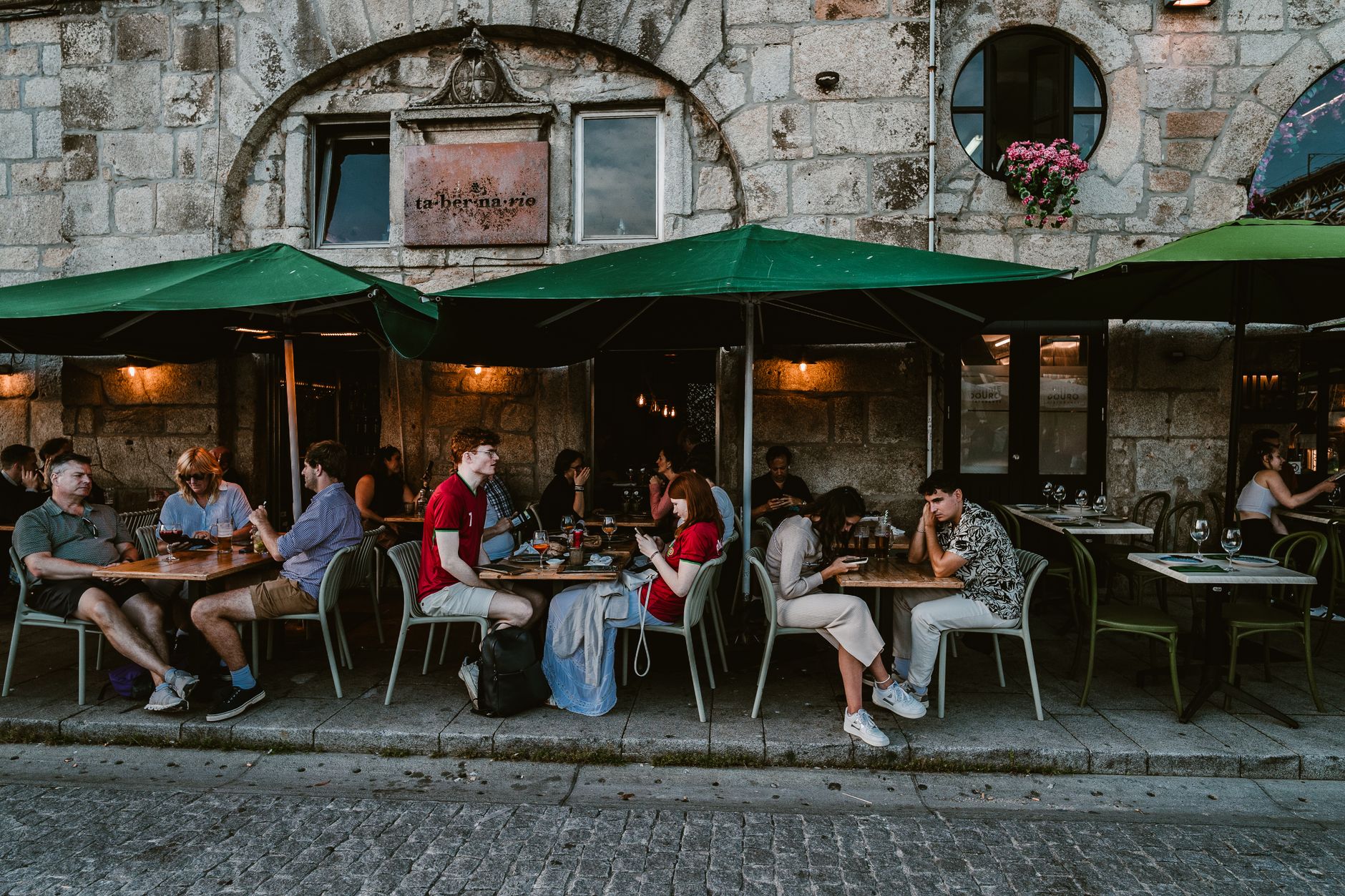
Photo by Uiliam Nörnberg
This quick breakdown keeps the trade-offs honest:
| Area | Best for | What it feels like |
|---|---|---|
| ribeira district | First trips, postcard walks, river access | Scenic, busy, easy, more tourist-heavy |
| Baixa and Aliados | Mixed plans, transit, flexible days | Central, practical, lively |
| Cedofeita and Galerias | Bars, creative energy, later nights | Local, younger, looser |
| vila nova de gaia | Cellar tastings, bridge views, slower evenings | Polished, calmer, more spread out |
The ribeira district looks great and makes sense for a first visit, but it can feel a little stage-set in peak hours. Baixa is the most balanced base if you want easy movement without giving up atmosphere. Cedofeita is better if your trip tilts local, design-forward, and late-night. vila nova de gaia works if port lodges and river views are the point, and it provides the added benefit of sweeping views across the river toward the beautiful douro valley, though you will trade some spontaneity for the scenery.
If you only remember one thing here, make it this: stay where your nights make sense. Porto is compact, but tired feet and steep streets can turn a good dinner into a logistical problem.
A 3-day Porto itinerary that flows
Day 1: Baixa, Ribeira, and your first proper river night
Start in Baixa and keep the morning loose. Sao Bento station, Rua das Flores, and the lanes around Clerigos tower give you a strong first read on the city without flattening your energy before lunch. If Livraria Lello matters to you, book it and treat it like the day’s one timed stop, not the first stop in a sprint.
Make a point to visit the Porto cathedral before drifting downhill toward the Ribeira district. This part matters. Porto gets good when you stop trying to cover it and let the river pull the day forward. Browse, pause, and take the extra side street. The point is not to hit every church and viewpoint before sunset. The point is to arrive at evening with enough energy left to enjoy it.
If you want the cleanest opening-night move, make Wine Quay Bar your anchor. It is the right answer for petiscos, a proper wine list, and that Douro-facing light people fly across the ocean for. Get there early if you want a terrace seat. Sunset does not wait for your second-guessing.
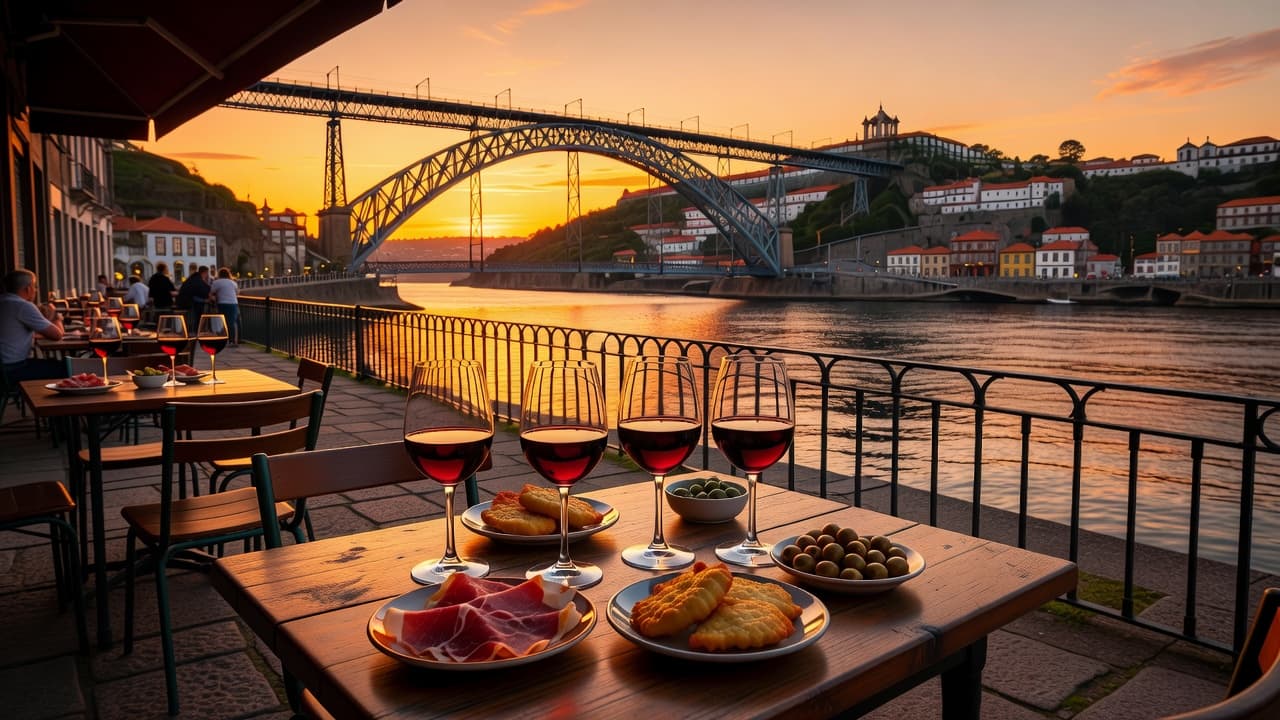
Keep dinner nearby, either in the Ribeira district or the lower edge of Baixa. First-night mistakes usually come from crossing town for a reservation that looked smarter on a map than it feels at 9 p.m. One river walk after dinner is enough. Porto does not need fireworks on night one. It needs rhythm.
Day 2: One cellar tasting in Gaia, then a better night back in Porto
This is the day people overdo when planning 3 days in porto.
You do not need five tastings, a full bridge photo tour, a huge lunch, and a midnight bar crawl. One cellar is culture. Four cellars is a hangover with educational branding. Pick one lodge in Vila Nova de Gaia that interests you, such as Taylor’s port, and book it ahead for the afternoon slot.
Cross the Dom Luis I bridge late morning or early afternoon. The lower riverfront in Vila Nova de Gaia is scenic, but consider adding a river cruise to your itinerary to see the city from the water. Afterward, walk up toward Jardim do Morro or the Serra do Pilar for the wider perspective. It is one of those places where doing less works better.
Come back across the Dom Luis I bridge for the night. Prova Wine Food & Pleasure is a strong second-evening play, especially if you want something with a little more edge than the postcard terrace scene. The room has a cooler feel, the pours are serious, and the petiscos hold up. It also lands well after a port wine tasting because you can pivot into still wines and let the night change shape.
Dinner should stay in Baixa or Cedofeita. Keep the late plan simple. One more glass, maybe a music stop, maybe not. Porto rewards restraint more than bravado.
Day 3: Cedofeita by day, then one last bottle by the river
For the final day, stop chasing icons you missed and go after tone.
Start at the Bolhao market to feel the local pulse, then visit the ornate Bolsa palace for a dose of history. Cedofeita and the surrounding streets give you a different version of Porto. More local shops, better wandering, and fewer forced photo stops. If your travel style runs more neighborhood than monument, this part of the city makes a lot of sense.
In the afternoon, you have two clean options. If you want sea air, go out to Foz do Douro and walk the waterfront. It is a strong contrast after two days in the center and a good reminder that Porto can do elegance without trying too hard. If you would rather stay central, keep drifting through galleries, cafes, and quieter wine spots, then save your energy for the night.
Your final evening should circle back to the river, but with a calmer tone than night one. Arco das Verdades is a smart move if you want artisanal Portuguese wines and one more big view of the Dom Luis I bridge. Enjoy the sunset views while you sip, order a few small plates, and let the city slow down around you.
If you still want more after dinner, head toward Galerias and keep it flexible. Some trips need a late-room finish. Some don’t. Porto is good at both, as long as you do not force the wrong ending onto the wrong night.
What to order, and how to pace the food and wine
Petiscos are not a side quest in Porto. They are part of the structure.
This city makes more sense when you eat in layers. A few small plates with a glass in late afternoon, dinner that starts a little later, maybe one more stop after. Trying to compress everything into one giant meal misses the point.
Start light. Salt cod fritters, croquettes, octopus salad, presunto, local cheeses, good olives, and high quality tinned fish are perfect starters. If you want something heartier, you might share a francesinha, the city’s iconic, sauce-drenched sandwich, or grab a smaller bite like pica-pau. If you are still craving a sweet finish, a classic pastel de nata is the only way to round out your meal. Remember, petiscos should keep the night moving, not end it early.
With wine, keep the first order situational. Daytime and warm weather call for vinho verde, crisp whites from the nearby Douro Valley, or even white port with tonic. Sunset near the river is red wine territory, and since those grapes are grown in the rugged landscape of the Douro Valley, the local reds are always a great choice. You should save the richer styles found at the various port wine cellars for later in the evening, unless a dedicated visit to one of the port wine cellars is the primary focus of your afternoon.
One cellar tasting, one wine bar, one dinner that matters. That is a Porto night.
If you want to cross-check what is getting talked about right now, this Porto hidden gems thread is worth a skim before you go. Use it for ideas, not doctrine.
The bigger point is pacing. Don’t spend your whole evening orbiting the “must-try” place if the room is wrong, the timing is off, or the second option looks more fun. In Porto, the right table at the right hour usually beats the famous one booked with too much optimism. If you are really hungry, you can always seek out a francesinha at a more casual spot to cap off your night. Just keep in mind that a francesinha is a heavy dish, so pace your day accordingly.
The little decisions that make Porto better
A strong Porto itinerary is mostly made of small calls that save the day later.
Book the things that create friction if you leave them loose. That means one or two dinner reservations, one cellar tasting if it matters, and any hard-ticket stop you actually care about. If you are looking to dive deeper into local culinary traditions, check for workshops at the Bolhao Market and book those ahead. Everything else should have some air around it.
Wear shoes with grip. This sounds boring until you hit polished stone after a drink and start negotiating with gravity. Porto is beautiful, but it is not flat, and it is not interested in your fragile fashion choices. While a walking tour is a fantastic way to see the city, ensure you are pacing yourself through the historic center so you do not burn out by mid-afternoon.
Try to keep one pocket of unplanned time each day. This city gives a lot back at street speed. The cafe you did not mean to sit in, the bottle shop you wander into, or the lane that opens to the river at the exact right moment are often the highlights of the trip. If you have extra time, a day trip to the Douro Valley is a popular addition, though many travelers prefer to spend a full day trip exploring the hidden corners of the city instead of rushing.
Late at night, stop being heroic. Use a ride-share if the return is uphill, across town, or one bridge too many. While a walking tour of the nightlife is fun, transit should not be doing all the heavy lifting. The metro, easily accessible from hubs like Sao Bento station, is there for clean jumps. It is not there to rescue a day you built poorly.
If the weather looks mixed, layer up. Porto evenings by the water can turn cooler than the afternoon suggests, and nobody gets more charming after shivering through the last drink. Remember that if you take a day trip out of town, conditions can shift rapidly, so plan your wardrobe accordingly.
Most of all, do not confuse volume with quality. Porto is not a city you conquer by stacking more into the plan. It opens when you edit, leaving you more energy for another day trip or a quiet glass of wine by the Douro.
Frequently Asked Questions
Do I really need to book everything in advance for Porto?
You only need to book the “friction” items, such as popular dinner spots, one cellar tour in Gaia, or specific attractions like Livraria Lello. Everything else should remain loose so you can enjoy the city at street-level pace without feeling trapped by a rigid schedule.
Is one day enough for Vila Nova de Gaia?
Yes, one day is plenty if you stick to a single, high-quality cellar tour and leave time for the riverfront views. Trying to visit multiple cellars in one afternoon often leads to fatigue, so pick one lodge, book it, and enjoy the rest of the day taking in the scenery.
Is the Ribeira district the best place to stay for a first-time visitor?
While the Ribeira district offers iconic views and central access, it can feel very tourist-heavy and crowded. If you want a more balanced experience, consider staying in Baixa, which provides excellent access to transit and dining while maintaining a more authentic city atmosphere.
What is the best way to handle the hilly terrain?
Wear shoes with good grip, as the cobblestone streets can be slippery and steep. Plan your walking routes to minimize constant uphill trekking, and use the metro or ride-shares for long distances or returns at the end of a long night.
Final thoughts
The version of Porto that stays with you usually isn’t the busiest one. It is the one where the day made sense, the wine bar hit at the right hour, and the river felt close enough to end the night on foot.
Keep the plan tight. Let one anchor lead. Give meals real time. This Porto itinerary is designed to make 3 days in Porto feel seamless, ensuring you have enough time to admire the intricate azulejos covering the walls of the historic center. Whether you are finding the perfect spot for sunset views over the Douro or settling into a cozy tavern for a traditional fado show, the goal is to arrange the city so it stops fighting you.
That is when Porto turns from a pretty place into a trip with memory in it.