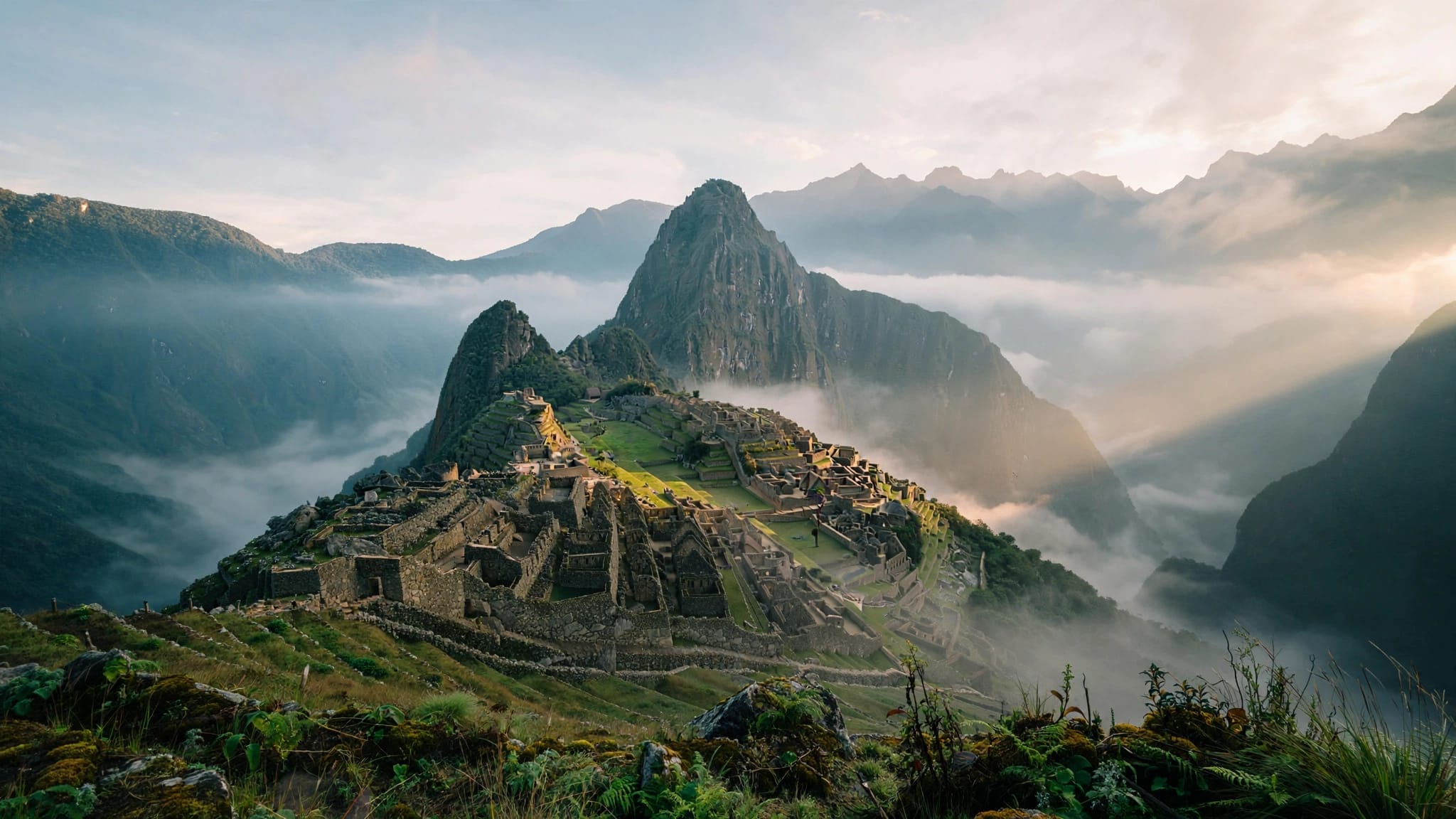
The difference between a beautiful Peru trip and an exhausting one is usually the order of the days. Your luxury Peru itinerary should protect time to enjoy the place, especially before Machu Picchu.
For a luxury trip to Peru, I’d give a first visit ten days: Lima for food and atmosphere, the Sacred Valley for a softer altitude adjustment, Machu Picchu for the main event, and Cusco for a proper finish.
Start with the route, then build the hotels, tables, and train journey around your time at Machu Picchu.
Key Takeaways
- Ten days gives a first Peru visit room for Lima, the Sacred Valley, Machu Picchu, and Cusco. Seven days works with tighter priorities, while fourteen allows one four-day extension.
- Stay in the Sacred Valley before Cusco to make the altitude adjustment gentler, and leave time for rest after arriving in the Andes.
- Book Machu Picchu admission separately from the train, and plan an overnight in Aguas Calientes to avoid rushing the visit.
- May or September are good months for this route. Set aside about $15,000 for a couple’s ten-day land budget, excluding international flights.
Choose Seven, Ten, or Fourteen Days
Ten days gives this journey its best balance. Seven works with sharper priorities; fourteen allows one substantial extension without sacrificing the core experience.
Here’s how I’d divide the time.
| Trip Length | Suggested Route | Best Fit |
|---|---|---|
| 7 days | 1 Lima, 2 Sacred Valley, 2 Machu Picchu, 2 Cusco | Travelers focused on the Andes |
| 10 days | 2 Lima, 3 Sacred Valley, 2 Machu Picchu, 3 Cusco | A first visit with breathing room |
| 14 days | The ten-day route plus one four-day extension | Amazon, trekking, or Lake Titicaca |
These are calendar days, including transfers, rather than full sightseeing days.
For two weeks, I’d choose one extension. Trying to fit the Amazon, Lake Titicaca, and the Andes together turns too much of the trip into airport time.
Days 1 and 2: Give Lima a Proper Opening
Day 1: Coastline, Ceviche, and an Easy Evening
Stay in Miraflores for polished convenience or Barranco if galleries, cocktails, and music shape your evenings. Arrival day should stay close to your hotel, especially after an overnight flight.
Walk the Pacific-facing Malecón, make ceviche lunch the first food priority, and leave space before dinner. Save the evening for criollo or Nikkei cooking rather than another seafood-heavy meal.
I like a first night with one strong reservation, a well-made pisco sour if you want a cocktail, and an uncomplicated ride home. Long-haul travel already asks enough of you.
Day 2: Historic Lima, Then Dinner With Room to Linger
Take a private guided morning through the Historic Centre, inscribed on UNESCO’s World Heritage List in 1988. The Cathedral of Lima dates to the 16th century; Peru now has 13 UNESCO-listed properties.
Keep lunch nearby at El Pacífico in historic Lima, then return to your hotel before the evening. Lomo saltado introduces Peru’s Chinese-influenced cooking; a pisco sour belongs later, when you’re settled.
My Lima dining and nightlife itinerary expands the coastal neighborhoods and after-dark options. Give Lima a third day if food is a major reason you’re traveling.
Days 3 to 5: Make the Sacred Valley Your Base
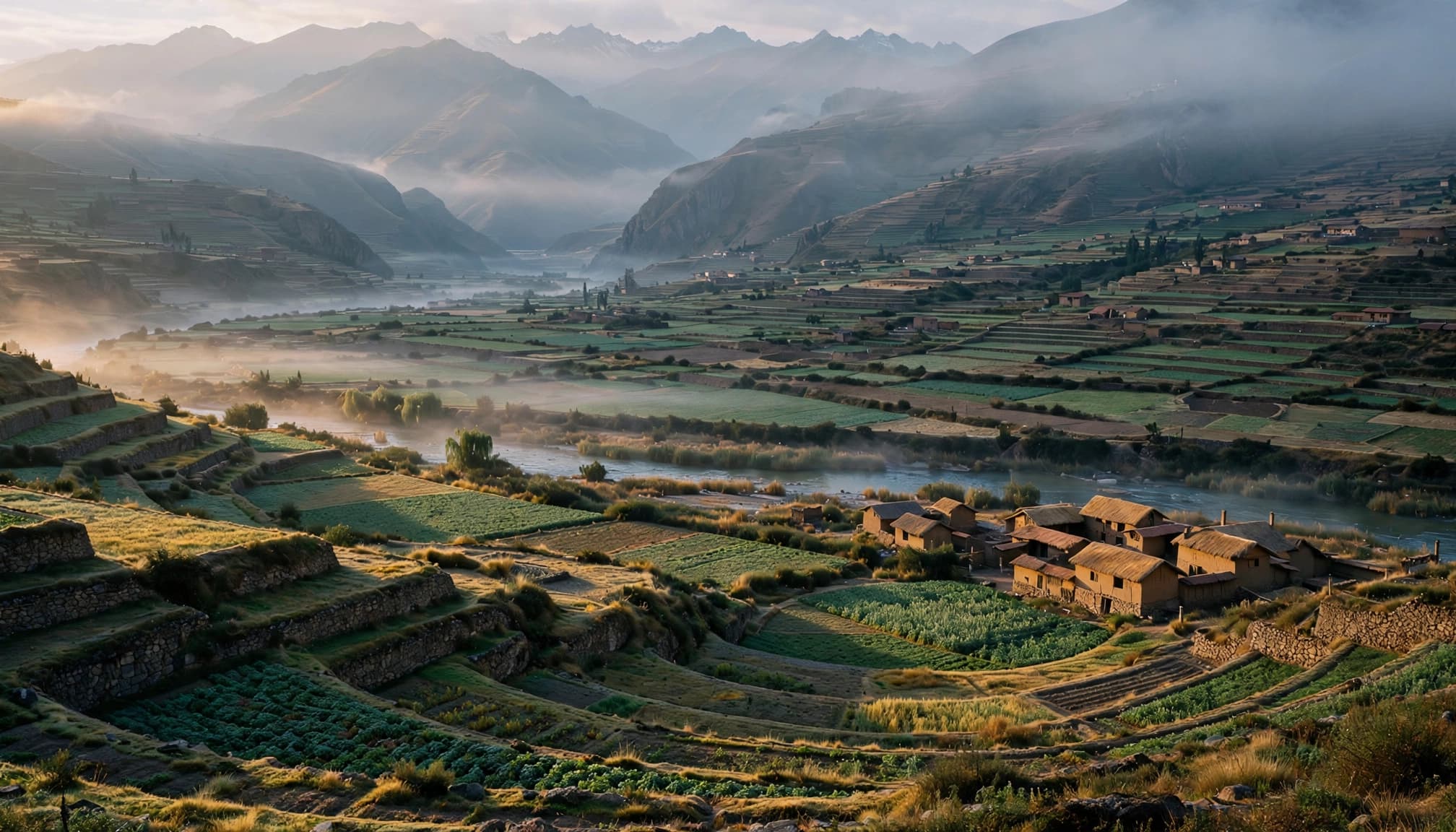
Day 3: Fly to Cusco, Then Sleep Lower
The Lima-to-Cusco flight takes roughly 90 minutes. Allow around two hours afterward for a private road transfer to your hotel, depending on its location and traffic.
Cusco sits at about 3,400 metres, or 11,150 feet. Much of the valley is lower, which makes it my preferred first sleeping base.
Inkaterra Hacienda Urubamba is a strong luxury choice for this stretch. At this Inkaterra property, keep arrival afternoon to lunch, the mountain view, and rest. Your first Andean day doesn’t need a summit or an ambitious archaeological circuit.
Days 4 and 5: Pair Sites That Belong Together
Spend day four around Pisac’s archaeological park and artisan market. A private guide adds context to the terraces, while an unhurried market visit leaves time to understand what you’re buying.
On day five, choose Moray’s circular terraces and the Maras salt pans, or Chinchero’s market, weaving traditions, and Spanish colonial church. Don’t force all three into a compressed morning.
Visit Ollantaytambo’s fortress, terraces, and irrigation channels before your train departure on day six. This keeps the route moving forward. I’d arrange a focused textile encounter rather than a shopping stop disguised as cultural access.
Choose the Right Train to Machu Picchu
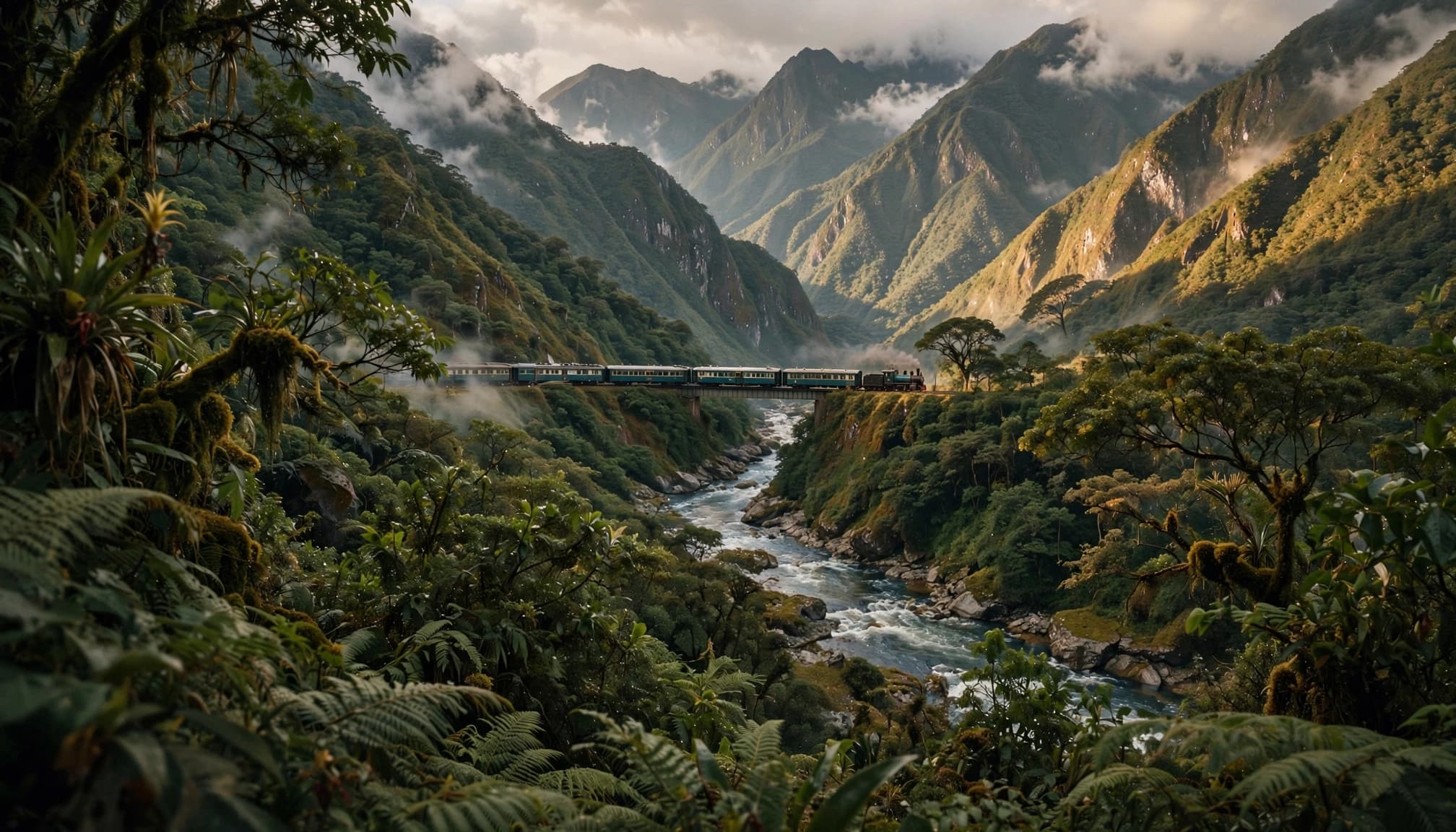
Belmond Hiram Bingham: Make the Journey an Occasion
The Belmond Hiram Bingham suits travelers who want the train itself to be a centerpiece. Dining, polished service, and vintage-inspired carriages give the journey a more ceremonial feel.
Departures involve Cusco-area or Sacred Valley stations, depending on the service. The arrival point is Aguas Calientes, also called Machu Picchu Pueblo.
Belmond states that a train ticket doesn’t guarantee citadel admission. I treat the railway booking and archaeological entry as separate planning tasks, even when parts of the experience are bundled.
Inca Rail First Class: A Strong Sacred Valley Fit
Inca Rail’s First-Class service usually departs from Ollantaytambo. Its onboard offering includes dining, wine pairings, a bar-lounge car, and live saxophone performances.
The journey is roughly 1.5 hours. Starting in Cusco adds a road segment to Ollantaytambo, commonly around 1.5 to two hours.
I’d choose this service when the valley is your established base and the departure fits your overnight stay. Premium carriages are worthwhile, but the right schedule has greater practical value than the name alone.
Days 6 and 7: Give Machu Picchu Its Own Space
Day 6: Arrive Without Racing the Clock
After Ollantaytambo, travel to Aguas Calientes and settle into Inkaterra Machu Picchu Pueblo Hotel. The Inkaterra property’s garden setting gives the overnight a calmer character than a same-day return.
Carry a small overnight bag and arrange storage or onward transfer for your larger luggage. Rail baggage allowances make this a useful detail to resolve early.
Keep dinner easy and get some sleep. Taking the train and visiting the ruins on separate days removes pressure from the arrival and gives you more control over your entry time.
Day 7: Early Entry, Private Guiding, Realistic Expectations
Machu Picchu is the anchor of this luxury Peru itinerary. I’d target an early entry with a private guide, rather than organize the entire experience around a day-tripper’s train connection.
A sunrise visit can reduce overlap with later arrivals. It doesn’t promise solitude or clear skies.
Admission is tied to a specific route and entry time. Secure your official Machu Picchu admission before fixing the surrounding bookings. The ticket and circuit guidance helps distinguish the available visit options.
Return toward Cusco afterward, with enough transfer margin to avoid a late dinner commitment.
Days 8 to 10: Finish in Cusco With Character
Historic Hotels, Good Food, and One Music Night
Belmond Hotel Monasterio, housed in a former 16th-century monastery, suits travelers drawn to historic atmosphere. Palacio del Inka, a Luxury Collection Hotel, is another established luxury option.
Give Cusco a guided cultural morning, then leave the afternoon open for San Blas, shopping, or your hotel courtyard.
For dinner, I’d consider Piedra y Sal in San Blas, followed by Casa Palacio Jazz Bar. Keep the evening compact. If music matters to you, dinner should support the performance timing.
Cuy, or guinea pig, is a traditional Andean dish worth considering if you’re curious about regional food.
Rainbow Mountain Is an Optional Commitment
Vinicunca, commonly called Rainbow Mountain, reaches over 5,000 metres, or 16,400 feet. It’s a demanding excursion, even after several nights in the Andes.
Longer Rainbow Mountain approaches can involve roughly ten kilometres round trip and two to three hours walking each way. Shorter approaches exist, so distance depends on the route.
I’d reserve a Rainbow Mountain outing for travelers who are acclimatized, comfortable hiking, and genuinely interested in the mountain. Others should keep a slower Cusco day.
Use day ten for your flight connection through Lima. A protected connection is worth more than one final rushed sightseeing stop.
Choose the Season and Respect the Altitude
May through October is broadly the drier Andean travel window. June through August usually offers the most dependable dry conditions, alongside stronger demand and colder nights.
I like May or September for this route. October can work beautifully, but it’s a transition month, with a greater chance of rain. Clear skies are never guaranteed.
Cusco is often used as an acclimatization base, but sleeping lower in the Sacred Valley first makes the sequence gentler. Machu Picchu itself sits around 2,430 metres, lower than Cusco.
Drink water regularly, eat normal meals, and take it easy on arrival. Hydration doesn’t prevent altitude illness, and a luxury hotel doesn’t remove the risk.
Persistent headache, nausea, or unusual fatigue deserves attention. Breathlessness at rest, confusion, or difficulty walking requires urgent medical help and descent. Travelers with relevant medical conditions or previous altitude illness should discuss the trip with a clinician before departure.
Add a Trek or One Four-Day Extension
Inca Trail or Salkantay: Choose for the Walking
The Inca Trail combines archaeological sites with the approach to Machu Picchu. It requires a permit arranged through a licensed operator, and the classic route usually takes four days.
Salkantay emphasizes mountain scenery and is often less crowded than the classic Inca Trail. It also involves serious elevation and more demanding walking.
For an active luxury trip, I’d prioritize excellent guiding, reliable equipment, and comfortable overnight arrangements. Trekking should replace part of the standard itinerary, not sit on top of it. Both choices need several acclimatization days before departure.
Amazon or Lake Titicaca: Change the Experience
For rainforest, choose a luxury lodge near Puerto Maldonado or a four-night river cruise departing from Iquitos. The cruise option needs flight time on either side, so it may require shortening the core route or extending beyond fourteen days.
Lake Titicaca is South America’s largest freshwater lake and is widely described as the world’s highest navigable lake. The Uros floating reed islands and Taquile Island are standard excursions.
I’d choose Titicaca for cultural encounters and lake scenery, or the Amazon for wildlife and a complete change of climate. Titicaca remains high-altitude travel; it isn’t a recovery stop.
What to Budget for a Luxury Peru Itinerary
For a couple planning a luxury trip to Peru, I’d start this ten-day conversation with a $15,000 land budget, excluding international flights. That’s an initial spending target, not a published package price.
The final total depends on room category, season, train service, meals, and how much private guiding you want. Suites and the Hiram Bingham can change the allocation substantially.
Before paying for upgrades, prioritize private airport transfers, well-paced guiding, secured Machu Picchu admission, and the right hotel locations.
My approach to custom planning for complex trips starts with those fixed points. The premium should buy fewer logistical decisions during the trip and more time inside the experiences you came for.
Frequently Asked Questions
How many days do you need for a luxury Peru itinerary?
Ten days gives a first visit a balanced pace for Lima, the Sacred Valley, Machu Picchu, and Cusco. Seven days can work for travelers focused on the Andes, while fourteen days allows one substantial extension.
Where should you stay first to adjust to the altitude?
Use the Sacred Valley as your first overnight base after flying from Lima to Cusco. Much of the valley is lower than Cusco, which sits at about 3,400 metres, or 11,150 feet.
Do you need to book Machu Picchu admission separately from the train?
Yes. A train ticket doesn’t guarantee admission, and Machu Picchu entry is tied to a specific route and time. Secure admission before fixing the surrounding bookings.
When is the best time to visit Peru on this itinerary?
May through October is broadly the drier Andean travel window, with June through August usually bringing the most dependable dry conditions. May and September are good options, though clear skies aren’t guaranteed.
A Peru Trip With Room to Enjoy It
Machu Picchu deserves a carefully timed visit, but the surrounding days give the journey its character. A long Lima lunch, valley light, and a Cusco music night each deserve space.
I’d build around the right pace first, then tailor the food, hotels, and adventure to you. The strongest itinerary leaves you free to enjoy Peru without spending every afternoon watching the clock.