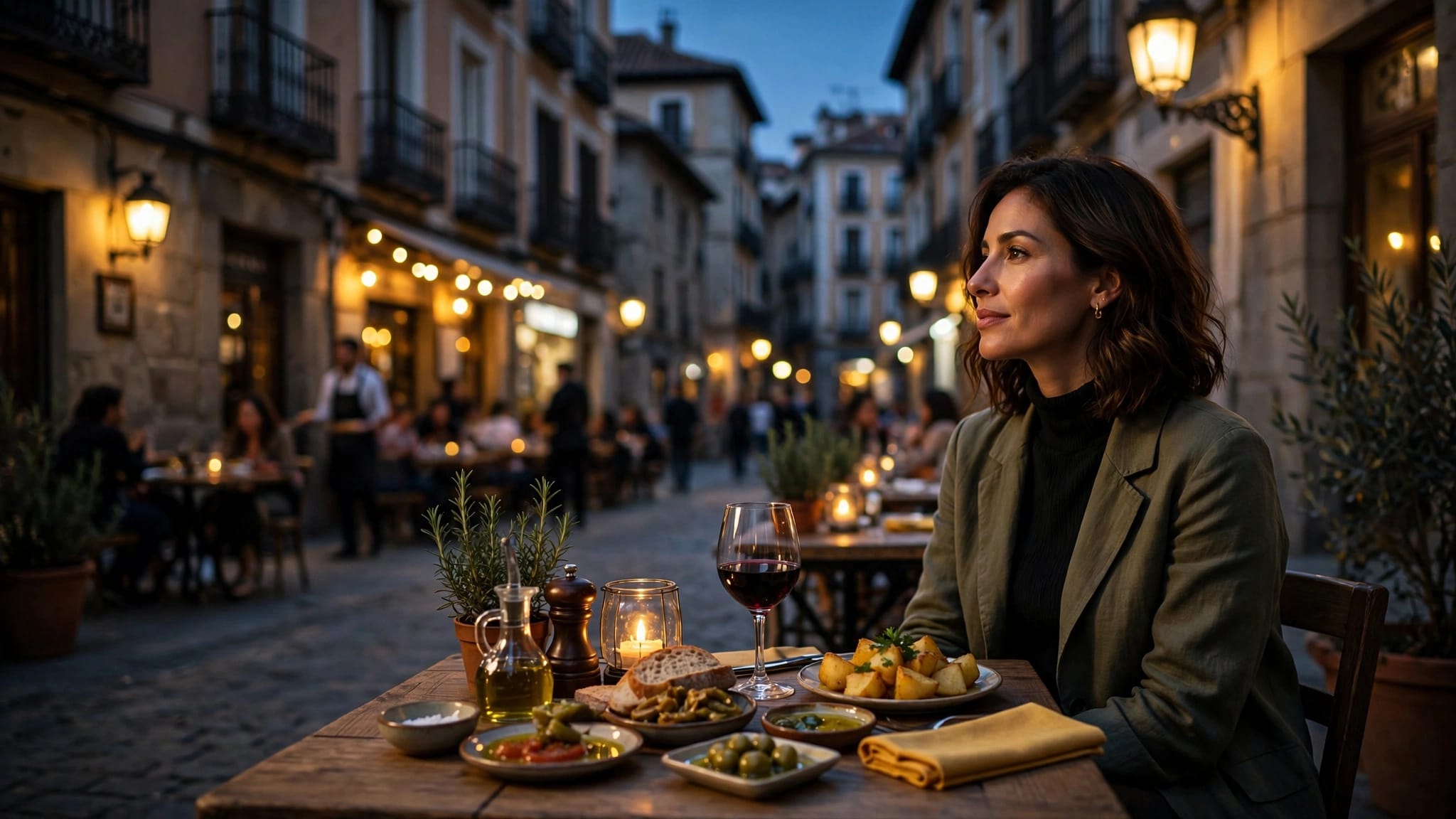
A great solo trip should not end because every kitchen has closed by 9 p.m. Solo travel Europe gets better when dinner is part of the night, not a rushed stop between sightseeing and an early return to the hotel.
The best European destinations give you a real rhythm: a relaxed aperitivo, a table where dining alone feels natural, a nearby bar or live set, and an easy way back when you’re ready. Shoulder season can bring full restaurant energy with more manageable crowds, while travel safety starts with choosing a city and neighborhood that fit your plans. In the right area, boutique hotels may matter more than extra room features, making the difference between seeing a place and settling into it.
Key Takeaways
- Madrid is the strongest overall choice for polished late dinners and neighborhood energy. Dinner often starts around 9:30 p.m., later on weekends and in busy tourist areas.
- Seville is the easiest first pick for warm streets, late tapas, and a compact historic center made for wandering.
- Lisbon offers a softer late-night city break. Book dinner in advance, especially on weekends and during peak season, then let Fado, wine bars, and viewpoints carry the evening.
- Barcelona and Rome reward advance reservations, but late-night transport varies by neighborhood and hour. Plan your return route before the first drink.
- When comparing boutique hotels, location matters more than an extra design feature. A short walk home is a simple travel safety choice that changes the entire night.
Why Solo Travel Europe Works Better After 9 p.m.
Late dining is not about staying out for the sake of it. It is about having room for the day to breathe.
Museums run long. A neighborhood pulls you in. You find a cafe that deserves a second coffee. When dinner starts at 9 or 10 p.m., none of that feels like a scheduling problem.
A Good Solo Dinner Has Momentum
The best solo table is rarely the most formal one. It is a counter seat with a view of the room, a small terrace where you can people-watch, or a bar menu with enough range to make one glass turn into two.
I look for a restaurant that sits inside a larger evening. Dinner, one great bar, and a walk through streets that still feel alive. No cross-city transfers. No race against the last metro.
A late table only works when the route home is already handled. The best nights feel loose because the logistics are not.
Timing Is Part of the Experience
Spain is built for this rhythm. Dinner commonly starts around 9 p.m. or later, and local culture keeps the city energetic afterward. Lisbon often follows an earlier window, with dinner running from 7 p.m. to 10 p.m. A 9 p.m. reservation still fits beautifully, especially when your travel itinerary leaves room for it.
Rome and Barcelona support late dining, but popular rooms fill quickly. Kitchen hours can vary by season, weekday, and neighborhood, especially outside tourist centers. Public transportation schedules determine how far from your hotel you should eat. Boutique hotels near the evening’s main neighborhood can simplify the return. For travel safety, check the last metro or tram before sitting down, then choose a well-lit route. Good travel safety also means confirming a licensed taxi or ride-share option if service has already ended.
Madrid and Seville Lead the Late-Dining List
These are the best European cities for solo travelers who want a proper evening without having to manufacture one. Both are walkable, social, and strong enough to carry a long weekend without a packed itinerary.
Madrid Is Built for the Full Night
Madrid does not rush you. Start with a walk through La Latina or Salesas, or join one of the city’s walking tours before dinner. The city works particularly well for solo travelers who like dinner to feel polished but not precious.
Boutique hotels in central neighborhoods can keep dinner within walking distance. That makes it easier to enjoy Madrid’s late rhythm without planning every transfer.
For a classic option, Casa Lucio lists dinner service from 8 p.m. until 11:45 p.m. through Tourism Madrid. Its listed price range is EUR45 to EUR60, so reserve it for a night when you want a real occasion.
If you prefer a lighter, more social setup, Lobito de Mar has a tapas menu in its bar area Monday through Thursday. For budget travel, affordable tapas make it easier to keep the night flexible. Spanish local cuisine also feels natural at the bar, where eating alone is easy.
Madrid Metro service winds down around 1:30 a.m., but restaurant and Metro hours can vary by day and season. For travel safety, stay on crowded streets and use a licensed taxi or ride-share when the night runs later. Check official listings before relying on a late kitchen or return route. Madrid’s late rhythm is generous. Your route home should be just as deliberate.
Seville Feels Effortless on Foot
Seville is the choice when you want heat in the air, orange trees overhead, and a night that starts slow. Its compact historic old town makes dinner, a wine bar, and a final stroll easy to combine.
Dinner around 9 p.m. is common here, and 10 p.m. is still normal. Tourist-facing restaurants may offer earlier service than local tapas bars, so check the hours before choosing a table.
Stay near Santa Cruz, Alfalfa, or the edge of Alameda de Hercules. The historic center is compact enough that a late dinner, a wine bar, and a final stroll can live in the same orbit.
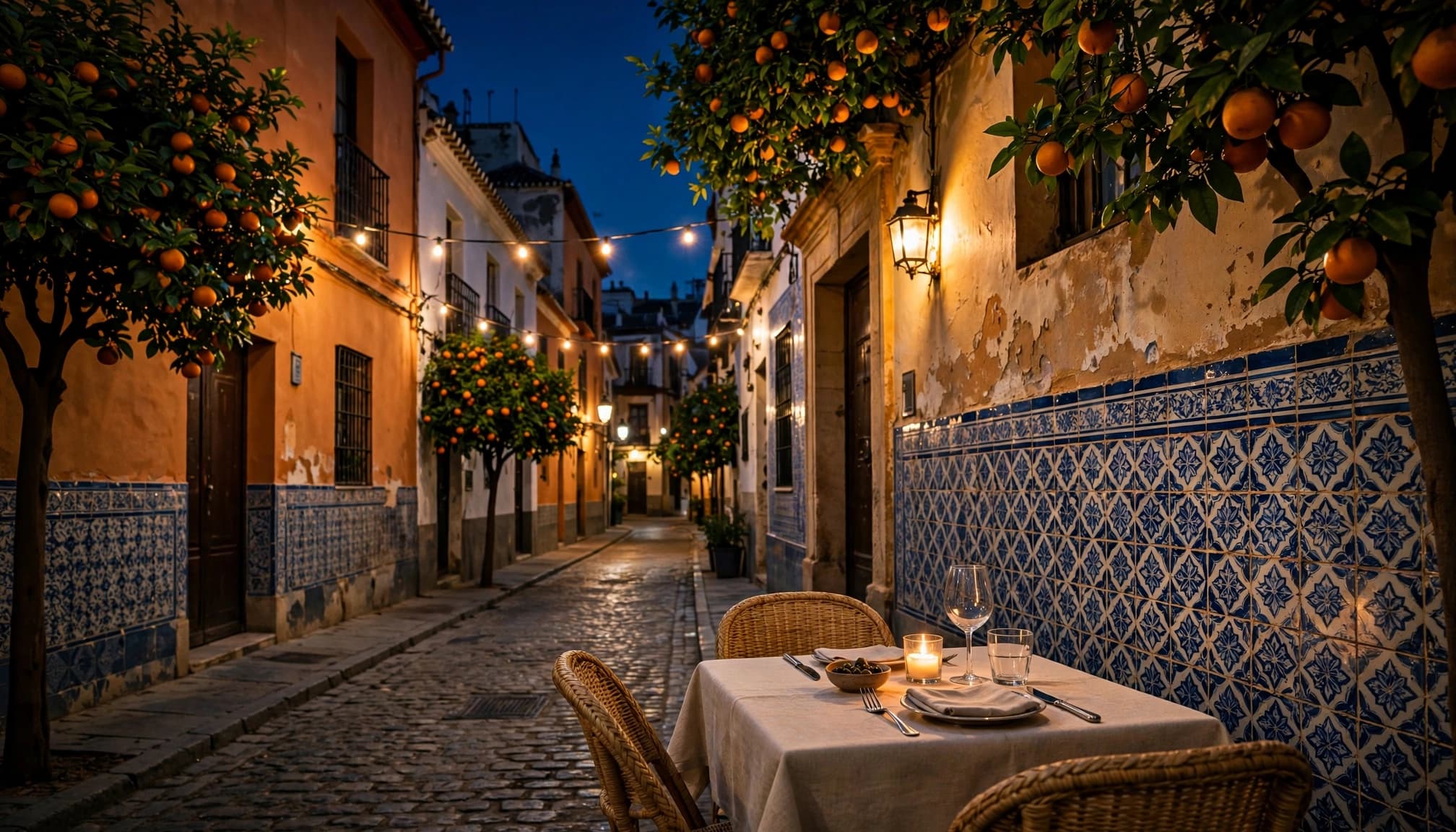
The food is social by design. Order a few tapas, sit at the bar if a terrace table feels too formal, and don’t overbook the night. For travel safety, stay within familiar neighborhoods and use licensed transport if you leave the center. Seville rewards a little space.
Spain is also a comfortable place to get your bearings on a first solo trip. This Spain solo travel guide is useful for practical hostel and independent-travel basics before you go.
Lisbon, Barcelona, Rome, and Budapest Each Need a Different Plan
These cities all work for solo travel. As travel destinations, they simply ask for different plans after dark.
Lisbon Is Soft, Hilly, and Food-First
Lisbon is a city of slow starts and long landings. Begin with a pastry and coffee, let lunch stretch, then reserve dinner for 8:30 or 9 p.m.
Bairro Alto and Cais do Sodre suit travelers who want bars, music, and late movement. Chiado and Principe Real are better for sharper dinners and cocktails. Alfama brings Fado and atmosphere, but the cobblestones and hills are real after a long night.
For a solo female traveler, these neighborhoods can feel welcoming without feeling identical. Alfama offers local culture and scenic views, while Bairro Alto stays livelier late. Weekend, seasonal, and holiday hours can change, so check the kitchen schedule before walking across town.
For Fado, the classic move is dinner after 9 p.m. followed by music, or drinks and music later in the evening. Rick Steves’ guide to Lisbon Fado captures that Alfama rhythm well. Lisbon also makes an easy base for optional day trips when you want a break from late nights.
Do not book a hotel at the top of a hill simply because the room looks beautiful online. A practical base matters more than choosing boutique hotels with difficult late-night access. Lisbon feels much bigger after midnight, so travel safety means planning your return and using licensed taxis or ride-shares when needed. For help matching the neighborhood to your pace, use this guide on how many days to spend in Lisbon.
Barcelona and Rome Reward Reservations
Barcelona gives you a natural late dinner window. Many restaurants do not get serious before 9 p.m., but popular tables disappear quickly on weekends. La Rambla, the Gothic Quarter, and crowded stations need more attention than local neighborhoods. Use these safety tips: secure your phone, zip your bag, and stay aware when nightlife crowds shift.
Weekend Metro service can make a later return easier, though schedules change by season and holiday. Keep your route ready before dinner. Good travel safety is mostly phone security, awareness in tourist-heavy areas, and knowing when to use a licensed taxi or ride-share.
Rome is for travelers who care about food enough to protect it on the calendar. Friday and Saturday dinner reservations at sought-after restaurants can need two to seven days of lead time. Solo diners often find counter seats easier than prime tables, but popular kitchens may still fill early.
Keep your hotel near your final neighborhood, because weekday Metro service generally ends before midnight. Rome’s local streets can feel calm while major sights stay crowded, so match your route and return plan to the neighborhood where you’ll eat.
Budapest Has Nightlife and Strong Value
Budapest is less about Mediterranean dinner theater and more about pairing a good meal with wine bars, thermal baths, ruin bars, or a concert. Kitchen hours can be flexible, but check current closing times before relying on a late meal. It gives solo travelers plenty of range without requiring London or Paris pricing.
The transit system is easy once you know one non-negotiable detail: validate tickets at Metro entrances and right after boarding buses or trams. Public transit is useful late, but save your final route before dinner, especially if your hotel is across the Danube. Weekend and holiday schedules can shift, so confirm the last connection before ordering another drink.
How to Dine Alone Without Making It a Whole Thing
Solo dining gets easier when you stop treating it as a special category. You are there because you wanted the table. That is enough.
Pick the Seat, Not Only the Restaurant
A chef’s counter, bar seat, wine bar, or terrace table gives you something to look at besides your phone. For a solo female traveler, it also creates an easier social setting without requiring conversation. Bring a book if you want one, but don’t use it as armor.
For a more ambitious reservation, ask for a bar seat when booking. Restaurants are often more willing to fit one person into a prime slot at the counter than at a two-top during peak hours.
Build one late dinner anchor each night. Group tours can fill the day, but independent evening plans keep dinner flexible. This works just as well when a backpacking trip includes a few planned restaurant nights.
Before leaving, add travel insurance to your general trip preparation. Then let breakfast, lunch, and casual snacks stay flexible.
Keep the Night in One Neighborhood
Don’t make public transportation rescue a scattered itinerary. Choose a neighborhood where your hotel, dinner, and after-drinks options are within a realistic walk or short ride. Boutique hotels can make that short, familiar walk home easier.
Public transit schedules vary by city and day, so check the final metro, tram, or bus before ordering another drink. Keeping the evening local is practical travel safety, especially when you can avoid an unfamiliar cross-city transfer after midnight.
Save a licensed taxi or rideshare option before heading out. That second travel safety step improves your choices if the walk feels uncomfortable or the last service has already left.
If live music is the reason for the trip, book the show first. Then place dinner within 15 to 20 minutes of the venue, with one late-food option saved for afterward. These concert travel planning tips make it easier to protect the evening without losing the following day. A verified return route and late-food backup improve flexibility, but they don’t guarantee safety.
Safety After Dark Is Mostly About Small Decisions
Travel safety starts with recognizing that European cities aren’t risk-free, and a lively street isn’t always a smart route home. Pickpocketing is the most common issue in major tourist zones, especially around crowded metros and late-night distractions. Watch your bag there, pay attention at ATMs, leave your passport in the hotel safe, and check local emergency numbers and current transit guidance.
For solo female travelers, practical solo travel tips and the best safety tips are also the least dramatic. Share your hotel address with someone you trust, use well-lit streets, and order a licensed car instead of walking an unfamiliar route alone at 2 a.m. Good travel safety also means avoiding unfamiliar transport and trusting the feeling that tells you to leave.
Spain is generally comfortable for independent travel, but travel safety still depends on common sense. Check your travel insurance coverage before departure, and choose boutique hotels or other lodging with a staffed, well-reviewed location when it suits your budget. These Spain travel tips for first-timers are a useful refresher on late-night city habits and transit.
Stay Close to the Night You Want
A cheaper hotel across town can look smart on paper, then cost you time, rides, and energy every night. Protect your travel budget by prioritizing neighborhood over room size. Proximity is the ultimate amenity when food and nightlife matter.
Match the Neighborhood to Your Pace
Choose Cais do Sodre or Bairro Alto in Lisbon for immediate nightlife. Pick Chiado or Principe Real if a refined dinner and quiet hotel return matter more.
For a solo female traveler, a short, familiar route between a boutique lodging area and dinner can make the night feel easier.
In Madrid, La Latina works for classic tapas and late streets. Salesas and Chamberi feel more polished. In Seville, Santa Cruz is atmospheric, while Alameda gives you more local energy and music.
Before reserving a late table, check the route home, since travel safety matters as much as a short final walk.
Shoulder Season Makes the City Better
Late April through early June and September through October are often strong windows for this kind of trip. Compared with peak season, this shoulder season period usually brings better outdoor dining, lower hotel prices, less heat, and lighter crowds. Restaurant capacity, outdoor seating, prices, and transit hours still vary by year, weekday, and local events.
Book key restaurants and boutique hotels early for Thursday through Saturday. Day trips can shift your evening timing, so keep one night open for the place you find after the reservation you planned. Include travel insurance in your booking checklist, along with cancellation terms and late transport options.
For a broader European itinerary, island hopping can be an extension, but it shouldn’t dictate your dining base in this city.
For a fully built trip with dining, hotels, transfers, backup plans, and the right pace, explore custom travel planning services.
FAQ
Which city is safest for a first-time solo traveler?
Seville and Madrid are excellent first choices because central neighborhoods are often easy to understand on foot, and evenings happen out in the open. Lisbon is also approachable, but hills, late transport, and neighborhood differences mean your travel safety still needs some judgment.
Should I book restaurants before a solo trip to Europe?
Reserve one or two dinners that matter most, especially in Rome, Madrid, Barcelona, and Lisbon on weekends. Check travel insurance before a late-night city break, and use safety tips to verify transport and protect valuables. Leave tapas bars, wine bars, lunches, and one evening open. The best table of the trip is often the one you didn’t plan.
Are hostels or boutique hotels better for solo travel?
A hostel booking can be useful when meeting people is the priority, but judge its location, reviews, reception hours, and late-return logistics. A boutique hotel is often better when you value sleep, privacy, a great location, or staffed lodging, especially as a solo female traveler. For a food-focused city break, I’d spend more on the right neighborhood before the biggest room, though prices and availability change by season.
The Best Late Dinners Need the Right City Around Them
The strongest solo travel Europe itinerary is not a checklist of landmarks. It is a city that lets you settle into the evening and eat well, making European cities practical travel destinations for late dining.
Pick Madrid for range, Seville for ease, Lisbon for atmosphere, and Rome or Barcelona when you’re ready to plan around the table. Include travel insurance, choose boutique hotels by neighborhood, and leave island hopping for a different style of Europe trip. The best late dinner is memorable when restaurant hours, public transport, and neighborhood atmosphere fit the season, day, and a realistic travel safety plan.