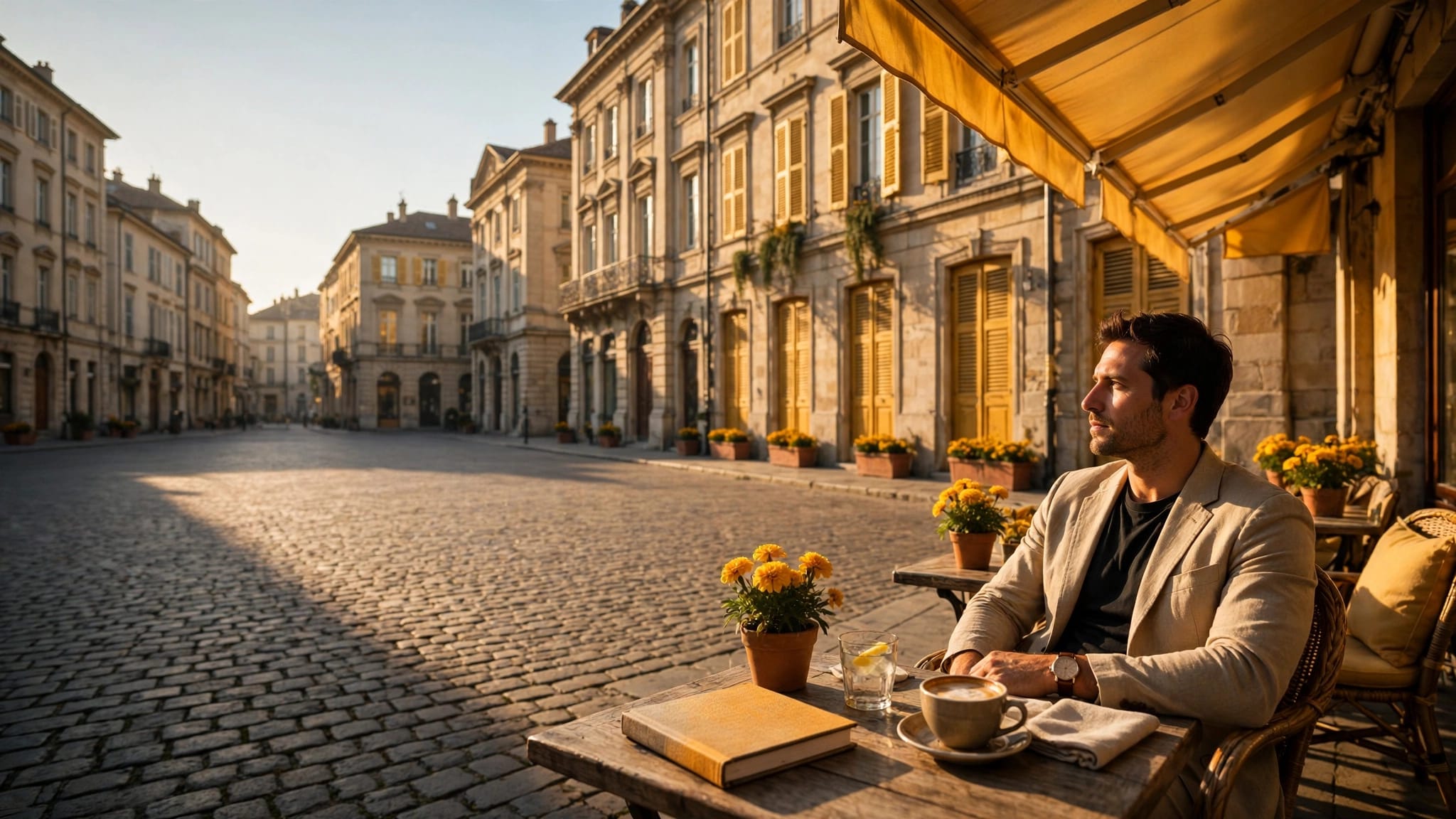
A Sunday can make or break a weekend break. You have two days to make a city feel personal, then discover the market is closed, the boutique is dark, and dinner options are thinner than expected. A short city break works better when it’s planned around confirmed Sunday hours.
A great European city break doesn’t pretend Sunday closures aren’t real. It uses the quieter pace for a long lunch featuring local cuisine, a museum, a beautiful walk, and hotel downtime. A well-located boutique hotel or luxury hotel makes Sunday feel intentional, since you can return easily for a rest, a drink, or a change of clothes.
The goal isn’t to fill every hour. It’s to protect the moments that make a weekend last.
Why Sunday Closures Need a Real Plan
A Sunday city break doesn’t follow one Europe-wide pattern. In some cities, museums open while independent shops close. In others, tourist districts trade normally, but the neighborhood you wanted to explore slows down almost completely.
Closed is different from reduced hours
A business marked “open” may still close early, run a limited menu, or require a reservation. Museums can have timed entry. Public transport may run less often. A restaurant might serve lunch but skip Sunday dinner.
Check the official website for each attraction or museum, shop, restaurant, and public-transport operator. Confirm the exact Sunday date, since a normal closure, reduced Sunday hours, and a public-holiday closure can look very different. Public holidays may affect several categories at once, especially when they fall beside a weekend.
Build Sunday around what has confirmed hours. Everything else is a bonus, not the backbone of the day.
The quiet streets are part of the appeal
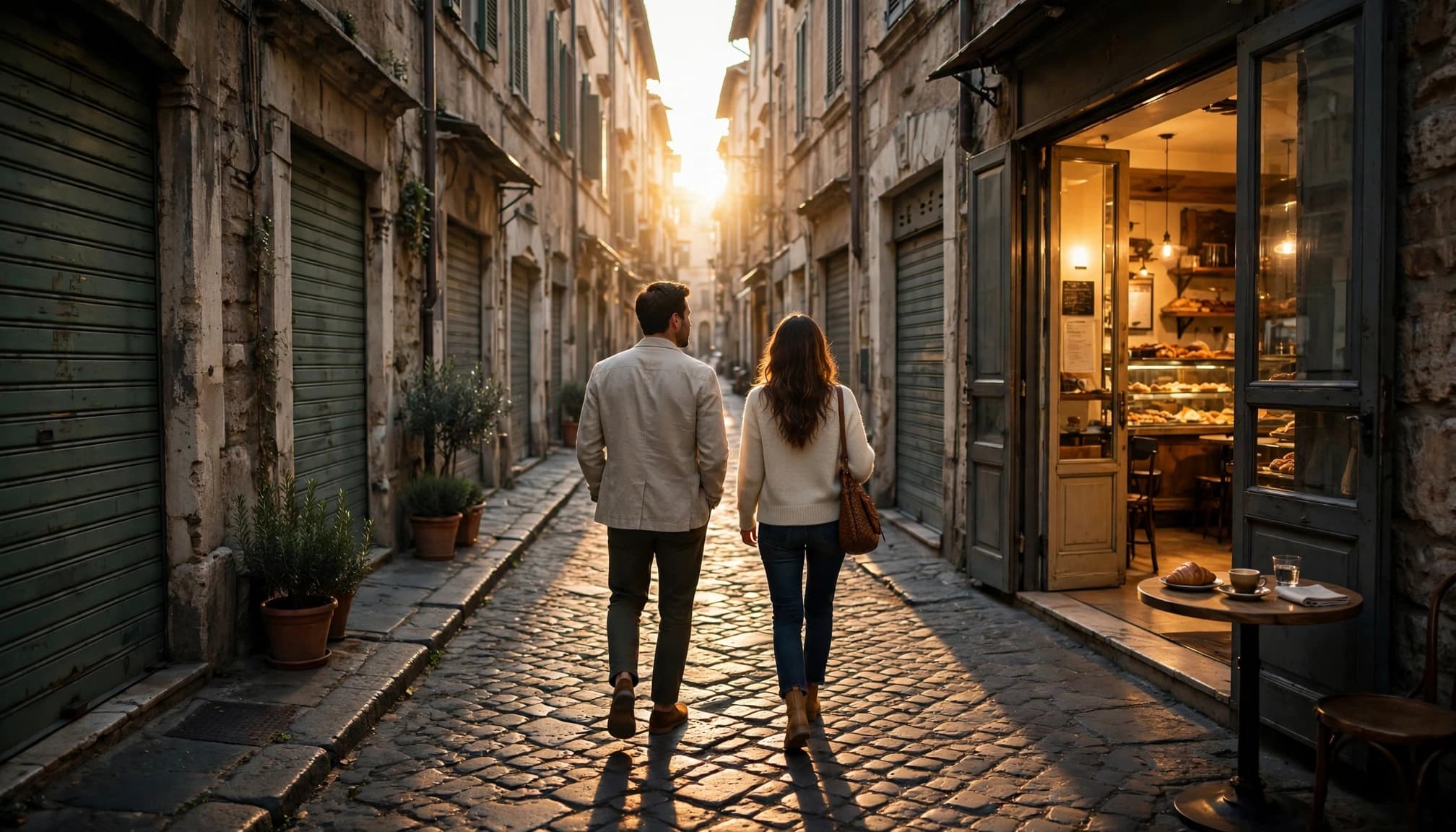
A quieter Sunday morning can be one of the best parts of a city. Explore an old town or historic centre before the crowds arrive, when hidden gems are easier to notice than during a tightly scheduled Saturday.
That slower tempo works when you choose one of the city’s cultural attractions, perhaps through a walking tour, and one proper meal. Leave room for art and culture if local hours allow. It falls apart when you try to force a Saturday shopping itinerary into a city that has already turned the lights down.
Choose a European City Break by Its Sunday Rhythm
The right city depends on what you want from the final day. Food, art, retail, live music, and a relaxed departure each suit a different Sunday rhythm.
For a city break, compare opening hours with your priorities before booking. A weekend break works best when Sunday plans match the destination’s normal pace.
Rome works for art, walks, and a serious dinner
Rome is strong for a Sunday built around history, local cuisine, and long walks. On the first Sunday of each month, several civic museums and archaeological sites offer free admission, including the Musei Capitolini and Ara Pacis.
Use Saturday for shopping and your most in-demand landmark. For key tourist attractions, confirm regular Sunday opening hours first. Check whether a first-Sunday or public-holiday rule changes admission.
Keep Sunday for a museum, a walk through Trastevere or the historic centre, then dinner reserved before you fly. Aroma is one option for a high-end meal with the Colosseum in view. For other tables serving traditional food, check the Michelin Guide’s Rome listings and confirm Sunday service directly.
Barcelona and Paris need sharper shopping timing
Barcelona has plenty of cultural attractions and art and culture options on Sunday, but don’t build your day around La Boqueria. Its regular weekly closure is on Sunday, separate from temporary or public-holiday closures. Explore the old town around the Barri Gòtic instead, and use the official Barcelona tourism portal to check museums, public transport, performances, and operators’ Sunday timetables or holiday notices.
Street food can fill the gap between attractions, but seasonal retail rules still shift. Some museums offer late-afternoon free entry, so check the date and the attraction’s official schedule before relying on it.
Paris rewards a different approach. Food shops may open in the morning, while much of ordinary retail closes. Tourist zones such as the Marais, Saint-Germain, and Les Halles offer more flexibility. Plan a late breakfast, a museum or gallery, then dinner in the same neighborhood as your hotel.
Lisbon and Vienna are better when the night is the anchor
In Lisbon, independent boutiques often close on Sunday, while major shopping centers and supermarkets remain useful fallbacks. Markets and neighborhood restaurants can still offer local cuisine and traditional food, but check each venue’s Sunday hours before setting out.
Don’t count on free Sunday access to state museums as a visitor. Portugal’s current program is for residents and citizens, and museum rules can change by date.
Vienna makes the tradeoff even clearer. Most Sunday shopping is limited to major stations, the airport, and museum shops. The city still delivers if you want cafes, classical music, museums, and a bar at a luxury hotel. Check official transport and venue notices, especially around public holidays, and arrive earlier if retail is your priority.
Build the Weekend Backward From a Sunday City Break
Two nights can work for a weekend break. Three nights gives you breathing room, especially when Sunday sits in the middle or at the end. For a romantic getaway, the extra night also keeps the itinerary from feeling rushed.
Before fixing the order, check official airline, attraction, museum, restaurant, and public-transport websites. Confirm whether a normal Sunday timetable differs from a public-holiday timetable, especially when a holiday falls on Friday or Monday.
Friday is for landing well
Don’t schedule a major tourist attraction after an international arrival. Arrival times vary by itinerary, even with direct flights. Airport transfer, luggage, check-in, and a change of clothes can make the first evening disappear.
Book a boutique hotel or luxury hotel near your evening plans, then keep Friday in that neighborhood. Flight and hotel packages can be convenient, but assess the hotel’s location and Sunday transport before choosing on price alone. With budget travel, saving on a less central room may cost more in transfers.
Have an aperitivo, settle into one strong dinner, and take a short walk after. A room within 10 to 20 minutes of your evening plans matters more than extra square footage across town. That gives your city break a calm start.
Saturday carries the heavy commitments
Saturday is for the things that close or sell out. Put shopping, market visits, popular museums, tourist attractions, chef’s counters, and major landmarks here. Use timed tickets where possible, but don’t make the day brittle.
A day trip shouldn’t displace your Sunday plan unless it’s the main purpose of the visit. Check opening hours and ticket rules on official websites before committing.
A good rhythm is one cultural anchor in the morning, a long lunch, a slower afternoon, then hotel downtime before dinner. You shouldn’t arrive at the night’s best table already tired of the city.
Sunday should feel intentional, not leftover
Start with coffee near the hotel and a walk while streets are still calm. Put one confirmed activity in the middle of the day. Follow it with lunch, a spa treatment, or time back at the hotel before dinner.
If your return flight is Monday, Sunday night is your chance to go out. If you fly Sunday evening, leave a generous airport buffer and keep your final plan close to the hotel or station.
Protect Sunday Dinner, Music, and After-Drinks
The best nights don’t happen by accident. A short city break needs a firm Sunday evening anchor, especially when late kitchens, bar hours, and live music schedules are limited.
Start with the thing you would hate to miss
A concert, fado performance, chef’s table, or special dinner is the anchor. Book it first, then put the rest of the night around it. Check doors, start time, seating, kitchen hours, and the route home before confirming anything else.
Even a luxury travel itinerary needs confirmed Sunday kitchen, bar, and performance times. Check the official restaurant, venue, performer, museum, and transport websites for the exact date. Confirm Sunday service, last seating, doors, and your route home.
Treat an ordinary Sunday and a public holiday as separate schedules. A venue that serves Sunday dinner may close or change its hours on a holiday.
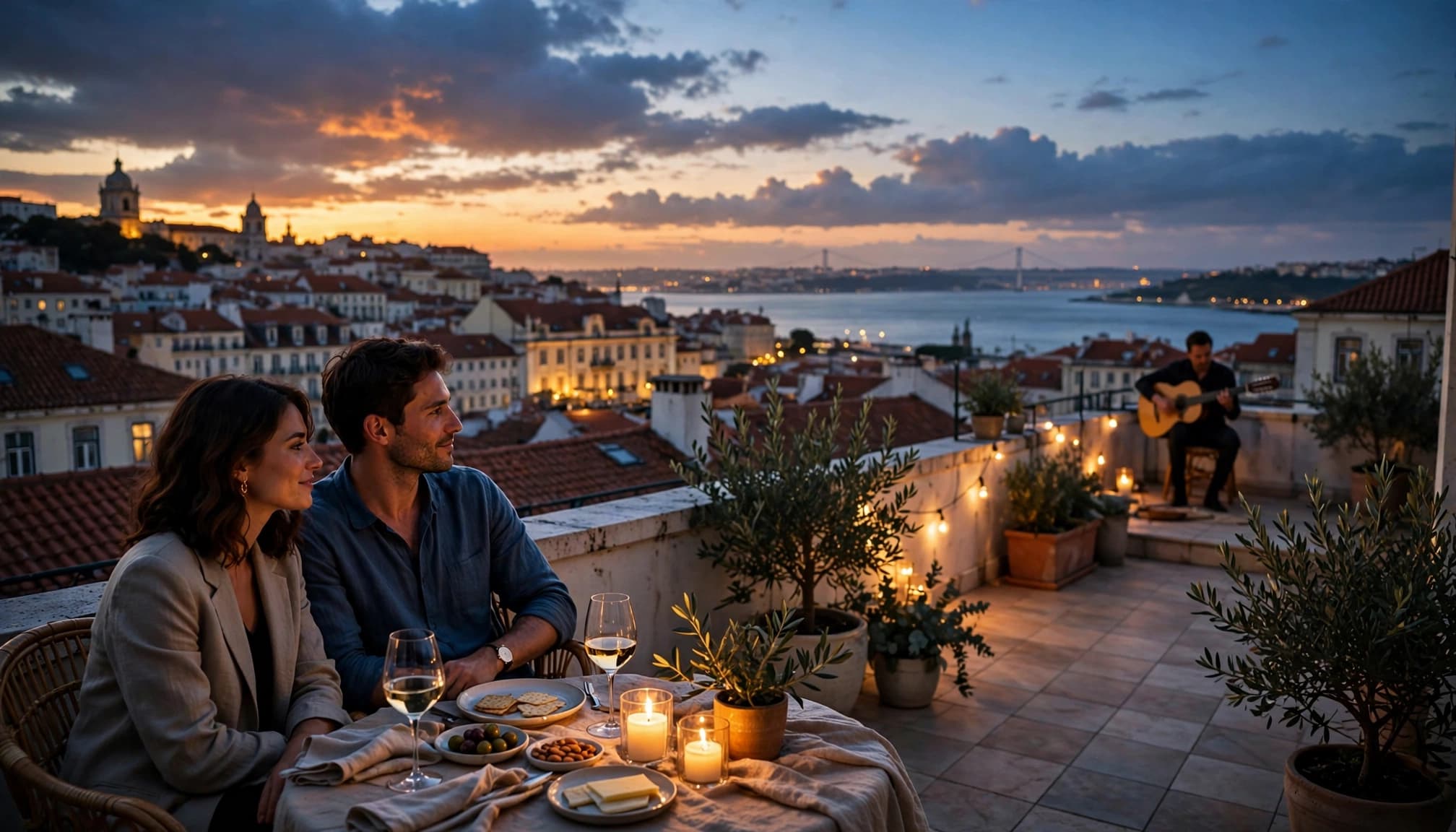
Lisbon is perfect for this kind of plan. Book a Sunday dinner with live music at Solidó Fado, then stay in Alfama or nearby rather than trying to cross the city after the final song.
The same logic works for a show in Paris, Rome, or Barcelona. Eat nearby. Arrive early enough for a drink. Save one late option within walking distance.
Keep a backup that still feels good
A closed restaurant shouldn’t send you into a mediocre tourist trap. Keep a hotel restaurant, including one at a luxury hotel, a lobby bar, or a dependable neighborhood bistro in reserve. Ask your hotel concierge what is actually serving late that Sunday, but use it as a backup check rather than a replacement for official information.
Rain needs the same treatment. A wine bar, museum, long lunch, or intimate live set is not a compromised plan. It is often the more memorable version of the day.
Keep Airport Transfers and Neighborhoods Tight
A short city break can get lost in transit before most travelers realize it. The map says a cross-city dinner is manageable. Your luggage, delayed flight, and tired feet may disagree.
Book a hotel around your real plans
Choose a neighborhood that can carry breakfast, one cultural stop, dinner, and a good final drink. An old town base can also put lesser-known hidden gems within an easy walk.
A boutique hotel or well-positioned luxury hotel may cost more than an outer-district room, but better service and fewer transfers can protect your time. For budget travel, compare the room saving with extra fares, taxi rides, and lost hours.
In Rome, that might mean staying near the Centro Storico or Trastevere. In Lisbon, Chiado, Príncipe Real, and Baixa keep much of the city within easy reach.
For a first visit, this Lisbon first-trip itinerary is a useful current travel guide to the city’s pacing, food stops, and key sights. Lisbon’s hills are no joke, particularly after rain, so use a taxi or rideshare when it saves the evening.
Treat travel days like part of the trip
Confirm the airport route before departure. Check public transport frequency on Sundays, luggage rules, and how long hotel check-in will take. Before booking a day trip, verify the return connection as well.
Check the official airport, railway, metro, hotel, attraction, and restaurant websites before departure. Confirm whether reduced Sunday service is the regular weekly pattern or a separate public-holiday timetable. Don’t assume a map listing or package itinerary reflects the latest hours.
Keep the arrival day light. Keep the departure day lighter. A well-positioned luxury hotel can reduce transfers and protect your final evening. A coffee, a local walk, or a final lunch near the hotel beats dragging bags across town for one more landmark.
A Sunday-Ready Three-Night City Break
For a romantic getaway or weekend break, this is the shape I use for couples, solo travelers, and groups. It keeps a three-night city break full without turning the weekend into a sprint.
Friday: arrive, settle, and have one great meal
Start your city break by checking into a central boutique hotel, or choose a luxury hotel within a short walk of dinner. Book a restaurant that feels like a destination, but doesn’t require a 45-minute transfer after landing.
Leave the rest open. A cocktail bar with the right energy can become the whole night.
Saturday: culture first, then the main event
Start with the tourist attractions that need tickets, such as a landmark or museum. Spend time at broader cultural attractions, then let lunch run long.
Use the afternoon for one walkable district before returning to the hotel. Put your headline plan at night, whether that is a stadium concert, an opera, a wine-led dinner, or a club set. If music is the reason for the trip, use this concert trip planning guide to avoid losing the day to bad timing and cross-city logistics.
Sunday: one anchor, then a clean finish
Choose the museum, historic walk, walking tour, Sunday market, or food experience only after its official site confirms Sunday opening. Don’t stack three attractions into the final hours.
Check the official attraction, market, museum, restaurant, live-music, and transport pages for the exact date. Regular Sunday closures can differ from public-holiday closures.
Book a relaxed lunch featuring local cuisine. Leave time for the hotel. Finish with dinner and live music in one neighborhood. If public transport is reduced after midnight, take a late taxi back instead of testing the remaining services.
Key Takeaways for Sunday Closures
- Treat Saturday as your day for shopping, markets, and tourist attractions with limited Sunday hours.
- Give Sunday one confirmed cultural anchor, one great meal, and room to slow down.
- Reserve Sunday dinner and live music before your flight is booked.
- Stay close to the places you want to eat and go out. A tight radius protects the whole weekend.
- Recheck regular Sunday opening hours on official attraction, museum, shop, restaurant, hotel, and public-transport websites. Check public-holiday closures separately, since a holiday can affect both businesses and transport.
A European city break feels better when every day has a clear role. On a city break, Sunday doesn’t need to be the day everything is shut. It can be the day the city finally has room to breathe.
Frequently Asked Questions
How many days do you need for a European city break?
A current travel guide can help you compare two and three-night options. Two nights works if you arrive early Friday and leave late Sunday or Monday. Three nights is better when you want one major cultural stop, thoughtful meals, nightlife, and time to settle into the hotel without rushing.
For a premium trip, I’d rather add a night than cram more neighborhoods into 48 hours.
Which cities are best for food and wine lovers on a Sunday?
Rome and Lisbon are strong choices when dinner is booked in advance. Rome offers serious restaurants, wine bars, and historic walks. Lisbon gives you pastries, seafood, petiscos, wine, and fado, even when smaller shops are closed.
Barcelona can work well for Sunday dining and culture, but don’t rely on La Boqueria. Check dates carefully if shopping matters.
How can you check Sunday opening hours and holiday closures?
Check the official websites for attractions, museums, shops, restaurants, events, and public transport before you travel. A normal Sunday closure isn’t always the same as a temporary public-holiday closure or reduced service.
Look for the specific date, not just the standard weekly hours. Recheck major bookings shortly before departure, especially around national holidays.
What should you do if rain and closures disrupt the plan?
Keep one indoor option near your main neighborhood. A museum, hotel spa, wine bar, cooking experience, or long lunch can replace an outdoor plan without flattening the day.
Don’t scramble across town for a second-rate substitute. Stay close and choose something you would have wanted anyway.
Make Sunday the Best Part of the Weekend
The strongest city break itineraries have shape. Friday lets you arrive. Saturday carries the big moments. Sunday slows the pace without losing the feeling that you came somewhere special.
Plan around confirmed hours, protect the dinner and the night, and keep your hotel close to the action. For a tailored luxury travel itinerary built around your tastes in food, music, pace, and luxury hotel style, explore bespoke city break itineraries.
Even with bespoke planning, check official attraction, restaurant, venue, hotel, and public transport websites for the exact Sunday and any public holiday.