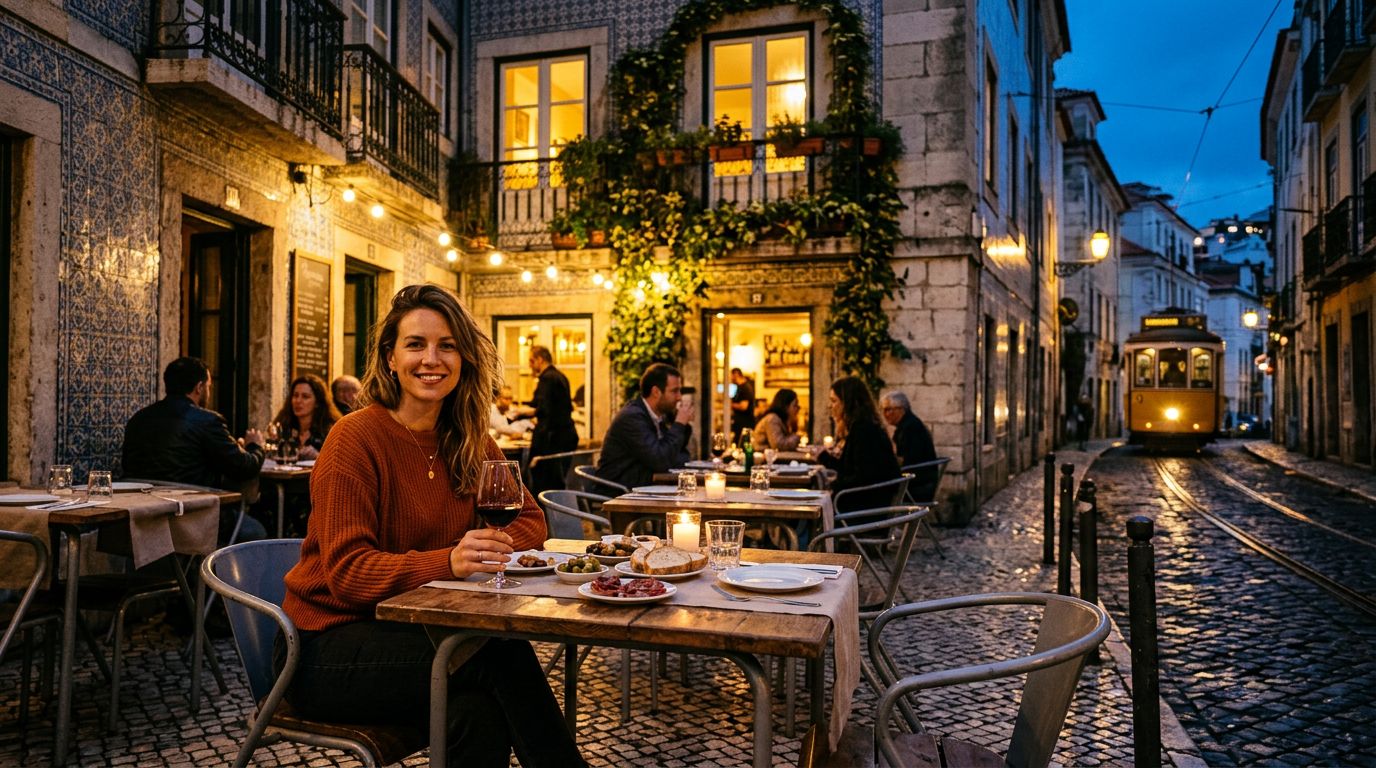
Summer can turn a city’s best dinner plan into a 10 p.m. queue, a long hot walk, and a table nobody booked. That is why shoulder season cities are such a strong move before summer crowds take over.
You get better light, more room at the bar, easier reservations, and a city that still feels alive. Shoulder season travel is a way to find energy without summer’s pressure, whether you’re planning a nearby break or exploring international destinations. The goal is not empty streets. It is the right amount of energy, with enough breathing room to enjoy it.
How to Pick Shoulder Season Cities That Deliver
Shoulder season travel sits between peak travel dates and the quietest low season months. In most places, that means spring and fall, but the spring shoulder season and fall shoulder season arrive at different times by city. Unlike off-season travel, these transition months usually keep more restaurants, museums, and public transit operating normally.
A city is a better shoulder-season pick when its restaurants, museums, markets, concerts, and transit run normally. That remains true despite rain or cooler air, rather than requiring pleasant weather. This is why urban trips can beat beach towns or national parks when outdoor activities depend on the forecast. If the forecast moves, your entire trip doesn’t fall apart.
The Calendar Is Part of the Price
Shoulder season does not mean every week is cheap. A major festival, school holiday, fashion week, or cherry blossom peak can turn an otherwise smart date into peak season overnight.
Barcelona during Semana Santa, Kyoto during cherry blossom season, and New Orleans during Jazz Fest all prove the same point. The date matters as much as the destination.
A festival can make a city unforgettable. It can also turn a value week into peak season by Thursday.
Hotel rates can be lower, but travel deals aren’t always budget-friendly. In Montreal, a September stay may run 20 to 30 percent below August pricing. Event calendars, school holidays, and flexible dates matter more than any universal discount. Flights are less predictable, so I treat date flexibility as more useful than chasing a magic percentage. Use a month-by-month Europe guide for a wider view of European cities, then check each city’s event calendar before committing.
Weather Needs a Real Backup Plan
April rain and October wind are normal weather patterns. So are shorter autumn days. Check the weather forecast before packing. Bring a light waterproof layer, comfortable shoes, and one outfit that can handle a sharp dinner after a damp afternoon.
More important, build a rainy-day option you would happily choose anyway, and place it near each day’s main stop. A wine bar in Lisbon, a museum in Paris, a long lunch in Mexico City, or a jazz set in Montreal is not a compromise. It is the city showing another side of itself.
The Best Windows at a Glance
These shoulder season cities keep food, culture, and nightlife active without relying on perfect weather, unlike the low season.
| City | Strong Shoulder Window | What Makes It Work | Watch For |
|---|---|---|---|
| Barcelona | April to May, September to October | Markets, design, late dinners, walkable neighborhoods | Easter demand and October rain |
| Lisbon | Late March to May, mid-September to October | Hillside food culture, wine bars, live music | Rainy spring days and June festival prices |
| Kyoto | October, or carefully chosen April dates | Temples, tea, serious dining, intimate bars | Cherry blossom crowds and Golden Week |
| Mexico City | March to May, September to October | Markets, museums, tacos, galleries, nightlife | Rainy-season tail and Day of the Dead demand |
| Istanbul | April to May, September to October | Ferries, bazaars, meze, landmarks | Crowded holiday weekends |
| Paris | Late April to May, late September to October | Museums, bistros, creative neighborhoods | Fashion weeks and unpredictable rain |
| Montreal | September to early October | Food neighborhoods, foliage, live music | Cooler nights and October rain |
| New Orleans | March to May, October to November | Festivals, Creole food, jazz, late nights | Festival-rate hotels and storm risk |
The strongest shoulder-season cities have depth. You can go from a market breakfast to a gallery, take a reset at the hotel, then walk to dinner and a show without spending half the day in transit.
Barcelona and Lisbon for Long Lunches and Late Dinners
Barcelona Works Best Before the Heat Arrives
For shoulder season travel, Barcelona in April and May has a different rhythm than July. This spring shoulder season makes it easier to walk between Sant Antoni, Eixample, and Poble-sec without treating every block like a heat test. Lunch can stretch, and vermouth feels earned. Dinner doesn’t need to begin with an exhausted recovery period.
April 23 is Sant Jordi, one of the city’s cultural events, when book and rose stalls fill the city. It feels local and cinematic at once, but it’s a date to book around, not stumble into blindly.
September and October are the fall shoulder season, bringing more comfortable sightseeing and fewer crowds after the summer crowds fade. October is wetter, so keep your day tight by neighborhood. Pair a museum, a market, and dinner within the same pocket of the city. If Barcelona is part of a larger Iberian route, this Europe fall planning guide offers helpful seasonal context before you start locking in trains.
Lisbon Is a City for the Right Kind of Momentum
Lisbon rewards an unhurried day. Start with coffee and a pastry, let a viewpoint or bookshop pull you uphill, then settle into a tasca for local cuisine. Grilled fish, petiscos, and a bottle can turn lunch into the plan.
Late March through May works well, though Atlantic showers can catch you. Mid-September through October brings warm afternoons and easier access to the city’s best tables. June is different. Santos Populares, especially the Santo Antonio celebrations around June 12 and 13, fills the streets with grilled sardines, music, and neighborhood parties. It’s fantastic, but the festival creates peak season demand, so June isn’t a low season value play.
Stay near the evenings you want. A beautiful hotel at the top of the wrong hill gets old after dinner. Pick a base with restaurants, bars, and a late taxi ride close at hand.
Kyoto and Mexico City for Seasonal Culture
Kyoto Needs Precision, Not Blind Optimism
Kyoto rewards shoulder season travel, but it punishes loose timing. April can be beautiful, yet cherry blossom crowds and Golden Week fill hotels and pack temple paths. If you want spring, choose dates carefully within the spring shoulder season and reserve the experiences that matter.
October is often the cleaner call for a fall shoulder season visit, though it isn’t guaranteed to be a bargain. Compared with low season, it offers cooler days and an active cultural calendar. Temples and gardens are easier to enjoy before the mid-to-late November foliage rush. The Kurama Fire Festival is a memorable October cultural anchor, though annual logistics should be confirmed before booking.
Give Kyoto room. A temple morning, a tea stop, and a thoughtful dinner in Gion or Pontocho is enough for one day. You do not need to race across town collecting shrines like receipts.
Mexico City Brings Range in Every Direction
Mexico City has the kind of range that makes a three-day weekend feel much bigger. A market breakfast can lead to a museum afternoon, a mezcal bar, a late dinner, and a live set without forcing a huge commute.
March through May brings dry, comfortable days and jacarandas around Paseo de la Reforma. September and October can also work well, but rain remains part of the equation. Late October into early November is one of the city’s biggest cultural periods because of Dia de los Muertos, so expect higher demand and plan accordingly.
Build by neighborhood. Let Roma and Condesa carry one day. Give the Centro Historico its own morning and evening. Save Coyoacan for another. The city’s food scene is too good to spend your time crossing traffic for a single reservation.
A world festival calendar can help you spot reasons to travel, but always confirm dates with the actual organizer before buying flights.
Istanbul and Paris When Walking Is the Point
Istanbul Is Better When You Can Stay Outside
Istanbul stays active in the low season, while April, May, September, and October bring pleasant weather for walking. You can take a ferry, work through a market, pause for Turkish coffee, and still have energy for a proper dinner in Karakoy or Beyoglu.
April brings the city’s tulip displays. Autumn has a softer light, better terrace weather, and fewer summer tourist crowds. The historic sites stay open, which matters. A city with this much history is more enjoyable when you can take your time at the Blue Mosque, Hagia Sophia area, or the Grand Bazaar instead of moving through a crush.
For food-first travel, do not stay in Sultanahmet only because it looks convenient on a map. It is excellent for mornings. Karakoy and Beyoglu make evenings easier, with stronger access to wine bars, cocktail spots, music, and late meals.
Paris Gets Better When You Stop Trying to Finish It
Paris gets overplanned fast. One museum, one cafe, one river walk, and one dinner reservation across town can eat an entire day. Spring and early fall, with fewer crowds, are the reset button when you treat the city like a series of tight neighborhoods instead of a checklist.
Canal Saint-Martin is a smart base if your trip tilts local, creative, and food-first. The Left Bank works when bookstores, cafes, and one serious museum are the mood. Pick one anchor and let the streets around it fill in the rest.
The RER is a standard, dependable way to reach central Paris from Charles de Gaulle. Once you arrive, walk whenever the day connects naturally. Use the Metro for clean jumps. Take a taxi late, when tired feet and a second glass of wine make one more transfer a bad idea.
Montreal and New Orleans for Music-Forward Weekends
Montreal Has an Excellent September Run
For shoulder season travel, September is Montreal’s strongest fall shoulder season window. Summer intensity has eased, but patios, markets, restaurants, and music venues still have momentum. As the low season begins in October, hotel prices may soften, though rain and colder evenings become more likely.
Mount Royal begins showing fall foliage in September, with stronger color often arriving around mid-October. POP Montreal usually lands in late September, making the month a great fit for travelers who want independent music, food, and a real neighborhood feel.
Stay in the Plateau or Mile End if restaurants, cafes, bagels, and bars matter as much as Old Montreal architecture. The best version of this city happens on foot. Metro stops make cross-city moves easy, but one extra transfer before dinner can still drain the mood.

Photo by Huy Phan
If your trip continues west, this Toronto food and music itinerary is a strong starting point for building a second city around restaurants and venues.
New Orleans Is Worth the Festival Math
New Orleans has two strong windows, spring and late fall. March through May brings festival season, warm evenings, and the kind of street-level energy that makes a long weekend feel like an event. French Quarter Festival and Jazz Fest are huge draws, but they also compress hotel availability.
October and November bring another good run. The humidity backs off, restaurant patios return, and live music calendars stay active. Late summer and early fall need more caution because heat, humidity, and tropical storms can disrupt outdoor plans.
This is not a city for a packed itinerary. Give the French Quarter, Marigny, and Warehouse District their own time. Make room for a long Creole lunch, a brass band, and a bar you did not plan to find.
If the music is the reason you’re going, my guide to New Orleans jazz clubs maps the rooms worth building a night around.
Build the City Like a Setlist
A great food and culture trip should build energy. It should not feel like an administrative chore by 4 p.m.
Start With the Night You Came For
A concert, chef’s table, festival set, or ticketed performance should shape the day around it. Keep the morning light. Make lunch relaxed. Give yourself hotel downtime before dinner.
Then keep dinner, the venue, and a backup bar in the same neighborhood. You want a clean finish, not a panicked cross-city ride with five minutes to spare. For more on building this type of weekend, use these concert trip planning ideas.
The day after a big show needs room too. Book late breakfast. Take a walk. Do not schedule a 7 a.m. flight because the fare looked good.
Keep Your Radius Tight
Every city has its version of the bad plan: three museums, a market across town, a sunset viewpoint, and dinner nowhere near your hotel. It looks efficient in a spreadsheet. It rarely feels good in real life.
I build food-first days around one major cultural anchor and one neighborhood. A tight plan still improves a low season itinerary, even when reservations are easier. A museum morning can lead to a wine bar, record store, market, or park nearby. That open time is where a city starts feeling personal.
Second cities deserve attention here. Montreal, Bologna, Valencia, and Palermo can offer more space and a stronger local rhythm than the obvious capital-city circuit. They are not consolation prizes. They are often the move.
Book the Moments, Protect the Gaps
Reserve What Creates Compression
Book major museum entries, headline concerts, special dinners, and festival-week hotels early, even during shoulder season travel. Lower demand doesn’t remove the need to book them, and shoulder dates aren’t the same as the low season. Check the event’s official calendar before you book flights. A general source of festival reporting and ideas can help with inspiration, but the venue or organizer has the final word on dates and set times.
For families tied to school calendars, long weekends and early fall breaks can work well, especially with booking flexibility to avoid major festivals. Choose cities with indoor culture, reliable transit, and short airport transfers. A rainy morning is much easier when there is a museum, market, or cooking class nearby.
Leave Space for the Good Stuff
Do not reserve every meal. Lock in the dinner you would hate to miss, then leave space for a cafe with a line out front, a bar playing the right record, or a lunch that runs longer because the table feels good.
Your hotel choice matters here. Compare hotel rates, then check recent reviews for street noise, air conditioning, lift access, and late-night transport. A smaller room five to 10 minutes from the loudest block often buys back your sleep without losing the energy.
For trips where food, concerts, neighborhoods, transfers, and backup plans all need to land correctly, personalized food and culture itineraries take the moving parts off your plate.
Frequently Asked Questions
What is the best time to visit shoulder-season cities?
Spring and fall are usually the strongest windows, though the exact dates vary by city. Check local festivals, school holidays, and weather patterns before choosing your week.
Is shoulder season cheaper than peak season?
Often, but not always. Hotel rates may soften outside major events, while festivals, fashion weeks, and holiday weekends can push prices back toward peak-season levels.
What should I pack for a shoulder-season city break?
Bring comfortable walking shoes, a light waterproof layer, and one outfit that works for a sharper dinner. Shorter days, rain, and cooler evenings are easier to handle when your plan includes indoor stops and flexible transport.
Do I still need to book restaurants and attractions in shoulder season?
Reserve major museum entries, headline concerts, special dinners, and festival-week hotels early. You can leave other meals and smaller discoveries open, which gives the trip room to feel spontaneous.
How do I plan a shoulder-season city itinerary?
Build each day around one cultural anchor and one neighborhood, then keep dinner and evening plans close by. This keeps transit manageable and leaves space for a market breakfast, a long lunch, or a bar you did not plan to find.
The Right City at the Right Volume
The best shoulder season cities aren’t empty versions of summer. Their appeal comes from timing and atmosphere, not treating low season as a promise of empty streets or universally cheap hotels.
Pick the date with as much care as the destination. Keep each day within a manageable radius, then leave room for food, music, and neighborhood discoveries. That’s how a trip feels full without ever feeling rushed.