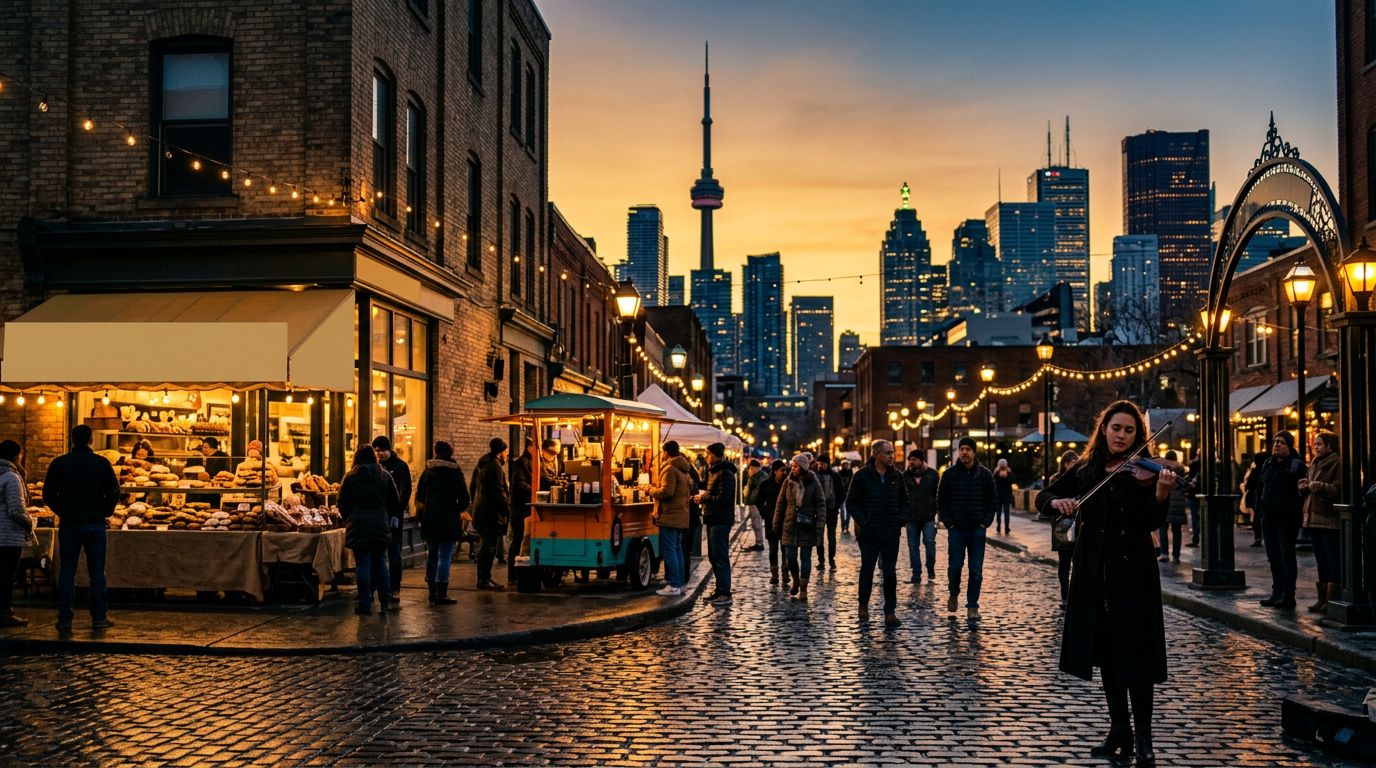
Toronto can be a tricky city to plan. The headline attractions are easy to spot, but the part you will remember usually happens between them, over coffee on a side street, at a market counter, on a ferry, or ten minutes into a show when you realize the night just got better.
A strong Toronto travel itinerary is not about cramming in every major sight. It is about building the right rhythm, neighborhood by neighborhood, then leaving enough room for one great meal, one surprise stop, and one night that runs a little longer than expected.
If you want Toronto to feel less like a checklist and more like a trip with a pulse, start here with these essential tips for first-time visitors.
Key Takeaways
- Prioritize Neighborhood Flow: Don’t attempt to traverse the entire city in one day. Group your activities by neighborhood to minimize travel time and create a more authentic, rhythmic experience.
- Build a Focused Itinerary: Avoid the urge to over-schedule. Limit your daily planning to a few core experiences—such as one landmark, one market, one strong dinner, and one late-night activity—to ensure you actually enjoy the city.
- Choose Accommodations Strategically: Base your hotel choice on the vibe you want for your evenings rather than strictly on central proximity, as Toronto’s distinct neighborhood moods shift significantly once the sun goes down.
- Embrace Local Food and Music: Treat dining and live entertainment as the spine of your itinerary. Research restaurants and venues in advance to ensure your evenings are intentional rather than logistical afterthoughts.
Start with the kind of Toronto trip you actually want
Toronto punishes vague planning. If you book a random Downtown Toronto hotel and tell yourself you will figure it out later, you will spend half the trip crossing the city for dinner and settling for whatever is nearby when you are tired.
So pick the version of Toronto you want first. Are you a first-timer who wants one skyline moment and a few classic neighborhoods? Are you building a food-first weekend? Is this a music trip with one big concert anchoring the night? Are you traveling with friends who want a mix of daytime wandering and after-dark energy?
That choice shapes everything else. It affects where you stay, which parts of the city you group together, and whether you should spend more time on the west side, east side, or near the waterfront.
I have had the travel bug since a Semester at Sea cracked things open for me at 21, and years of planning trips taught me the same lesson over and over: the best itineraries are not the fullest ones. They are the ones that move well. Toronto is exactly that kind of city.
If you are one of many first-time visitors, do not try to complete Toronto. You won’t. What you can do is build a trip with range: one iconic sight, one market, one neighborhood stroll, one strong dinner, and one late-night play. That is a much better use of three days than sprinting through ten attractions you will barely absorb.
And if you are paying for flights, a solid hotel, and a couple of meals worth dressing up for, the plan matters. A lot.
Let the neighborhoods do the heavy lifting
Toronto is not one big destination. It is a stack of neighborhoods with different moods, and the city makes more sense once you stop treating Downtown Toronto like a single, indistinguishable blob.
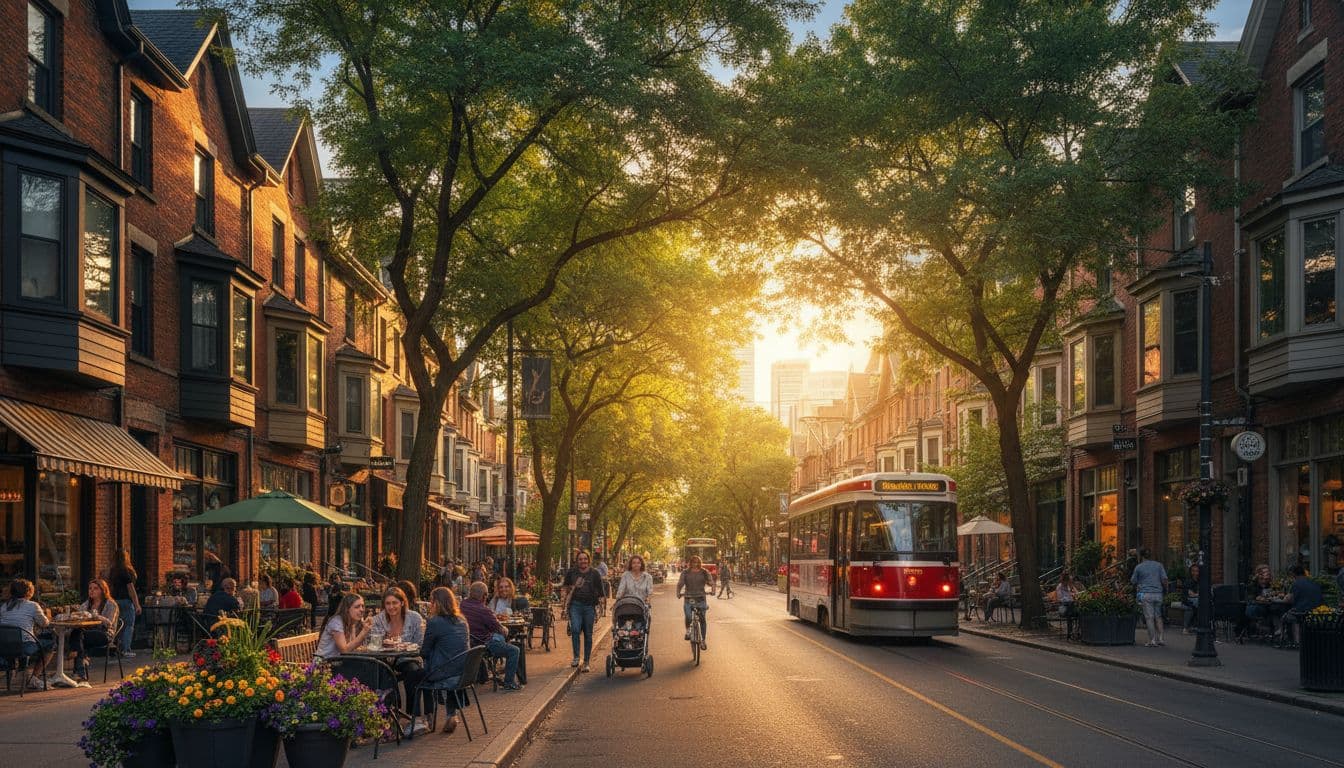
A good day here should feel like one long, satisfying stretch, not six disconnected pins on a map. Kensington Market and Chinatown belong together. St. Lawrence Market, Old Town, and the Distillery District naturally pair well. Ossington, Queen Street West, and the surrounding areas can carry an entire afternoon into dinner and drinks without forcing you into a cab every hour.
That is where a lot of Toronto itineraries go sideways. People stack the CN Tower, Yorkville, High Park, the Distillery District, the Entertainment District, and a west-end dinner in the same day because the map makes it look close enough. It is not. The city is better when you build around flow.
Think of it like a setlist. You do not throw the encore in the middle and then reset the room three times. You open strong, change tempo, keep the transitions tight, and save something for the finish.
A few combinations almost always work:
- Old Town, St. Lawrence, Distillery District, and the Harbourfront for an easy first day
- Kensington Market, Chinatown, Queen Street West, and Ossington for food and local energy
- The Danforth, Leslieville, or Riverside when dinner and a show are the point
- High Park, Roncesvalles, and Parkdale when you want more breathing room
If you want a broader skim of classics before you start swapping in your own picks, Happy to Wander’s Toronto roundup is a useful place to sanity-check the basics. Then tighten it down and make it yours.
A 3-day Toronto itinerary that actually works
For most travelers, 3 days is the sweet spot. Two days is enough to like Toronto. Three is enough to feel it.
Day 1: Old Town, the Distillery, and one skyline moment
Start your trip at St. Lawrence Market. It is easy, central, and gets you into the city without forcing a huge decision before coffee. Browse the vendors, grab breakfast, and take your time through Old Town. From there, walk toward the Distillery District. Go earlier in the day if you want room to breathe, as the brick lanes and patios work best before the evening crowd kicks in.
In the afternoon, pick one big postcard move. You can head up the CN Tower or pair the tower with Ripley’s Aquarium. If you plan to hit multiple major attractions, consider the Toronto CityPASS to help bundle your tickets. Afterward, take a relaxing walk along Lake Ontario to enjoy the breeze. The key is restraint. You do not need every major attraction on day one. You need one memorable one. For dinner, stay east or central to keep the first night easy and polished.
Day 2: Kensington, Chinatown, Queen West, and Ossington
Make day two your west-side day. Start with coffee in Kensington Market and let the area wake up around you. This part of Toronto is loose and vibrant. Lunch in Chinatown is the move, where you can find excellent dumplings and noodles. Then, drift into Queen Street West if you want shopping and design stores. If you find yourself needing more culture, the Art Gallery of Ontario is a clean pivot, or you could visit the Royal Ontario Museum for a deeper dive into history. If you are near the city center, a quick stop at Nathan Phillips Square or the nearby Eaton Centre is a great way to soak in the urban energy.
By evening, head toward Ossington or Dundas West. This is where the trip usually clicks. Good restaurants cluster tightly, bars are nearby, and the night can keep going without the whole group negotiating another commute.
Day 3: Islands or High Park, then give the night some life
If the forecast is decent, take the ferry to the Toronto Islands before noon. That is the best time to do it. Rent bikes or walk to enjoy one of the best skyline views in the city, which provides a fantastic look back at the CN Tower. It resets your pace in a good way.
If you are visiting in early May, High Park can be the better choice because of the cherry blossoms. If you are going that route, go early. Once crowds build, the calm disappears.
Use the late afternoon to slow down. If you need a central point to reset, Yonge-Dundas Square acts as a perfect hub for the afternoon. Then let night three be the payoff. Book a concert, catch some jazz, or enjoy cocktails before a show. Toronto has enough strong venues that this part should feel intentional, not like an afterthought.
The trap is trying to do Toronto by map distance. The city works better by neighborhood and mood.
If you only have two days, merge day one’s market and waterfront with day two’s west-side dinner, then keep the last night for the thing you care about most. If you want a few extra swap-ins beyond the standard loop, Watch Me See’s list of cool Toronto stops has some solid options.
Where to eat so the trip has a pulse
A trip can survive a missed museum. It does not recover as well from three mediocre meals.
Toronto’s food scene is one of the main reasons to go, and the smartest move is to treat your meals like part of the itinerary, not breaks from it. This is a city where immigrant food cultures shape the experience. That is not a side note. That is the point.
Breakfast is easiest when you pick the right neighborhood. If you are staying in Downtown Toronto, you will find plenty of great options, but Queen West, Ossington, and Leslieville are also top-tier bets for cafes, pastry spots, and a slow start. For something more old-school and local, St. Lawrence Market still works perfectly for a breakfast bite on your first morning.
Lunch is where you should loosen up. Chinatown is a great call when you want range without overthinking it, and it remains quite accessible if you are exploring areas near Nathan Phillips Square. The Danforth works for a longer Greek lunch. West-end pockets can give you Caribbean, Portuguese, Italian, or Ethiopian food, or even something more modern if you are in a wine-bar mood before the afternoon even starts.
Dinner is where I would be more intentional. Pick one reservation-heavy night and one free-flowing night. Book the place you care most about on Thursday, Friday, or Saturday. Then, leave another evening open for the neighborhood that wins you over during the day.
That second dinner is often the one people remember. It is the spot you did not have saved weeks ago, the one with the packed counter, great playlist, strong service, and the table next to you clearly having the right idea.
After drinks, keep it simple. Ossington, Dundas West, and Kensington make it easy to move from dinner to bar to one last stop without wasting the night in transit.
When I want a quick pulse check on what locals still think is worth doing, I skim recent r/askTO ideas on unique Toronto fun. That is often where you catch what is still hitting and what is living off old hype.
If music is your thing, let the venue pick the night
I am biased here. I am a musician, and I still see about a show a week. So when I build a Toronto trip, live music is not the side quest. It is the spine.
Toronto gives you range. Massey Hall has history and that “this room matters” feeling. The Danforth Music Hall is perfect for a dinner and show east end night. History gives you a bigger modern room without arena energy, and its proximity to the shores of Lake Ontario provides a beautiful backdrop for an evening out. The Rex is still one of the best jazz anchors in the city. The Horseshoe Tavern has the kind of legacy that makes even a casual show feel like part of something.
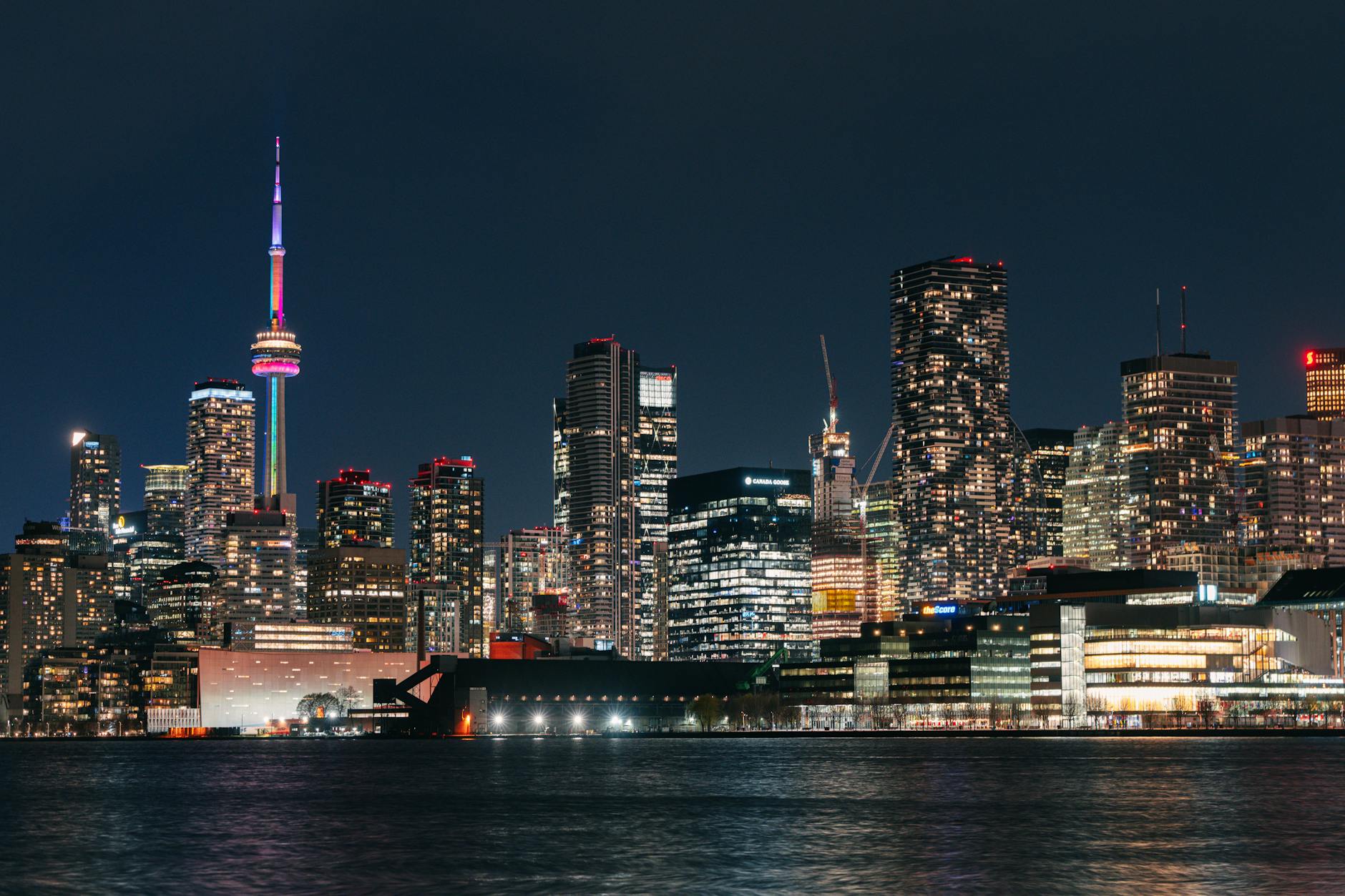
Photo by Mike Norris
The real move is pairing the venue with the right pre-show plan. While you enjoy the city, take a moment to admire the Toronto skyline as the lights of the CN Tower begin to glow against the night sky. If you have tickets on the Danforth, eat nearby and keep the whole night walkable. Going to History? Start in Leslieville or Riverside. Massey Hall works best when you have already committed to staying central and do not need to think too hard after the encore.
Same deal with nightlife. Pick one lane. Ossington and Dundas West are great if you want bar hopping with taste. Kensington is looser, a little scrappier, and better for groups that like improvising. King West is polished, louder, and more scene driven.
My operations brain always comes back to the same rule: one venue, one dinner zone, one late night zone. That is how the night stays fun instead of turning into logistics.
The same Toronto trip doesn’t work in every season
Toronto changes significantly throughout the year, and May is widely considered the best time to visit. The city regains its energy, patios begin to wake up, and you can explore the streets without the intense summer crowd crunch.
If you are visiting in May 2026, there are a few local highlights worth building your trip around. The CONTACT Photography Festival runs throughout the month, turning the city into a vast photo trail with exhibits in public spaces, galleries, and unexpected corners. Doors Open Toronto takes place May 23-24, 2026, which is an excellent opportunity if you enjoy architecture, hidden spaces, and seeing historic buildings that are usually closed to the public.
Early May often lines up with the vibrant cherry blossom season in High Park. Victoria Day fireworks are scheduled for May 18, 2026, and the Toronto Islands begin to make more sense this month, especially before school-break traffic and the deeper summer crowds arrive. If you prefer indoor activities to hedge against unpredictable spring weather, the Royal Ontario Museum and Casa Loma are fantastic options that offer plenty to explore. If you are interested in film, the final Hot Docs screenings in early May can provide a great evening activity.
If High Park is at peak bloom, go early or skip it. Midday crowds are the price of pretty pictures.
Summer is better for long days on the Toronto Islands, harbor time, and late-night patios. Winter is stronger when you cluster indoor stops, long dinners, and live music venues. If you want a few stranger, more offbeat additions to your itinerary between the obvious sights, Atlas Obscura’s Toronto map is a good rabbit hole.
Practical planning tips that save the trip
Pick your hotel by how you want the night to end, not by what looks most central on a map. If you prefer a view of the water or easy access to the city’s pulse, look for a hotel near the Harbourfront.
| Area | Best for | Watch out for |
|---|---|---|
| Union Station / Financial District | First-timers, short stays, easy transit access | Can feel quiet after business hours |
| Queen West / Ossington | Food-heavy trips, bars, style, nightlife | Pricier, louder, harder if you want calm |
| Yorkville | Polished stay, luxury feel, high-end shopping | Less of the local edge many travelers want |
| Leslieville / Riverside | Laid-back groups, strong restaurants, east-end nights | Not ideal for constant downtown Toronto sightseeing |
There isn’t one right answer. There is only the area that fits the trip you’re trying to have at 10 p.m.
For getting around, walking plus public transit plus the occasional Uber is the best mix. The public transit system is efficient, and if you are arriving from the airport, the UP Express is the fastest way to get downtown. Don’t rent a car unless you’re planning a Niagara Falls day trip or a more far-flung food crawl. Billy Bishop is excellent if you’re staying downtown and can find the route. Pearson usually wins on options and price.
Book major dinners and shows before you fly, especially for Thursday through Saturday travel. Toronto’s best weekends fill up quickly. And pack one extra layer, even in spring. The lake breeze has a way of humbling people who trusted the afternoon forecast too much.
Before you finalize the plan, Tripadvisor’s Toronto travel page is useful for recent traveler notes and quick opening-hour checks, especially around holiday weekends.
Frequently Asked Questions
Is it better to visit Toronto in the summer or shoulder seasons?
While summer offers great weather for patio dining and island ferry rides, May is widely considered the sweet spot for a visit. You get the return of the city’s energy and beautiful spring blooms without the intensity of peak summer tourist crowds.
Do I need to rent a car to get around Toronto?
No, renting a car is generally unnecessary and can be a burden due to traffic and parking costs. The city is highly navigable by a combination of walking, public transit, and the occasional ride-share, especially if you stay in a well-connected area.
How much time do I need to see the city properly?
While you can get a taste of Toronto in two days, three days is the recommended timeframe to truly feel the city’s pulse. This duration allows you to move at a reasonable pace, enjoy meaningful meals, and engage with the culture without the pressure of constant sightseeing.
Final thoughts
Toronto gets better the second you stop trying to conquer it. Whether you are taking in the view from the CN Tower or exploring a hidden alleyway, the formula for a great trip remains simple. Focus on one skyline moment, one market wander, one great dinner, and one strong night out in the right neighborhood.
Build your Toronto travel itinerary around flow rather than volume. Stay in the area that matches your travel style, and let the local food scene and live music venues shape your evenings. Always leave a little room in your schedule for the things you did not plan.
That spontaneity is usually the part you remember most.