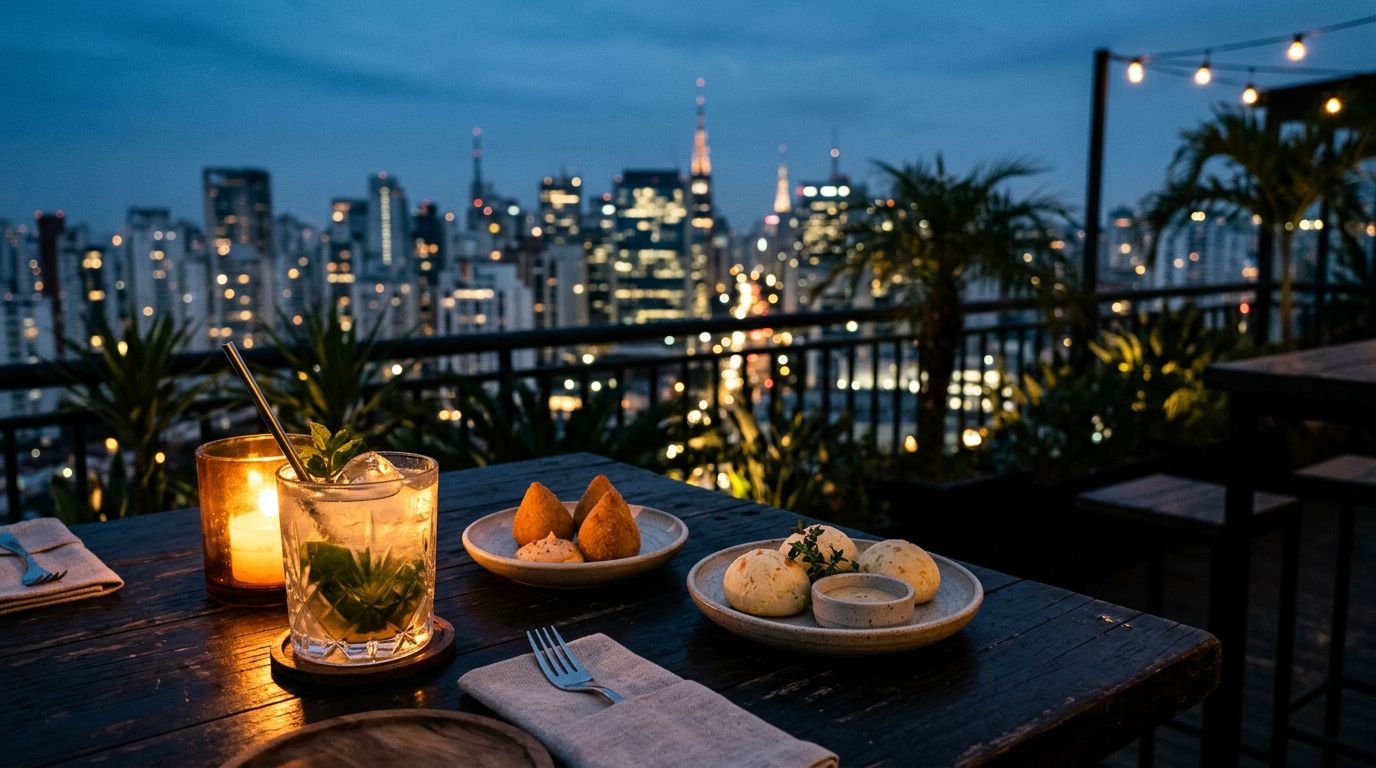
São Paulo can eat a perfectly good plan alive before your first caipirinha lands. The city is huge, traffic is real, and a cross-city run to the historic center can cost more time than expected. Its best nights don’t begin early. The smartest plan is less about racing through landmarks and more about putting great meals, good music, and the right stops in the right order.
I build São Paulo the way I build any serious food city: give each day a reason, then keep the moving parts tight. This trip is about nightlife and dining, with a long lunch, good music, a slow walk, and dinner worth dressing for. Add a real cocktail bar, then keep the route tight enough that the ride home doesn’t become an hour-long ordeal.
For first-time visitors, three full days give the city enough room to land.
Key Takeaways
- Give São Paulo three full days, then organize each day around one neighborhood instead of trying to cross the city repeatedly.
- Stay in Jardins for polished dining and cocktails, or choose Pinheiros for a more food-first itinerary with bars close by.
- Build the trip around a few strong anchors: Paulista and MASP, Pinheiros and Beco do Batman, then Liberdade and the historic center.
- Book the meals, concerts, and serious cocktail bars that matter, but leave room for a late dessert, a second drink, or a recommendation from dinner.
- Use public transport for planned daytime connections and registered rides at night, especially after dinner, drinks, or live music.
The Sao Paulo Itinerary Rule: Plan by Neighborhood
São Paulo is absolutely worth a short trip, but only if you respect its urban sprawl. Three days is the sweet spot for first-time visitors. Build a manageable mix of things to do, with tourist attractions, architecture and culture, serious food, and unhurried nights. Two days can work if you stay disciplined. Four days give you a softer pace and room for a concert, football match, or an extra long lunch.
The move is simple: choose one daytime anchor, keep the rest of the day within a small orbit, then book dinner nearby. Use public transport for connected daytime segments, but don’t rely on it for every transfer. A museum, market, and cocktail bar may look close on a map. Across the historic center, São Paulo traffic can make them feel like separate cities.
| Day | Daytime Focus | Dinner Zone | Night Plan |
|---|---|---|---|
| 1 | Avenida Paulista and MASP | Jardins | Polished cocktails nearby |
| 2 | Pinheiros and Vila Madalena | Pinheiros | Cocktail bars and a late table |
| 3 | Liberdade and the historic center | Centro or Bela Vista | Live music or a classic bar |
| 4 (optional) | Ibirapuera Park or a football match | Flexible | Extra cultural stop or long lunch |
On Day 3, a downtown walking tour is the practical way to experience this part of the city without turning the route into a commute.
If you have a fourth day, add Ibirapuera Park, a football match, the Brazilian football museum, Beco do Batman, or a restaurant reservation that deserved its own evening. This local guide to São Paulo is useful for choosing an extra cultural stop without turning the whole trip into a commute.
Stay Where Your Evenings Make Sense
For a first visit, I would stay in Jardins or Pinheiros, keeping the neighborhoods to explore at night within reach. The Jardins neighborhood works when you want refined hotels, strong restaurants, and a cleaner finish to the night. Pinheiros is better if your trip is food-first, casual in the right way, and built around bars you can reach without crossing town.
Vila Madalena has more loose, spontaneous energy. It is fun for an afternoon around Beco do Batman and a night out, though I don’t always choose it as the hotel base. The historic center has real character and worthwhile daytime stops, but I wouldn’t make it my first choice if most nights end after midnight.
A cheaper hotel across the city stops being cheap after your third late-night ride home. Check recent reviews for street noise, air conditioning, elevator access, and whether the room faces the avenue or an interior courtyard. The room that protects your sleep protects the next day too.
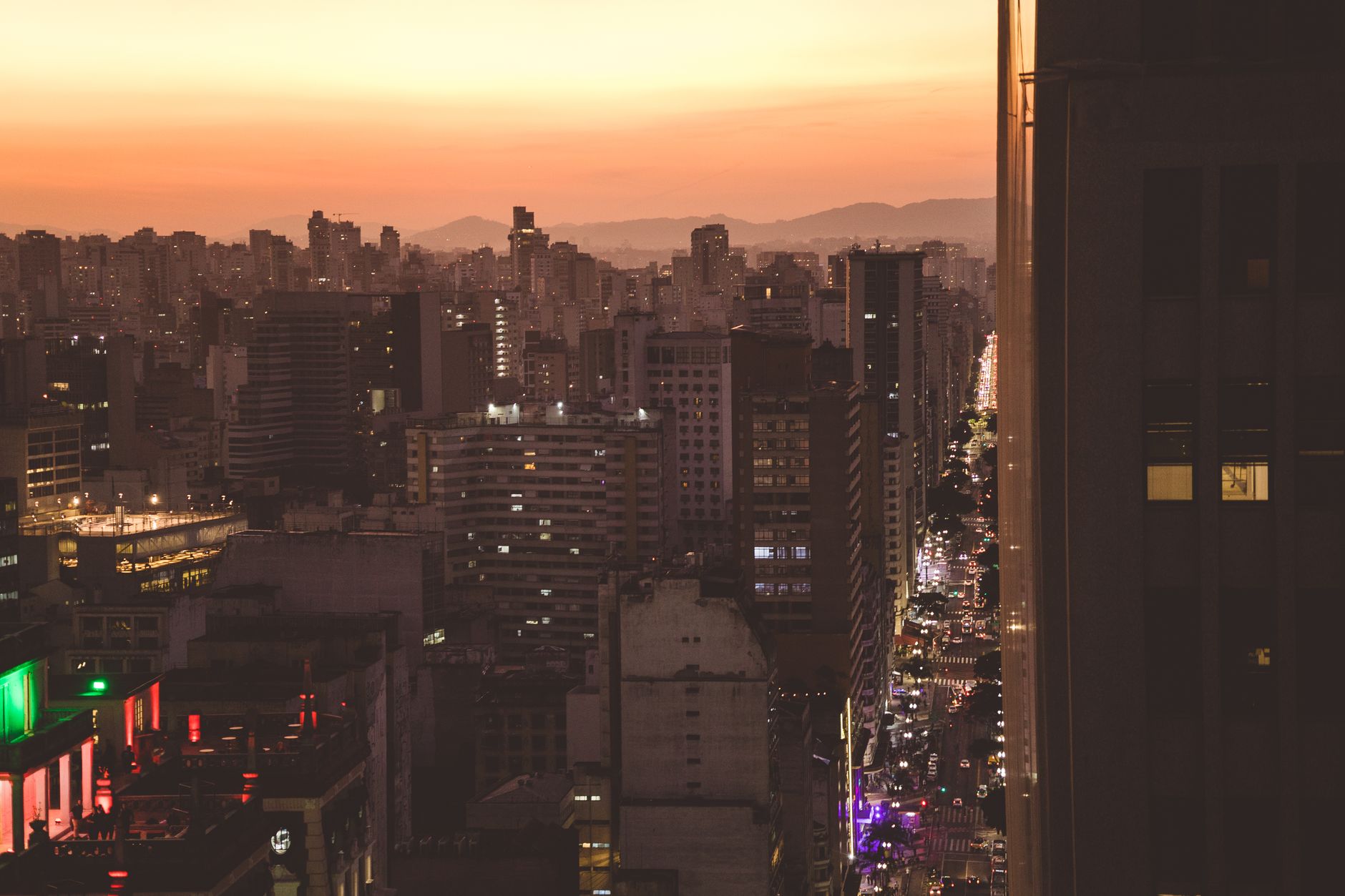
Photo by Rafael Rodrigues
Day 1: Paulista, Jardins, and a Dinner Worth Dressing For
Start on Avenida Paulista, the city’s cultural spine. On Sunday, the avenue becomes a much better place to wander when it is closed to car traffic. The sidewalks fill with cyclists, families, musicians, coffee stops, and people who look like they have nowhere else to be. That is exactly the mood you want. Use this guide to Paulista Avenue on Sundays for a sense of what lines the route.
Make MASP your contemporary art museum stop if you’re interested in contemporary work, then keep walking along Avenida Paulista. Browse Livraria Cultura, stop for coffee, and avoid the temptation to stack MASP, Ibirapuera Park, Municipal Market, and the historic center into one afternoon. That is not ambitious. It is bad pacing.
For lunch or an early dinner, A Baianeira at MASP is an accessible introduction to the Brazilian food scene. If you want your opening night to feel bigger, reserve D.O.M. or Tuju well ahead. Both are places to build a night around, not squeeze between drinks and a club.

After dinner, stay in Jardins. The Liquor Store is a good call when you want a serious drink in a room with some polish. This is not the night to prove you can hit five bars. Have one strong cocktail, leave room for a final glass of wine, and take the car back before fatigue starts making decisions for you.
Day 2: Pinheiros, Street Art, and the Cocktail-Bar Circuit
The Pinheiros neighborhood is where the itinerary feels most lived-in. You get bakeries and coffee in the morning, creative restaurants at lunch, record shops and galleries in the afternoon, then bars with real depth after dark.
Start with coffee and a relaxed breakfast, then make your way toward Mercado de Pinheiros for a casual lunch. It is not a single meal you need to overthink. Let the stalls, the line, and your appetite make the call. This is a better use of your time than hunting for one famous sandwich across town.
In the afternoon, head toward Vila Madalena and Beco do Batman. Street art murals fill the walls and side streets around Beco do Batman. Keep the stop short and walkable, treating it as a visual detour rather than an all-afternoon photo mission.
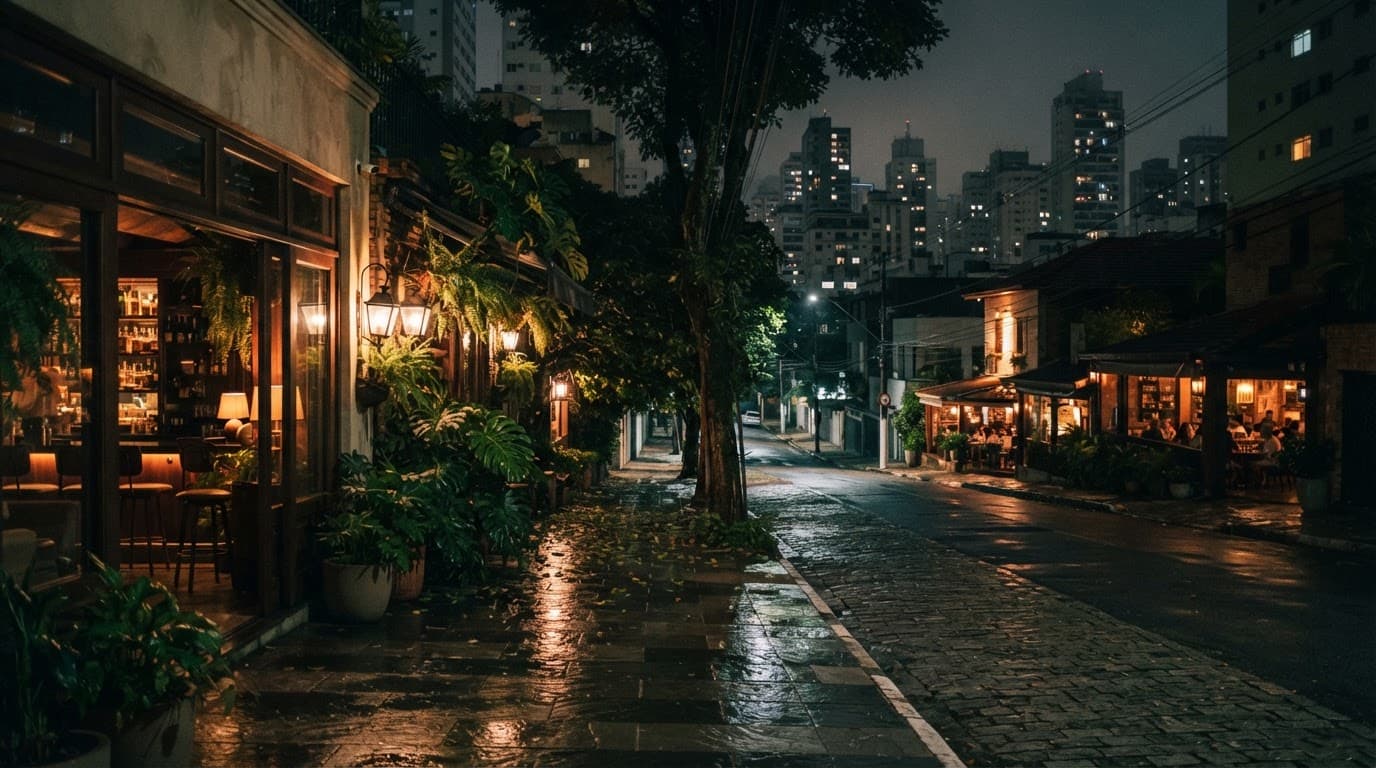
Come back to Pinheiros for the night. Tan Tan on Rua Fradique Coutinho is a reservation-worthy choice if you want dinner and cocktails in one place. For a second stop, Boca de Ouro and SubAstor are better for people who care about what is in the glass, not just the room’s lighting.
São Paulo has an unusual amount of range packed into a single city, with food, museums, street art, and nightlife competing for your attention. That is why a broad São Paulo travel guide can make the place feel overwhelming. Pinheiros solves that problem. You can have a full day and a full night without repeatedly checking the clock.
Day 3: Liberdade, Centro, and a Different Kind of Night
Make day three a contrast. Start in the Liberdade neighborhood, where Japanese-Brazilian food, markets, bakeries, and small shops give the morning a different rhythm. Go early, before the streets feel too busy. A simple bowl of ramen, sushi lunch, or a snack from a bakery is enough. Don’t force a formal three-course meal when dinner is still ahead.
From there, use public transport to reach the historic center. Build a compact downtown walking tour around Pátio do Colégio, Sé Cathedral, the Copan Building, and Farol Santander. These tourist attractions offer a quick introduction to São Paulo’s architecture and culture. If you’re hungry, visit the Municipal Market, but don’t let its famous mortadella sandwich become your only food memory of the city.
After dark, the historic center needs a more deliberate plan. Bar dos Arcos, below the Municipal Theatre, is the sharper choice for cocktails in an atmospheric room. Bar Brahma on Avenida São João works if you want classic São Paulo energy, cold beer, and live music in the mix.
The historic center is a great place to explore by day and enjoy with a reservation at night. It is not the place to improvise a long walk home after 1 a.m.
Pick one late stop, arrange your ride before you leave the bar, and enjoy the night without turning basic logistics into the main event.
Getting Around Without Letting Traffic Run the Trip
From Guarulhos airport, compare public transport with an app-based ride, the official taxi rank, or a pre-booked private car. A private transfer is worth it after a long-haul flight, for groups, or when you have a late dinner reservation on arrival night. Otherwise, use an app-based ride, leave room for traffic, and allow extra time to reach Guarulhos airport for your return.
The metro is a useful public transport option for planned daytime jumps. It is not your entire transport plan; use the public transit system for nearby connections, such as the historic center. Once there, walk the historic center or join a downtown walking tour. After dinner or drinks, Uber is usually cleaner than public transport, especially when you are dressed well or tired.
Take basic safety precautions around crowded transit points. Keep your phone out of sight when you are not using it. Use registered rides at night instead of looking for a street taxi after bar close. São Paulo is not a city to fear, but it rewards travelers who pay attention.
Build Music Into the Night, Not Around It
If live music matters, check the calendar before you book the trip. Blue Note São Paulo, Cine Joia, and Audio can turn an ordinary night into the reason you remember the city.
Build backward from doors. Pick dinner near the venue, allow extra time for traffic and security, then keep the post-show drink close enough that you don’t lose the room’s energy in transit. The same logic in this concert trip planning guide works anywhere: put the performance first, then let food and drinks support the night.
Frequently Asked Questions
How many days do you need in São Paulo?
Three full days is the sweet spot for a first visit. Two days can work with tight planning, while four days give you room for Ibirapuera Park, a football match, a concert, or another long lunch.
Where should you stay in São Paulo?
Jardins and Pinheiros are the most practical bases for this itinerary. Jardins suits refined hotels, restaurants, and polished cocktails, while Pinheiros keeps food, bars, and nightlife within an easier orbit.
What neighborhoods should you visit in São Paulo?
Start with Avenida Paulista and MASP, spend a day around Pinheiros and Vila Madalena, then use the third day for Liberdade and the historic center. These areas give you a useful mix of architecture, culture, street art, serious food, and late-night energy without forcing constant cross-city transfers.
Is São Paulo safe at night?
São Paulo rewards basic awareness, especially around crowded transit points and after bar close. Use registered rides, keep your phone out of sight when you are not using it, and arrange the ride home before leaving a late-night stop.
What is the best way to get around São Paulo?
Use the metro and public transport for planned daytime connections, then walk compact areas such as the historic center. At night, an app-based ride is usually the cleaner option, particularly when traffic, fatigue, or a late dinner makes the route harder to manage.
The Best Sao Paulo Itinerary Leaves Room for Appetite
São Paulo does not need to be conquered. It needs to be arranged with taste. Keep your days tight, book the meals that matter, and choose a hotel that lets the night end well.
A good plan has structure, but it never feels over-scripted. Leave room for the second cocktail, the late dessert, and the bar someone at dinner tells you not to miss.