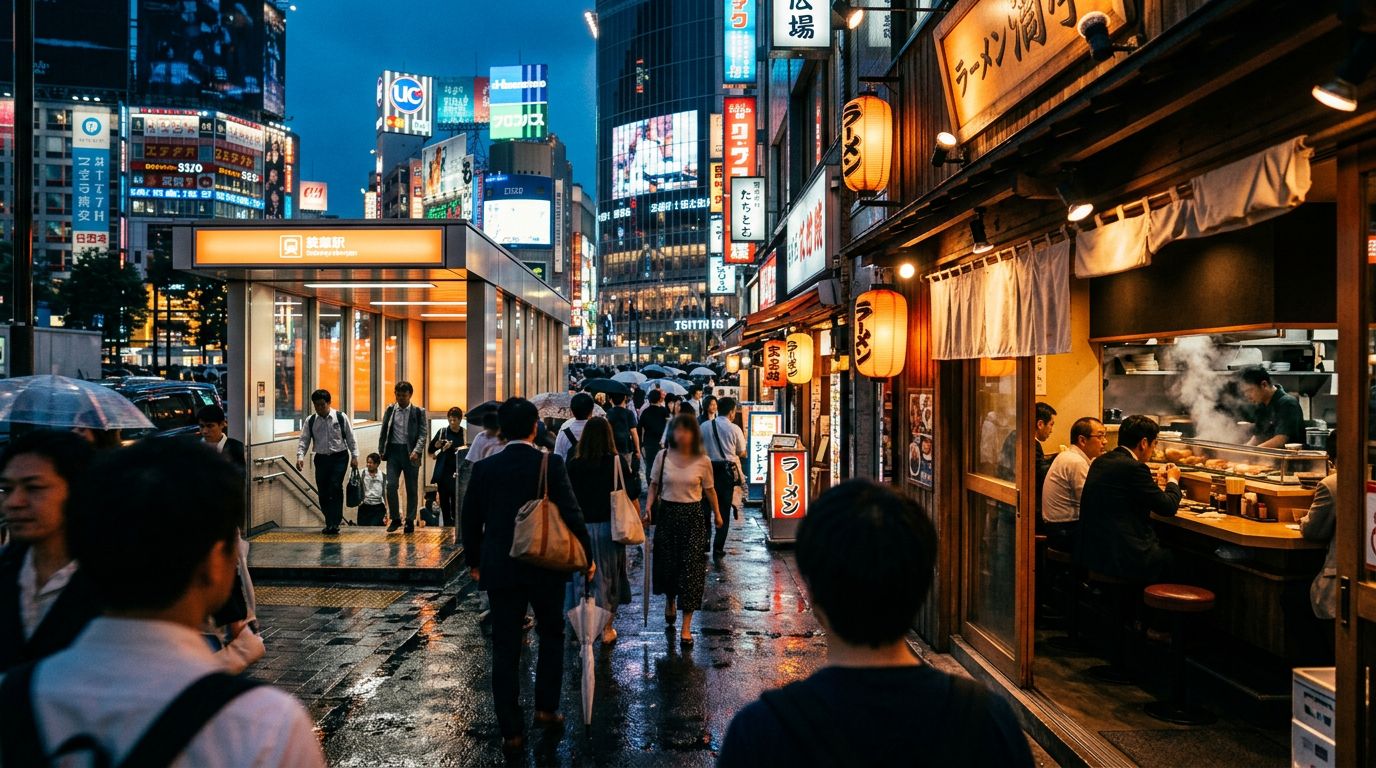
Tokyo isn’t hard because the trains are confusing. Tokyo gets hard when your day is scattered. It is the same challenge you face when planning a trip to Seoul, another Asian capital that rewards tight neighborhood sequencing over a sprawling checklist.
A breakfast of fresh sushi in the east, an afternoon of shopping in the west, or seeking out the perfect bowl of ramen in an entirely different ward can turn a fun trip into an exhausting relay race. A good Tokyo food itinerary keeps each day tight, lets one neighborhood lead your schedule, and saves your energy for the meals and bars that are truly worth it.
Key Takeaways
- Anchor your itinerary by neighborhood: Avoid exhausting cross-town travel by focusing each day on a single area, allowing you to explore side streets and local gems without the stress of constant transit.
- Master your transit with mobile tools: Use a digital Suica or Pasmo card on your phone to tap in and out of subways seamlessly, avoiding ticket machines and saving valuable time.
- Edit your plans heavily: Tokyo offers too much to do in four days; resist the urge to visit every major landmark and instead commit to one primary meal or venue per night to keep your schedule from becoming a chore.
- Travel outside of rush hours: Plan your biggest moves between 10 a.m. and 4 p.m. or after 7 p.m. to avoid the intense congestion of Tokyo’s transit system during peak hours.
Make Tokyo work before you land
The city is huge, but friction is the real problem. A long line at one counter pushes lunch late. One cross-town dinner reservation burns an hour on transfers. Then the night starts feeling like work.
The fix is boring on paper and great in practice. Build by area. Give each day one anchor, then let the nearby streets fill in the rest. Tokyo rewards that kind of editing.
The cleanest arrival move in 2026 is still a Suica or Pasmo setup on your phone. Mobile transit cards make the whole trip easier. You tap into trains and subways, buy drinks at a konbini or convenience store, and stop wasting time at ticket machines. If you use an iPhone, mobile Suica is especially painless.
The JR Yamanote line is your best friend on a short trip. It links major hubs like Shibuya and Shinjuku, along with Ueno and Tokyo Station, in one convenient loop. Use Tokyo Metro for the smaller jumps. After drinks, take a taxi if your feet are done. One more transfer at midnight is rarely the right call.
Try to move between 10 a.m. and 4 p.m., or after 7 p.m. Rush hour is real, and Tokyo does not need extra difficulty.
A strong home base buys back time. Choosing to stay in Shibuya or Shinjuku provides the best transit access for this trip. These are the easiest bets:
| Area | Best for | Watch out for |
|---|---|---|
| Shibuya | First trips, bars, west-side nights | Busy streets and higher room rates |
| Shinjuku | Big station access, food variety, late returns | It can feel chaotic fast |
| Ueno | Better value, east-side food days | Less exciting after midnight |
One anchor meal, one neighborhood cluster, one bar worth staying for. That is enough.
If you want another neighborhood-first take before cutting things down, Svadore’s 4-day Tokyo itinerary is a useful compare. The broad idea is the same. Tokyo gets better when you subtract.
Day 1: Asakusa, Kappabashi, and Ueno after dark
Start in Asakusa early. Not because you need to race a checklist, but because this part of Tokyo is better before the crowd thickens. Walk through Senso-ji, then get off the main drag as soon as you have had your fill of the postcard view.
The side streets matter more here. You can grab melon pan, a quick bowl of udon, or a proper tempura or sushi lunch without spending the day in line. Exploring the vibrant street food offerings is the best way to understand why Asakusa feels so grounded, as the area remains focused on local traditions rather than just catering to the camera roll.
Late morning, walk to Kappabashi. If you like cookware, ceramics, knives, or the small details that make food culture feel real, this stretch is fun without trying too hard. You do not need to buy a suitcase full of bowls. Browsing is enough.
From there, slide toward Kuramae or Ueno depending on your pace. Kuramae works if you want a slower cafe stop and a quieter afternoon. Ueno works if you want more movement and easier night energy.
Evening belongs to Ameyoko and the streets around Ueno Station. This is where the day opens up. You might consider joining a food tour to navigate the bustling Ameyoko markets, where the atmosphere is electric. Expect to find plenty of yakitori smoke drifting from nearby stalls, casual izakaya spots, and quick beers. Keep it loose, and enjoy one more small plate because the first round likely woke you up.
Hoppy Street in Asakusa can work if you want the obvious move. Ueno is the better finish if you want more range and an easier station reset.
Day 2: Tsukiji Outer Market to Shimbashi, a food-first Tokyo day
Go early to Tsukiji Outer Market. The goal is to eat well before the area turns into a slow shuffle. While Toyosu Market now handles the wholesale auctions, the Tsukiji Outer Market remains the heartbeat of Tokyo street food. You can find everything from grilled scallops to tamagoyaki, but consider joining a professional food tour if you want to navigate the hidden stalls efficiently.
Main lanes get the attention, but the better bites often sit just off them. Pick one real breakfast. Whether you opt for fresh sushi or other local delicacies, make it a meal instead of a tasting marathon. Side-street counters tend to reward you more than the biggest line.

Photo by Diana Nguyen
After that, keep the day moving toward Ginza. Exploring a depachika, or department store food hall, is one of Tokyo’s easiest flexes. The basement floors are full of boxed sweets, prepared foods, and polished desserts. If you are planning for a more upscale evening in Ginza, this is also the place to research local spots serving high-quality Wagyu beef or intimate omakase experiences.
Lunch should stay light if breakfast was big. A kissaten coffee break or a small set meal keeps the rhythm intact.
By late afternoon, head to Shimbashi. This is one of the cleanest transitions in the city. Business-day Tokyo starts to loosen up, the under-track bars wake up, and dinner gets easy. You do not need a fancy plan here. Enjoy some sushi, skewers, sashimi, or fried things with a cold beer or a highball, then see where the block takes you.
If you are the type who saves too many food posts, a crowd-sourced Tokyo food thread is good for rabbit holes. Don’t let it turn your night into a scavenger hunt.
Day 3: Shibuya, Ebisu, and a better west-side night
This is the day people overcook. They try to do Shibuya, Harajuku, Omotesando, Daikanyama, and a totally different nightlife district in one sweep. Don’t.
Start late if you went hard in Shimbashi. A slower morning fits the west side anyway. Coffee in Shibuya or near Yoyogi beats forcing an early museum start you don’t care about. If you want one non-food anchor, make it Meiji Jingu or a quiet walk through Yoyogi Park. If you crave a highly visual, immersive experience before diving into the city, consider booking a trip to teamLab Planets, though it requires venturing slightly east.
Then slide into the Harajuku and Omotesando pocket. The energy shifts fast here. You get better coffee, sharper bakeries, interesting shops, and enough people-watching to keep the afternoon moving without a formal plan. Lunch can go casual. Whether you choose a steaming bowl of ramen, a crispy tonkatsu set, or a polished cafe, keep it simple. Harajuku is the perfect place to grab a quick bite before wandering toward the more relaxed atmosphere of Nakameguro for an afternoon coffee by the canal.
By evening, move toward Ebisu or Daikanyama. This is where you want dinner if the night matters. The streets are easier, the pacing is better, and the bar scene feels more composed than a random sprint through central Shibuya. If you are in the mood for a heartier meal, finding a high-quality yakiniku spot in these neighborhoods is a great way to anchor your evening.
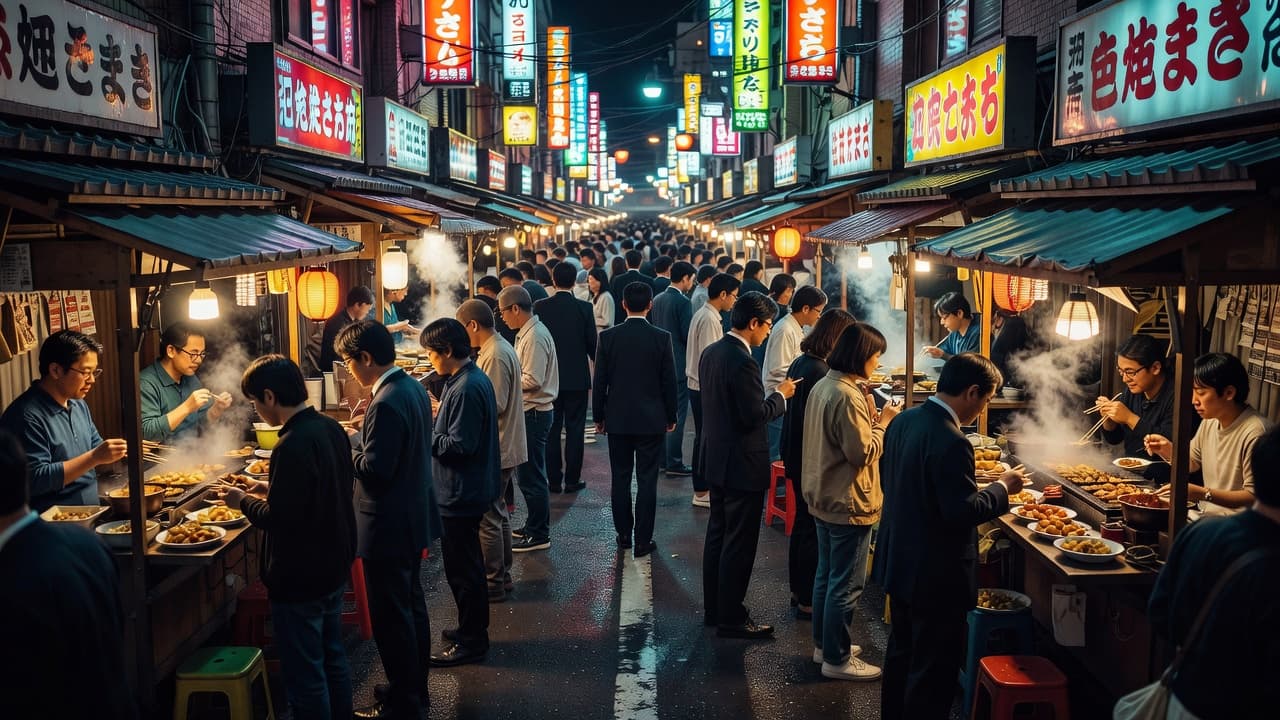
If you want cocktails, keep them nearby. If you want live music, pick one neighborhood and commit. Shibuya works. Shimokitazawa works. Doing both in the same night is how good plans get thin.
Tokyo at night is not short on options. The trick is refusing half of them.
Day 4: Nakano and Koenji for the final stretch
Your last day should feel edited, not like cleanup duty for every landmark you missed. Nakano and Koenji are strong choices for that.
Start in Nakano. The area has enough oddball energy to feel distinct without becoming a production. You can wander Nakano Broadway if that sounds fun, but the real win is the neighborhood around it. Discover small lunch spots, local street food, cheap counters, and old bars waiting for later. It offers a local pace that does not beg for performance. If you are craving a quick meal, there are plenty of excellent ramen shops tucked away in the alleys.
After lunch, take the short hop to Koenji. This is where the final day gets personality. Explore vintage shops, record stores, coffee houses, and tiny backstreets. When looking for the best spots to grab a drink or a bite, checking Tabelog for local bar and restaurant ratings is a great way to find hidden gems. If your trip leans toward music, Koenji is a smart finish. The area still has that live house texture people are usually hoping to find.
Dinner should stay close. Enjoy a plate of yakitori, explore the local izakaya scene, or grab a steaming bowl of ramen to end your trip. Then, pick one bar and settle in. Choose a vinyl bar if that is your thing, a snug counter if you want conversation, or a live room if you want the night to become the point.
If you want a wider starter list before trimming it down, Twirl The Globe’s Tokyo guide has enough names to jog ideas. Then cut hard. Four days in Tokyo should feel connected, not crowded.
If Koenji does not sound like you, Kiyosumi-Shirakawa is the cleanest swap for a coffee-led final day. But keep the same rule. Stay in one orbit and let the day breathe.
If you are extending beyond Tokyo, Osaka is a short Shinkansen ride away and offers a completely different night energy. Plan a few days around the best Osaka izakayas after dark. For a quieter evening, Kyoto’s Pontocho sake bars and late ramen are just a short train ride from Osaka.
Frequently Asked Questions
Do I really need to plan my food reservations months in advance?
For high-end omakase or Michelin-starred experiences, booking early is essential to secure a seat. However, for the vast majority of excellent izakayas, ramen shops, and casual neighborhood spots, you can easily walk in if you remain flexible and avoid the absolute peak dining times.
Is it better to stay in one hotel for the whole trip or move around?
It is significantly better to choose one central home base, such as Shibuya or Shinjuku, for your entire stay. Changing hotels wastes precious time in transit and check-in processes, and Tokyo’s efficient rail network makes moving between districts simple enough that you don’t need to relocate.
How can I avoid the longest lines at famous Tokyo restaurants?
Aim to arrive at popular food spots either right when they open or during off-peak afternoon hours. If a specific place has a massive line, look for a nearby alternative in the same neighborhood, as Tokyo’s culinary baseline is exceptionally high and you will likely find a comparable meal without the wait.
Should I buy a physical JR Pass for a 4-day Tokyo trip?
No, a national JR Pass is almost certainly not worth the cost for a short trip focused solely on Tokyo. You will save much more money and time by using a rechargeable mobile IC card (Suica or Pasmo) for local subway and JR lines as you go.
Conclusion
Tokyo does not need to be conquered. It needs to be arranged.
The version that works is simple. Keep each day tight, let one meal or one night plan lead, and use transit to connect good decisions instead of rescuing bad ones. That is how four days stop feeling short and start feeling sharp.
The best Tokyo food itinerary is not the one with the most pins on the map. Whether you are hunting for a refined Michelin star experience or simply craving a quick, steaming bowl of noodles in an alleyway, the most successful trip is the one that leaves room for a second drink, a better side street, and a night that lands exactly where it should.