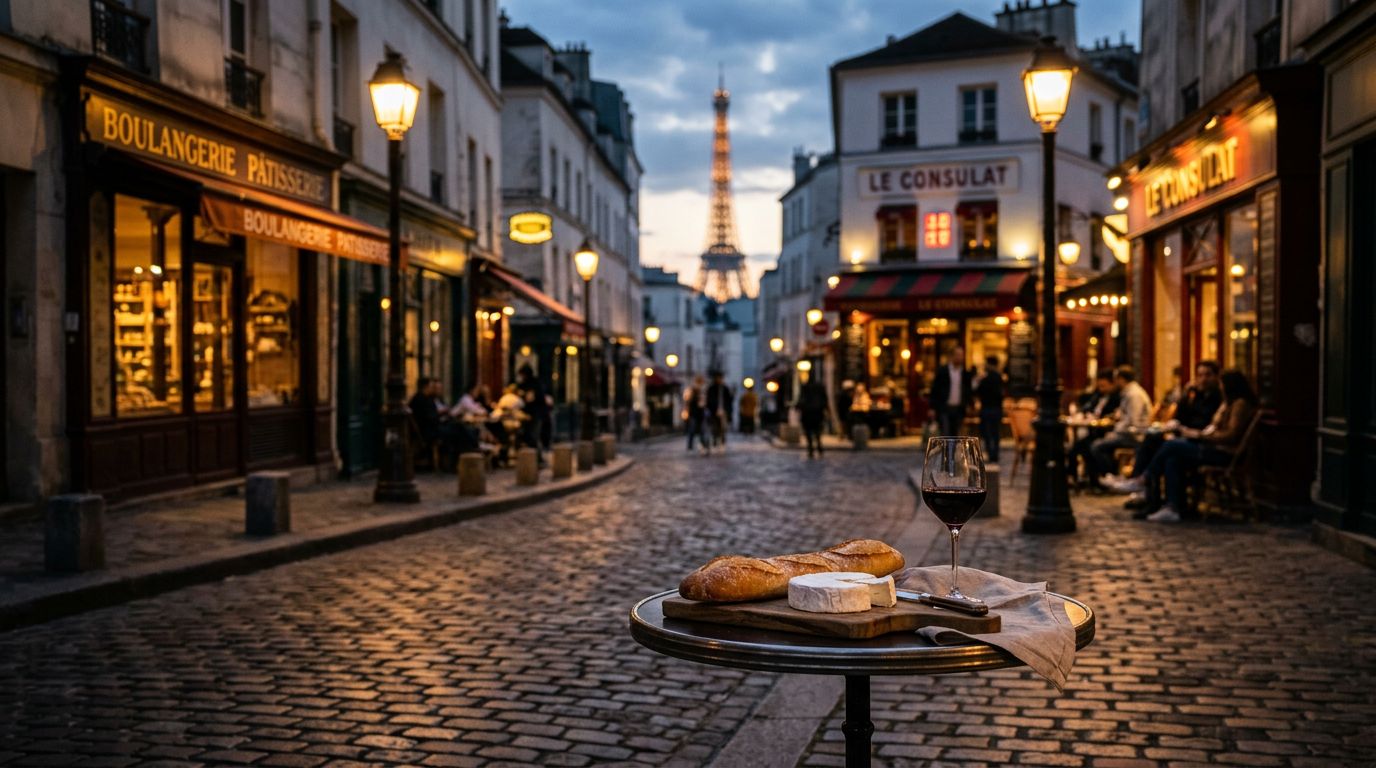
Paris gets overplanned fast.
One museum, one cafe, one river walk, one dinner reservation across town, and suddenly your day is gone before the second glass of wine lands. A thoughtful Paris itinerary is less about chasing every landmark and more about arranging the city so it stops fighting you.
The version that works is simpler. Keep each day tight, let one anchor lead, and leave enough room for a street, shop, or lunch that wasn’t in the original plan. A good Paris itinerary avoids the common trap of aggressively chasing major landmarks like the Eiffel Tower or the Louvre Museum in a single morning, setting the stage for a more relaxed and authentic pace.
Key Takeaways
- Prioritize Density Over Distance: Avoid the common trap of visiting multiple landmarks across different districts in one day; instead, anchor your day around one major activity and one neighborhood to minimize travel friction.
- Strategic Base Selection: Choosing where to stay is the most critical logistical decision, as staying near your preferred nightlife or dining area saves significant time, money, and late-night exhaustion.
- Embrace the Long Lunch: Treat meals as central components of your itinerary rather than quick fuel stops, as a long, leisurely lunch is often where the most authentic Parisian experiences happen.
- Curate Your Evenings: Keep night plans simple by staying in one neighborhood; pairing a dinner reservation with a nearby music venue or wine bar prevents the frustration of cross-city travel during your off hours.
What makes a Paris itinerary work
Paris is big, but that is not the main issue. The real problem is friction. A quick stop at the Louvre Museum turns into security lines, tired feet, a metro ride, and a late lunch that wrecks the rest of the afternoon.
The fix is boring on paper and great in practice. Build your days by area. Let one thing matter most. Whether it is seeing the Eiffel Tower, visiting a specific museum, enjoying a dinner, attending a concert, exploring a market, or even savoring a long lunch you do not want to rush, keep your focus narrow.
One landmark, one neighborhood cluster, one solid night plan. That is enough.
This city rewards editing. It does not reward ambition for its own sake. One museum and a proper meal feels like Paris. Three major sights before 4 p.m. feels like a work trip with nicer bread.
If you want a quick pulse check on what needs advance booking, current Paris tours and timed-entry options are useful for seeing which attractions are drawing lines and selling out.
Choosing the right base matters too. When deciding where to stay in Paris, consider which vibe matches your travel style:
| Area | Best for | What it feels like |
|---|---|---|
| Le Marais | First trips, walkability, good food | Lively, central, easy to love |
| Saint-Germain | Cafe culture, museums, polished stays | Classic, expensive, pretty |
| Canal Saint-Martin | Food-heavy trips, local energy | Relaxed, younger, less formal |
| South Pigalle | Late nights, bars, music | Stylish, busy, fun after dark |
| 7th arrondissement | Postcard views, calmer evenings | Refined, quieter, higher-priced |
The point is not to pick the “best” area, but to pick the one that fits your nights. Cheap and far can get expensive once taxis, travel time, and end of day fatigue start stacking up. Planning your accommodations strategically is the secret to a successful Paris itinerary.
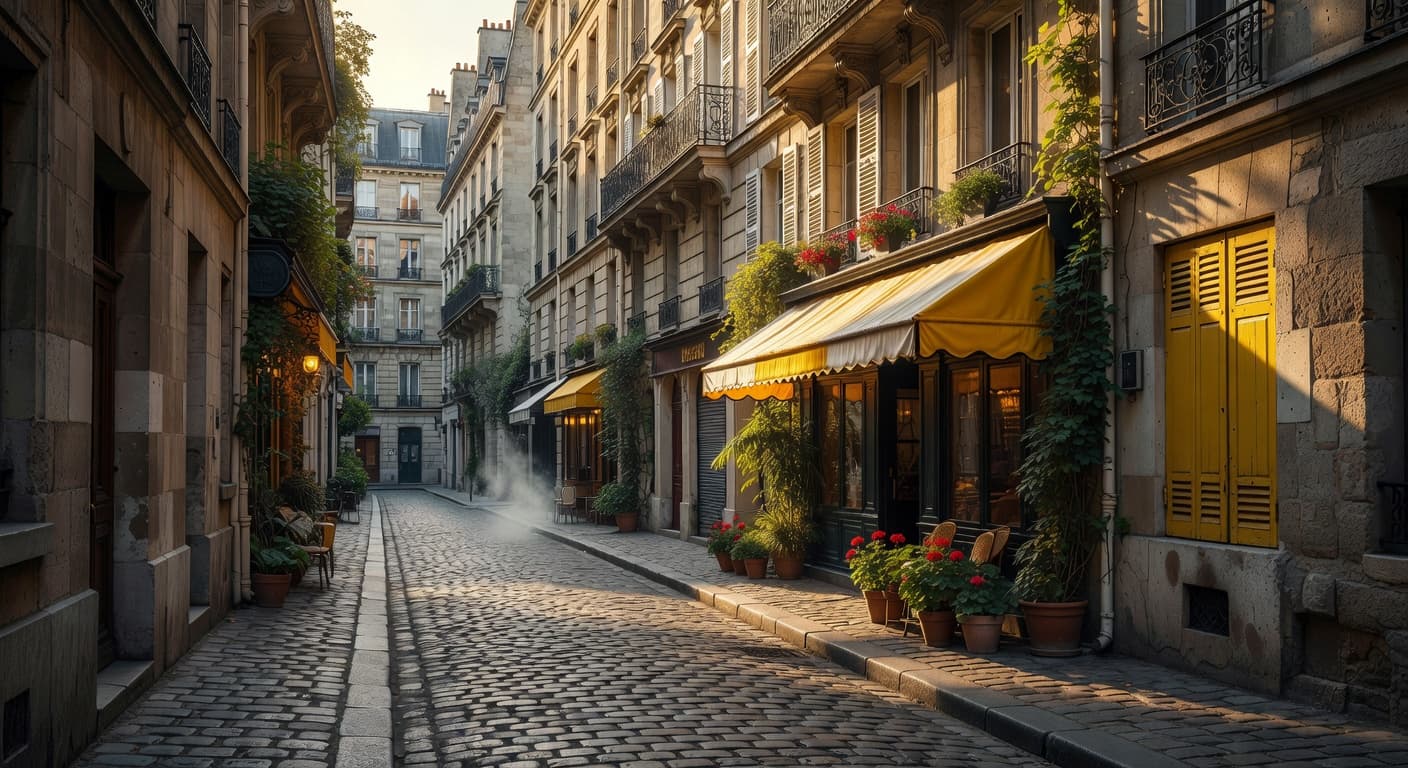
A 3-day Paris itinerary that flows
For most people, three days is the sweet spot. Two days is enough to get the highlights. Three gives the city a chance to feel lived-in.
Day 1: Le Marais, the Seine, and your first long meal
Start in Le Marais. It gives you the right opening note. You can embark on a self-guided walking tour through the neighborhood, get coffee without overthinking it, browse small shops, and let the city meet you halfway.
Take the morning slow. Walk through Place des Vosges, duck into side streets, and resist the urge to treat Day 1 like a race. If you want a cultural stop that doesn’t flatten the rest of the day, Musee Carnavalet is a sharp choice. It gives you Paris history without the crush and scale of the city’s biggest museums.
From there, drift toward the Île de la Cité. This part should feel light. You might walk past Notre-Dame Cathedral or admire the stained glass at Sainte-Chapelle. The river is the point more than the checklist.
Lunch matters on Day 1. Make it long enough to set the tone. This is a good day for a bistro, a glass of wine, and nowhere else you need to be for the next hour. Paris opens up once you stop treating lunch like a pit stop.
In the afternoon, keep it nearby. Walk the riverbanks, browse a bookshop, or head toward the Louvre Museum exterior and the Tuileries Garden if you want the postcard moment without committing to a full museum run yet. First-day energy is real, but so is first-day overreach.
Dinner should stay close. Le Marais, Bastille, and the eastern edge of the 11th all work. If you want wine bars, smaller dining rooms, and a night that still feels local, this zone is one of the easiest openings in Paris.
Day 2: Left Bank, one museum, and a slower afternoon
This is your classic Paris day, but it still needs discipline.
Start on the Left Bank. Saint-Germain-des-Prés and the Latin Quarter give you cafes, bookshops, easy walking, and enough beauty to justify the myth. Grab coffee, then move toward the Luxembourg Gardens before the day gets too loud.
Pick one museum anchor. The Musée d’Orsay works if you want a high-hit list in a manageable building. If you are planning multiple stops, using a Paris Museum Pass with skip the line tickets can save you significant time. Whether you choose the Musée d’Orsay or the Rodin Museum, both can lead to a great day, but try not to combine them unless museums are the main focus of your trip.
If the Eiffel Tower matters, fold it into the route instead of letting it swallow the day. Paris is one of those cities where the Eiffel Tower often looks better from a distance. Trocadero at the right hour lands. So do views from the river or a bridge at dusk. Going up is fine if you want it, but it shouldn’t throw off everything around it.
This is also a good day for a stronger reservation. Saint-Germain and the 7th are built for long lunches and dinners that feel like part of the trip, not an afterthought. If you prefer a market angle, this Paris food guide from Petite Suitcase is a useful skim for market stops and culinary shopping ideas before you narrow it down.
Evening depends on your tempo. Keep it elegant with wine and dessert on the Left Bank, or cross back toward the center for a night that runs later. What you don’t want is a jagged cross-city reset right before dinner.
Day 3: Canal Saint-Martin, Belleville, and a stronger night
By Day 3, stop trying to perform being in Paris.
This is the day to lean into neighborhoods that feel less polished and more lived-in. Start around Canal Saint-Martin. Morning is best here, especially if you grab some fresh French pastries from a local boulangerie. The light is better, the pace is slower, and the canal still feels like a neighborhood instead of a backdrop. If you enjoy this waterside energy, Amsterdam’s canal belt and brown cafes offer a similar unhurried rhythm with a Dutch twist.
Coffee first, then a slow walk. If good coffee matters to you, current June 2026 recommendations keep circling back to places like Brouillon Coffee, Kawa Cafe on Avenue Victoria, Cafeotheque de Paris, and Le Floor. Paris has gotten much better at specialty coffee, and that part of the city is finally worth seeking out instead of settling for whatever is closest.
After the canal, head east. Belleville and Menilmontant reward the traveler who doesn’t need everything buffed up. Street art, smaller bars, stronger neighborhood food, and better people-watching are the highlights here.
Grab lunch somewhere casual and give yourself time to walk uphill toward Parc de Belleville for one of the better city views. The night should stay in the east or swing into the 11th arrondissement, depending on what you want. If you want a relaxing end to the trip, a Seine River cruise can be a light evening option before you head to dinner. Remember that good nights usually fall apart before they begin when dinner is too far away, service runs long, and everyone starts checking maps.
Add a fourth day based on your version of Paris
Don’t add a fourth day because you have one. Add it because there is a side of Paris you still haven’t hit.
If you want the classic version, do Montmartre early. Early matters, as Montmartre is much better before the crowd and selfie-stick energy take over. Make sure to visit the Sacré-Cœur before the afternoon rush. Walk the side streets, not only the obvious ones. Then slide down into South Pigalle for lunch, drinks, and a more modern night.
If vintage, design, or treasure-hunt energy is your thing, use the day for Saint-Ouen flea market. This works best when you treat it like browsing, not a mission. The point is to let the stalls surprise you, then settle into a late lunch once your feet tell you it is time.
If you want more icons, you can visit the Arc de Triomphe and walk the Champs-Élysées, or consider unique stops like the Paris Catacombs or Palais Garnier.
The Palace of Versailles is another popular fourth-day move, but only choose the Palace of Versailles if it is a priority. It is not a casual add-on, but rather a full commitment when planning a day trip from Paris. If you do head out to the Palace of Versailles, be prepared to dedicate your entire schedule to the excursion. Paris gives you enough inside the city that you do not need to leave unless you truly want the contrast.
For a shorter change of scenery, Brussels is just 90 minutes north by train with a different European rhythm centered on beer bars, frites, and late-night food. Our Brussels guide covers the best neighborhoods for a food-and-drinks weekend.
For plenty of travelers, the better fourth day is the unglamorous one. Sleep a little later. Take a long breakfast. Revisit the neighborhood you liked most. Buy the second bottle of wine instead of the third museum ticket.
Food and drink that matter
Paris is not the city for rushed, forgettable meals wedged between attractions. Any well-planned Paris itinerary should prioritize authentic culinary experiences over convenience.
Breakfast can be simple, but it should still feel like you are somewhere. Coffee and French pastries at the right counter beat an overbuilt hotel buffet nine times out of ten. If you care about coffee quality, Barista Magazine’s Paris coffee roundup is a good pulse check, and Embrace Some Place’s cafe list is helpful for mapping neighborhoods around the cup.
Lunch is where the city can win you over. A set menu at a good bistro, a market stop, a cheese and wine setup by the river, or a hidden cafe that turns into two hours because nobody wants to leave, that is the stuff that lingers.
Dinner needs a little strategy. If there is a room you really want, book it. Paris does not always reward last-minute optimism, especially on weekends. On the other hand, not every night needs a polished reservation made three months out. Some nights should be left open for the neighborhood to decide.
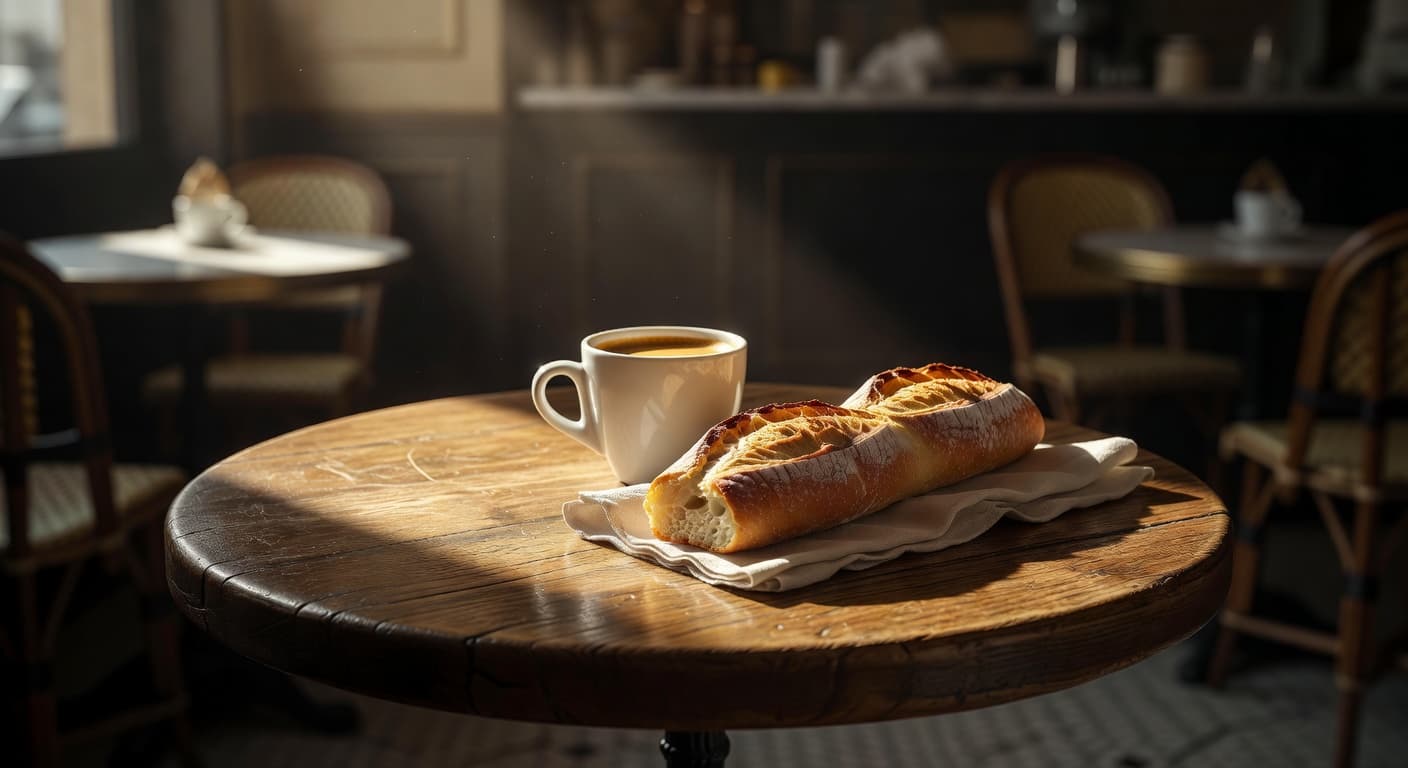
The better move is balance. Book one or two anchor meals. Leave the rest flexible. That way you can still pivot when a lunch runs long, a wine bar looks too good to skip, or your day ends in a different arrondissement than planned.
And yes, Paris still does the simple things better than most cities. Bread, butter, roast chicken, steak frites, natural wine, and a tiny espresso at the bar. Don’t let yourself miss that by chasing only the trendiest tables.
If you want to dive deeper into French food culture, the Lyon bouchon and wine bar guide covers the country’s other great culinary capital, just two hours south by train.
Where to stay, and how to keep transit sane
Your hotel is not just where you sleep. It buys back time, or it steals it. If you are trying to figure out where to stay in Paris, remember that your choice acts as the anchor for your entire trip.
If your schedule is heavy on dinners, bars, and late nights, stay central or close to the area you expect to use most after dark. Le Marais, South Pigalle, Saint-Germain, and Canal Saint-Martin all work, but they do not work for the same traveler. Le Marais is the easiest all-around pick for a first trip. Saint-Germain is stronger if you want a more polished, classic feel. South Pigalle works when nightlife and music matter. Canal Saint-Martin is better if your trip tilts local, creative, and food-first.
Paris public transit is efficient. For arrivals from Charles de Gaulle Airport, the RER train is a standard, reliable option to get you into the heart of the city. However, do not make the transit system do all the work. The metro is best when it connects two nearby pieces of a well-built day, not when it has to rescue a bad plan.
While transit is helpful, remember that a walking tour is the best way to see the smaller details of the city. Use walking when you can to soak in the atmosphere. Use the metro for clean jumps across town. Use taxis or ride-share late, when your feet are tired and your second glass of wine has turned the idea of taking one more subway stop into a mistake.
A phone-based transit option or Navigo setup is worth sorting out early so you are not standing at a machine trying to decode tickets while everyone behind you exhales loudly. Small friction adds up in Paris. Remove enough of it and the city gets lighter.
Paris after dark, without wasting the night
Paris does not need a chaotic bar crawl to work.
The city is better at the long dinner, the wine bar that becomes the whole plan, the cocktail room with the right lighting, or the jazz set that gives the night a shape. That range is part of why Paris works so well for travelers who want the city to feel as good as the headline event.
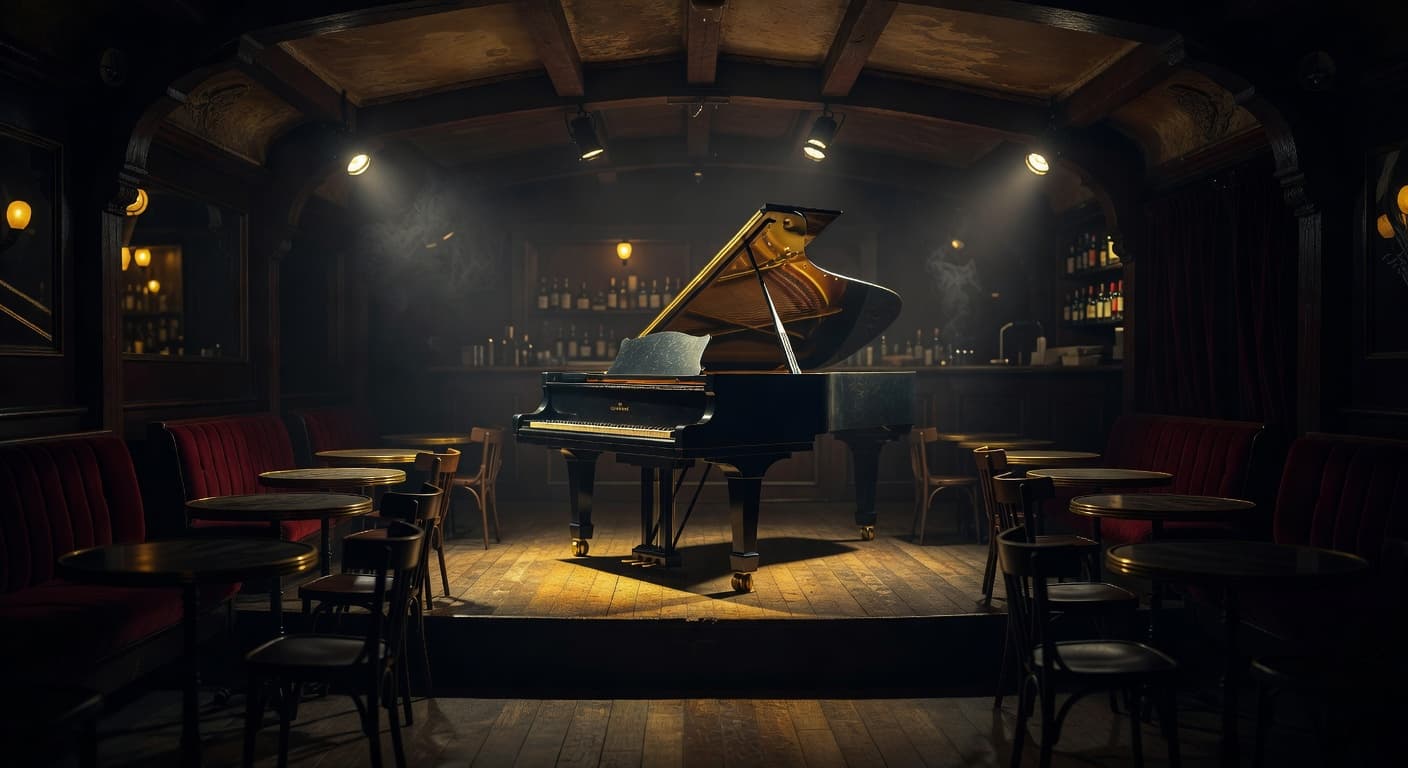
If music is the anchor, treat it that way. Book the show first, then put dinner nearby. Give yourself more time than you think you need. Nothing kills the mood faster than sprinting from one side of the city to the other because the reservation looked close enough on a map.
Jazz still fits Paris beautifully, but lineups shift fast. For a June 2026 trip, the smartest move is to check venue calendars directly rather than trusting stale lists. If you want the atmosphere, start with neighborhoods that naturally support a music night, such as South Pigalle, the Left Bank, Oberkampf, or parts of the 11th.
For a more romantic alternative, consider a Seine River cruise to end your evening. Seeing the Eiffel Tower sparkle from the water provides a perfect, low-stress conclusion to your day. If you prefer to stay on land, the area surrounding the Notre-Dame Cathedral offers a beautiful and historic backdrop for late-night walks.
The best pattern is simple. One dinner reservation, one room for drinks or music, and one backup late-night bite you can reach without crossing town. That is how the night stays fun instead of turning into transit.
Paris can absolutely give you the occasion. It just wants you to stop over-scripting every hour before it.
Frequently Asked Questions
Should I buy a Paris Museum Pass?
If your goal is to visit multiple major museums over several days, the pass can save both time and money. However, if you prefer a slower pace with only one museum per day, individual tickets or timed-entry bookings are often more flexible and less stressful.
How far in advance should I make dinner reservations?
For popular or high-end bistros, booking one to two weeks in advance is highly recommended, especially for weekend slots. For more casual dining, you can often get by with last-minute arrangements or by showing up early, but it is best to have at least one or two anchor reservations secured before you arrive.
Is the Paris Metro the best way to get around?
The metro is efficient for crossing town quickly, but it should not be the primary way you experience the city. Use it to bridge gaps between neighborhoods, but prioritize walking to truly see the street-level details and unique character of each district.
Is it worth visiting the Palace of Versailles on a short trip?
Only visit Versailles if it is a major priority, as it requires a full day of commitment. If your trip is three days or fewer, it is often better to stay within the city limits to fully enjoy the neighborhoods and rhythm of central Paris.
Final thoughts
Paris does not need to be conquered. It needs to be read correctly.
Keep your days tight, let one anchor lead, and stop asking one afternoon to do the work of three. A successful Paris itinerary is not the one with the most pins on the map. It is the one that leaves space for a long lunch, a second walk, and a night that lands exactly where it should. By prioritizing these moments, your final Paris itinerary becomes more than just a list of sights; it becomes a personal experience of the city.