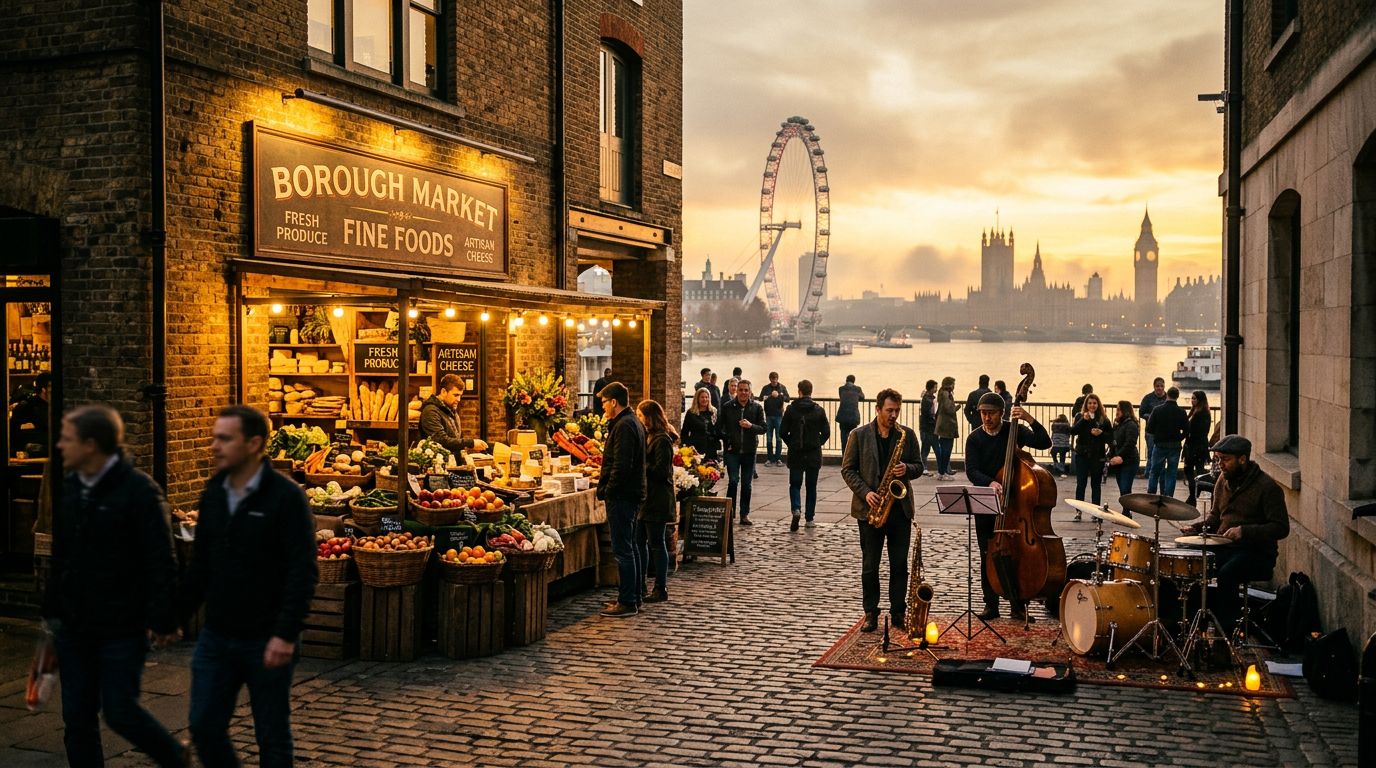
London can provide the perfect day, but it can also chew it up with one poor cross-city plan. That is the fundamental trick to visiting. A thoughtful London itinerary is less about collecting famous landmarks and more about arranging neighborhoods, meals, museums, and nights out in a logical, efficient order.
If you attempt to do London in one frantic sprint, the city quickly feels like a series of exhausting station changes and tired feet. By grouping the right areas, leaving breathing room around your planned activities, and letting your evening entertainment shape the rest of your trip, you will find that a well-structured London itinerary helps the city open up for you with ease.
Key Takeaways
- Zone your itinerary: Group activities within the same neighborhood to minimize transit friction and prevent exhausting cross-city travel.
- Prioritize the ‘Anchor’: Book your primary event—such as a theatre show, dinner, or concert—first, then build your day’s schedule around that singular focus.
- Embrace the pace: Avoid the urge to stack multiple major museums or sights into one day; instead, plan for one anchor landmark and leave room for exploration.
- Choose smart accommodation: Pick a hotel based on your evening plans and transit convenience, as a central location often saves more time and money than a distant, cheaper alternative.
What makes a London itinerary actually work
London is huge, but the bigger issue is friction. One museum visit turns into two train changes on the tube. A dinner reservation looks nearby until you factor in walking, transfers, and a long line outside the station. The fix is simple. Build each day around a tight zone and stop asking one afternoon to do the work of three. To keep your transit smooth, use contactless payment so you can tap in and out of the city infrastructure without fumbling for tickets.
Think of the trip like a setlist. You do not open with the encore, reset the room twice, and wonder why the night feels off. Start with one anchor, keep the transitions short, and save something for later.
Don’t treat London’s map like a promise. Treat it like a warning label.
That means visiting one major landmark, such as the British Museum, in a day, not three. It means booking the hard dinner or show first, then shaping the rest around it. It also means knowing what kind of trip you are after. First-timers need a few classic hits. Repeat visitors can go weirder, faster.
If you want a broad first-pass list of the big sights, this London essentials roundup is a decent skim. Then tighten it down. Cut the stuff you only want because you think you should want it.
Timing matters too. For 2026, May and September still look like the sweet spot. The weather is kinder, and the city is usually easier to navigate than during peak summer. Tuesday through Thursday mornings are your best bet for the major sights. London is also leaning harder into wellness add-ons and new openings, including the new London Museum, so it pays to leave one pocket of unscheduled time.
Pack like the forecast is allowed to change its mind. Because it is. Layers win in London, especially a light knit, a trench, comfortable shoes, and a compact umbrella.

Where to stay so London works in your favor
Your hotel is more than just a place to sleep. It is a tool to buy back your time. A cheaper room located far from the city center often loses its value once you account for expensive late-night rides, the time spent navigating the tube, and the slow drain of daily commuting.
This breakdown keeps the trade-offs honest:
| Area | Best for | What it feels like |
|---|---|---|
| Soho or Covent Garden | First trips, theatre nights, late dinners | Busy, central, easy, expensive |
| South Bank | Museums, river walks, mixed-age groups | Practical, scenic, calmer at night |
| Shoreditch or Spitalfields | Food-heavy trips, bars, design shops | Lively, stylish, less postcard London |
| Camden or King’s Cross | Concert trips, train access, north London nights | Connected, useful, mixed energy |
| Notting Hill | Slower mornings, markets, pretty streets | Polished, residential, less late-night useful |
The right choice depends on your plans for the evening. If your trip is built around the West End, Covent Garden makes life incredibly easy. If the real point of your visit is food, bars, and record-shop energy, Shoreditch gives you more personality and fewer theatre crowds. If you have an arena show at the O2, staying close enough on the map is often a trap. Instead, stay on a direct transit route that gets you home without a three-leg mission after midnight.
For most travelers, being central enough to walk home from one good night is the sweet spot. Choosing the right neighborhood can transform the quality of your entire trip.
A 3-day London itinerary that doesn’t waste the city
This version works for a first visit, but it doesn’t feel like guidebook homework. You get the classic core, better food, neighborhood time, and nights that still feel like London instead of generic tourism.
Day 1: Westminster, St James’s, then Soho after dark
Start early in Westminster. It is the cleanest time to see the heavy hitters before the city fully wakes up. Walk past Big Ben and Westminster Abbey, then cut through St James’s Park toward Buckingham Palace. If you time it right, you can catch the Changing of the Guard, which is a classic spectacle. It is one of the nicest resets in central London, and it keeps the morning from feeling like a checklist.
Pick one anchor stop. If you want history with more texture, the Churchill War Rooms is still strong. If art is the point, walk through Trafalgar Square and head toward the National Gallery. Give it real time; one museum is enough.
By late morning, work your way into Covent Garden and Seven Dials. This is where the day loosens up. Browse, sit down for lunch, then let Soho take over the evening. London does this transition well, as the city moves from ceremonial to social in a few blocks.
If you want to swap a standard tourist stop for something with more character, these unusual London experiences are worth a look, especially the Royal Albert Hall tour and Churchill War Rooms.

Photo by Daria Agafonova
Night one should stay simple. A West End show makes sense here because you are already in position. If music is more your lane, book a jazz room or a smaller Soho venue and keep the bar plan tight. One dinner, one West End show, one drink after. That is a full night. It does not need help.
Day 2: South Bank, Borough, and a food-first stretch of the city
Begin on the South Bank before it gets crowded. Walk the river from the London Eye toward the Tate Modern. If you want a museum today, this is the move. The building is part of the experience, and the route around it is easy.
From there, cross Tower Bridge to visit the Tower of London, where you can see the Crown Jewels. As you look back across the river, you will get a perfect view of St. Paul’s Cathedral. Head toward Borough Market for an early lunch. Timing matters here. Midday on a weekend can get packed fast, and packed markets stop being fun around the same time they start becoming content for other people’s phones. Go earlier, eat well, and consider grabbing a drink near The Shard for a better perspective of the city before you move on.
After lunch, keep the afternoon in Southwark and Bermondsey. This is a good part of London for a slower pace, a long walk, and a second stop that is more atmospheric than essential. On weekends, Maltby Street can work. If the weather turns, you still have indoor options nearby without wrecking the day.
If you want a less polished add-on, this off-the-beaten-path London list has a few smart ideas, including Leake Street Arches and older pub history angles that fit this side of town well.
Evening depends on your energy. You can stay south for wine bars and a proper dinner, or pivot toward a ticketed night if that is the anchor. This day also pairs well with the O2 because you are not asking the city for a giant reset before doors open.
Day 3: Spitalfields, Brick Lane, Shoreditch, and a stronger night out
This is the day the city stops looking formal and starts feeling lived-in. Start in Spitalfields with coffee and a slow walk. Then slide into Brick Lane and the streets around it. Vintage, bakeries, record shops, galleries, bagels, excellent people-watching, all of it works better when you let the morning unfold instead of chasing a perfect route.
If it is Sunday, Columbia Road Flower Market is the obvious add-on, but only if you are ready for crowds. If not, keep the day tighter. Shoreditch has enough texture without forcing another stop.
This is also a good place for a working lunch. Not a precious one. Something fast, strong, and local to the area. Then give yourself a pocket of downtime in the afternoon. East London nights go better when you are not already cooked by 6 p.m.
Come back out for dinner and live music. Shoreditch, Dalston, and Hackney give you range. One night can be a jazz room. The next can be a club. The point is to pick the room that fits the trip instead of collecting neighborhoods for the sake of it.
If your idea of a good trip includes design shops, late-night noodles, vinyl, and one more drink somewhere that knows what it is doing, this day usually ends up being the one people remember.
Add a fourth day based on the trip you want
Do not add a fourth day only because you have one. Add it because there is a version of London you still have not hit.
If you want the cleaner, museum-forward side of the city, spend it in South Kensington. Start your morning at Kensington Palace before wandering through the expansive greenery of Hyde Park. From there, pick one anchor, the V&A or the Natural History Museum, then give the afternoon to a proper meal. The mistake is stacking three institutions because they sit near each other on the map. Museum fatigue is real in London too.
If you are looking for a day trip beyond the city limits, London serves as the perfect base for regional exploration. You can easily book a guided visit to see the prehistoric mystery of Stonehenge, take a train to the historic Roman baths of Bath, or explore the dreaming spires of Oxford. For fans of cinema, the Harry Potter studio tour is a popular specialized option that requires booking well in advance.
If you want your fourth day to feel literary, leafy, and a little older around the edges, go north. Hampstead and Highgate reward slower walking. So do cemetery visits, hidden lanes, and long lunches that do not need an itinerary spreadsheet. For travelers who want that side of town, this quirky London roundup has solid ideas, including Highgate Cemetery, a floating bookshop, and even the city’s growing sauna scene.
2026 is a good year to leave room for that kind of detour. The new London Museum is one of the bigger openings on the calendar, and urban saunas are having a real moment across the city. Not every reset has to be another pub.
If music is the reason you came, make day four your venue day. Camden, Kentish Town, or Alexandra Palace can easily become the whole point. Build the day backward from doors. Keep the morning light. Save the middle for rest. Then let the night carry the trip.
Food, pubs, and late nights that fit the day
London rewards people who eat by neighborhood. It punishes people who bounce across town for one must-try place between everything else.
A better move is matching the meal to the day. Soho is good for pre-theatre dinners and late bites. Borough Market is the ultimate flex point for a lunch that offers endless variety. East London is strong when you want bakery-to-wine-bar progression without overthinking it. North London makes more sense when the evening is the event, or if you are looking to balance a culinary experience with a view, places like Sky Garden offer a unique backdrop for a memorable meal.
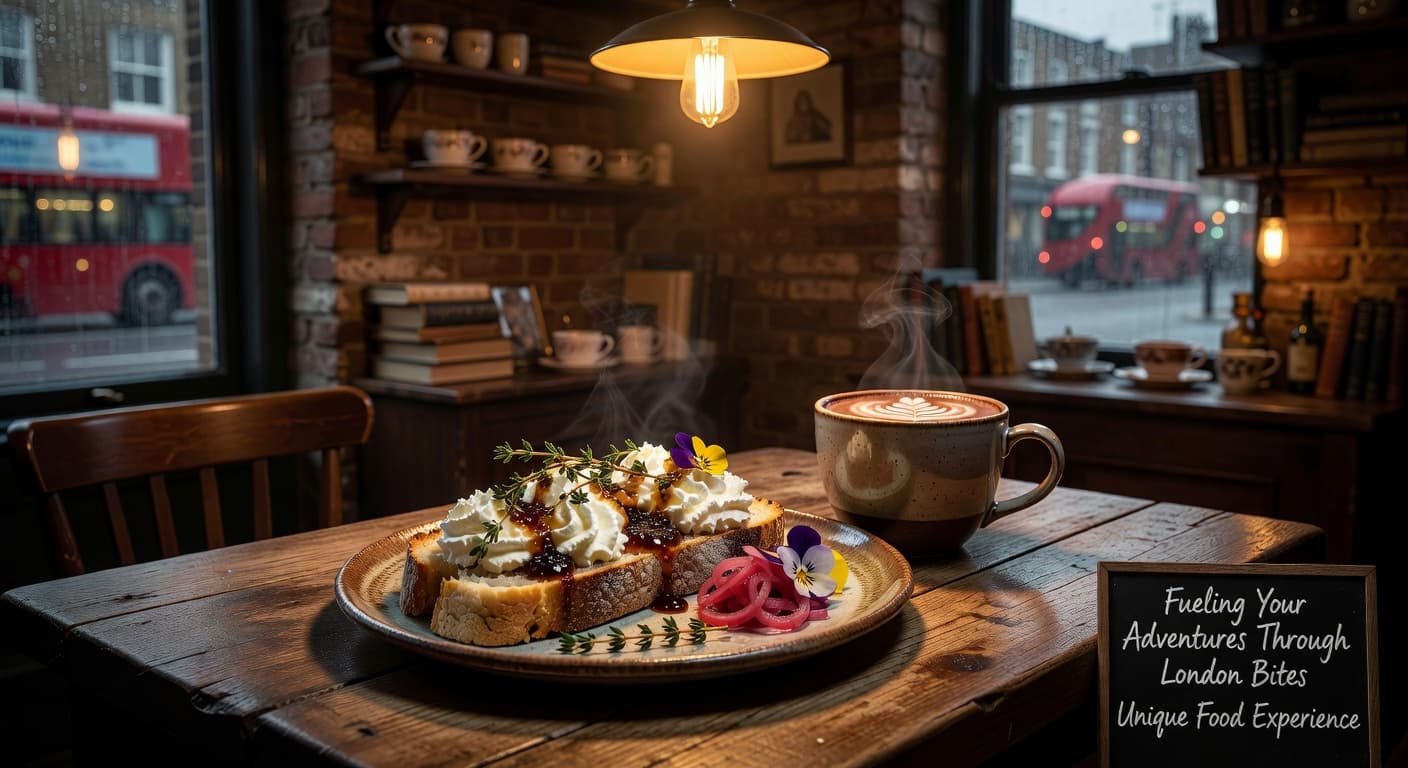
Breakfast matters more here than people admit. London mornings are better when you start in a cafe with room to breathe, not a rushed chain stop near a station. If you prefer a more traditional experience, remember that a proper afternoon tea is a meal strategy that requires planning, so book your spot well in advance to avoid disappointment.
Dinner is where planning pays off. If there is a place that people build nights around, book it. If not, leave the door open for the neighborhood to decide. That balance is the whole game. Too much structure and the trip gets stiff. None at all, and you end up hungry in the wrong postcode.
Pub strategy matters too. A great London pub can anchor an afternoon or save a night. Three random ones before a show will only make the timing worse. Pick the one with the right room, the right mood, and the right location, then move on. London has enough options that discipline is part of the fun.
Late-night food is your insurance policy. Know where Chinatown, Soho, Brick Lane, or the post-gig kebab options fit into your route home. That small bit of planning can rescue the whole evening.
After dark, London’s music scene is the point
This city is one of the best concert-trip destinations in Europe because the range is ridiculous. You can do a giant arena night, a church gig, a jazz basement, a theater performance, or a small room where the crowd still feels like it came for the music.
That range is the gift. The logistics are the tax.
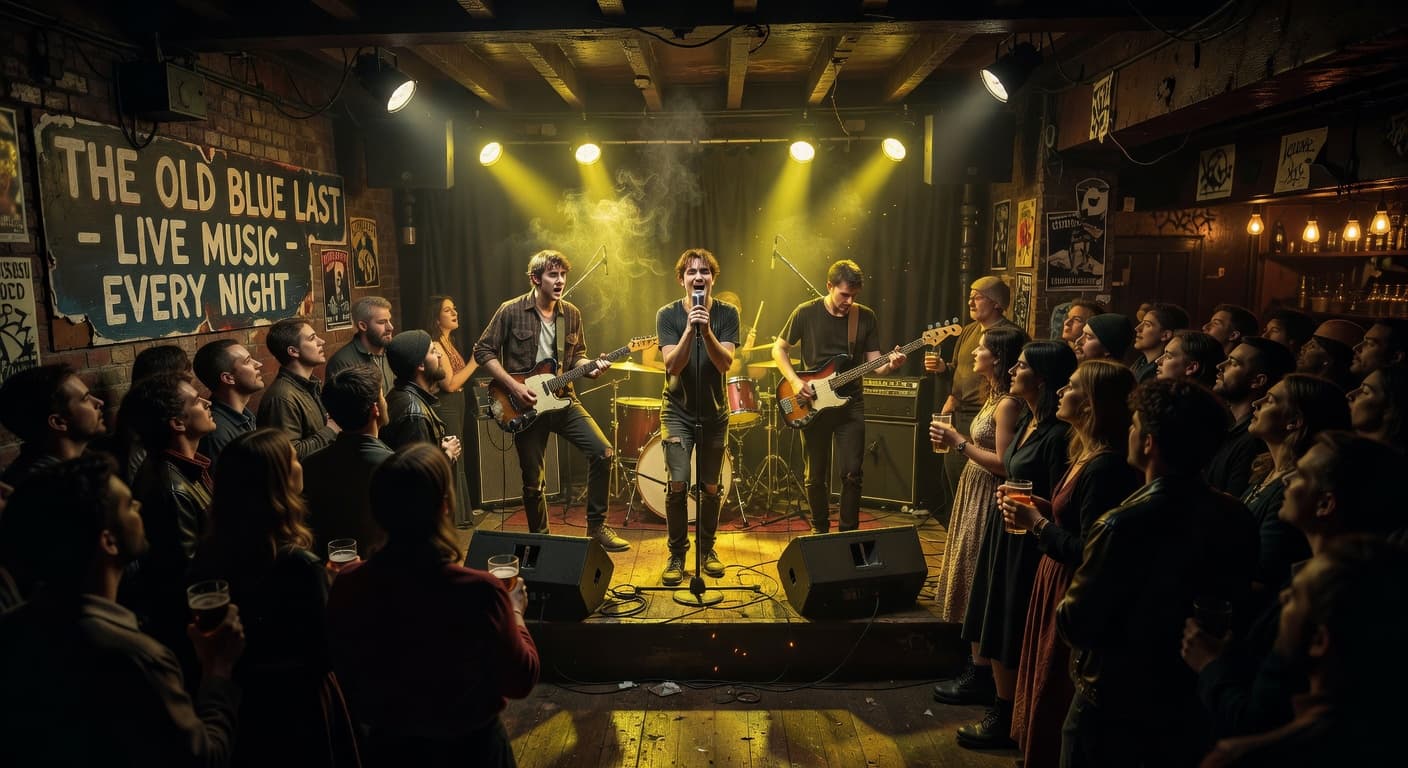
If the show matters, buy the ticket first with smart concert trip planning. Then sort the hotel. Then place dinner. Not the other way around. Whether you are catching a massive arena act or a classic West End show, these venues demand different logistics. The O2, Alexandra Palace, Brixton Academy, Roundhouse, Union Chapel, and the Royal Albert Hall do not produce the same night, and they should not get the same hotel strategy. Before you head out, always check the status of the tube to ensure you have a reliable way back to your accommodation after the encore.
If doors are at 7 p.m., treat 5 p.m. like your deadline.
That gives you time for bag checks, queues, wrong-platform nonsense, and one small delay without poisoning the night. It also keeps dinner from turning into a rushed compromise. Pre-show meals should be close, simple, and timed around the venue, not chosen because they looked good on a list two weeks ago.
For bucket-list shows, get in the night before. That extra margin usually buys more enjoyment than almost any upgrade you can make later. The morning after should stay light too. A late breakfast and a neighborhood walk beat a 7 a.m. airport panic every time.
Frequently Asked Questions
How many major landmarks should I aim to visit in a single day?
It is best to limit yourself to one major landmark per day to avoid ‘museum fatigue’ and ensure you have time to actually experience the city. Stacking multiple heavy-hitter sites often leads to rushed experiences and unnecessary stress.
Is it better to book dinner reservations in advance?
Yes, especially for popular restaurants or places located near major venues and theatres. Booking in advance secures your evening and eliminates the frustration of wandering around hungry in an unfamiliar area.
How should I handle transportation while moving around London?
Use contactless payment methods, such as a credit card or mobile device, to tap in and out of the tube and bus system. This keeps transit efficient and prevents you from having to purchase individual paper tickets at every station.
What is the best way to plan for a concert or show in London?
Treat the event as your ‘anchor’ for the day by booking it first and arranging your meals and travel around it. Always arrive at your venue well before the door time to account for security queues and potential transit delays.
Conclusion
London does not need to be conquered. It needs to be read correctly. Group your days by area, put the night anchors first, and give yourself enough margin so that the city can still surprise you.
The best London itinerary is one that prioritizes ease of movement over a packed schedule, ensuring your trip feels personal by day two. Remember that a great visit is not about doing more or staying busier; it is simply about putting your travel plans together in a way that lets you actually enjoy the city.