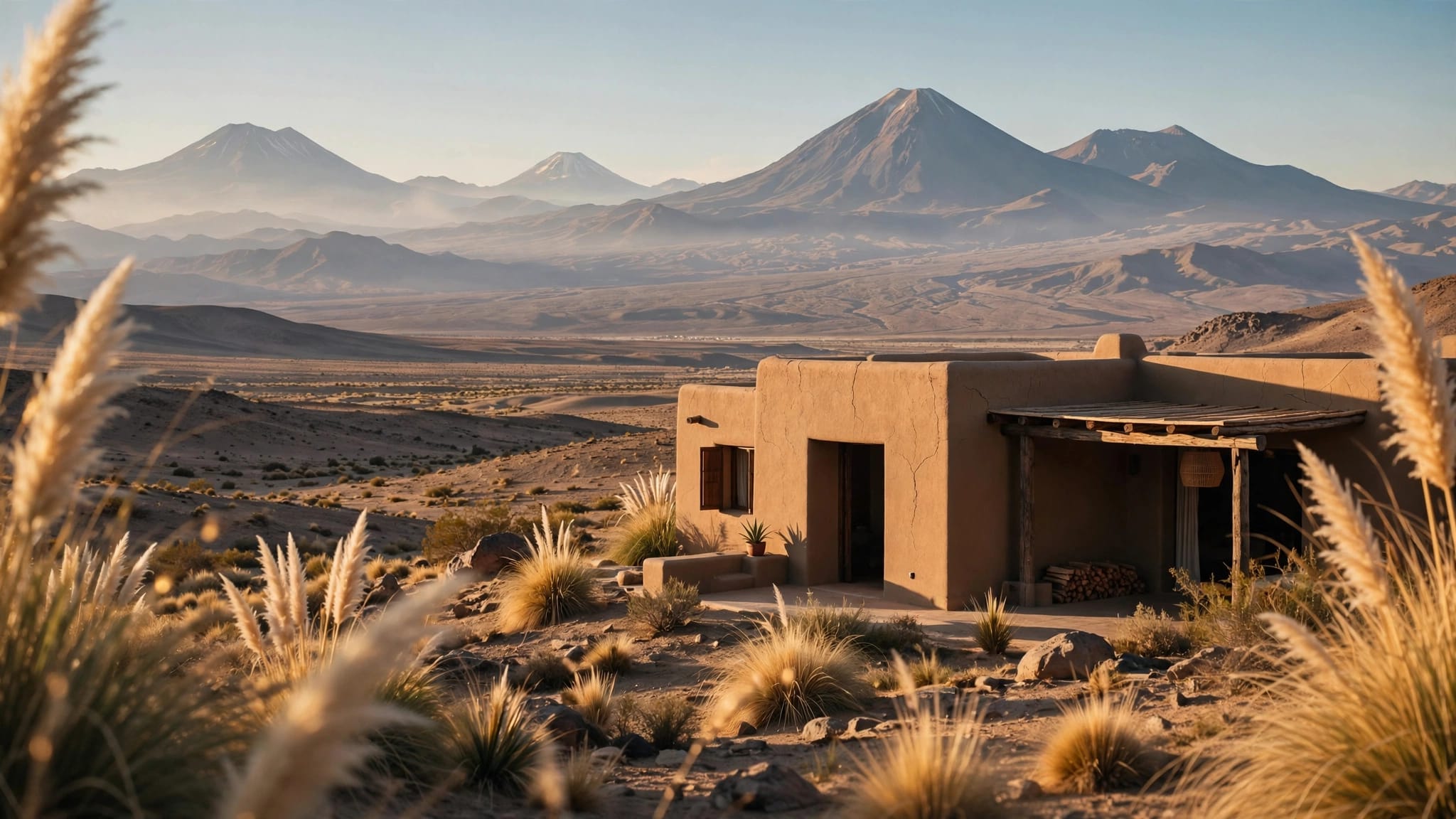
A Chile luxury holiday pairing Atacama with Colchagua works best over 12 days, with Santiago bookending the journey. That gives you four desert nights, three nights in wine country, and enough breathing room to enjoy both.
I’d build this trip around excellent guiding, distinctive stays, and meals that deserve their own afternoon. Start with the route, because Chile’s distances decide how much of your holiday you spend enjoying the destination.
Key Takeaways
- Allow three nights in Santiago, four in Atacama, three in Colchagua, and one final Santiago night.
- March is my first choice for wine-country atmosphere and a possible Patagonia extension.
- Prioritize private transfers, thoughtful guiding, and tasting appointments before upgrading every room category.
How I’d Route Your Luxury Chile Itinerary
March brings the transition toward autumn and wine-harvest season, although harvest dates vary by grape and estate. November is another strong choice, with spring conditions in central Chile.
For combined Patagonia and Atacama travel, favor November through March. Patagonia’s broader travel season runs October through April. March through May and September through November offer shoulder-season possibilities, but those months don’t deliver identical conditions across Chile.
Here’s how the core journey fits together.
| Days | Base | Nights | Priority |
|---|---|---|---|
| 1 to 3 | Santiago | 3 | Neighborhoods, markets, dining |
| 4 to 7 | San Pedro de Atacama | 4 | Desert exploration and stargazing |
| 8 to 10 | Colchagua Valley | 3 | Estate visits and long lunches |
| 11 | Santiago | 1 | Relaxed return and final dinner |
| 12 | Departure | 0 | International flight |
This order finishes at lower altitude and leaves your final domestic flight well before departure day.
Days 1 to 3: Santiago With Evenings Worth Keeping
Day 1: Arrive in Lastarria
Stay at The Singular Santiago, a member of Leading Hotels of the World, for a walkable introduction to Barrio Lastarria. After the airport transfer, keep the afternoon loose. A neighborhood walk and one dinner reservation are enough after an overnight flight.
Book Bocanariz’s Chilean wine experience for your first evening. A comparative tasting introduces the country’s regions before you commit several days to one valley. Keep dinner close to the hotel so you can enjoy another glass without negotiating a cross-city return.
Days 2 and 3: Markets, History, and Mountain Views
Give La Vega Central and Mercado Central a morning, then continue toward Plaza de Armas. Reserve separate time for the Museum of Memory and Human Rights rather than treating it as a brief stop.
On the clearest day, take the funicular or cable car up Cerro San Cristobal. Then return to Lastarria for dinner and pisco cocktails at Chipe Libre, which closes Sundays.
My Santiago neighborhood itinerary expands the city portion if food, museums, and nightlife deserve another day. I’d add time rather than compress a winery excursion into these opening nights.
Days 4 to 7: Four Nights in the Atacama Desert
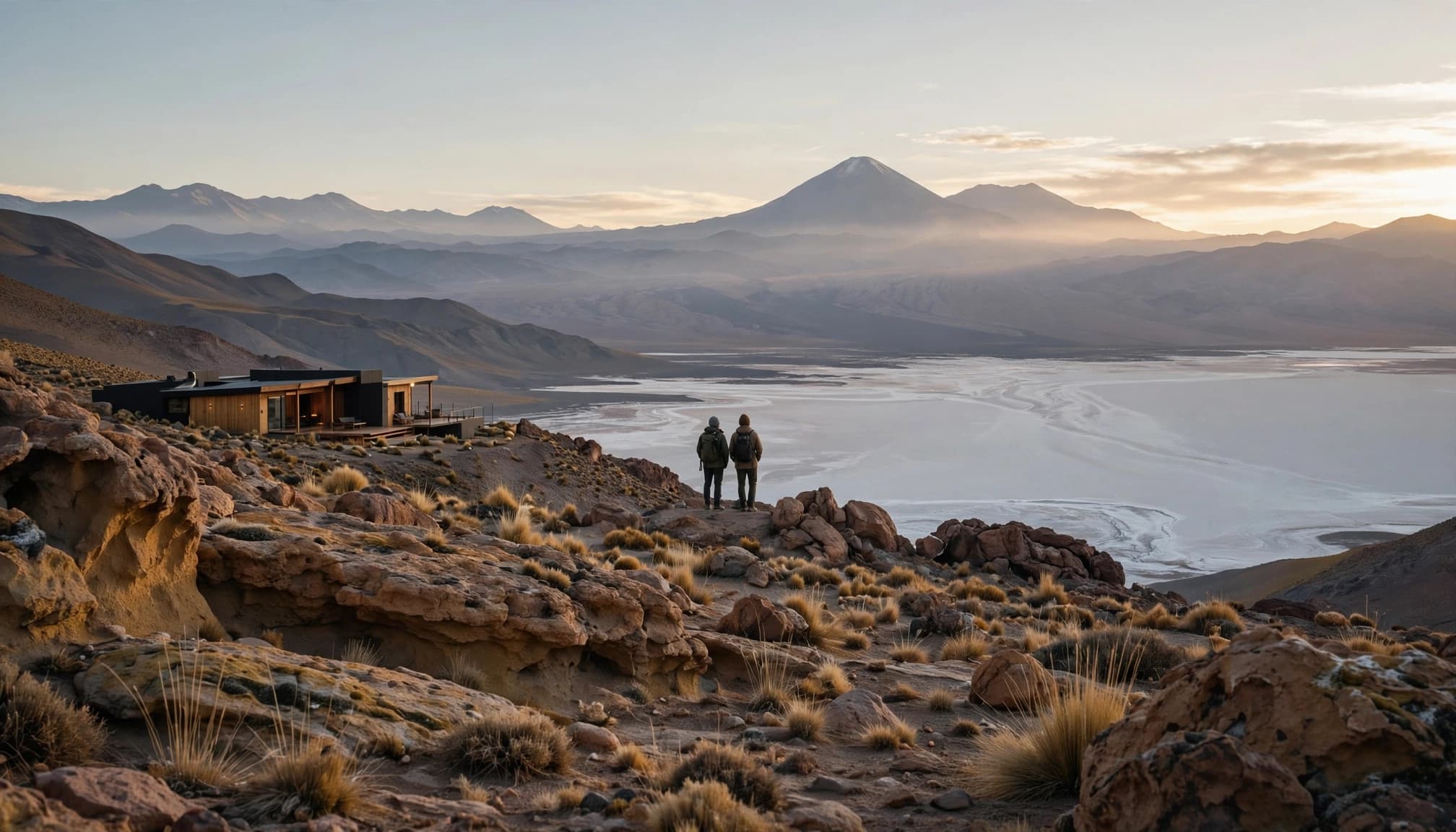
Days 4 and 5: Arrive, Adjust, Then Explore
Fly Santiago to Calama, approximately two hours nonstop, then allow roughly 90 minutes by road to San Pedro de Atacama. LATAM Airlines, Chile’s largest airline, serves the route alongside SKY and JetSMART.
Nayara Alto Atacama is my starting point for travelers who want the lodge setting to feel integral to the desert stay. Compare its inclusion structure with your guiding preferences before choosing the package.
Keep the first afternoon gentle. San Pedro sits around 2,400 meters above sea level, while several excursions climb considerably higher. Begin with lower-elevation scenery before committing to demanding high-altitude outings.
Days 6 and 7: Shape the Days Around the Sky
Atacama is the world’s driest non-polar desert and an exceptional stargazing destination. For darker skies, favor dates near the new moon. A bright moon changes the experience even when the weather is clear.
Arrange a guided telescope session rather than assuming every scientific observatory welcomes casual visitors. Hot-air ballooning is another possible signature experience, but wind-dependent flying shouldn’t anchor the entire stay.
For daytime exploration, Chile Travel’s Atacama highlights include El Tatio and high-altitude lagoons. Place the higher outings later, with your guide adjusting the effort to your response to altitude.
Four desert nights give you three full exploration days and several chances at clear evening skies.
Days 8 to 10: Give Colchagua the Time It Deserves
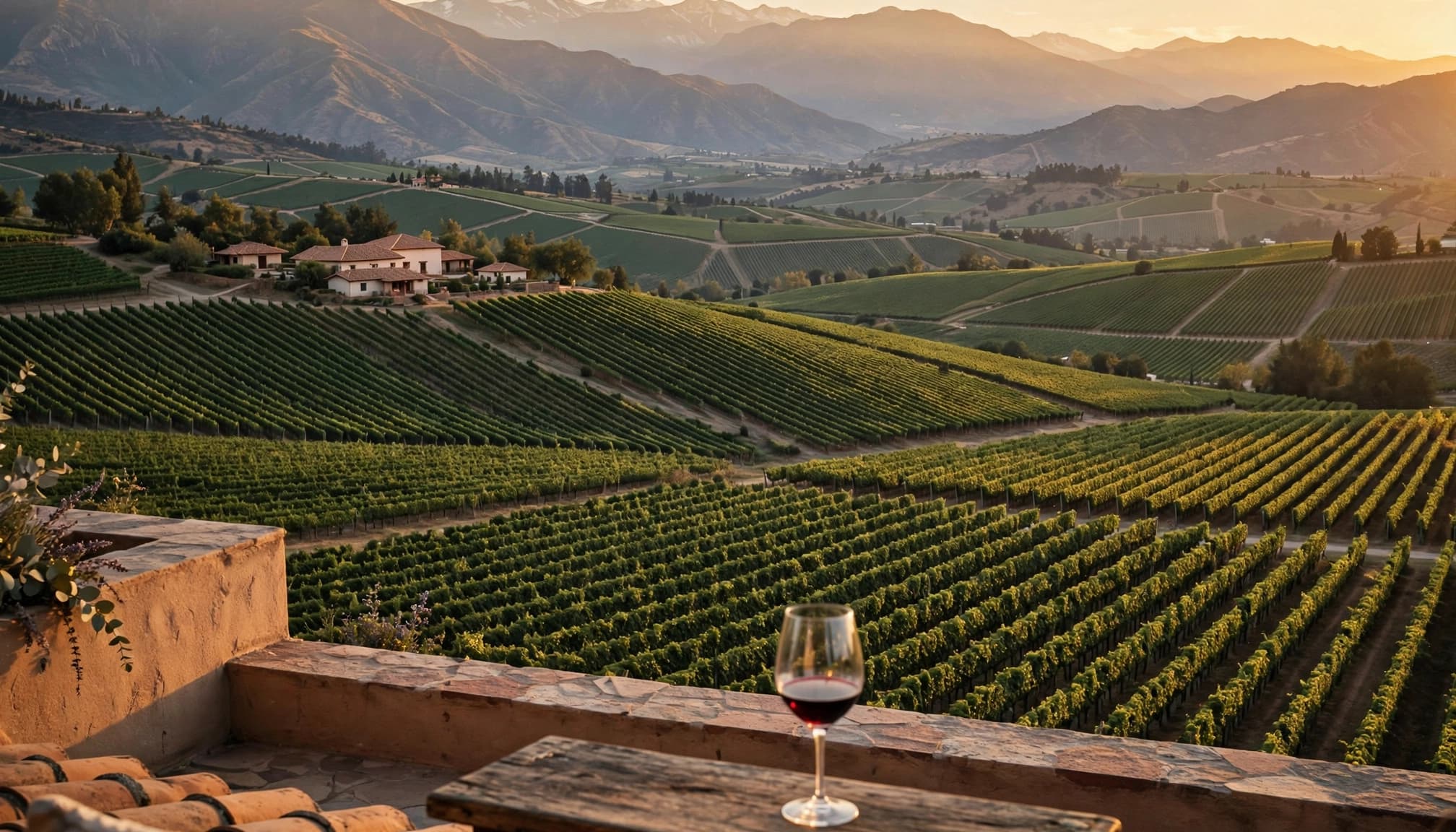
Day 8: Make the Transfer the Only Appointment
Return through Calama to Santiago, then continue south with a private driver. Allow approximately three hours for the Santiago-to-Santa Cruz road journey, with additional time for traffic and your estate’s exact location.
This is a substantial travel day. I’d leave the afternoon tasting-free so a flight delay doesn’t consume an expensive appointment.
Clos Apalta Residence is the estate-focused luxury choice I’d consider first for this portion. Its appeal is the relationship between the accommodation and the wine setting, rather than proximity to a busy restaurant district.
Days 9 and 10: Taste for Depth, Not Volume
Colchagua suits travelers who enjoy structured reds, particularly Carmenere, Cabernet Sauvignon, and blends. Plan one private wine tour around a substantial estate visit and lunch, then keep the second day more selective.
Choose the tasting format before adding appointments. A seated premium-label tasting, a comparison of vintages, and a conventional cellar tour deliver different experiences. The premium should buy access and context, not simply more pours.
Keep a driver throughout. Two well-spaced appointments can fill a rewarding day when lunch has room to develop.
Three nights also let you enjoy the property itself. A vineyard terrace loses its appeal if you’re always leaving for the next reservation.
Days 11 and 12: Return Without Rushing
Drive back to Santiago after breakfast on day eleven. I’d keep this evening available for a final restaurant booking or an early night, depending on your international departure.
For a livelier neighborhood finish, Liguria on Merced offers a dining-and-drinking option near Lastarria. Keep the reservation within an easy return of your hotel.
Depart on day twelve. That final Santiago night separates the remote portion of the journey from your long-haul flight.
Spanish is the primary language, and the Chilean peso is the local currency. English is common in major tourist hotels and guided experiences in Santiago and Patagonia. Bring proper hiking shoes for uneven desert paths and any southern extension.
What to Budget for This Route
For two travelers sharing, I’d open planning around US$22,000 to US$30,000, excluding international flights. That’s an initial allocation for this eleven-night luxury Chile itinerary, not a published package price or hotel quotation.
Room category, season, and private guiding can move the total substantially. As a separate market reference, Black Tomato’s US Chile page lists trips starting at US$9,000 per person per week. That starting point isn’t a quote for this route.
The comparison needs to include accommodation, domestic flights, transfers, meals, tastings, and guiding. Then separate anything charged outside the lodge arrangement, including premium wines, specialist activities, and gratuities.
I’d secure Atacama and Colchagua accommodation first, followed by flights and private transfers. Tasting appointments and dining follow those fixed dates. My luxury trip planning approach coordinates those pieces around your preferred pace.
Add Patagonia Only When You Can Add Four Nights
Torres del Paine deserves three to four nights, with four my preference. Don’t take those nights away from both Atacama and Colchagua.
Choose Explora Patagonia for its Lake Pehoe setting and exploration program, Awasi Patagonia for the flexibility of a private guide, or Tierra Patagonia for its Lake Sarmiento setting. Check Patagonia Camp’s location and included excursions against your preferred park itinerary. Confirmed private guiding needs to be part of the booked arrangement; it isn’t interchangeable with a lodge’s shared excursions.
Build the days around hiking, horseback riding, guided 4×4 exploration, and a weather-dependent kayaking outing where suitable. You don’t need to attempt everything.
Santiago flights take roughly three to three and a half hours to Puerto Natales or Punta Arenas. Puerto Natales generally reduces the road journey, but its seasonal schedule offers fewer choices. Book it early. Punta Arenas provides a year-round gateway with a longer onward transfer.
The Singular Patagonia, a converted cold-storage complex declared a National Monument in 1996, suits travelers who prefer a Puerto Natales-area base.
For Argentina, continue overland toward El Calafate and give Perito Moreno Glacier a full day. Finish in Buenos Aires rather than retracing the Chilean route. My Patagonia lodge itinerary develops that extension.
Frequently Asked Questions
Can I Replace Colchagua With a Closer Wine Valley?
Yes. Maipo Valley is the cleaner choice for a shorter Santiago-centered trip, particularly for Cabernet Sauvignon and Andes views. Santa Rita in Alto Jahuel and Haras de Pirque are useful starting points; Perez Cruz is also associated with Carmenere. Las Majadas in Pirque offers a wine-country accommodation alternative. A single winery visit and lunch in Maipo Valley can fit into a half-day from Santiago.
Casablanca Valley suits Sauvignon Blanc, Pinot Noir, and cooler coastal air. A focused half-day visit is possible, but don’t squeeze it together with a rushed Valparaiso excursion. Mendoza is better planned as a separate Argentina wine-country trip, not a practical swap on this Chile route.
Is Valparaiso Worth Adding?
Yes, with another night or a dedicated day. Allow roughly two hours by road from Santiago rather than budgeting a guaranteed one-hour transfer.
Explore street art around Cerro Concepcion and Cerro Alegre within the UNESCO-listed historic quarter. Hotel Casa Higueras is a luxury overnight option. Keep the coast separate from your Colchagua estate days.
How Would Easter Island Fit a Longer Journey?
Add four nights for Easter Island, plus any necessary Santiago connection time. Rapa Nui lies more than 2,000 miles from continental Chile and has nearly 1,000 moai statues. Tapati Rapa Nui is a major cultural festival.
LATAM operates the direct Santiago flight, often around five hours and twenty minutes westbound. Nayara Hangaroa is a luxury stay to consider. For a 24-day journey, include Easter Island as a four-night extension around this core instead of turning every additional day into another transfer.
Build the Trip Around Time Well Spent
The strongest version of this journey gives Atacama several nights of sky, Colchagua two unhurried tasting days, and Santiago evenings you can enjoy on foot. Time at each base makes the premium worthwhile.
If you’d like this route tailored around your palate, preferred pace, and evening interests, start planning your Chile trip. I’d begin with those priorities, then connect the stays and transport around them.