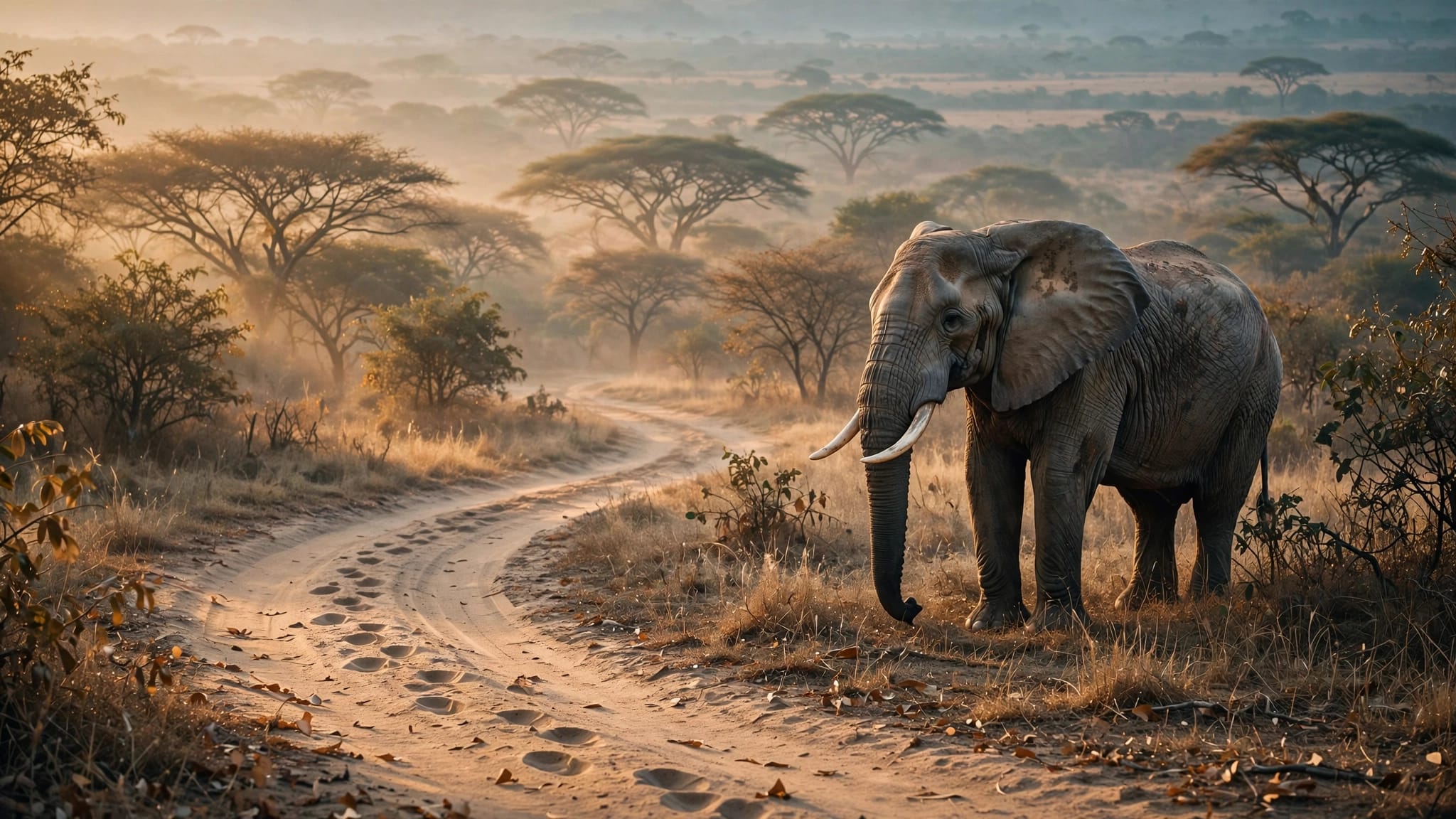
A Zambia walking safari pairs exceptional guiding with the rare pleasure of exploring big-game country on foot. For a luxury trip, I’d give South Luangwa seven nights, combining a comfortable lodge with a dedicated walking camp.
The real upgrade is time in the bush: tracking wildlife without watching the clock, then returning to a thoughtful meal and an unhurried afternoon. Start with your preferred walking intensity, then choose the camps and transfers around it.
Key Takeaways
- Combine lodge-based game drives with several nights at a dedicated walking camp.
- Choose August or September for thinner vegetation without October’s most demanding heat.
- Prioritize guiding, camp location, and activity arrangements before suite size or decorative extras.
Why South Luangwa Is the Walking Safari’s Home
Norman Carr’s Community-Based Beginning
Norman Carr pioneered photographic walking safaris in the Luangwa Valley. Working with Senior Chief Nsefu of the Kunda people, he helped establish the first public game-viewing camp, with profits benefiting local communities.
That partnership belongs at the center of the story. Walking safaris developed alongside an approach to conservation that gave local people a financial stake in wildlife tourism. Carr’s conservation legacy explains the thinking behind that early model.
Wildlife Beyond the Big Cats
South Luangwa National Park covers 3,490 square miles in eastern Zambia, at the southern end of the Great Rift Valley system. The Luangwa River shapes its woodlands, lagoons, and seasonal floodplains.
With one of the world’s highest leopard densities, it’s known as the “Valley of the Leopard.” However, walking reveals much more than cats. Tracks, alarm calls, and paths left by elephants become part of the experience. The endemic Thornicroft’s giraffe is another distinction; historical estimates placed its population below 600 animals.
What a Zambia Walking Safari Feels Like
Early Starts and Deliberate Progress
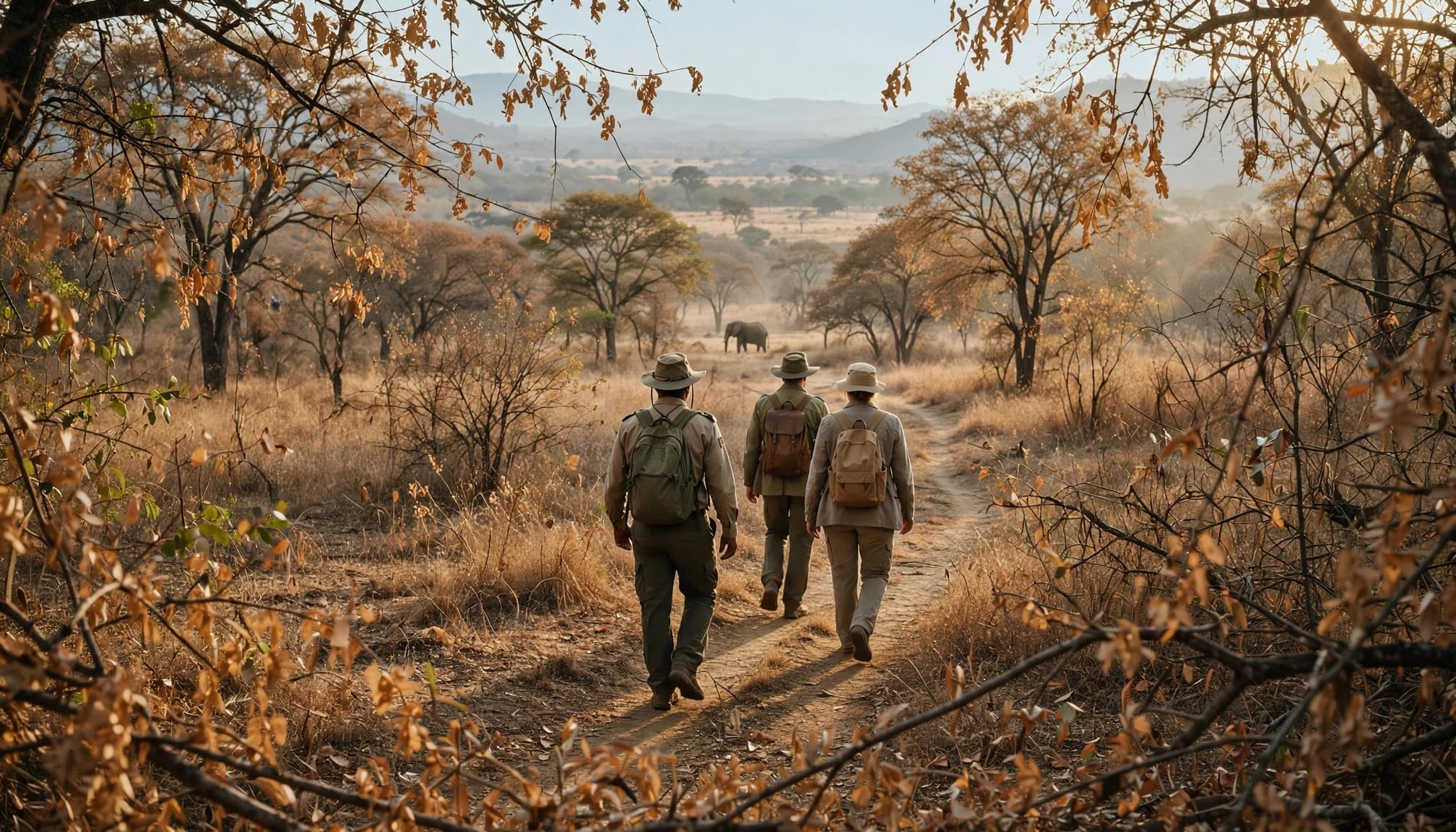
Expect an early breakfast, a briefing, and departure around sunrise. Walking groups move slowly, stopping to interpret tracks or watch animals at a distance. Only highly trained, top-level guides qualified for walking safaris lead these outings, generally accompanied by an armed wildlife scout.
On intensive multi-day programs, distances can reach roughly 10 to 12 kilometres in the morning. Short lodge-based walks are a different proposition. Choose the format around your stamina and curiosity, rather than assuming every walking safari involves the same effort.
Lunch, Rest, and an Afternoon Choice
A typical rhythm puts you back at camp around late morning, followed by lunch and several hours of rest. Intensive camps may add another 4 to 6 kilometres on foot later in the day.
At a mixed-activity lodge, the afternoon might instead bring a drive that continues into a night game drive. I like that combination because vehicles cover more ground and improve your chances of finding cats. National Geographic’s account of walking in South Luangwa captures the experience’s close attention to detail.
A strong walking safari rewards observation. A predator sighting is a possibility, never the purpose of approaching wildlife on foot.
Choose the Camp Around Your Walking Ambition
Robin Pope for a Dedicated Expedition
Robin Pope Safaris’ mobile walking safari operates in far northern South Luangwa, along the Mupamadzi River in a walking-only area. The journey takes approximately five hours by road from Mfuwe.
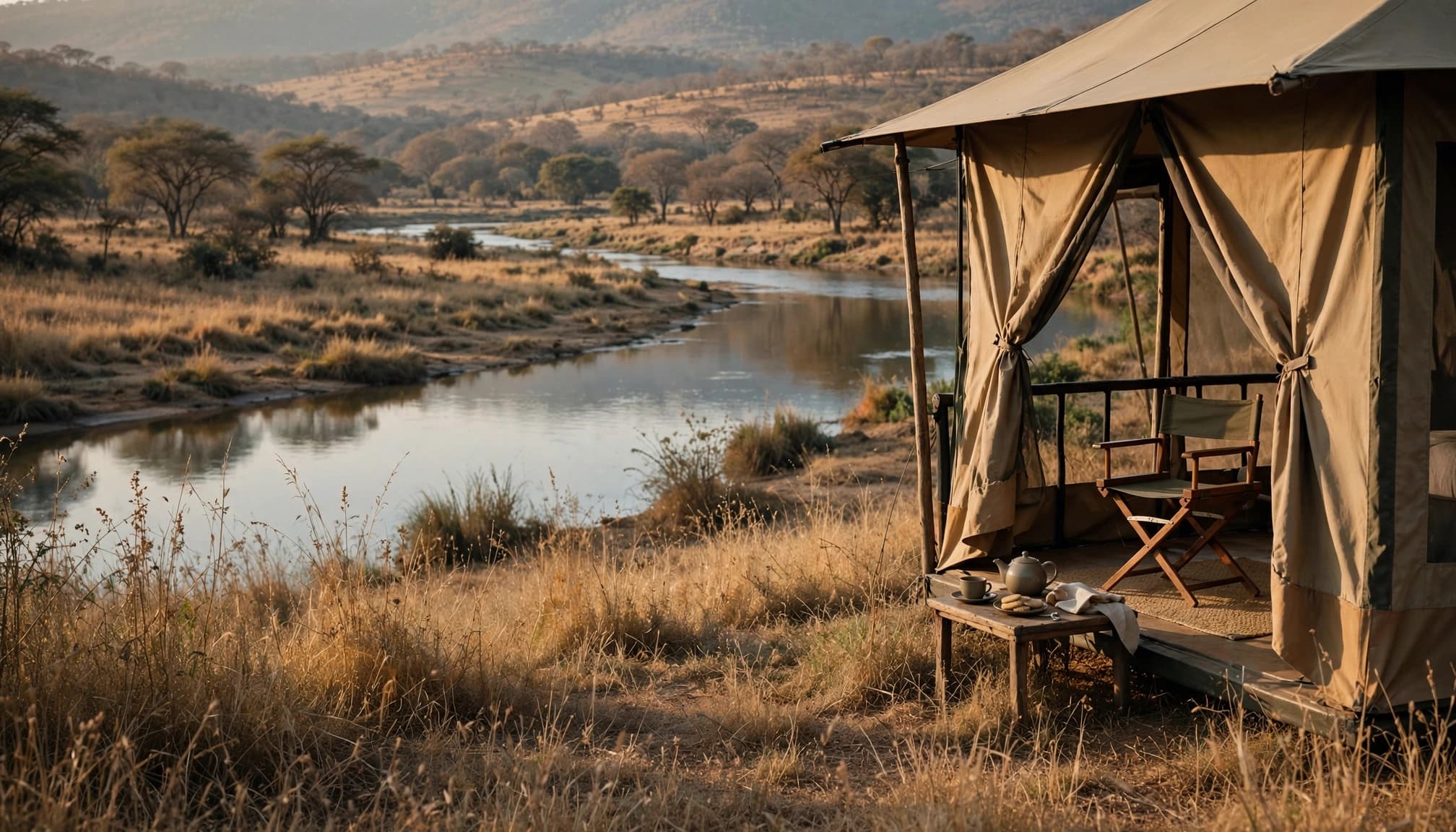
This suits travelers who want walking to define the trip. Camp moves support the journey through the bush, rather than returning you to the same lodge every evening. The luxury lies in expert leadership, remoteness, and well-managed expedition logistics. Don’t choose this format expecting the facilities of a permanent flagship lodge.
Remote Africa and Time + Tide for Different Rhythms
Remote Africa’s Chikoko Trails belongs on the shortlist for committed walkers. Tafika offers a complementary base when you want to balance walking with other safari activities.
Time + Tide’s South Luangwa camps offer another approach, combining remote bushcamp settings with an established luxury-safari operation. Some bushcamp routes involve roughly 2.5 hours of transfer time from Mfuwe; that isn’t a universal transfer time across the portfolio.
I’d compare these options by walking intensity, guiding continuity, and opportunities to rest. A beautiful camp deserves time beyond sleeping between excursions.
Give South Luangwa a Full Week
For a first visit, I’d structure seven nights around two complementary bases, with a final lodge night if the walking program’s routing supports it.
This sequence protects the arrival day and avoids making every morning a transfer.
| Nights | Base | Main Focus |
|---|---|---|
| 1 and 2 | Lodge near Mfuwe | Settle in, game drives, introductory walk |
| 3 through 6 | Dedicated walking camp or mobile program | Longer walks, remote habitats, camp downtime |
| 7 | Lodge positioned for departure | Final game drive and a relaxed evening |
The walking chapter gets four nights because repetition improves the experience. You begin recognizing tracks, understanding the terrain, and following your guide’s observations.
However, a fixed-departure mobile safari may require a different sequence. Its operating schedule should anchor the route.
Keep arrival afternoon flexible. A five-hour transfer after connecting flights is a substantial travel day, even when the scenery is rewarding. Likewise, allow proper connection buffers before an international departure.
Compare South Luangwa With Zambia’s Other Parks
South Luangwa is my starting point for travelers who want walking, leopard-focused game drives, and a broad choice of camps.
North Luangwa is more remote and walking-focused. Remote Africa’s Mwaleshi and Takwela camps suit travelers who place wilderness immersion ahead of a wider activity menu. I’d choose it for an experienced safari traveler seeking a quieter, more concentrated walking chapter.
Lower Zambezi offers a contrasting river-and-wilderness rhythm. Walks in areas near the escarpment can sit alongside a canoe safari and catch-and-release fishing for tiger fish. These activities make it a compelling second park, provided you give it enough nights.
The established eight-day Two Rivers tour runs between Mfuwe and Lusaka, pairing South Luangwa with Lower Zambezi. For a more relaxed custom trip, I’d extend the combination rather than compress the walking stay.
If waterways matter more than sustained walking, my Okavango safari planning guide offers a useful comparison before choosing the country.
When to Go for Walking and Wildlife
Most dedicated walking programs operate during the dry season, but the experience changes as vegetation thins and temperatures rise.
Use this seasonal progression to match conditions to your priorities.
| Period | Walking Conditions | Main Trade-Off |
|---|---|---|
| June | Cooler mornings; grass often remains high | Reduced visibility through vegetation |
| July | Drying terrain and improving visibility | Increasing demand |
| August and September | Thinner cover and concentrated wildlife | Higher-season pricing |
| October | Very dry conditions and intense heat | Physically demanding afternoons |
I’d favor August or September for a first walking-focused trip. Later dry-season conditions generally improve opportunities to spot lions and leopards, including possible sightings on foot.
However, vehicles remain the stronger tool for covering ground in search of cats. Keep night game drives in the itinerary if leopards are a central priority.
Rainfall varies, so these months describe seasonal tendencies rather than guaranteed conditions. November through the wetter months brings greener scenery, but many remote walking camps close.
Understand the Rate Structure Before Comparing Camps
Seasonal Pricing and Long-Stay Savings
Walking doesn’t automatically cost less than a vehicle-based safari. Remote camps still require specialist guides, support teams, supplies, and transfers.
Historical operator offers included Robin Pope savings of 10% for seven days, rising to 20% for ten nights, and Remote Africa savings of 15%. These were historical long stay discount offers, not guaranteed 2026 savings.
In those historical rate calendars, Robin Pope’s peak period began July 1, with shoulder season returning October 1. Remote Africa kept shoulder pricing through July 31 and peak pricing through October 31. Those differences explain why identical travel dates can produce different seasonal categories.
Compare the Complete Journey
I’d build the price comparison around accommodation, internal flights, road transfers, park fees, and included activities. Then separate private guiding, premium drinks, gratuities, insurance, and international flights.
A private suite doesn’t establish a private vehicle or an exclusive walking group. Those arrangements change both cost and flexibility.
For couples with different energy levels, a lodge offering genuine activity choice can be worth more than a more elaborate room. Likewise, a cheaper camp can lose its advantage if reaching it adds another flight or consumes a productive safari day.
Prepare for Heat, Uneven Ground, and Camp Life
Fitness and Age Requirements
Children under 12 aren’t permitted on Zambia’s walking safaris, and individual programs may impose higher minimum ages.
For intensive camps, prepare for several hours of walking over uneven ground, sometimes through sand and in rising temperatures. Regular longer walks are more relevant preparation than occasional short workouts.
Share mobility limitations during planning so the route fits your abilities. If your preferred pace is gentler, choose a lodge-based stay with shorter walks and vehicle alternatives. You don’t need to turn every day into an endurance exercise.
Pack Light and Leave Room for Changes
Bring broken-in walking shoes, neutral lightweight clothing, a sunhat, sunscreen, binoculars, and a small daypack. A warm layer earns its place during cool early starts.
Soft-sided luggage is useful for light-aircraft travel, although baggage allowances depend on the flight arrangement. Keep essential medication accessible.
A guide may shorten, reroute, or cancel a walk because of heat, weather, or wildlife positions. Vehicle-based lodges offer more alternative activities than walking-only camps. Include medical evacuation coverage and discuss malaria prevention with a travel-medicine clinician before departure.
Frequently Asked Questions
Is a Walking Safari Safe?
Qualified guides and established procedures manage risk, but large wild animals and uneven terrain remain hazards. Follow the briefing, stay with the group, and let the guide make every approach or retreat decision.
How Many Nights Should I Book?
I’d allow seven nights for a first South Luangwa trip, with three or four devoted to a walking-focused camp. That leaves space for game drives and arrival logistics. A shorter stay suits introductory walks better than an ambitious multi-day expedition.
Build the Trip Around Your Pace
The strongest Zambia walking safari gives exceptional guides enough time to reveal the bush at your pace. Choose the walking intensity first, then match the season, camps, and transfers.
I’d protect unhurried time before adding another destination. That’s how a remote camp, an excellent meal, and a morning on foot become one coherent journey.