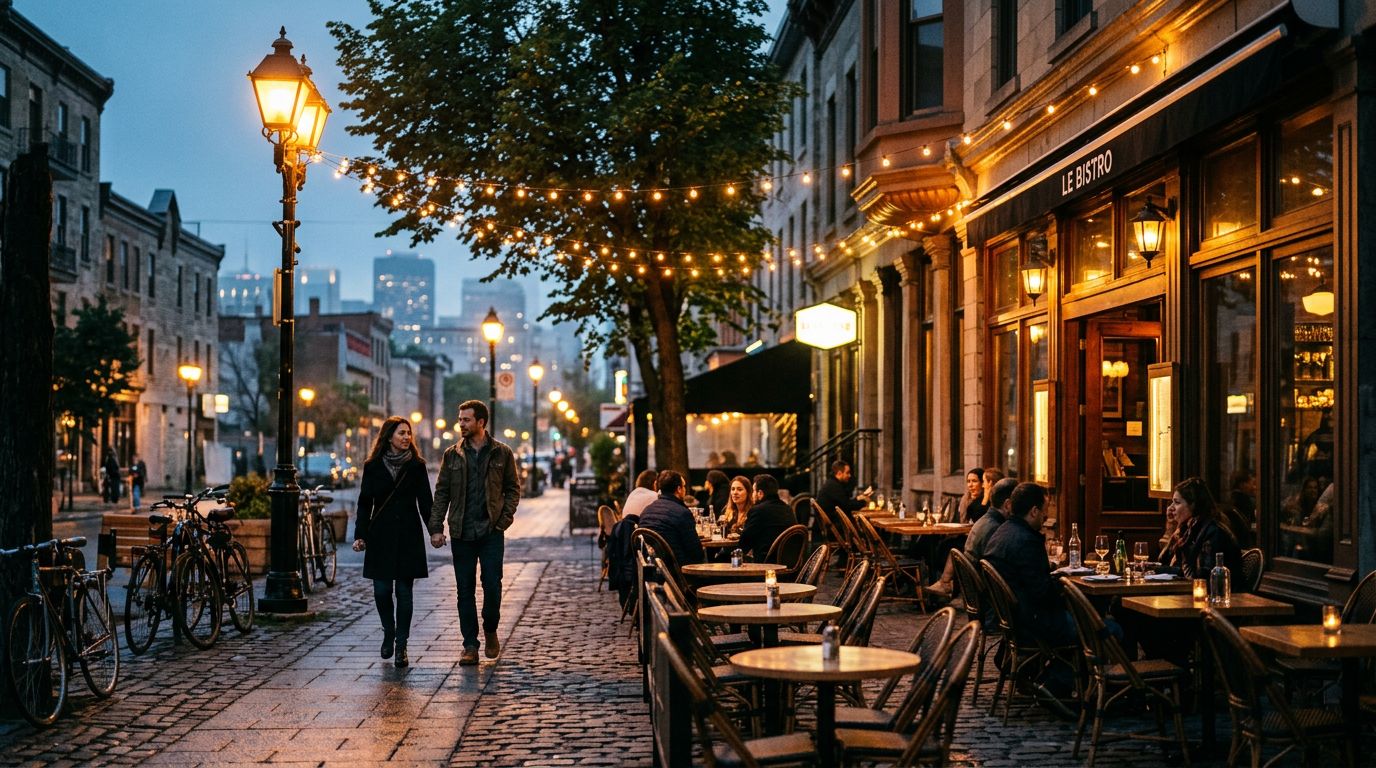
If you are planning your trip and wondering where to stay in Montreal, the Plateau Mont-Royal is the strongest all-around pick for food, bars, and easy walking. Choosing a cheaper hotel might look smart on paper, but it often leads to long train rides, tired feet, and dinner reservations that feel much farther away than they should. This is especially important for first time visitors who want to anchor their experience in the heart of the action.
Montreal truly shines at street level. The right base provides you with easy access to morning coffee, a real lunch, strong late-night options, and a walk home that still feels like an essential part of the trip.
Key Takeaways
- The Plateau Mont-Royal is the strongest all-around pick for food, bars, and easy walking.
- Old Montreal works best for first-timers who want polished stays and postcard streets.
- Mile End and Little Italy fit food-first trips that care more about neighborhood rhythm than landmarks.
- Stay near your evenings, then use public transportation for clean jumps, not for rescuing a bad hotel choice.
What Makes a Montreal Base Actually Work
Montreal is one of those cities where your location changes the entire feel of the trip. This is not because the city is difficult to navigate, but because small amounts of friction add up quickly. One extra transfer before dinner, a long walk back after drinks, or a hotel that seems close enough until you are heading home at midnight can cause your mood to slip.
The fix is simple. Build your itinerary around a neighborhood that can carry a full day and a full night, keeping your primary destinations within walking distance. This allows you to fully immerse yourself in the local food and drink scene without the stress of constant commuting.
Walking matters more here than people often realize. While the city’s public transportation is excellent, and specific metro stations like Berri-UQAM and Jean-Talon make cross-city travel easy, the best version of Montreal happens on foot. It is only when you are walking that you notice the bakery with the long line, the terrace that looks more inviting than your original plan, or the side street that turns into a better bar block than the one you mapped.
That matters even more in 2026 because some of the city’s best summer stretches are leaning harder into pedestrian access. Old Montreal now features permanent pedestrian-priority zones, and parts of Rue Saint-Denis and Rue Sainte-Catherine Est go car-light or pedestrian-only in the warmer months. If you want a wider look at the city’s neighborhood spread, Time Out’s Montreal neighborhood guide is a useful pulse check.
So when people ask me where to stay in Montreal for food and bars, I do not start with hotel stars. I start with density. Can you walk to breakfast, drift into a good afternoon, pick one dinner that matters, and then keep the night nearby? If the answer is yes, you are on the right block.
The Best Areas to Stay in Montreal for Food and Bars
Old Montreal, if this is your first trip
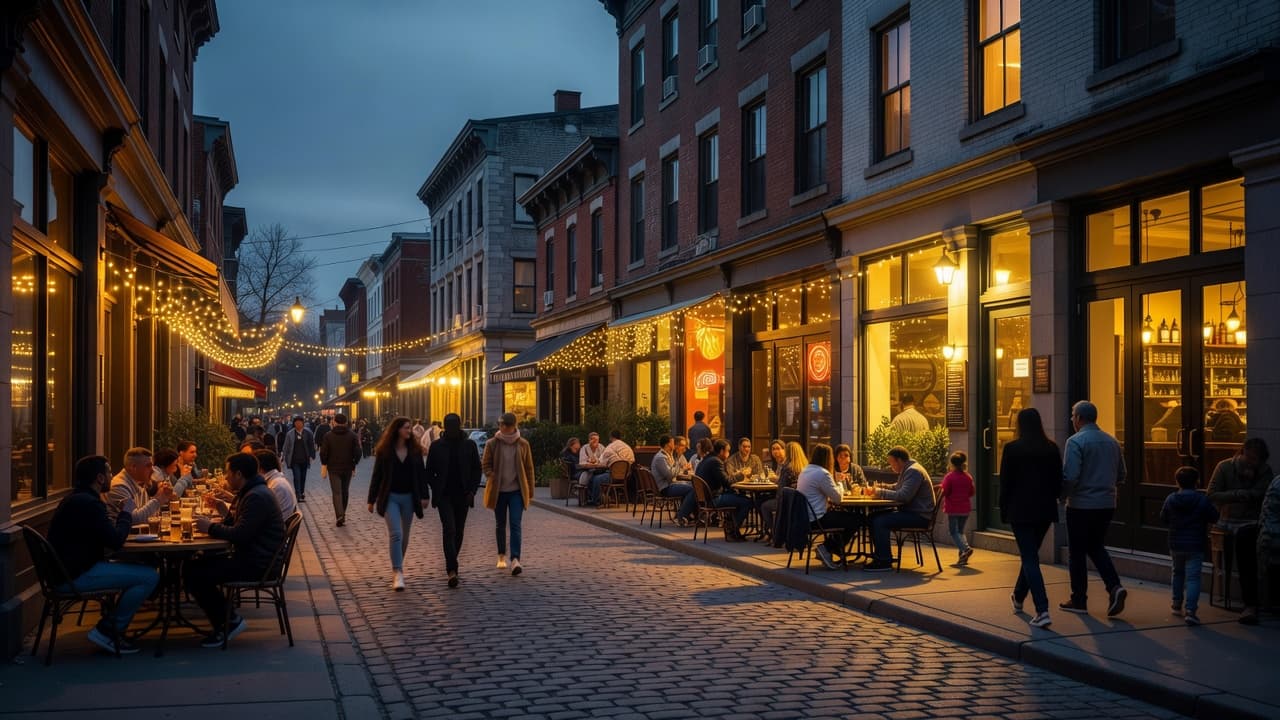
Old Montreal is the easy recommendation for a first visit. The historic architecture lands, the streets photograph well without trying, and you can walk along Saint-Paul Street toward the river without needing a plan every five minutes. Nearby landmarks like the Notre-Dame Basilica make this the perfect starting point for exploration.
This area is also more walkable now than it used to be, thanks to the city’s pedestrian-priority push. It is well known for a high concentration of luxury boutique hotel options, many of which offer stunning rooftop views of the skyline and the harbor. The trade-off is tone. Old Montreal is polished, romantic, and a little more formal. That is great if you want a cocktail that arrives correctly and an evening that feels like an occasion. It is less ideal if your version of Old Montreal is smaller wine bars, bagels at odd hours, and neighborhood places with a little more texture.
I like this area for couples, short luxury stays, and first-timers who want the city to meet them halfway. If your trip is built around food discovery first, I usually look a bit north.
Plateau-Mont-Royal, the strongest all-around answer
If I had to pick one area for most travelers, it would be the Plateau Mont-Royal. This is the neighborhood that keeps paying you back. Good mornings, easy afternoons, proper dinners, and streets that still feel alive after the museum crowd is done. You can find excellent boutique accommodations here that put you right in the heart of the action.
Rue Saint-Denis is one of the clearest examples. L’Express, at 3927 Rue Saint-Denis, is still one of the classic anchor meals in the city. A little farther north, Rockette Bar brings a looser nightlife and a crowd that does not feel staged. Add Avenue du Mont-Royal, Rue Duluth, side cafes, terraces, and bike-friendly streets, and you have a neighborhood that can absorb a lot of indecision in a good way.
Summer helps the Plateau Mont-Royal even more. Parts of Saint-Denis are pedestrianized from late May through early September in 2026, which makes the whole area feel lighter on foot. That matters when the day slides from lunch into drinks without a hard reset. This is my pick if your trip tilts local, creative, and food-first.
Mile End and Little Italy, for people who plan trips around meals
Mile End is where Montreal gets a little more personal. It is less polished than Old Montreal, a touch less obvious than the Plateau, and much more rewarding if your trip is built around cafes, bakeries, wine bars, and the kind of dinner reservations people talk about for months.
This stretch near Boulevard Saint-Laurent and Avenue du Parc has depth. La Buvette Chez Simone, at 4869 Avenue du Parc, is the kind of wine bar that makes a night feel finished without overworking it. Ratafia, at 6778 Boul. Saint-Laurent, gives you a more modern, plated dinner energy. Then there is the everyday Montreal stuff that still matters, like bagels, coffee, and long neighborhood walks with no obvious endpoint.
A lot of locals point visitors toward the broader Little Italy, Villeray, and Rosemont belt when food is the main priority. Jean-Talon Market is the anchor here, serving as the heart of a vibrant food and drink scene. It gives the area a daytime center of gravity, then the surrounding streets take over. Little Italy works well if you want that market access and a slightly calmer home base. Mile End works better if you want a tighter mix of bars, cafes, and late-night drift.
The Village, Quartier Latin, and Chinatown corridor, if you want energy and range
This central belt is a budget friendly, strong value play, but not in the boring sense. It is lively, walkable, transit-rich, and good for travelers who want options without spending every night in a hushed boutique room.
Berri-UQAM is the transit advantage here. Three metro lines meet there, so getting across town is easy. More important, you may not need to. Rue Sainte-Catherine Est in the Village goes pedestrian-focused in the warm season, and that gives the neighborhood real street life. Bars, patios, queer nightlife, quick bites, and late dinners help the area feel plugged in.
Chinatown adds even more food density, especially if you like flexible nights. Maybe you keep it simple with dumplings or noodles, then head elsewhere for drinks. Nearby, Le Central at 30 Rue Sainte-Catherine Ouest is handy for groups or mixed tastes, while special-occasion bookings like Le Mousso can carry a full night on their own. This part of town is not as pretty as Old Montreal or as consistently charming as the Plateau, but it is better than both if you want convenience, variety, and a looser late-night pace.
Which Montreal Neighborhood Fits Your Trip Style
Here is the short version to help you decide where to stay.
| Neighborhood | Best For | Night Feel | Trade-Off |
|---|---|---|---|
| Old Montreal | First time visitors, couples, polished stays | Romantic, refined, scenic | Pricier, more tourist-facing |
| Plateau Mont-Royal | Most travelers, local food and bars | Lively, local, balanced | Hotels can be smaller |
| Mile End | Food-first trips, creative energy | Relaxed, artistic, restaurant-led | Fewer classic tourist sights |
| Little Italy | Culinary explorers, cafe culture | Neighborhood-focused, relaxed | Further from downtown core |
| Village / Quartier Latin | Energy, value, transit access | Busy, social, flexible | Less polished overall |
The right answer depends on what you want your evenings to feel like. If dinner and drinks are the point, stay close to them. If architecture and atmosphere matter most, Old Montreal earns its reputation. If you want Montreal to feel lived-in fast, the Plateau Mont-Royal or the vibrant streets of the Mile End usually land harder.
Areas I’d Skip for This Kind of Trip
Not every decent neighborhood is the right place to book a hotel.
I wouldn’t make Griffintown my first pick for a food and walkability trip. While the area is beautiful near the Lachine Canal, it feels spread out and less naturally rich for bar hopping on foot compared to the city center.
Saint-Henri is similar in that regard. I like it for a meal or an afternoon walk, but I don’t love it as a base for first-time visitors unless you have a specific reason to stay there. The same logic applies to nearby Little Burgundy or the further residential streets of Verdun and Hochelaga. They all have real neighborhood character, but if your priorities are easy evenings and a high density of restaurants, there are simpler wins closer to the action.
Downtown Montreal chain hotel convenience can also be a trap. It looks central, and it is located right above the Underground City, but it can feel sterile. If the streets go flat after work hours and your actual plans are elsewhere, you end up leaning on transit more than you should. Montreal’s metro is great for clean jumps across town, but it should not be doing all the work for your hotel decision.
Frequently Asked Questions
Do I need to rent a car if I stay in these neighborhoods?
No, you should avoid renting a car if you plan to stay in the Plateau, Old Montreal, or Mile End. These areas are highly walkable, and the city’s metro system is efficient enough to handle any longer cross-town trips you might want to take.
Is it worth staying outside of the downtown core?
Absolutely, staying in neighborhoods like the Plateau or Mile End often provides a more authentic experience than the central business district. You gain immediate access to the best local cafes, restaurants, and nightlife rather than staying in a sterile, hotel-heavy area.
How early should I book my accommodation for summer travel?
Montreal becomes very busy during the festival season from June through August, so booking your stay at least three to four months in advance is recommended. This ensures you can secure a spot in your preferred neighborhood before the best-value options are sold out.
Which neighborhood is best for a quiet, relaxing trip?
Little Italy and parts of Villeray offer a more laid-back, residential atmosphere while still keeping you within reach of excellent food and the Jean-Talon Market. It is the perfect choice if you want to avoid the high energy of the tourist-heavy streets while still enjoying a strong culinary scene.
Final Thoughts
The smartest answer to where to stay in Montreal is usually the least complicated one. Choose a location where you can easily walk to a strong breakfast spot, a dinner that matters, and a bar worth lingering in.
For most trips, that means staying in the Plateau Mont-Royal. If it is your first visit, Old Montreal is the more iconic and polished choice. For travelers who prefer to build their itinerary around world-class meals, Mile End and Little Italy are hard to beat.
Whether you prefer the charm of a luxury boutique hotel or the immersion of a local rental, picking the right neighborhood makes the city feel accessible. Get your base right, and you will find that figuring out where to stay in Montreal is the key to letting the city open up.