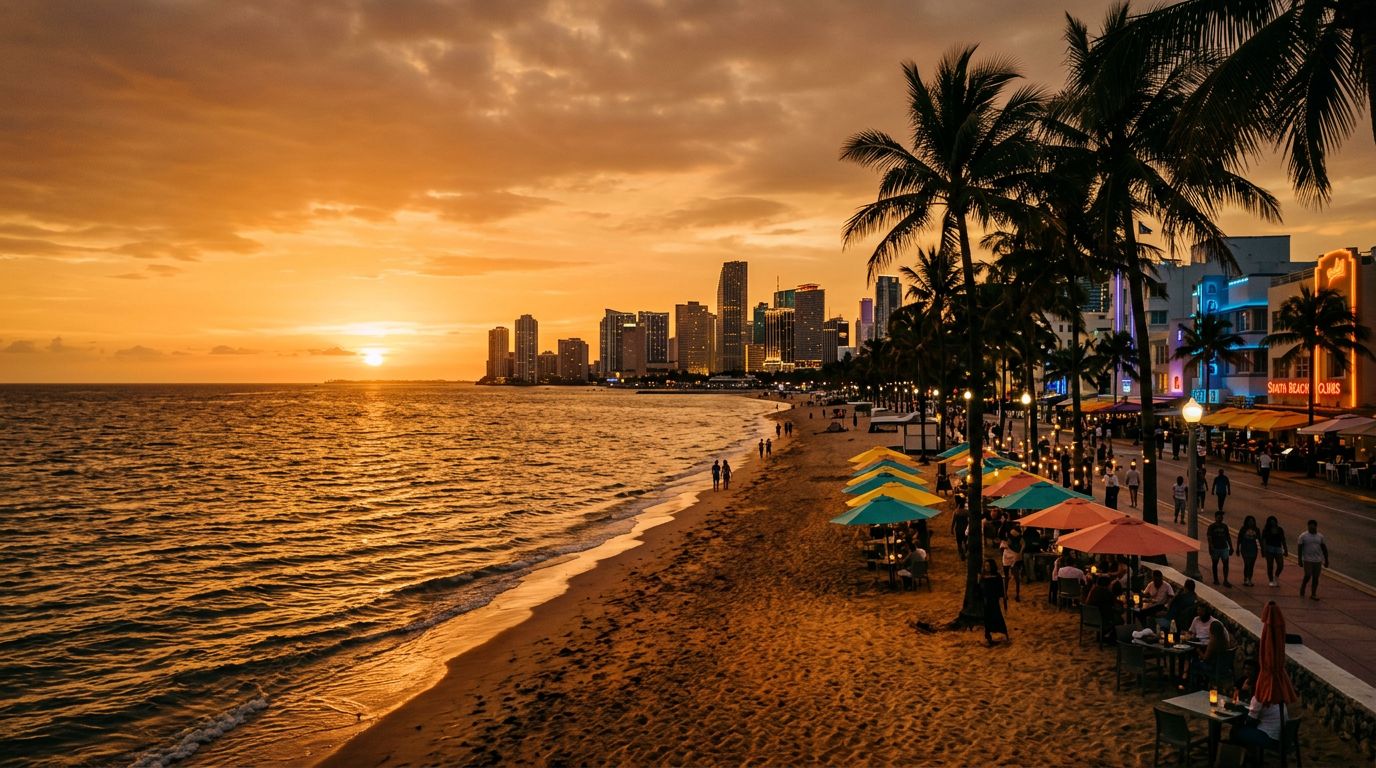
Miami can give you a beach morning, a serious dinner, and a late night that runs until sunrise. It can also give you a 45-minute ride between places that looked close on the map.
The question of where to stay Miami comes down to your ideal evening. Do you want to walk home from the iconic shores of Miami Beach, eat your way through Little Havana, catch a concert downtown, or stay close to the clubs? Choosing the right neighborhood across the shimmering waters of Biscayne Bay ensures your trip feels effortless. Pick the wrong base and every good plan starts with traffic.
Key Takeaways
- South Beach is the best choice for first-time visitors who prioritize beach access, iconic nightlife, and a high density of walkable restaurants.
- Brickell serves as the ideal hub for travelers looking for polished fine dining, sophisticated rooftop bars, and a modern urban hotel experience.
- Wynwood, the Design District, and Little Havana are the premier neighborhoods for foodies, music lovers, and those wanting to immerse themselves in local art and culture.
- Mid Beach, North Beach, and Key Biscayne offer more breathing room and a quieter atmosphere without sacrificing proximity to the coast.
- Miami rewards careful planning. Organize your itinerary by grouping activities within one neighborhood, then use rideshares for efficient travel between different areas of the city.
Pick Your Miami Base Before You Book the Hotel
Miami is not one compact city center. The places travelers usually want to visit are spread across Miami Beach, the mainland, and several neighborhoods with very different personalities.
The famous stretch of sand sits east of Biscayne Bay. Across the water, Downtown Miami, Wynwood, Little Havana, and the Design District define the mainland. While bridges connect these areas, traffic can turn a short trip into a major interruption. Your hotel should match your nights, not only your daytime sightseeing.
| Neighborhood | Best for | Main trade-off |
|---|---|---|
| South Beach | Beach, nightlife, first visits | Busy, louder, more expensive |
| Mid Beach | Luxury resorts, pools, beach time | Less walkable for restaurants |
| North Beach | A calmer beach stay | Fewer major nightlife options |
| Brickell | Dining, rooftops, city energy | No traditional beach nearby |
| Wynwood | Food, art, bars, live music | Limited beach access |
| Coconut Grove | Green streets, restaurants, slower nights | Farther from the clubs |
I learned this kind of geography early. At 21, I joined Semester at Sea and circled the world on a cruise ship, taking classes between ports. Since then, I have planned international trips every year, usually around the meal, concert, neighborhood, or experience that matters most.
Miami works the same way. Choose the anchor first, then put your hotel near it.
A guest who wants a quiet pool day at one of the city’s many luxury resorts should not stay in the middle of Wynwood. Someone chasing restaurants and live music should think twice before booking a beautiful room twenty minutes from every night plan. The hotel may be excellent, but the location can still be wrong.
South Beach Is the Easiest Choice for a First Miami Trip
South Beach remains the strongest all-around base for first-time visitors who want the classic Miami mix. You get a wide beach, iconic architecture, late-night energy, outdoor dining, and enough restaurants to fill several days without ever needing to cross a bridge.
The neighborhood is more than just Ocean Drive. The most useful area for many travelers stretches around Collins Avenue, Washington Avenue, Alton Road, and Lincoln Road. The farther north you go, the more residential and polished the streets become.
Ocean Drive is worth seeing, especially in the early evening. It is also loud and tourist-heavy, which is not where I would place most clients who want a restful night. A hotel one or two blocks inland often gives you better rooms and a calmer environment, and it is where many of the best boutique hotels are located.
Hotel options cover the full range. You can choose from historic Art Deco hotels that capture the local style, or opt for something modern. The Betsy brings old-school elegance and a more intimate feel. 1 Hotel South Beach is a strong pick for travelers who want a polished resort with direct beach access. The Setai leans luxurious and private, while Moxy South Beach works better for a younger, social trip.
Food is where South Beach gets more interesting than its reputation suggests. Joe’s Stone Crab is a Miami institution, but you need to plan around its popularity. Macchialina gives you a more intimate Italian dinner near Alton Road. La Sandwicherie is the kind of casual stop that earns a repeat visit, especially after a morning on the sand.
Nightlife depends on how much energy you want to spend, but the area offers some of the best nightlife in Miami Beach. LIV and Story are major club choices, while smaller rooms such as Do Not Sit On The Furniture offer a more music-focused night. Twist remains a dependable option if you want a late LGBTQ+ bar with a long-running presence in the neighborhood.
South Beach is the right base when the beach and the night are equally important. You can make a reservation, walk to drinks, and still get back to your room without turning the evening into a transport problem.
Mid Beach and North Beach Give You More Room
Mid Beach is the resort version of Miami Beach. The stretch between roughly 23rd and 63rd streets is built around large luxury resorts, expansive pools, dedicated beach service, and a slower daytime rhythm.
The Faena Miami Beach, The Miami Beach EDITION, and 1 Hotel have all helped shape this section of the shoreline into a destination of its own. The rooms are more polished, the pools are a bigger part of the experience, and the beach feels less tied to the South Beach party cycle. Because of this, many families prefer these beachfront resorts for their stay, as they offer a quieter pace while still remaining close to the classic Miami Beach energy.
The trade-off is simple. You will rely more on rideshares for dinner and nightlife. That is not a problem if the hotel itself is part of the trip. It becomes frustrating when you book Mid Beach and expect to stroll to a different neighborhood every night.
The food scene here is strong inside the major hotels. Pao at Faena offers a dramatic setting and a more formal dinner. The Matador Room is another recognizable choice for a polished evening. You can stay close, dress well, and let the hotel carry more of the night. While the nightlife is quieter here than in the downtown core, it remains accessible with a quick drive.
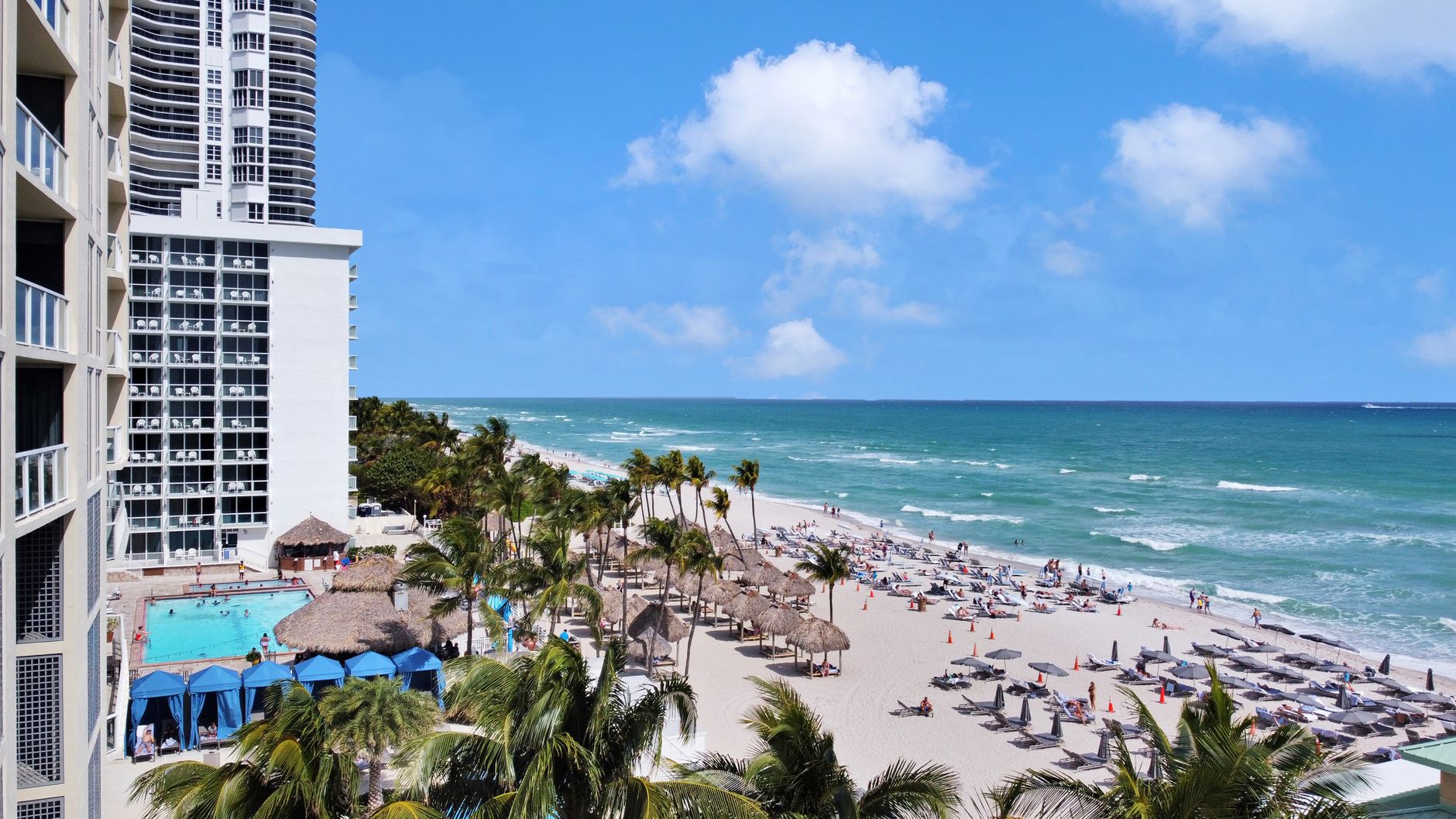
Photo by Barion McQueen
North Beach is a better fit if you want public beach access, a local residential feel, and fewer crowds. The neighborhood is not as convenient for major clubs, but it gives you a more relaxed home base. It also works well for travelers who care more about mornings, swimming, and space than being near every headline restaurant.
Sunny Isles Beach and Bal Harbour take the resort idea even further. Hotels such as Acqualina and The Ritz-Carlton Bal Harbour suit travelers who want service, privacy, and a serious beach stay. They are not smart bases for a trip built around Miami nightlife. The rides back to South Beach, Brickell, or Wynwood can become expensive and tiring.
Brickell Works for Food, Rooftops, and a City Night
Brickell is the strongest choice when the beach is part of the trip, but not the entire point. As the financial district, Brickell offers an urban environment that feels much sharper than the sand and surf of South Beach. Glass towers, hotel bars, a refreshing rooftop pool, polished restaurants, and late dinners define the neighborhood. This area serves as a primary hub for Downtown Miami, placing you in the heart of the city’s growth.
You do not walk from Brickell to the beach. While you can reach South Beach by rideshare, keep in mind that traffic can be unpredictable. If you want a morning at the ocean and a late dinner in Brickell, plan those as separate blocks instead of bouncing back and forth.
The hotel selection is excellent. EAST Miami places you close to Brickell City Centre and provides a stunning rooftop pool deck for drinks at Sugar. The Four Seasons Hotel Miami and Mandarin Oriental Miami, located on the waterfront of Brickell Key, offer a quieter luxury experience with more room to retreat. These hotels are also convenient if you need a base near the cruise terminal before heading out to sea.
Food is the reason many travelers choose to stay in Brickell. COTE Miami combines Korean barbecue with a high-energy dining room, while Komodo brings a more theatrical dinner and late-night atmosphere. Restaurants around Brickell City Centre make it easy to keep the night close, especially when the group wants to sample different styles of food.
Rooftop bars are a core part of the appeal. Sugar provides a high-rise setting with a tropical feel, while Rosa Sky is an accessible choice for cocktails and skyline views. Brickell also hosts sophisticated lounges and hotel bars, though the nightlife here is generally dressier and more polished than the grit you might find in Wynwood.
Brickell is a perfect base for conference trips, business travel, and couples who want a refined hotel room within walking distance of high-end dining. It also makes perfect sense if your plans include the Kaseya Center, where major concerts and sporting events take place in Downtown Miami.
I plan concert trips around the venue first, then build dinner and drinks around the door time. That small bit of discipline saves the night, because Miami traffic does not care how carefully you chose your reservation.
Wynwood, the Design District, and Little Havana Bring the Food
If your trip revolves around restaurants, bars, galleries, and music, look west of the beach. Wynwood, the Design District, and Little Havana offer more character at street level, with very different versions of Miami within a short ride of one another.
Wynwood for Bars, Art, and Late Nights
Wynwood is the easiest mainland base for travelers who want a creative neighborhood with plenty happening after dark. The former warehouse district is known for murals, galleries, casual restaurants, cocktail bars, and a nightlife scene that keeps moving.
Arlo Wynwood is one of the clearest hotel choices in the neighborhood. It puts you near the action without requiring a long ride home after dinner. Apartment style stays are also common, but check the building and management carefully. A lower nightly rate is not useful if the location feels isolated or the room lacks basic support.
Start with coffee and pastries at Zak the Baker. Walk the galleries and murals before the heat peaks. Later, settle into a longer meal, then choose the night based on the music. Gramps is a reliable stop for drinks and events. Dante’s HiFi brings a more serious listening room feel for people who care about records and sound. The neighborhood also has dance clubs and smaller bars when you want more volume.
Wynwood is not a beach neighborhood. That is the point. Stay here when you want the city to feel more creative, social, and food first.
The Design District for High-End Dining
The Design District sits north of Wynwood and is a stronger fit for travelers who want galleries, luxury shopping, architecture, and destination dining.
Mandolin Aegean Bistro is one of the neighborhood’s most dependable reservations, especially when you want a long lunch or relaxed dinner in a beautiful setting. Itamae is a smart choice for Japanese food, though reservations and availability need attention. The Design District has enough serious dining to support a full evening without moving elsewhere.
This is a better base for a planned food trip than a spontaneous bar crawl. The streets are easy to explore during the day, but the neighborhood does not have the constant late night flow found in other parts of the city.
Little Havana for Cuban Food and Live Music
Little Havana is where I would send travelers who want Miami to feel rooted in a specific culture. Calle Ocho gives you Cuban bakeries, coffee counters, cigar shops, music, and restaurants with decades of local history.
Versailles is the famous choice, and it is worth understanding what makes it important. Sanguich is better for a faster, casual meal built around pressed Cuban sandwiches. Cafe La Trova brings cocktails, Cuban food, and live music into one room. Ball and Chain is another classic stop for music and a late drink.
Little Havana has fewer traditional hotels than South Beach or Brickell. Many travelers visit for an afternoon and evening instead of staying there. That can work well. If you choose a nearby base in Brickell or Coconut Grove, you can spend a full night on Calle Ocho and return without crossing the entire city.
Coconut Grove, Coral Gables, and Key Biscayne Suit Slower Trips
Coconut Grove is one of Miami’s best choices for travelers who want greenery, restaurants, waterfront walks, and a neighborhood that feels less performative. With shaded streets and a relaxed pace, Coconut Grove has a restaurant scene with real depth that makes it a favorite for families and couples alike.
Ariete is the obvious food anchor for many visitors. The restaurant blends Cuban influence with modern technique and has become one of the city’s most respected dining rooms. Jaguar offers a more casual Latin American option, while the area has enough bars and cafes for a relaxed evening.
The Mayfair House Hotel & Garden and Mr. C Miami Coconut Grove give you access to the neighborhood without placing you in the middle of the beach crowds. Coconut Grove is also useful for trips that include the University of Miami or time on the water.
Coral Gables feels more residential and formal. The Biltmore Hotel is the recognizable luxury choice, and the area’s restaurants work well for travelers who prefer a quieter dinner. Because it is a short ride from Downtown Miami, you have access to city amenities, though you will need rideshares for South Beach nightlife. The trade-off is more space and a calmer return home.
Key Biscayne is for the traveler who wants the beach to dominate the itinerary. Crandon Park and Bill Baggs Cape Florida State Park offer a more natural coastal setting than the central beach districts. If you prioritize luxury resorts, the Ritz-Carlton Key Biscayne Miami offers premium comfort in a serene environment. However, keep in mind that Key Biscayne is not an ideal base if you have nightly club plans.
Think of these areas as destination bases. Stay there when the neighborhood itself is the experience.
Match Your Hotel to the Trip You Actually Want
The best Miami itinerary usually has one clear center of gravity. Here is how I would match the base to the trip:
- First trip with beach and nightlife: Stay in South Beach, preferably away from the noisiest section of Ocean Drive.
- Luxury resort and pool time: Choose Mid Beach, Bal Harbour, Sunny Isles, or Key Biscayne to enjoy the best luxury resorts in the area.
- Restaurants and rooftop drinks: Book Brickell, especially if you prefer polished evenings.
- Art, bars, and live music: Stay in Wynwood or near the Design District.
- Cuban food and neighborhood culture: Base yourself in Brickell, Coconut Grove, or Coral Gables, then spend a full evening in Little Havana.
- A slower couples trip: Consider Coconut Grove, Coral Gables, or a quieter part of North Beach.
Your hotel budget should include transportation. A cheaper room across the bay can lose its value after several rides, surge pricing, valet fees, and an hour lost each night. A more central hotel often buys back time.
That matters even more when dinner is expensive or the night includes a concert. You do not want to rush a great meal because the venue is on the other side of town.
Getting Around Miami Without Losing the Evening
Walking is useful inside South Beach, Brickell, Wynwood, Little Havana, and Coconut Grove, but it is not a replacement for transportation between them.
The Metrorail connects Miami International Airport with the mainland, while the Metromover is a convenient way to navigate parts of Downtown Miami. Miami Beach also offers a free trolley system for local routes. While these options provide reliable public transport during the day, most visitors will rely on rideshares to bridge the gap between South Beach and Brickell for dinner reservations, beach days, and late nights.
For airport arrivals, check your hotel location before choosing a transfer. Miami International Airport is close to the mainland neighborhoods, but the trip to Miami Beach includes the causeway and can take longer during busy periods. A private car is worth considering when you have luggage, a late arrival, or a tight dinner reservation.
I suggest sorting out the logistics for your first evening before landing. Know where you are eating, how long the ride should take, and what the backup plan is if traffic gets heavy. Miami does not need an overstuffed schedule. It needs clean handoffs between the parts of the city that matter most.
The best travel pattern is simple:
- Keep breakfast and the morning near the hotel.
- Choose one daytime neighborhood or beach.
- Put dinner close to your primary evening activity.
- Use a rideshare for the late return instead of forcing one more connection.
That approach leaves room for the meal that runs long, the bar you did not expect to like, and the live set that deserves another song.
Frequently Asked Questions
Which Miami neighborhood is best for first-time visitors?
South Beach is widely considered the best choice for those visiting for the first time. It offers the classic Miami experience, providing a high density of beaches, nightlife, and walkable dining options in one convenient area.
Do I need to rent a car to get around Miami?
Most visitors do not need a rental car and are better off using rideshares to travel between neighborhoods. Traffic can be unpredictable, and parking costs at hotels and restaurants add up quickly; sticking to one area per day is much more efficient.
Is it easy to get from Brickell to the beach?
While they are relatively close on a map, Brickell and South Beach are separated by water and heavy traffic. It is better to plan your beach days and your city nights as separate excursions rather than trying to bounce back and forth between them.
Which neighborhood is best for a quiet, relaxing stay?
If you prefer a slower pace, look toward Coconut Grove, Coral Gables, or the luxury resorts in Mid Beach and Key Biscayne. These areas offer more breathing room and a refined atmosphere while still remaining within reach of the city’s major attractions.
Choose the Neighborhood That Keeps Your Nights Intact
Miami offers several excellent places to stay, but they are not interchangeable. South Beach provides the quintessential beach and nightlife combination for those who want to be in the center of the action. If you prefer a more polished city rhythm filled with sophisticated dining, Brickell is an ideal metropolitan base. For travelers seeking authentic cultural texture and creative energy, Wynwood and Little Havana offer an unmatched local feel.
Mid-Beach, North Beach, Coconut Grove, and Key Biscayne are better alternatives when you prioritize hotel quality or a slower pace over late-night transit. Ultimately, the best stay in Miami Beach is not the one with the longest list of amenities; it is the base that keeps your itinerary anchored. Pick the neighborhood that aligns with your desired experience, build your days around one central location, and choose a base that keeps the best dining and nightlife within easy reach.