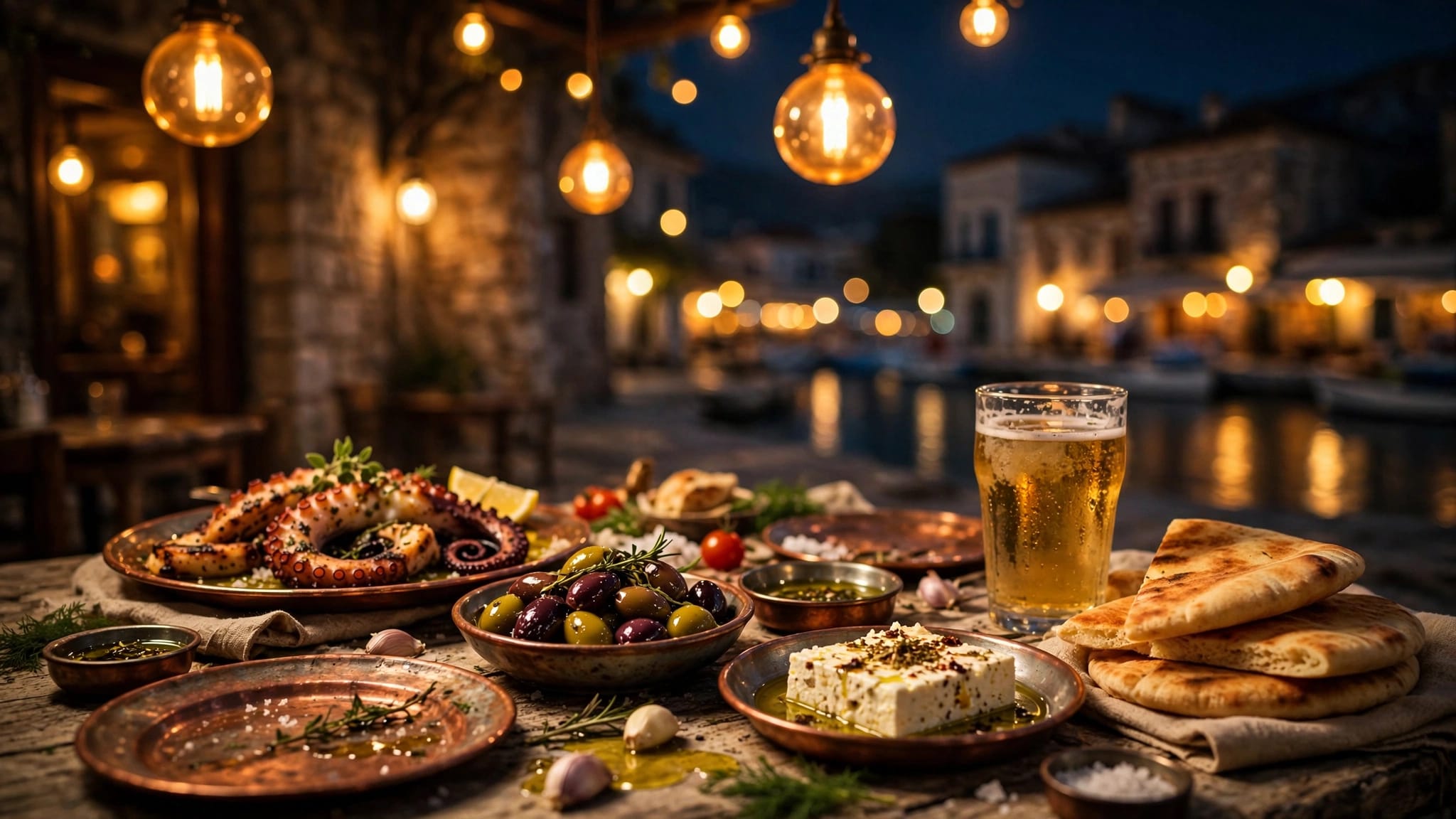
Thessaloniki is the kind of city where dinner can start at 10 p.m. and still feel early. A sesame-coated koulouri in one hand, a cold beer on a sidewalk table, grilled fish arriving well after midnight, this is a city built for travelers who plan their days around appetite.
This travel guide keeps the pace right. You’ll eat well, walk intelligently, leave room for a long lunch, and finish each night somewhere worth staying for. A central base such as The Modernist can make the walking plan easier, but check its current 2026 location, availability, and rates before booking.
The move is simple: keep your days tight, then let the evenings stretch.
Why Thessaloniki Rewards a Food-First Trip
Athens has the monuments. Thessaloniki has the rhythm.
The city’s culinary scene feels more lived-in, less performative, and easier to experience at street level.
The result is an authentic Greek food culture shaped by Ottoman, Balkan, Sephardic Jewish, and Mediterranean influences, often within the same few blocks.
You are not chasing one signature dish or a fine dining checklist. Greek cuisine rewards a full day of small wins: traditional Greek dishes, market snacks, a proper seafood lunch, shared plates, late drinks, then a late-night pastry when you thought the night was finished.
Meze Is the Main Event
Shared plates aren’t a pre-dinner formality. They are dinner.
Order a few small plates, let the table build slowly, and don’t rush the next round. Look for smoky eggplant, fried zucchini, anchovies, grilled octopus, soutzoukakia, saganaki, and whatever the server tells you arrived fresh that day.
A bottle of tsipouro or ouzo makes sense when you’re sharing. Local wine is the better call when the meal is carrying you through the evening.
The best shared-plate meals are paced, not optimized. Order enough to stay curious, then give the next plate a chance to earn its place.
The City Gets Better After Dark
Thessaloniki runs late without making a big show of it. Tables fill after 9 p.m., bars stay active, and the walk between dinner and drinks is part of the night.
Ladadika is the obvious starting point. It is central, energetic, and packed with old warehouse facades, tavernas, and bars. For a more local-feeling evening, roam around Navarinou and Rotonda, where the crowd skews younger and the energy feels less polished.
Set Up Your Thessaloniki Food Itinerary the Right Way
A good food weekend can go sideways fast if your hotel is too far from evening plans. For 2026, a city center base usually makes late walks easier, while waterfront rooms trade convenience for views.
Stay central enough to walk to Aristotelous Square, the markets, Ladadika, and the bars around Navarinou. The Modernist is one possible 2026 base, if current rates and availability suit you. A central stay cuts taxi costs and leaves room to change plans when a table or street catches your attention.
Build Each Day Around One Small Orbit
Kapani Market brings a traditional market atmosphere, while Modiano Market offers a more contemporary food-hall format. Check current opening days, stall availability, and market hours locally before you go.
The White Tower and waterfront are easy scenic extensions, not a separate mission. After dinner, walking back to a central hotel, including The Modernist, is simpler than arranging a taxi.
Do not send yourself across town for every meal. Thessaloniki is generous when you let one neighborhood carry a full day.
Plan for the City’s Late Dining Rhythm
Lunch can begin around 2 p.m. Dinner at 8 p.m. can feel almost premature. Many Thessaloniki restaurants open for late lunch and stay active until midnight, as this guide to Thessaloniki restaurant hours points out.
On busy Friday and Saturday nights, 9:00 to 9:30 p.m. reservations are more realistic than 8:00 p.m. Call or message ahead, since fish restaurants may require advance confirmation.
Market hours can shift by stall and season. Verify the latest details locally rather than trusting an old screenshot.
Day One: Markets, Bougatsa, and a Ladadika Night
Start the trip in the center. The goal is not to eat everything by noon. It is to get your bearings, learn the flavors, and save enough appetite for a long first night.
Begin With Koulouri and Kapani Market
Grab a koulouri, a practical piece of Greek street food, with Greek coffee. That inexpensive breakfast suits a morning walk, while spanakopita offers another affordable market snack.
Then head to Kapani Market, between Ermou and Egnatia. It is loud, practical, and full of the good stuff: herbs, olives, spices, cheese, fish, cured meats, local produce, and local delicacies that make you want a kitchen you do not have. This look at Thessaloniki’s markets and local food gives a useful sense of the mix you will find.
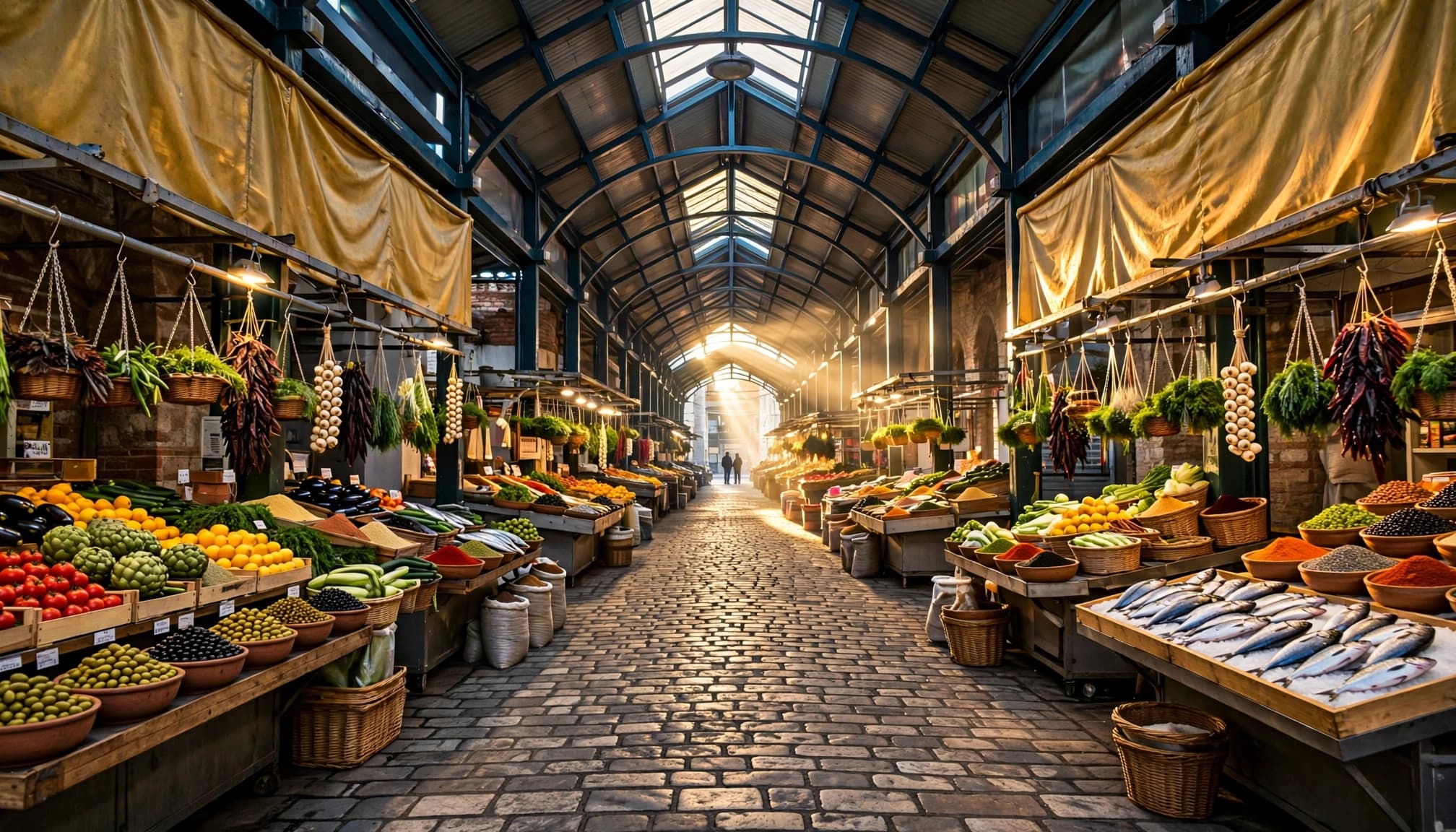
Walk through the restored market afterward. Its interior has a more contemporary feel, with food counters and places to stop for a drink or a casual bite. Visit Greece’s Modiano Market feature is worth a quick look before you go.
Take a Proper Break Before Dinner
After the markets, do not force a museum marathon. Walk to Aristotelous Square and follow the waterfront toward the White Tower. Leave room for a few historic sights, then let the afternoon breathe.
For dinner, head to Ladadika and book Full tou Meze on Katouni Street if you want a classic shared-plate opening. Start with a few shared plates, not a table full of food. Fried cheese, mussels, and grilled vegetables make a smart first round with ouzo. A fish dish and drinks can raise the per-person total.
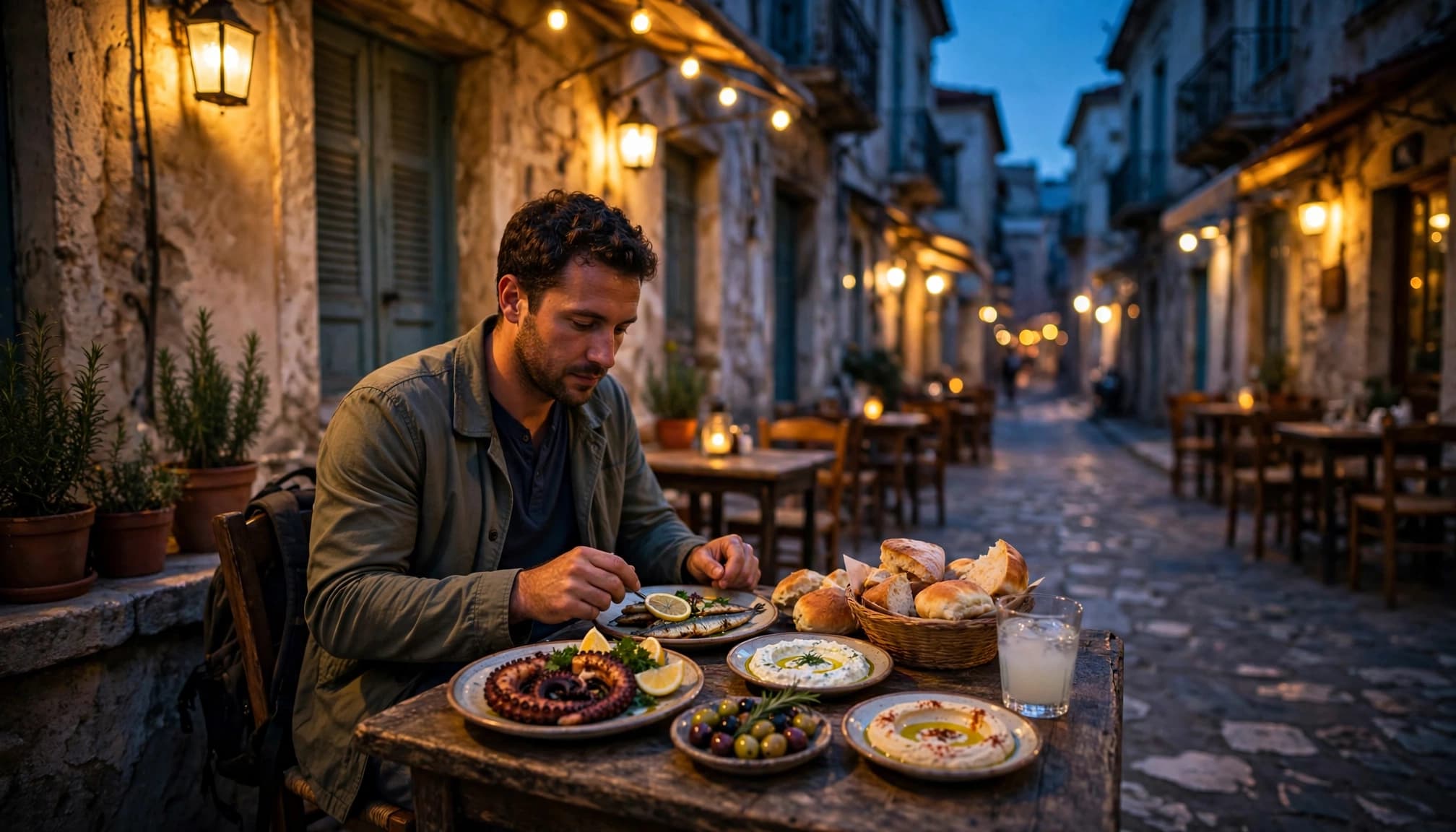
After dinner, stay in the neighborhood. One cocktail bar is enough. Your first night should feel like an arrival, not a test of endurance.
Day Two: Seafood, Long Lunches, and Better Drinks
Day two is where you slow down. You’ve already seen the center. Now you can make sharper calls and give seafood and fish more time.
Make Seafood the Anchor Meal
Thessaloniki has access to the Thermaic Gulf, so seafood and fish belong at the center of this day. Mourga is a strong choice when you want an ingredient-led meal that feels more serious than a casual taverna.
Glykanisos is another name to keep in mind for fish and seafood, particularly if you don’t mind traveling farther east for dinner. Before committing to either restaurant, verify current service days, reservation requirements, location, menu style, and whether fish is priced by weight.
Ask which fresh seafood arrived that day. A menu can show what’s available, but the day’s catch should guide your decision.
A fish-focused dinner can be the trip’s one fine dining splurge. Ask the price before ordering, and budget more for whole fish, premium shellfish, and multiple drinks.
Order simply. Charcoal-grilled fish, octopus, shrimp, mussels, greens, lemon, bread, and a crisp Greek white are enough.
Leave Room for an Afternoon Reset
A big lunch means you need a pause. Walk the waterfront, return to the hotel, or sit with coffee somewhere near the center. Don’t turn a food-first trip into a race against your own digestion.
For travelers who’d rather have market tastings, local context, and the walking route handled, this guided food and culture tour with tastings is a practical food tour option. Check the advertised dates to confirm it still includes both Kapani and Modiano markets.
Come back out around 9:30 p.m. If lunch was lighter than planned, choose a relaxed waterfront bar with small plates for a second dinner. Otherwise, go straight to drinks around Valaoritou, where bars have more edge and fewer matching menus.
Day Three: Bougatsa, Gyros, and One Last Great Night
Your final day should stay loose. By now, you know whether your trip needs another long lunch, a coffee-heavy afternoon, or a slower start after drinks.
Eat the Foods You Missed
Bougatsa is non-negotiable. This flaky pastry can be filled with custard, cheese, or minced meat, then dusted with sugar and cinnamon when it is sweet. Bantis remains a classic morning stop, but check its current opening hours before going.
A koulouri also works as a portable breakfast if you want something lighter. For a late-night version, consider Bougatsa Giannis on Mitropoleos Street after confirming its current hours and operation. It makes more sense after a bar than before a meeting.
Add a gyro at some point today. Choose pork or chicken wrapped in pita with tomato, onion, fries, and tzatziki. Order gyro plates if you want the same flavors without the walk-and-eat logistics.

Photo by Gül Işık
Finish With a Night You Can Actually Enjoy
For the final dinner, revisit the food that made the city stick. Return to a favorite shared-plate restaurant, order the traditional Greek dishes you skipped, and don’t overthink the last meal.
With a larger budget, make it one fine dining booking; otherwise, return to a casual taverna or late-night bakery.
If live music is part of your travel DNA, check current listings, dinner times, and reservation policies before booking. Thessaloniki has jazz rooms, small stages, and DJ-led bars, but schedules change quickly. Build the night backward from the show, not the other way around.
Dinner should support the music. Drinks should be close. Check the walk or taxi route home after midnight.
Frequently Asked Questions
What should I eat first in Thessaloniki?
Start with a koulouri or bougatsa, then leave room for market snacks and meze. Save a proper seafood meal and a late-night gyro for later in the itinerary.
Where should I stay for a Thessaloniki food itinerary?
A central hotel makes it easier to walk between Aristotelous Square, Kapani Market, Ladadika, and Navarinou. A base such as The Modernist can work well, but check its current location, availability, and rates before booking.
What time do people eat dinner in Thessaloniki?
Dinner around 9:00 to 9:30 p.m. is more in line with the city’s late dining rhythm, especially on Friday and Saturday. Reserve ahead for popular restaurants and confirm current opening hours locally.
How many days do I need for a food trip to Thessaloniki?
Three days gives you enough time for the markets, a long seafood meal, traditional Greek dishes, and several after-dark stops without rushing. Keep each day within one small neighborhood orbit and leave room for an extra plate or bakery stop.
Should I book restaurants in advance?
Book the dinners that matter, particularly fish restaurants and busy weekend tables. Ask about current service days, reservation policies, and fish prices by weight before you commit.
Final Thoughts
A great food-first weekend in Thessaloniki isn’t about collecting every famous dish. It’s about getting the timing right: market morning, long lunch, a slow reset, then a night that keeps unfolding.
Keep your hotel central. Book the dinners that matter. Leave room for the bakery, the bar, and the extra plate that was never part of the original plan.
For a weekend built around your exact taste, group size, and after-dark plans, explore custom travel planning services.