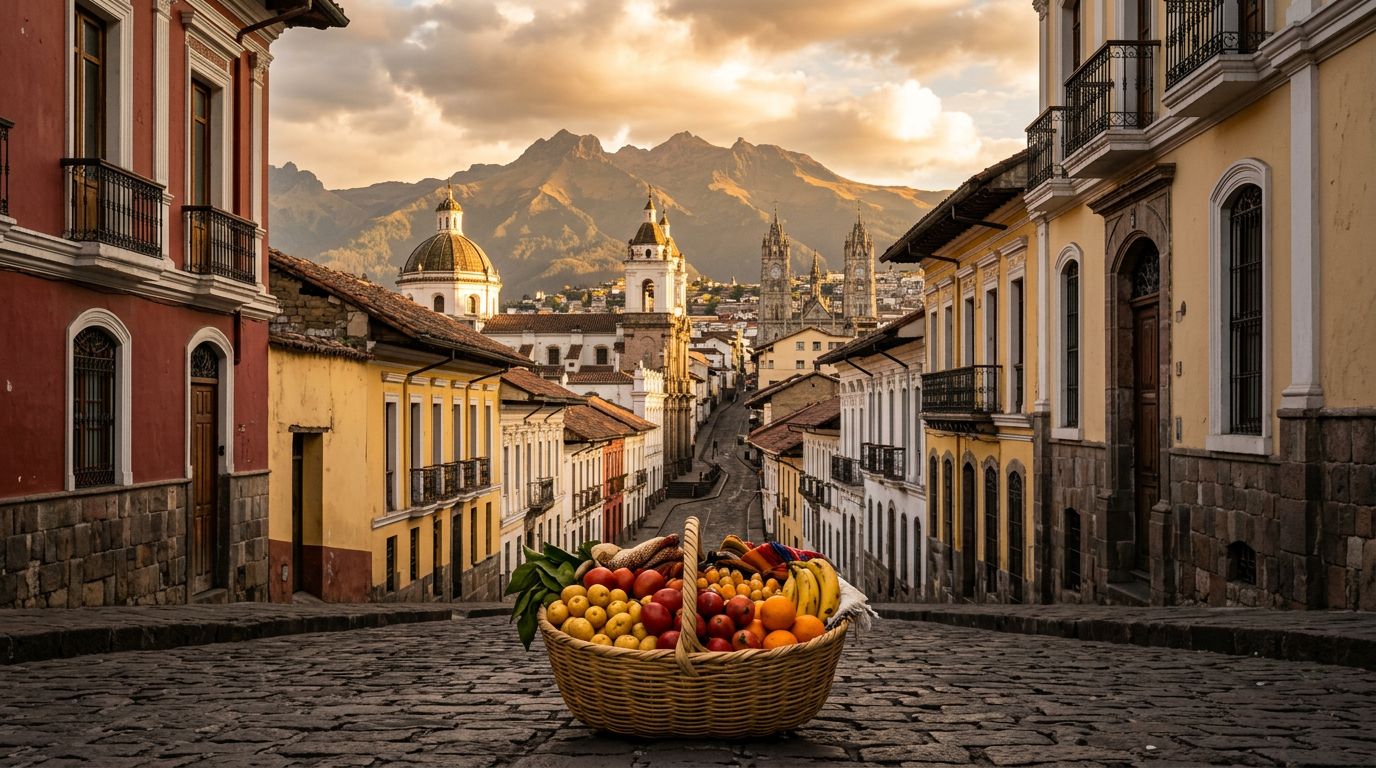
Quito hits you in the lungs before it hits you in the heart. At 2,850 meters, or roughly 9,350 feet, even a short uphill walk can feel like somebody turned down the oxygen.
That doesn’t make the city hard to enjoy. It means a good Quito itinerary needs rhythm. Build in a slower first day, keep neighborhoods together, and save the highest mountain view for when your body is ready.
Three days gives you enough time for the Old Town, serious Ecuadorian food, one big Andean view, and the equator. Quito also works well as the mainland portion of a longer trip that continues to the Galapagos Islands. It does not give you time to sprint through every major day trip nearby. Good. Quito is better when it isn’t treated like a checklist.
Key Takeaways
- Give yourself a slower first day in Quito, then build each day around one main area to avoid wasting energy and time in the city’s hills and traffic.
- Spend day one in the Historic Center, with its major churches and a proper lunch at Mercado Central.
- Make the TelefériQo your main outing on day two, but respect the elevation, check conditions, and descend if you feel unwell.
- Use half of day three for Mitad del Mundo, preferably with a private driver or arranged car, and leave the afternoon for a relaxed final meal and city view.
- Plan for altitude and evening safety: hydrate, limit alcohol at first, use cars after dark, and save larger day trips such as Cotopaxi, Quilotoa, Mindo, or Otavalo for another day.
Start With a Plan That Has Flow
The city’s geography is dramatic, but it can punish a scattered plan. I’d choose one main area each day. I’d walk where streets connect naturally and use a car for cross-town jumps or after dark.
Stay Where the Evening Works
For most first-time visitors, the practical central base keeps restaurants, cocktail bars, hotels, and a nearby craft market close. The cafe-focused district is better if you care more about creative energy and a neighborhood feel.
| Area | Best For | Watch Out For |
|---|---|---|
| La Mariscal | First trips, dining, bars, central hotels | Pick a well-reviewed street |
| La Floresta | Cafes, slower evenings, local character | Farther from Old Town landmarks |
| Historic Center | Churches, architecture, daytime walking | Don’t plan late walks home |
The Historic Center is worth visiting every day you are in Quito. Staying near the historic city center can simplify daytime sightseeing, but I wouldn’t make it my default hotel base if dinner, music, and easy late nights matter.
Make Arrival Day Small
Land, hydrate, eat something warm, and resist the urge to immediately climb a mountain. A quiet first dinner near your hotel gives your body time to adjust, especially after an overnight flight.
Your first day should feel like the opening track of a great setlist. Strong enough to get your attention. Not so intense that there is nowhere left to go.
Day 1: Old Town Quito, Churches, and a Market Lunch
Start the first full day in Quito’s Historic Center, a UNESCO World Heritage site and one of the best-preserved colonial districts in the Americas. Go in the morning, when the light is softer and the sidewalks still have room to breathe.
Walk the Historic Core in One Clean Line
Begin at Plaza de la Independencia, also called Plaza Grande, Quito’s civic center. The presidential palace and cathedral frame the square, while people cross it with constant purpose.
From there, walk to La Compañía de Jesús, or join a guided tour if you want more context. The church interior is known for its gilded Baroque detail, and it deserves more than a two-minute photo stop. Continue toward the Church and Convent of San Francisco, then work your way north to the Basílica del Voto Nacional.
The Basílica has the kind of neo-Gothic scale that feels almost theatrical against Quito’s hills. Check entry access before you go, especially if you want the rooftop views.
One major church visited with time feels better than five rushed interiors and a camera roll full of ceilings.
Let Mercado Central Carry Lunch
Mercado Central is where the day shifts from monumental to personal. Grab a stool, order lunch, and let the room do its thing. Steam rises from soup bowls. Vendors call out orders. Locals move through the aisles with purpose.
Locro de papa, a thick potato and cheese soup often served with avocado, is the right introduction. Pair it with an empanada de viento, the airy fried pastry dusted with sugar, and don’t be surprised if lunch turns into a longer stop than planned.
After sunset, take a car back to your base, then find dinner in La Floresta. Old Town is for daytime wandering. Keep the night tighter and easier.
Day 2: TelefériQo, Pichincha Air, and La Floresta
Day two is when I would go higher. If you slept well and feel normal, make the mountain your main outing. Ride the TelefériQo cable car toward the slopes of Pichincha Volcano.
The upper station sits close to 4,000 meters, around 13,000 feet. That is serious elevation, even for travelers who handled Quito itself without a problem.
Treat the Mountain Like the Main Event
Go early for clearer conditions, warmer layers in your bag, and a better chance of seeing Quito stretch through the valley below. The weather can turn fast. Bring sunscreen too, because high-altitude sun has no interest in your plans.
Recent TelefériQo visitor updates are useful for checking weather and queue reality, but verify hours and fares on the day. Current information has varied across official listings.
Don’t force a long hike toward Rucu Pichincha because it looks manageable on a map. If anyone in your group feels dizzy, nauseated, unusually tired, or headachy, enjoy the view and descend.
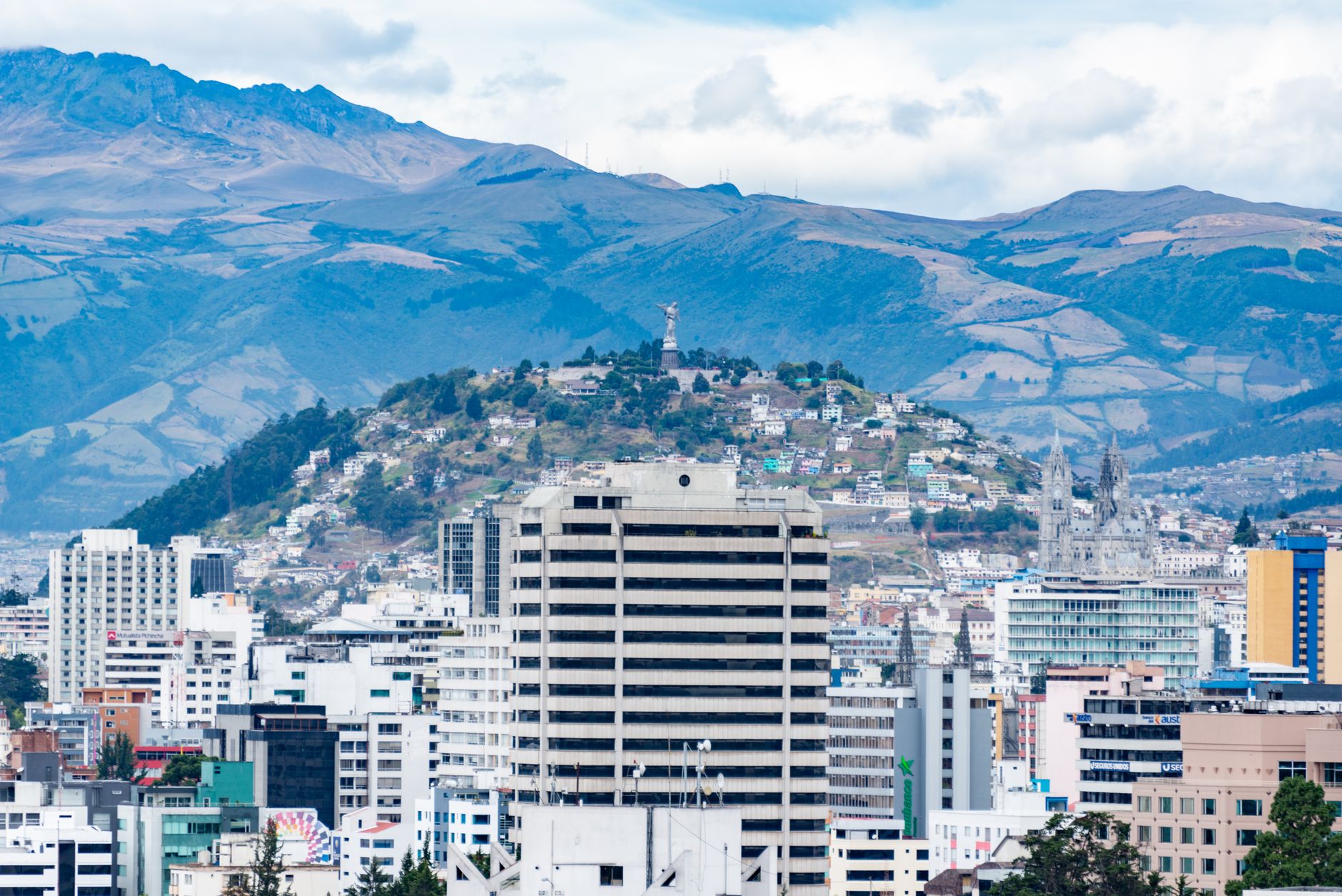
Photo by Diego F. Parra
Make the Afternoon About Food and Browsing
After the mountain, head back down for a proper lunch and a slower afternoon. Mercado Artesanal La Mariscal, at Jorge Washington 611, is an easy artisanal market to browse for woven textiles, leather goods, jewelry, and souvenirs. Go before evening, and confirm the day’s hours before you head over.
Buy fewer things, but buy better things. Ask who made the piece. Look for work that feels personal rather than a rushed purchase from the first stall.
Keep dinner in La Floresta or near your base. If live music is part of the trip, check the current Teatro Sucre program before booking a table. The performance is the hard deadline. Dinner, drinks, and your ride home should work around it.
Day 3: The Equator Without Losing the Day
Mitad del Mundo is one of those places that can feel cheesy if you treat it like a photo mission. Give it half a day and some curiosity, and it becomes a memorable outing beyond the city.
Give Mitad del Mundo Half a Day
The equator monument sits north of Quito, and logistics matter more than mileage. Buses can work, but transfers and waiting can turn a short visit into a full day.
For a three-day visit, I prefer a private driver or arranged car for this day trip from Quito. You control the timing and avoid solving an unfamiliar return route. That leaves you back in time for a real afternoon in the city.
You will see TelefériQo and Mitad del Mundo tours that bundle both into one long outing. A guided tour can suit travelers with only one day, especially if they prefer a fixed schedule. With three days, splitting them gives each experience room to land.
Skip the Impossible Add-Ons
Don’t tack Cotopaxi volcano, Quilotoa crater, or the Mindo Cloud Forest onto this day. Each deserves its own early start and full commitment. Cotopaxi and Quilotoa also add more altitude to a trip that already starts high.
Quilotoa crater deserves its own day, especially if you want time for the rim views.
Use the afternoon for a late coffee, a relaxed final lunch, and one last Quito view. El Panecillo works well in daylight with a driver, but don’t walk up or down the hill alone.
Three days is enough to feel Quito. Add a fourth day if the cloud forest, a volcano, or a crater lake is a true priority. You could choose the Otavalo market or Papallacta hot springs, but each deserves its own plan.
What to Eat and Buy Without Making It Performative
Food should have protected space in the schedule, especially when you’re exploring Ecuadorian cuisine. Don’t wedge lunch into a 25-minute gap between churches, then wonder why the trip felt rushed.
Order the Ecuadorian Standards
A few dishes are worth seeking out while you are here:
- Locro de papa is Quito comfort food, rich with potatoes, cheese, avocado, and often pork.
- Hornado brings slow-roasted pork, crisp skin, corn, potatoes, and plenty of flavor.
- Encebollado is a tuna and onion soup with serious restorative power after a late night.
- Quimbolitos are light steamed cakes, usually sweet, and perfect beside coffee.
- Empanadas de viento are fried, cheesy, and dusted with sugar. Order more than one.
Breakfast can be a coffee and quimbolito. Lunch belongs at the market. Dinner deserves a reservation and enough time to sit down.
Let Markets Set the Pace
Mercado Central is for eating, while the handicraft market is for browsing and gifts. They are different experiences, and both are better without a rush. The Otavalo market is a more substantial shopping excursion, not a stop to squeeze between meals.
Keep cash in small bills, carry only what you need, and put your phone away once you’re done taking the photo. The best market moments happen when you stop treating every aisle like content.
Altitude and Evening Safety Need a Real Plan
Quito is not a city where bravado pays off. Most people adjust well, but altitude tolerance is personal.
Give Your Body a Full Day
The CDC’s high-altitude guidance notes that unacclimatized travelers can develop altitude sickness above 2,450 meters. Quito begins above that threshold.
Drink water throughout the day. Eat regular meals. Save heavy drinking until you know how your body feels. If you have a history of altitude illness or a relevant medical condition, speak with a clinician before you fly.
If you feel off at 4,000 meters, the right move is to descend, not push through for the photo.
Use a Car After Dark
Quito’s Historic Center is active and rewarding during the day. After dark, it empties quickly. Don’t plan to walk between the old center and your base at night, even if the map makes the distance look short.
Use a hotel-arranged car, a registered taxi, or a ride-hail option. Keep jewelry low-key, avoid holding your phone out on quiet streets, and stay on busy routes. A current Quito visitor safety overview offers a useful reminder that awareness matters more than panic.
The last 15 minutes of the night deserve planning. They are not an afterthought.
Getting Around Quito Without Burning Time
Quito Metro Line 1 is useful for certain city crossings, but it does not reach Mariscal Sucre International Airport. For arrival, book a hotel transfer, take an official taxi, or check current airport bus connections before you land.
Use public transport for clean jumps across town
Walk through the Historic Center and nearby central neighborhoods. That is how you catch the small moments, bakeries, street art, and unexpected views down steep avenues.
Use the Metro, a taxi, or a driver when you need to cross a big stretch of the city. Don’t make transit rescue a badly built day.
If you add an Otavalo market outing, arrange an early car or bus connection. It sits outside the three-day core plan.
A rental car is more hassle than freedom for most short stays. Traffic, hills, parking, and unfamiliar routes are not how you want to spend a Quito afternoon.
Frequently Asked Questions
How many days do you need in Quito?
Three days is enough to experience the Historic Center, Ecuadorian food, the TelefériQo, and Mitad del Mundo without turning the trip into a checklist. Add a fourth day if you want to visit a volcano, crater lake, cloud forest, or another substantial day-trip destination.
What should you do on your first day in Quito?
Keep arrival day small: hydrate, eat something warm, and stay close to your hotel while your body adjusts to the altitude. On your first full day, explore the Historic Center in the morning and have lunch at Mercado Central.
Is the TelefériQo safe for travelers visiting Quito?
The TelefériQo is a worthwhile outing, but the upper station reaches close to 4,000 meters, so altitude symptoms can appear quickly. Go early, bring layers and sunscreen, and descend if you feel dizzy, nauseated, unusually tired, or headachy.
How should you get around Quito at night?
Use a hotel-arranged car, registered taxi, or ride-hail option after dark, especially when traveling between the Historic Center and your base. Keep valuables discreet, avoid quiet streets, and plan the ride home before the evening starts.
Can you visit Mitad del Mundo and the TelefériQo on the same day?
You can find tours that combine both attractions, but the result is usually a long, tightly scheduled outing. With three days in Quito, splitting them gives each experience more time and leaves room for a proper meal and a slower afternoon.
The Quito You Will Remember
The strongest Quito itinerary gives the city room to breathe. Take in one serious mountain view, linger over an unhurried market meal, and build your evenings around neighborhoods that make getting home easy.
Quito rewards travelers who respect its altitude, scale, and pace. For groups, food-first travelers, or anyone who wants the moving parts handled before takeoff, custom restaurant and nightlife planning can make those three days feel fully yours.