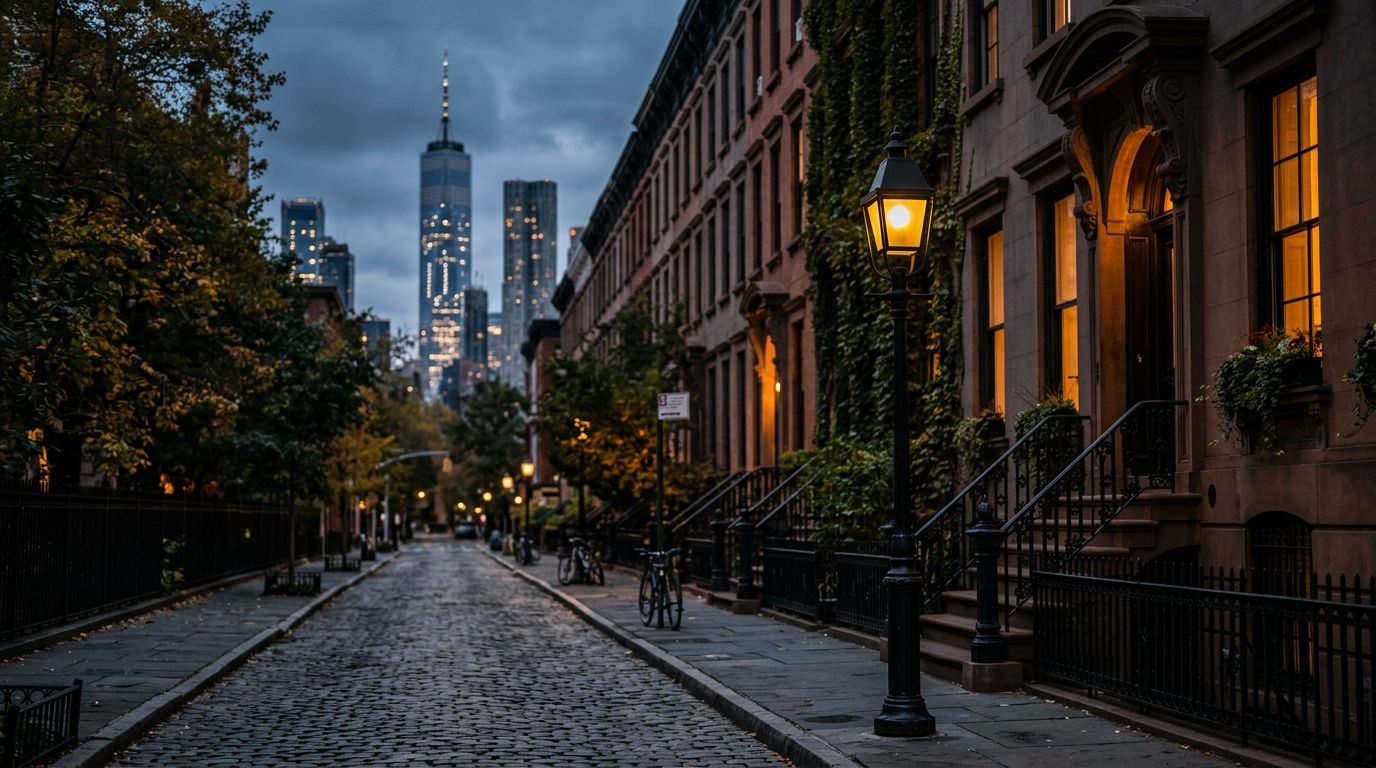
New York can wreck a good trip fast. One bad hotel choice, three cross-town rides, and a dinner booked miles from your night plan, and suddenly the city feels like work. This guide is specifically curated for first time visitors who want to skip the tourist traps and enjoy an authentic experience.
A strong new york city itinerary isn’t about squeezing in more. It’s about sequencing better. I think about this city the same way I think about a great night out or a great setlist, which includes a strong opener, good pacing, one or two peaks, and no wasted motion.
Key Takeaways
- Sequence by Neighborhood: Stop trying to traverse the entire island; focus on one or two neighborhoods per day to minimize travel time and maximize the local experience.
- Establish Evening Anchors: Book your dinner or primary nighttime event first, then build the rest of your day around that location to ensure a smooth, low-stress flow.
- Limit Your Must-Dos: Avoid the temptation of heavy sightseeing; pick one museum, one observation deck, or one iconic activity per day to keep your energy high.
- Build in Margin: Leave pockets of unscheduled time each day to allow for spontaneity, as the city’s most memorable moments often happen when you aren’t strictly following a clock.
Build the trip around neighborhoods, not landmarks
The first mistake most people make is trying to do New York. That is not a plan. That is a dare.
New York works best when you treat it like a collection of neighborhoods with different moods. Greenwich Village is not Midtown Manhattan. Harlem is not Williamsburg. Koreatown at 11 p.m. is not the same city as Central Park at 9 a.m. The more you respect the map, the better your trip feels.
For most travelers, three full days is the sweet spot. Two days can work if you are focused. Four days gives you room to breathe and room to improvise, which matters in a city where weather, energy, and last-minute ideas can change the whole shape of a day.
This quick framework helps:
| Trip length | Best approach | What to avoid |
|---|---|---|
| 2 days | Pick one Manhattan day and one Brooklyn or Uptown day | Trying to hit all the classics |
| 3 days | Build one downtown day, one Brooklyn day, one Uptown day | Crossing the island three times a day |
| 4+ days | Add Queens, a museum-heavy day, or a music-centered night | Hotel hopping or overbooking dinners |
The best home bases are usually Lower Manhattan, NoMad, Flatiron, the Lower East Side, the West Village, or Williamsburg. Those spots give you good transit and better day-to-night flow. Staying in Midtown Manhattan can work, especially if you plan on catching a Broadway show, but it often makes the city feel more generic than it should.
Book your nights first. That is the move. Dinner reservation, concert, comedy show, late-night bar, rooftop, jazz room, whatever matters most to you. Once those anchors are set, build the rest of the day backward. Use the subway to move efficiently between your chosen neighborhood clusters, which helps you avoid the fatigue of walking across the entire island.
New York rewards focus. Pick two neighborhoods a day, not six.
Also, leave one pocket of open time every day. Not a full blank day, just a pocket. That is where the city sneaks up on you, a street fair, a bookstore, a random cocktail bar, or a park bench with a view that ends up being the part you remember.
Day 1: Lower Manhattan and a first night that lands
If it is your first day in the city, start in Lower Manhattan. The streets are better for walking, the neighborhoods change quickly, and the energy feels exactly like the New York people imagine.
Do breakfast in the West Village or SoHo. Keep it simple. Coffee, a pastry, a bagel, or maybe eggs if you want a slower start. This is not the morning for a heavy brunch that eats two hours and kills your momentum.
From there, walk. Heading through Washington Square Park into Greenwich Village is a strong opening. You get architecture, people-watching, small shops, side streets, and a feel for the city without forcing it. If you prefer to see the west side, a stroll along the High Line offers a unique elevated perspective of the neighborhood streets.
Lunch belongs in Chinatown or the Lower East Side. This is where New York starts showing off without saying a word. Noodles, dumplings, hand-pulled dough, old-school bakeries, tiny counters, and sandwich spots with lines that move fast. Don’t over-research lunch. Downtown rewards curiosity.
The afternoon is where people usually overdo it. Don’t. Pick one iconic thing. Walk the Brooklyn Bridge, visit the 9/11 Memorial in the heart of the Financial District, take a quick walk past Wall Street, or catch the Staten Island Ferry for harbor views and a glimpse of the Statue of Liberty. One is enough.
If you need to see Times Square, do it late and do it briefly. Twenty minutes is plenty. It is like a movie trailer. Loud, shiny, memorable, and better in small doses.
Dinner should stay downtown. The East Village, the Lower East Side, and Chinatown all work. This is a good night for a reservation if there is a place you really want, but not a white-tablecloth marathon. You want enough structure to feel intentional, not so much structure that the night gets stiff.
For music, downtown gives you options fast. If you want a room with history and range, SOB’s still earns the stop. It is one of those venues that works for travelers because the night feels like New York, not a watered-down version of it.
After that, keep the bar plan tight. One cocktail spot, one low-key wine bar, or one dive with the right soundtrack. The city will always offer a second and third option. You don’t need to take every one.
Day 2: Brooklyn for food, skyline, and room to breathe
Brooklyn is where a lot of travelers finally exhale. The pace loosens a bit. The sidewalks feel wider. The skyline looks better from here anyway.
Start your morning in Williamsburg or Greenpoint. The morning is easy there. You will find good coffee, a strong breakfast, neighborhood shops, and enough movement to feel alive without getting slammed immediately. If your day one was heavy on Manhattan classics, Brooklyn provides the perfect reset.
Lunch can go a few different ways. This is a great day for pizza, a market stop, or a casual spread where everyone in your group can choose their own thing. Right now, travelers are chasing local kitchens, vendor-driven spaces, and food that tells a neighborhood story. That is smart. New York food culture is strongest when it is casual first and polished second.
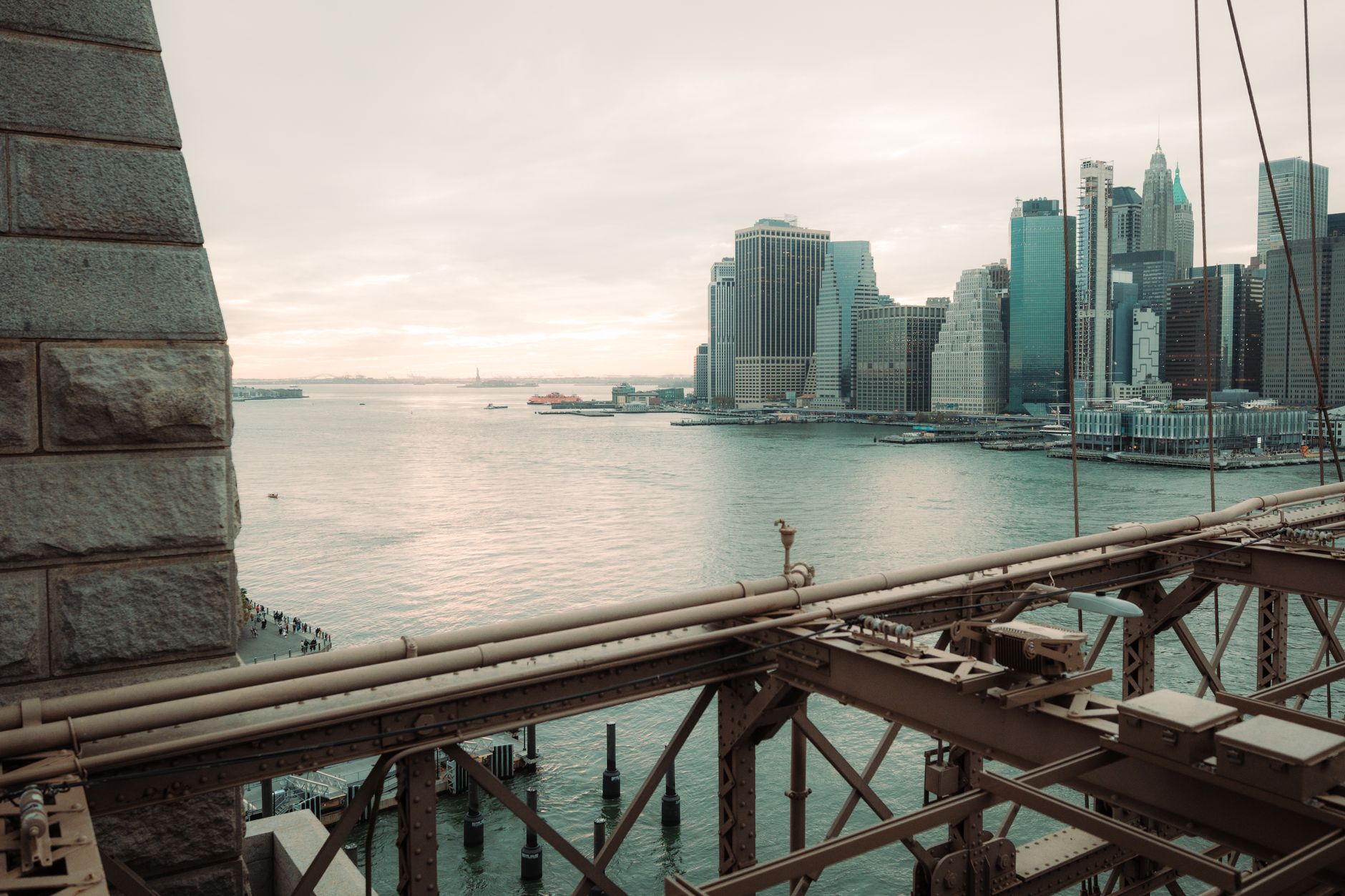
Photo by Cao Vi Ton
The afternoon depends on your mood. If you want the most iconic experience, walk across the Brooklyn Bridge toward DUMBO for the best views of the water and the city. DUMBO and Brooklyn Bridge Park work perfectly if you want easy skyline payoff. Alternatively, if you prefer to stay in Manhattan for the afternoon, you can explore the High Line for a unique elevated walk or grab a bite at Chelsea Market. If you are in town during May, keep an eye out for pop-ups, design programming, and offbeat concerts. This time of year, the city gets extra playful. Art fairs, design events, rooftop sets, and after-hours programs start turning up everywhere.
One of the smarter May moves is leaving space for a one-off event instead of cramming in another attraction. That is the kind of trade that makes a trip feel current instead of canned.
Dinner in Brooklyn can be your longest meal of the trip. This is the night for sharing plates, lingering, and not watching the clock every ten minutes. Williamsburg, Fort Greene, and Carroll Gardens all make this easy.
If your group wants dancing instead of cocktails, Brooklyn can go big. La Casita BK is a good example of a night that feels more like a scene than a stop. It is loud, social, and rooted in music first, which is exactly how a city night should feel when you are doing it right.
You can end here, or you can walk the waterfront and call it a day. Not every night needs an afterparty. Sometimes the skyline is enough.
Day 3: Uptown contrast, one culture stop, and Harlem after dark
By day three, the best move is contrast. If you have been living downtown and Brooklyn, head uptown and slow the pace down for a few hours.
Start with a calmer morning on the Upper West Side or near Central Park. Grab breakfast, then take the park seriously. Not the whole thing, obviously. Just one stretch. A reservoir walk, a tree-lined loop, a bench with coffee, or a few blocks where the city drops its shoulders a little.
This is also your museum day, but keep it disciplined. One museum is enough. The Metropolitan Museum of Art can take half a day without trying. The American Museum of Natural History is a different kind of hit. MoMA works if modern art is your thing, but do not stack it with two more major stops and expect to enjoy any of them.
One big museum a day is culture. Three big museums a day is cardio.
If you still want a high-view moment, this is the day to do it. The city’s immersive sky spaces are still pulling people in, and SUMMIT One Vanderbilt remains one of the better examples because it mixes the view with a little spectacle. If you prefer a traditional observation deck experience like the Empire State Building or Top of the Rock, feel free to swap it in. Just remember that if you have a Broadway show waiting in Times Square later, you should head down from Harlem early to avoid the rush.
Then shift to Harlem for the night. This part matters. Harlem should not be treated like a quick detour between other plans. Give it the evening.
Dinner first. Soul food, neighborhood restaurants, something with history, something with music in the room or nearby. Then build the rest of the night around jazz.
For travelers who want context instead of random venue hopping, this underground Harlem jazz tour is a strong way in. You get the streets, the stories, and live sets in one sequence, which is exactly how Harlem hits best.
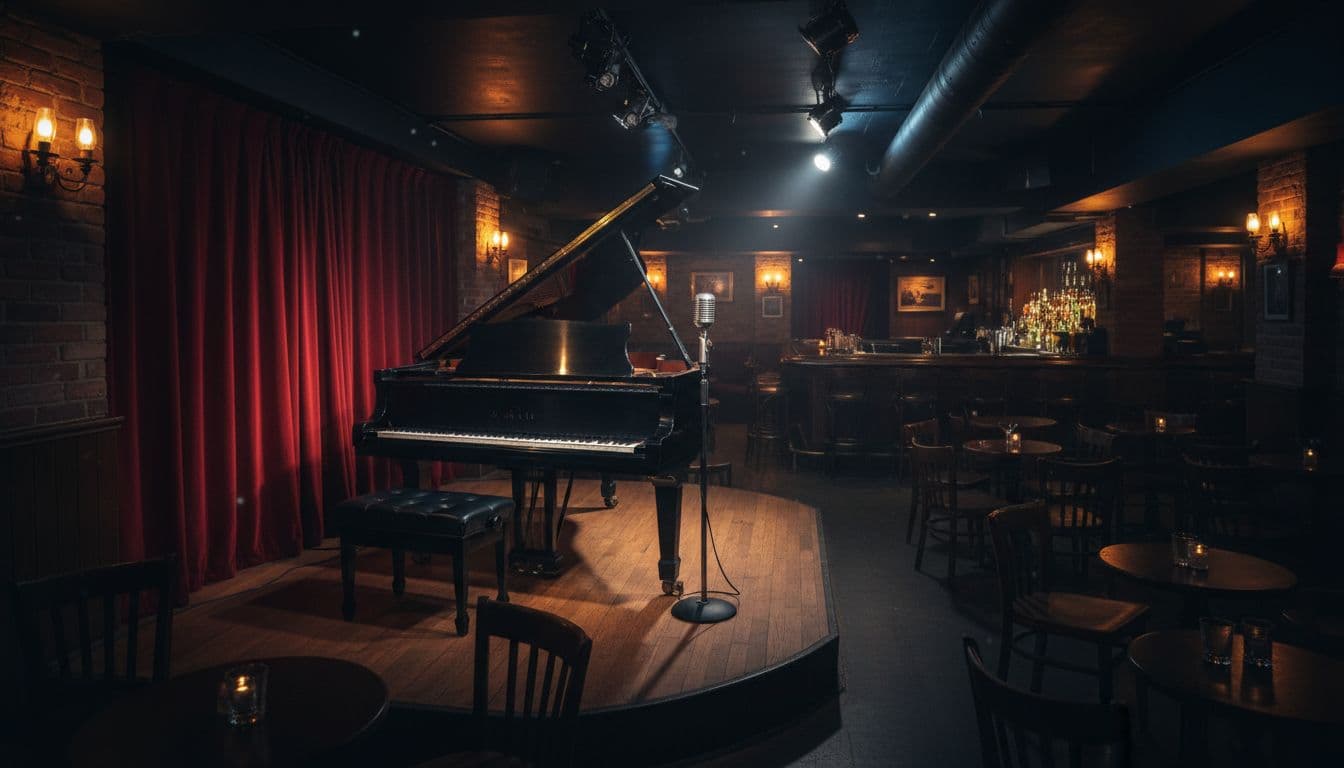
The best music nights in New York usually are not the ones with the biggest headline. They are the ones where the room feels right, the crowd knows why it is there, and you did not spend the whole night in transit getting to it. If you want to experience live music in the city where jazz was born, the New Orleans jazz clubs offer a completely different flavor of music night.
If you are a concert person, this is where trip planning gets fun. Book the room first. Then choose your dinner and after-drink options within walking distance. That is how you build a night that feels effortless, even though it was not.
How to eat like you live here, not like you’re collecting reservations
Food can make or break a New York itinerary. It is not because every meal needs to be elite, but because meal timing controls your day.
Breakfast should be close to where you are starting. Do not ride 35 minutes for pancakes. Save your miles for lunch or dinner, when the city gives you more back. Morning is for fuel and movement.
Lunch is where New York shines. It should be quick, specific, and full of personality. You can find incredible options at Chelsea Market, or grab a bite near Grand Central Terminal before heading to your next stop. Whether you are craving a bowl of noodles in Chinatown, a massive sandwich in the East Village, or tacos in Queens, the subway makes these food hubs easily accessible regardless of where your day started. This is the meal that should stay flexible.
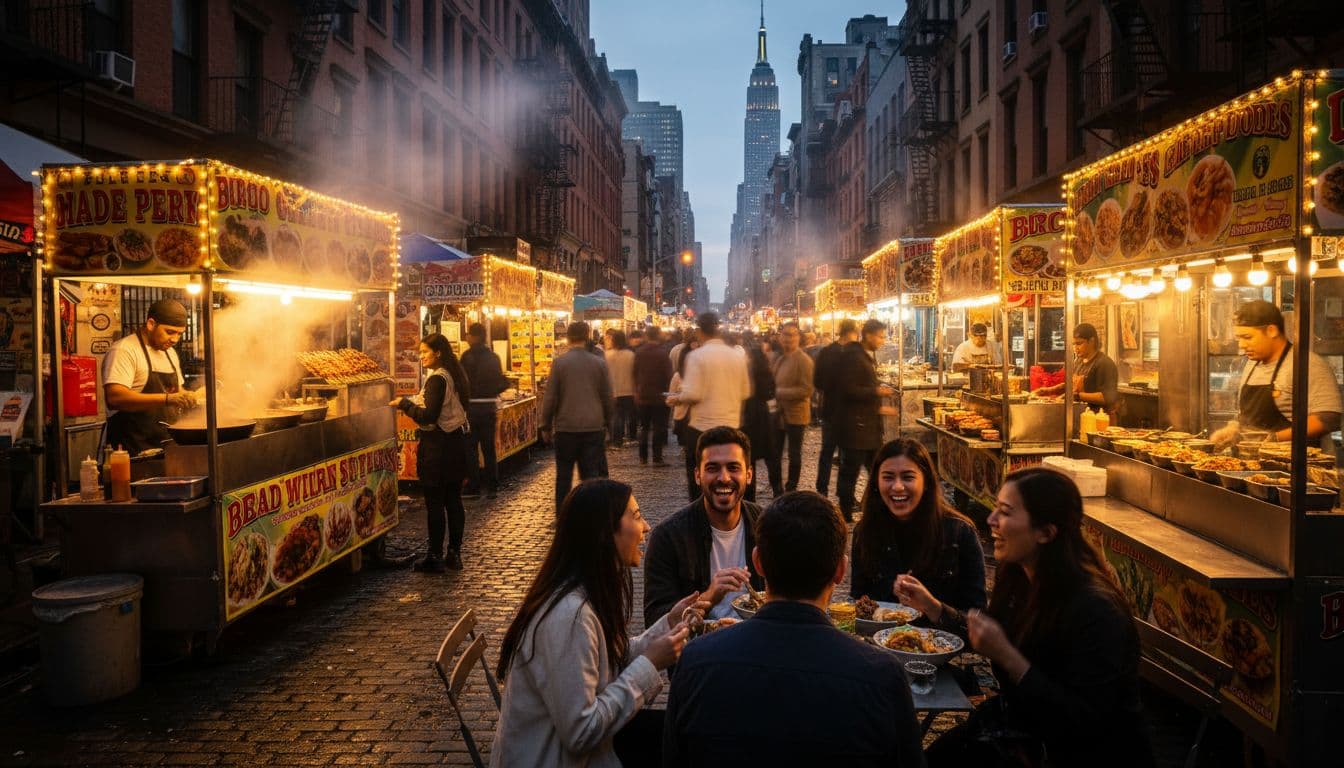
Dinner is different. Dinner deserves intention. Pick one or two proper dinners for a three-day trip, then let the other nights stay looser. New York has too many good casual options to lock every evening into a months-ahead reservation strategy.
After-drinks matter more than people think. The right night has a sequence. You have dinner, visit one strong venue, stop at a bar within ten minutes, and then you are done. The wrong night involves having six tabs open, a reservation across town, and someone in the group asking for a plan at 11:40 p.m.
Koreatown is a perfect example of how sequence beats randomness. That block works because you can move from dinner to drinks to karaoke to late-night food without breaking the night. This K-Town nightlife guide lays out that flow well.
If you are building trips for a group, food is also where people feel taken care of. There is a difference between being impressed and being taken care of. The right breakfast spot after a late night, the right lunch stop between neighborhoods, and the right dinner reservation near the venue are the details that people remember.
How to customize a New York City itinerary without breaking it
The cleanest way to personalize a trip is to pick one identity for each day. Food day. Music day. Museum day. Skyline day. Nightlife day. Once you know the main character of the day, the rest becomes easier.
If music is the reason you are coming, don’t bury it under too much sightseeing. Build the day around the show. Keep the hotel closer to the venue zone if you can. Choose dinner nearby and leave margin before doors. Whether you are heading to a Broadway show or an intimate club, anyone who has been stressed on the way to a performance knows how fast that can poison a whole night.
If nightlife is the focus, decide what kind. Downtown cocktail bars, Harlem jazz, Brooklyn dance floors, or Queens Latin energy all produce very different nights. In Astoria, the Night in Paradise Experience gives you a more social, dance-forward evening than a typical Manhattan bar crawl.
Art and design people should leave a little white space in the schedule, especially in May. Prioritize the galleries near the High Line, where the city tends to light up with installations and neighborhood programs that are worth catching once you are there.
Groups need even more discipline. Don’t force everyone into every stop. Our group trip planning guide offers a full system for coordinating group decisions without the friction. If your group wants to hit multiple landmarks, consider a New York Pass to bundle visits to popular observation deck locations like One World Observatory, the Empire State Building, or the Top of the Rock at Rockefeller Center. If you want to get out on the water, booking a sightseeing cruise is the best way to see the Statue of Liberty without the heavy crowds. When you do travel across the city, rely on the subway to avoid gridlock.
Split up for an afternoon if interests pull apart, then regroup for dinner and the night’s anchor plan. Shared meals and shared music do more for group chemistry than shared lines ever will.
A premium trip in New York isn’t about expensive everything. It is about smart choices stacked in the right order. Better room, better location, better dinner timing, better venue, and less friction. That is what changes the feel of the whole weekend.
Frequently Asked Questions
How many days should I spend in New York City?
Three full days is the perfect sweet spot for most travelers. This allows enough time to experience different neighborhood moods without feeling rushed, though four days provides extra breathing room for spontaneous discoveries.
Where is the best place to stay for a first-time visitor?
Staying in neighborhoods like the West Village, Lower East Side, NoMad, or Williamsburg offers the best balance of transit access and local character. Avoiding generic Midtown hotels helps you feel more connected to the city’s actual culture from the moment you step outside.
Is it necessary to have a reservation for every meal?
Not at all, and you should avoid it. Limit yourself to one or two intentional, pre-booked dinners during a three-day trip and keep your breakfast and lunch plans flexible to maintain the energy of your day.
How should I handle group travel in New York?
To avoid friction, don’t force every member of your group to attend every activity. Focus on regrouping for shared meals and evening anchors, as these common experiences do more for your group’s chemistry than waiting in lines together.
Final thoughts
The best New York trip usually doesn’t look packed on paper. It looks well-timed. A successful New York City itinerary balances the iconic must-see sights, such as a walk through Central Park or a quick glimpse at the neon lights of Times Square, with authentic local neighborhood exploration. Aim for two neighborhoods a day, one real night anchor, one or two great meals, and enough open space for the city to surprise you.
That is the trick with this place. You don’t beat New York by seeing more of it. You get more out of it by moving through it with intention. The same neighborhood-first approach works in other US cities: the Miami neighborhood guide helps you pick the right base for food, nightlife, and beaches.