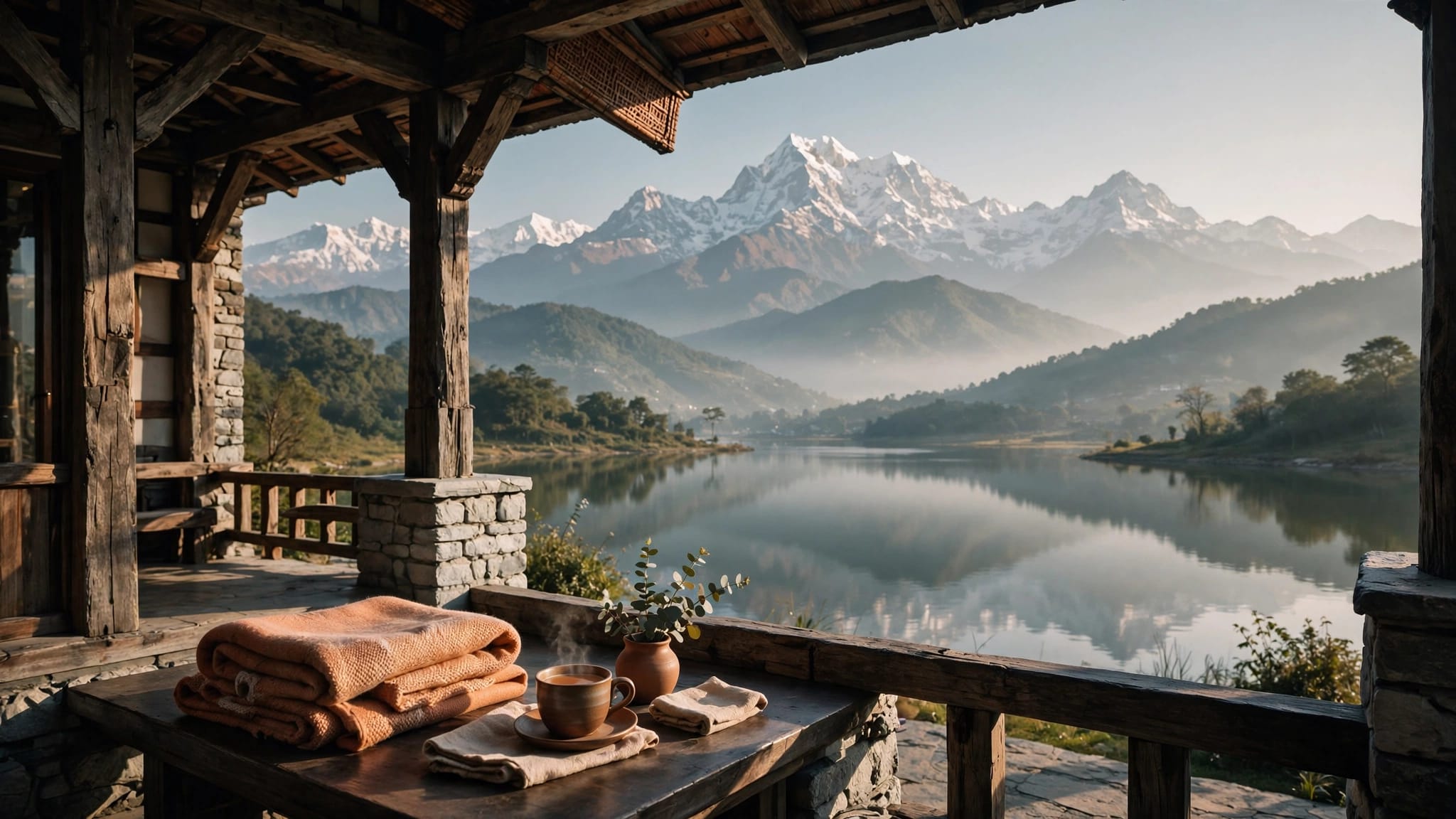
I’d give a luxury Nepal itinerary ten days: Kathmandu’s heritage, two nights beside Chitwan’s forests, and three nights overlooking the mountains near Pokhara. You can experience all three without trekking, while keeping enough time on the ground to enjoy your hotels.
On a Nepal luxury tour, thoughtful luxury travel comes down to the sequence: temple visits before the crowds, meals with a sense of place, and transfers that don’t compete with your best hours. Start with the days you want, then choose the rooms.
Key Takeaways
- Plan nine nights, including a final Kathmandu overnight before your international departure.
- Prioritize private guiding, lodge location, and comfortable transfers before upgrading your suite.
- Choose October or November for mountain visibility, with spring another strong option. Keep helicopter plans flexible.
How I’d Pace Your Luxury Nepal Itinerary
This luxury tour gives each setting a distinct role without changing hotels every morning.
| Days | Overnight Base | Main Experiences |
|---|---|---|
| 1 to 3 | Kathmandu | Heritage, Newari food, temple visits, live music |
| 4 to 5 | Chitwan | Naturalist-led safari, river time, Tharu culture |
| 6 to 8 | Pokhara hillside lodge | Himalayan views, Phewa Lake, relaxed afternoons |
| 9 | Kathmandu | Return flight, final dinner, departure buffer |
| 10 | Departure | Private airport transfer |
A nine-day package benchmark starts around US$1,945 per person for Kathmandu, Nagarkot, Chitwan, and Pokhara, with 5-star hotel accommodation, private transport, guiding, and a roughly 30-minute Pokhara return flight. Meals, insurance, and visas can sit outside that headline price.
I’d use ten days and skip Nagarkot unless its hilltop setting is a priority. Pokhara already supplies the mountain-view chapter.
Days 1 to 3: Give Kathmandu Your Attention
Kathmandu rewards thoughtful timing. A private guide can shape your cultural tour around nearby sites instead of rushing between landmarks in one ambitious day.
Day 1: Settle Into Newari Heritage
Dwarika’s Hotel is my heritage-focused starting point. Its rescued medieval Newari woodcarvings give the courtyards character that a conventional five-star room can’t reproduce.
Keep arrival afternoon light. Later, make Krishnarpan at Dwarika’s your introduction to Nepali dining, with its extended tasting experience reaching 22 courses. Reserve an evening for it rather than squeezing dinner between sightseeing stops.
Days 2 and 3: Temples, Food, and an Evening Out
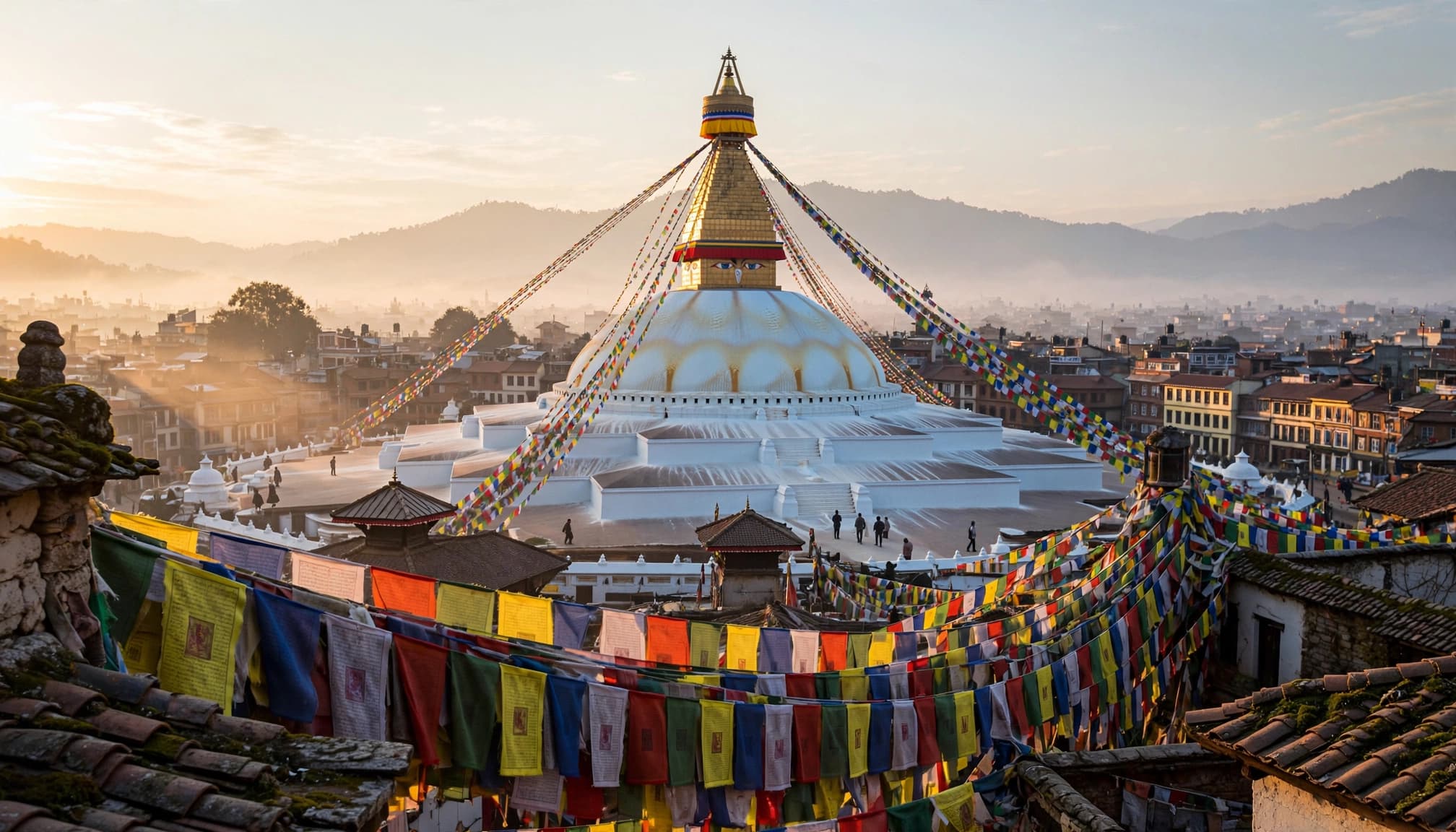
Visit Boudhanath at dawn, when devotees circle one of the world’s largest Buddhist stupas clockwise along the kora path. Evening lamps offer another atmospheric window.
Give Patan and Bhaktapur separate cultural attention. Newari food deserves equal billing: samay baji combines beaten rice with accompaniments, choila brings spiced meat, and Bhaktapur’s juju dhau is the celebrated “king curd.” This is a different food tradition from a standard dal bhat meal.
Swayambhunath’s eastern approach climbs 365 stone steps through a monkey-filled wooded hillside. Sunrise brings the strongest city views; keep food concealed.
At Pashupatinath, Nepal’s holiest Hindu temple, open-air cremations take place beside the Bagmati River. Attend the dusk aarti respectfully and follow your guide’s photography guidance.
For an evening with music, I’d choose Jazz Upstairs in Lazimpat. Leave that night free of a dawn departure.
Days 4 and 5: Chitwan With a Naturalist
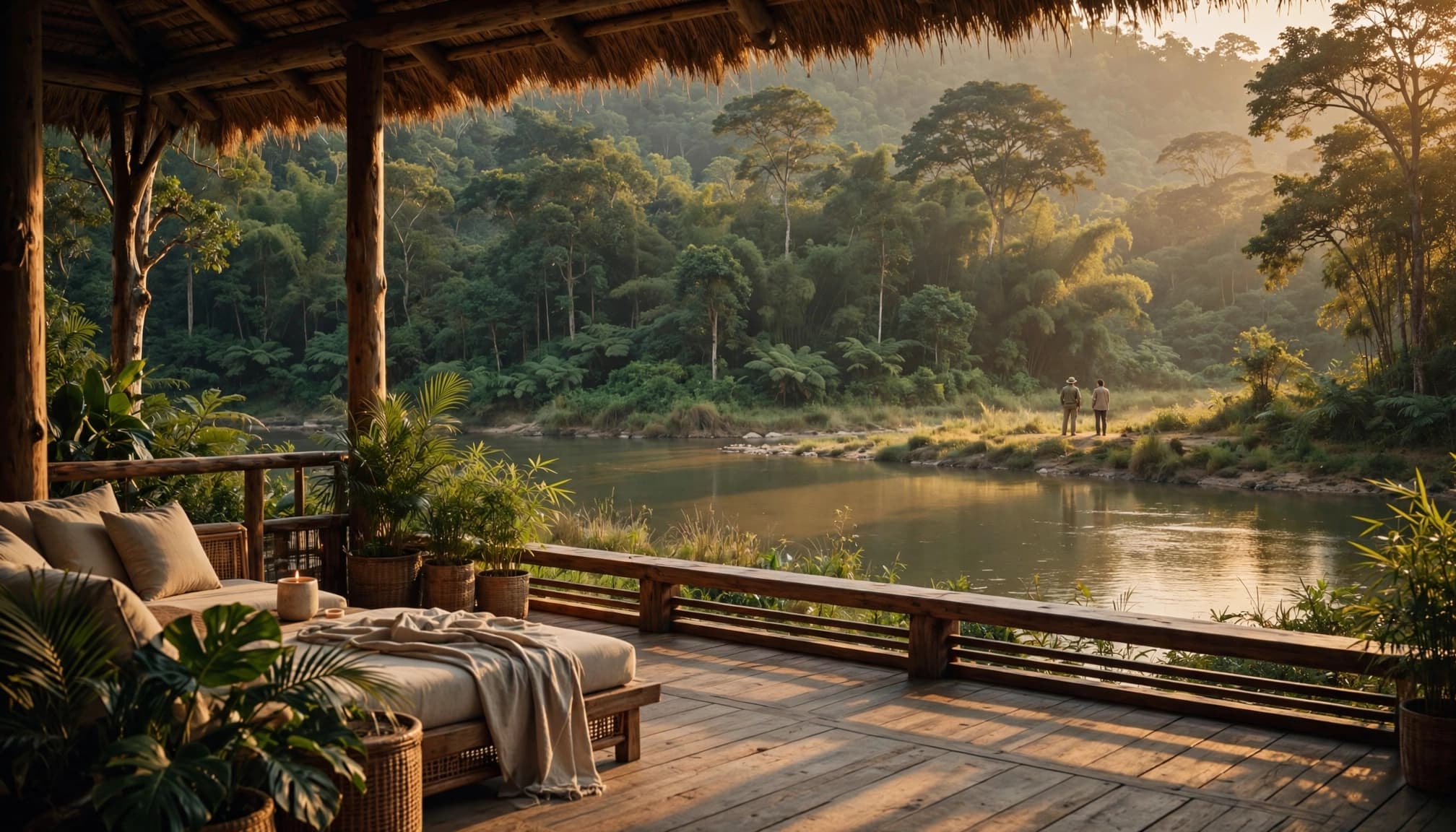
I’d keep two nights here. Arriving for dinner and leaving after breakfast gives wildlife very little room in the itinerary.
A Kathmandu flight to Bharatpur reduces the longest road stretch, followed by a private lodge transfer. For an overland journey, reserve most of the day; six to eight hours is a planning allowance, not a guaranteed arrival time.
Choose a lodge package around naturalist guiding and wildlife access. A private room doesn’t automatically include an exclusive safari jeep, and activities depend on the package you select.
Day five belongs to a naturalist-led morning jungle safari, an unhurried lunch, and a canoe excursion on the Rapti. An evening Tharu dance introduces another part of the region’s culture.
Published luxury safari benchmarks run around US$150 to US$300 per person daily with lodging. Premium properties and exclusive vehicles can exceed that range. Wildlife sightings remain unpredictable.
Days 6 to 8: Himalayan Views Without a Trek
Allow roughly five to seven hours for the Chitwan-to-Pokhara road journey, with extra room for stops and road conditions. Keep arrival afternoon free.
Choose the Lodge for Its Setting
A hillside property outside central Pokhara suits travelers who want quieter lodge time and possible mountain-facing breakfasts. A Lakeside stay puts restaurants and town access closer.
Pokhara hillside properties aren’t necessarily remote, high-altitude Himalayan lodges, and mountain views aren’t guaranteed. Before booking, confirm the property’s access, seasonal operation, dining, heating, and included services.
I’d choose between those experiences before comparing room categories. Three nights make a hillside stay worthwhile, especially if clouds obscure the mountains on your first morning.
Keep one afternoon genuinely open. A treatment, a terrace lunch, and nowhere else to be can belong in a well-planned Himalayan journey.
Protect One Sunrise and One Lake Afternoon
Build day seven around a Sarangkot sunrise outing if you enjoy an early start and more active days. Annapurna and Dhaulagiri may be visible when conditions cooperate, so return for breakfast afterward.
For a gentler morning, stay at the lodge or visit Phewa Lake at an easy pace.
Use day eight for Phewa Lake and the World Peace Pagoda, with the International Mountain Museum as the cultural counterpoint. The pagoda approach involves steps, so choose it if you’re comfortable walking; otherwise, spend more time by the lake or visit the museum.
For a specific Lakeside dinner, Moondance Restaurant and Bar gives the evening a destination. Arrange your return transfer to the lodge beforehand.
Days 9 and 10: Return With Breathing Room
Fly back to Kathmandu on day nine. The Pokhara flight takes roughly 30 minutes in the air, but airport transfers, check-in, and weather delays belong in the schedule too.
A short domestic flight still needs a protected travel window. Keep it separate from your international departure day.
If weather cancels the flight, the final Kathmandu night provides recovery room. An overland fallback consumes much of a day.
With seven days, I’d remove Chitwan and focus on Kathmandu and Pokhara. With fourteen, Lumbini deserves an extension: Mayadevi Temple and the Ashoka Pillar anchor the Buddha’s birthplace, commemorated by Ashoka in 249 BCE.
Nagarkot is another optional overnight, but its approximately 2,175-metre elevation changes the low-altitude character of this route.
Choose Dates Around the Mountain Views
For the best time to see clear mountain views, the Nepal Tourism Board’s climate guidance identifies spring and autumn as strong travel seasons.
October and November would be my starting point for this itinerary. Autumn runs September through November, with Dashain and Tihar adding cultural interest. Festival dates move annually, and celebrations affect traffic and opening patterns.
March through May brings warmer conditions and rhododendron blooms. Spring mountain views can be hazier later in the day, which makes early outings valuable.
June through August brings monsoon rain, muddy roads, and possible flight disruption. I’d avoid building a premium, flight-dependent circuit around those months.
Winter can offer clear views, but cold mornings change the appeal of outdoor lodge time.
Before booking, check lodge availability and transport schedules for your dates, since seasonal road and flight conditions can affect access.
What the Complete Journey Costs
Room rates alone won’t tell you what this trip costs. Published figures are planning benchmarks, not a quote for this particular route.
| Component | Planning Benchmark |
|---|---|
| Luxury hotel | US$100 to US$500 per room nightly |
| Private car | US$80 to US$150 daily |
| Chitwan lodge and safari | US$150 to US$300 per person daily |
| Seven- to ten-day luxury trip | US$2,000 to US$8,000 per person |
A highly customized journey with premium rooms, exclusive guiding, and flights belongs toward the upper end or beyond it.
Compare Equivalent Inclusions
Separate accommodation, taxes, domestic flights, road transfers, guiding, entrance fees, meals, drinks, and safari arrangements. International flights, insurance, and gratuities belong in the overall budget.
Vehicle exclusivity and room category should appear beside the total. A cheaper package with shared outings is a different experience.
Reserve the Defining Pieces First
I’d secure the preferred lodge rooms first, followed by guiding, flights, and the important dinners. For peak autumn dates, starting three to six months ahead gives more room to shape the trip.
Cancellation terms should distinguish hotel penalties, airline refunds, and weather-related activity cancellations. My custom travel planning brings those moving parts into one coordinated itinerary, including dining and activities beyond the hotel booking.
Is an Everest Helicopter Experience Worth Adding?
Only if Everest is a genuine priority. Published helicopter tour benchmarks run roughly US$1,000 to US$4,000 per person, depending on shared or private arrangements, routing, and landings.
Kongde breakfast experiences take you to approximately 4,250 metres. That is a substantial altitude jump, even when the visit is brief.
A helicopter removes the walking, but it doesn’t remove altitude risk. Travelers with relevant medical conditions should discuss the plan with a clinician. Insurance needs to cover the actual activities, altitude, and emergency evacuation.
I’d schedule the flight early in the Kathmandu stay, with a spare morning available. Landing access and mountain visibility remain conditional, so breakfast or an Everest Base Camp landing should never be the itinerary’s guaranteed centerpiece.
Frequently Asked Questions
Can I Take This Trip Without Trekking?
Yes. Kathmandu, Chitwan, Pokhara, and Sarangkot are relatively low-altitude bases, with the itinerary staying at or below approximately 1,650 metres. They generally don’t require trekking-style acclimatization, but plan a gentle first day and seek medical advice if you have personal health concerns. Nagarkot and Everest helicopter landings add higher-altitude exposure. Temple stairs and uneven paving still require attention when planning for mobility.
Which Kathmandu UNESCO Sites Belong in the Plan?
The Kathmandu Valley UNESCO World Heritage property comprises seven monument zones: Kathmandu’s Basantapur Durbar Square, Patan Durbar Square, Bhaktapur Durbar Square, Swayambhunath, Boudhanath, Pashupatinath, and Changu Narayan. Prioritize depth over completing all seven.
What Visa and Insurance Costs Should I Allow?
For eligible travelers, a 15-day tourist visa on arrival costs US$30; nationality exemptions apply. Insurance pricing varies, but the policy needs appropriate medical, cancellation, and evacuation protection. Helicopter sightseeing and trekking require matching activity coverage.
Build the Trip Around Your Best Days
A strong luxury Nepal itinerary gives Kathmandu cultural depth, Chitwan a different rhythm, and the Himalayas enough time to appear. Good pacing holds those experiences together.
I’d start with your walking comfort, food interests, and appetite for movement. Then I’d build the hotels, guiding, and transfers around the trip you want to have.