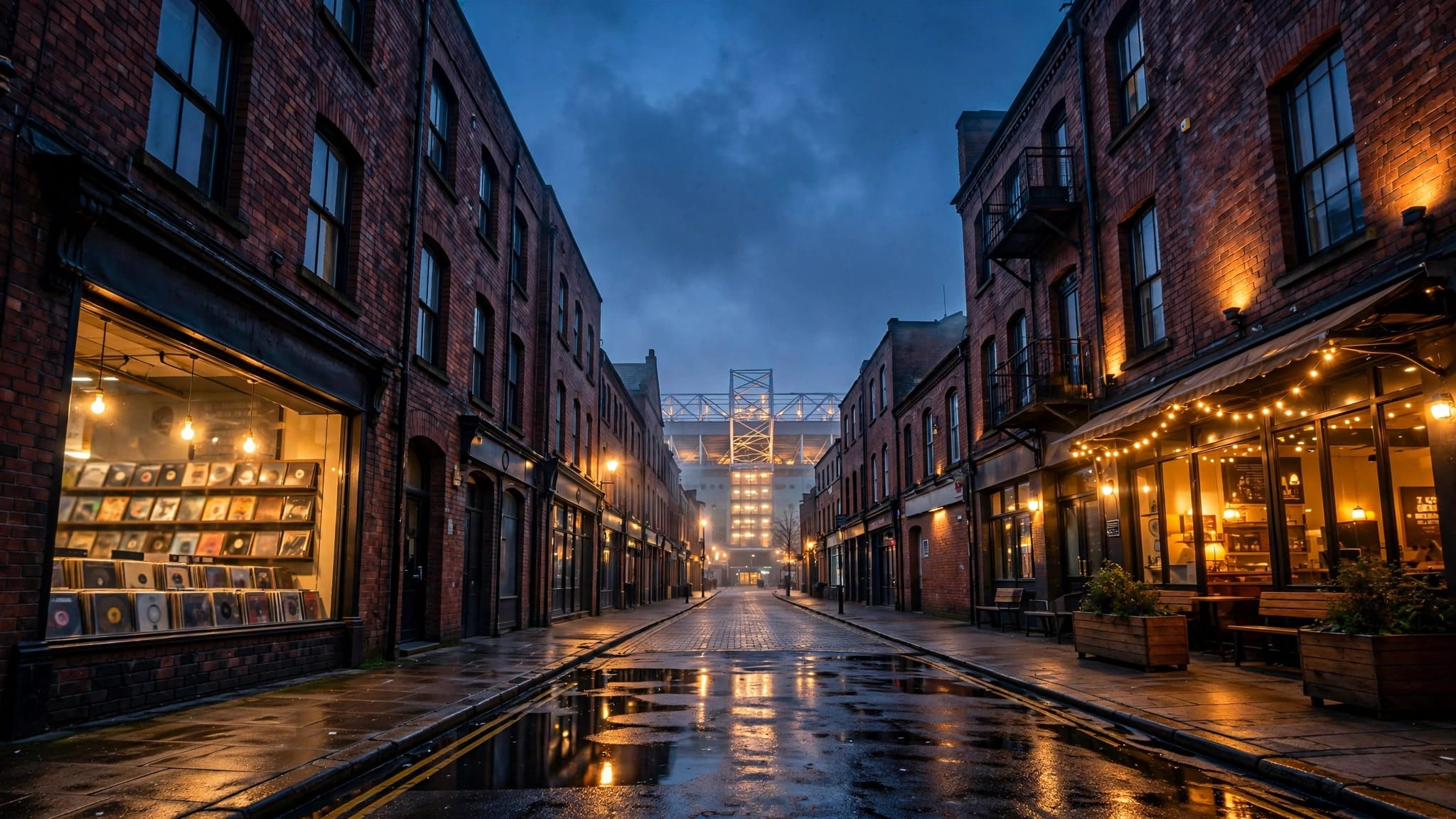
Manchester rewards people who plan around the feeling of a night, not a tourist checklist. Get the geography right and you can move from a proper weekend brunch to a stadium crowd, an intimate gig, and one last plate of food without spending half the weekend in transit.
This Manchester itinerary is built for travelers who want the city’s real energy: brick-lined streets, record stores, football history, excellent restaurants, and music after dark. Keep the days tight, leave room for a good detour, and let your evening plans lead.
Key Takeaways
- Build each day around one anchor, such as a football match, stadium tour, live gig, or major cultural stop.
- Stay near the evenings you care about: Northern Quarter and Ancoats suit food and nightlife, while Piccadilly and St Peter’s Square make transport easier.
- Book music, football, special dinners, and hotels first, then keep daytime plans flexible around weather, energy, and opening hours.
- Use trains or trams for longer jumps, but walk between central neighbourhoods and keep a taxi or nearby late-food option in reserve.
- Leave room for Manchester’s best unplanned moments: a proper meal, a good room, a wet-weather detour, and one last plate after drinks.
How to Build a Manchester Itinerary That Actually Flows
Manchester’s city center is compact, but it can still punish a scattered plan. A football match, lunch in Ancoats, and drinks in the Northern Quarter look reasonable on a map. In practice, it turns into damp shoes, rushed meals, and a show you arrive at already tired.
The fix is simple. Treat the weekend like a setlist.
Give each day one anchor
Your anchor is the thing with a fixed time or real emotional weight. It might be a football match, stadium tour, gig, or timed visit to Manchester Art Gallery. Everything else should support it.
A great three-day plan has shape. Start with an easy neighbourhood, build toward the main event, then finish near where you want to eat or drink. If you add a day trip outside Manchester, treat it as a separate anchor.
For current exhibitions, tours, theatre, and live listings, the official Visit Manchester calendar is a useful tourist guide. Before booking, check official club, venue, museum, and attraction pages for current 2026 times, ticketing, closures, and listings.
Keep transit for clean jumps
Walk the middle of your day. Manchester’s best details sit between the destinations: red-brick warehouses, independent shopfronts, old pubs, canals, and alleyway murals that don’t make the guidebooks.
Use public transport, especially trams and trains, for clean, longer jumps. Don’t rely on it for a rushed post-dinner crossing; late at night, a direct taxi ride home is usually better.
The city feels small when your hotel, dinner, drinks, and venue share one Northern Quarter orbit, leaving more energy for vibrant nightlife.
Stay Where Your Evenings Make Sense
The smartest Manchester hotel choice isn’t always the biggest room or the lowest rate. It’s the one that makes the end of the night easy.
For a first visit built around food, music, and central access, consider Ancoats, Piccadilly, or near St Peter’s Square. The Northern Quarter suits travelers seeking independent shops and craft beer, while Ancoats is better for local cuisine and weekend brunch. Each keeps the city center within easy reach, but judge a hotel stay by the end-of-night walk as well as the room rate.
Northern Quarter and Ancoats for food-first weekends
This district is the right base if you want coffee shops, record stores, murals, casual meals, and spontaneous bar options. It has more grit than gloss, which is exactly why it works.
Ancoats feels slightly calmer and more restaurant-led. It’s a strong choice for couples or groups who want excellent dinners but don’t need to sleep directly above the action. Both areas keep Mackie Mayor, a market-style food hall, and central Manchester within easy reach.
Piccadilly and St Peter’s Square for logistics
Piccadilly is practical if you’re arriving at the train station, flying in late, or planning excursions beyond Manchester. St Peter’s Square offers a polished base with fast tram access and a short walk to the Oxford Road music corridor. Kimpton Clocktower is another possible base for the Oxford Road and St Peter’s Square area. On wet days, a shopping center provides an easy fallback. Check the official Manchester Arndale website for current opening hours rather than assuming late shopping.
A current Manchester hotel and attraction guide can help with the basic geography, but always read recent reviews for street noise, lifts, air conditioning, and late check-in. One block can change how well you sleep.
For Kimpton Clocktower, check the property’s official page for current amenities, dining, accessibility, and check-in details. If you’re considering afternoon tea, verify availability and booking requirements there.
Get From Manchester Airport Without Starting in a Fog
Manchester Airport is well connected to the city center. The train is often the quickest route to Manchester Piccadilly, with journeys typically taking around 20 minutes, though works and service changes can affect timings. The tram is slower but direct, making sense when your hotel sits near a Metrolink stop.
The train station and tram interchange sit between the terminals, so you don’t need to overcomplicate the transfer. From Manchester Airport, the best public transport option depends on your hotel’s location, luggage, engineering works, and service status.
Choose the train or tram based on your hotel
Take the train if you’re staying near Piccadilly or Oxford Road. It can also suit travelers continuing to a rail connection for a day trip, though it isn’t automatically the best choice for every arrival.
Take the tram if you’re staying near Victoria, Deansgate-Castlefield, or Cornbrook. It takes longer, but the route can be simpler when you’re already near a Metrolink stop.
Buy your ticket before boarding, or use contactless where the operator supports it. Check current fares, payment rules, engineering works, and late services on the Manchester Airport, Transport for Greater Manchester, and National Rail websites before you travel.
Don’t overbook your arrival night
If your flight lands after 7 p.m., keep dinner close to the hotel. Don’t assume a kitchen is still serving, even when restaurants advertise late opening hours.
Check closing times on the venue’s own website or phone listing, then save two nearby alternatives before leaving the airport. Hotel restaurant, pizza, kebab, ramen, whatever fits the neighbourhood. Your first night should feel easy, not like an operations exercise.
Day One: Northern Quarter, Ancoats, and a Proper First Night
Start the first morning in the Northern Quarter. This is the ideal opening because Manchester shows its character at street level in the city center. Grab coffee, browse Afflecks, notice the street art, and avoid turning every shop into a mission.

Begin slowly, then eat well
Pollen Bakery is a good call for pastries and coffee if you are heading toward Ancoats. Federal is reliable for a bigger weekend brunch, but check current brunch hours directly with the business, especially on Sundays. Neither needs to become a two-hour production. Eat, walk, and notice the city waking up around you.
For lunch or an early dinner, Mackie Mayor works well for groups with different appetites. This food hall keeps everyone under one roof, so nobody has to settle for the same meal. Check its current trading times before you go, especially on Sundays.
Keep the rest of the afternoon loose in the Northern Quarter. Browse independent shops, take a practical shopping detour through Afflecks, and duck into a pub. Then walk toward Stevenson Square or Oldham Street, noticing more street art without treating it as a fixed mural trail. A Manchester attractions and neighbourhood primer is useful for broad ideas, but the best move here is following what looks good.
If rain makes a longer walk unattractive, Manchester Arndale is a practical shopping center backup. Check current opening hours before relying on it.
Set up the night before it gets loud
Book dinner based on the show, choosing local cuisine that reflects the neighborhood. On open evenings, have one craft beer in the Northern Quarter, then walk to your venue with time to spare.
Don’t schedule five bars, because the area’s vibrant nightlife is easy to enjoy without rushing. Pick one good room, one music stop, and a late-food backup, checking availability with the business on match nights. That’s more than enough for night one.
Book the Live Music Before You Book the Table
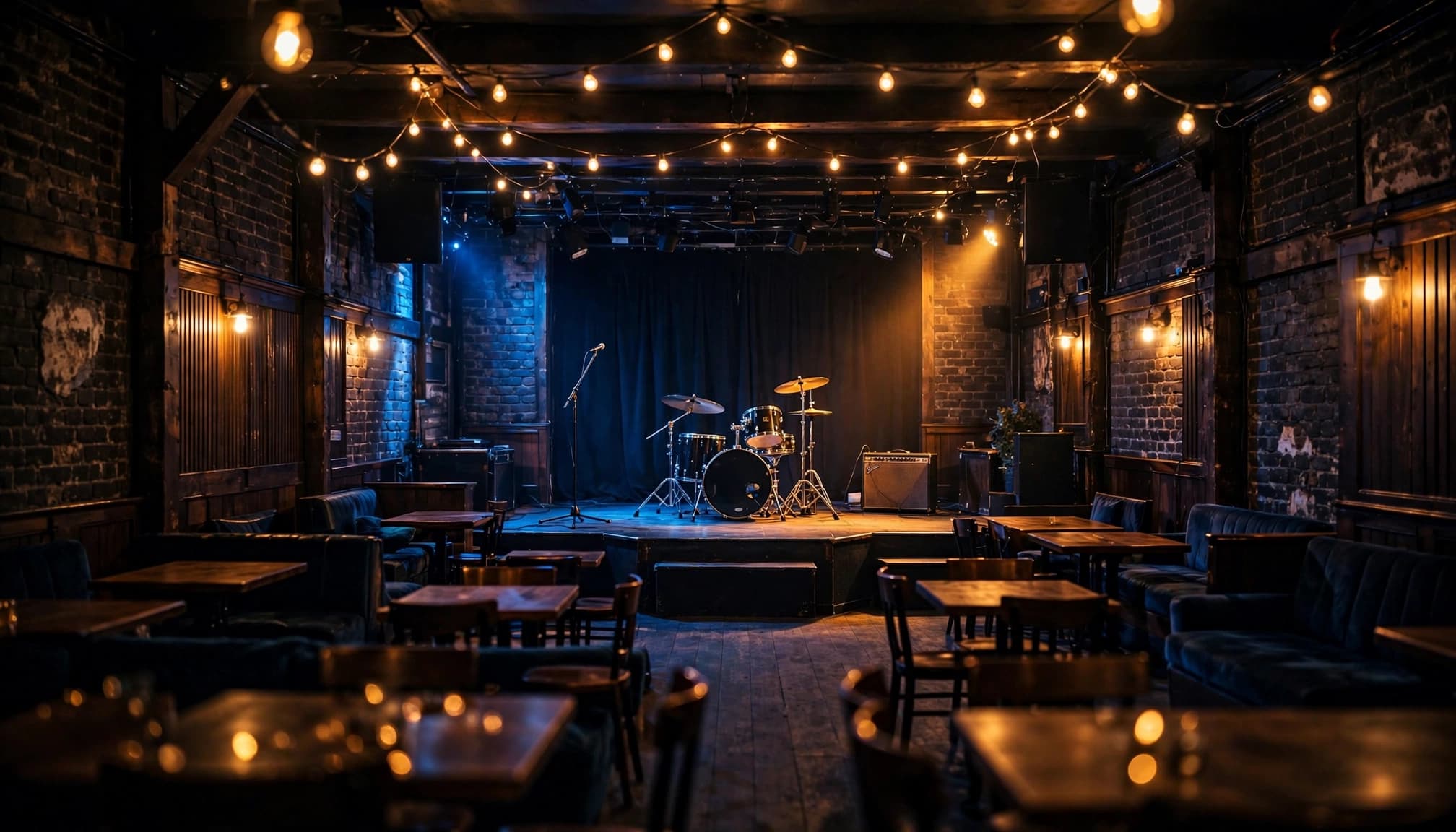
Manchester’s music story is not museum material. It is still happening every night, in rooms that range from historic halls to compact venues where the crowd is close enough to feel the first drum hit. That variety gives the city a vibrant nightlife, with a different pace in every room.
Band on the Wall, Albert Hall, YES, Gorilla, New Century Hall, The Deaf Institute, Night & Day Cafe, and The Castle Hotel all deserve a look. The right venue depends on the act, how far it sits from the city center, and the kind of night you want. Before booking, verify each venue’s official 2026 calendar, door time, age policy, accessibility information, ticket seller, and cancellation status.
Build backward from door time
A gig at 8 p.m. does not mean you can book dinner at 7 p.m. It means you should be near the venue by 7 p.m., or earlier if you care about support acts, merch, or getting a drink without a line.
If the venue is in the Northern Quarter, keep pre-show dinner within a 15-minute walk. Add time for rain, a packed tram, queues, slow service, and the inevitable moment somebody in your group decides they need a pharmacy.
If music is the point of the weekend, use concert trip planning advice to build the city around the event rather than squeezing the show between unrelated plans.
Keep the after-show plan realistic
Bars often stay open later than kitchens, but that mismatch catches visitors every time. If you want a drink, keep one nearby craft beer option in reserve.
Before the show, identify one post-gig meal option and one late-drink option near your hotel. Check kitchen hours directly during the event week, since they can change with the day, season, staffing, or match night demand. If the first option closes, use a venue bar, hotel food, takeaway, or nearby restaurant instead.
Day Two: Old Trafford, Salford Quays, and Football With Context
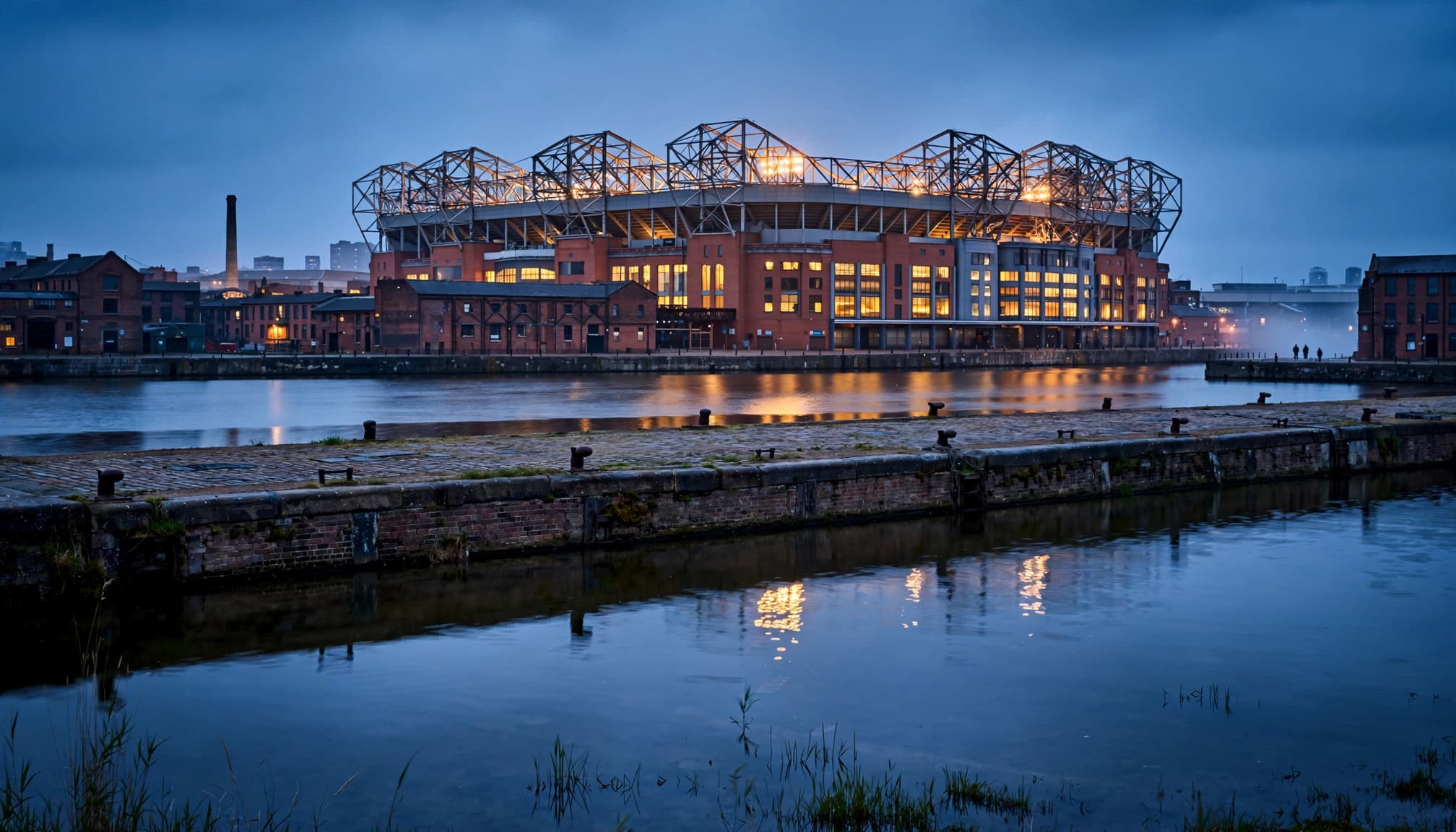
Football in Manchester isn’t a quick photo outside a stadium. It is part of the city’s language. Even if you are not a lifelong supporter, the scale and history around the stadium land differently in person. If the match itself is the reason for the trip, my guide to the best European cities for a football weekend shows how to build the entire weekend around kickoff.
Start with a relaxed breakfast near your hotel, then give the stadium area the middle of the day.
Match day and stadium tours need different plans
If Manchester United are playing at home at Old Trafford, book official tickets only through Manchester United’s official channels. Check fixtures, ticket access, membership rules, hospitality inventory, and match-day road restrictions through those channels before travelling.
If there is no match, check Manchester United’s official calendar for tour closures and availability. On home-match days, tours don’t run, so book the Old Trafford stadium tour and museum only when listed. If it isn’t available, choose an official football-focused museum alternative instead.
Allow at least two and a half hours for the full experience, including arrival and museum time. Before travelling to Old Trafford, verify current tram stop names and service changes. Also check walking routes and accessibility through Transport for Greater Manchester and the club’s visitor guidance.
Let Salford Quays slow the pace
After the stadium, walk or take the tram toward Salford Quays. The waterfront is a good reset after the intensity of football.
At Salford Quays, MediaCity has a more modern feel, open views, and room to breathe.
You can return to the city center for dinner after Old Trafford, but don’t force a cross-city sprint. Hawksmoor is a strong pick for a polished steak dinner. The Refuge works when you want an atmospheric room and drinks built into the plan.
Book early on a match day, and confirm kitchen closing times before you go. The crowd will be moving with you.
Day Three: John Rylands, Culture, and a Last Big Meal
Your final day should have a different tempo. Start around Deansgate, where Manchester’s Victorian confidence is right in front of you, and consider Manchester Cathedral as a nearby optional stop.
The John Rylands Library is the obvious first stop, and it earns it. Its neo-Gothic reading room feels almost unreal, even if you normally skip historic libraries. Check the John Rylands Library’s official website for current visitor hours before you go. Also check the official Manchester Cathedral website for visitor hours and worship restrictions. Use both sites to confirm event closures, photography rules, and accessibility, since historic libraries can change access.
Pick one museum, not three
Manchester’s major cultural stops are generous with free entry, but that doesn’t mean you need to collect them all.
Choose based on your interests:
- The Science and Industry Museum is the move for engineering, rail, industry, and the city’s working history.
- The National Football Museum is better if the sport is the main reason you came.
- Manchester Art Gallery works for a lighter, central cultural stop with less logistical effort.
For a lighter, central cultural stop, Manchester Art Gallery is the easiest choice. Choose the Science and Industry Museum for a deeper afternoon, or the National Football Museum if football is central to the trip.
Core admission is often free at major museums, but special exhibitions, timed entry, gallery closures, and opening hours can change. Check official museum pages for current details rather than relying only on a third-party guide. A Manchester sightseeing overview can help you compare options before the trip.
Finish with a long meal, not another landmark
Use the late afternoon for a coffee, a hotel reset, or a final walk. Manchester Arndale is a practical wet-weather shopping fallback, while afternoon tea works if the venue’s current official booking page confirms availability.
Then give your last dinner proper space, and choose local cuisine in the city center that suits the mood.
Ancoats is ideal if you want contemporary restaurants and wine. The central streets are better for a looser night. Castlefield makes sense if canals, old industrial architecture, and a calmer drink are the right final note.
Save room for late food. One last plate after drinks is often the part you remember more clearly than the museum.
Budget, Weather, and Access Details That Matter
Manchester can work at several price points, but the same planning rule applies at every budget. Spend where it changes the night.
A hotel in the city center may cost more than a distant one, but the hotel stay can save multiple taxi rides and an hour of travel each day. It can also prevent the frustration of leaving a good bar early to make the last connection. Check public transport routes and fares before booking, since a lower room rate may be offset by extra rail or taxi costs when getting back feels like a day trip.
Put your money where the trip feels better
Prioritize the parts with limited availability: match tickets, a special dinner, a show, and a hotel in the right area.
Keep coffee, casual lunch, museum entry, and daytime browsing flexible. Manchester Arndale offers a flexible, weather-proof budget option, but check current opening hours and accessibility on the official center website.
Many of Manchester’s best hours cost little. A walk through the Northern Quarter, a canal-side pause in Castlefield, or a free gallery can carry a full afternoon.
For paid experiences, compare Greater Manchester tours and activities with your actual plan, using official attraction information to confirm details. Don’t buy a pass or tour through a commercial activity platform unless it fits the actual itinerary.
Plan for rain, access needs, and tired feet
Weather can change quickly, so check the Met Office forecast for your actual dates. Pack a waterproof layer, shoes that can handle wet pavement, and a small umbrella if you hate getting caught out.
For accessibility, confirm step-free routes, lift status, accessible toilets, companion policies, tram-stop status, stadium access, and venue layouts directly with each official operator. If your plans include Salford Quays, check the route and step-free connections in advance.
Families should keep the museum choice focused. The football and science museums are easier wins for many children than a long run of historic sites. Add one good meal and an early night rather than trying to recreate an adult nightlife plan with a stroller.
Frequently Asked Questions
How many days do you need for Manchester?
Three days is enough to experience Manchester’s main rhythm without rushing every stop. It gives you time for a neighbourhood day, football or Salford Quays, and a final cultural afternoon with space for good meals.
Where is the best area to stay in Manchester?
Northern Quarter and Ancoats are strong choices for food, independent shops, bars, and nightlife. Piccadilly and St Peter’s Square work better if you want simple transport connections or plan to take day trips beyond the city center.
Should you book a Manchester football match or stadium tour in advance?
Yes, book official Manchester United tickets or the Old Trafford stadium tour through the club’s own channels. Match days and tour availability are different, so check fixtures, closures, ticket rules, and current visitor guidance before travelling.
What is the best way to get from Manchester Airport to the city center?
The train is often the quickest option to Manchester Piccadilly, while the tram can be more convenient for hotels near Victoria, Deansgate-Castlefield, or Cornbrook. Check current services, engineering works, fares, and contactless rules before you leave the airport.
What should you do in Manchester when it rains?
Choose a focused indoor plan rather than trying to visit every museum. Manchester Art Gallery, the Science and Industry Museum, the National Football Museum, Manchester Arndale, and a long meal all make practical wet-weather options.
Final Thoughts
The strongest Manchester itinerary doesn’t try to complete the city in 72 hours. It puts you in the right neighbourhood at the right time, with room for a great meal, a live room, and the walk home after.
Book the football or music first. Stay close to the nights you want. Let everything else support that rhythm.
Manchester gives you history, noise, warmth, and serious character. Give it room to land.