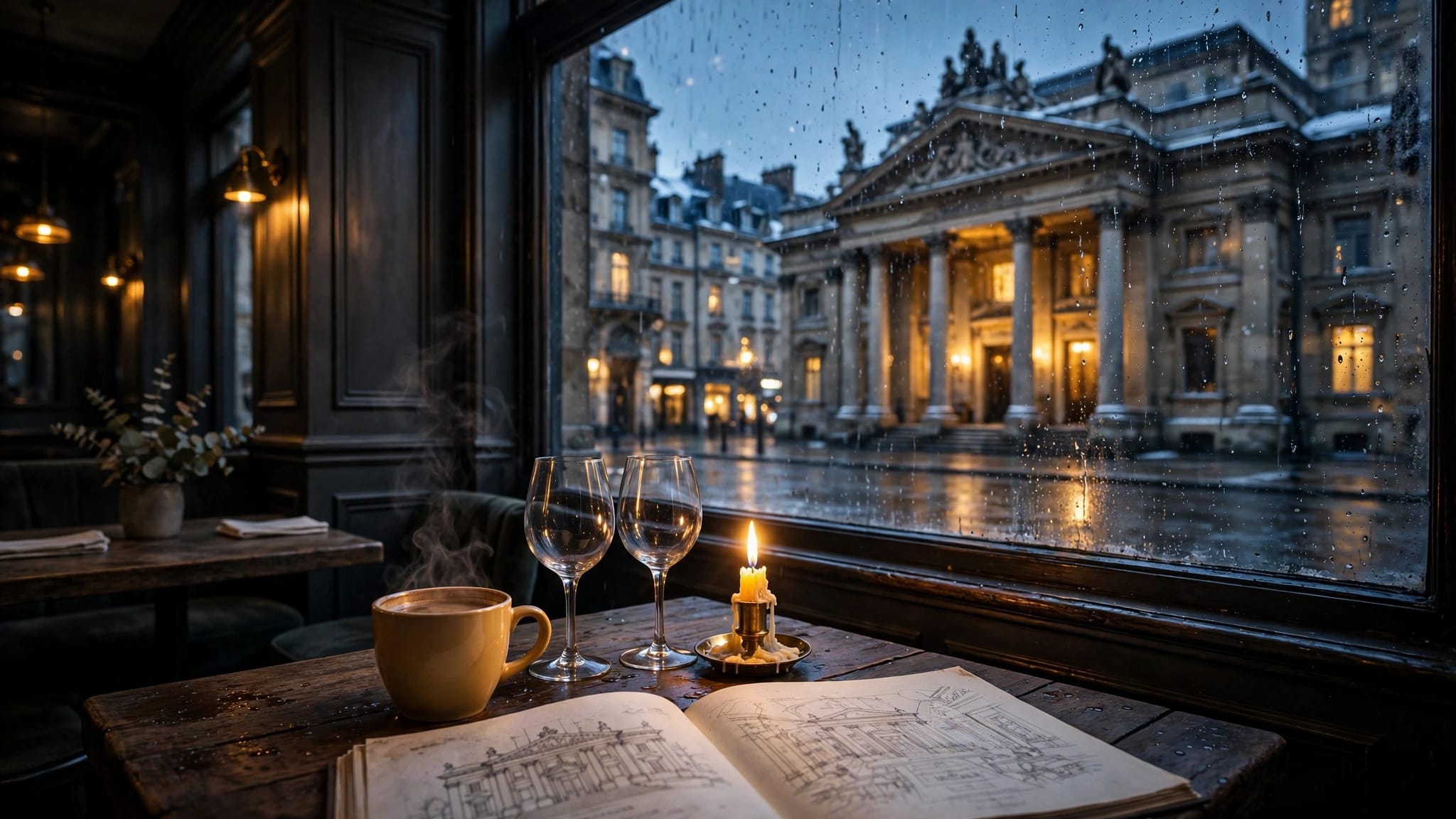
The best winter city breaks don’t ask you to spend eight hours chasing landmarks through cold weather. They give you a great coffee at 10, then a museum or market when the weather turns. Dinner is worth dressing for, and live music makes the early sunset feel planned.
The winter season rewards cities with strong interiors: cozy cafes, museums, serious concert halls, candlelit wine bars, and old theaters. The goal isn’t to see everything, but to build a few days that feel full without feeling like work.
Here are the cities I’d look at for a short break when food, music, and indoor culture are the point. Each winter destination makes it easy to build a few days around those priorities.
Key Takeaways
- The best winter city breaks balance food, music, and indoor culture instead of relying on long days of sightseeing.
- Build your itinerary around tight neighborhood clusters, especially when dinner, concerts, museums, and your hotel are involved.
- Vienna, Budapest, Prague, Stockholm, Tallinn, Lisbon, Porto, Paris, and Lucerne each offer a distinct winter rhythm, from thermal baths and classical music to food-first streets and venue-led weekends.
- Book around the weather, daylight, and your actual energy. Choose a well-located hotel, pack waterproof shoes, and keep nearby backup plans for snow, rain, or closures.
What Makes a Winter City Break Feel Worth It
A trip in cold weather needs a different rhythm than a summer weekend. You have fewer daylight hours, heavier coats, and less appetite for a 35-minute walk between every reservation.
The best plan is built in tight neighborhood clusters. Put a morning market, one cultural anchor, lunch, dinner, and a venue within the same part of town whenever possible. A good city break should feel like a great setlist. The energy builds. You don’t spend the whole night resetting the room.
Build the Day Around the Night
Start with the performance, the chef’s counter, or the cocktail bar you don’t want to miss. Then work backward.
If a concert starts at 8 p.m., don’t book dinner across town at 6:30. Pick a restaurant nearby, leave time for a slow walk or a pre-show drink, and have one late option saved for after. That logic is especially important in winter, when a missed connection or cold rain can turn a polished evening into a logistical headache.
The hotel that looks cheaper on a map can cost you the night when every dinner, venue, and ride home is across the city.
Choose a City With Real Indoor Range
Christmas markets are great, but they aren’t enough to carry an entire trip. Look for a city with museums you actually want to visit, cafes where you can linger, thermal baths, and a live calendar beyond holiday programming.
A winter destination gets stronger when the indoor options aren’t a backup plan. They are the reason to go.
The Best Winter City Breaks for Classic European Culture
Vienna, Budapest, and Prague are obvious names for a reason. These European cities make winter feel intentional, not like a compromise.
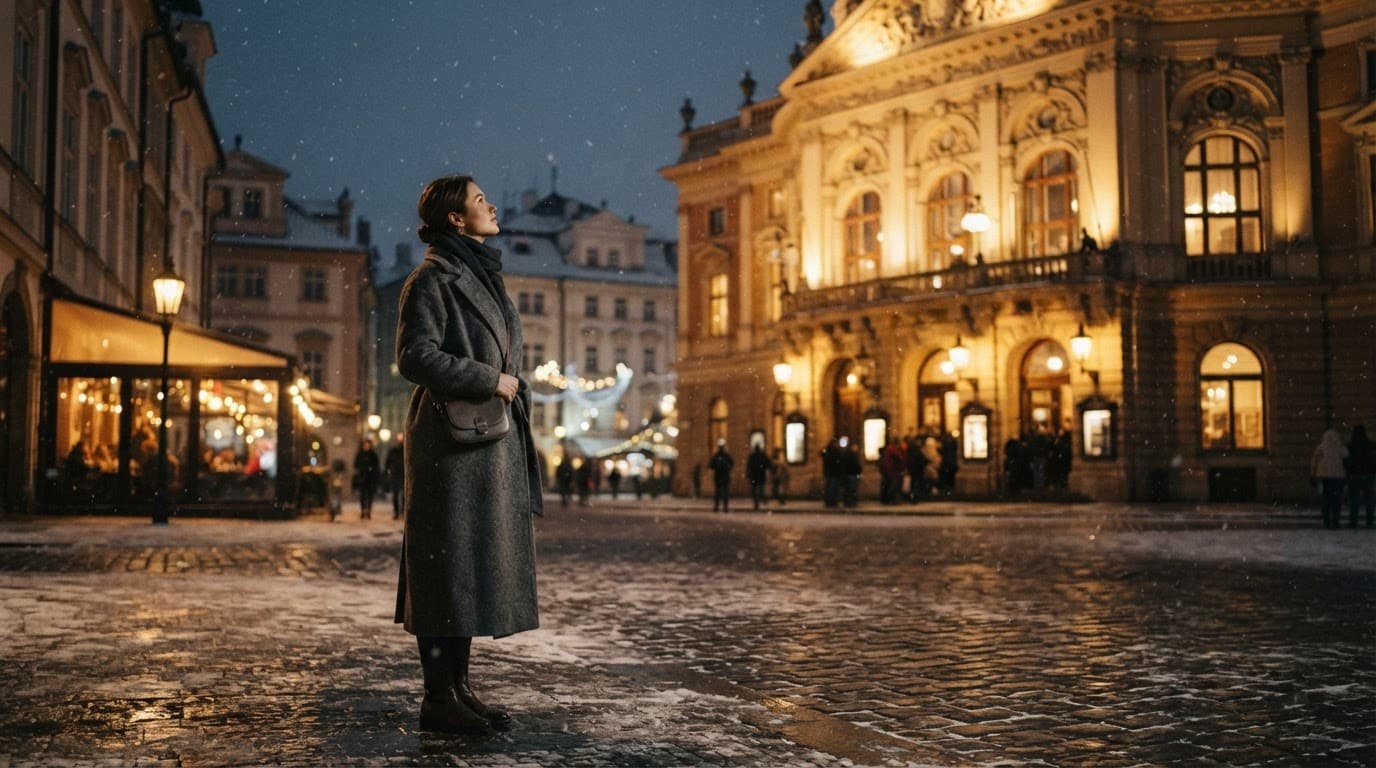
Vienna for Cafes, Concerts, and Long Evenings
Vienna is the cleanest all-around pick for travelers who want a refined cultural weekend. The city gives you grand museums, historic coffee houses, wine taverns, and an unreal amount of classical music without forcing a packed itinerary.
Spend one morning around the MuseumsQuartier or the Kunsthistorisches Museum. Take a proper afternoon coffee break, not a rushed pastry stop. Then give the evening its own space. A concert at the Musikverein, Konzerthaus, Vienna State Opera, or a smaller chamber venue can set the tone for the whole trip.
The city’s official visitor guide is the right place to check current exhibitions, concert dates, and seasonal openings before you lock in your hotel. In December, the Christmas markets add atmosphere, with mulled wine and ice skating. In January and February, Vienna feels less performative and more lived-in.
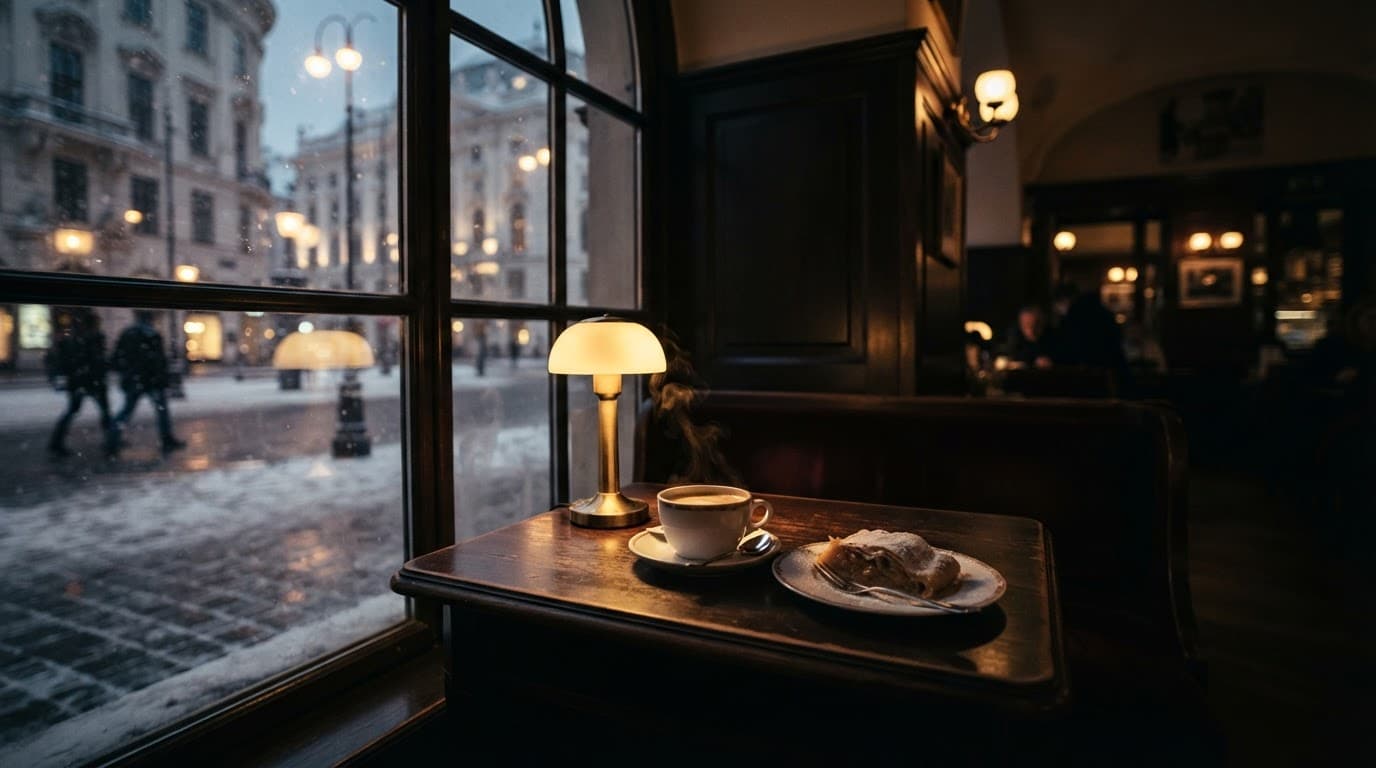
Budapest and Prague for Drama With a Warmer Finish
Budapest is built for winter recovery. Spend the morning walking the Danube, then let the afternoon belong to thermal baths. Széchenyi is the famous call, but the bigger idea matters more: cold air, hot water, and no pressure to keep moving.
At night, move toward the Jewish Quarter for casual dining, bars, and live rooms. Eat traditional food, such as goulash or duck. Order Unicum if that’s your thing, and keep the plan loose enough for one more stop.
Prague is more compact and cinematic in the best way. Snow, architecture, and its historic center can make the city feel like a winter wonderland. The old town can draw tourist crowds during the festive season, so go early for Charles Bridge and the major squares. After that, let the city become smaller. Find a cellar bar, book a classical performance, and linger over svickova or roast duck somewhere away from the main tourist lanes.
Both cities work best when you treat outdoor sightseeing as the opening act, not the whole show.
Stockholm and Tallinn for Moody Northern Weekends
Scandinavian cities are absolutely worth visiting in winter, but they need the right expectations. You’re not there for marathon walking days. You’re there for design, warmth, good bread, beautiful bars, and the pleasure of being indoors when the weather is doing its thing outside.
Stockholm for Design, Museums, and Dinner Rooms
Stockholm has a calm confidence in winter. The dark comes early, which is exactly why the city’s museums, restaurants, and music venues matter so much.
Build one daytime route around Gamla Stan, Stockholm’s historic center, the waterfront, and a museum that fits your interests. The Vasa Museum is a strong first choice, while Fotografiska offers photography and scenic views at the end of the day. Keep outdoor activities selective, then head to Södermalm for wine bars, record shops, and an unhurried dinner.
Use the official Stockholm guide to check museum hours and concerts, especially around the holidays. Many venues and restaurants keep their regular rhythm, but winter schedules are not something to guess at.
Tallinn for Medieval Streets and Cozy Interiors
Tallinn can feel like a winter wonderland, but the image comes with limited daylight and genuinely cold conditions. The Old Town is beautiful under snow, with towers, snow-covered rooftops, cobbled streets, and warm light spilling from doorways. Travelers focused on the northern lights should go farther north, while Stockholm and Tallinn suit museums, design, food, and nightlife.
Stay close enough to the center that you can duck back to the hotel between plans. Visit one museum or gallery, then settle in for a long Estonian meal. Find a bar with a fireplace or a well-curated beer list. Tallinn is a strong call for couples and friends who want atmosphere without needing a massive city agenda.
Milder Winter City Breaks for Food-First Travelers
Not everyone wants thermal layers, icy sidewalks, and a 4 p.m. sunset. Lisbon, Porto, and Paris offer a softer winter experience during the winter months. They still deliver the food, culture, and after-dark energy that make a short break feel worthwhile.
Lisbon and Porto Keep the Streets in Play
Lisbon is one of my favorite answers when a group wants a food-first city break, nightlife, and mild weather. You can still walk neighborhoods, sit outside with a blanket and a glass of wine, and move between cozy cafes, bakeries, wine bars, and tiled facades.
Stay central, but choose your neighborhood by your evenings. Bairro Alto and Cais do Sodre bring more late-night energy. Principe Real feels polished and close to excellent restaurants. Alfama has atmosphere, but its hills and cobbles are a different experience in wet weather.
For a first visit, this Lisbon itinerary for a food-filled break helps keep the meals, neighborhoods, and pacing in the right order. A day trip from Lisbon to Sintra can be worthwhile, but don’t overload a short itinerary. Don’t let a map convince you that every hill is an easy walk after dinner.
Porto has a more compact, moodier feel. Think port tastings, traditional food, regional seafood dishes, tiled train stations, and small dining rooms where the meal takes its time. It is ideal for travelers who prefer an intimate city over a huge weekend calendar.
Paris Works When You Slow It Down
Paris in winter is about restraint, especially when tourist crowds fill the major sights. Pick one museum. Take a long lunch. Leave space for a bakery stop that turns into a second coffee.
The Louvre can work, but don’t turn it into a three-hour endurance test. The Musee d’Orsay, Fondation Louis Vuitton, or a smaller gallery can give you more energy for the rest of the day. Saint-Germain-des-Pres, the Marais, and Canal Saint-Martin all offer different versions of a food-first Paris night.
Keep dinner close to where you plan to drink. The Metro is great for clean jumps across the city. It is less charming when you’re tired, bundled up, and trying to make a complicated transfer after your second glass of wine.
Lucerne Makes a Venue-Led Winter Trip Easy
Lucerne is a smart pick for travelers who want a European city break centered on one exceptional performance. It is compact, beautiful, and unusually easy to navigate.
Let KKL Luzern Anchor the Weekend
The KKL Luzern concert hall sits right beside the main train station, a rare luxury for concertgoers. You can arrive by rail, check into a nearby hotel, have dinner, and walk to a world-class performance without a long transfer.
The venue’s current cultural program covers more than traditional classical music, so check the dates before booking flights. If the calendar lines up, Lucerne offers a memorable evening with lakefront air, an exceptional room, and a short walk home.
The city itself doesn’t need a packed schedule. Walk the Chapel Bridge in daylight, explore the old town, or take an optional day trip for scenic views around the lake or mountains. Book one serious Swiss dinner, then let the performance carry the evening.
For anyone who travels around shows, the same principle applies anywhere: plan the city break around the concert, not around a random hotel deal.
And if your Swiss winter weekend should center on the table rather than a single venue, this 3-day Geneva itinerary covers the lakefront, the Old Town, and the reservations worth booking first.
Plan Around Weather, Daylight, and Your Actual Energy
Choosing the right winter destination means respecting cold weather, limited daylight, and your actual energy. Winter travel gets easier when you account for those realities. This is where a great itinerary separates itself from a list of nice ideas.
Book the Right Dates and the Right Room
Early December is festive but busy. The weeks after New Year’s can offer better hotel rates and availability, though some restaurants and smaller businesses take a winter break. Across the winter months, February often brings slightly longer days and fewer holiday crowds.
Before booking, check these details:
- Confirm whether your room faces a street, plaza, or interior courtyard, especially near nightlife districts.
- Look for recent reviews mentioning heating, soundproofing, lifts, and late check-in.
- Keep the first dinner within walking distance of the hotel. Arrival days don’t need a cross-town mission.
- Review museum and venue schedules before committing to a Monday or holiday arrival.
A boutique hotel in the right neighborhood is often the better value than a larger room far from the nights you came to have.
Pack for the Winter Season You Chose
Waterproof shoes matter more than an extra sweater. Cobbled streets hold puddles, snow turns slushy, and good-looking shoes become useless fast when your feet are soaked.
Bring a warm outer layer, gloves, a compact umbrella, and one outfit that works for a concert or a nicer dinner. Most importantly, leave room in the schedule. Heavy snow, a delayed train, or a museum closure shouldn’t wipe out the day.
Plan a realistic number of outdoor activities instead of filling every hour. Have a backup close to your hotel: one wine bar, one casual restaurant, one museum, and one easy ride option home. That isn’t overplanning. It’s how you stay relaxed when the weather shifts.
Frequently Asked Questions
What makes a winter city break worthwhile?
A worthwhile winter city break has strong indoor options, good food, and a reason to enjoy the evening. Museums, concerts, cafes, markets, thermal baths, and intimate restaurants make the shorter days feel intentional rather than limiting.
Which cities are best for food, music, and indoor culture?
Vienna is the strongest all-around choice for cafes, museums, and classical music. Lisbon and Porto suit food-first travelers, while Stockholm, Tallinn, Paris, Budapest, Prague, and Lucerne offer their own mix of design, nightlife, performances, and cozy interiors.
How should I plan a winter city break itinerary?
Start with the concert, restaurant, or cultural experience you most want to book, then build the rest of the day around it. Keep plans close together, leave room for long meals and weather delays, and choose a hotel within easy reach of your evening plans.
What should I pack for a winter city break?
Waterproof shoes, a warm outer layer, gloves, and a compact umbrella matter more than bringing too many outfits. Add one look for a concert or nicer dinner, and leave enough space in your schedule for snow, rain, or a slower pace.
Make the Cold Part of the Story
The strongest winter city breaks are not about proving you can handle the weather. They are about making the weather work for you.
A snowy walk to a concert hall, a long lunch when darkness arrives early, thermal baths before dinner, and a table near the hotel can create a trip with real texture. You don’t need to do more. You need to put the right things in the right order.
Build around food that feels local, music that gives the night a purpose, and indoor culture you would choose even on a perfect summer day. That is when winter stops feeling like the off-season and starts feeling like the whole point.