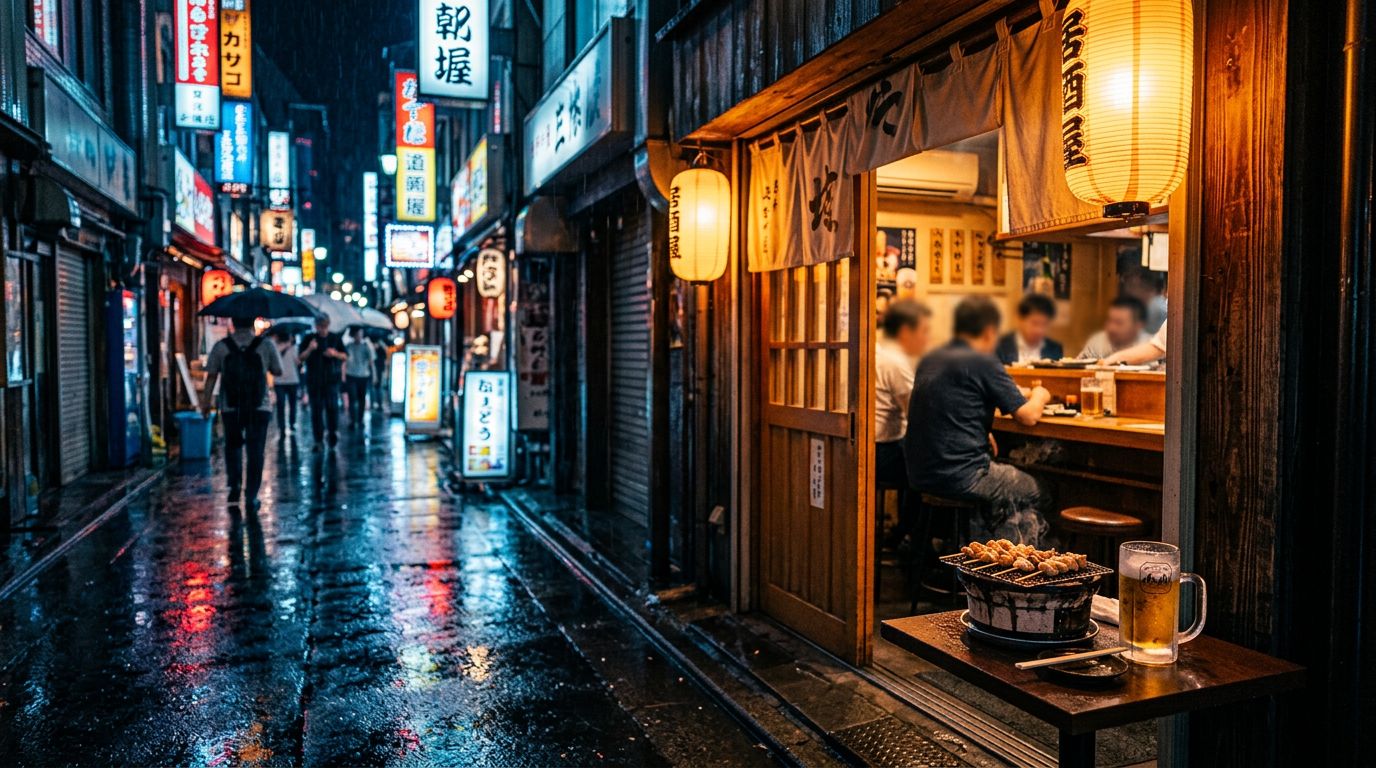
If you plan Osaka like a checklist city, you miss the point. The real version shows up at night, when you settle into the best Osaka izakayas, the skewers land fast, the beer stays cold, and the second stop always sounds like a good idea.
That only works if the trip has shape. Osaka is easier to navigate than Tokyo, but a bad route still steals time. Keep each day tight, let dinner lead, and save room for the kind of late-night bite you didn’t plan at breakfast.
Key Takeaways
- Build each day around one food zone rather than a city-wide sprint.
- Let your night anchor lead the schedule, then keep the rest of your stops nearby.
- Mix famous izakayas with local neighborhoods like Tenma and Shinsekai to get a well-rounded experience.
- Keep one reliable late-night backup restaurant on your list for when the crawl runs long.
How to Plan Osaka Nights So They Don’t Fall Apart
Osaka does not need a heroic itinerary. It needs clean geography. Visiting one izakaya in Tenma, another in Dotonbori, then grabbing a final drink in Tennoji might sound fine on paper. In real life, that means endless train changes, excessive walking, long queues, and a night that loses its rhythm.
A good Osaka food trip is like a setlist. You do not reset the room three times and wonder why the energy dropped. Instead, you pick an anchor, keep the neighborhood tight, and let the second half of the night happen naturally.
This shape keeps the city working for you:
| Day | Area | Main anchor | Late move |
|---|---|---|---|
| 1 | Tenma and Umeda | Classic local izakaya crawl | Oden or chuhai near Osaka Station |
| 2 | Kyobashi, then Namba District | Izakaya Toyo early | Dotonbori skewers and a second round |
| 3 | Shinsekai and Tennoji | Kushikatsu and standing bars | After-midnight bite close to your hotel |
One neighborhood, one real food anchor, one late-night fallback. That is the pattern.
Where you stay matters too. If your trip is built around food and midnight walks, Namba or Shinsaibashi buys back time. If you want cleaner train access and a polished home base, Umeda works better. The cheaper hotel far out usually stops being cheap once late rides start piling up.
Keep daytime plans light. A trip to the castle, a quick market walk, or coffee in Nakazakicho is enough. Do not ask one afternoon to do the work of three, then expect your izakaya crawl to still have legs.
Day 1: Start in Tenma, Then Slide Into Umeda
Tenma is where the trip should begin. It feels lived-in, a little packed, a little loud, and exactly right for a first night. This is one of the best areas for travelers who want Osaka izakayas with local energy instead of a staged version of nightlife.
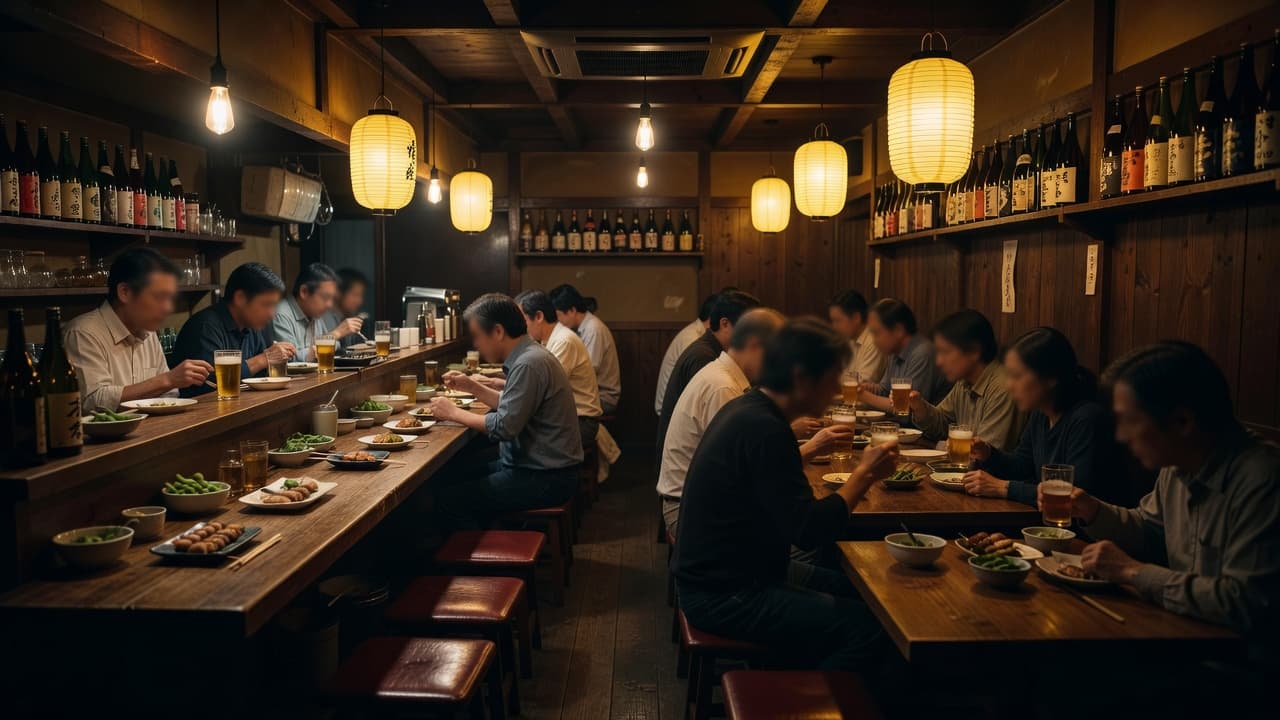
Start with one proper stop, not five maybes. Gifuya Honke, near JR Temma and Ogimachi, is a strong opener, especially on weekends when it starts early at 3:00 p.m. Shoan, close to Tenjinbashisuji-roku-chome Station, is another good anchor if you want something more deliberate before the night loosens up.
After that, let Tenma do what it does best. Sake no Okuda, Tamade, Miki’s, and Marufuji are the sort of places that make people start talking with their hands. You will find a great variety of small plates here, including fresh sashimi that pairs perfectly with a cold beer. Order small. Drink slowly enough to keep going. The point is range, not volume.
If you want a simple second act, head to the Umeda district and explore the Shin Umeda Shokudogai. This maze under Osaka Station is built for night people. Tako Ume is the move if oden sounds right, as their traditional broth is the perfect comfort food. You can also hunt for hidden gems serving high-quality sushi in this complex when you want something looser and less planned.
This is also where a first night should stop trying to impress you. No giant cross-city detour. No luxury tasting menu after three rounds of skewers. One good crawl, one clean ride home, and Osaka starts landing the way it should.
Day 2: Hit Izakaya Toyo in Kyobashi Early, Then Let the Namba District Take Over
Day two requires careful timing. Izakaya Toyo in Kyobashi is famous, yes, but it still earns the stop. Toyo received the Netflix spotlight for a reason. The place has character, speed, and that rare feeling that the room would be just as good without you there. Between the famous blowtorch tuna and a variety of fresh seafood dishes, the quality lives up to the reputation.
There is one catch. Izakaya Toyo is only open Tuesday through Saturday, from 3:30 p.m. to 8:30 p.m., and it is closed Sunday and Monday. That means you must build the day around it. Keep lunch modest, do a light afternoon nearby, then get to Kyobashi before the crowd swells. Many of these popular spots now offer English menus, making the ordering process much easier for travelers.
Don’t overfill the rest of the day. Osaka Castle is close enough for a daytime anchor if you want one. A river walk also works. What does not work is trying to pack in museums, shopping, and a long sit-down lunch before visiting a place with such short hours.
Once your time at Toyo is done, make one direct jump south. The Namba District and Dotonbori are the right second chapter because they keep the night alive without forcing it. Kushiyaki Saru, a short walk from Namba Station, is a smart pick for Yakitori skewers and a reliable late dinner. If you want a lower-friction backup, Torikizoku on the Shinsaibashi side is useful and often easier for visitors to navigate.
Dotonbori is loud, fun, and best in small doses. Take the canal walk. Get the glow. Then eat. If you need more current options nearby, this list of Shinsaibashi restaurants with late-night service is a handy safety net when plans change after 10 p.m.
Day 3: Shinsekai, Tennoji, and One Last Late Bite
Save the rougher-edged night for last. Shinsekai still has that old-school Osaka feeling, the kind of place where the meal can tilt from orderly to messy in the best way. You do not come here for polish. You come here because it feels like itself.
Start with kushikatsu. Ganso Kushikatsu Daruma Janjan-ten is the obvious name, but obvious is not always wrong. Then let the area open up. Stand 98 is a great spot to experience the city’s popular standing bars, and Naniwa Musume inside Shinsekai Yokocho keeps the night casual with fresh seafood and traditional kushikatsu.
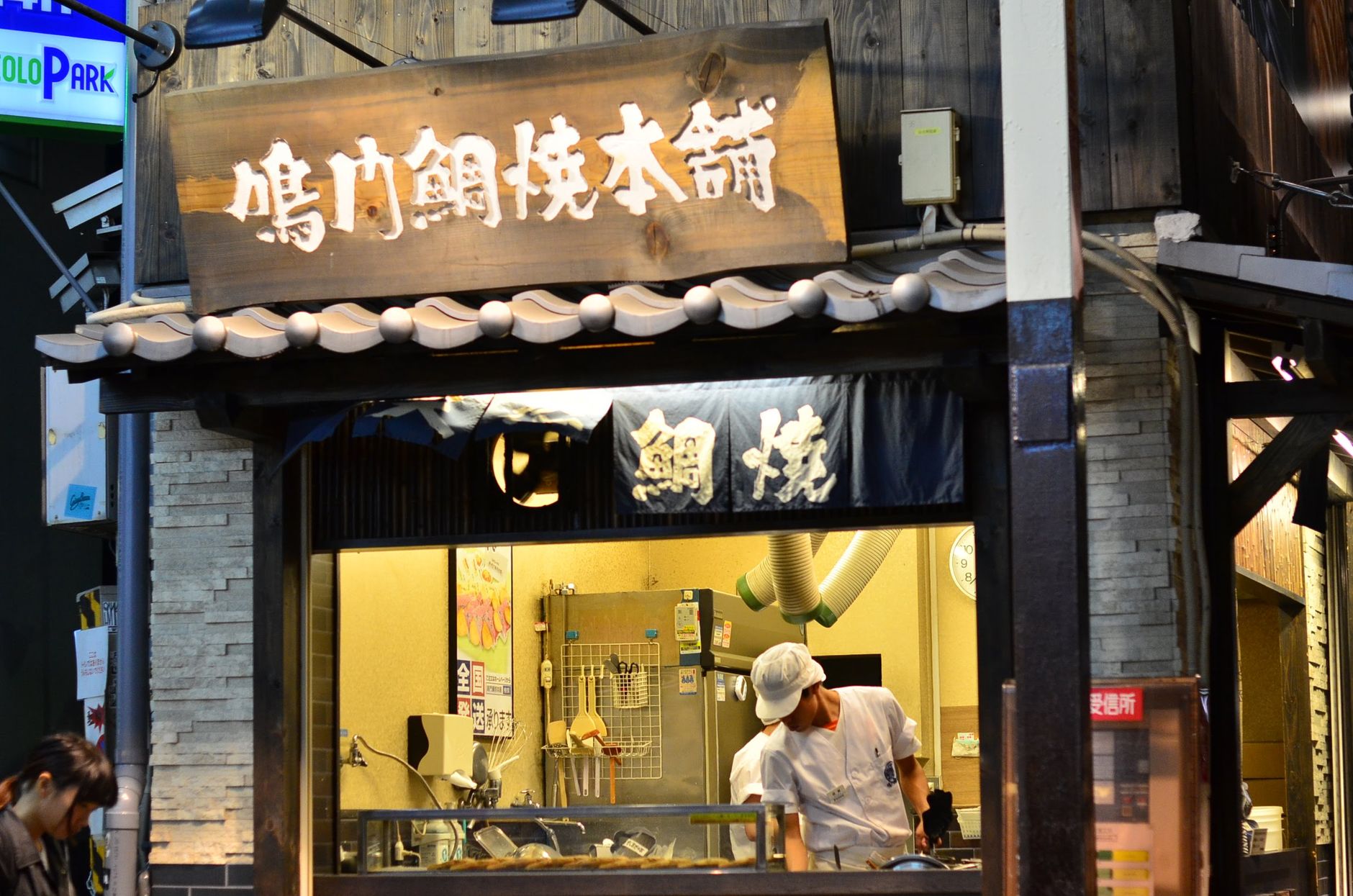
Photo by Jon Discipulo
Janjan-Yokocho is also worth walking, even if you do not stay long. That is the move here. Browse, snack, drift, then settle into the stop that feels right. Osaka gets better when you stop performing for the itinerary.
If you want to keep going after midnight, shift toward Tennoji. This neighborhood offers more depth than a lot of travelers expect once the obvious sights shut down. While Shinsekai is famous for fried food, many Tennoji spots serve high-quality Wagyu beef or classic Robatayaki for those wanting a savory, grilled finish to their night. This Tennoji late-night food guide is useful if you want a current read on what still works after the last round in the Tennoji area.
One final option exists if your trip tilts north and you want a true late finish. Fukushima Izakaya stays open until 5:00 a.m. and gives you a very different last-night mood, more small plates, more second-wind energy, less nostalgia. Only do that if your hotel makes the ride home easy. Osaka rewards appetite, not bad logistics.
Small Moves That Make Osaka Izakayas Even Better
Book the one place that would genuinely disappoint you to miss. Leave the rest looser. That is the right balance in Osaka.
Chain izakaya spots are not a defeat. They are insurance. If a tiny standing bar is full or you have hit the wall on decision-making, a dependable spot like Torikizoku can save the night, often featuring all-you-can-drink deals that make navigating the menu easy. Just be prepared for the otoshi, a small mandatory appetizer and table charge that is standard at many traditional establishments. Premium trips still need practical bones.
Carry some cash. Older bars and smaller neighborhood places can still be easier that way. An IC card like ICOCA also helps keep subways and trains quick when you are moving between zones. For those seeking hidden gems with an authentic Showa atmosphere, exploring the winding backstreets of Ura-Namba is essential. If you find yourself craving something more substantial than small plates, remember that yakiniku is a fantastic, hearty late-night alternative to the standard izakaya snacks.
Hours change, especially around holidays and on quieter weekdays. That is why it helps to keep one live backup list on your phone. A current late-night restaurant list in Osaka is useful when the night stretches longer than expected. If you want more on-the-ground opinions, this thread of after-midnight crowd picks in Osaka is worth a skim.
The bigger rule is simple. Don’t turn every meal into an event. Let one dinner matter. Let one bar surprise you. Let the city keep some cards to itself.
Frequently Asked Questions
Do I need to make reservations for Osaka izakayas?
For popular or famous spots, making a reservation a few days in advance is highly recommended to secure your seat. However, many smaller, neighborhood izakayas do not take bookings, so arriving early is often your best strategy to avoid long queues.
What is the ‘otoshi’ charge on my bill?
Most traditional izakayas will serve a small, mandatory appetizer called ‘otoshi’ as soon as you sit down, which includes a small service fee. Think of it as a table charge that supports the restaurant’s operations and provides an immediate snack while you look over the menu.
Are izakayas in Osaka suitable for solo travelers?
Absolutely, as many Osaka izakayas are designed with counter seating that is perfect for dining alone. It is a common way to enjoy the local atmosphere, observe the chefs at work, and perhaps strike up a conversation with locals or fellow travelers.
Should I tip the staff at an izakaya?
No, tipping is not practiced in Japan and can sometimes be seen as confusing or impolite. The bill you receive at the end of the meal represents the total cost, and excellent service is simply considered the standard expectation.
Conclusion
Osaka works when you stop trying to conquer it and start arranging it. Keep the days by area, build each night around one strong table, and leave enough room for the extra skewer, the second drink, or the final ramen that was not on the plan.
Ultimately, exploring the best Osaka izakayas feels less like checking items off a list and more like a journey with a clear sense of purpose. Three nights is the perfect amount of time to soak in the local atmosphere, provided your evenings are built with the right strategy in mind. If you want a different kind of evening, Kyoto’s Pontocho alley sake bars and late ramen are a short train ride away and offer a quieter, more intimate night.