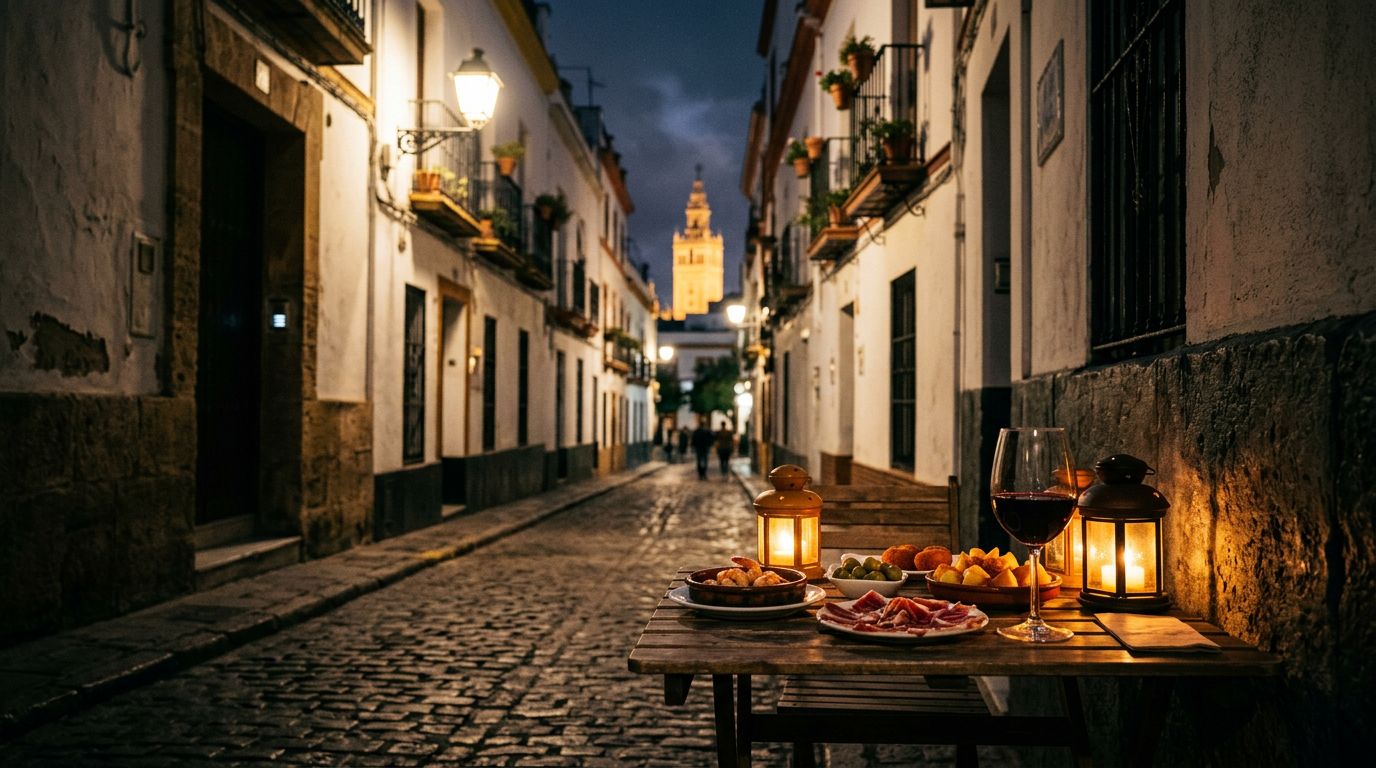
Seville punishes overstuffed travel plans. If you pack in one extra museum or schedule a cross-town dinner, your evening quickly starts to feel like a tedious commute.
The better move is simple. Pick one anchor destination each day, stay within a specific neighborhood cluster, and let the local tapas culture set the pace. A strong Seville tapas itinerary is less about checking boxes and more about keeping your schedule loose enough for one more glass of wine, one more bar, and one more song.
Key Takeaways
- Limit your daily scope: Avoid over-scheduling by focusing on one anchor landmark and one specific neighborhood per day to minimize travel time.
- Embrace the local rhythm: Seville operates on a late schedule; prioritize long, relaxed lunches and plan your tapas crawls for 9:30 PM or later.
- Prioritize location: Stay in neighborhoods like Triana or Alameda de Hércules to ensure you are within walking distance of nightlife, reducing the need for late-night taxis.
- Keep your plans fluid: The most memorable moments in Seville often occur when you leave room for spontaneous bar stops rather than sticking to a rigid, pre-planned list.
Why Seville works best in small zones
Seville looks compact on a map. It still finds ways to waste your time if you zigzag.
The city gets better when you stop asking one afternoon to do everything. Barrio Santa Cruz, the Cathedral, Triana, the Alfalfa district, and Alameda all work beautifully, but they work best when you give each area a proper lane. Think setlist, not checklist. Start with one anchor, then let lunch, a walk, and dinner fill in the gaps.
One anchor, one neighborhood, one late meal. The rest is scenery.
If you want a quick reality check on the classics, Spain Revealed’s tapas bar guide is a solid place to compare names before you go. If you find yourself overwhelmed by the endless options, booking a professional food tour is a great way to navigate the local scene with confidence. Just do not treat the city like a list to clear. The best nights happen when you leave room for the bar you did not plan.
Day 1: Santa Cruz, the Cathedral, and Triana after dark
Start in Barrio Santa Cruz before the streets fill up. That old quarter is at its best in the morning, when the lanes are quiet and the shade still matters. Walk the narrow streets, see the Cathedral, and climb the Giralda if you want the view. Before you head out to explore, stop by Bodega Santa Cruz for a quick snack of croquetas or salmorejo paired with a refreshing tinto de verano. That is enough for your main sights on day one.
Do not try to bolt on another major monument before lunch. Seville does not need you to sprint. It needs you to notice the small stuff, the tiled corners, the side streets, and the cafes that appear out of nowhere.
After lunch, keep moving, but not far. Cross to the Triana neighborhood around sunset, making sure to visit the Mercado de Triana before the light begins to fade over the river. Keep dinner on the river side, as Calle Betis and the lanes around Pureza are built for a first night that does not try too hard. Order a few tapas, share another round, and watch the light drop over the Guadalquivir.
This is the night to keep it easy. A couple of cañas around €2.50 each makes it simple to drift without overthinking the bill. That is the point. Your first night should feel like an arrival, not a performance.
Day 2: The Real Alcazar, a slow lunch, and a serious tapas crawl
Day two is for the big sight. Book the Real Alcazar early, then keep the rest of the morning light. Add the Cathedral only if you skipped it on day one, or slide into Plaza de España and María Luisa Park if you want a slower finish. Do not stack half the city into the same afternoon. Seville is not a place that rewards speed.
The trick is to protect the middle of the day. Have a long lunch, sit a little longer than you planned, and let the heat ease off before dinner. That is how the night gets better. Seville turns up late, and the good bars are busy for a reason.
If you want help choosing a route instead of guessing bar to bar, a food tour with Devour Tours is a perfect way to start a tapas crawl if you want an expert guide. You might visit El Rinconcillo, the oldest bar in Seville, where you should order a plate of jamón ibérico alongside a glass of manzanilla sherry or a chilled vermouth. When ordering, look for local staples like espinacas con garbanzos or a rich serving of carrillada ibérica. A short crawl in Alfalfa or around the old center works better than chasing dinner across the map. One round can lead to another without turning into a project.
Keep some cash on you. Around 20 euros is enough for small bars and a taxi, even if card works almost everywhere else. Gin-tonics usually land in the 8 to 12 euro range, which matters once the night stops being cheap. By 9:30 or 10, the city feels awake for real, and that is when you want to be out.
Day 3: Alameda, live music, and one last long night
By day three, stop pretending you need another monument. Go later, eat better, and let the city feel more local. Alameda de Hércules is the right kind of loose for this, with cafes, bars, and the sort of people-watching that makes you stay longer than you meant to. If you want one daytime stop, Las Setas works as a clean pivot before you drift into a long lunch and take your time.
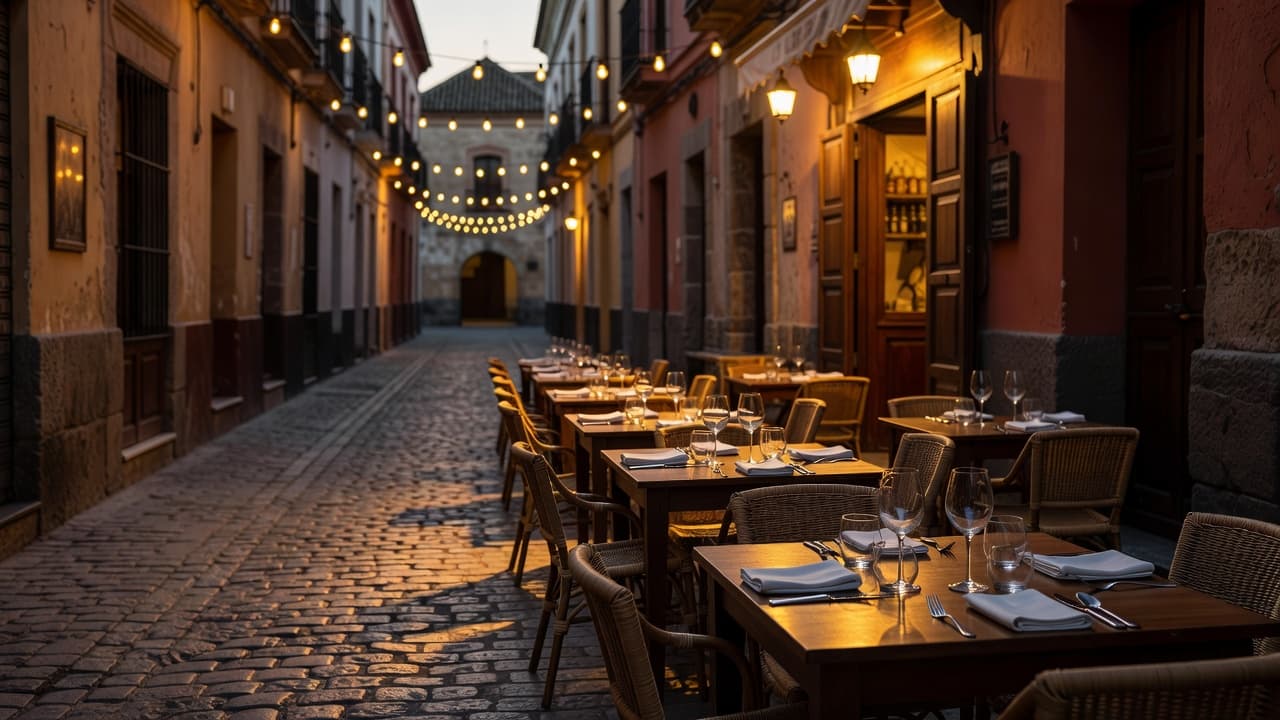
When the sun drops, this is the night for live music, flamenco, or both. Witnessing a professional flamenco show is an essential part of experiencing authentic Spanish cuisine culture. La Carbonería still feels like the kind of place people remember after the trip ends. Pura Vida Terraza gives you a view of the Giralda with music in the room, while Lady Drama Indie Rock Bar and Urbano Comix push the night in a different direction. Between sets, make sure to grab a montadito de pringá at one of the local bars in the Alameda area to round out your evening snacks. For a broader map of Seville bars with live music, it helps to know the names before you leave the hotel.
If your trip is built around a concert or a show, how to organize a music travel itinerary keeps the rest of the day from falling apart. That matters here. Seville has enough going on after dark that one bad stretch can eat the whole night.
Where to stay if nights matter
Where you sleep matters more than most travelers realize. A cheaper room on the edge of town becomes expensive once the taxi receipts start piling up after a long night out.
| Area | Best for | What it feels like |
|---|---|---|
| Barrio Santa Cruz | First-timers, easy walks, early dinners | Pretty, central, busy |
| Triana | Tapas, river walks, late nights | Local, social, relaxed |
| Alameda de Hércules | Live music, bars, loose plans | Creative, younger, late |
| Nervión | Clubs, dressier nights, practical hotel chains | Busy, polished, functional |
If late nights are a priority for your trip, Triana and the edge of the historic center make the most sense. The Alameda de Hércules is the better call if you want bars and live music without the typical postcard version of the city. Nervión works well if modern clubs matter more to you than narrow old streets, though weekends can get hectic when everyone tries to hail a taxi at the same time.
Dress a little sharper when heading out in these neighborhoods. Leave the flip-flops and gym clothes for the beach cities you are not currently in. Seville is relaxed, but the better rooms and smarter bars serving high-quality jamón ibérico definitely notice the difference.
The rule is simple. Stay where the night ends, not where the taxi starts.
How to pace the late-night part
Seville has a distinct night rhythm, and it is not subtle. Tapas usually start around 9:30, and terraces stay active well past midnight. Clubs begin to wake up around 2:00, and the real dance floor action can run until 5:00 or 6:00. If you want the classic finish, Bar El Comercio is where the hot chocolate with churros appears after everything else closes. That is a truly authentic Seville ending.
You do not need to push every night that far. A balanced evening might include a round of tapas paired with a crisp sherry wine, a visit to a local bar, and a stroll through the illuminated streets. If you want a structured highlight to your evening, booking a flamenco show in advance is a smart move to ensure your night has a clear, cultural focus. If you prefer to combine dinner with entertainment, restaurants with live music in Seville are a useful resource to compare options before you book. Pura Vida Terraza, La Carbonería, and a late table in Triana are more than enough to give your night a perfect shape.
Let one thing matter most each night. In Seville, that is usually enough.
Frequently Asked Questions
How much cash should I carry for tapas?
While most bars in Seville accept cards, it is wise to keep about 20 euros in cash on you. This makes it significantly easier to pay for small snacks, individual drinks, or quick taxi rides when you are moving between neighborhoods.
Do I need to make dinner reservations in advance?
For most casual tapas bars, reservations are not necessary and often not possible as the culture is based on standing at the bar. However, if you have a specific, popular restaurant in mind for a sit-down meal, booking a few days ahead is a smart way to guarantee your spot.
Is three days enough to see Seville?
Three days is the perfect amount of time if you avoid the urge to see every single monument in one trip. By focusing on one area each day, you can experience the best of the city’s food, architecture, and nightlife without feeling rushed or overwhelmed.
Conclusion
Three days is enough if you stop trying to conquer the city. Seville provides a better experience when you keep your days focused, dine near your base, and leave room for that second bar.
Building each day around one major landmark, one neighborhood, and one late-night move is the secret to a successful trip. This approach works because Seville rewards a steady rhythm more than a high volume of sightseeing. By following this Seville tapas itinerary, you ensure your time is spent enjoying the culture rather than rushing between spots.
If your trip ends with delicious tapas, live music, and churros after midnight, you definitely did it right.
For the capital’s take on the same kind of night, our Madrid tapas itinerary covers a faster, more eclectic version of the Spanish tapas scene.
For the Basque Country’s coastal pintxos culture, our San Sebastian guide covers where to stay for beach walks and world-class food.