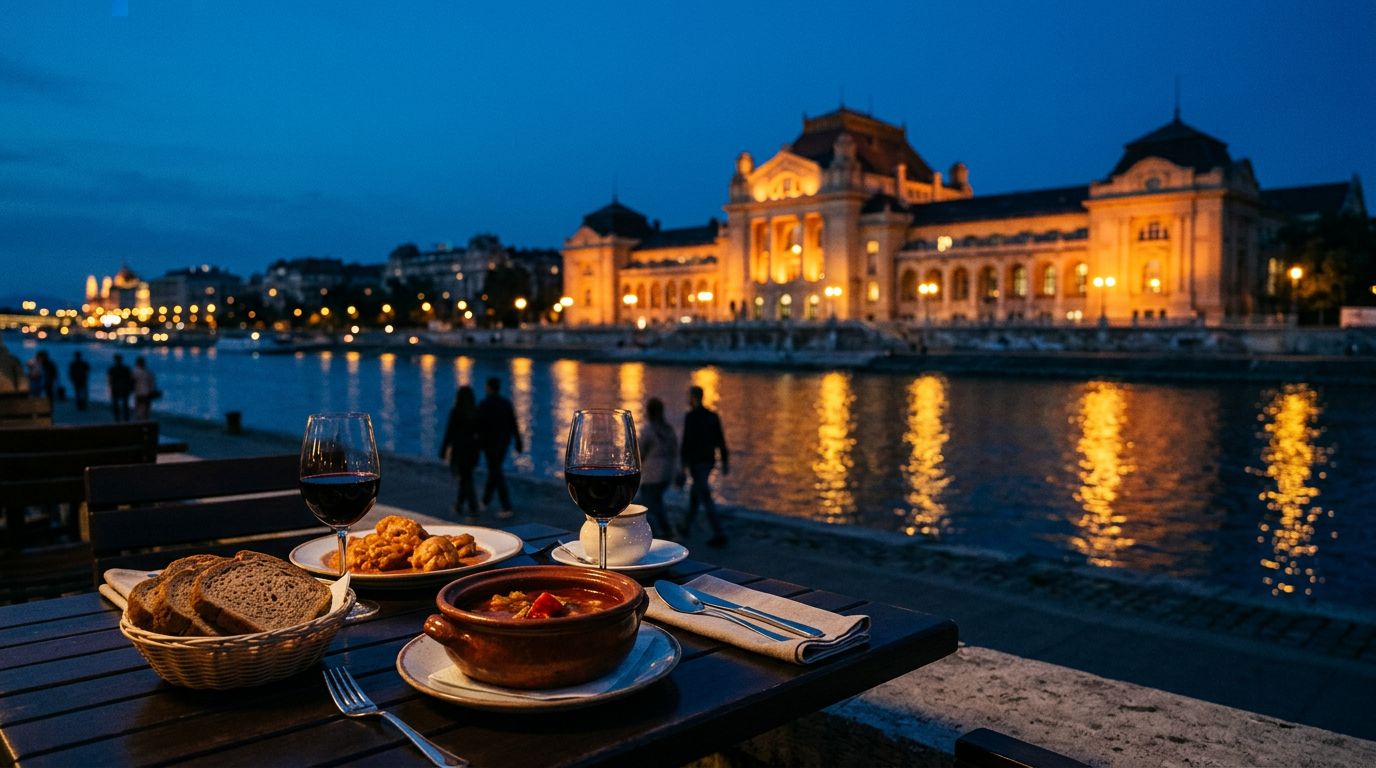
Budapest looks easy on a map. Then one lazy cross-river plan, one sold-out bath slot, and one dinner booked too far from the action can burn half your day.
A good budapest itinerary is tighter than that. Keep each day compact, let one thing lead, and leave enough room for the part of the city that happens between the landmarks.
Budapest gets better when you stop treating it like a checklist and start treating it like a night out with a strong setlist. Open well, keep the transitions clean, and do not waste your best energy on the commute.
Key Takeaways
- Build by area: Don’t stack landmarks from across the city into one day; choose one neighborhood anchor and let your plans flow naturally around it.
- Prioritize pacing: Use a thermal bath to break up your day and plan your dinners near your evening activities to avoid unnecessary cross-city travel.
- Edit your itinerary: Budapest rewards those who leave space for spontaneity; subtract extra activities to ensure you experience the city’s rhythm rather than just checking off a list.
- Strategic accommodation: Base your stay in Pest (District V, VI, or VII) for better access to dining and nightlife, ensuring your commute home is effortless after a long day.
What makes a Budapest trip actually work
Budapest is split by the Danube, but the river is only part of the story. The Buda side is hillier, prettier from a distance, and better for views, baths, and slower afternoons. The Pest side is flatter, busier, and where more of your meals, bars, cafes, and late nights will happen.
That means the mistake is obvious. People stack Fisherman’s Bastion, the Hungarian Parliament Building, thermal baths, the Central Market Hall, and Gellert Hill into one day because the city does not look enormous. It is not gigantic. It is still more than big enough to punish bad sequencing.
The fix is simple. Build by area. Pick one anchor. Let the neighborhood around it fill in the rest.
Walking is still the best way to feel the place. Budapest rewards street-level attention, especially in the Inner City, the Jewish Quarter, and along the river. Use the metro, tram, or a taxi for clean jumps. Don’t ask public transit to rescue a day that was scattered from the start.
The best Budapest days feel connected, not crowded.
Your night plan matters more than people admit. A late dinner near where you want drinks is smarter than a famous restaurant across town. A bath in the late afternoon changes the tempo of the whole day. So does one too many bridges when your feet are done.
If you want a broader skim of classics before cutting the plan down, this Budapest highlights roundup is useful. Then edit hard. The city improves when you subtract.
Where to stay so Budapest works in your favor
Your hotel is not only where you sleep. It is how you buy back time.
For most first trips, the Pest side is the easier base. That is where the dinner density is better, the nightlife is stronger, and your late-night return is less annoying. The Buda side is beautiful, but unless you want calmer evenings and river views more than bar-hopping or restaurant access, it can feel quiet too early.
This quick breakdown keeps the trade-offs honest:
| Area | Best for | What it feels like |
|---|---|---|
| District V | First trips, central landmarks, river walks | Polished, easy, expensive |
| District VII | Ruin bars, food-heavy trips, late nights | Lively, loud, fun after dark |
| District VI | Cafes, Andrassy Avenue, music and culture | Stylish, connected, balanced |
| District I | Castle views, Buda Castle proximity, quiet stays | Scenic, calm, less nightlife |
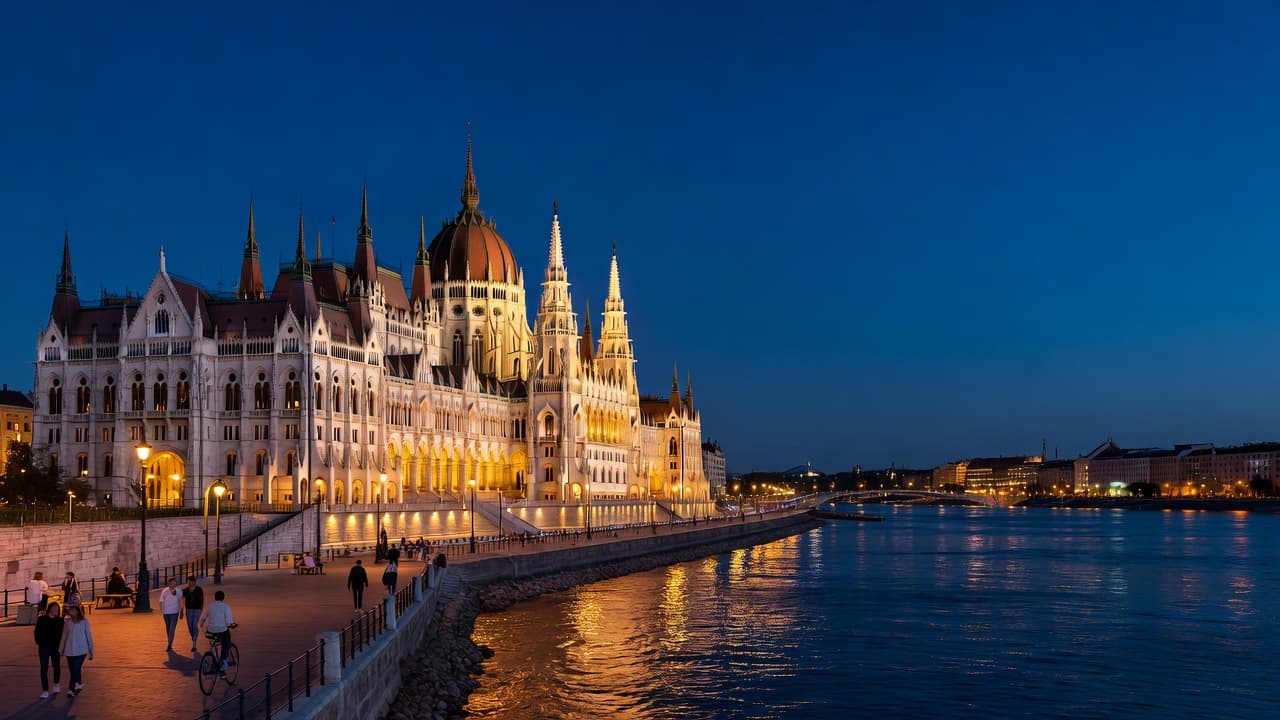
District V works if you want the postcard version of the city and easy access to the Hungarian Parliament Building, St. Stephen’s Basilica, and the riverfront. Choosing District VII is better if your trip leans local, creative, and food-first, as it puts you right in the heart of the Jewish Quarter. District VI is a nice middle ground. You stay close to good restaurants and music without sleeping inside the party zone.
Cheap and far usually gets expensive later. You pay for it in taxis, transit time, and the slow drain of having to think too hard about how to get home. In Budapest, the better room is often the one that keeps dinner, drinks, and your walk back in the same orbit.
A 3-day Budapest itinerary that flows
Three days is the sweet spot for most people. Two days is enough to like Budapest. Three is enough to let it land.
Day 1: The Hungarian Parliament Building, the river, and your first proper night in Pest
Start in District V. It gives you the cleanest first impression and does not ask too much from your legs. Walk the riverfront in the morning, see the Hungarian Parliament Building from outside, and keep moving at an easy pace toward the shoes on the danube bank. That stretch is simple and strong.
From there, drift inland toward St. Stephen’s Basilica. Grab coffee, slow down, and let the city wake up around you. If you want one interior stop on day one, the basilica is manageable. If not, keep the morning outside and save the ticketed heavy lifting for later.
Lunch matters here. Café Kör is still one of the better traditional picks when you want classic Hungarian cooking without the whole thing feeling stiff. This is not the day for a rushed sandwich and a power walk.
In the afternoon, slide toward the Jewish Quarter. You can browse small streets, poke into courtyards, and let the energy shift from grand to scrappier. If the Dohany Street Synagogue is a priority, make it your cultural anchor. If not, let the area be about atmosphere, shops, coffee, and pre-dinner wandering.
Dinner should stay nearby. Gettó Gulyás is a smart first-night move for staples done well, while Aszú Étterem works if you want a more polished room. After that, do one of the city’s famous ruin bars and see what you think. District VII is still the city’s easiest late-night zone for a reason.
Day 2: Castle Hill, one thermal bath, and a slower evening
This is the day people overcook. Don’t do Castle Hill, Gellert Hill, two baths, and a giant dinner across town. Pick a lane.
Start on the Buda side, early if you can. Fisherman’s Bastion is still worth it, but the timing matters. Morning gives you room to breathe and better light over the river. Matthias Church is an easy add-on if you want one more historic stop, and Matthias Church is beautiful enough to justify the detour. The Castle District streets themselves do a lot of the work.
Buda Castle is the obvious anchor, but the area is really the point. Walk it. Look out over Pest. Let the views carry the morning instead of stuffing it with extra tickets.
Lunch can stay on the Buda side if you’re happy there, but this is also a good point to cross back over toward the Chain Bridge and reset. If the weather is good, crossing on foot makes the city make sense.

Photo by Airam Dato-on
Now pick one of the thermal baths. That’s enough. Rudas is a strong fit if you want a more atmospheric, less sprawling session and a rooftop pool with a city view. Gellert Baths are more ornate and more about the room. Szechenyi Thermal Bath is the most famous, but it fits better with a City Park day than a Buda day.
A late-afternoon bath is one of the best pacing tools in Budapest. It breaks the day in half and stops you from turning the city into homework.
Keep dinner close to where you finish. If you bathe late, don’t book a complicated cross-city reservation. Retek Bisztró is a good option when you want strong Hungarian food without a performance. Then decide if the night wants one more drink or an early finish.
Day 3: A cultural pick, a looser afternoon, and music after dark
Your third day should feel lighter, not more ambitious. Start on Andrassy Avenue and head toward Heroes’ Square and City Park. It is one of the cleaner routes in the city, and it gives you grand architecture without asking for too much planning.
Pick one cultural stop. The House of Terror Museum is the heavier, more demanding choice. The House of Music Hungary is lighter and easier if you want design, sound, and something that feels less punishing. While you are in City Park, be sure to take in the architecture of Vajdahunyad Castle as a visual landmark. If museums are not the point of your trip, then skip both and give the time to the park.
If you did not do a bath on day two, Szechenyi Thermal Bath fits here naturally. If you already had your thermal moment, use City Park as a reset, then head back toward the center for a long lunch and a slow afternoon. This is also a good slot for the Central Market Hall, but go in knowing the ground floor can feel more useful than magical. Go early, browse, eat something simple, and move on.
Dinner should set up the night. Hoppá! Bistro and Stand25 Bisztró both work when you want Hungarian flavors cleaned up a bit. If you want something more classic, go back toward the center and keep it unfussy.
Budapest at night can go a few ways. Ruin bars are the obvious route, but they are not the only one. If music matters, check what’s on at A38 or Akvarium and make that the anchor. If cocktails are more your speed, stay near Kiraly utca or move to a calmer rooftop bar and keep the evening tighter.
One good dinner, one room with the right energy, one easy ride home. That’s a full day.
Food, drinks, and nightlife that matter
Budapest is not hard to eat well in, but it is easy to eat lazily. A weak lunch in the wrong place can flatten the rest of the day faster than a missed museum ever will.
Breakfast can stay simple. Coffee, pastry, maybe eggs if you need a heavier start. Save your appetite for lunch or dinner when the city actually shows what it can do. Hungarian food rewards patience. Paprikash, goulash, stews, dumplings, richer sauces, this is not snack city.
As of June 2026, the names that keep showing up for authentic Hungarian meals are still Café Kör, Gettó Gulyás, and Retek Bisztró. They make sense for travelers because they feel grounded, not theatrical. If you want a dressier night, Aszú Étterem, Hoppá! Bistro, and Stand25 Bisztró are stronger bets than chasing a random river-view table. While many visitors feel tempted by the grand decor of the New York Cafe, keep in mind that you must secure reservations well in advance, or you will likely spend your time waiting in a long line rather than enjoying the coffee.
Make reservations when dinner matters. Budapest has range, but the rooms people talk about fill first, especially on weekends.
Nightlife is where plenty of visitors either love the city or misread it. District VII still dominates after dark, especially around the Jewish Quarter and Kiraly utca. That is where the famous ruin bars live, and yes, you should try at least one. But not every night needs to become a crawl through sticky rooms and phone flash.
One dinner reservation, one bar area, one backup late bite is a much better formula than five pinned spots and tired feet.
Do the obvious ruin bar move once. Then branch out. A cocktail bar, a jazz room, a live venue, or a quieter wine bar often gives you the better memory. If you want extra ideas beyond the main landmarks, this guide to hidden gems in Budapest has a few useful angles.
Getting around Budapest without letting transit run the trip
Budapest public transit is highly efficient, but don’t let that convenience become an excuse for poor planning.
Walk whenever the route is interesting. Use the metro and trams for clean jumps, especially when moving between City Park, the vibrant Pest side, and the hills of the Buda side. If you want to experience the riverfront without the extra steps, a Danube river cruise is a fantastic alternative that lets you see the city from the water. Otherwise, Tram 2 along the Pest riverfront remains one of the few transit rides that doubles as a legitimate sightseeing tour.
When you need a break from the busy streets, public transport makes it easy to reach Margaret Island, which offers a refreshing green escape from the city center.
From the airport, the 100E bus is one of the easiest arrival moves if your hotel is central. Taxis are perfectly fine when you want a simple door-to-door option, especially after a long flight or late at night. Either way, sort out your ticketing or app setup early. Small friction adds up fast when you are tired.
A phone-based option like BudapestGO is worth setting up before you need it. Nobody wants to decode a ticket machine while a tram is pulling in.
Late at night, take the easier ride home. Budapest is very walkable, but that does not mean every midnight bridge crossing is mandatory. If your dinner ran long and the drinks were strong, just get in the cab.
If you are going in colder months, this Budapest winter guide is helpful for swapping river walks and long outdoor stretches for warmer, more efficient moves.
Add a fourth day based on the version of Budapest you want
Don’t add a fourth day just because you have the extra time. Add it because there is a side of the city you still have not experienced.
If you want more local rhythm, spend the day in Ujlipotvaros and around Margaret Island. You get less pressure, more room, and a version of Budapest that feels lived in instead of staged. If design, cafes, and slower streets matter more to you than major tourist sights, this is the move.
If your trip leans oddball, go hunting for the city’s weirder corners, smaller museums, and less obvious viewpoints. This unusual Budapest list is a decent place to steal one or two ideas without turning the day into a frantic scavenger hunt.
If you still want one more classic experience, use the time for an interior tour of the Hungarian Parliament Building, a night at the opera, or a visit to one of the thermal baths you skipped earlier in your trip. Just don’t turn day four into a revenge tour for everything you missed.
Frequently Asked Questions
How many days do I need in Budapest?
Three days is the sweet spot for most travelers to see the major highlights without feeling rushed. Two days is enough to get a taste of the city, but a third day allows you to slow down, explore deeper, and enjoy the thermal baths without exhaustion.
Is the Budapest Card worth buying?
It can be a good value if you plan on visiting many museums and using public transport frequently. However, if your itinerary is focused more on walking, cafes, and soaking in the city’s atmosphere, you may find that simply buying individual tickets or using the BudapestGO app is more flexible and cost-effective.
Do I need to make dinner reservations in advance?
Yes, especially for popular spots like Café Kör or any highly-rated restaurant on a weekend. Budapest has a great culinary scene, but the best rooms fill up quickly, and having a booking ensures you don’t spend your evening wandering hungry through crowded streets.
Are the ruin bars just for tourists?
While they are certainly popular with visitors, they are a fundamental part of Budapest’s unique nightlife culture. Visit one to experience the atmosphere, but don’t limit your evenings to them; balance your nights with cocktail bars, live music venues, or quiet wine spots to get a better sense of the local scene.
Budapest gets better when you edit it
The best Budapest itinerary is not the one with the most pins on the map. It is the one that keeps the city from fighting you.
Stay where your nights make sense. Build each day around one anchor. Walk the middle, use transit for the jumps, and protect your meals like they are part of the trip, because they are.
Budapest is one of those cities that gives back when you leave space for it. A long lunch, a visit to one of the iconic thermal baths, and one strong night out, are usually what travelers remember most. Ultimately, a successful Budapest itinerary relies on steady pacing; it is about finding the right balance between exploration and the slow, restorative rhythm of the local thermal baths. By editing your plans down to the essentials, you ensure the city remains a pleasure to experience rather than a list of chores to complete.
If you want a city with a similar night energy but a different cultural backdrop, our Istanbul itinerary for meze rooftops and Bosphorus nights is a natural next trip.