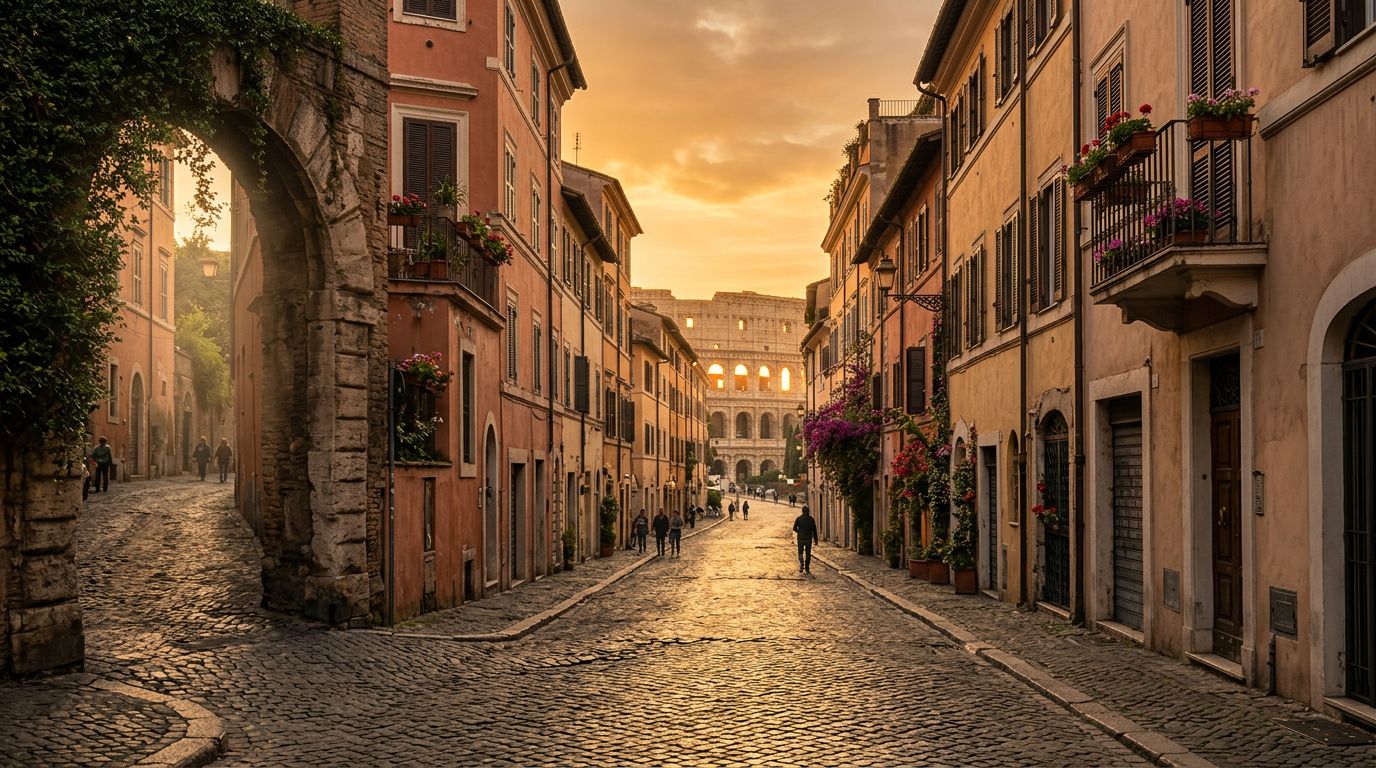
Rome can wreck a good trip with one bad plan. A line at the Vatican, a lunch booked across town, or a tired walk back on cobblestones can quickly make the city feel heavier than it should. Many travelers find themselves asking how many days in Rome are necessary to truly experience the capital without burnout. While you could spend a lifetime here, a focused approach is the secret to a successful visit.
The version of a trip that actually works is simpler. A strong Rome itinerary keeps each day tight, gives one major sight top billing, and leaves plenty of room for the part of the city that happens between the landmarks. By slowing down your pace, you ensure that you are actually enjoying the history rather than just checking it off a list.
Key Takeaways
- Prioritize an Anchor-Based Itinerary: Avoid burnout by centering each day around one major sight, then letting the surrounding neighborhood fill in the rest of your time.
- Strategic Geography: Stay in a location that aligns with your evening plans (such as Centro Storico or Monti) to minimize transit time and exhaustion at the end of the day.
- Embrace the Slow Pace: Rome is best experienced at street level; prioritize walking, protect your lunch hours, and resist the temptation to pack too many landmarks into a single day.
- Book Ahead for Essentials: Reduce friction at high-traffic sites like the Colosseum and Vatican by securing advance tickets or expert-led tours to avoid long wait times.
- Focus on Quality Over Quantity: Rome improves when you subtract; a well-planned three-day trip often feels more rewarding than a frantic, over-scheduled four-day itinerary.
What makes a Rome itinerary actually work
Rome is big, but size is not the primary issue. The real challenge is friction. Security lines, heat, uneven streets, sold-out entries, and long walks that looked short on the map can turn a dream vacation into an endurance test. If this is your first time navigating the city, it is easy to become overwhelmed by the logistics. Determining the best time to visit Rome is essential for avoiding this friction, as visiting during peak heat or crowds can significantly alter your experience.
The fix is simple in theory and effective in practice. Build your schedule by area. Let one major site anchor your day, and stop asking a single afternoon to do the work of three.
Think of your trip like a setlist. You do not open with the encore, reset the room twice, and wonder why the energy feels off. Rome works the same way. Start with one anchor, let the neighborhood around it fill in the rest, and keep dinner close enough that the day does not collapse before the good part.
Walking remains the best way to feel the city. Rome rewards street-level attention; a tucked-away church, a shady piazza, or a corner cafe with locals arguing over espresso is where the city feels authentic rather than staged. Use the metro or a taxi for clean jumps across the city, but use your feet for the middle.
Current 2026 travel patterns are pushing in the right direction. Early-morning sightseeing is smarter than ever, and booking a guided tour for the Vatican Museums or the Colosseum still pays off, as expert-led entry saves hours of waiting. More travelers are mixing famous stops with smaller neighborhoods and slower food experiences. That is not just trend-chasing; it is simply a better way to experience the city.
One big sight, one neighborhood, one meal worth sitting down for. That is enough.
If you want a broad sense of the classics before editing them down, this Rome roundup from Adventurous Kate is a decent first pass. Then, cut hard. Rome gets better when you subtract.
Where to stay so your nights make sense
Your hotel is not only where you sleep. It is the thing that decides whether your evenings feel easy or annoying. Choosing a cheap location far from the action often gets expensive once late taxis, extra transit, and sore legs start stacking up.
This quick breakdown keeps the trade-offs honest:
| Area | Best for | What it feels like | Watch out for |
|---|---|---|---|
| Centro Storico | First trips, postcard Rome, easy walking | Beautiful, central, busy | Crowds and higher prices |
| Monti | Food, bars, ancient Rome access | Stylish, walkable, lively | Some streets feel tourist-heavy |
| Trastevere | Nightlife, dinner-heavy trips | Romantic, noisy, fun late | Can be chaotic at night |
| Prati | Vatican access, calmer stays | Polished, residential, useful | Less atmosphere after dark |
| Testaccio | Food-first travelers, local energy | More Roman, less polished | Not the easiest first base |
For a first time visitor, picking the Centro Storico or the Monti neighborhood is usually the cleanest move. You can reach a lot on foot, which matters more in Rome than people think. Staying in the Monti neighborhood provides excellent ancient Rome access while keeping you within reach of great dining. If your trip is built around long dinners and slower nights, the Trastevere area makes more sense. If the Vatican is a major priority and you want a quieter reset, Prati is easy.
Testaccio is the move for people who care more about lunch than luxury lobbies. It feels more local, more grounded, and less like it is performing for visitors. That said, it works best when you already know you want that version of Rome.
The point isn’t picking the best area. It is picking the one that fits your nights. A better location usually buys back more time than a cheaper room outside your natural orbit.
A 3-day Rome itinerary that flows
Three days is the sweet spot for most travelers. Two days is enough to get the highlights, but three days gives your Rome itinerary a chance to breathe.
Day 1: Centro Storico, the Pantheon, and a long first lunch
Start in the historic center. It provides the right opening note. Grab coffee at the bar and a cornetto, then take a slow walk before the streets get loud.
If you want to see the Spanish Steps without the usual throngs of tourists, go early in the morning before the crowds descend. From there, the Pantheon is a perfect anchor because it lands hard without swallowing your whole day. If you want to step inside the Pantheon, go as early as possible. Afterward, drift through the neighborhood. Visit the Piazza Navona, then explore the side streets near the Piazza Navona that look too pretty to be real. This relaxed exploration is the point of the morning.
From there, work your way toward the Jewish Ghetto. This part of Rome is easy to overrate with words and easy to love in person. Make your lunch long enough to reset the day. After lunch, walk past Largo di Torre Argentina and make your way toward the vibrant market at Campo de’ Fiori. You can spend time browsing the stalls at Campo de’ Fiori, or keep walking toward the Tiber if you want the classic river mood. If seeing the Trevi Fountain matters to you, visit the Trevi Fountain late in the evening or very early in the morning. Avoid the Trevi Fountain in the middle of the day when it turns into shoulder-to-shoulder chaos.
Dinner should stay central, perhaps near the Spanish Steps, rather than flying across town. First day energy is real, but overreach is a mistake. One plate of pasta and a glass of wine is a better opening than trying to win Rome before midnight.
Day 2: Ancient Rome, one major site, then Monti
This is the day people overcook. Do not attempt to pack the Colosseum, Roman Forum, Palatine Hill, and the Vatican into one heroic sprint. One major ruin is history; four before dinner is just cardio.
Make ancient Rome the anchor of your day. Book your Colosseum tickets and your Roman Forum access well in advance. Using a skip the line strategy for the Colosseum and the Roman Forum is essential to save your energy. A guided visit can be worth it here because context matters, especially when exploring the expansive ruins of the Palatine Hill. Once you finish your tour of the Roman Forum and the Palatine Hill, do not keep stacking stone on stone just because your map says you can. Move uphill into Monti.
Lunch here works well because it lets the day change tempo. Afterward, keep the afternoon light. If you want a more unusual museum angle, Centrale Montemartini is a sharp left turn, featuring old sculpture inside a former power plant.
Night two should stay in Monti or slide into Testaccio if food is the point. Monti works for wine bars and a compact evening, while Testaccio is perfect if dinner is your main event. Both options beat crossing the city while over-hungry.
Day 3: Vatican early, then Prati, the river, and Trastevere
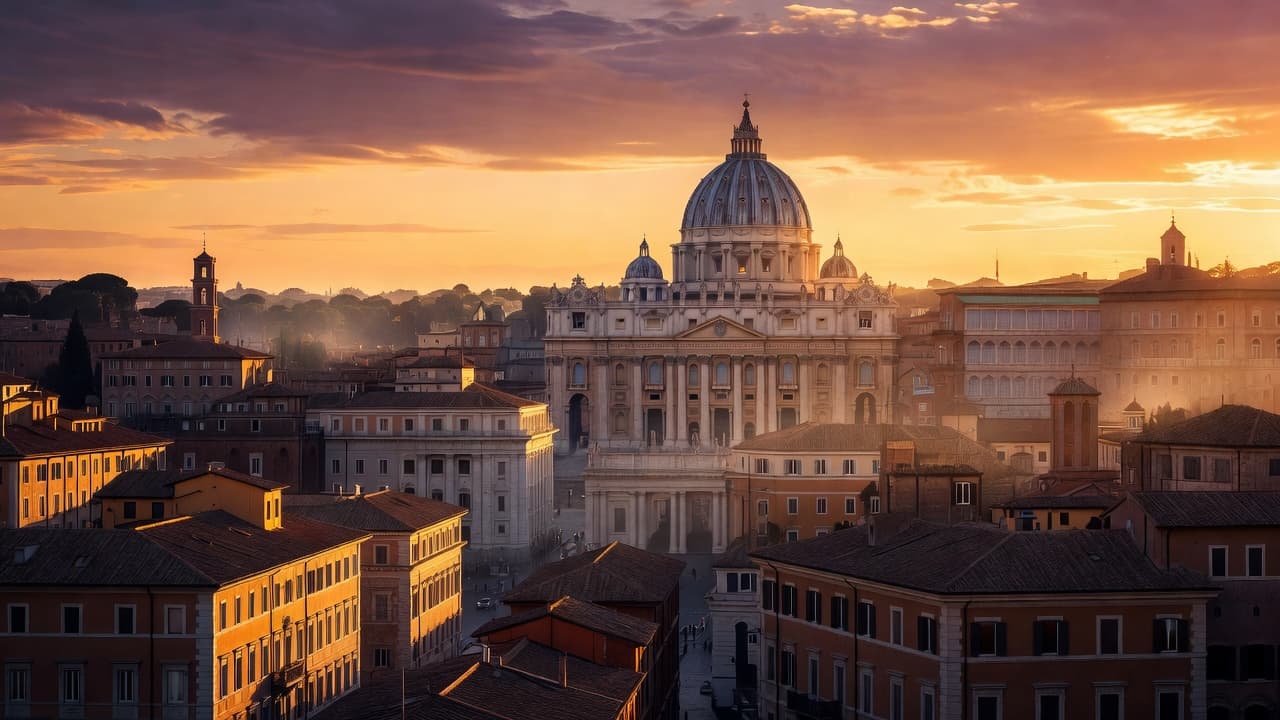
If the Vatican is on your list, make it the morning priority. This is not the place for a lazy start. Book the earliest slot you can manage for the Vatican Museums if those matter to you, or get to St. Peter’s Basilica before the heaviest rush if the grandeur of St. Peter’s Basilica is your primary draw.
This part of the trip takes discipline because the area is massive. Whether you prioritize the Sistine Chapel, the dome of St. Peter’s Basilica, or the artwork inside the Vatican Museums, you must pick your focus. If the Sistine Chapel is your highlight, head there directly. Before leaving the area, you can admire the exterior of St. Peter’s Basilica and the sprawling square.
Lunch in Prati is a smart reset. The neighborhood is cleaner and calmer, making it a useful base after the Vatican crush. From there, walk toward Castel Sant’Angelo and cross the bridge. The river opens up, the city softens, and Rome starts looking less like a checklist.
Keep the evening west of the center. Trastevere is the classic move, but you still want some control. Pick one dinner reservation in Trastevere and keep a backup late-night bite within walking distance. If you still have energy, walk up toward the Janiculum after dinner. Rome looks better when the light drops and the pace eases off, making it the perfect end to your time in the city.
Add a fourth day only if it has a point
Do not add a fourth day because you have one. Add it because there is a side of Rome you have not hit yet.
If you want classic beauty without another punishing crowd, visit the Borghese Gallery and the surrounding Villa Borghese gardens. The museum requires advanced planning, but this pairing works perfectly because the vast parkland provides breathing room after you take in the art. You can easily stroll through the grounds toward Piazza del Popolo, which serves as a grand, historic transition point back into the city streets. If your taste runs more ancient than polished, Ostia Antica is one of the best day trip moves near Rome. You get sprawling ruins with plenty of space around them, which can feel like a minor miracle after navigating the Colosseum zone.
For a moodier, older version of the city, spend the day on the Appian Way and in the catacombs. That combination feels slower and stranger in the best way. The roads stretch out, the history becomes more layered, and the city feels much less staged.
If your trip tilts local, casual, and food-first, use the day to explore Testaccio and Pigneto. Testaccio gives you authentic market energy, traditional Roman food, and a more grounded rhythm. Pigneto is rougher around the edges, younger, and better if you want bars, cafes, and a less polished night.
For oddball stops and lesser-known corners, Atlas Obscura’s Rome picks are a good rabbit hole. Rome has plenty of famous beauty, but it also has enough weirdness to keep your vacation from feeling predictable.
Food, coffee, and nightlife that matter in Rome
Rome is not the city for rushed meals wedged between tickets. The best days here usually have one proper lunch or dinner that gets protected from the rest of the schedule.
Breakfast can stay simple. Coffee culture in Rome is still fast, standing, and efficient, even as more travelers in 2026 are building coffee stops into the trip on purpose. That works. Just don’t expect the city to turn every morning into a long specialty ritual. Rome still prefers the bar, the shot, the quick bite, and the move.
Lunch is where the day can turn. A long lunch in the right neighborhood fixes bad pacing faster than another sight ever will. Dinner should feel intentional too. Rome’s most enjoyable nights are usually small, not maximal. One strong reservation, one room for a drink after, one neighborhood that still makes sense when your feet are finished.
If you want to experience the most authentic Italian cuisine, Testaccio is hard to beat for market visits and traditional trattorias. If you want candlelit beauty and people-watching, Trastevere remains a top choice for a vibrant evening food scene, as long as you avoid treating every packed street like it is the only answer. If you want something more local and less polished, Pigneto has the edge.
Cooking classes, neighborhood food walks, and wine-focused evenings are all having a bigger moment in 2026, and for good reason. Rome is easy to admire from a distance. Engaging with the local food is how the city gets personal.
Getting around Rome without letting transit run the trip
Walking should do most of the work in central Rome. That is the good news. The bad news is that Rome will test your shoes, your patience, and your ability to tell the difference between walkable and technically possible.
Use public transport for clean jumps, not to rescue a bad plan. It is helpful for bigger moves, such as traveling from the Vatican area to Termini, but it should not be the main way you experience the city. Buses and trams can help too, though they are not the things to rely on when you have a hard reservation and no margin for error.
Late at night, take the taxi. Rome is one of those cities where one more transfer after a glass of wine is usually a bad idea.
For arrivals from Fiumicino, the Leonardo Express to Termini is the standard, efficient move for many central stays. Sort your tickets or tap to pay setup early so you are not standing at a machine while everyone behind you exhales.
To avoid losing time, book major sights ahead. You should secure advance tickets for the Colosseum, the Vatican Museums, the Roman Forum, and St. Peter’s Basilica, as these venues punish travelers who leave their plans loose. Early entries are worth the cost, and choosing a guided tour for the Pantheon and other major landmarks is a smart way to navigate increasing crowd levels. Because crowd management around the Colosseum and other headline landmarks is not getting any easier, build certainty where it matters most and keep the rest of your day loose.
Comfortable shoes are not optional here. They are an essential part of any Rome itinerary, especially when you are trekking to the Colosseum.
Frequently Asked Questions
How many days are ideal for a first trip to Rome?
Three days is the sweet spot for most travelers. This timeframe allows you to cover the essential historic highlights without rushing, giving your itinerary enough room to breathe and include leisurely meals.
Is it better to book guided tours for major sites?
Yes, booking guided tours or skip-the-line tickets for major attractions like the Colosseum and Vatican Museums is highly recommended. Expert-led entries save hours of waiting in line and provide the historical context needed to truly appreciate these massive sites.
How should I handle transportation within the city?
Walking is the best way to experience Rome, so plan your day to minimize the distance between your main activities. Use taxis for clean, direct jumps across the city or late at night, and rely on public transport only for longer, necessary transitions.
Should I stay near the main landmarks to save time?
Choosing a location that fits your intended evening lifestyle is more important than being directly next to a single monument. While staying in the Centro Storico or Monti provides great central access, focus on picking a neighborhood that minimizes travel when you are tired at night.
Conclusion
Rome does not need to be completed. It needs to be arranged.
A good travel plan keeps the city from fighting you. Stay where your nights make sense, build each day around one real anchor, walk more than you think, and let lunch slow the whole thing down. When you focus on these small details, you create a Rome itinerary that allows you to experience the city as a place you were actually in, rather than just another checklist to conquer.
If southern Italy is on your list too, the same approach works when you figure out where to stay in Naples for pizza and walkable nights. Or if Greece is calling, the same thinking applies when you plan how many days in Athens for a first trip. If you are heading north, the same neighborhood-first approach makes choosing where to stay in Bologna for aperitivo, pasta, and late nights just as straightforward.