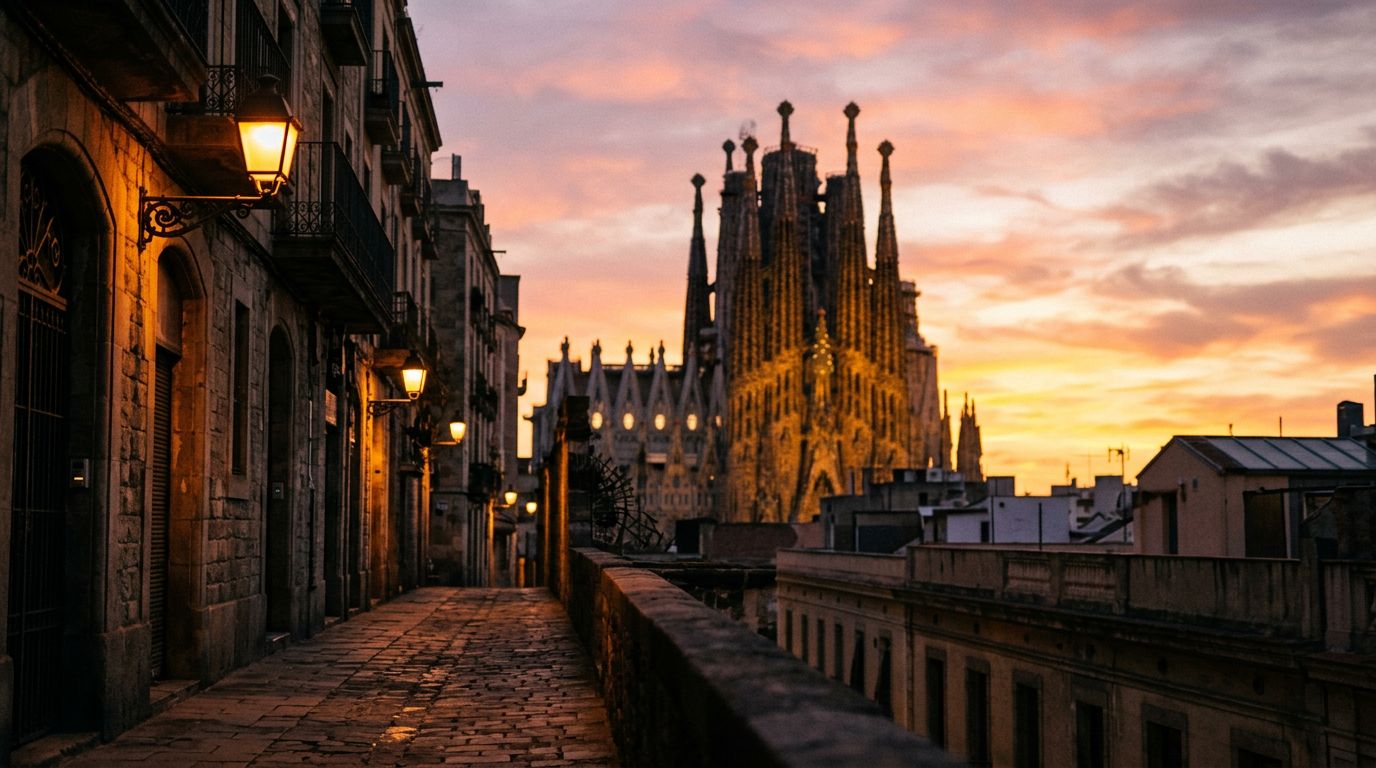
Barcelona looks easy on a map. That is the trick.
You can stack the Sagrada Familia, Barceloneta, Park Guell, a market stop, and a late dinner in El Born, then wonder why the city of Antoni Gaudí felt like a commute with better buildings. A good Barcelona itinerary is tighter than that. One anchor, one neighborhood cluster, one strong meal, one night plan.
If you build the days around flow instead of volume, the city stops fighting you and starts landing. A well-planned Barcelona itinerary is the best way to experience it.
Key Takeaways
- Prioritize Flow Over Volume: Avoid the urge to stack multiple major attractions into a single day. Choose one anchor landmark per day and build your route around a specific neighborhood cluster to minimize travel friction.
- Strategic Geography: Stay in a neighborhood that matches your evening goals. Barcelona is best experienced when your dinner, drinks, and walk home exist within the same orbit, saving you from exhausting cross-city commutes.
- Smart Logistics: Book tickets for major sights like La Sagrada Familia well in advance to avoid disappointment. Use the metro for long-distance transit and rely on taxis for late-night returns when your energy is low.
- Edit Your Itinerary: Focus on quality of experience rather than completing a checklist. A successful trip allows for unhurried meals, casual strolls, and the flexibility to enjoy the city at street level.
What makes Barcelona easy, and what makes it annoying
Barcelona is not enormous. The problem is friction.
A line at one Gaudi site turns into a delayed lunch. A beach detour burns your afternoon. If you find yourself funneling through the crushing crowds of Las Ramblas, you will quickly learn that friction is the enemy of a good trip. You also need to stay vigilant for pickpockets in those high-traffic tourist zones. One dinner reservation across town becomes two metro rides, tired feet, and the exact kind of meal you rushed all the way there to avoid.
The fix is simple. Build by area. Let one thing matter most each day.
One anchor, one neighborhood cluster, one dinner worth showing up for. That is enough.
Walking is still the best way to feel the city. The Gothic Quarter, El Born, Gracia, Poble-sec, and even the edges of the Eixample district make sense at street level. You notice the bakery with the line, the tiny vermouth bar, and the side street that somehow looks better than the famous square you planned.
Public transportation is generally excellent. The metro is great for clean jumps, not for rescuing a bad plan. Use it to cross town, and use taxis or ride-share late at night when you are dressed for dinner, your feet are cooked, and the thought of one more transfer sounds stupid.
From El Prat, the Aerobus is the cleanest arrival move for a lot of first-timers, especially if you are staying near Plaça de Catalunya or central Eixample. The train works well too if your hotel lines up with Sants or Passeig de Gracia. Whatever you pick, sort your transit card early so you are not standing at a machine after a flight trying to decode fare zones while the line builds behind you.
If you want a quick read on current events, closures, and city logistics, Barcelona’s official tourism site is the best place to check before you lock the order of your days.
Where to stay so your nights don’t get stupid
Your hotel is not only where you sleep. It buys time back.
Cheap and far gets expensive fast once late-night taxis, extra transit, and end-of-day drag start stacking up. In Barcelona, the best base depends on the kind of night you want after dinner.
This quick breakdown keeps the trade-offs honest.
| Area | Best for | What it feels like |
|---|---|---|
| El Born | First trips, walkability, tapas, late bars | Atmospheric, central, busy |
| Eixample district | Good hotels, smooth logistics, Antoni Gaudí access | Polished, practical, wider streets |
| Gracia | Cafe mornings, slower pace, local dinners | Residential, creative, less frantic |
| Poble-sec | Vermouth bars, Montjuic, music nights | Compact, lively, better value |
| Barceloneta beach | Beach-first stays, quick sea access | Casual, tourist-heavy, noisy in spots |
If this is your first time, El Born or the central Eixample district usually works best. El Born gives you mood. The Eixample district gives you breathing room and easier hotel inventory, plus proximity to the famous architecture of Antoni Gaudí. Gracia is great if your trip leans local, cafe-heavy, and less postcard-driven. Poble-sec is smart if you want good food, easier prices, and nights that do not end with a cross-city crawl.
The point is not to find the best neighborhood. The point is to pick the one that fits your evenings. Barcelona is a much better city when dinner, drinks, and the walk home all live in the same general orbit.
A 3-day Barcelona itinerary that flows
Day 1: Gothic Quarter, El Born, and a night that starts early
Start in the old city, but do it before it gets swallowed by crowd energy.
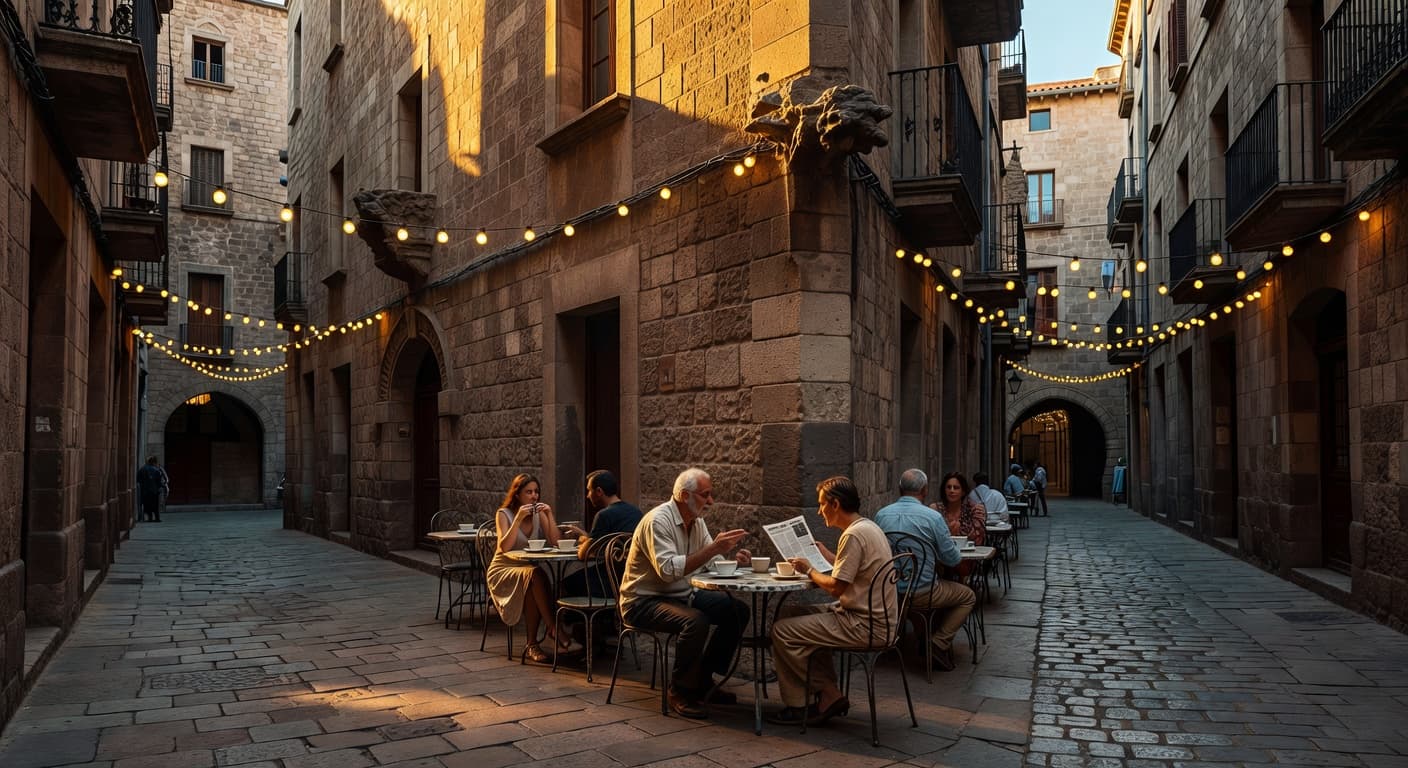
Coffee first, then take a walking tour through the Gothic Quarter while it still feels like a neighborhood and not a set piece. Drift through the narrow lanes, look in on Placa Sant Felip Neri, and let the morning stay light. If you want a church stop, Barcelona Cathedral is easy to fold into the route without flattening the rest of the day.
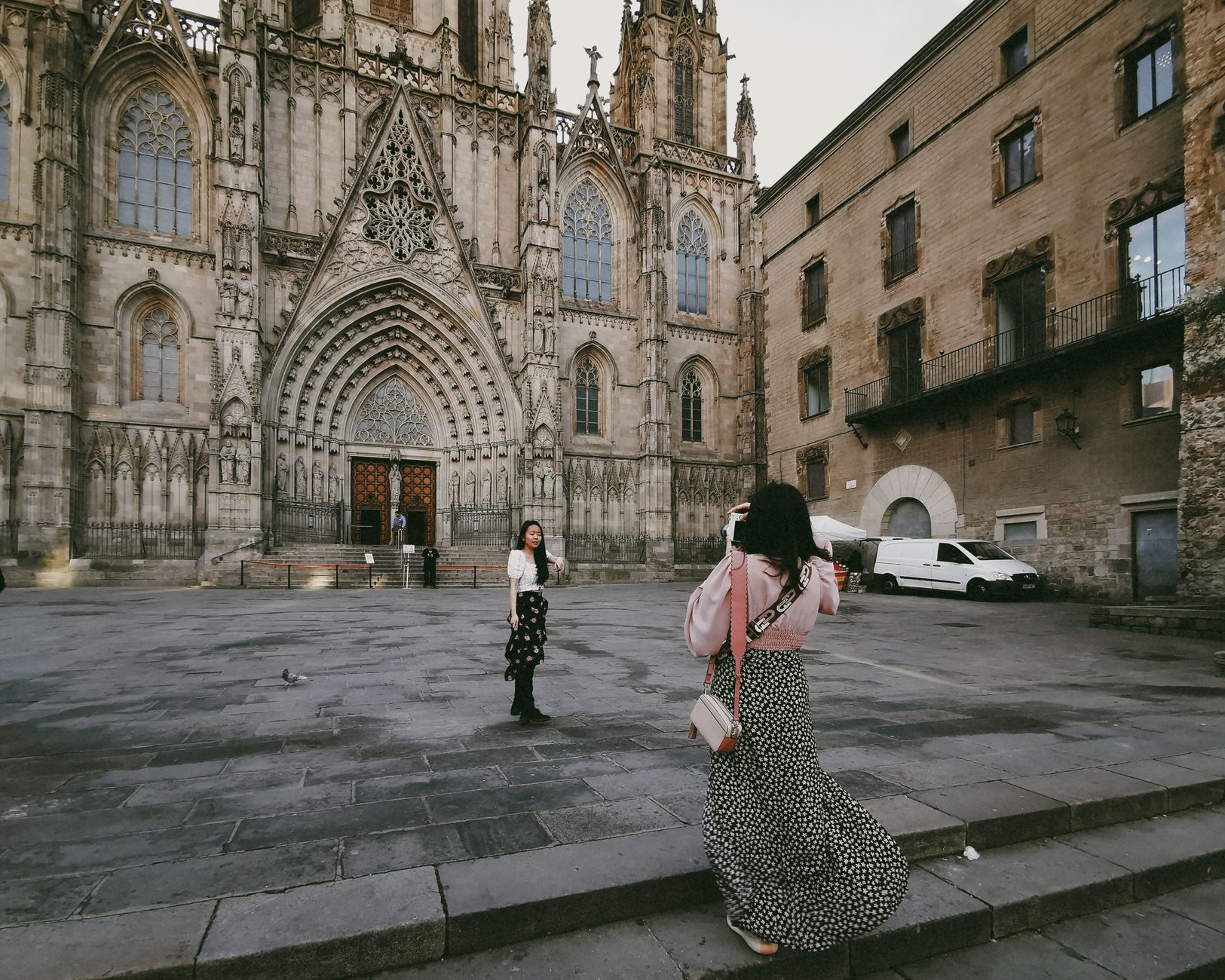
Photo by Mehmet Turgut Kirkgoz
Then slide into El Born. This is one of the easiest openings in the city. Santa Maria del Mar, small shops, wine bars, and streets that reward slow walking, it all fits. If you want a cultural stop, pick one. The Picasso Museum works if it matters to you. The Moco Museum works if your taste runs more contemporary. One museum is enough.
Lunch should be long enough to reset the day. El Xampanyet is still a good classic call if you want tapas and cava with some history in the room. If you want something a little more modern without losing the local feel, Bar del Pla or nearby spots in El Born keep the afternoon on track.
After lunch, walk toward the Arc de Triomf, Parc de la Ciutadella, or the waterfront. You do not need another heavy sight here. Browse. Sit. Take the city in at street speed. That is where Barcelona gets good.
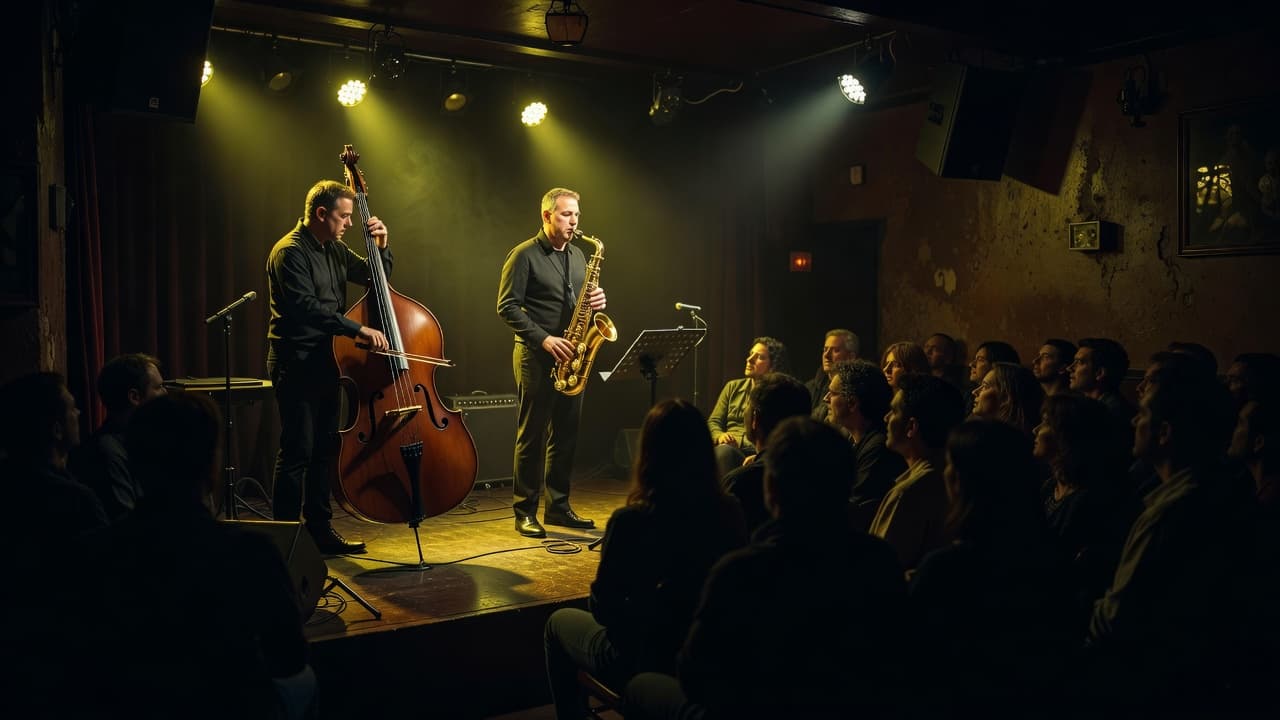
Keep dinner in El Born or the edge of the Gothic Quarter. If you want your first night to have a little music in it, Jamboree is a reliable jazz move near Placa Reial. Sidecar Factory Club works if you would rather lean indie, louder, and less polished.
Day 2: One Gaudi anchor, then a slower Barcelona
This is the day people overcook.
Do not do La Sagrada Familia, Casa Batlló, Casa Milà, and Park Güell in one sprint because the internet told you they are all essential. They are. That does not mean they belong in one day.
Pick one major Antoni Gaudí anchor. For most first trips, La Sagrada Familia is the right call. It earns the time. If you care about architecture more than icon status, Casa Batlló or Casa Milà can be the better move because the experience is lighter and the location plays more nicely with the rest of the day.
If timed entries are looking tight, check current Barcelona ticket options and book your tickets in advance before you go. This is one of those cities where optimism loses to sold out afternoons.
Spend the rest of the morning around Passeig de Gracia and central Eixample. The streets are broader here, the pace is easier, and you can walk without that old city stop start rhythm. This is also a good section of town for a polished breakfast or a lunch that feels a little more composed.
After lunch, choose your mood. If you want leafy and local, head to Gracia. The squares, smaller shops, and neighborhood bars give the day a different shape. If you want more food than sightseeing, Sant Antoni is a smart pivot. Either way, let the afternoon breathe.
Dinner depends on budget. Ultramarinos Marin is a strong call if you want a stylish room that still feels tied to Barcelona. If you are going premium, this is where places like Disfrutar, Lasarte, or ABaC enter the chat, but only if the reservation is part of the point. Do not spend your whole day orbiting a hard to get table unless that table is why you came.
Night two can stay mellow with wine in Gracia, or go bigger at Sala Apolo if you want live music and a room with actual energy.
Day 3: The sea, Montjuic, and a proper final night
Beach days in Barcelona go sideways when people treat them like an all day obligation.
If you want Barceloneta beach, go early. The light is better, the crowd is lighter, and the whole thing feels less like a backdrop for everyone else’s phone. Walk the promenade, grab coffee, maybe get your beach fix, then keep moving before the middle of the day turns messy.
From there, head toward Montjuïc Hill. This part of the city works best when you do not force too much into it. Perhaps start with a walking tour of the area to get your bearings. Pick one anchor. That might be Fundacio Joan Miro if you want art, the MNAC area if you want the view, or simply the hill itself if you want a long walk and city lookouts without another ticketed stop.
The mistake here is turning day three into cleanup duty for every landmark you missed. Barcelona does not reward that kind of desperation. A final day should feel edited.
Lunch in Poble-sec makes sense after exploring the hill. This is where you shift from daytime views to evening appetite. You could enjoy a traditional paella at a waterfront spot before heading here, or stick to Carrer de Blai for pintxos. You do not need to treat it like a mission. Better to pick one place, settle in, and let the afternoon run slower.
Dinner is easy to keep nearby. If seafood sounds right, Lluritu is one of the better casual local plays in the city. If you want a bigger final dinner, Bar Canete still lands because it has some life to it. Then let the night pay off. Apolo is the obvious venue choice here. If your trip leans more club than concert, Razzmatazz is still one of the big names, but it works better when you are ready for a full night, not one last drink.
Food, coffee, and reservations worth making
Barcelona is not a city for forgettable meals wedged between tickets.
Breakfast can stay simple. Coffee and a pastry are enough if lunch is the main event. The bigger mistake is eating whenever you are nearest to a landmark, where you are far more likely to be served overpriced, mediocre paella. That is how you end up with the most expensive and disappointing meal of your life.
Markets help, but use them correctly. La Boqueria Market is worth seeing if it is your first trip, but you should go early and get out before it turns into shoulder-to-shoulder chaos. If the crowds at La Boqueria Market feel overwhelming, Santa Caterina often provides an easier experience. Markets are good for opening the appetite, not necessarily for replacing a real meal. To dive deeper, consider joining a guided tapas tour to navigate the best stalls or hidden corners of the city.
For classic tapas, El Xampanyet still deserves the attention. Bar Canete is lively and strong when you want Catalan cooking with some buzz. Lluritu works for seafood without the theater. Ultramarinos Marin is a good pick when you want a room that feels current but not detached from the city around it. If you want to explore the culinary depth of the city, head to El Born, which serves as a vibrant hub for both modern plates and traditional bites.
If you are doing one high-end dinner, choose it on purpose. Disfrutar is the headline move. Enoteca Paco Perez is a smart premium choice if you want something more coastal and composed. Lasarte and ABaC are still big-ticket names. Book early, then build the day around the reservation instead of squeezing it in after a marathon.
Coffee has gotten better in Barcelona, and it is finally worth seeking out instead of settling for whatever is closest. Gracia, El Born, and parts of Eixample are still your safest bets for a good cup and a slower morning.
If you want a broader restaurant short list before you start locking reservations, Ali Martin’s Barcelona food guide is a useful skim.
Music and nightlife for the curious traveler
Barcelona can give you a lazy wine bar night, a cramped jazz room, a sweaty club set, or a big concert crowd. The mistake is treating all of those like the same evening.
If music is the reason you are here, build the day backward from doors. Pre-show dinner should be close to the venue, simple, and timed with margin. Nobody wants to spend the best part of the night checking maps with one eye on the clock.
For jazz, Jamboree and Harlem Jazz Club are the two cleanest names to know. Jamboree is more famous, located right off Las Ramblas, while the Harlem Jazz Club often feels a little looser and more local within the heart of the Gothic Quarter. For rock and indie, Sidecar Factory Club still has the right kind of room. Sala Apolo is one of the city’s strongest all-around night venues. Razzmatazz is bigger, louder, and best when you want the night to become the plan instead of the add-on.
This is also where location matters more than people admit. A great dinner in Gracia does not pair well with a midnight venue call in Poblenou if you are already tired and underdressed for the weather shift. Good nights usually stay in one zone.
If you want a few stranger, less obvious add-ons for an extra day, this list of quirky Barcelona ideas has some smart options that go past the standard loop.
Add a fourth day only if you know why
Do not add a fourth day just because you have the extra time. Add it because there is a version of Barcelona you still have not experienced.
If you want the local cafe version, give the day to Gracia and Sant Antoni. Enjoy a long breakfast, visit independent bookshops, sip vermouth, or explore a smaller gallery without any ambitious plans. Barcelona is excellent at that pace. If you missed out earlier in your trip, this is also a perfect time to visit Park Güell for a more relaxed morning.
If you want a cleaner, more design forward side of the city, go to Poblenou. It offers more breathing room, a different street rhythm, and easier access to Bogatell beach if you still want sea time without the full Barceloneta crush.
If you are considering day trips, only commit if it is a real priority. Montserrat is the most popular choice, but it is not a casual add-on and will take your entire day. For those looking for other day trips, options like the historic streets of Girona, the seaside charm of Sitges, or the rugged beauty of the Costa Brava are all reachable. However, on a short first trip, staying in the city is usually the better bet.
Sometimes the best fourth day is the least impressive on paper. Sleep later, take a better lunch, or revisit the neighborhood that felt most like home. Buy the second bottle of wine instead of another ticket.
Frequently Asked Questions
How many days do I really need in Barcelona?
Three days is the sweet spot for a first visit if you follow a structured, neighborhood-based approach. A fourth day is only recommended if you want to explore a specific side of the city, such as the local cafe culture in Gracia or the design-forward atmosphere of Poblenou.
Is it necessary to book restaurant reservations in advance?
For high-end dining or popular spots like Bar Canete, booking in advance is essential. If you have a specific meal in mind, it is best to treat that reservation as your daily anchor and plan your sightseeing around it.
How do I avoid tourist traps and pickpockets?
Avoid dining at restaurants immediately adjacent to major tourist landmarks, as these are often overpriced and mediocre. To stay safe, remain vigilant in high-traffic areas like Las Ramblas and keep your belongings secure, as these are common spots for pickpockets.
What is the best way to get around the city?
Walking is the best way to soak in the atmosphere of neighborhoods like El Born and the Gothic Quarter. For longer distances, use the excellent metro system, and reserve taxis or ride-shares for late-night travel when you are ready to head back to your accommodation.
Conclusion
Barcelona gets better the second you stop trying to complete it.
Keep your days structured, let one major landmark lead your plans, and do not ask one afternoon to do the work of three. The right Barcelona itinerary is not the one with the most pins on the map. It is the one that leaves room for a long meal, a second walk, and a night that lands exactly where it should.