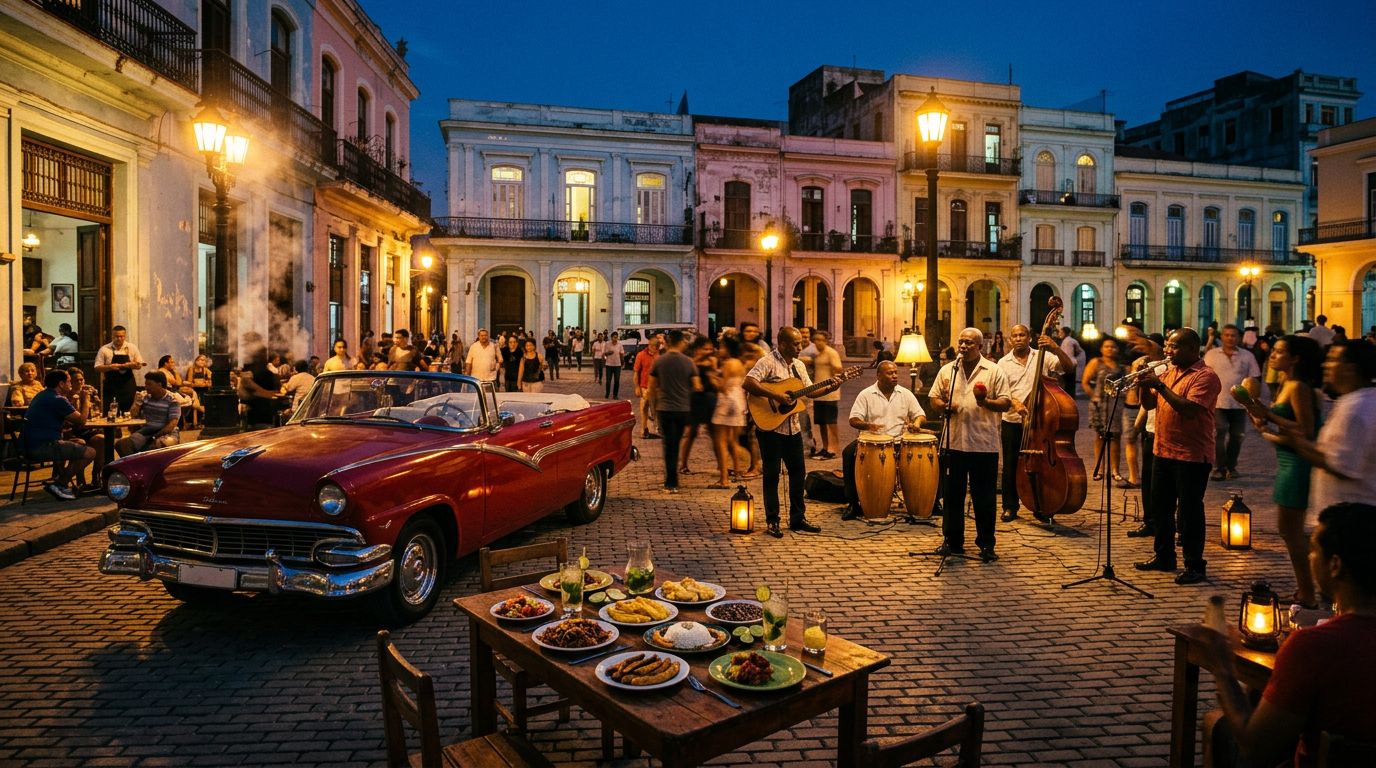
Three days in Havana is enough to get hooked, and short enough to get wrong if you pack it like a checklist. A good Havana Cuba itinerary is not about seeing every single monument. It is about hitting the city’s right rhythm.
Before you begin your journey, ensure you have your travel insurance to Cuba secured, as this is a mandatory requirement for entry. Holding this documentation also helps provide the necessary support for the Cuban people category, which remains the primary way for many travelers to legally visit the island.
Think of your trip like a great setlist. Start with the classics, build into the local neighborhoods, then leave room for the late-night surprise. That is where Havana truly comes alive.
Key Takeaways
- Prioritize rhythm over checklists: Focus on one neighborhood anchor by day and one strong live music event by night rather than trying to visit every museum and landmark.
- Embrace local lodging: Staying in a casa particular offers a more authentic experience, providing personal hospitality and valuable local insights that hotels often lack.
- Balance structure and flexibility: Pre-book your initial logistics—such as airport transfers, first-night dinners, and key tours—but leave your afternoons open for spontaneous discoveries and authentic interactions.
- Focus on authentic engagement: Traveling under the support for the Cuban people category is essential; prioritize visiting local paladares and community-centric venues to truly experience the city’s soul.
Start with Havana’s rhythm, not a checklist
The biggest mistake in Havana is trying to cover it. You do not need ten museums, four bars, and every plaza before sunset. You need space to walk, stop, listen, and change course when a doorway starts spilling music into the street.
Havana also rewards a little prep. Restaurant hours can shift, music schedules can move, and connectivity may not work the way you are used to. Plan as if cash, screenshots, and patience matter, because they do. When organizing your logistics, keep in mind that navigating the Cuban currency exchange requires some extra attention. Furthermore, since your trip is likely planned under the support for the Cuban people visa category, focusing on local interactions and authentic community engagement is essential to the spirit of your visit.
If you are staying in a Casa Particular, use that to your advantage. Breakfast at a Casa Particular is often the easiest start to the day. It is simple, fresh, and it saves you from hunting for an early cafe when the city is still stretching awake.
Havana gets better when you leave room for one unplanned hour every day.
Here is the shape of the trip at a glance.
| Day | Area focus | Best meal move | Night plan |
|---|---|---|---|
| 1 | Old Havana | Long lunch, slow dinner | Classic boleros or rooftop drinks |
| 2 | Vedado and Miramar | Modern paladar lunch | Art, cocktails, or a salsa-heavy club |
| 3 | Malecon and local streets | One last standout meal | Big live music finish |
That pacing matters. One neighborhood anchor by day, one strong food moment, and one music move at night. If you want another read on practical prep, these Havana trip planning notes are a useful cross-check before you fly.
Day 1: Old Havana, but done the right way
Morning
Start in Habana Vieja, a UNESCO World Heritage Site, not because it is a secret, but because first impressions matter. Old Havana gives you the crumbling facades, balconies, church bells, and narrow lanes people picture before they land. The trick is to join a morning walking tour through these historic streets before the heat and the group tours stack up.
Begin in Plaza Vieja, then drift toward Plaza de Armas and Plaza de la Catedral, taking time to stroll along the bustling Obispo Street. Don’t race. Pop into courtyards. Look up, as Havana hides half its charm above eye level, in ironwork, laundry lines, and open windows with music rolling out. Before settling in for lunch, be sure to catch a glimpse of the iconic El Capitolio building.
Skip the urge to overbook your morning. One church, one square, one coffee stop, then keep moving. Day one should feel like an arrival, not an exam.
Afternoon
Lunch is your first real chance to set the tone. Doña Eutimia is a smart choice near the cathedral if you want something rooted in classic Cuban flavors. If you are after a more polished room, Café del Oriente works well for a slower midday meal.
After lunch, give yourself a break from pure sightseeing. This is a good time for a vintage car tour, which provides a unique chance to see the city from the seat of classic American cars. Cruise the Malecón, pass through Centro Habana, and let the city open up beyond the postcard core.
If classic bars are on your list, keep expectations in check. Places like La Bodeguita del Medio are fun for the history and energy, more than for a quiet, dialed-in cocktail hour. Think cultural stop, not sacred pilgrimage.
Evening
For your first night, keep it memorable but not punishing. Havana nights can run late, and you will enjoy them more if you do not burn yourself out on day one.
Dinner at La Guarida is still worth considering if you want drama, atmosphere, and a room that feels like Havana theater. The mansion setting does half the work before the food even lands. If you want something more intimate, La Casa Restaurante feels smaller and more personal.
After dinner, you have two smart lanes. If you want old-school romance, head to El Gato Tuerto for a more intimate live music setting. If you want a polished first-night drink, a rooftop or a terrace at the Hotel Nacional gives you classic Havana mood without too much effort.
What you do not want is a frantic bar crawl. Havana is not built for that kind of night. Pick one dinner. Pick one music stop. Let the city come to you.
Day 2: Vedado and Miramar for a wider view of the city
Morning
Day two is where many Havana trips either get richer or start repeating themselves. Don’t spend another full day in Old Havana. Cross into the Vedado neighborhood, where the streets widen, the pace shifts, and the city feels more lived-in than staged.
This is a good morning for a long walk rather than a formal attraction run. The Vedado neighborhood has leafy blocks, worn grand buildings, and a stronger sense of daily life. You can pass through the grounds around the Hotel Nacional, catch ocean views, and take in that old Havana glamour. For a deeper look at the city, take a taxi toward the Plaza de la Revolución to see the massive Jose Marti Memorial, which offers a stark, impressive contrast to the colonial architecture of the city center.
If you care about cities beyond their facades, this part matters. Old Havana gives you the opening scene. This wider view gives you the second act.
Afternoon
Lunch should lean modern today. Otramanera is a strong pick if you want something more contemporary, with a menu that moves beyond the standard tourist cycle. Divino Restaurante is another good option if you want a more upscale lunch or early dinner in a calmer setting.
Afterward, head farther west toward Miramar. The neighborhood has embassies, larger homes, and a quieter rhythm. It won’t charm everyone on first look, but that’s not the point. Miramar is useful because it shows another version of Havana, one with space, shade, and less pressure.
This is also the moment to rest. Seriously. Go back to your room. Reset. Change clothes. Havana rewards people who know not every hour has to be used.
Evening
Night two should lean into what Havana does best: live music with a crowd that cares. If you want something layered, social, and younger, go to Fábrica del Arte Cubano. It is part music venue, part nightlife spot, part cultural hangout, and it can carry your whole evening.
If dancing is the point, Casa de la Musica de Miramar is a better bet. That is the move when you want strong bands, a fuller room, and less standing around pretending you are too cool to dance. Alternatively, for those who want a classic, world-famous show, the Tropicana cabaret provides a dazzling, open-air performance that captures the vintage spirit of the city.
There is a difference between watching Havana and joining it. Night two is the night to join it.
Book dinner either before the venue or keep it lighter and later, depending on your energy. A long formal meal plus a late club can be too much unless you are pacing the day well. If music is your main reason for being here, save your best energy for after 10 p.m.
Day 3: The Malecon, local streets, and one last big night
Morning
Your last full day should slow down again. Start near the Malecón if you can. In the morning, it feels less like a landmark and more like the edge of daily life. People walk to work. Friends talk over the wall, and watching the sunset view of Castillo del Morro across the bay remains one of the city’s most iconic experiences. The sea does what it always does and makes the whole city feel a little cinematic.
From there, spend time in the streets that connect Old Havana and Vedado, especially around Centro Habana. This area is the perfect place to explore Afro-Cuban culture, as you can see storefronts open, hear radios click on, and catch the city before the nightlife version of Havana takes over again. If you are a photo person, this is one of the best windows of the trip. Not because it is empty, but because it is real.
Afternoon
Use your last afternoon for the thing you skipped on purpose. If you still have energy, you might visit the Museum of the Revolution to understand the local history or head to the San Jose Market for souvenirs. For those interested in unique local art, a detour to Fusterlandia is well worth the time. If you prefer to stay central, return to Old Havana for a final meal you did not have time for on day one.
If you haven’t been to La Guarida, this is a good final lunch or dinner booking. Havana is often better in the private restaurants that feel like someone’s home grew a dining room around a good cook. This is also a good time to buy yourself margin. Pack early, confirm your transfer, and charge what needs charging. If you find yourself wanting to extend your Cuban adventure, the Viñales Valley is the best next stop for travelers looking to see more of the island.
Evening
Last night, go bigger. Pick the music room that matches your mood and commit to it.
For a louder, more energetic salsa-heavy crowd, Casa de la Musica de Galiano is a strong closer. If you want to end on style rather than volume, go back to El Gato Tuerto or another more intimate room with seated music and a proper drink.
Afterward, one final pass along the Malecón is never a bad idea. Havana has a way of landing hardest in those in-between moments, after dinner and after music, when the city finally feels familiar.
That is the sweet spot. Not when you first arrive, and not when you have seen it all. Right there, when you know your way around a little, and you still wish you had one more night.
Where to stay for this Havana itinerary
Where you choose to stay significantly shapes your experience. For a first visit, Old Havana makes perfect sense if you want to walk out your door directly into history, vibrant color, and constant movement. The trade-off is noise, higher tourist traffic, and a slightly less local feel once the busy day begins.
The Vedado neighborhood is often a better base for repeat travelers, or for first-timers who prioritize balance over postcard views. Here, you get broader streets, easier access to city nightlife, and a more everyday version of Havana. Nights can still be lively, but the atmosphere is much more breathable.
Miramar works well if you want extra space, quieter evenings, or a larger home-style stay. It is less atmospheric for aimless wandering, but it is a great choice for travelers who do not mind short rides and prefer a calmer landing pad. If you are planning a longer trip, you might choose to split your time here before heading off to relax at Varadero beach or taking a scenic horseback riding tour in the lush Viñales Valley.
For many visitors, staying in a casa particular beats a standard hotel. The city feels much warmer when you wake up in a lived-in home, receive local tips over breakfast, and return to a space with genuine personality. Choosing a casa particular allows you to experience the authentic heart of Cuban hospitality. If you want a feel for that style of trip, this authentic Havana stay example shows why neighborhood-based lodging changes the entire tone of a visit.
Getting around Havana without wasting half your day
You do not need a complicated transport plan. You simply need the right tool for the right stretch of the city.
Walk through Habana Vieja. It is the best way to catch the fine details of the architecture, and cars only slow you down in those narrow streets. Use taxis or pre-arranged rides to navigate between neighborhoods, especially when traveling between Habana Vieja, Vedado, and the residential pockets of Miramar. You should definitely save a ride in one of the classic American cars for a scenic cruise along the Malecón. It is fun, it photographs beautifully, and sometimes an experience is allowed to be pure joy rather than just a way to get from point A to point B.
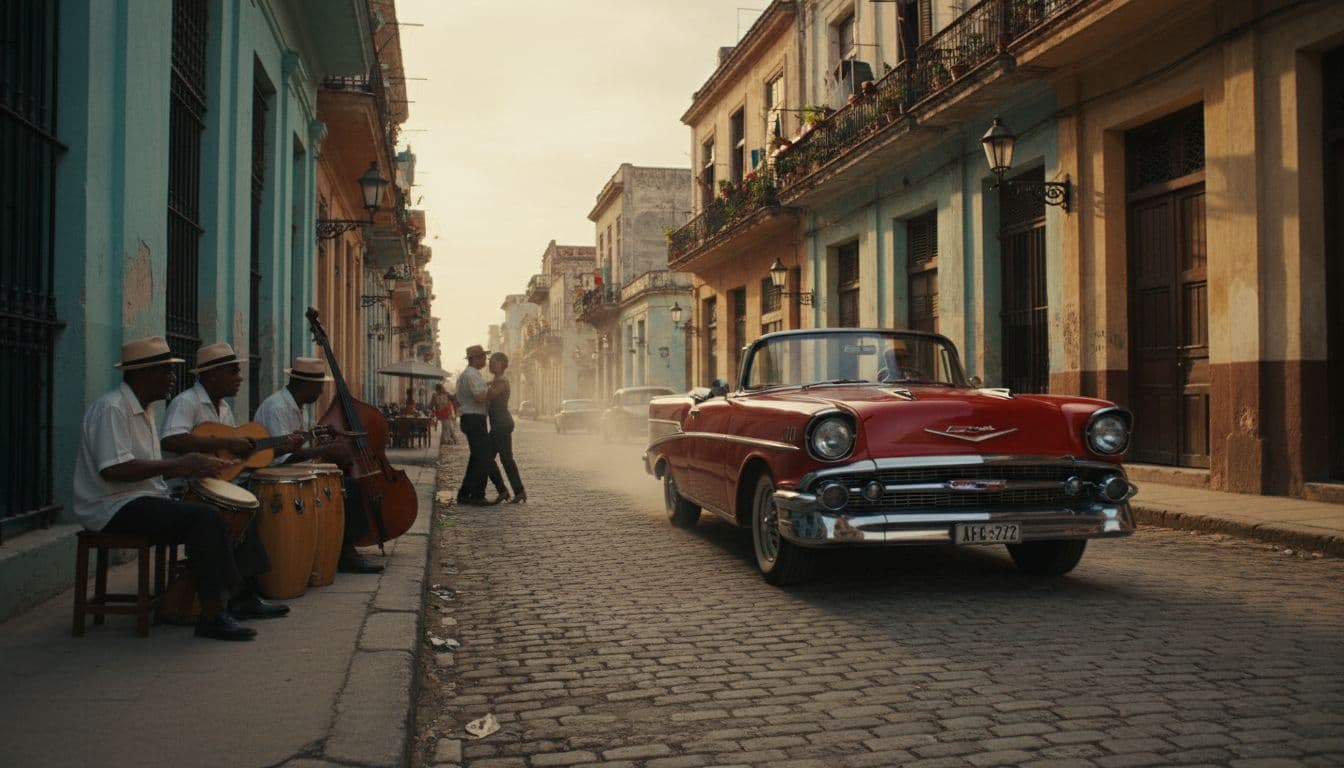
Keep your lodging address saved for offline use. Carry small bills for tips and fares. If you are meeting a driver or heading to a venue with a fixed showtime, always leave earlier than your map suggests. Havana traffic, vibrant street activity, and the general tempo of the city can easily stretch what should be a short ride.
If you are building a premium trip, this is where smart planning earns its keep. Tight, minute-by-minute sequencing matters far less than realistic, relaxed sequencing.
What to lock in before you go, and what to leave flexible
Not everything in Havana should be pre-booked, but a few things absolutely should be.
To hit the ground running, consider booking a walking tour or a classic vintage car tour for your first morning. These help you get your bearings before you explore on your own. If you plan on taking a day trip to the countryside, it is wise to pre-book a horseback riding tour to ensure availability and secure your spot. Additionally, book your first night dinner and arrange at least one live music stop. If you are arriving late, be sure to arrange your airport transfer in advance. Confirm with your host which payment methods work best and ask for their recommendations regarding current city logistics. These simple moves remove the friction that usually shows up at the worst possible time.
Leave your afternoons a little loose. That is when Havana tends to hand you the good stuff: a longer lunch, a better conversation, a detour to the water, or a venue recommendation from someone local that beats what you had written down.
Build structure around your nights. Keep your days loose enough to breathe.
Also, do not make every meal a major event. One standout lunch and one standout dinner per day is plenty. The rest can be lighter, simpler, and easier. That is how you keep the trip feeling rich instead of overproduced.
Frequently Asked Questions
Is it necessary to pre-book everything in Havana?
No, you should only pre-book essential logistics like your airport transfer, initial dinner reservations, and perhaps a morning walking tour to get oriented. Leave your afternoons flexible so you have the freedom to explore neighborhoods at your own pace and follow local recommendations.
Which neighborhood is the best base for a three-day trip?
Old Havana is ideal if you want to be within walking distance of historic sites and constant energy, while Vedado is perfect for travelers seeking a more authentic, local vibe with easier access to nightlife. Miramar is recommended only if you prefer a quieter, more spacious environment and do not mind taking taxis to reach the city center.
How much cash should I carry for daily expenses?
It is critical to carry enough cash in small denominations to cover your meals, transport, and tips, as credit card acceptance and connectivity can be inconsistent. Always check with your casa host regarding the latest currency exchange advice before heading out for the day.
Is it easy to get around Havana without a car?
Walking is the best way to explore the compact streets of Old Havana, while taxis are the most reliable option for traveling between neighborhoods like Vedado or Miramar. For a quintessential experience, reserve a vintage American car for a scenic cruise along the Malecón.
Conclusion
The best Havana Cuba itinerary does not try to beat the city into a rigid, perfect schedule. Instead, it provides a strong frame that balances the historic charm of Old Havana with the authentic, day-to-day rhythm of local life, allowing the music, meals, and street energy to fill in the rest.
As you plan your journey, remember that providing support for the Cuban people is a rewarding way to experience the destination. If three days is all you have, that is enough time to enjoy a great version of the city. Stay somewhere with character, eat in restaurants with a unique point of view, and build your nights around live music. The city will handle the rest.