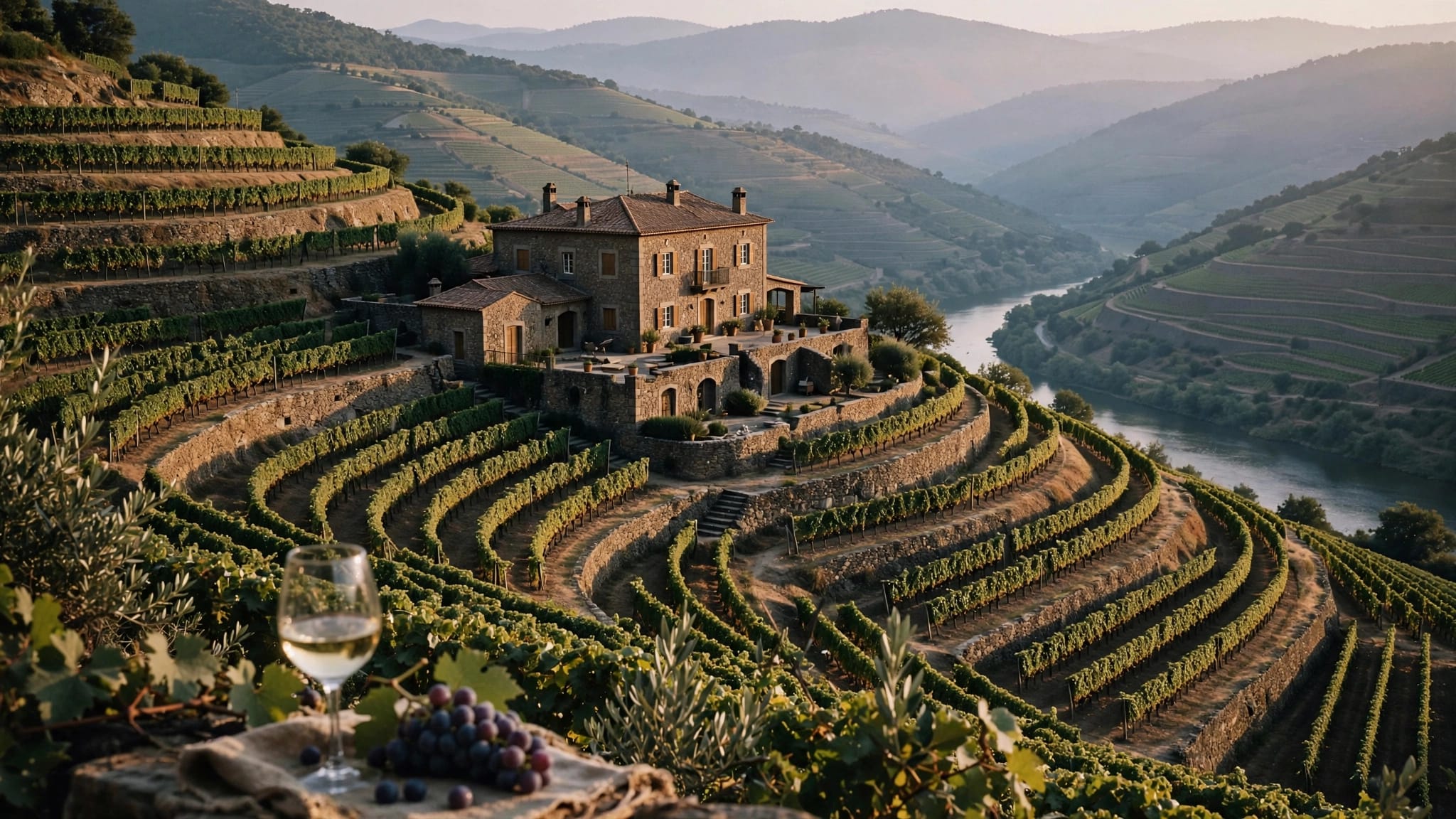
I’d give an estate-focused Portugal luxury itinerary seven days, arriving in the capital and departing Porto. That length lets this Portugal luxury tour include two nights in the Alentejo, two in the Douro Valley, and two in Porto, without retracing your route.
With five days, I’d use the capital as a base and make the Alentejo your countryside day. The deciding factor is time at the estate, because a wine lunch feels different when nobody is watching the departure clock.
Key Takeaways
- Choose 5 days for the capital and an Alentejo introduction; choose seven for countryside overnight stays.
- Spend first on well-positioned accommodation, transfers, and one substantial wine experience per day.
- Treat exclusive access, private boats, and tasting menus as individually priced arrangements, not automatic luxury-package inclusions.
Choose the Route Before the Hotels
These three formats offer different trips, despite their similar durations.
| Duration | Overnight Bases | Best Fit |
|---|---|---|
| Five days, four nights | Lisbon | City culture with exclusive countryside excursions |
| Seven days, six nights | Alentejo, Douro, Porto | Estate stays and wine-country immersion |
| Seven nights, eight days | Porto, Douro, Lisbon | A broader city-and-wine introduction |
The seven-day estate route requires a substantial northbound transfer. Arriving through the capital and leaving through the city eliminates a return journey south.
For comparison, Ker & Downey’s seven-night itinerary places the city on days 1 and 2, the Douro on days 3 and 4, and the capital on days 5 through 8. That format suits travelers who want both major cities. It doesn’t give the Alentejo an overnight stay.
Days 1 and 2: Settle Into Lisbon
Day 1: Arrive Without an Ambitious Agenda
Arrange a private airport transfer and stay in Chiado or Príncipe Real if restaurants and evenings matter most. Both make a practical base for a dining-led visit.
Keep arrival day to lunch, a short neighborhood walk, and dinner near the hotel. I wouldn’t attach a prepaid tasting menu to a long-haul arrival. A delayed flight shouldn’t take the evening with it.
Day 2: Belém, Then Alfama After Dark
Give the morning to Belém with a licensed guide. Jerónimos Monastery and Belém Tower are part of a UNESCO World Heritage Site, as confirmed by their UNESCO World Heritage recognition. The five-storey tower also became a familiar landmark for returning sailors.
Nearby, the Monument to the Discoveries honors Henry the Navigator and Portugal’s maritime expansion. Then return toward the center rather than adding another distant district.
Spend the evening in Alfama, the capital’s oldest neighborhood. Dinner and Fado in Alfama combines Portuguese cooking with an intimate musical setting. Give the performance your attention; this isn’t background music for a conversation.
Day 3: Sintra’s Palaces and a Coastal Finish
Allow roughly 40 to 60 minutes by private driver between central Lisbon and Sintra, with additional time for hillside access.
Pena Palace and Quinta da Regaleira sit in the hills, but they offer different experiences: a colorful hilltop palace and gardens threaded with symbolic architecture. Portugal’s World Heritage destination guides cover this destination alongside the capital’s historic monuments.
Travelbyluxe’s five-day sample pairs the hill visit with Cascais on day 3. I’d give the two estates proper time, then use Cascais for a short coastal pause rather than another sightseeing campaign.
Ker & Downey describes before-opening Pena Palace visits. That is a separately arranged access experience, not a benefit included with an ordinary private guide or admission ticket.
Days 4 and 5: Évora and an Alentejo Estate
Day 4: History First, Then a Long Wine Lunch
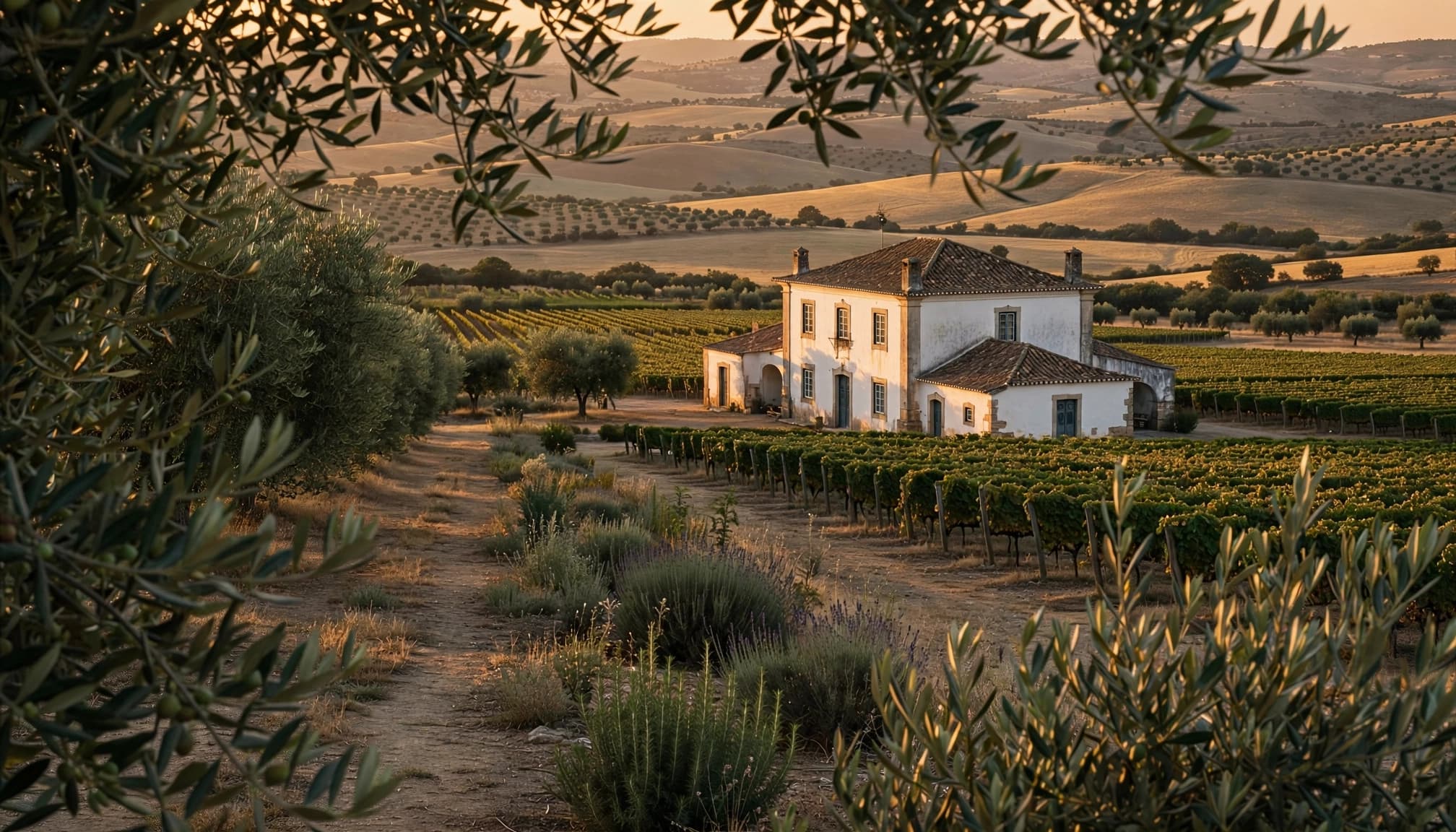
The drive between Lisbon and Évora takes about 90 minutes in normal conditions. Start with the Roman temple and cathedral, then leave the city for a reserved estate visit.
For the wine experience, choose one clear emphasis: contemporary Alentejo wines, olive oil, or the region’s traditional talha wines, made in clay vessels. A focused visit gives the afternoon more character than several similar tastings.
Portugal’s tourism board highlights both Alentejo and Douro wine and harvest experiences. Harvest participation, however, belongs to a seasonal program rather than every estate visit.
Day 5: Depart Without Another Excursion
Travelbyluxe’s sample returns to the hotel after the Alentejo excursion, then includes a departure transfer on day 5.
For a five-day trip, that structure keeps packing and airport logistics simple. An Alentejo overnight works better when the onward flight allows a relaxed countryside departure.
Seven Days: Make the Estates the Main Event
For the full Alentejo-and-Douro experience, I’d replace the Lisbon sightseeing stay with this six-night route. Lisbon deserves a separate extension if its palaces and nightlife are priorities.
Days 1 and 2: Two Nights in the Alentejo
Transfer directly to an estate near Évora after landing, allowing around two hours for the road journey and arrival logistics.
Keep day 1 light. On day 2, pair a guided Évora morning with an estate lunch and tasting. The second night means you can enjoy the afternoon without immediately returning to the city.
Days 3 and 4: Two Nights in the Douro
Reserve day 3 for the northbound transfer. Allow approximately five to six hours, including a comfortable lunch stop, depending on the estates selected. Don’t book a time-sensitive tasting that afternoon.
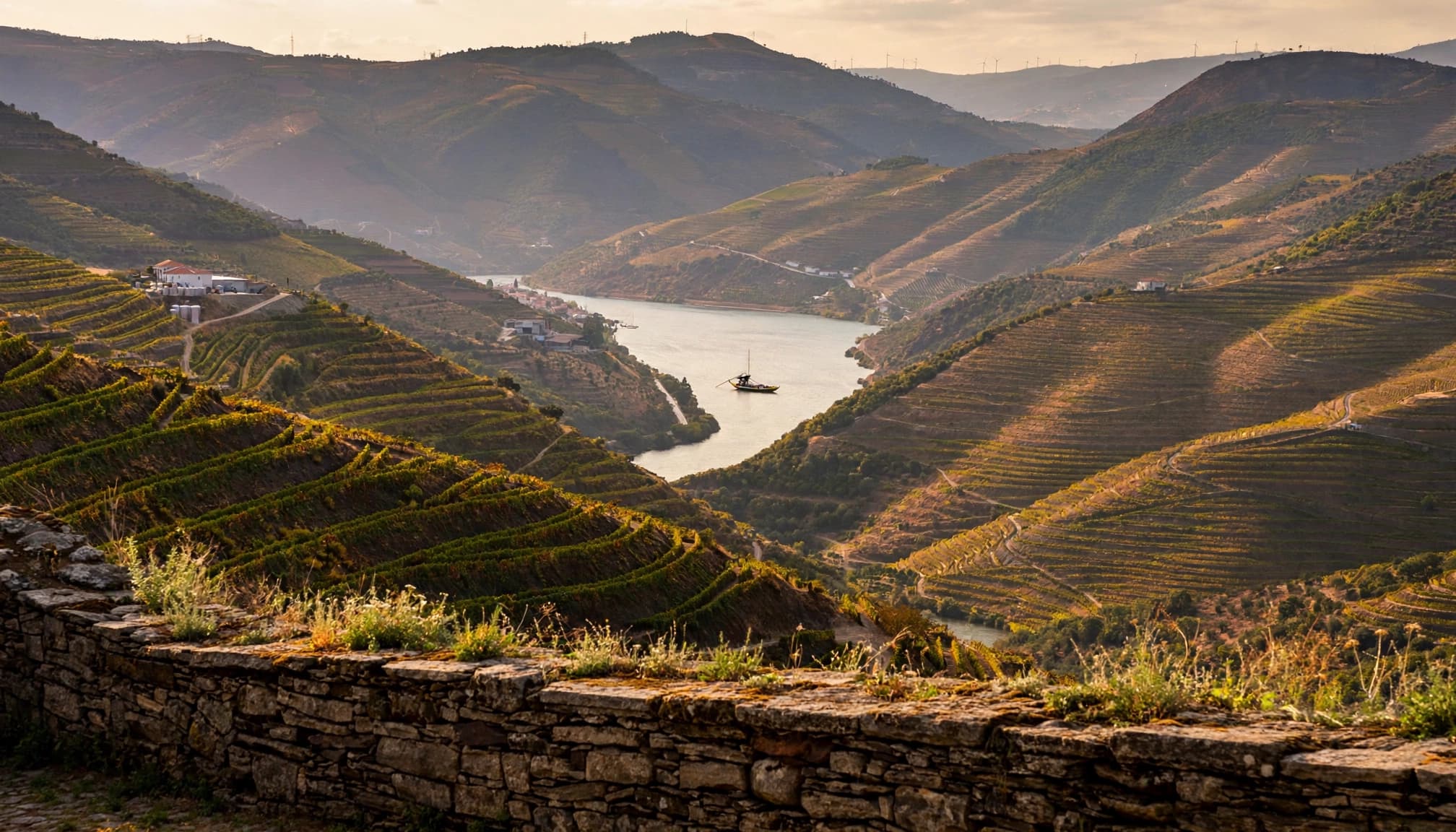
Day 4 gets the signature experience: one winery visit, lunch, and a private river excursion. Ker & Downey’s published program combines a Quinta Nova visit with a Six Senses Douro Valley stay, illustrating the choice between winery-focused time and resort relaxation.
Days 5 Through 7: Finish in Porto
Allow roughly 90 minutes to two hours between many Douro estates and Porto. Keep day 5’s dinner in the city rather than extending the transfer into another winery circuit.
On day 6, visit Bolsa Palace and reserve one Port-lodge tasting in Gaia. My Porto food-and-wine itinerary gives the evenings more room. Day 7 is departure.
What to Drink and Eat Along the Way
Visit Portugal describes the Douro Valley wine region as the world’s oldest demarcated wine region. Its terraced vineyards deserve more than a drive-through photograph.
Taste dry Douro reds alongside Port wine. The familiar Port origin story credits sailors with adding brandy to help wine survive sea journeys. Modern production is more precise: grape spirit stops fermentation and preserves natural sweetness.
Meanwhile, Vinho Verde comes in white, red, and rosé. It’s commonly enjoyed young and refreshing, which explains the familiar association between “green” and youth, although the name also identifies its wine region. Serve it chilled, rather than automatically ice cold, especially the reds.
At the table, bacalhau means dried, salted cod, a defining national ingredient prepared in many dishes. Caldo verde brings together potato, onion, olive oil, finely cut greens, commonly kale or Portuguese cabbage, and chouriço.
Finish with ginjinha, made with sour ginja cherries, sugar, and alcohol. A small glass is traditional; an edible chocolate cup is the sweeter variation.
What the Price Should Actually Include
Published five-day benchmark: from €5,000 per person, excluding flights, through Travelbyluxe. Its Lisbon-based sample includes Belém and Alfama on day 2, the hill-and-coast excursion on day 3, Évora and Alentejo on day 4, and departure on day 5.
That is a reference price for that operator’s trip, not a quotation for this seven-day estate route. Suite categories, travel dates, and exclusive experiences change the total.
I want a proposal to separate the major components clearly:
- Accommodation should specify the room category, breakfast, taxes, and number of nights.
- Transport should distinguish airport transfers, intercity journeys, daily driver hours, and a licensed guide’s services.
- Experiences should identify admissions, tasting formats, meals, boat exclusivity, and any after-hours access.
A dedicated driver doesn’t automatically make a winery visit exclusive. Unless the tasting itself is exclusive, other guests may join it.
Ker & Downey also describes private access to the Calouste Gulbenkian Foundation, equestrian art at Queluz Palace, and a Fado tour through Alfama. Those are operator-specific arrangements, not standard benefits attached to every premium booking.
For dining context, an ambitious dinner after arrival often runs around €100 to €200 per person before wine. Higher-profile tasting menus can exceed that. Reserve your defining dinner first, then protect the afternoon before it.
Frequently Asked Questions
When Would I Plan This Trip?
May, June, September, and early October offer a strong balance of outdoor dining and countryside time. However, harvest isn’t one fixed date across both regions.
For September estate stays, I’d start planning about six months ahead. That is a planning recommendation, not a universal booking deadline.
Is the Train Better for the Douro?
Porto to Régua takes roughly two hours by train; Pinhão usually takes longer. The riverside journey is scenic, but stations don’t solve transfers between scattered estates.
For this Portugal luxury itinerary, I’d use a private driver for estate days. A train journey works best as a deliberately chosen experience, with onward transport already arranged.
Build the Trip Around Time Worth Protecting
The strongest estate-led route gives both Alentejo and Douro two nights, then finishes in Porto. Five days works well for a Lisbon-based introduction, but it delivers a different experience.
My custom luxury travel planning starts with the experiences you care about, then puts the logistics around them. Protect the unhurried hours, especially when the lunch, the wine, or the music deserves them.