
Rio doesn’t reward a hotel choice made with the map zoomed out. The city is too big, too hilly, and too full of nights that can either come together beautifully or unravel in a long ride home.
If you’ve typed “where to stay Rio de Janeiro” into a search bar, you’re probably looking for more than a safe bed and a beach view. You want dinner worth dressing up for, a great bar nearby, live music when the mood is right, and a neighborhood that still feels good as the night winds down.
For a food-first trip, your hotel should protect your evenings, not add more logistics.
Key Takeaways
- Ipanema is the strongest all-around base for beach access, restaurants, bars, and a social evening that is easy to walk home from.
- Choose Leblon for polished hotels, serious dining, and quieter late-night returns; choose Copacabana for the widest range of hotels, flexible transport, and classic Rio energy.
- Botafogo offers local bars, creative restaurants, Sugarloaf views, and better value, while Santa Teresa suits travelers who prioritize boutique character and atmosphere.
- Stay in Lapa only if samba, live music, and late nights are the main reason for the trip; otherwise, book nearby and use a direct ride home after shows.
- Check recent reviews for noise, air conditioning, elevators, and street position, and avoid choosing Barra da Tijuca for a short food-and-nightlife-focused stay unless you are happy relying on cars.
Where to Stay Rio de Janeiro: Let Your Evenings Decide
Choosing among neighborhoods in Rio means choosing a mood. Copacabana has big-hotel energy and constant movement, while Ipanema feels social, stylish, and beach-driven. Leblon is quieter and refined; Santa Teresa has old Rio character, and Lapa suits samba, live sets, and proper late nights.
For most first-time visitors, Zona Sul Rio, the South Zone Rio de Janeiro area, is the strongest base. It keeps you near the beach and many of the city’s best restaurants, with the tourist attractions Rio is known for and music venues within a reasonable ride.
| Neighborhood | Best For | Night Feel | Main Trade-Off |
|---|---|---|---|
| Ipanema | Beach, restaurants, social energy | Stylish and active | Premium prices |
| Leblon | Serious dining and polished hotels | Relaxed, grown-up, refined | Less spontaneous nightlife |
| Copacabana | Hotel choice and value | Busy, classic, tourist-heavy | More crowded and uneven |
| Botafogo | Bars, views, and better value | Local and creative | No beach outside your door |
| Santa Teresa | Boutique stays and atmosphere | Romantic, bohemian, intimate | Hills and late-night rides |
| Lapa | Samba and live music | Loud, energetic, unpredictable | Not ideal for quiet sleep |
The best answer for where to stay in Rio depends on what you want your last stop to feel like. A spontaneous caipirinha after dinner? Ipanema or Botafogo. A late samba set? Lapa, or a nearby hotel with a ride already planned. A long dinner followed by one excellent cocktail? Leblon.
In Rio, a hotel 10 minutes from dinner on foot can beat a better room 30 minutes away by car.
A broader neighborhood and hotel comparison can help when you are weighing locations, but your exact street matters more than the neighborhood label.
Ipanema for Beach Days That Turn Into Good Nights
Ipanema is the cleanest pick if you want your trip to move naturally from Ipanema beach to lunch, dinner, and drinks. Start with coffee near Nossa Senhora da Paz, spend the afternoon near Posto 9 or Arpoador, then ease into the evening without changing neighborhoods.
The food scene has range. There are polished seafood rooms, Brazilian comfort food, casual botecos, excellent bakeries, and places built for a long lunch that rolls into sunset. Satyricon remains a strong seafood call, while Zaza Bistro Tropical works for a more playful, tropical dinner setting. Belmonte is an easy move for casual plates, cold beer, and a lively table.
Travelers comparing Rio de Janeiro luxury hotels may consider Hotel Fasano, which puts you close to Baretto-Londra. The streets inland from the beach offer a more casual bar rhythm. Ipanema isn’t Lapa. You won’t find the city’s wildest nights here. What you get is better pacing, better food, and the ability to walk back without making the final hour of the night feel like work.

Stay near Nossa Senhora da Paz if restaurant access and Metro Line 4 matter most. Choose Arpoador if sunrise, sunset, and the connection between Ipanema and Copacabana are part of the plan. Hotel Arpoador, Arena Ipanema Hotel, Sol Ipanema Hotel, and Fasano cover very different price points and hotel styles.
A beach-facing room can be beautiful, but it can also come with traffic and late street noise. Ask for a high floor, check recent guest comments, and don’t assume a balcony is automatically the better room. A useful Rio hotel guide by budget can narrow the property list, then let recent reviews make the final call.
Leblon for Long Dinners and a More Refined Finish
The Leblon neighborhood is Ipanema’s more composed neighbor. The beach is still close, but the streets feel residential, affluent, and less interested in performing for visitors. This is where I’d stay for a couples trip, a premium group trip, or an itinerary built around restaurants rather than all-night bar hopping.
The neighborhood has real food depth. Sushi Leblon is a longtime favorite for a reason. CT Boucherie works for a lively, meat-focused dinner. Jobi is an institution for late-night beer, sandwiches, and the kind of unplanned extra round that makes a good night better.
Janeiro Hotel is the design-forward choice if you want the room to feel like part of the trip. Promenade Palladium Leblon offers a more practical base in the middle of the neighborhood. Both keep you close to Rua Dias Ferreira, one of the area’s strongest restaurant stretches.

Leblon is not the move if your main goal is a different music venue every night. It is the move when you want a great table, a serious bottle of wine, one final drink, and a quieter return home. That trade is worth making for plenty of travelers.
Copacabana for Classic Rio and Flexible Hotel Options
Copacabana remains one of the best neighborhoods to stay in Rio for choice, with Copacabana beach on the doorstep. There are landmark hotels, reliable mid-range properties, apartment rentals, and more inventory than almost anywhere else in the city.
Among Rio de Janeiro luxury hotels, the classic splurge is Copacabana Palace. The hotel has history, a serious address, and the kind of poolside setting that works when the stay itself is an occasion. Emiliano Rio is a more contemporary luxury option, while Miramar by Windsor, Hilton Copacabana Rio de Janeiro, and PortoBay Rio de Janeiro offer different takes on beachfront comfort.

Photo by Cristiano Junior
Copacabana’s food scene takes more editing than Ipanema’s or Leblon’s. There are plenty of forgettable places built around convenience. Look for specific destinations rather than walking into the first beachfront dining room with a large picture menu. Cervantes is a classic late-night stop for its generous sandwiches, especially after a show or a long bar night.
The neighborhood makes sense for travelers who want the beach and the hotel to carry the trip. It also works well for shorter stays, families, and anyone who wants a staffed front desk with easy transport access. Leme, at Copacabana’s quieter northern edge, is often a better call if you want the same beach access with less constant movement.
Copacabana is busy. That is the appeal for some people and the downside for others. Stay here for convenience and options, not because you expect every block to feel intimate.
Botafogo, Santa Teresa, and Lapa for a Different Rio
Botafogo for Bars, Views, and Better Value
Botafogo Rio de Janeiro offers more local energy than Copacabana and usually gives you more hotel for your money than Ipanema or Leblon. The neighborhood sits beneath Sugarloaf Mountain, close to the Metro, and within easy reach of Humaita, the Flamengo Rio de Janeiro waterfront, and the South Zone beaches.
This is a good base for travelers who like wine bars, small restaurants, casual late dinners, and a night that doesn’t need a strict schedule. The food is less beach-centric and more neighborhood-driven. You will find newer restaurants, relaxed botecos, breweries, and good places to start without feeling trapped in a tourist corridor.
Yoo2 Rio de Janeiro has a strong view and puts you near the water, though the immediate area is quieter at night than central Botafogo. A hotel near the Botafogo Metro station gives you a more useful base for dinner plans and quick rides to Ipanema, Santa Teresa, or Lapa.
Santa Teresa for Boutique Stays and Bohemian Character
For travelers comparing Santa Teresa Rio de Janeiro stays, atmosphere is the point. The neighborhood sits in the hills above central Rio, with old villas, cobbled streets, artist studios, garden restaurants, and some of the city’s most memorable boutique hotels.
Santa Teresa Hotel RJ MGallery is the polished splurge. Vila Santa Teresa is more intimate and residential. Both work when you want the hotel to feel removed from the beach crowds without losing access to great food and city views.
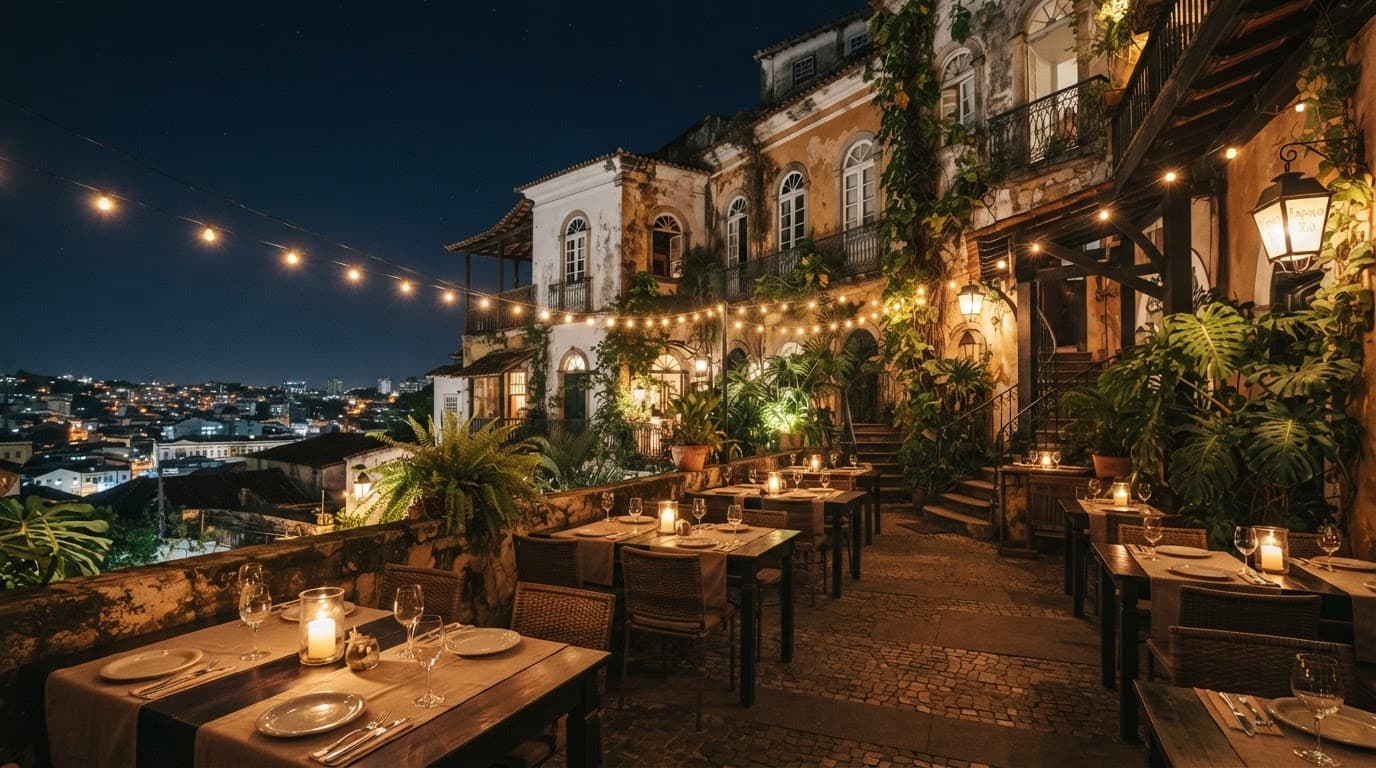
Bar do Mineiro is a classic stop for Brazilian food and caipirinhas. Aprazivel is the longer, more scenic dinner play, especially when the trip calls for a table with views and time to spare. This Rio boutique hotel shortlist covers boutique hotels Rio travelers can consider.
The trade-off is simple. Santa Teresa is not a beach neighborhood, and the hills change the logistics. Plan on ride-hailing after dark. Don’t rely on a steep walk home after drinks, even if the route looks short on a map.
Lapa Rio de Janeiro: Samba, Shows, and Late Nights
Lapa is where Rio de Janeiro nightlife gets louder. The neighborhood is built around historic arches, samba clubs, live music venues, bars, and packed sidewalks on busy nights. If live music is the reason for the trip, check the schedules at Circo Voador, Fundicao Progresso, Rio Scenarium, and Carioca da Gema before you lock in dinner.
For a music-first itinerary, I plan the venue first, especially when it’s in Centro Rio de Janeiro. Then I book dinner nearby and leave room for service to run long. A concert night shouldn’t involve a cross-city reservation followed by a rushed car ride through traffic.
Sleeping directly in Lapa makes sense if you want maximum energy and don’t care much about quiet. For most travelers, I prefer staying in Santa Teresa, Botafogo, Ipanema, or Copacabana and taking a direct ride to and from the venue. You get the night without turning every night into the same night.
What Rio Hotels Cost and What to Check Before Booking
Prices for Rio de Janeiro hotels change fast around Carnival, New Year’s Eve, school holidays, major concerts, and long weekends. In regular travel periods, rates at budget hotels Rio de Janeiro travelers can book may begin around US$60 to US$120 per night. Current South Zone listings often start closer to US$83. Many standard hotel rates fall between roughly US$106 and US$165 before premium properties enter the picture.
For a comfortable, well-located hotel in Ipanema, Copacabana, Leblon, or Botafogo, plan on around US$120 to US$250 most nights. Boutique hotels, beach-facing rooms, and stronger design properties often sit in the US$250 to US$500 range. At the upper end, Rio de Janeiro luxury hotels such as Fasano, Copacabana Palace, Janeiro Hotel, and Santa Teresa Hotel can move well past US$500, especially during peak dates.
For accommodation in Rio, an Airbnb Rio de Janeiro rental can make sense for a group, a longer stay, or travelers who want a kitchen and more space. The address has to work. A cheaper apartment far from your dinner plans stops being cheap after late rides and tired walks start adding up.
Before you confirm where to stay in Rio, check the practical details that can change the whole stay:
- Read recent reviews for street noise, weak air conditioning, poor soundproofing, and lift access.
- Ask whether the room faces the beach avenue, a bar-lined street, an interior courtyard, or a quiet side street.
- Confirm late check-in procedures, especially if your flight reaches Rio after dinner hours.
- Keep your first dinner within walking distance of the hotel, so arrival night starts easy.
A historic building with no elevator is manageable until you are carrying bags after a long flight. A beautiful balcony becomes less charming when scooters, buses, and beach traffic start before breakfast. The small details are the difference between a room that photographs well and one that works.
Safety, Late-Night Transport, and Why Barra Is Usually the Wrong Base
Safety in Rio de Janeiro starts with awareness. Keep valuables out of sight, use bank ATMs rather than isolated machines, and don’t stand on a quiet corner with your phone out while waiting for a car. These are normal big-city habits, but they matter here.
The beaches in Copacabana and Ipanema are pleasant in daylight and can be active near the promenade at night. Still, don’t treat the beach or boardwalk as a carefree late-night shortcut. Stay on well-lit, populated streets, skip isolated stretches, and use a ride if you are returning late or don’t feel good about the route.
These choices matter especially for every solo female traveler Rio welcomes. I would put a premium on Ipanema or Leblon, a hotel with a staffed reception, and a well-reviewed entrance. Arrange a direct ride home after late nights. Confidence changes the trip. You should be thinking about the next song, not the route back.
Metrorio is useful for daytime and early-evening jumps. Metro Line 4 connects Ipanema and Leblon with Barra da Tijuca, while Lines 1 and 2 help with Copacabana, Botafogo, Flamengo, and central areas. Use the Metro when it cleanly connects your day. Use Uber, taxi, or a hotel-arranged car late at night.
Barra da Tijuca has wide beaches, large hotels, and a more suburban feel. It can be right for a resort stay, a conference, or travelers who want space and don’t mind relying on cars. It is rarely the right answer for a short, food-and-nightlife-focused Rio trip. The distance from Ipanema, Leblon, Santa Teresa, Lapa, and the historic center can turn a great dinner into a logistical project.
When deciding where to stay Rio de Janeiro, don’t let a lower nightly rate pull you too far from the version of the city you came to experience.
Frequently Asked Questions
What is the best area to stay in Rio de Janeiro for food and nightlife?
Ipanema is the best all-around choice for most first-time visitors. It keeps you close to the beach, strong restaurants, casual bars, and an easy walk or short ride home.
Is Leblon worth the higher hotel prices?
Leblon is worth considering if your trip centers on long dinners, good wine, and a more refined atmosphere. It has less spontaneous nightlife than Ipanema, but the quieter finish can be a real advantage.
Should I stay in Lapa for Rio nightlife?
Stay in Lapa if live music, samba, and late nights are the main purpose of the trip and you do not mind street noise. For most travelers, staying in Ipanema, Botafogo, Copacabana, or Santa Teresa and taking a direct ride to Lapa offers a better balance.
Is Copacabana or Ipanema better for a first visit?
Ipanema usually offers a more polished food and nightlife experience, while Copacabana has more hotel choice, classic beachfront energy, and convenient transport. Choose Copacabana for flexibility and value; choose Ipanema for walkable evenings and a stronger overall rhythm.
How can I get around Rio safely at night?
Use well-lit, populated streets and avoid isolated beach or boardwalk stretches late at night. The Metro is useful during the day and early evening, while Uber, taxis, or hotel-arranged cars are usually the better choice after late dinners, shows, or drinks.
Pick the Base That Keeps the Night Intact
The best answer to where to stay in Rio is the base that gives the day shape and the night room to breathe. Ipanema is the strongest all-around call for beach, food, and social energy. Leblon is the polished choice for serious dinners and quieter returns. Copacabana wins on hotel variety, while Santa Teresa and Lapa are worth choosing when character or music is the real priority.
The right hotel isn’t always the most expensive room or the most famous address. It is the one that leaves you close to the dinner, the bar, the song, and the version of Rio you will remember.