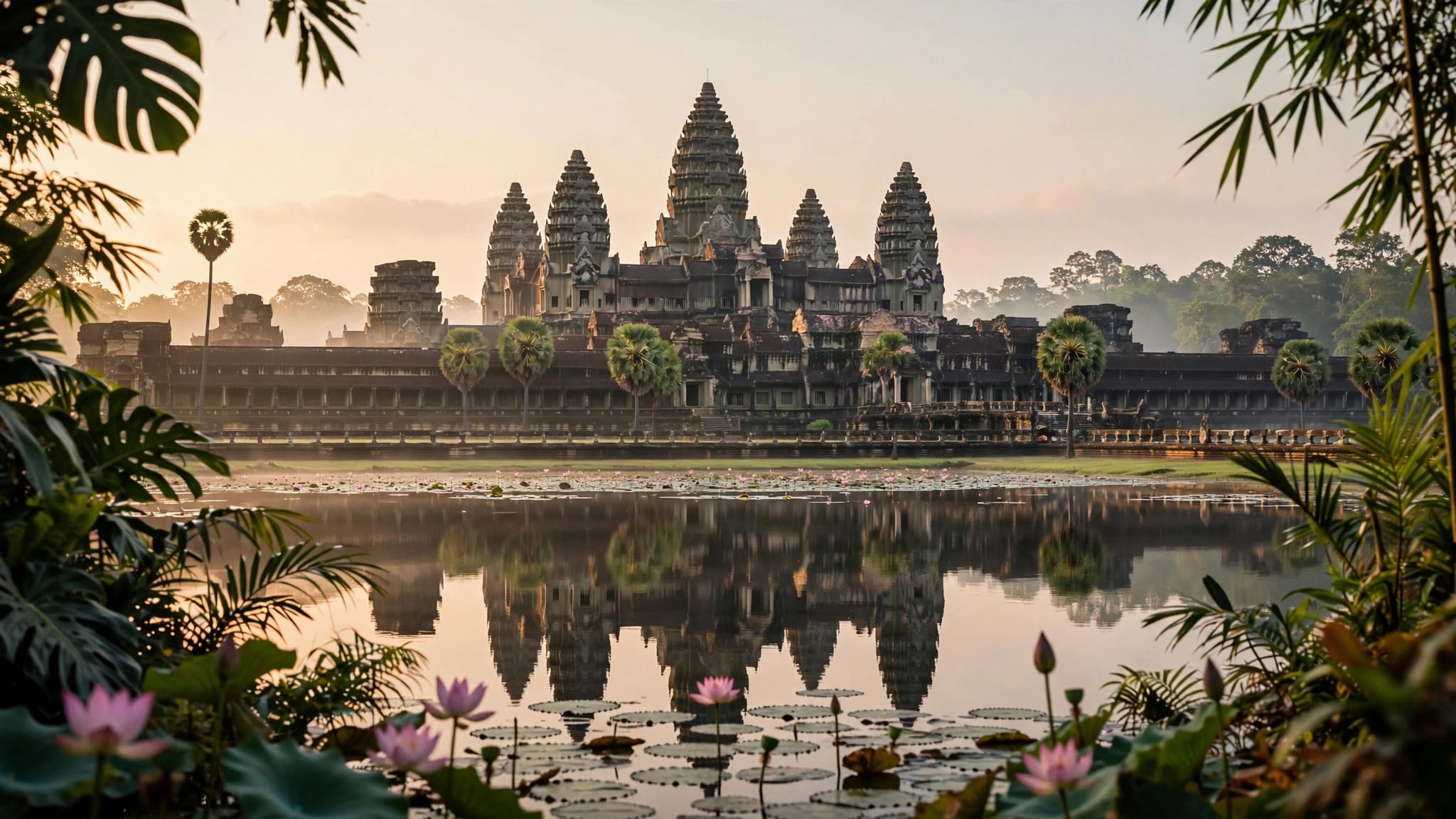
For travelers considering luxury Cambodia tours, allow ten days for Angkor Wat, the capital, a lake excursion, and a private-island finish. I’d give Siem Reap three nights, the capital two, and Song Saa three, followed by a final Phnom Penh overnight before departure.
The difference comes down to time well protected: a guide who reads temple crowds, dinners worth reserving, and transfers that leave room to enjoy your hotels. Start with the route, then choose the experiences that make it yours.
Key Takeaways
- Reserve three nights in Siem Reap for Angkor, Khmer dining, and a private lake excursion.
- Pair two Phnom Penh nights with three at Song Saa, plus a final mainland overnight.
- Book three to twelve months ahead, prioritizing guides, villa categories, and well-timed connections over extra suite space.
How I’d Pace Your Luxury Cambodia Itinerary
This ten-day route uses nine hotel nights and keeps departure day separate from the island crossing.
| Days | Overnight Base | Main Plan |
|---|---|---|
| 1 to 3 | Siem Reap, three nights | Angkor, Banteay Srei, a private lake outing |
| 4 to 5 | Phnom Penh, two nights | Royal heritage, museums, dining |
| 6 to 8 | Song Saa, three nights | Island time and flexible activities |
| 9 | Phnom Penh, one night | Mainland return and relaxed evening |
| 10 | Departure | Private airport transfer |
Shinta Mani Angkor Pool Villas and Rosewood Phnom Penh are strong luxury hotels for the city stays. Room category matters: pool access, connecting configurations, and privacy should match your actual plans.
Days 1 and 2: Settle Into Siem Reap, Then Explore Angkor
Day 1: Keep Arrival Generous
Arrange a private airport pickup, settle into your villa, and leave the afternoon open before your Angkor Wat visit the next morning. An ambitious arrival-day circuit of temples leaves little protection against flight delays or fatigue.
For dinner, I’d reserve Embassy by Chef Kimsan for Cambodian cooking. Place a longer dinner here only when your arrival allows time to recover.
If you’d prefer cocktails afterward, BAR43 in Siem Reap is an option. It’s closed on Tuesdays, so the evening sequence needs to follow your dates.
Day 2: Give Angkor Your Best Hours
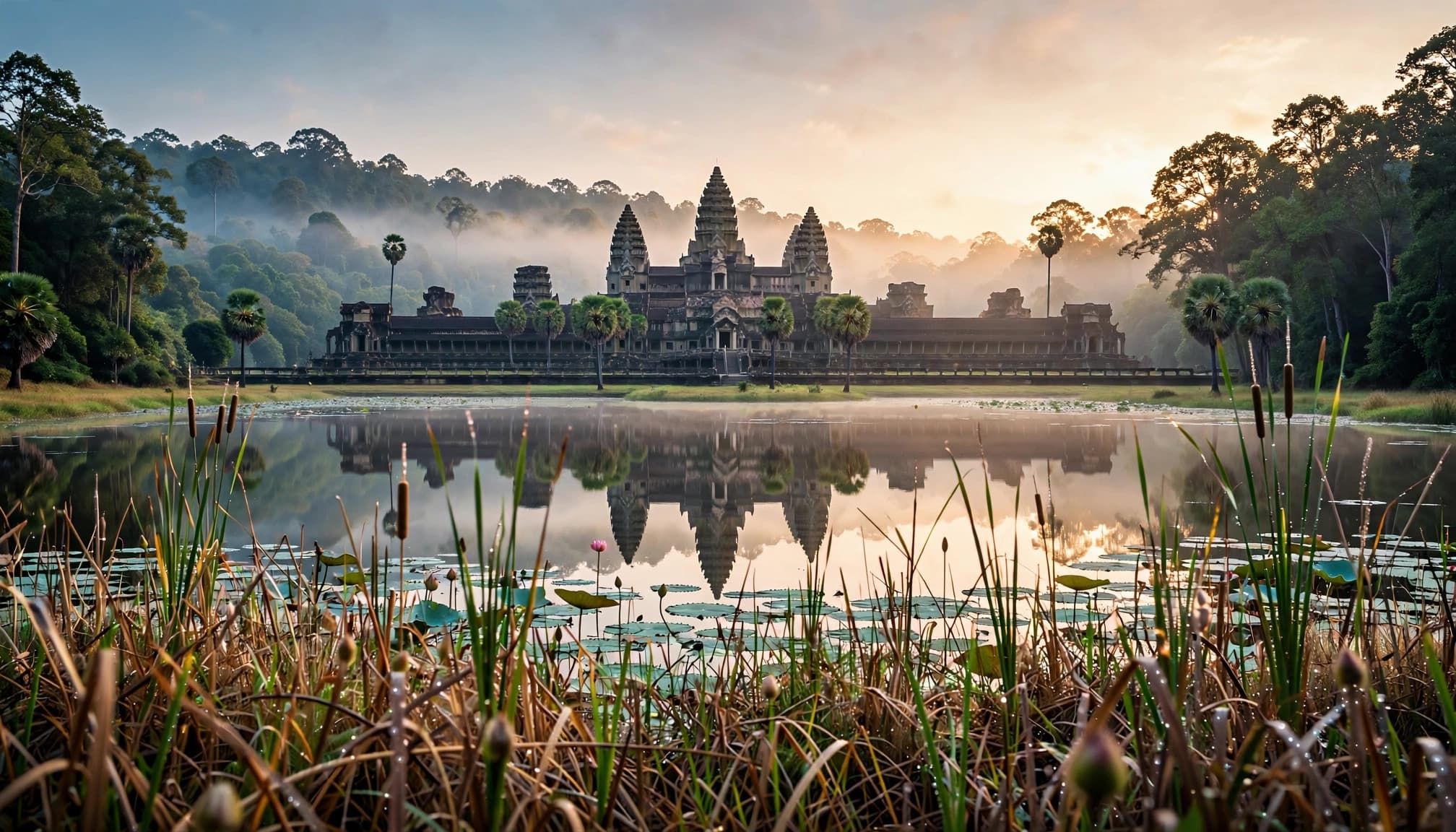
Angkor Wat, the world’s largest religious monument, belongs to the UNESCO World Heritage-listed Angkor temple complex, surrounded by tropical forest. The APSARA National Authority’s Angkor introduction gives useful context for the wider archaeological park.
For a sunrise visit to Angkor Wat, plan a roughly 4:45 a.m. hotel departure, adjusted for the season. Continue through the morning, then return around late morning for lunch and pool time.
Book private tours with expert guides who explain Khmer cosmology through Mount Meru symbolism and carved religious narratives. They should adjust the route around crowds at Bayon and Ta Prohm. Private guiding doesn’t mean exclusive temple access; thoughtful sequencing earns its premium.
Day 3: Banteay Srei and Sunset on Tonle Sap
Start With Red Sandstone, or Choose a Slower Morning
Banteay Srei deserves an early visit for its exquisitely carved red sandstone. Keep the morning focused, then return for lunch and a rest before the lake excursion.
Phnom Kulen is another worthwhile Siem Reap add-on, especially for travelers interested in sacred sites and waterfalls. However, I’d give it a separate day rather than combine it with Banteay Srei and Tonle Sap. Otherwise, driving consumes too much of the experience.
Food-focused travelers could replace the extra temple with a private Khmer cooking class, leaving the afternoon unchanged.
Take a Private Boat Into the Late Afternoon
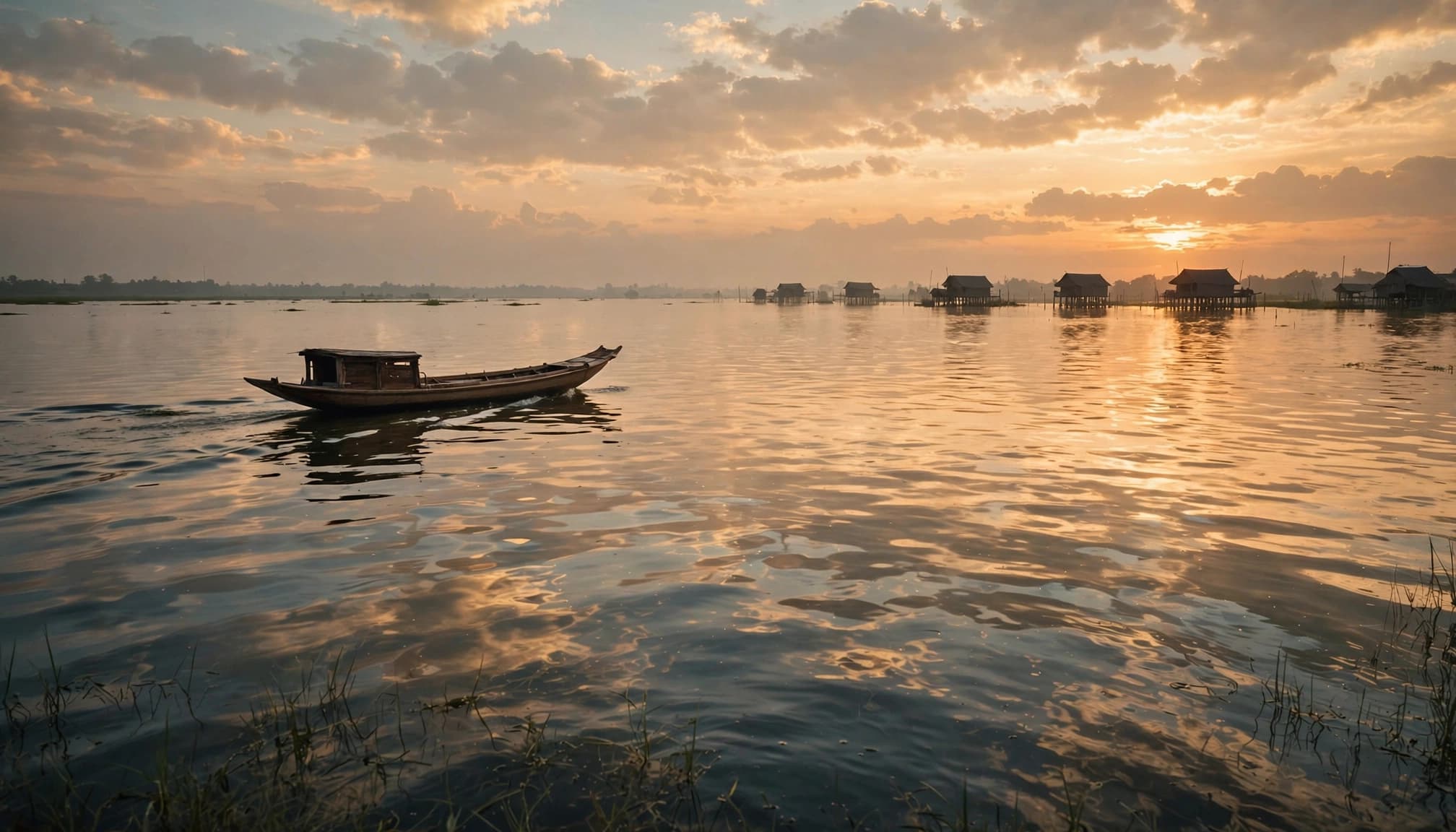
The UNESCO reserve overview describes Southeast Asia’s largest freshwater lake, its surrounding floodplains, and its significance.
I’d arrange a private sunset cruise with shade, drinking water, and a guide who explains the lake’s seasonal changes and fishing communities. The departure point should follow water levels, because access changes throughout the year.
Treat villages as communities, not attractions staged for visitors. Avoid school visits, unsolicited donations, and intrusive photography. Return for a relaxed dinner rather than another timed commitment.
Days 4 and 5: Give Phnom Penh Context
Day 4: Fly In, Then Explore Royal Cambodia
Use a domestic flight between Siem Reap and Phnom Penh, with private transfers at both ends. Keep the afternoon program dependent on arrival time.
The Royal Palace complex includes the Throne Hall and Silver Pagoda. Nearby, the National Museum adds depth to the sculpture and religious imagery encountered at Angkor. Choose one substantial visit after the flight rather than rushing through both.
The capital earned the nickname “Pearl of Asia” in the 1920s. Its surviving French colonial architecture provides another layer, best appreciated without turning the afternoon into a checklist.
Day 5: Leave Space Around Difficult History
Visit the Choeung Ek Killing Fields with a knowledgeable private guide. Tuol Sleng can deepen that historical understanding, but doing both requires emotional space as well as time.
I’d leave the afternoon unstructured afterward. Lunch and time at the hotel are entirely appropriate.
For dinner and skyline drinks, Above Eleven Phnom Penh offers a change of pace with Peruvian dining. For a music-focused evening, consider CanCan’s live-music and DJ programming instead. Choose the evening around your taste and energy, rather than stacking every option.
Days 6 to 10: Song Saa, Then a Protected Departure
Day 6: Coordinate the Entire Island Transfer
The resort lies in the Koh Rong archipelago, reached by a 45-minute speedboat ride from Sihanoukville Port. That crossing is only one part of the journey.
For this sequence, I’d arrange a private road transfer from Phnom Penh to the port, timed around the boat departure. Flights aren’t required for every city-to-coast combination.
If you reorder the trip to travel directly between Siem Reap and the islands, a flight to Sihanoukville is the practical option. It still requires a ground transfer and the boat crossing. Avoid attaching a major excursion to either transfer day.
Days 7 to 10: Let the Island Stay Feel Different
Keep days seven and eight largely open. Schedule a boat outing or spa treatment around conditions and personal preferences, rather than committing every morning.
On day nine, return to Phnom Penh for the final overnight. Then day ten becomes a straightforward private airport transfer.
Six Senses Krabey Island is another high-end coastal option. Meanwhile, travelers who prefer rainforest to beaches could extend the trip for Shinta Mani Wild in the Cardamom Mountains. Its signature arrival is a 400-meter zipline above rainforest and river scenery near waterfalls. I’d add nights for that experience, not squeeze another hotel into this route.
When to Travel and How Far Ahead to Book
For the best time to visit Cambodia, I’d start with November through February for more comfortable temple touring and a strong fit with an island stay. Cambodia’s dry season runs roughly November through April, sometimes extending into May.
March and April become substantially hotter. June through October brings the wet season, often with afternoon rain. Greener scenery and fewer visitors can appeal, but boats and outdoor plans need flexibility. The Cambodia seasonal travel guide outlines those trade-offs.
Begin planning three to twelve months ahead. Use the longer lead time for festive dates, particular pool villas, or several families traveling together.
I’d reserve the defining hotel stays and guide first. Then I’d connect flights, transfers, and important dinners around them.
What a Luxury Cambodia Trip Costs
Use Published Prices as Benchmarks
Scott Dunn’s nine-night private Ultimate Cambodia itinerary starts at US$5,000 per person, based on double occupancy and excluding international flights. That starting rate applies to May through September 2027; its November 2026 through March 2027 guide is US$6,600 per person.
Shinta Mani’s twelve-night Ultimate Luxury Tour of Cambodia starts at US$13,650 for two guests, before applicable service charges, government taxes, and administration fees. Flights are excluded.
Shinta Mani’s published tour article lists travel validity through October 31, 2027, while its offer page lists December 20, 2027. Those are distinct published terms, not one uniform deadline.
Neither benchmark is a quote for the ten-day route above.
Compare the Complete Experience
For a fully arranged journey, a Cambodia tour package proposal should itemize private international airport transfers, domestic flights, guiding, admissions, meals, taxes, and boat arrangements. Ask for drinks and other inclusions to be listed too.
International airfare, insurance, gratuities, and optional activities belong in the overall budget. A private villa doesn’t automatically include an exclusive boat, dedicated guide, or restaurant reservations.
My approach to bespoke travel planning starts with those distinctions. I’d prioritize guide quality, comfortable transport, and hotel location before upgrading suite size. Those decisions affect almost every waking hour.
Frequently Asked Questions
Can This Cambodia Itinerary Work in Seven Days?
Yes, if you remove the island stay. Three Siem Reap nights and three Phnom Penh nights create a focused six-night journey with Angkor, the lake, and the capital. I’d shorten the destination list before compressing every day.
Is the Route Suitable for Families?
Yes, with shorter temple sessions, pool breaks, and age-appropriate historical visits. Younger children may find Choeung Ek or Tuol Sleng unsuitable. Boat arrangements need properly sized life jackets, while connecting rooms or villa layouts deserve priority over decorative upgrades.
Which Countries Pair Best With Cambodia?
Vietnam and Cambodia make a natural pairing for a broader food-and-city journey. Thailand adds a coastal chapter, while Laos offers a slower cultural trip. With limited time, choose one neighboring country rather than adding several border crossings.
What Does Integrated Planning Add Beyond Hotels?
It connects the pieces hotels don’t automatically coordinate: guide timing, airport pickups, private boat use, dinner reservations, and recovery time. If a flight changes, those downstream arrangements need attention too.
Build the Journey Around Time You’ll Enjoy
Angkor deserves clear-headed mornings, Tonle Sap an unhurried afternoon, and Song Saa enough nights to settle in. The strongest luxury travel experience comes from how the days fit together.
When you’re ready to plan your Cambodia trip, bring your dates, dining interests, and preferred pace. I’ll shape the route around those priorities, with the connections given as much attention as the destinations.