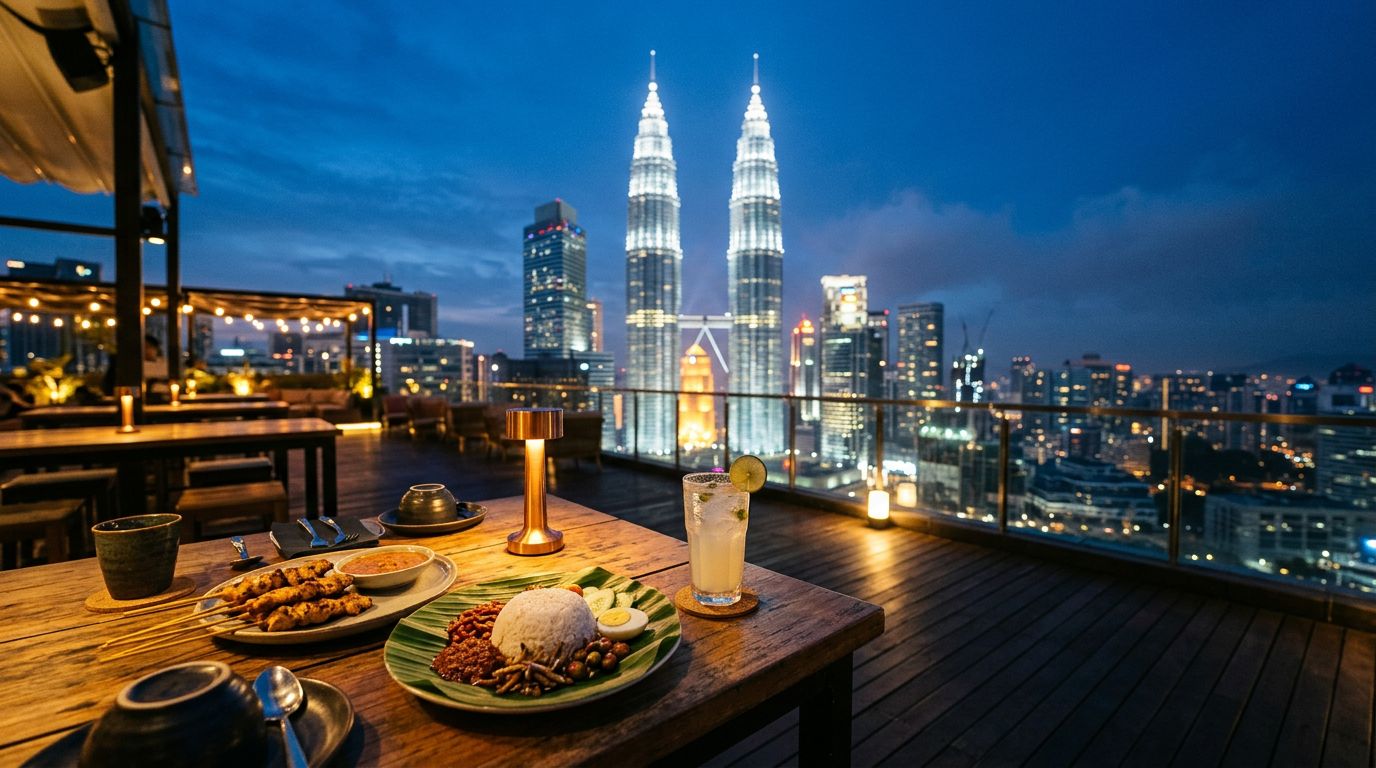
Kuala Lumpur rewards people who plan their nights as carefully as their sightseeing. A great Kuala Lumpur itinerary is not about checking off every tower, temple, and market before sunset. It is about catching the city at the right pace, then having dinner, drinks, and a ride home that all make sense.
This is a city of serious contrasts. You can climb the steps at Thean Hou Temple before breakfast, eat banana leaf rice with your hands at lunch, watch the Petronas Twin Towers light up at sunset, and finish with smoky satay and other street food after midnight.
Give Kuala Lumpur three full days if food and nightlife matter. Keep each day tight, leave room for the weather to change its mind, and let one neighborhood carry the night.
Key Takeaways
- Give Kuala Lumpur three full days and build each one around a single daytime anchor, a nearby neighborhood, and an evening plan.
- Stay near the nights you want: Bukit Bintang suits late food and nightlife, KLCC offers polished rooftop views, and Chinatown brings more character.
- Plan Batu Caves and historic walks for early mornings, then leave room for heat, rain, hotel breaks, and changing traffic.
- Eat in stages rather than treating hawker food like a checklist. Try Nasi Lemak, roti canai, satay, char kway teow, banana leaf rice, and cendol across Jalan Alor, Chinatown, Kampung Baru, and Brickfields.
- Book rooftop drinks around sunset, keep dinner nearby, and use rail for direct routes and Grab when rain, luggage, or late-night travel makes it easier.
Build Your Kuala Lumpur Itinerary Around the Night
Kuala Lumpur looks compact until traffic, heat, and sudden downpours start stealing time. I wouldn’t treat the city like a race. Pick one daytime anchor, one nearby neighborhood, and one dinner worth showing up for.
| Day | Daytime Anchor | Evening Plan |
|---|---|---|
| 1 | KLCC, Petronas Twin Towers, and KLCC Park | Rooftop drinks and Bukit Bintang food |
| 2 | Historic center and Central Market | Petaling Street and a slower night |
| 3 | Batu Caves and Brickfields | Malay food, cocktails, or live music |
The order can shift with weather and reservations. The logic should not. You don’t want to spend a beautiful dinner reservation watching your driver circle three blocks in gridlock.
Stay Where Your Evenings Will Happen
Bukit Bintang is the easiest base for first-time visitors who want energy outside the hotel door. You’re close to Jalan Alor, rooftops, malls, late-night food, and the monorail system. It’s busy and can be noisy, but that convenience matters when dinner runs late.
KLCC feels more polished and is usually calmer after dark. It works well for couples, business travelers, and anyone who wants tower views. Chinatown suits heritage stays and a more character-filled opening or closing night, though some lanes feel livelier than others.
A cheaper hotel far from your dinners usually stops feeling cheap after a few late rides. Trailfinders’ guide to staying in Kuala Lumpur offers useful hotel recommendations and explains the trade-offs between central neighborhoods.
Day One: KLCC, Rooftop Views, and Your First Hawker Night
Start with the part of Kuala Lumpur that feels almost unreal at first glance. The Petronas Twin Towers earn their place, but don’t let them take over the day.
See the Towers Without Overworking the Morning
Book the Petronas Twin Towers early if you want the Skybridge or observation deck. If you are not attached to going up, see them from KLCC Park instead. The towers land better when you have room to look at them.
Walk the park, grab a proper lunch nearby, then head back to the hotel before the afternoon humidity wins. One skyline viewpoint is plenty. Don’t stack the towers, KL Tower, and another deck into the same afternoon.
A first-time Kuala Lumpur guide can help if you want a wider list of central sights, but keep this first day edited.
Take the Rooftop Before Dinner
Aim to arrive 45 minutes before sunset. You get daylight, the city’s golden hour, and the moment when the skyline begins to glow.
Vertigo at Banyan Tree Kuala Lumpur is a strong polished choice. It sits on Level 59 and pairs cocktails with Southeast Asian-inspired tapas. Check the current Vertigo menu and details before booking, especially if rain is in the forecast.
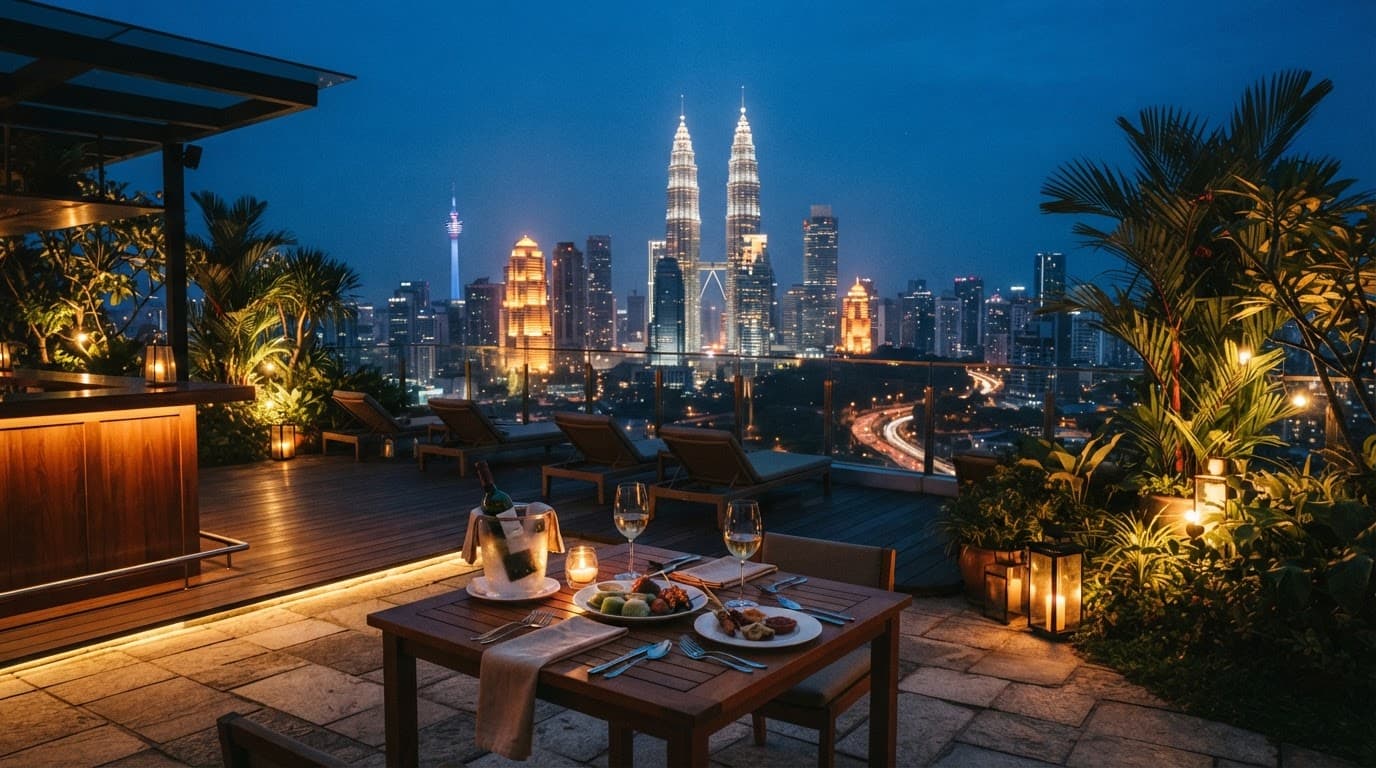
SkyBar at Traders Hotel is another smart move when you want a clear skyline view. It is more about the city than a hidden-bar feeling. That is not a bad thing. Some nights deserve the obvious view.
A rooftop works best as the opening note, not the whole evening. Leave hungry enough for the city below.
Let Jalan Alor Handle the First Food Crawl
Jalan Alor is loud, convenient, and full of visitors. It is not a secret. Still, it is an easy first-night street food stop when you want grilled seafood, satay, noodles, fruit, and cold drinks without another long ride.
Don’t pick the stall with the biggest photo menu. Watch for turnover. Look for smoking woks, busy tables, and locals ordering more than beer. Start small, walk a little, then order again somewhere else.
Day Two: Historic Kuala Lumpur and Chinatown After Dark
Day two has more old Kuala Lumpur in it. The rhythm is slower, the streets are more layered, and the night can stay low-key if Day One ran late.
Give the Historic District a Real Morning
Start around Merdeka Square before the heat gets heavy. The Sultan Abdul Samad Building, with its copper dome and clock tower, gives the district its visual punch. Nearby, the former Royal Selangor Club and historic civic buildings show a different side of the city.
Walk toward Masjid Jamek, then choose one indoor or cultural stop. Central Market works for a quick browse and air conditioning. The Islamic Arts Museum Malaysia is the better call for a thoughtful rainy-day visit, while the National Mosque offers a civic alternative.
One major museum or cultural space is enough. Add three and the afternoon starts feeling like admin.
Eat and Wander Around Petaling Street
Chinatown is more than Petaling Street’s covered market lane. Start at Kwai Chai Hong, where restored shophouse alleys give you a more polished look at the neighborhood. Take a brief detour to Sri Maha Mariamman Temple, then keep walking toward the older streets.
Petaling Street itself blends street food stalls, souvenirs, fruit, casual restaurants, and constant movement. This Petaling Street market guide gives a useful sense of the mix, but the best move is simple: wander before you commit to dinner.

Photo by G N
Look for claypot rice, roast meats, dumplings, noodles, and small dessert stops. The neighborhood works better when you let the meal unfold in stages.
Keep a Rain Plan That Isn’t Another Mall
August is one of the drier periods for Kuala Lumpur’s west coast, but warm rain is still part of the deal. Build a flexible afternoon, not a rigid outdoor march.
If the weather turns, linger over lunch nearby. Use Central Market as a quick rain backup, or choose the Islamic Arts Museum for a longer indoor stop. Save KL Forest Eco Park for a clear morning instead of gambling on a wet canopy walk.
The rain often passes. A soaked shoe lasts longer.
Day Three: Batu Caves, Brickfields, and a Final Big Night
Batu Caves is worth seeing, but it needs an early start and realistic expectations. It is an active Hindu temple complex, not a content set. Travelers who prefer a city-based final day can choose Thean Hou Temple instead.
Go Early and Dress for the Temple
Take the KTM Komuter from KL Sentral to Batu Caves. The ride usually takes 30 to 40 minutes. Leave early enough to climb before the heat builds and tour groups arrive.
The 272 colorful steps are the main event, along with the huge golden statue at the base. Bring water, watch your belongings around the macaques, and don’t carry food in your hands. They know what a plastic bag means.
Cover your shoulders and knees for Temple Cave and shrine areas. A light scarf or wrap solves most dress-code issues. Sarongs may be available, but I wouldn’t make that your plan.
Come Back Through Brickfields
Brickfields, Kuala Lumpur’s Little India, is the right follow-up. It has more energy at street level than a rushed hotel lunch. Go for banana leaf rice, thali, dosa, or a strong glass of teh tarik.
After lunch, take a hotel break. You’ve earned it. Then choose your final night based on the mood you want.
Go back to Chinatown for a bar with character. Return to Bukit Bintang for late food and easy movement. If live music matters, check current listings before locking in dinner. A show should lead the evening plan, not become a late scramble after it.
Hawker Food That Deserves More Than One Stop
Hawker food is street food, not a checklist where you order everything at once. The smarter move is to eat lightly, walk, watch what keeps landing on local tables, then order your next round.
Start With Nasi Lemak at Breakfast
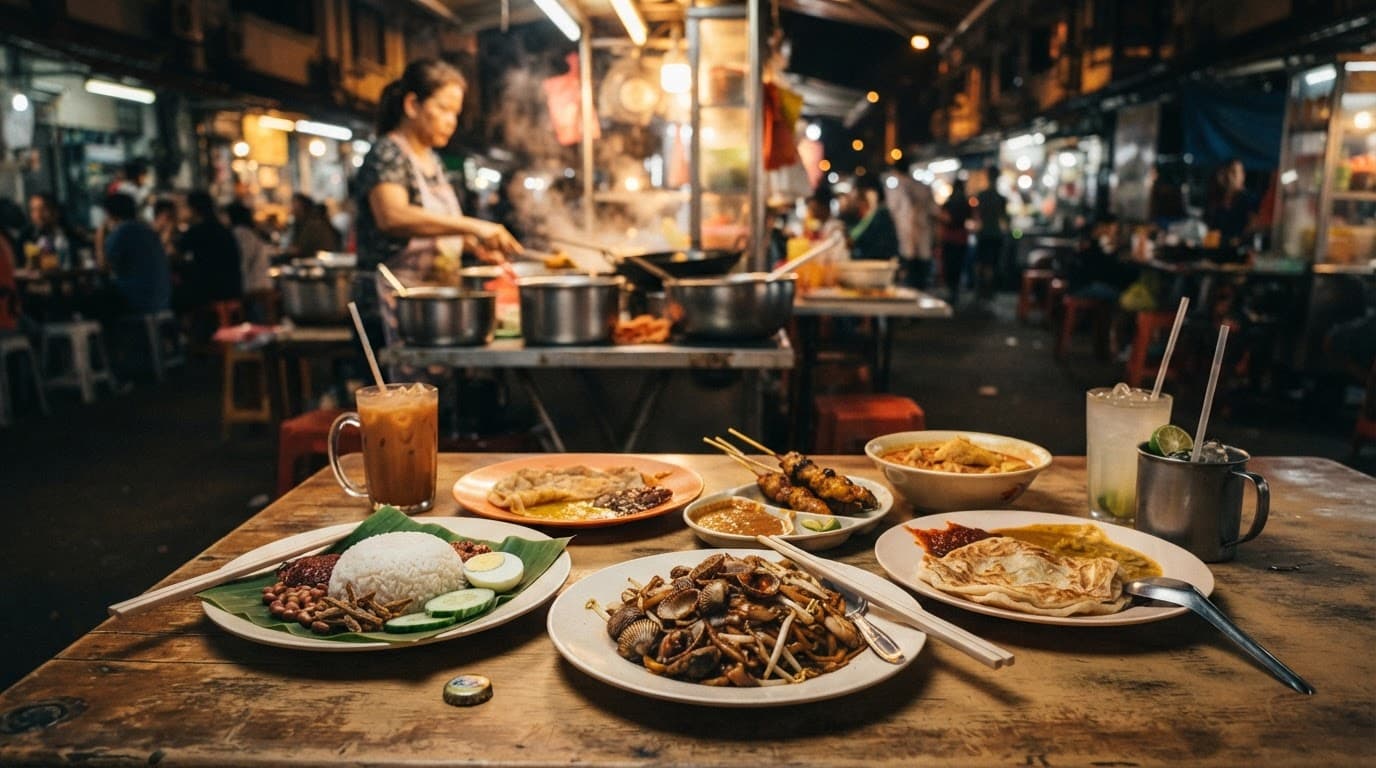
Nasi Lemak is the obvious order because it should be. Coconut rice, sambal, fried anchovies, peanuts, egg, and cucumber create the base. Add fried chicken, rendang, or sambal squid when you want something more substantial.
Roti canai is another morning essential. Tear the flaky flatbread, dip it into dhal or curry, and order teh tarik beside it. It is simple food, but it has its own rhythm.
Order Differently at Night
Dinner brings more smoke, heat, and choice. Char kway teow, Hokkien mee, satay, grilled fish, oyster omelets, and cendol all deserve space in the trip.
Kampung Baru is the Malay-food move when you want a less polished, more local-feeling dinner near the KLCC area. The food is the reason to go. Don’t expect a sleek bar district.
Jalan Alor is an easy street food crawl when you want variety and people-watching. Chinatown is better for a wandering dinner, especially around Kwai Chai Hong. Brickfields gives you an Indian-food night that feels completely different.
Let the Stall Tell You What to Eat
A short menu can be a good sign. So can a cook who only makes two things well. Follow the line, but use common sense about cleanliness and turnover.
Carry small cash, though digital payments are increasingly common. Ask before ordering seafood by weight. If you’re unsure about spice, say so early. Malaysian sambal doesn’t need much help.
Rooftops Need the Right Timing
Kuala Lumpur rooftops can feel like a big-ticket attraction or a beautifully timed drink. The difference is usually the reservation, weather, and what you do next.
Pick the View You Actually Want
For a high-end, city-wide view, Vertigo at Banyan Tree is the clean choice. The setting suits a date night, a dressed-up group dinner, or a first evening when you want the towers in the background.
SkyBar works when you want a direct view of the Petronas Twin Towers and a more social poolside setting. It is less intimate, but the view does exactly what you came for.
Helipad-style rooftops can offer a looser, more casual feel, but check current opening rules before you build a night around one. Venue policies, rain closures, and entry timing can change.
Book the Table, Then Build Nearby
Do not book a 7 p.m. rooftop in KLCC and a 7:45 p.m. dinner across town. That is how a good evening turns into map-checking.
Keep dinner within one neighborhood, or leave enough margin for a Grab. If the night goes well, you can add another bar. If it does not, you are already close to your hotel.
A reservation at sunset is worth the planning. A thunderstorm backup is worth even more.
Kuala Lumpur Night Markets Need a Calendar Check
A night market, or pasar malam, is not the same thing as a permanent street food destination. Markets are neighborhood-based, date-specific, and subject to change. That makes them more interesting, but it also means you should check before you ride across town.
Use Jalan Alor for Convenience, Not Discovery
Jalan Alor is open most evenings and easy to pair with Bukit Bintang. Go when you want a low-effort food crawl after shopping, sightseeing, or drinks.
The strongest plates are often one street away from the loudest signage. Stay curious. If the first stop is average, keep moving. Kuala Lumpur rarely makes you walk far for another option.
Save Taman Connaught for the Right Night
Taman Connaught can be a proper market crawl when its schedule matches your visit. It is built for grazing, with snack stalls, desserts, grilled items, and more variety than one dinner can handle.
Exact operating days can shift, so use a current Kuala Lumpur night-market roundup as a starting point, then confirm locally through your hotel or the market’s current channels.
Pace the Market Like a Long Dinner
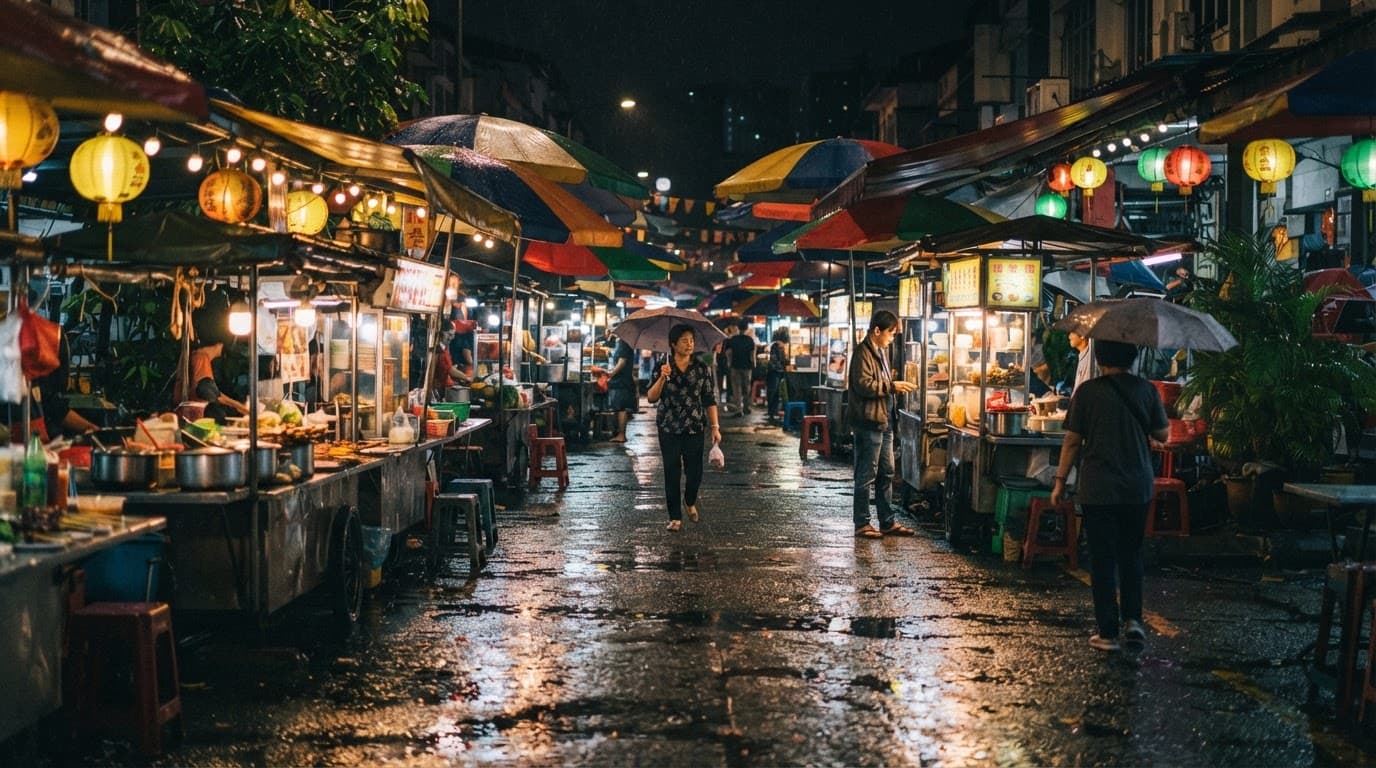
Do not arrive stuffed. Start with one savory snack, walk the full length, then decide what deserves a second stop. Save room for fruit, kuih, cendol, or something cold.
Rain can arrive year-round, but rainy season showers make shoes suited to wet pavement, tissues, and a small umbrella worthwhile. Bring a little cash. The best night-market move is being comfortable enough to stay longer.
Getting Around Without Losing the Good Part of the Day
The map says two places are close. Kuala Lumpur traffic may have a different opinion. Use rail for clean jumps, use Grab when the route is awkward, and stop pretending every transfer is worth the savings.
Arrive Through KL Sentral, Then Reset
KLIA Ekspres is the easiest airport train from Kuala Lumpur International Airport to KL Sentral. The non-stop trip is about 28 minutes from Terminal 1, and the standard adult one-way fare is RM55.
From KL Sentral, use the Grab app if you have luggage or your hotel isn’t near a rail stop. The train gets you into the city. It doesn’t drop you at your hotel door.
For daily movement, public transportation works best when the route is direct. Use the MRT, LRT, monorail system, and KTM lines for practical city connections. Grab is better late at night, after rain, or when everyone is dressed for dinner.
Rail should connect a well-planned day. It can’t repair a day built on opposite sides of the city.
Plan Around Heat, Rain, and Hotel Comfort
June through August usually gives you better odds for outdoor time, but Kuala Lumpur stays hot and humid year-round. Schedule Batu Caves, KL Forest Eco Park, and historic walks for a clear morning. Keep indoor lunch, hotel downtime, and rooftops later, and don’t force the park into a wet-day schedule.
Pick a hotel with strong air conditioning. Check recent reviews for room noise, especially in Bukit Bintang and other busy areas. A dramatic view over a loud road is a different product after midnight.
For groups, couples celebrating something, or travelers who would rather hand off every reservation and weather backup, custom food and nightlife itineraries can keep the trip tight without making it feel over-scripted.
Frequently Asked Questions
How many days do you need for a Kuala Lumpur itinerary?
Three full days works well if food, rooftops, and nightlife matter. It gives you enough time for KLCC, the historic center, Batu Caves, and several different evening neighborhoods without turning the trip into a race.
Where is the best area to stay in Kuala Lumpur?
Bukit Bintang is the easiest base for late-night food, bars, malls, and convenient movement. KLCC is calmer and more polished, while Chinatown is better for heritage atmosphere and character-filled evenings.
What food should you try in Kuala Lumpur?
Start with Nasi Lemak or roti canai for breakfast, then look for satay, char kway teow, Hokkien mee, banana leaf rice, and cendol. Eat lightly and order in stages so you can compare stalls and neighborhoods instead of filling up at one stop.
When should you visit Batu Caves?
Go early, ideally before the heat and tour groups arrive. Wear clothing that covers your shoulders and knees, carry water, and keep food and loose bags away from the macaques.
How should you get around Kuala Lumpur?
Use the MRT, LRT, monorail, and KTM lines when the route is direct and practical. Grab is usually the better choice after rain, late at night, with luggage, or when traffic makes a transfer more trouble than it is worth.
Final Thoughts
Kuala Lumpur gets better once you stop trying to complete it. Give each day one anchor, let the neighborhoods shape your meals, and protect the hours after sunset.
The towers matter. Batu Caves matters. But the parts you will talk about later are often smaller, a perfect Nasi Lemak breakfast, a rooftop table before the rain, or a final plate ordered because the stall next door smelled impossible to ignore.
A well-built Kuala Lumpur itinerary leaves room for those moments.