Your anniversary shouldn’t be remembered for the ferry you missed or the dinner reservation you spent the afternoon worrying about. A luxury anniversary trip in Europe works when the setting feels personal and the moving parts are handled before you arrive.
That might mean a private boat off Capri, a long dinner in the Tuscan countryside, or three nights in Paris with nowhere urgent to be. Start with the kind of time you want together, and let it shape a romantic getaway. The destination gets easier after that.
Key Takeaways
- Choose the atmosphere first: coastal energy, city nights, countryside privacy, or a slower cruise.
- Give each stop enough nights to settle in. Hotel changes can consume the hours you meant to enjoy.
- Book the room, anniversary dinner, and hard-to-replace experience early. Leave ordinary afternoons open.
- Check the entire transfer, door to door, before adding another destination.
Decide What This Anniversary Should Feel Like
A first anniversary might call for a lively city and a hotel you can walk back to after drinks. A 25th might deserve a private villa, a driver, and a table where dinner lasts all evening. Your anniversary doesn’t need to follow the same template as a honeymoon destination. Neither choice is more luxurious. The right anniversary trip fits the two of you.
Name the moments that matter
Before I look at hotels for your couple vacation, I ask what you both want to remember. Is it the view from the room? A particular meal? Live music after dinner? A day with no schedule?
Pick two or three moments worth building around. Everything else should support them. If a concert is the reason for the trip, put the date on the calendar first. If the anniversary dinner matters most, keep that evening clear of travel and timed activities.
Be honest about your pace
Seven nights can make a wonderful two-stop trip. Add four hotels, two ferries, and an early train, and you’ll spend much of it checking out. For most couples, three or four nights per base gives a place time to feel like yours.
Ask one more question before choosing the route: do you want lively evenings or genuine seclusion? A remote villa is lovely until you realize every dinner needs a car. A central boutique hotel makes spontaneity easier, but may offer less privacy.
Choose Your European Setting
The strongest destination is the one that matches how you spend your days and nights. For a luxury anniversary trip in Europe, I’d shortlist romantic European destinations with a clear reason to stay, rather than collect famous names on one map.
Italy for coast, art, or countryside
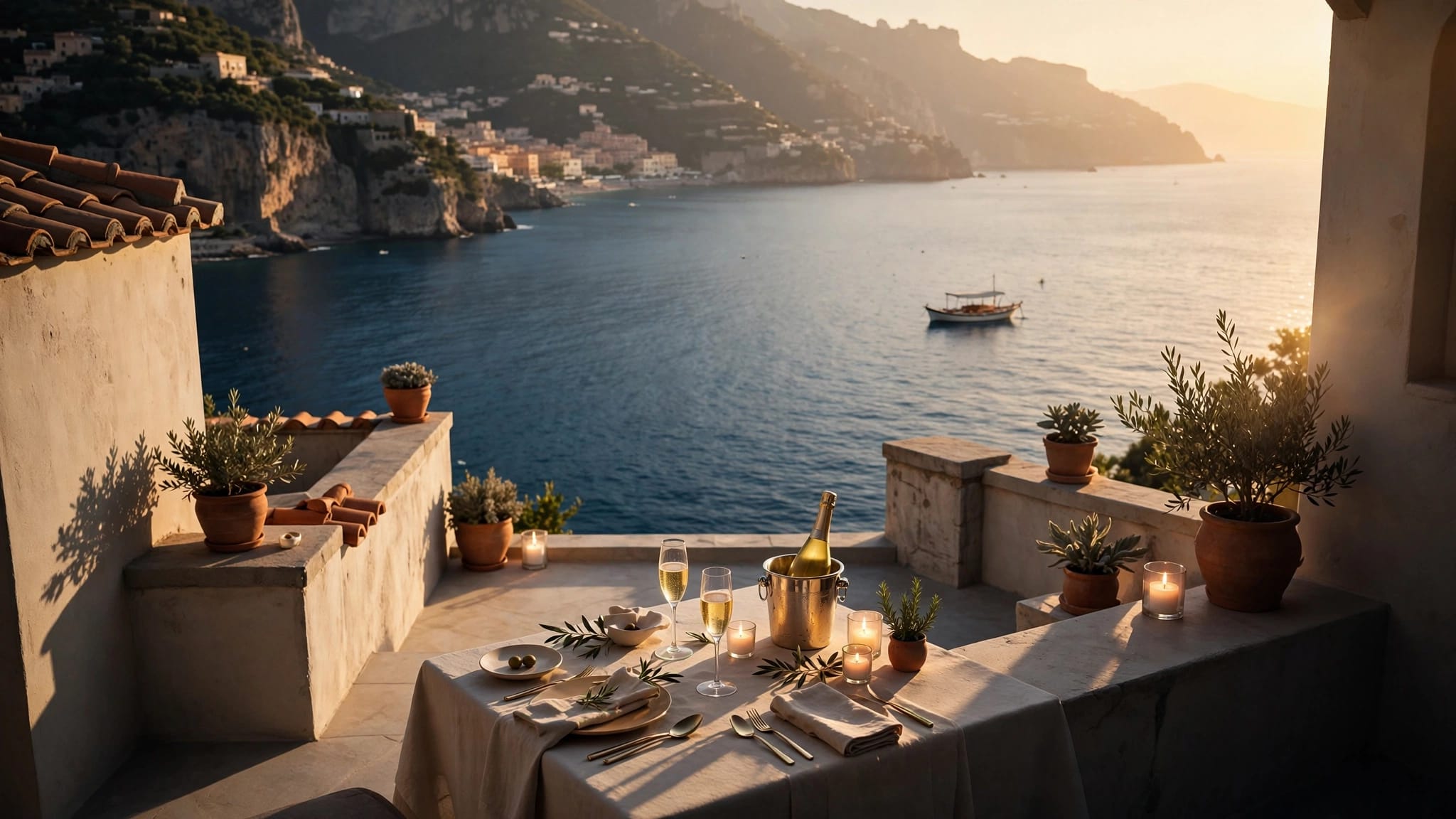
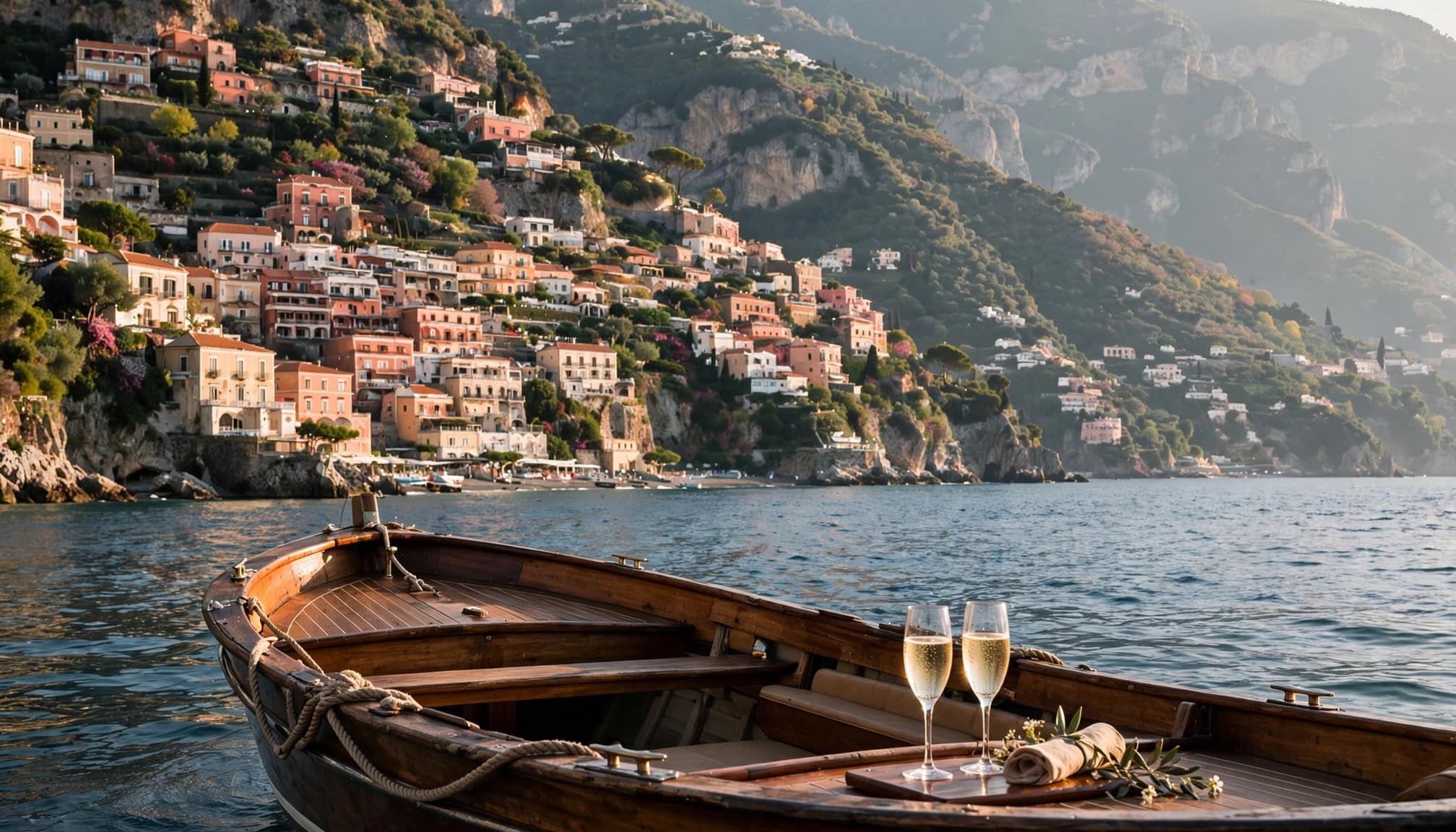
The Amalfi Coast suits couples who want sea views, long lunches, and an arrival that feels like an occasion. Capri adds a day on the water. A private boat tour lasts two hours, half a day, or a full day, so the outing can fit your pace. Keep plans flexible if sea conditions change.
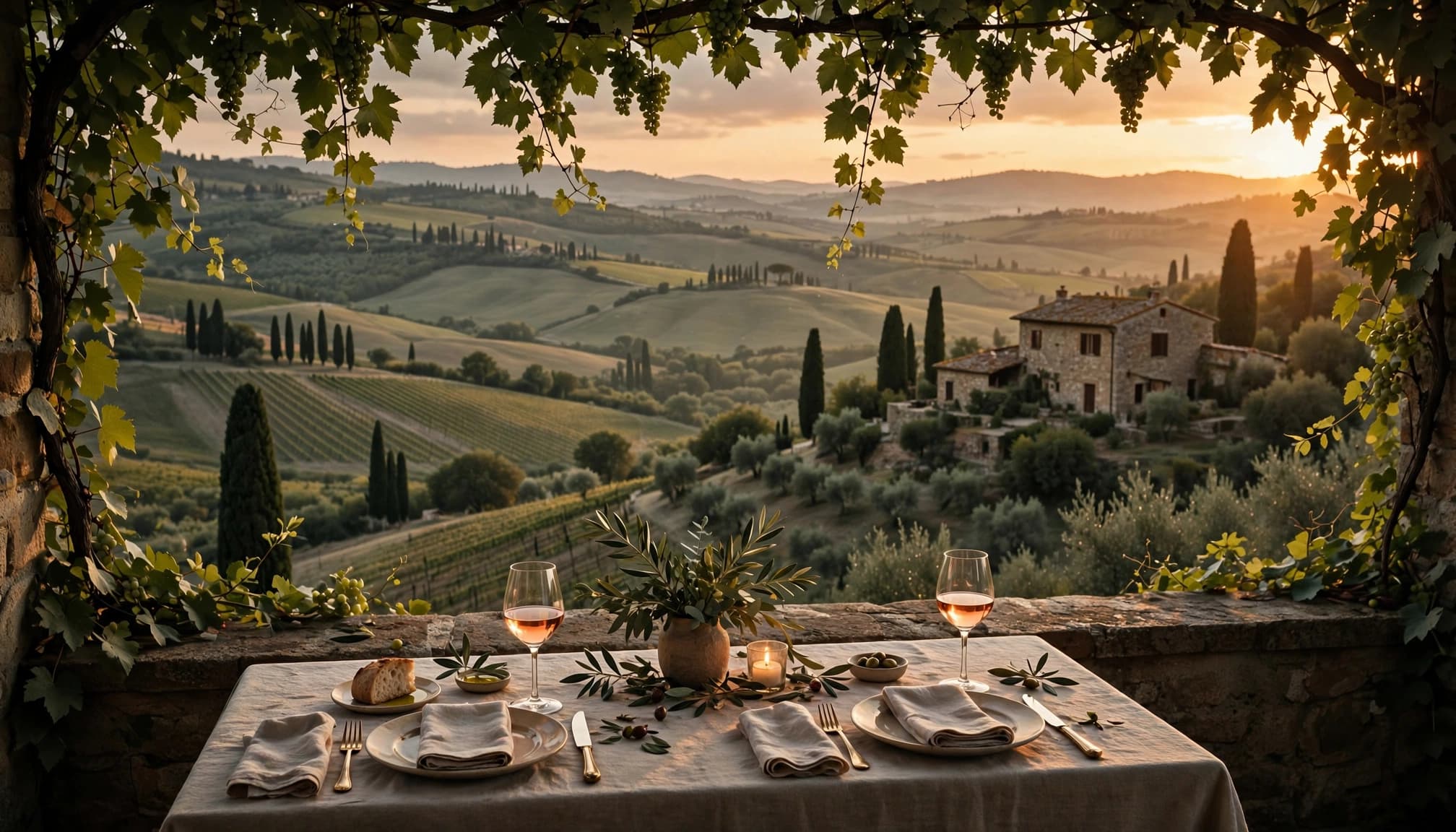
Tuscany is better for vineyard stays, wine tasting, charming villages, and unhurried afternoons. Florence adds art and walkable evenings without committing the entire trip to the countryside. Lake Como is the choice for grand hotels, gardens, and time on the water. For destination research beyond the familiar stops, use the official Italian tourism site.
Cities and quieter escapes
Paris makes sense when the trip revolves around restaurants, galleries, historic sites, and the pleasure of walking home after midnight. Venice rewards a slower stay, especially when you give yourself time in its historic old town beyond the busiest daytime streets. Lisbon offers food, viewpoints, and live music with a more informal rhythm. Santorini, Greece, is a honeymoon destination that can also suit anniversary travelers seeking caldera views and a slower pace.
If privacy is the priority, consider a smaller base such as Varenna on Lake Como or Slovenia’s Lake Bled. Lake Bled pairs scenic landscapes with access to nearby thermal baths. Check what will be open during your dates, particularly outside summer. A peaceful hideaway still needs a dinner plan you can reach comfortably.
Pick Dates With the Whole Day in Mind
A warm forecast can’t tell you whether you’ll enjoy walking to lunch or find room to linger afterward. On the Mediterranean coast, heat, crowds, and seasonal openings all affect how a place feels.
Look at the shoulder months
For southern Europe, May and September are good months to consider during shoulder season. You can often enjoy outdoor dining without planning every movement around peak summer heat. Early October can work on the Amalfi Coast, though weather and boat conditions become less predictable.
July and August bring heavy demand to Mediterranean favorites. If those are your only dates, stay longer in one base. Arrange the defining dinner and private outing ahead of time, then avoid packing the hottest hours with sightseeing.
Check the local calendar before committing
A quieter month can still contain a busy holiday or major event. Confirm hotel availability, restaurant opening days, and any concert or festival dates that affect the neighborhood you want.
That matters even more on an island or coast. A beautiful room has less value if the restaurant you hoped to visit is closed that week, or the boat outing depends on a single available day. Keep one flexible day for weather.
Build a Route That Protects Your Evenings
European distances look manageable until you add checkout, luggage, the station or port, and the final drive to your hotel. The published train or ferry journey is only part of the move.
Count door-to-door time
Rome and Florence can pair well by rail. Florence and the Tuscan countryside need another transport plan. An Amalfi Coast stay adds decisions about road transfers and boats. Check those connections before buying flights.
For a multi-stop trip, move in one geographic direction and consider arriving in one city and departing from another. Choose fewer bases so you have time to enjoy a boutique hotel rather than rush past it. Leave a light afternoon after each transfer: check in, walk nearby, have a drink, and settle into dinner. Save your most important reservation for a night when you’re already in place.
A beautiful dinner deserves a stable day before it, not a connection that has to work perfectly.
Give one experience the spotlight
One private boat day, vineyard visit, or performance can set the tone for the whole trip. Leave room to enjoy where you are. Breakfast might turn into a second coffee. Lunch might last longer than expected.
I’m a musician and see about one show a week, so I pay attention to what happens after dinner. If music is part of your celebration, stay near the venue and keep the pre-show meal close. These European cities for a concert weekend offer ideas for building a night around the show without losing the next day.
Choose a Hotel for the Life Around It
Luxury accommodations should make the trip easier, not merely look impressive in photos. Start with the room, then consider the journey back to it.
Match the property to the destination
In Positano, confirm the route between your room, the road, and the water. On Lake Como, consider boat access alongside scenic views. In Tuscany, ask how far the villa sits from the towns and restaurants you’ll want to visit.
Grand Hotel Tremezzo on Lake Como and Le Sirenuse in Positano are two well-known luxury resorts with distinct settings. A boutique hotel may suit you better if you value a particular neighborhood or a more intimate atmosphere. Compare rooms, not just property names: terrace, privacy, sunset views, and cancellation terms can differ substantially.
Protect the easy return
In Paris or Lisbon, I’d pay attention to where you’ll be at 11 p.m. A walkable hotel near cobblestone streets and fine dining makes it easy to change before dinner. You can stay for another drink and head back when you’re ready. In the countryside, arrange the driver before confirming a late table.
Those details are where premium travel earns its place. They give you more freedom during the evening.
Decide How Much Planning You Want to Own
Some couples love researching every table and connection. Others want to share their tastes once and arrive with the reservations handled. Both approaches can work; the question is how much of your time the planning will take.
Independent trip, advisor, or river cruise?
Plan independently if you enjoy choosing hotels and comparing routes, including finding a boutique hotel that feels distinctive. A guided vacation or advisor-led trip can take the logistics off your hands. For a trip with several regions, a celebration dinner, and private activities, an advisor can coordinate flights, rooms, transfers, reservations, and backup options. My work as a tech COO has made me attentive to those handoffs. A great night should never depend on an unchecked transfer.
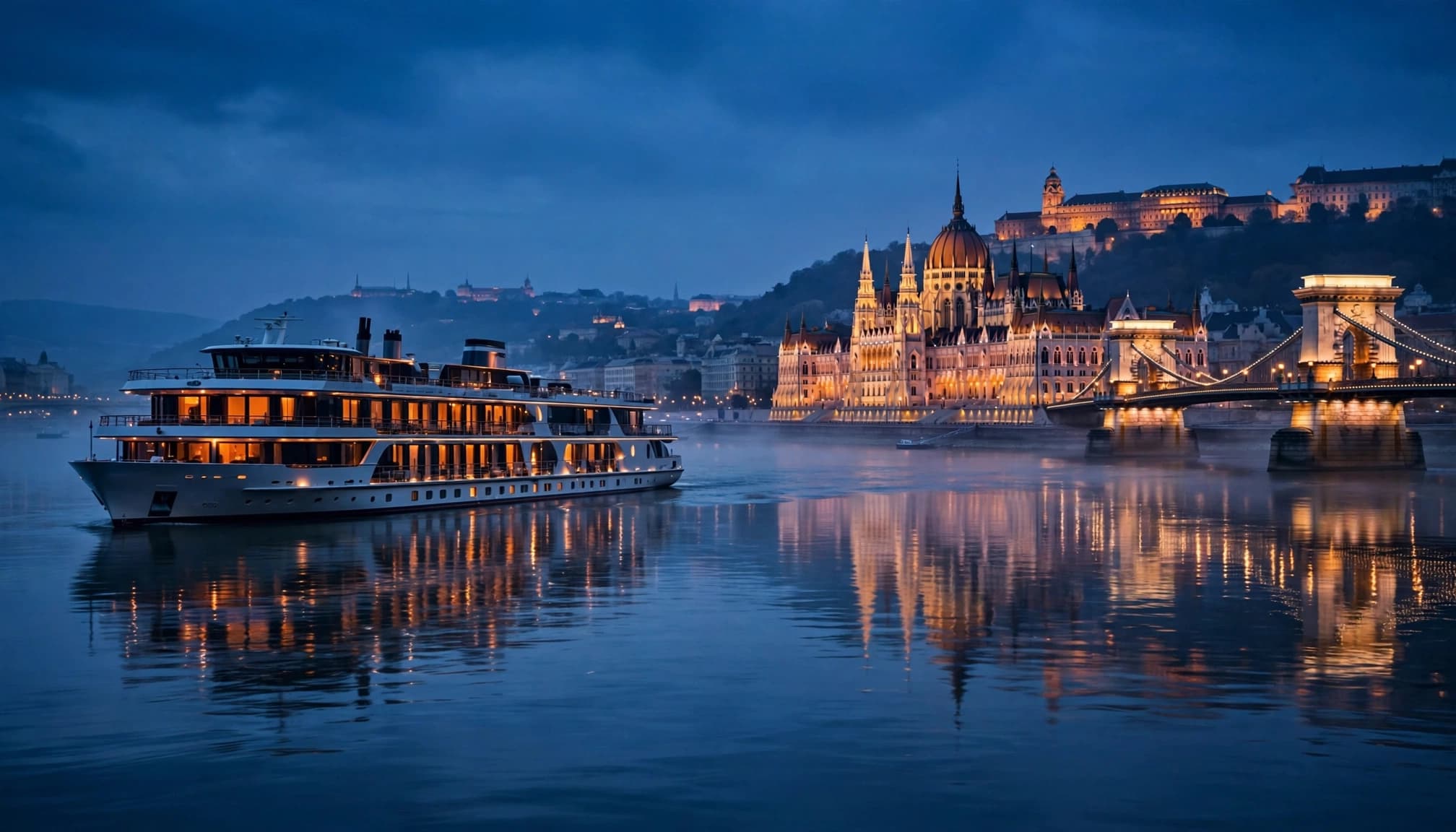
A luxury river cruise removes many hotel changes. Uniworld’s Venice & the Jewels of Veneto is an eight-day, Venice-to-Venice example. A cruise gives you a set route and onboard rhythm; a land trip gives you more say over where you stay out late, eat, and spend an extra day. Choose based on the freedom you want, not only the number of places you’ll see.
For couples who want the trip shaped around their own tastes, my custom trip planning services cover accommodations, dining, transport, experiences, and on-trip adjustments.
Spend Where You’ll Feel the Difference
A realistic budget for luxury travel starts with the experience you refuse to compromise. For one couple, that’s the room or fine dining; for another, it’s a private guide, a boat, or the flexibility of a driver.
Price the full trip
Separate flights, accommodation, intercity travel, local transfers, dining, experiences, and a reserve for changes. As a simple illustration, a room budget of €800 per night for seven nights is €5,600 before the rest of the trip. It’s a planning calculation, not a promise about hotel rates.
Ask what’s included before comparing offers. A boutique hotel may include breakfast, while a villa can add transport and staffing costs. A cruise fare may cover some dining and excursions while leaving other experiences optional. Cancellation terms matter when several expensive bookings depend on the same dates.
Book the scarce pieces first
Once you’ve settled the dates and route, secure the room you want and the experience that would be hard to replace. Reserve the anniversary dinner when bookings open. Then fit trains, flights, and transfers around fixed commitments, checking current schedules and ticket conditions before paying for nonrefundable plans.
Leave breakfast spots, casual lunches, and a few evenings open. The room to follow a local recommendation is part of the pleasure.
Frequently Asked Questions
What’s the best month for a Mediterranean anniversary?
May and September are good places to start if you’d like warm days with less peak-summer pressure. Check conditions for the exact coast or island you’re considering. Boat plans in particular need a weather alternative.
Is the Amalfi Coast or Tuscany better for an anniversary?
Choose the Amalfi Coast for dramatic scenery and time on the water. Choose Tuscany for countryside privacy, wine, and slower afternoons. With enough nights, Florence and a Tuscan stay pair naturally; adding the coast calls for a careful transfer plan.
How many destinations fit into one week?
Two bases usually give you enough variety without turning the week into a sequence of checkouts. One base can be even better if the hotel and surrounding area offer the food, outings, and evenings you want.
Should we book a guided tour?
Book private guiding when you want insight at historic sites or access to an experience you’d struggle to arrange yourself. You don’t need a guided schedule every day. Keep time for the two of you to explore at your own pace.
Make the Time Together Count
The best anniversary trip won’t be the one with the most stops. It’ll be the one where the boutique hotel feels right, the important reservations are in place, and you have time to stay for another glass.
Choose your setting, protect your evenings, and build the logistics around the moments that matter. If you’d like help making those pieces fit, you can start planning your custom trip.