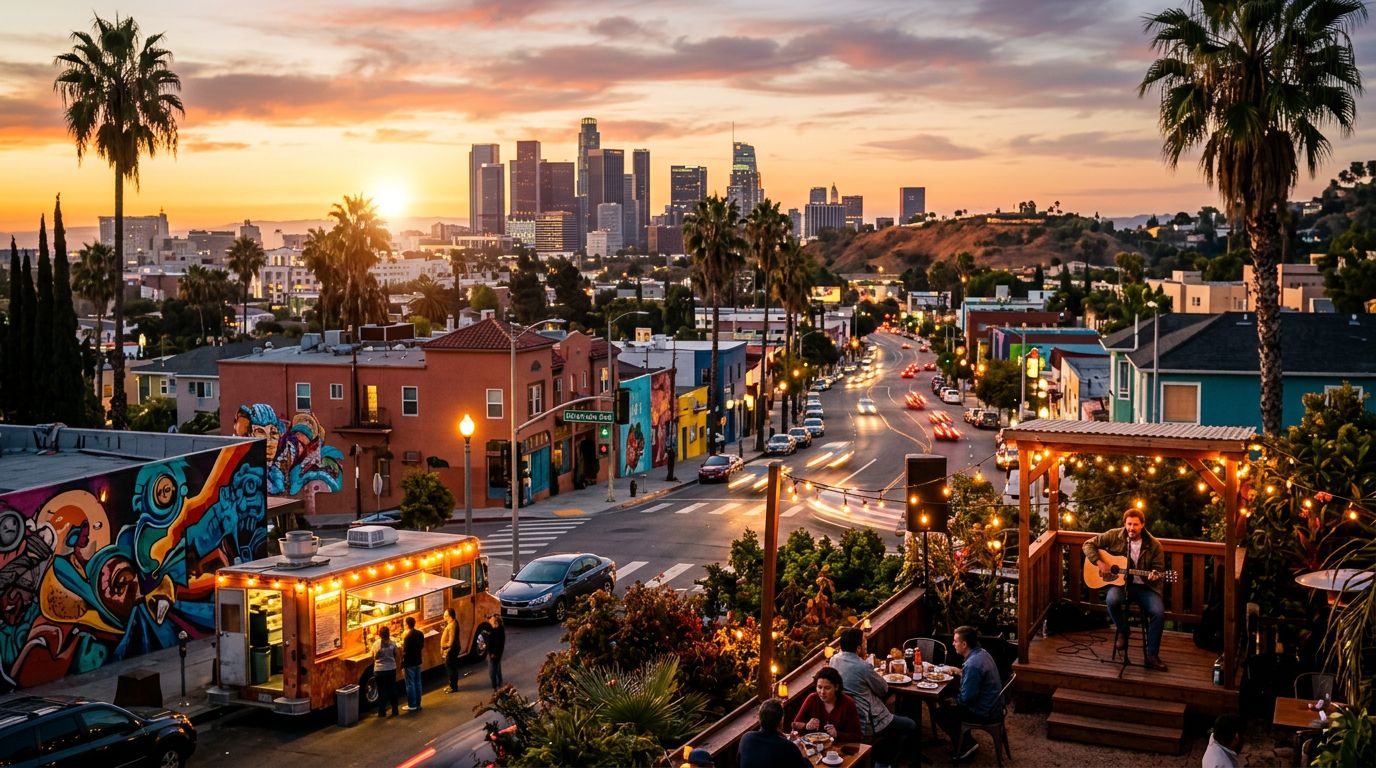
LA can hand you a perfect day, or it can trap you in Los Angeles traffic between three places that looked close on a map. That is the whole trick.
A smart Los Angeles itinerary is not about checking off landmarks. It is about sequencing neighborhoods, meals, and nights out so the city opens up instead of fighting you. If you want the version of LA that feels lived-in, not over-scripted, start here.
Key Takeaways
- Cluster your activities: To avoid losing hours to Los Angeles traffic, focus your itinerary on one or two neighboring areas per day rather than jumping across the city.
- Prioritize anchors: Book tickets for concerts or reservations for popular dining spots first, then build your daily schedule around those non-negotiables.
- Embrace local pacing: LA rewards a relaxed approach; plan one significant meal per day and leave time for spontaneous exploration in neighborhoods like Highland Park or Silver Lake.
- Choose your base wisely: Select your accommodation based on your primary interests—whether it is the beach, nightlife, or music venues—to minimize travel time and logistical stress.
How to plan Los Angeles without wasting half the trip
The first rule is simple: cluster your days. If you are among the many first time visitors planning a trip to Southern California, you might be surprised by the sheer scale of the city. Trying to do Santa Monica in the morning, the griffith observatory at sunset, and Koreatown for dinner sounds ambitious, but in real life, it is just a windshield tour. LA rewards focus. Pick one zone, maybe two that touch, and build your schedule around that.
Before you finalize your plans, decide how you will get around. You should definitely consider whether to rent a car for maximum flexibility, or evaluate if public transportation is viable for specific routes within your chosen neighborhoods.
Think of the city like a playlist. The order matters. Start mellow, build energy, and finish with the track you came for, whether that is a rooftop dinner, a taco crawl, or a live show.
Here is a clean way to structure a 3 to 4 day stay:
| Day | Area focus | Best for |
|---|---|---|
| 1 | Los Feliz, griffith park, Silver Lake | First-time visitors who want views, cafes, and neighborhood energy |
| 2 | Santa Monica, Venice | Beach time, people-watching, biking, sunset |
| 3 | downtown los angeles, Koreatown | Museums, architecture, big dinners, nightlife, live music |
| 4 | Highland Park, Boyle Heights | Repeat visitors, local food, smaller venues, street-level LA |
That layout keeps your transit sane and your days varied. You get hills one day, the coast the next, the city after dark, and neighborhood depth if you have more time.
If you want a broad sense of what is happening across the city right now, Time Out’s LA roundup is useful for current exhibits, pop-ups, and seasonal ideas. Use it as a pulse check, not your whole plan.
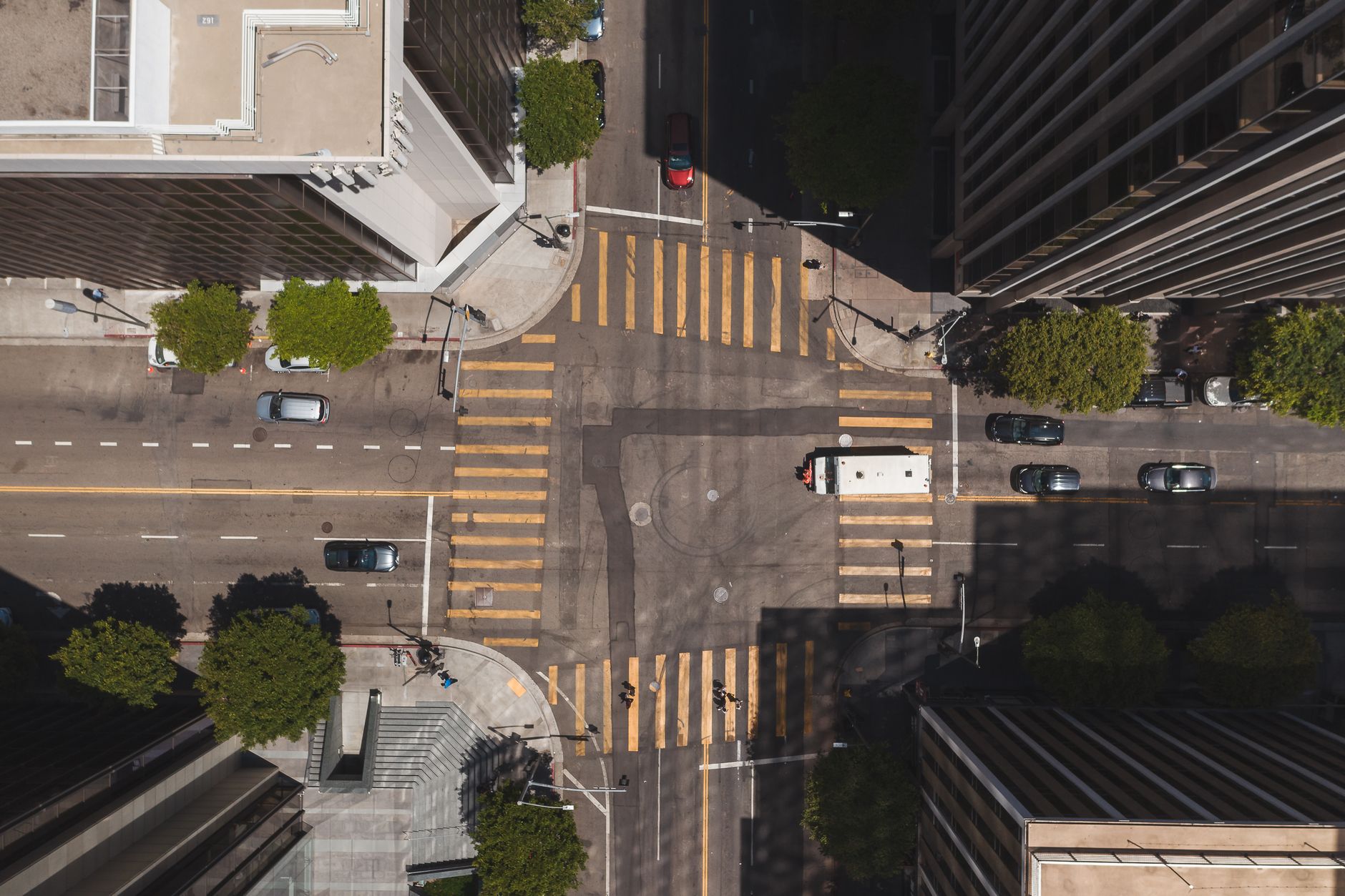
Photo by RDNE Stock project
In LA, distance lies. Because of los angeles traffic, five miles can cost 40 minutes.
Once that clicks, the city gets a lot easier to navigate.
Day 1: Los Feliz, Griffith Park, and Silver Lake
This is the perfect opening for a Los Angeles itinerary because it captures the spirit of the city without the artificial gloss. It feels like LA fast, but not in a fake way.
Start in Los Feliz with coffee and a slow walk along Hillhurst or Vermont. The neighborhood offers that rare combo that LA does not always hand over easily: you can actually move on foot, look in shop windows, and feel like the city is meeting you halfway. Breakfast works best if it is unhurried. Fred 62 is still a reliable diner play. Little Dom’s is a stronger move if you want lunch to bleed into the afternoon. While iconic spots like the Hollywood Walk of Fame or the TCL Chinese Theatre are located nearby, they offer a very different, more frenetic energy than a relaxed Los Feliz walking tour.
Late morning, head into Griffith Park. If it is your first visit, the Griffith Observatory is still worth the trip. The view lands for a reason. From the Griffith Observatory, you get the perfect Hollywood Sign angle, a stunning look at the downtown skyline, and a clear view of the vast basin. If you would rather earn the panorama, take one of the shorter hikes nearby and keep it light. Exploring Griffith Park is a highlight of any trip, but this is not the day to torch your legs before dinner and a show.
By mid-afternoon, slide into Silver Lake. This is where the pace shifts. You will find more design, more records, more cafe-hopping, and more people who look like they know exactly where they are going. Stroll the reservoir if you want a reset, then post up for a late lunch or early dinner. Botanica works when you want something fresh and polished. Night + Market Song is louder, bolder, and better if the night is still warming up.
If your trip includes a concert, Day 1 pairs well with an eastside or Hollywood venue. The Greek Theatre is the obvious fit. The Lodge Room works too if you are willing to push a little farther northeast. The mistake is booking a westside reservation after you have already committed to a hills-based day.
This is the kind of opening day that does not feel like homework. That is the point.
Day 2: Santa Monica and Venice, done the right way
Beach days in LA go sideways when people overstuff them. The coast works best when you keep it loose.
Start early in Santa Monica. Morning light is kinder, parking is easier, and the area feels relaxed before the crowds take over. If seeing the Santa Monica pier matters to you, experience the Santa Monica pier early and then move on. It is iconic, but it should not eat your whole day. The better play is to grab coffee nearby, enjoy the sand, then head south.
Biking from Santa Monica into Venice is still one of the cleanest ways to feel the coastline. You get the ocean on one side, chaos on the other, and a front row seat to the city’s weird confidence. The venice beach boardwalk is part circus, part anthropology lesson. See it, then leave it. The more interesting side of Venice is tucked away from the main strip.
The Venice Canals are the reset. You will find quiet footbridges, homes that look staged for a movie, and ducks acting like they pay HOA dues. After that, drift toward Abbot Kinney, but keep your expectations straight. It is polished and fun, but it is not the whole neighborhood. If you are a coastal fan, consider a drive north on the Pacific Coast Highway toward Malibu to see the Getty Villa, or head toward the hills to visit the Getty Center for an incredible high-view museum experience.
Lunch and dinner both have range here. Gjelina is the name people know, and yes, it is still a strong reservation if you want a longer meal. If you want something easier, Jody Maroni’s is classic casual fuel, and La Fiesta Brava keeps the day from getting too precious.
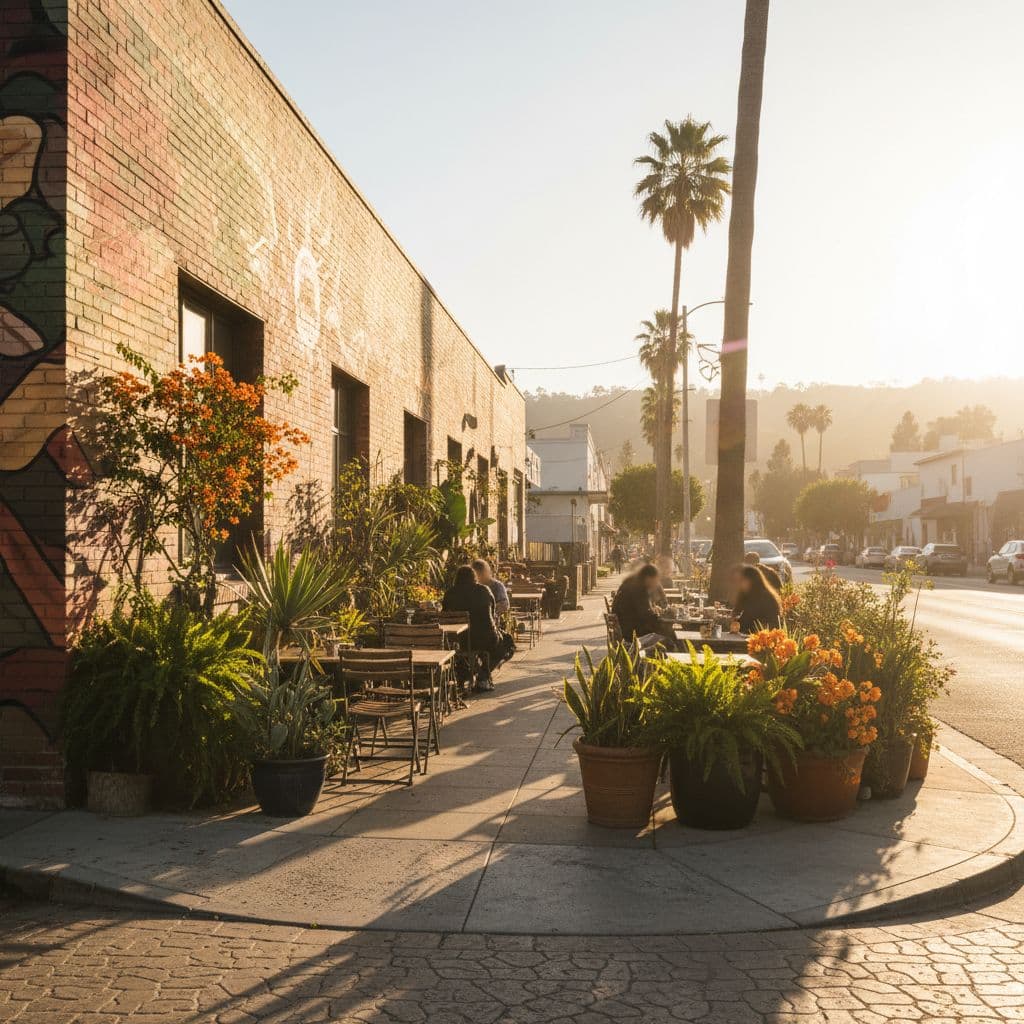
Sun-drenched neighborhood energy is part of why LA days work best when you keep them local.
If you need an activity with a little more structure, GetYourGuide’s Los Angeles options can help fill a beach day with a surf lesson, harbor cruise, or museum stop without hijacking the whole itinerary.
Stay for sunset. That is the payoff. Then, decide what kind of night you want. A low-key drink near the coast is the move if you want the day to feel complete. A hard pivot to another part of town only makes sense if you already have a ticket in hand.
Day 3: Downtown Los Angeles, Koreatown, and a proper night out
This is where your Los Angeles itinerary stops looking like a postcard and starts feeling like a city.
Begin in downtown Los Angeles, preferably without rushing. Grab coffee in the Arts District or the Historic Core, then give yourself something visual before the food-heavy back half of the day. That can mean visiting The Broad, admiring the Walt Disney Concert Hall from the outside, or taking a slow walk past the iconic Angels Flight railway and the old movie-palace facades. Downtown Los Angeles is better when you let it stack details instead of demanding instant charm.
For context on the city beneath the surface, LA Explained is excellent. It adds texture to places that can otherwise feel like isolated stops on a map.
Lunch can go a few directions. Little Tokyo makes sense if you want something compact and walkable. Grand Central Market is the most useful option when everyone in the group wants something different, as the variety of vendors at Grand Central Market ensures no one leaves unhappy. The Arts District works well if you want more cocktail-bar energy to build into the evening.
Then comes Koreatown, one of the best night neighborhoods in LA, full stop. It is dense, loud, hungry, and awake when other parts of the city are fading out. Dinner here should be the anchor of your evening, not an afterthought. Park’s BBQ is the classic choice for a high-energy meal. BCD Tofu House is perfect when you want comfort and heat. Hangari Kalguksu is the move for handmade noodle soups and a less showy dinner.
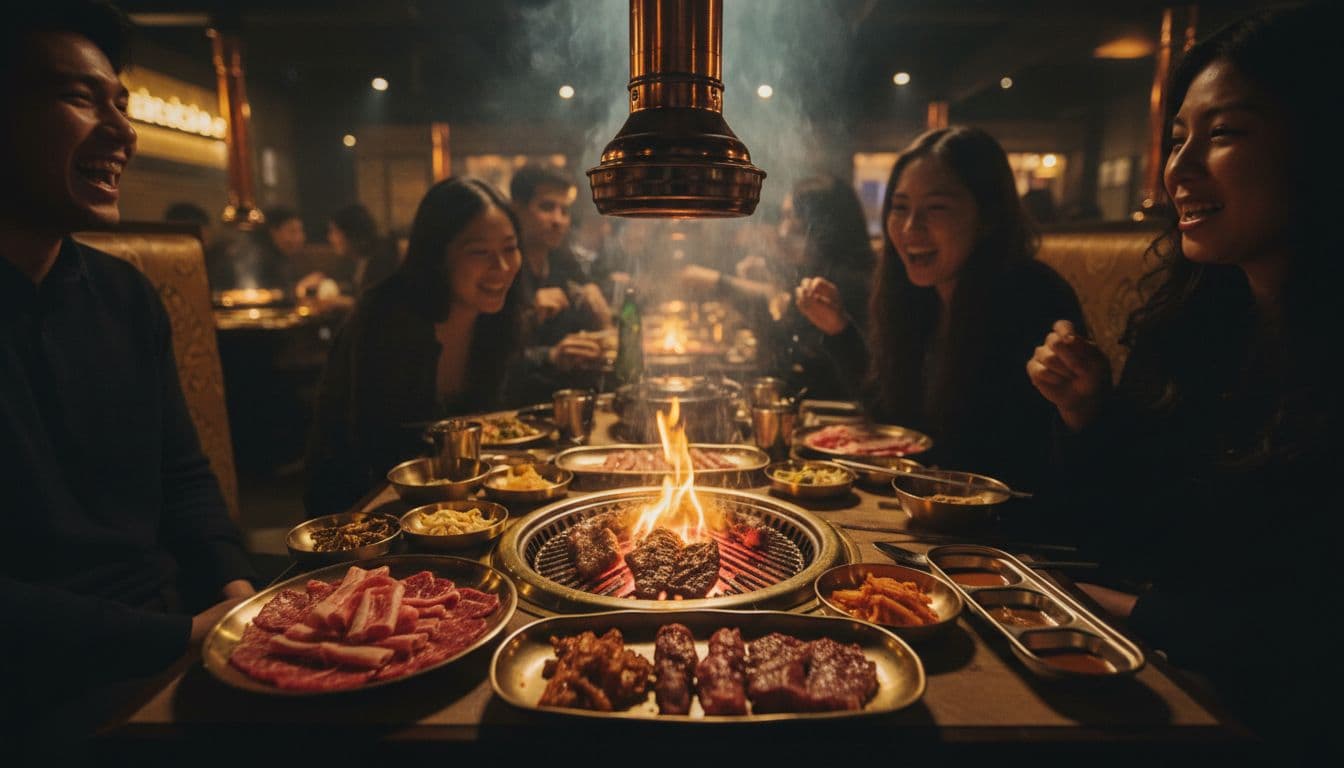
After dinner, pick your lane. Karaoke is the obvious choice, and for good reason. If you are chasing live music, this is also the easiest day to pair with venues in central LA. The Wiltern fits naturally into this plan. So do downtown rooms like the Orpheum or The Broad nearby, or the Walt Disney Concert Hall, depending on the night and your taste.
Book dinner around the show, not the other way around.
That one move saves a lot of mediocre meals and a lot of rushed entrances. If you still have gas left, end with a drink somewhere that lets the city breathe a little. Not every LA night needs a rooftop. Sometimes a dim bar, one last round, and a short ride home is the perfect way to round out this portion of your Los Angeles itinerary.
Add a fourth day for Highland Park and Boyle Heights
If you have already done the classic LA hits, or you simply want a day that feels less filtered, this is the one to add. However, if you are a film buff looking for a cinematic experience, you could instead use this day to book the Warner Bros Studio Tour or spend your time exploring the sets at Universal Studios Hollywood.
For those sticking to the neighborhood route, Highland Park has the texture people mean when they talk about real LA. You get cafes that feel rooted, vintage shops that are not trying too hard, murals, smaller bars, and streets that reward walking a little slower. Start on York or Figueroa, grab coffee, and let the morning unfold. This is not a district that needs a checklist. If your trip revolves around music, Highland Park punches above its weight. The Lodge Room is one of the best small venues in the city, the kind of place where the room matters almost as much as the lineup. That is a major draw if you travel for concerts, not just destinations.
From there, shift toward Boyle Heights for lunch or early dinner. This is one of LA’s strongest neighborhoods for Mexican-American history, murals, and long-running food institutions. Guisados is a good stop if you want handmade tortillas and stewed taco fillings that feel like a meal, not a snack. La Mascota Bakery is great for pan dulce and a slower break, while El Tepeyac Cafe still has that old-school, local loyalty you cannot fake.
Regardless of whether you choose the studio tours or a day of neighborhood wandering, no trip to Southern California is truly complete without stopping at an In-N-Out Burger. It is the essential local culinary experience to wrap up your final day.
This is also a day where exploration is part of the value. If you like building a trip around what locals actually do, not what visitors are told to do, this Ask Los Angeles thread is useful for pattern spotting. Same with Blogger at Large’s LA list, which has a few left-field ideas worth stealing for a longer stay. What makes Day 4 work is the tone. It offers less performance and more pulse. You do not need it on every trip, but when it fits, it usually becomes the day people talk about most.
Where to stay in Los Angeles, including West Hollywood and beyond
The best base depends on what your nights look like.
If the trip leans toward cafes, record shops, concert venues, and neighborhood wandering, stay near Los Feliz, Silver Lake, or Hollywood. You will be better positioned for the eastside, Griffith Park, and central music venues. This is the sweet spot for travelers who want energy without planting themselves at the beach.
If the coast is the point, stay in Santa Monica. It is expensive, yes. But if you know you want morning beach walks, sunset dinners, and less car time on Day 2, the premium can make sense. A cheaper hotel farther inland often stops being cheaper once rideshares and parking start piling up.
For nightlife, polished dining, and a central location, West Hollywood still earns its keep. It is a strong choice if your plans include the Troubadour, Sunset Strip dinners, or a more dressed-up version of the city. Plus, you are in close proximity to Beverly Hills and Rodeo Drive, making it a perfect home base for those interested in high-end shopping and fine dining.
Downtown Los Angeles works best if you like architecture, museums, and event nights, or if you have a show there. Some travelers love having everything vertical and dramatic around them. Others prefer something greener and calmer. Know which person you are before you book.
One practical note: a hotel with on-site parking can beat a lower room rate and daily garage roulette. Because Los Angeles traffic can be unpredictable, your choice of neighborhood should influence whether you decide to rent a car or rely on public transportation. In LA, friction adds up fast, so choose a location that minimizes your time on the road.
The little decisions that make the trip better
A great LA trip usually comes down to timing more than volume.
Make dinner reservations for the places that draw destination diners. Gjelina, Park’s BBQ, and any restaurant tied to a peak Friday or Saturday window deserve a plan. Same goes for concerts. If the music is important, buy the ticket first, then build the meal and neighborhood around it.
Leave room around those anchors. That matters more in LA than in compact cities. You need breathing space for Los Angeles traffic, parking, and the occasional audible when a neighborhood pulls you in longer than expected. Only rent a car if you are fully prepared for the daily commute, as your travel pace will be dictated by the flow of the freeways.
A few moves are worth locking down early:
- Reserve the hard-to-get dinner or the show that anchors the night.
- Keep one afternoon open for spontaneous detours. If you find yourself with extra time, LACMA and the Urban Light installation are perfect gap fillers.
- Plan one big meal a day, not three. LA is a grazing city.
- Put your farthest drive outside peak rush hours whenever possible.
What doesn’t need military precision? Coffee stops, casual lunches, or short neighborhood walks. If your plans change, it is easy to pivot toward the Hollywood Sign for a view or take a scenic drive through Beverly Hills. Bakeries, dessert runs, and last-minute bars are the parts of the trip that should feel found, not scheduled.
If you are still filling gaps, go back to current neighborhood guides and event calendars. A clean itinerary in LA is not the one with the most pins. It is the one with the least unnecessary backtracking.
Frequently Asked Questions
Do I really need to rent a car in Los Angeles?
It depends on how much you plan to move around. If you are staying within a specific neighborhood and using rideshares for occasional longer trips, you may get by without one; however, a rental car provides the most flexibility for exploring the city’s vast, spread-out landscape.
What is the best way to handle Los Angeles traffic?
The best strategy is to avoid being on the freeways during peak rush hours, which typically occur in the morning and late afternoon. By clustering your itinerary into specific zones, you minimize the amount of time you spend behind the wheel and maximize time at your destination.
How far in advance should I book dining and activities?
For highly popular restaurants or must-see concert venues, you should book as early as their reservation or ticket windows allow. Planning these anchor events in advance ensures you are not left with limited options or forced into a rushed, inconvenient commute.
What is the best neighborhood for a first-time visitor to stay in?
If you want a mix of culture, walkability, and local energy, Los Feliz or Silver Lake are excellent choices for a more authentic, neighborhood-focused experience. If you prioritize easy access to the coast and sunset views, Santa Monica is a classic, albeit more tourist-centric, option.
Conclusion
The best LA trips do not try to conquer the city. They read the room.
A successful Los Angeles itinerary is ultimately about choosing quality over quantity. First time visitors often find that they have a much better impression of the city when they focus on exploring a single neighborhood, such as Downtown Los Angeles, rather than racing across the map. Build each day around a tight cluster, let food and music steer the mood, and stop asking one afternoon to do the work of three. That is how your travel plans start feeling personal instead of generic.
The city is huge. Your plan should not be.